Getting a one-year-old to sleep can feel like an insurmountable challenge for exhausted parents. At this age, your toddler is experiencing rapid developmental changes, increased mobility, and growing independence—all factors that can disrupt what was once a predictable sleep routine. Understanding the underlying reasons for sleep resistance and implementing evidence-based strategies can transform bedtime from a nightly battle into a peaceful transition.
This comprehensive guide explores proven techniques for establishing healthy sleep habits in toddlers, addresses common sleep challenges, and explains how nutritional support—including innovative delivery methods like vitamin sprays—can support your child's natural sleep-wake cycle.
Understanding Your One-Year-Old's Sleep Needs
Before implementing any sleep strategy, it's essential to understand what constitutes normal sleep for a one-year-old. Most children this age require 11-14 hours of total sleep within a 24-hour period, typically divided between nighttime sleep and one or two daytime naps.
Developmental Changes Affecting Sleep
Around the one-year mark, several developmental milestones can temporarily disrupt sleep patterns:
- Physical development: Learning to walk, climb, and explore creates excitement that can make settling down difficult
- Cognitive growth: Increased awareness of separation from parents may trigger anxiety at bedtime
- Language acquisition: Brain development related to communication skills can affect sleep architecture
- Teething: The emergence of molars often occurs during this period, causing discomfort that interferes with sleep
Recognizing these normal developmental phases helps parents respond with patience rather than frustration when sleep challenges arise.
Creating an Optimal Sleep Environment
The physical environment plays a crucial role in signaling to your toddler's brain that it's time for sleep. Consider these evidence-based environmental factors:
Temperature and Comfort
Maintain the bedroom temperature between 68-72°F. Overheating is associated with poor sleep quality and increased safety risks. Dress your child in breathable, season-appropriate sleepwear—generally one layer more than you would wear to be comfortable.
Lighting Considerations
Darkness triggers melatonin production, the hormone responsible for regulating sleep-wake cycles. Use blackout curtains to eliminate external light sources, and avoid screens (televisions, tablets, smartphones) for at least one hour before bedtime, as blue light suppresses melatonin production.
Sound Management
White noise machines can mask household sounds that might wake your toddler during light sleep phases. Maintain a consistent volume around 50 decibels—roughly equivalent to a quiet conversation—and position the device at least seven feet from the crib.
Establishing a Consistent Bedtime Routine
Predictability provides security for young children and helps regulate their circadian rhythm. A well-designed bedtime routine should last 20-30 minutes and follow the same sequence each night.
Sample Bedtime Routine
- Bath time (5-10 minutes): Warm water helps lower body temperature afterward, promoting drowsiness
- Quiet play or reading (10-15 minutes): Choose calming activities that encourage bonding without overstimulation
- Final feeding (if applicable): Complete this step before teeth brushing to maintain dental health
- Dimming lights and putting on sleep clothes
- Brief cuddle or lullaby (2-3 minutes): Provide comfort while avoiding creating a dependency on your presence for sleep onset
- Placing in crib while drowsy but awake: This critical step allows your child to develop self-soothing skills
Consistency matters more than the specific activities you choose. Even when traveling or during disruptions, maintaining as much of the routine as possible helps preserve sleep quality.
Addressing Common Sleep Challenges
Night Wakings
Frequent night wakings are common at this age. When your toddler wakes, wait a few moments before responding—many children resettle independently within 5-10 minutes. If intervention becomes necessary, keep interactions brief, boring, and conducted in dim lighting to avoid fully waking your child.
Separation Anxiety at Bedtime
Around 12-18 months, many toddlers experience heightened separation anxiety. Combat this by:
- Practicing brief separations during the day to build confidence
- Using a transitional object like a small blanket or stuffed animal (ensuring it meets safety guidelines)
- Implementing a predictable goodbye routine that you follow consistently
- Avoiding sneaking away, which can increase anxiety when your child notices your absence
Nap Transitions
Many one-year-olds begin transitioning from two naps to one during this period. Signs your child is ready include consistently refusing one nap, taking significantly longer to fall asleep at bedtime, or waking earlier in the morning. Make this transition gradually over several weeks rather than abruptly.
Nutritional Support for Healthy Sleep
Proper nutrition plays an often-overlooked role in sleep quality. Certain nutrients directly support the production of sleep-regulating hormones and neurotransmitters.
Key Nutrients for Sleep Regulation
Vitamin D: Research indicates that vitamin D deficiency correlates with sleep disturbances in children. This vitamin helps regulate circadian rhythms and supports the production of sleep-promoting hormones. Many children, particularly those in less sunny climates or with darker skin tones, don't obtain adequate vitamin D from sunlight exposure alone.
B Vitamins: The B vitamin complex, particularly B6 and B12, plays crucial roles in melatonin synthesis and regulation of the sleep-wake cycle. These vitamins support the conversion of tryptophan to serotonin, which is then converted to melatonin in darkness.
Magnesium: This mineral supports muscle relaxation and nervous system regulation, both essential for quality sleep. Magnesium also helps regulate neurotransmitters that send signals throughout the nervous system and brain.
Innovative Delivery Methods: Oral Spray Vitamins
For parents struggling to ensure their toddler receives adequate nutrition, oral spray vitamins offer a practical alternative to traditional pills or liquid supplements that children often resist.
Unlike conventional supplements that must pass through the digestive system, vitamin spray technology delivers nutrients through the mucous membranes in the mouth, allowing for rapid absorption directly into the bloodstream. This delivery method can achieve absorption rates up to 90%, compared to approximately 10-20% for many pill-based supplements that must survive stomach acid and first-pass metabolism in the liver.
For families in Phoenix, Arizona and surrounding areas, products manufactured in FDA-registered, GMP-certified facilities provide assurance of quality and safety standards. When selecting any supplement for your child, always consult with your pediatrician first to ensure appropriateness and proper dosing.
The Role of Physical Activity
Adequate physical activity during waking hours significantly impacts nighttime sleep quality. One-year-olds should engage in at least 30 minutes of structured physical activity daily, plus several hours of unstructured active play.
However, timing matters. Vigorous activity within two hours of bedtime can be counterproductive, as it raises cortisol levels and body temperature—both of which interfere with sleep onset. Schedule active play for morning and early afternoon hours, transitioning to calmer activities as bedtime approaches.
When Sleep Training May Be Appropriate
If your one-year-old continues struggling with sleep despite environmental optimization and consistent routines, you might consider gentle sleep training methods. Several approaches exist, ranging from "cry it out" methods to more gradual techniques:
The Ferber Method (Graduated Extinction)
This approach involves putting your child down awake and checking on them at progressively longer intervals (typically starting at 3 minutes, then 5, then 10). During checks, you briefly reassure your child without picking them up or staying until they fall asleep.
The Chair Method
Parents sit in a chair next to the crib until the child falls asleep, gradually moving the chair farther away over successive nights until eventually leaving the room entirely. This gentler approach takes longer but may feel more comfortable for parents concerned about crying.
Pick Up/Put Down
When your child cries, you pick them up until calm, then immediately return them to the crib. Repeat as necessary. This method provides more parental contact but can sometimes overstimulate children, making it less effective for some families.
No single method works for every family. Choose an approach aligned with your parenting philosophy and commit to it consistently for at least one week before evaluating effectiveness.
Supporting Your Child's Immune System and Overall Health
Sleep and immune function exist in a bidirectional relationship—poor sleep weakens immunity, while illness disrupts sleep. Supporting your toddler's overall health creates a foundation for better sleep.
Vitamin C: This essential nutrient supports immune function and helps reduce the duration and severity of common illnesses that can disrupt sleep. While vitamin C is abundant in many fruits and vegetables, picky eaters may not consistently consume adequate amounts through diet alone.
Zinc: Working synergistically with vitamin C, zinc supports immune function and plays a role in neurotransmitter function. Research suggests that even mild zinc deficiency may affect sleep quality in children.
For children who resist traditional vitamins or have difficulty swallowing pills, spray supplements combining vitamin C and zinc offer a convenient alternative that many children find more acceptable than traditional forms.
Recognizing When to Seek Professional Help
While most sleep challenges in one-year-olds resolve with time and consistent intervention, certain red flags warrant consultation with a pediatrician or pediatric sleep specialist:
- Loud snoring or breathing pauses during sleep (potential sleep apnea)
- Extreme difficulty falling asleep despite optimal conditions and routines (taking more than 45 minutes consistently)
- Excessive daytime sleepiness or difficulty staying awake during age-appropriate activities
- Sleep disturbances accompanied by developmental regression or concerning behavioral changes
- Persistent night terrors or other parasomnias
Trust your instincts. If something feels wrong beyond typical toddler sleep challenges, seeking professional evaluation provides peace of mind and ensures any underlying issues receive appropriate attention.
Managing Parental Stress and Expectations
Sleep deprivation affects parental mental health, relationship quality, and daytime functioning. Acknowledging this reality and implementing self-care strategies isn't selfish—it's essential for maintaining the patience and consistency that effective sleep strategies require.
Consider these approaches for managing the stress of sleep challenges:
- Share nighttime responsibilities: If you have a partner, alternate nights or divide the night into shifts so each person gets longer stretches of uninterrupted sleep
- Accept help: Allow trusted family members or friends to watch your child during the day so you can nap
- Maintain realistic expectations: Sleep rarely improves linearly; expect setbacks during illness, travel, or developmental leaps
- Support your own health: Prioritize nutrition, including adequate vitamin B12 for energy and mental clarity, and vitamin D for mood regulation
For adults struggling with fatigue, vitamin B12 spray offers a convenient way to support energy levels without the digestive issues sometimes associated with traditional B12 supplements. Similarly, vitamin D3 spray can help maintain optimal levels, particularly during winter months or for those with limited sun exposure.
Long-Term Sleep Hygiene
The strategies you implement now create the foundation for healthy sleep habits throughout childhood. As your child grows, these principles remain relevant:
- Consistent sleep and wake times, even on weekends
- A bedroom environment dedicated primarily to sleep
- Regular physical activity appropriate to developmental stage
- Limited screen time, especially in the hours before bed
- Adequate nutrition to support overall health and sleep regulation
Investing time and energy into establishing these patterns during the toddler years pays dividends throughout childhood and adolescence, when sleep requirements remain high but social and academic pressures often interfere with adequate rest.
Frequently Asked Questions
How long should it take my one-year-old to fall asleep?
Most healthy one-year-olds fall asleep within 15-20 minutes of being placed in their crib drowsy but awake. If your child consistently takes longer than 30 minutes, evaluate whether bedtime is scheduled appropriately relative to their natural sleep drive, or if environmental factors might be interfering with sleep onset.
Is it normal for my one-year-old to wake up several times per night?
While brief wakings between sleep cycles are normal at this age, a child who has developed independent sleep skills should resettle without parental intervention. Frequent wakings requiring parental assistance often indicate your child hasn't yet learned to self-soothe or has developed sleep associations that require your presence.
Should I let my one-year-old cry it out?
This personal decision depends on your parenting philosophy, your child's temperament, and your family's needs. Research indicates that graduated extinction methods (controlled crying) don't cause psychological harm when implemented consistently and appropriately. However, gentler methods also prove effective, though they typically require more time to show results. Choose an approach you can implement consistently.
What if my one-year-old refuses to nap?
Even if your toddler doesn't sleep, maintaining a consistent quiet time in their crib or bedroom provides necessary rest. Most one-year-olds still require at least one daily nap. If resistance is persistent, ensure the nap isn't scheduled too late (which can interfere with bedtime), the wake window before the nap is appropriate (typically 4-5 hours for children on a one-nap schedule), and the sleep environment is conducive to rest.
Can vitamin deficiencies really affect my toddler's sleep?
Yes, research demonstrates clear connections between certain nutrient deficiencies and sleep disturbances in children. Vitamin D deficiency, in particular, has been associated with shorter sleep duration and poorer sleep quality. B vitamins play essential roles in the production of sleep-regulating neurotransmitters. While supplements shouldn't replace a nutritious diet, they can help fill gaps when dietary intake is insufficient. Always consult your pediatrician before starting any supplement regimen.
Are oral spray vitamins safe for toddlers?
When manufactured according to strict quality standards in FDA-registered, GMP-certified facilities, oral spray vitamins can offer a safe alternative to traditional supplements. The key advantages include better absorption rates and easier administration for children who resist pills or liquid medications. However, always verify that any product you choose is specifically formulated for pediatric use with appropriate dosing, and consult your child's healthcare provider before beginning supplementation.
How do I know if my child's sleep problems require medical attention?
Schedule a consultation with your pediatrician if your child exhibits signs of sleep-disordered breathing (loud snoring, breathing pauses, gasping), shows extreme resistance to sleep despite optimal conditions and consistent routines, experiences excessive daytime sleepiness, or if sleep problems are accompanied by developmental concerns or significant behavioral changes. Trust your parental instincts—if something feels wrong beyond typical toddler sleep challenges, professional evaluation is warranted.
How can I maintain sleep routines while traveling?
Bring familiar sleep items (favorite blanket, sound machine, or comfort object) to create consistency in unfamiliar environments. Maintain your bedtime routine as closely as possible, even if timing shifts slightly due to time zone changes. Use blackout curtains or blankets to darken the room. For significant time zone changes, adjust your child's schedule gradually over several days before travel if possible. Portable white noise machines and familiar bedding help recreate the home sleep environment.
Moving Forward With Confidence
Establishing healthy sleep patterns for your one-year-old requires patience, consistency, and realistic expectations. While the journey may include setbacks during illness, developmental leaps, or life transitions, the investment you make now in creating optimal sleep conditions, maintaining consistent routines, and supporting your child's overall health through proper nutrition creates benefits that extend far beyond the toddler years.
Remember that every child is unique. What works perfectly for one family may require modification for another. Pay attention to your child's individual cues and responses, adjust strategies as needed, and don't hesitate to seek professional guidance when challenges persist.
By combining environmental optimization, behavioral consistency, and nutritional support—including innovative delivery methods like vitamin sprays when appropriate—you provide your toddler with the comprehensive foundation they need for restorative, healthy sleep.
Support Your Family's Health with Doctor-Developed Vitamin Sprays
When diet alone isn't enough to meet your family's nutritional needs, DrSprays offers a convenient, effective alternative. Our doctor-developed oral vitamin sprays feature up to 90% absorption rates and are manufactured in our FDA-registered, GMP-certified facility in Phoenix, Arizona.
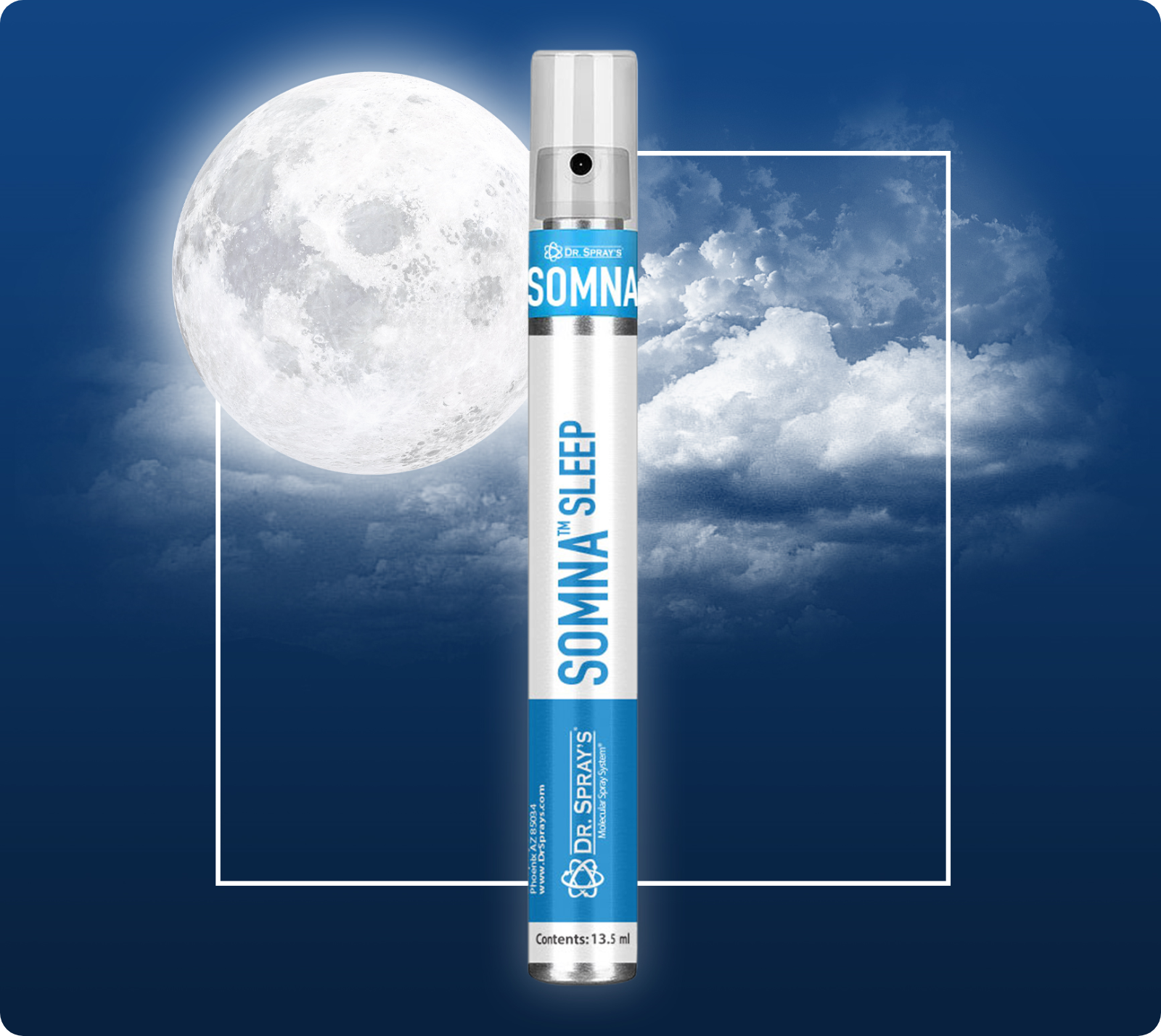
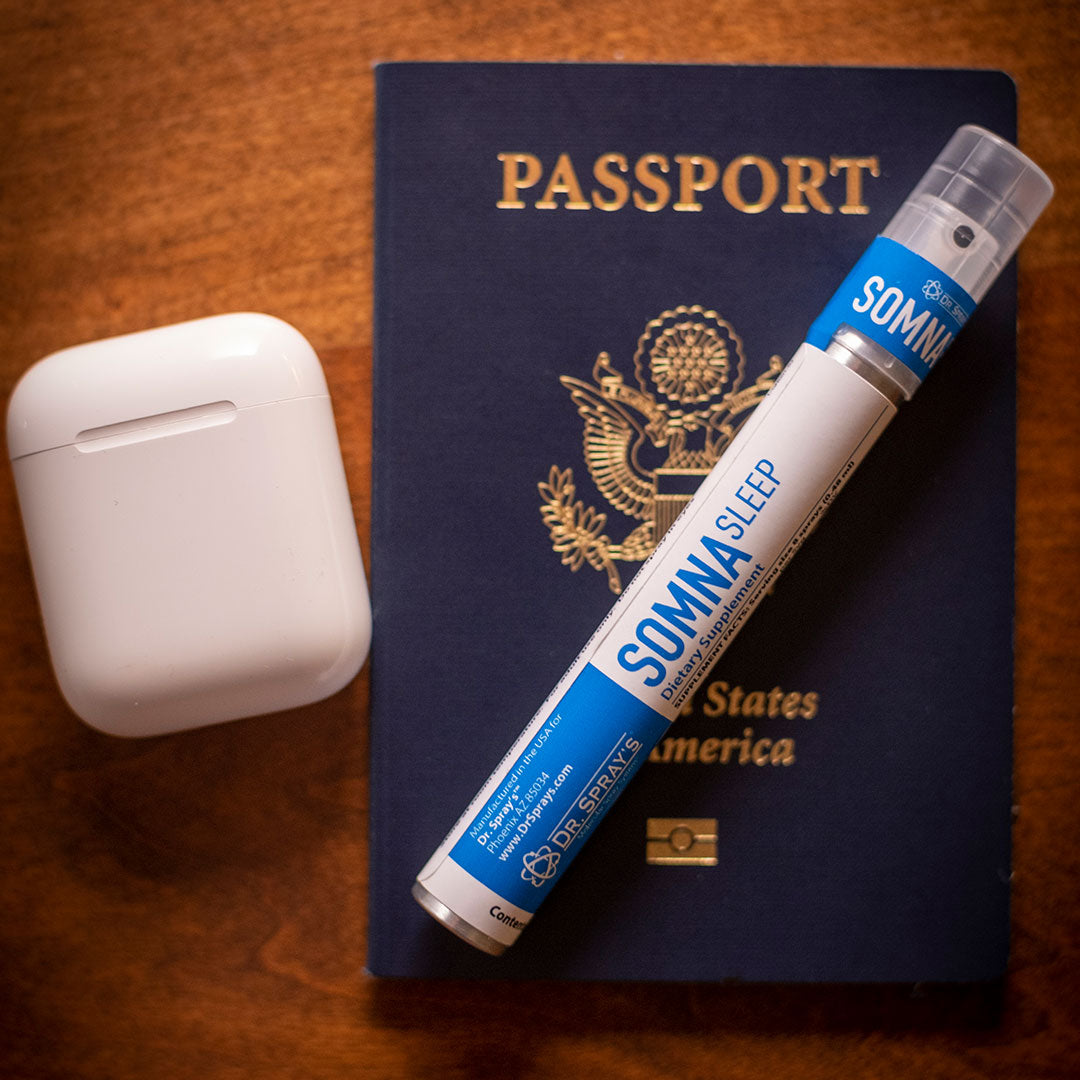
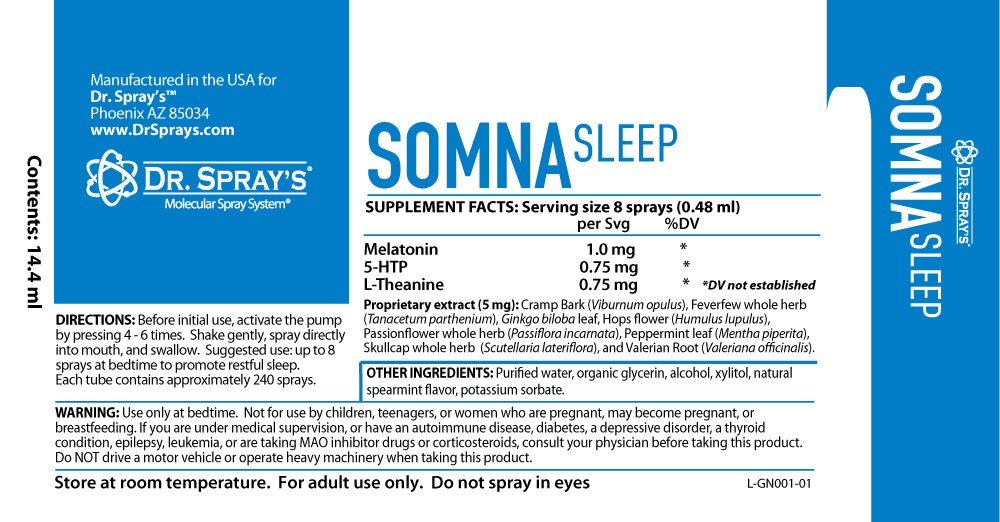
From Vitamin D3 to support healthy sleep-wake cycles, to Vitamin B12 for parental energy, to our specially formulated Sleep Support spray—we provide targeted nutritional solutions that fit seamlessly into busy family routines.
All DrSprays products are:
- Doctor-developed and pharmacist-formulated
- Manufactured in FDA-registered, GMP-certified facilities
- Designed for superior absorption through oral spray delivery
- Free from unnecessary fillers and artificial ingredients
- Made in Phoenix, Arizona, USA