Getting a one-year-old to sleep can feel like an impossible task for exhausted parents. Between developmental milestones, teething pain, and emerging independence, toddlers at this age often resist bedtime with surprising determination. If you're struggling with sleep challenges, understanding the underlying causes and implementing proven strategies can transform your evenings from battles into peaceful transitions.
This comprehensive guide explores evidence-based approaches to help your one-year-old develop healthy sleep patterns, including the role nutrition plays in supporting restful sleep.
Understanding Your One-Year-Old's Sleep Needs
At twelve months, children typically require 11-14 hours of total sleep within a 24-hour period, including nighttime sleep and daytime naps. Most one-year-olds transition from two naps to one longer afternoon nap during this year, which can temporarily disrupt their sleep patterns.
The challenge many parents face is that one-year-olds are experiencing rapid cognitive and physical development. They're learning to walk, developing language skills, and beginning to assert their independence—all factors that can interfere with settling down at bedtime.
Common Sleep Challenges at This Age
- Separation anxiety: Peaks around 12-18 months, making bedtime particularly difficult
- Developmental milestones: New skills like walking can make toddlers want to practice instead of sleep
- Teething discomfort: Molars often emerge during this period, causing pain that disrupts sleep
- Nap transitions: Moving from two naps to one can temporarily throw off nighttime sleep
- Increased awareness: Growing understanding of the world can lead to fear of missing out
Establishing a Consistent Bedtime Routine
The foundation of good sleep habits at any age is consistency. A predictable bedtime routine signals to your child's body that sleep is approaching, triggering the natural release of melatonin and preparing them physiologically for rest.
Creating Your Ideal Bedtime Sequence
An effective bedtime routine for a one-year-old should last 20-30 minutes and follow the same order each night. Here's a proven sequence:
- Bath time (5-10 minutes): A warm bath helps lower body temperature afterward, which promotes sleepiness
- Quiet play or story time (10-15 minutes): Choose calming activities that don't overstimulate
- Final feeding or snack (if needed): Ensure your child isn't going to bed hungry
- Tooth brushing: Establish this habit early
- Pajamas and sleep sack: Physical cues that signal bedtime
- Cuddle time with a book or lullaby (5 minutes): Connection before separation
- Into the crib while drowsy but awake: This teaches self-soothing skills
The key is maintaining this sequence even when traveling or during disruptions. Consistency helps your child's internal clock anticipate sleep at the appropriate time.
Creating the Optimal Sleep Environment
Your child's bedroom should be a sanctuary designed specifically for sleep. Environmental factors significantly impact sleep quality and duration.
Temperature and Lighting
Keep the room between 68-72°F (20-22°C). Overheating is associated with poor sleep quality and increased SIDS risk, though the latter decreases significantly after twelve months. Use blackout curtains to eliminate light, as even small amounts can suppress melatonin production and disrupt circadian rhythms.
Sound Management
White noise machines can be beneficial, masking household sounds that might wake your toddler during light sleep phases. Choose consistent sounds rather than music or nature sounds with varying volumes and pitches.
Safe Sleep Practices
While the risk of SIDS decreases after one year, safe sleep practices remain important. Keep the crib clear of pillows, heavy blankets, and stuffed animals. A sleep sack provides warmth without the risks associated with loose bedding.
The Role of Nutrition in Toddler Sleep
What your child consumes during the day—and doesn't consume close to bedtime—significantly affects their ability to fall asleep and stay asleep throughout the night.
Timing Matters
Avoid large meals within two hours of bedtime, as digestion can interfere with sleep. However, a light snack containing protein and complex carbohydrates about an hour before bed can prevent hunger from disrupting sleep. Good options include whole grain crackers with nut butter or a small portion of yogurt with fruit.
Essential Nutrients for Sleep Support
Certain vitamins and minerals play crucial roles in regulating sleep-wake cycles. Deficiencies can contribute to sleep difficulties, making adequate nutrition especially important for restless sleepers.
Vitamin D3 influences sleep quality through its effect on sleep-regulating brain chemicals. Research indicates that vitamin D deficiency is associated with sleep disturbances in children. While sunlight exposure is the primary source, many children—especially those in northern climates or with darker skin tones—don't produce sufficient amounts. For families in Phoenix, Arizona, despite the abundant sunshine, limited outdoor time during extreme heat can reduce natural vitamin D synthesis.
B vitamins, particularly B12 and B6, support the production of melatonin and serotonin, both essential for healthy sleep patterns. B12 also supports the body's natural circadian rhythm. Signs of B vitamin deficiency in toddlers can include irritability, fatigue, and yes—sleep disturbances.
Magnesium acts as a natural relaxant, helping muscles release tension and promoting overall calmness. It's found in foods like leafy greens, nuts, seeds, and whole grains—foods that many one-year-olds don't consume in sufficient quantities.
Modern Supplementation Options
While whole food sources should always be the first choice, some children need additional support. Traditional supplements designed for toddlers often face compliance challenges—pills are choking hazards, and liquids can be messy or unpalatable.
Oral spray vitamins represent an innovative solution to these challenges. Unlike traditional delivery methods, spray supplements offer several advantages for families with young children. The format eliminates choking risks, provides precise dosing, and the sublingual absorption means nutrients enter the bloodstream quickly without requiring digestion.
For sleep support specifically, formulations exist that combine sleep-promoting nutrients. These vitamin sprays can be administered as part of the bedtime routine, creating both a nutritional intervention and a behavioral cue that sleep is approaching.
When selecting any supplement for your child, verify that products are manufactured in FDA-registered, GMP-certified facilities to ensure quality and purity standards. Always consult with your pediatrician before introducing new supplements, as individual needs vary based on diet, health status, and specific deficiencies.
Daytime Habits That Promote Nighttime Sleep
What happens during your child's waking hours dramatically affects their nighttime sleep. Building healthy daytime routines creates the foundation for successful bedtime.
Physical Activity and Outdoor Time
One-year-olds need plenty of physical activity during the day to build sleep pressure—the biological drive to sleep that accumulates during waking hours. Aim for outdoor time in natural light, especially in the morning, as this helps regulate circadian rhythms.
However, avoid vigorous activity within two hours of bedtime. The increased cortisol and adrenaline from active play can make settling difficult.
Strategic Nap Timing
The transition from two naps to one typically happens between 12-18 months. During this transition, you might notice your child refusing the morning nap but becoming overtired by afternoon. Signs your toddler is ready for one nap include consistently fighting one of the naps, taking a long time to fall asleep at night, or waking earlier in the morning.
When transitioning to one nap, gradually move the timing later over several weeks. Most one-year-olds do well with a single nap starting between 12:00-1:00 PM. Ensure this nap isn't too late or too long—waking by 3:00-3:30 PM helps preserve bedtime.
Managing Screen Time
The American Academy of Pediatrics recommends limiting screen time for toddlers and avoiding screens entirely within one hour of bedtime. The blue light emitted by devices suppresses melatonin production, making it harder for children to become sleepy at the appropriate time.
Addressing Common Sleep Disruptions
Even with perfect routines and environments, sleep disruptions occur. Understanding how to handle common issues prevents temporary problems from becoming long-term habits.
Night Wakings
Brief night wakings are normal—adults experience them too, though we usually fall back asleep without remembering. The goal is teaching your child to self-soothe during these wakings rather than requiring parental intervention.
When your one-year-old wakes at night, pause before responding. Give them 5-10 minutes to see if they settle independently. If you do need to check on them, keep interactions minimal—dim lights, quiet voice, no engaging play or conversation.
Sleep Regressions
Sleep regressions often coincide with developmental leaps. The 12-month regression typically relates to increased mobility and separation anxiety. These phases usually last 2-6 weeks. The key is maintaining your routines and boundaries rather than introducing new sleep crutches that will need to be eliminated later.
Illness and Teething
When your child is genuinely uncomfortable from illness or teething pain, providing comfort is appropriate. However, return to normal routines as soon as the acute phase passes to prevent temporary adjustments from becoming expectations.
For teething discomfort, consult your pediatrician about appropriate pain relief options. Some parents find that ensuring their child has adequate levels of nutrients that support tissue repair and reduce inflammation—such as vitamin C and B vitamins—helps their child cope more comfortably with teething discomfort.
Sleep Training Methods for One-Year-Olds
If your one-year-old has significant sleep difficulties despite consistent routines, you might consider formal sleep training. Several evidence-based methods exist, each with different approaches to parental involvement.
Graduated Extinction (Ferber Method)
This approach involves putting your child to bed awake and allowing them to cry for predetermined intervals before briefly checking on them. Check-ins gradually lengthen over nights. This method typically shows results within 3-7 days but requires consistency and can be emotionally challenging for parents.
Chair Method
Parents sit in a chair near the crib, providing presence without engaging. Every few nights, the chair moves farther from the crib until you're eventually outside the room. This gentler approach takes longer—often 2-3 weeks—but some families find it more comfortable.
Pick Up/Put Down
When your child cries, you pick them up until calm, then immediately place them back in the crib while awake. Repeat as needed. This method provides reassurance while still teaching independent sleep skills.
There's no universally "best" method—the right choice depends on your child's temperament, your parenting philosophy, and what you can maintain consistently. Whatever approach you choose, both parents should agree on the method and maintain consistency.
When to Seek Professional Help
While most sleep challenges at this age are developmental and resolve with consistent strategies, some situations warrant professional evaluation.
Consult your pediatrician if your child:
- Snores loudly or has pauses in breathing during sleep
- Shows extreme difficulty breathing while sleeping
- Has excessive daytime sleepiness despite adequate nighttime sleep
- Demonstrates physical discomfort during sleep (beyond normal repositioning)
- Shows no improvement after 4-6 weeks of consistent sleep training
- Has sleep problems accompanied by developmental concerns
Sleep disorders like sleep apnea, restless leg syndrome, or underlying medical conditions can masquerade as behavioral sleep problems. Professional evaluation ensures you're not missing a condition that requires medical intervention.
Building Sustainable Sleep Habits
The strategies you implement now create the foundation for years of healthy sleep. While the challenges of getting a one-year-old to sleep can feel overwhelming, remember that this phase is temporary. With consistency, patience, and evidence-based approaches, most children develop strong sleep skills.
Focus on what you can control: consistent routines, appropriate sleep environments, adequate daytime activity, and proper nutrition. These elements work synergistically—none exists in isolation. A well-nourished child with sufficient vitamin B12, vitamin D3, and other essential nutrients will naturally have better sleep regulation than a deficient child, even with perfect sleep hygiene.
Similarly, the most sophisticated oral spray vitamin supplementation won't compensate for inconsistent bedtimes or overstimulating environments. Success comes from addressing multiple factors simultaneously.
Frequently Asked Questions
How long should it take my one-year-old to fall asleep?
Ideally, a well-rested one-year-old should fall asleep within 15-20 minutes of being placed in the crib. If it consistently takes longer than 30 minutes, your child may not be tired enough at bedtime (try moving bedtime later or adjusting naps) or may have overtired (try an earlier bedtime). Very quick falling asleep (under 5 minutes) might indicate sleep deprivation.
Is it normal for my one-year-old to wake during the night?
Brief awakenings during sleep cycle transitions are completely normal at any age. However, by one year, most children can sleep through the night (10-12 hours) without needing to eat or requiring parental intervention. If your child is waking multiple times and cannot self-soothe back to sleep, work on strengthening independent sleep skills during the initial bedtime, as this is when teaching self-soothing is most effective.
Can vitamin deficiencies really affect my toddler's sleep?
Yes, research indicates that deficiencies in certain nutrients—particularly vitamin D, B vitamins, iron, and magnesium—are associated with sleep difficulties in children. These nutrients play roles in producing sleep-regulating brain chemicals and maintaining healthy circadian rhythms. If your child has persistent sleep problems, discuss nutritional evaluation with your pediatrician. Blood tests can identify specific deficiencies that might be contributing to sleep difficulties.
What if my one-year-old refuses to stay in the crib?
Some advanced one-year-olds begin climbing out of cribs, creating safety concerns. First, ensure the crib mattress is at its lowest setting. Remove any items that could serve as climbing aids. If climbing continues despite these precautions, you may need to transition to a toddler bed earlier than typical, using a baby gate at the bedroom door to maintain boundaries. Make the room completely safe since your child will have access to the entire space.
Should I let my one-year-old cry it out?
Research shows that graduated extinction methods (allowing crying with timed check-ins) don't cause psychological harm and effectively teach independent sleep skills. However, every family must choose methods aligned with their comfort level and parenting philosophy. If cry-it-out methods feel wrong for your family, gentler approaches like the chair method also work—they simply take longer. The most important factor is consistency with whatever method you choose.
How do I know if my child's sleep problems are medical rather than behavioral?
Warning signs of potential medical sleep disorders include loud snoring, gasping or choking during sleep, sleeping in unusual positions (like sitting up), excessive sweating during sleep, extreme daytime sleepiness despite adequate nighttime sleep, and developmental delays. If your child exhibits these symptoms, consult your pediatrician for evaluation before implementing behavioral sleep training.
What's the best way to give my toddler sleep-supporting vitamins?
For young children, vitamin sprays offer significant advantages over traditional pills or liquids. They eliminate choking hazards, provide accurate dosing, and the sublingual absorption bypasses digestive issues that can reduce nutrient uptake. Spray supplements designed for sleep support typically combine complementary nutrients like B vitamins, vitamin D, and sometimes magnesium. Administer as part of your bedtime routine after tooth brushing. Always choose products manufactured in FDA-registered, GMP-certified facilities and consult your pediatrician about appropriate dosing for your child's specific needs.
Can I use melatonin supplements for my one-year-old?
Melatonin supplementation in children this young is controversial and should only be used under direct pediatric supervision. The body naturally produces melatonin, and at this age, environmental and behavioral interventions should be the first approach. If a healthcare provider does recommend melatonin, it's typically reserved for children with specific medical conditions or developmental disorders affecting sleep. Supporting your child's natural melatonin production through adequate vitamin D and B vitamins, consistent sleep schedules, and appropriate light exposure is a safer first step.
About the Author
This article was developed by the health education team at DrSprays, a Phoenix, Arizona-based company specializing in doctor-developed oral vitamin sprays. Our facility is FDA registered and GMP certified, ensuring the highest quality standards for all products. We're committed to providing evidence-based health information to help families make informed decisions about nutrition and wellness.
Support Your Toddler's Sleep with Better Nutrition
Quality sleep starts with comprehensive wellness support. If you're concerned that nutritional gaps might be affecting your child's sleep patterns, exploring modern supplementation options could be valuable.
DrSprays offers physician-developed vitamin spray formulations with 90% absorption rates—significantly higher than traditional pills or gummies. Our products are manufactured in our FDA-registered, GMP-certified facility right here in Phoenix, Arizona, ensuring quality you can trust.
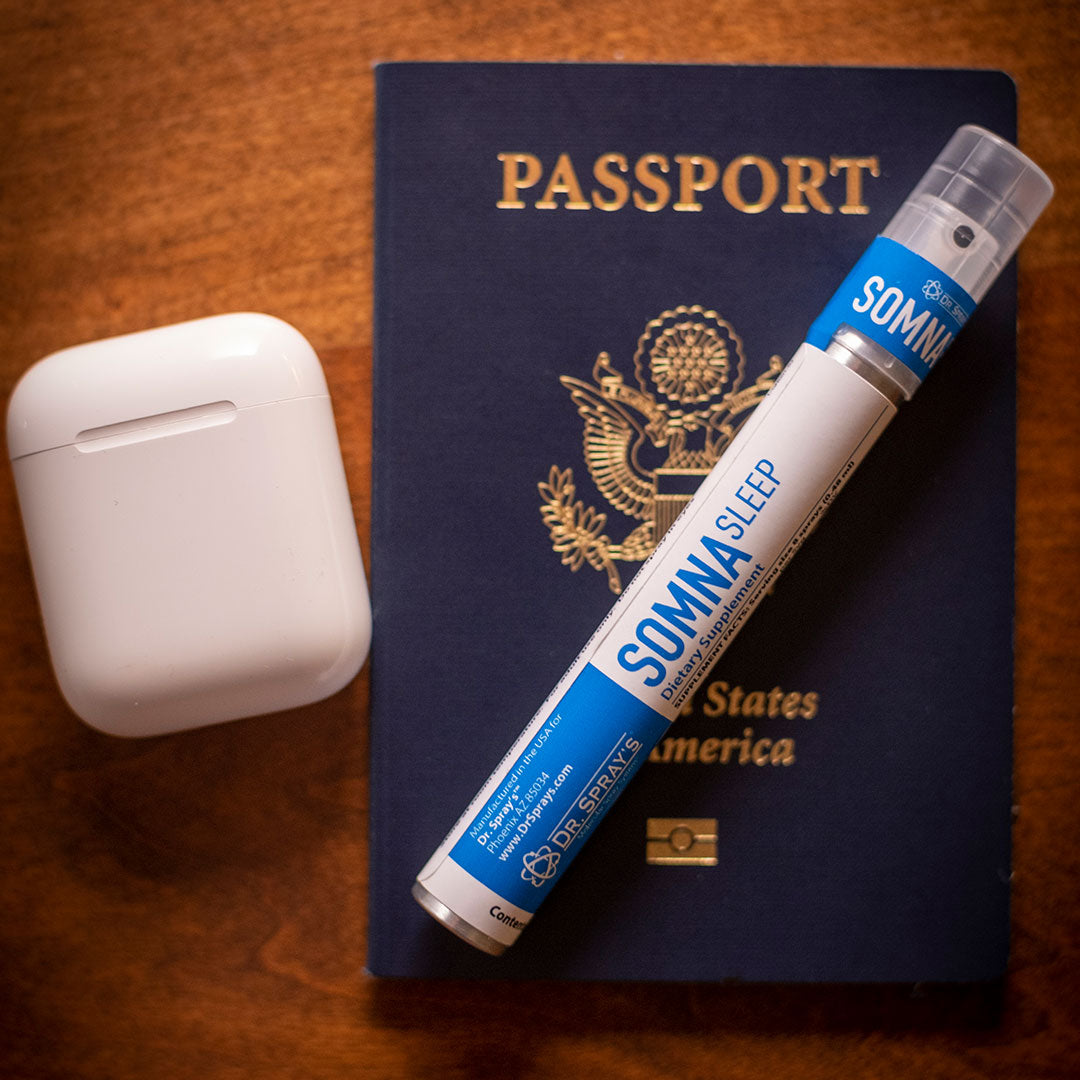
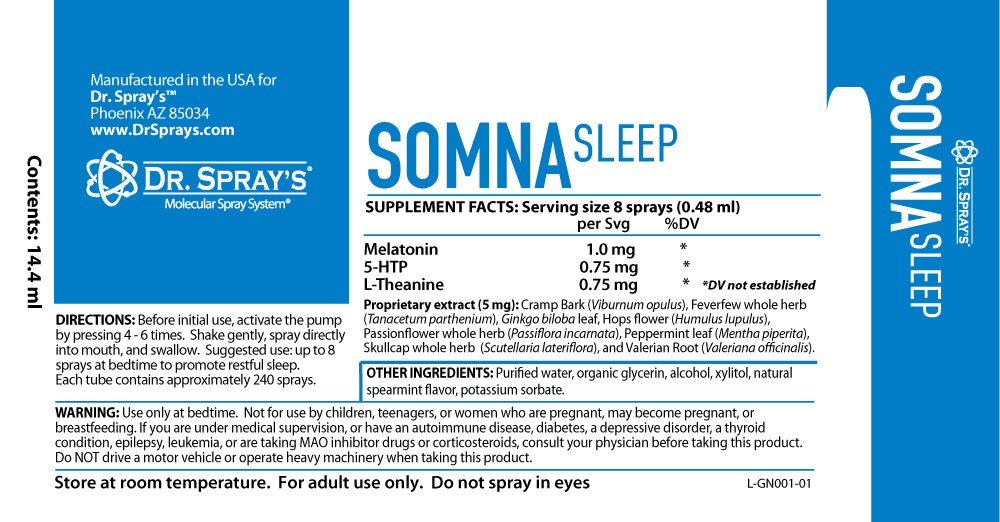
Our Vitamin B12 spray supports healthy circadian rhythm regulation, while our Vitamin D3 spray helps maintain the nutrient levels associated with quality sleep. For comprehensive sleep support, our Sleep & Somna spray combines nutrients specifically selected to promote natural, restful sleep.
Visit DrSprays.com to learn more about how oral spray vitamins can support your family's health and wellness goals.