Getting a two-year-old to sleep can feel like an impossible task for many parents. Between boundless energy, separation anxiety, and developmental changes, toddlers often resist bedtime with impressive determination. Understanding the science behind toddler sleep patterns and establishing healthy routines can transform those exhausting bedtime battles into peaceful evenings.
This comprehensive guide explores evidence-based strategies for helping your two-year-old establish healthy sleep habits, including nutritional support through targeted supplementation when appropriate.
Understanding Two-Year-Old Sleep Patterns
At age two, children experience significant developmental changes that directly impact their sleep patterns. Most toddlers at this age need 11-14 hours of total sleep per 24-hour period, typically consisting of 10-12 hours at night and 1-2 hours during an afternoon nap.
The circadian rhythm—the body's internal clock—becomes more established during the toddler years. However, two-year-olds still have developing melatonin production systems, which means their bodies may not naturally signal sleepiness at consistent times without proper environmental cues and routines.
Common Sleep Challenges at This Age
Parents of two-year-olds frequently encounter several sleep-related obstacles:
- Sleep regression: Developmental leaps can temporarily disrupt previously established sleep patterns
- Separation anxiety: Increased awareness of being apart from parents peaks during this period
- Newfound independence: The desire for autonomy often manifests as bedtime resistance
- Overstimulation: Increased physical and cognitive activity can make winding down difficult
- Transitional challenges: Moving from crib to bed or dropping naps creates adjustment periods
Creating an Effective Bedtime Routine
Consistency forms the foundation of successful toddler sleep habits. A predictable bedtime routine signals to your child's body that sleep is approaching, triggering natural drowsiness responses.
The 30-Minute Wind-Down Process
Begin your bedtime routine approximately 30 minutes before the target sleep time. This buffer allows adequate transition from active play to restful sleep:
- Bath time (10 minutes): Warm water naturally lowers body temperature afterward, promoting sleepiness
- Quiet activities (10 minutes): Read books, do gentle puzzles, or engage in calm conversation
- Bedroom preparation (5 minutes): Dim lights, change into pajamas, and settle into the sleep environment
- Final connection (5 minutes): Cuddles, a lullaby, or quiet talking to provide reassurance
Environmental Optimization
The sleep environment significantly influences how quickly and deeply your toddler sleeps. Consider these evidence-based environmental factors:
- Temperature: Maintain bedroom temperature between 68-72°F for optimal sleep
- Lighting: Use blackout curtains and dim nightlights; exposure to bright light suppresses melatonin production
- Sound: White noise machines can mask household sounds that might wake your toddler
- Bedding: Ensure comfortable, breathable fabrics and appropriate seasonal bedding
The Role of Nutrition in Toddler Sleep
What your child consumes throughout the day—and particularly in the hours before bedtime—directly impacts sleep quality. Proper nutrition supports the body's natural sleep-wake cycles and neurotransmitter production.
Sleep-Supporting Nutrients
Several vitamins and minerals play crucial roles in regulating sleep patterns:
Vitamin D3 influences circadian rhythm regulation and sleep quality. Research indicates that vitamin D deficiency correlates with sleep disturbances in children. Many toddlers, particularly those in regions with limited sun exposure or during winter months, may not receive adequate vitamin D from diet and sunlight alone.
B-complex vitamins support nervous system function and help regulate neurotransmitters involved in sleep-wake cycles. Vitamin B12 specifically assists in melatonin production, the hormone responsible for sleepiness signals.
Magnesium acts as a natural relaxant, supporting muscle relaxation and nervous system calming. While not a vitamin, this mineral works synergistically with vitamins to promote restful sleep.
Strategic Nutritional Timing
The timing of meals and snacks affects sleep readiness. Avoid heavy meals within two hours of bedtime, as digestion can interfere with sleep onset. However, a small, balanced snack containing protein and complex carbohydrates 30-60 minutes before bed can prevent nighttime hunger without causing digestive discomfort.
Limit sugar intake in the evening hours, as blood sugar fluctuations can trigger nighttime waking. Similarly, ensure adequate hydration throughout the day while limiting fluids in the final hour before bed to minimize nighttime bathroom needs.
Supplement Support for Sleep Challenges
When dietary intake alone doesn't provide adequate nutritional support, supplementation may benefit toddlers experiencing persistent sleep difficulties. However, always consult with your pediatrician before introducing any supplements to your child's routine.
Why Spray Delivery May Benefit Toddlers
Traditional pill-based supplements present obvious challenges for two-year-olds who cannot reliably swallow tablets. Oral spray vitamins offer several advantages for this age group:
- Ease of administration: Simple spray delivery eliminates choking concerns and resistance to swallowing pills
- Rapid absorption: Sublingual delivery allows nutrients to enter the bloodstream quickly through the mucous membranes
- Precise dosing: Measured spray delivery ensures consistent supplementation
- Better compliance: Pleasant-tasting formulations encourage cooperation from resistant toddlers
Research indicates that oral spray supplements can achieve absorption rates up to 90%, significantly higher than many traditional oral supplements that must pass through the digestive system.
Relevant Vitamin Sprays for Sleep Support
Several spray supplements may support healthy sleep patterns when used as directed and under pediatric guidance:
Vitamin D3 spray helps regulate circadian rhythms and supports overall immune function. Developed by physicians and manufactured in Phoenix, Arizona, quality vitamin D3 spray formulations provide consistent dosing in an easy-to-administer format.
Vitamin B12 spray supports neurological function and helps regulate sleep-wake cycles. A vitamin B12 spray designed for optimal absorption can help ensure your toddler receives this essential nutrient.
For comprehensive nutritional support, some parents explore multi-vitamin spray options that deliver multiple essential nutrients in one convenient delivery system.
Behavioral Strategies for Bedtime Success
Beyond routine and nutrition, specific behavioral approaches can significantly improve bedtime cooperation and sleep quality.
The Gradual Withdrawal Method
If your toddler requires parental presence to fall asleep, gradually increase the distance between you over successive nights. Start by sitting on the bed, then move to a chair beside the bed, then progressively farther from the bed until you're outside the room. This method provides security while building independent sleep skills.
Positive Reinforcement Systems
Two-year-olds respond well to praise and simple reward systems. Consider implementing a sticker chart where your child earns a sticker for each successful bedtime routine completion. After accumulating several stickers, offer a small, predetermined reward.
The "Check and Console" Approach
For toddlers who cry or call out after being put to bed, briefly check on them at progressively longer intervals. Keep these check-ins brief, boring, and consistent. Offer reassurance without extended interaction, reinforcing that nighttime is for sleeping.
Managing Specific Sleep Disruptions
Nighttime Wakings
When your two-year-old wakes during the night, respond calmly and minimally. Keep lights dim, conversation minimal, and avoid stimulating activities. If your child has learned that nighttime wakings result in extended parent interaction or special privileges, these wakings may persist behaviorally rather than for physical needs.
Early Morning Rising
If your toddler consistently wakes before an appropriate morning time, ensure their room stays dark and quiet. Consider using a toddler clock that changes color when it's acceptable to get up, teaching your child to wait for the visual cue.
Nap Transitions
Some two-year-olds begin resisting afternoon naps. While this can be frustrating, it's developmentally normal. If nap resistance becomes consistent, institute "quiet time" where your child rests quietly in their room with books or soft toys. This downtime still provides restorative benefits even without sleep.
When to Seek Professional Guidance
While many sleep challenges resolve with consistency and appropriate strategies, certain situations warrant professional evaluation:
- Persistent difficulty breathing during sleep or loud snoring
- Extreme daytime fatigue despite adequate nighttime sleep duration
- Sleep disturbances that significantly impact family functioning after several weeks of intervention
- Concerns about underlying medical conditions affecting sleep
- Questions about appropriate supplementation for your child's specific needs
Pediatricians can evaluate whether sleep issues stem from medical conditions such as sleep apnea, restless leg syndrome, or nutritional deficiencies requiring targeted intervention.
The Phoenix Approach to Pediatric Wellness
As parents in Phoenix, Arizona, and surrounding communities increasingly recognize the connection between nutrition and sleep quality, many are exploring evidence-based supplementation options. The dry climate and intense sun exposure in the Phoenix area create unique nutritional considerations for young children.
High-quality supplements manufactured in FDA-registered, GMP-certified facilities in Phoenix ensure that families receive products meeting rigorous safety and quality standards. When considering vitamin spray options for your toddler, verify that products undergo third-party testing and meet pharmaceutical-grade manufacturing standards.
Building Long-Term Healthy Sleep Habits
The sleep habits established during the toddler years often persist into childhood and beyond. While addressing immediate bedtime battles feels urgent, remember that you're also building foundational skills your child will use throughout life.
Consistency Across Caregivers
Ensure that all caregivers—parents, grandparents, babysitters—follow the same bedtime routine and respond to sleep disruptions similarly. Inconsistency confuses toddlers and undermines the progress made with any individual caregiver.
Flexibility Within Structure
While consistency is crucial, some flexibility prevents frustration. If your child is genuinely sick, teething, or experiencing unusual stress, temporarily modified expectations are appropriate. Return to the standard routine once the disruption passes.
Age-Appropriate Expectations
Remember that two-year-olds are still developing self-regulation skills. Perfect sleep is unrealistic. Progress, not perfection, should be your goal. Celebrate improvements while maintaining realistic expectations about occasional setbacks.
Frequently Asked Questions
What time should a 2-year-old go to bed?
Most two-year-olds benefit from a bedtime between 7:00 and 8:00 PM. The ideal bedtime depends on when your child wakes in the morning and whether they still nap. Calculate backward from wake time to ensure 10-12 hours of nighttime sleep opportunity.
How long should it take a 2-year-old to fall asleep?
With an established routine and appropriate sleep pressure, most two-year-olds fall asleep within 15-30 minutes of being put to bed. If your child regularly takes longer than 30 minutes, they may not be tired enough at bedtime, or the routine may need adjustment.
Is it normal for a 2-year-old to fight bedtime?
Yes, bedtime resistance is extremely common at age two due to developmental drives for independence and separation anxiety. Consistent routines, clear boundaries, and patience typically improve this behavior over time.
Should I let my 2-year-old cry it out at bedtime?
Sleep training approaches vary by family values and child temperament. Modified approaches like "check and console" often work better than pure extinction methods at this age. Consider your child's specific needs and consult your pediatrician about the best approach for your family.
Can vitamin deficiencies cause sleep problems in toddlers?
Yes, deficiencies in certain nutrients—particularly vitamin D, B vitamins, and magnesium—can contribute to sleep difficulties. If you suspect nutritional factors are affecting your child's sleep, discuss testing and appropriate supplementation with your pediatrician.
Are vitamin sprays safe for 2-year-olds?
When manufactured to pharmaceutical standards and used as directed under pediatric guidance, oral spray vitamins can be a safe supplementation option for toddlers. Always choose products from FDA-registered, GMP-certified facilities and follow dosing instructions carefully. Consult your child's doctor before starting any supplement regimen.
How much vitamin D does a 2-year-old need?
The American Academy of Pediatrics recommends 600 IU of vitamin D daily for children over age one. However, individual needs may vary based on factors including sun exposure, diet, and geographical location. Your pediatrician can determine the appropriate dosage for your child.
What should I do if my 2-year-old wakes up multiple times at night?
First, rule out physical causes like illness, teething, or environmental discomfort. If nighttime wakings persist without apparent physical cause, they may be behavioral. Respond consistently and minimally to avoid reinforcing the wakings, and ensure daytime sleep isn't excessive, which can fragment nighttime sleep.
When should a 2-year-old stop napping?
Most children continue napping until age three or four, though some drop naps earlier. As long as your two-year-old falls asleep relatively easily for naps and nighttime sleep, continue offering an afternoon rest. If naps consistently delay bedtime or prevent nighttime sleep, consider shortening or eliminating them.
Can melatonin supplements help my 2-year-old sleep?
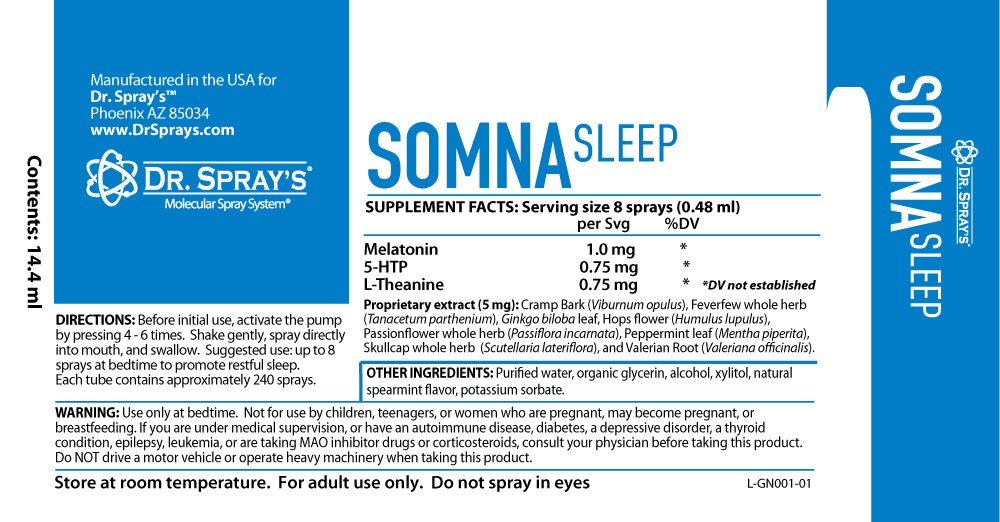
Melatonin supplementation for young children should only occur under direct pediatric supervision, as research on long-term effects in toddlers is limited. Focus first on optimizing sleep hygiene, routine, and nutritional status through diet and appropriate vitamins before considering melatonin.
Conclusion: A Holistic Approach to Toddler Sleep
Successfully helping your two-year-old develop healthy sleep habits requires attention to multiple factors: consistent routines, optimized sleep environments, appropriate nutrition, and patient, loving guidance through developmental challenges.
Remember that sleep difficulties are temporary. With consistency and evidence-based strategies, most toddlers establish healthy sleep patterns that serve them well throughout childhood. Support your child's sleep through comprehensive nutritional support, including consideration of high-quality oral spray vitamins when dietary intake alone proves insufficient.
The investment you make now in establishing healthy sleep habits pays dividends in your child's physical health, emotional regulation, and cognitive development—not to mention your own rest and family well-being.
Support Your Family's Sleep and Wellness
Discover how physician-developed oral spray vitamins can support your family's nutritional needs with 90% absorption rates and easy administration. Our FDA-registered, GMP-certified facility in Phoenix, Arizona produces pharmaceutical-grade supplements designed for optimal bioavailability.
Explore our complete line of vitamin sprays:
- ✓ Vitamin D3 Spray for circadian rhythm support
- ✓ Vitamin B12 Spray for neurological health
- ✓ Complete vitamin spray collection for comprehensive wellness
Always consult with your pediatrician before starting any supplement regimen for your child.