Sleep training a two-year-old can feel like starting over from scratch, especially when your once-great sleeper suddenly refuses bedtime or wakes multiple times during the night. Whether you're dealing with sleep regression, recent life changes, or simply never established a consistent routine, understanding the connection between nutrition, routine, and rest can make re-training significantly easier.
This comprehensive guide will walk you through practical strategies for re-establishing healthy sleep patterns while exploring how nutritional support—particularly through vitamin sprays—can complement your sleep training efforts.
Understanding Why Sleep Training Needs a Reset
Two-year-olds experience dramatic developmental changes that often disrupt previously established sleep routines. Understanding the root cause helps you address the right issue rather than fighting symptoms.
Common Triggers for Sleep Disruption
The terrible twos bring significant cognitive and physical development. Your toddler is processing language acquisition, developing independence, and experiencing separation anxiety—all of which can manifest as bedtime resistance or night wakings.
Life transitions create particular challenges. Moving to a new home, transitioning from crib to bed, welcoming a new sibling, or changes in childcare arrangements can unsettle even the best sleepers. Recognizing these triggers allows you to approach re-training with patience and appropriate expectations.
The Role of Nutrition in Sleep Quality
What many parents overlook is the significant impact nutrition has on sleep regulation. Deficiencies in key vitamins and minerals can directly affect your toddler's ability to fall asleep and stay asleep throughout the night.
Vitamin D3 plays a crucial role in sleep-wake cycle regulation. Research indicates that children with adequate vitamin D levels experience better sleep quality and duration. Many toddlers, particularly those living in northern climates or spending limited time outdoors, may not receive sufficient vitamin D from sunlight and diet alone.
B vitamins support the nervous system and help regulate melatonin production—the hormone responsible for sleep timing. A vitamin B12 spray offers quick absorption without the struggle of convincing a resistant toddler to swallow pills or tablets.
Creating the Foundation for Successful Re-Training
Before implementing specific sleep training methods, establish the environmental and physiological foundations that support healthy sleep.
Optimizing the Sleep Environment
Your toddler's bedroom should function as a sleep sanctuary. Keep the room cool—between 65-70°F is ideal for most children. Invest in blackout curtains to eliminate light pollution, particularly important during summer months when daylight extends into typical bedtime hours.
Remove stimulating toys from the immediate sleep area. While a comfort item or two is perfectly appropriate, transforming the bed into a play zone undermines the sleep association you're trying to rebuild.
White noise machines can be tremendously helpful, particularly if your home has ambient noise from siblings, street traffic, or other household activities. Consistent sound masking helps toddlers stay asleep through minor disturbances.
Establishing a Predictable Routine
Two-year-olds thrive on predictability. A consistent bedtime routine signals to your child's body that sleep is approaching, triggering the natural release of sleep-promoting hormones.
Start your routine 30-45 minutes before desired sleep time. Begin with calming activities: a warm bath, gentle massage, reading books together, or singing quiet songs. Avoid screens during this window—the blue light from tablets and televisions suppresses melatonin production and can delay sleep onset by an hour or more.
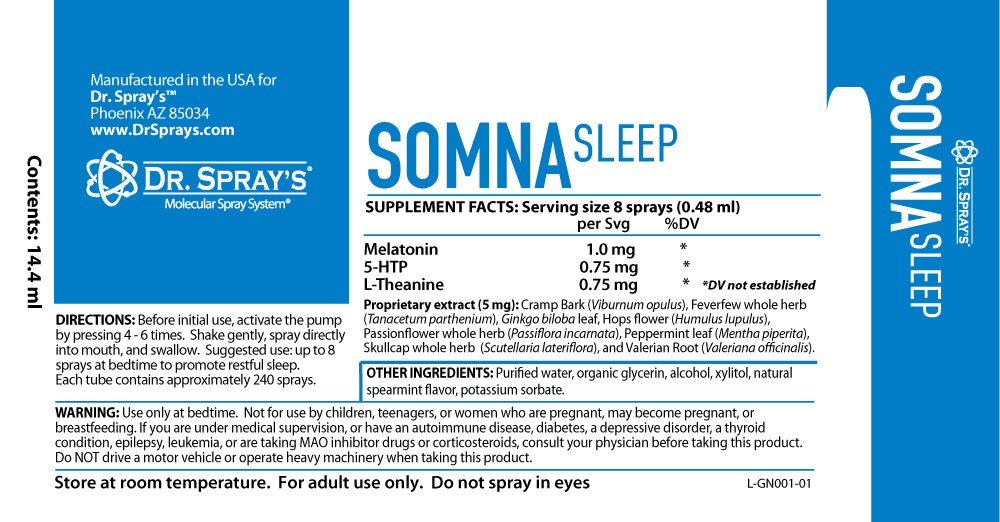
Consider incorporating nutritional support into your evening routine. Oral spray vitamins designed for sleep support can be administered as part of the bedtime ritual, creating both a nutritional benefit and a routine marker that bedtime is approaching.
Step-by-Step Re-Training Methods
Several evidence-based approaches work for re-training toddlers. Choose one that aligns with your parenting philosophy and family circumstances, then commit to consistency for at least two weeks before evaluating effectiveness.
The Gradual Retreat Method
This gentle approach works well for toddlers experiencing separation anxiety or those who previously co-slept. Start by sitting next to your child's bed until they fall asleep. Every few nights, move your chair progressively farther from the bed—first to the middle of the room, then near the door, then just outside the door with it cracked open.
This method typically takes 2-3 weeks but creates less protest and distress than abrupt changes. It acknowledges your toddler's need for security while gradually fostering independence.
The Check-and-Console Approach
After completing your bedtime routine, leave the room while your child is drowsy but still awake. If crying begins, wait a predetermined interval (start with 3-5 minutes) before returning for a brief check-in. Keep these visits short and boring—a simple pat, reassuring words, then leave again.
Gradually extend the intervals between checks. This method teaches self-soothing while providing reassurance that you haven't abandoned them. Expect increased protest initially—this is normal as your toddler adjusts to the new expectation.
The Bedtime Pass System
For toddlers who repeatedly exit their room or call out after bedtime, a visual tool can establish clear boundaries. Give your child one or two "bedtime passes"—laminated cards they can exchange for one drink of water, bathroom trip, or extra hug.
Once passes are used, firmly but gently return your child to bed without engaging in conversation or providing additional attention. This acknowledges legitimate needs while preventing unlimited curtain calls.
Supporting Sleep Through Nutritional Optimization
While behavioral strategies form the cornerstone of sleep training, nutritional support can significantly enhance results by addressing physiological factors that affect sleep quality.
Key Nutrients for Sleep Regulation
Magnesium supports muscle relaxation and nervous system regulation. Many children don't consume adequate magnesium through diet, particularly if they're selective eaters—common among two-year-olds asserting their independence.
Vitamin D3 influences sleep timing and quality. A vitamin D3 spray provides precise dosing in a format that bypasses digestive issues and ensures high absorption rates—particularly important since traditional supplements may pass through a toddler's system without adequate absorption.
B-complex vitamins support neurotransmitter production involved in sleep-wake cycles. Rather than struggling with multiple pills or gummy vitamins that may contain sugar (counterproductive before bedtime), spray supplements offer a convenient, sugar-free delivery method.
Why Spray Delivery Makes Sense for Toddlers
Two-year-olds present unique challenges for supplement administration. Pills pose choking hazards, liquid supplements often taste unpleasant, and gummy vitamins contain sugars and gelatin that may not align with dietary preferences while offering lower absorption rates.
Oral spray vitamins address these challenges through buccal absorption—the nutrients enter the bloodstream directly through the mucous membranes in the mouth. This method achieves absorption rates up to 90%, compared to 10-20% for many traditional oral supplements that must survive stomach acid and digestive enzymes.
The spray format also eliminates battles over swallowing pills or consuming unpleasant-tasting liquids. A quick spray becomes part of the routine without the resistance that often accompanies supplement administration.
Common Pitfalls and How to Avoid Them
Understanding where parents typically struggle helps you anticipate and prevent these obstacles before they derail your progress.
Inconsistency Between Caregivers
The most common reason sleep re-training fails is inconsistent application. If one parent enforces boundaries while another caves to protests, your toddler learns that persistence pays off. Ensure all caregivers—parents, grandparents, babysitters—understand and follow the same approach.
Create a written plan detailing your bedtime routine, check-in intervals, and how to handle specific scenarios. This documentation ensures everyone literally follows the same playbook.
Unrealistic Timeline Expectations
Meaningful change typically requires 1-2 weeks of consistent application before you see improvement, with full consolidation often taking 3-4 weeks. Parents who abandon methods after a few difficult nights never reach the point where the training takes effect.
Track progress in a sleep journal rather than relying on subjective feelings. You may not notice gradual improvements (protests decreasing from 45 minutes to 30 minutes, then to 15 minutes) without objective data.
Responding to Every Sound
Two-year-olds make noise while sleeping—talking, moving, even brief crying during sleep cycle transitions. Rushing in at every peep prevents your child from learning to transition between sleep cycles independently.
Wait 3-5 minutes before responding to night sounds. Often, toddlers resettle themselves if given the opportunity. Immediate intervention can actually wake a child who was simply transitioning between light and deep sleep.
Addressing Night Wakings
While initial sleep training focuses on bedtime, night wakings require specific strategies that differ from sleep onset challenges.
Distinguishing Need from Habit
Two-year-olds no longer require nighttime feeding from a nutritional standpoint, though many wake expecting it out of habit. Gradual weaning works better than abrupt cessation—slowly dilute nighttime milk or reduce quantities over a week.
Legitimate needs (illness, pain, fear after a nightmare) require responsive parenting. The key is addressing the need without creating elaborate interactions that incentivize waking. Keep lights dim, voices quiet, and interactions brief and boring.
The Early Morning Wake Challenge
If your toddler consistently wakes at 5:00 AM full of energy, evaluate their sleep schedule holistically. Too-early bedtimes, excessive napping, or inadequate physical activity during the day can all contribute to early rising.
Use blackout curtains to prevent early morning light from triggering waking. Consider a toddler clock that changes color when it's acceptable to get up, teaching your child to distinguish between nighttime and morning.
The Phoenix Advantage: Location Factors in Sleep and Nutrition
Geographic location influences both sleep patterns and nutritional needs. Families in Phoenix, Arizona, and similar sunny climates face unique considerations.
While abundant sunshine provides excellent vitamin D exposure opportunities, the intense heat often keeps families indoors during peak daylight hours, potentially reducing natural vitamin D synthesis. Additionally, high indoor temperatures (even with air conditioning) can disrupt sleep quality if bedrooms aren't adequately cooled.
Phoenix-based families should pay particular attention to ensuring adequate vitamin D intake during summer months when outdoor time shifts to early morning or evening hours with less intense UVB rays. A vitamin D3 spray provides consistent dosing regardless of seasonal sun exposure variations.
The dry desert climate can also affect sleep comfort. Using a humidifier in your toddler's room prevents the nasal dryness that often causes night waking in arid environments.
When to Seek Additional Support
While most sleep challenges resolve with consistent training and routine, certain situations warrant professional consultation.
Persistent snoring, breathing pauses during sleep, or gasping sounds may indicate sleep apnea—a medical condition requiring evaluation by a pediatric sleep specialist. Similarly, if your toddler seems excessively tired despite adequate sleep opportunity, discuss this with your pediatrician to rule out underlying health issues.
Extreme resistance to sleep training, particularly when accompanied by other developmental concerns, might benefit from evaluation by a child psychologist or developmental specialist. Trust your instincts—you know your child best.
Maintaining Long-Term Success
Successfully re-training your toddler's sleep represents a significant accomplishment, but maintaining these gains requires ongoing attention.
Handling Temporary Disruptions
Illness, travel, and life events will occasionally disrupt even well-established sleep routines. The key is returning to your normal routine as quickly as possible once the disruption passes.
If your child needs extra comfort during an illness, provide it without guilt. Then, within a day or two of recovery, resume your standard bedtime routine and expectations. Children adapt quickly when parents respond consistently.
Adjusting for Developmental Changes
Your toddler's sleep needs will evolve. Most two-year-olds require 11-14 hours of total sleep (including naps) per 24-hour period, but individual variation exists. Watch for signs that nap transitions are needed—this age often marks the shift from two naps to one, or from one nap to quiet time.
Continue supporting optimal sleep through consistent routines and nutritional optimization. Multi-vitamin spray formulations designed for children can fill nutritional gaps common among selective eaters, supporting overall health and sleep quality as your child grows.
Frequently Asked Questions
How long does it take to re-sleep train a 2-year-old?
Most families see meaningful improvement within 7-10 days of consistent application, with full consolidation typically occurring within 3-4 weeks. The timeline varies based on your child's temperament, the training method chosen, and consistency of application across all caregivers. Children who were previously good sleepers often respond faster than those without established sleep skills.
Is it too late to sleep train at age 2?
Absolutely not. While earlier training is often easier, two-year-olds can successfully learn healthy sleep habits. Their increased language comprehension actually provides advantages—you can explain changes and expectations in ways younger infants can't understand. The key is choosing age-appropriate methods and maintaining consistency.
Should I let my 2-year-old cry it out?
This depends on your parenting philosophy and your child's temperament. Full extinction (traditional cry-it-out) isn't necessary for success. Graduated extinction methods (checking at intervals) or gentler approaches like gradual retreat achieve similar results with less distress for both parent and child. Choose a method you can implement consistently without excessive stress.
Can vitamin sprays really help with sleep issues?
While vitamin sprays aren't a magic solution for behavioral sleep issues, they can address nutritional deficiencies that contribute to poor sleep. Vitamin D3 influences circadian rhythm regulation, B vitamins support neurotransmitter production involved in sleep-wake cycles, and magnesium promotes relaxation. When combined with behavioral sleep training, nutritional optimization supports better outcomes. The spray delivery format offers superior absorption compared to traditional supplements, ensuring nutrients actually reach your child's system.
What if my toddler climbs out of the crib during sleep training?
Once your child can climb out, the crib is no longer safe—transition to a toddler bed immediately to prevent fall injuries. This may temporarily complicate sleep training, as your child now has physical freedom to leave the bed. Use a baby gate in the doorway (not closed door, which poses safety risks) and consistently return your child to bed without engaging in conversation. The bedtime pass system works particularly well for toddlers in beds.
How do I handle sleep training with multiple children in one room?
Room-sharing complicates but doesn't prevent sleep training. If possible, temporarily separate siblings during the initial training period (1-2 weeks). If separation isn't feasible, explain to older siblings that their brother or sister is learning to sleep, and there might be some crying. Many older children sleep through sibling protests better than parents expect. Start training on a weekend when everyone can tolerate some tiredness the following day.
Should I adjust my approach if my toddler is sick?
Yes. Illness requires responsive parenting—provide extra comfort as needed. Resume normal sleep training protocols within 1-2 days of recovery. Brief deviations during illness rarely undo weeks of successful training if you return to consistency quickly. During illness, focus on maintaining adequate nutrition and hydration, potentially using vitamin C and zinc spray to support immune function.
What's the best bedtime for a 2-year-old?
Most two-year-olds thrive with bedtimes between 7:00-8:00 PM, but optimal timing depends on wake time and nap schedule. Count backward from your desired wake time, ensuring 11-12 hours of overnight sleep opportunity. Watch for sleep cues—yawning, eye rubbing, decreased activity—which typically appear 30 minutes before optimal sleep time. Putting a child down too late (once they're overtired) makes falling asleep harder, not easier.
Building Healthy Sleep for Life
Re-establishing healthy sleep patterns with your two-year-old requires patience, consistency, and a multi-faceted approach addressing both behavioral and physiological factors. By creating an optimal sleep environment, implementing age-appropriate training methods, and supporting your child's nutritional needs, you lay the foundation for restorative sleep that supports their development and your family's well-being.
Remember that every child is unique. What works brilliantly for one toddler may require modification for another. Trust your knowledge of your child, remain consistent with your chosen approach, and don't hesitate to adjust strategies if something genuinely isn't working after a fair trial period.
The investment you make now in re-establishing healthy sleep habits pays dividends far beyond the toddler years, creating patterns and routines that support good sleep throughout childhood and into adolescence.
Support Your Toddler's Sleep with Superior Nutrition
While consistent routines form the foundation of successful sleep training, optimal nutrition supports your efforts from the inside out. DrSprays offers doctor-developed oral vitamin sprays with 90% absorption rates—far superior to traditional supplements that may pass through your toddler's system without adequate uptake.
Our Vitamin D3 spray supports healthy circadian rhythm regulation, while our Multi-Vitamin spray fills nutritional gaps common among selective eaters. All products are manufactured in our FDA-registered, GMP-certified facility in Phoenix, Arizona, ensuring the highest quality standards.
Ready to support your toddler's sleep journey? Explore our complete line of vitamin sprays designed for maximum absorption and ease of use, or contact our team to discuss which products best support your child's specific needs.