Getting a 10-year-old to fall asleep quickly can feel like an impossible task for many parents. Between screen time, busy schedules, and natural developmental changes, sleep challenges are increasingly common in this age group. The good news? Establishing healthy sleep habits and addressing nutritional deficiencies can make a significant difference in how fast your child falls asleep.
This comprehensive guide explores proven strategies to help your 10-year-old fall asleep faster, including the role of proper nutrition, sleep hygiene, and natural sleep support through targeted supplementation.
Understanding Sleep Needs for 10-Year-Olds
Before diving into solutions, it's important to understand what normal sleep looks like for children in this age group. According to the American Academy of Sleep Medicine, children aged 6-12 years need 9-12 hours of sleep per night for optimal health and development.
At age 10, children are experiencing significant physical, emotional, and cognitive growth. Their brains are developing rapidly, which makes quality sleep absolutely essential. During sleep, the body produces growth hormones, consolidates memories, and repairs tissues—all critical processes for a growing child.
Common Sleep Challenges at This Age
Ten-year-olds face unique sleep obstacles that differ from younger children:
- Increased academic pressure: Homework and school stress can keep minds racing at bedtime
- Social dynamics: Peer relationships and social concerns often occupy their thoughts
- Technology exposure: Access to screens and devices disrupts natural sleep patterns
- Shifting circadian rhythms: Pre-adolescent changes begin affecting natural sleep-wake cycles
- After-school activities: Sports and extracurriculars can push bedtimes later
The Science of Falling Asleep Faster
Understanding how the body naturally prepares for sleep helps identify effective interventions. The sleep-wake cycle is regulated by circadian rhythms and sleep pressure, both of which depend on several factors including light exposure, physical activity, and nutritional status.
Melatonin, often called the "sleep hormone," plays a central role. As evening approaches, the brain's pineal gland should increase melatonin production, signaling the body that it's time to sleep. However, this process can be disrupted by blue light from screens, nutritional deficiencies, and irregular schedules.
The Role of Nutrition in Sleep Quality
Many parents overlook the critical connection between nutrition and sleep. Certain vitamins and minerals directly influence the body's ability to produce sleep-regulating hormones and neurotransmitters:
- Vitamin D: Deficiency is strongly associated with sleep disorders in children
- Vitamin B12: Essential for melatonin production and regulating circadian rhythms
- Magnesium: Helps activate neurotransmitters that calm the nervous system
- Zinc: Works synergistically with other nutrients to support healthy sleep patterns
Traditional pills and gummies often fail to deliver adequate amounts of these nutrients due to poor absorption rates. This is where advanced delivery methods like oral spray vitamins can make a meaningful difference, offering absorption rates up to 90% compared to the 10-20% typical of pills.
Establishing an Effective Bedtime Routine
Consistency is the foundation of good sleep habits. A predictable bedtime routine signals the brain that sleep is approaching, making it easier for your child to fall asleep quickly.
Creating the Ideal Evening Schedule
Start your bedtime routine 60-90 minutes before the target sleep time. Here's a proven structure:
- 7:00 PM - Screen curfew: All electronic devices should be put away at least one hour before bed
- 7:30 PM - Light dinner or healthy snack: Avoid heavy meals, but don't let your child go to bed hungry
- 8:00 PM - Hygiene routine: Bath or shower, brushing teeth, changing into pajamas
- 8:20 PM - Quiet activities: Reading, gentle stretching, or calm conversation
- 8:45 PM - Final preparations: Water by bedside, room darkened, temperature adjusted
- 9:00 PM - Lights out: Consistent bedtime every night, even on weekends
The Power of Consistency
The human body thrives on routine. When your 10-year-old goes to bed at the same time every night, their internal clock adjusts accordingly. After 2-3 weeks of consistency, you'll likely notice they begin feeling naturally tired at bedtime, making the process much smoother.
Optimizing the Sleep Environment
The bedroom environment significantly impacts how quickly children fall asleep. Small adjustments can yield impressive results.
Temperature and Air Quality
The ideal sleep temperature for most children is between 65-68°F (18-20°C). A slightly cool room facilitates the natural drop in body temperature that occurs during sleep onset. Ensure adequate ventilation and consider using an air purifier if allergies are a concern.
Light Control
Light is the most powerful regulator of circadian rhythms. Even small amounts of light can suppress melatonin production:
- Install blackout curtains or blinds to eliminate outside light
- Remove or cover any electronic displays in the room
- Use a dim red nightlight if your child needs some light (red wavelengths don't suppress melatonin)
- Ensure hallway and bathroom lights are minimal for nighttime bathroom trips
Sound Management
While some children need complete silence, others benefit from consistent background noise. White noise machines can mask disruptive sounds from outside or elsewhere in the house. If using a device, make sure it doesn't emit blue light.
Addressing Technology and Screen Time
This is perhaps the biggest sleep disruptor for modern 10-year-olds. The blue light emitted by phones, tablets, computers, and televisions suppresses melatonin production and stimulates the brain when it should be winding down.
Practical Screen Time Guidelines
Implement these technology rules to protect your child's sleep:
- No screens 60-90 minutes before bedtime: This includes TV, tablets, phones, and computers
- Remove devices from the bedroom: Charge phones and tablets in a central family location overnight
- Use blue light filters during daytime use: While not a substitute for screen-free evenings, these can help minimize impact
- Replace screen time with reading: Physical books under warm lighting are ideal pre-sleep activities
Managing Pushback
Expect resistance when implementing screen restrictions. Frame the conversation around what your child will gain (better performance in sports, easier mornings, improved mood) rather than what they're losing. Consider making it a family rule that applies to parents too—modeling healthy behavior is powerful.
Physical Activity and Sleep Connection
Regular physical activity is one of the most effective natural sleep aids available. Exercise increases sleep pressure (the biological drive to sleep) and helps regulate circadian rhythms.
Timing Matters
While physical activity promotes better sleep, timing is important. Vigorous exercise within 2-3 hours of bedtime can be stimulating and counterproductive. Aim for:
- Morning or afternoon physical education at school
- After-school sports or activities finishing by 6:00 PM
- Outdoor playtime in natural light to support circadian rhythm regulation
- Gentle stretching or yoga in the evening if needed
Children who get at least 60 minutes of moderate-to-vigorous physical activity daily fall asleep faster and experience deeper, more restorative sleep.
Natural Sleep Support Through Nutrition
While behavioral strategies form the foundation, targeted nutritional support can address underlying deficiencies that interfere with sleep. Many children don't get optimal amounts of sleep-supporting nutrients from diet alone.
Key Nutrients for Better Sleep
Vitamin D3: Often called the "sunshine vitamin," vitamin D deficiency is epidemic among children, especially those in northern latitudes or who spend limited time outdoors. Research shows a strong correlation between low vitamin D levels and sleep problems in children. A vitamin D3 spray can help ensure adequate levels, particularly during winter months.
Vitamin B12: This essential vitamin plays a crucial role in melatonin synthesis and circadian rhythm regulation. B12 deficiency can lead to difficulty falling asleep and staying asleep. Many children don't absorb B12 efficiently from food sources, making a vitamin B12 spray an effective option for ensuring adequate levels.
Magnesium: This mineral activates neurotransmitters that calm the nervous system and prepare the body for sleep. Magnesium deficiency is common and can manifest as difficulty falling asleep, restless sleep, and nighttime awakenings.
Why Spray Delivery Makes a Difference
Traditional pills and gummies face significant absorption challenges. They must survive stomach acid, pass through the digestive system, and undergo first-pass metabolism in the liver—processes that can reduce effectiveness to just 10-20% of the stated dose.
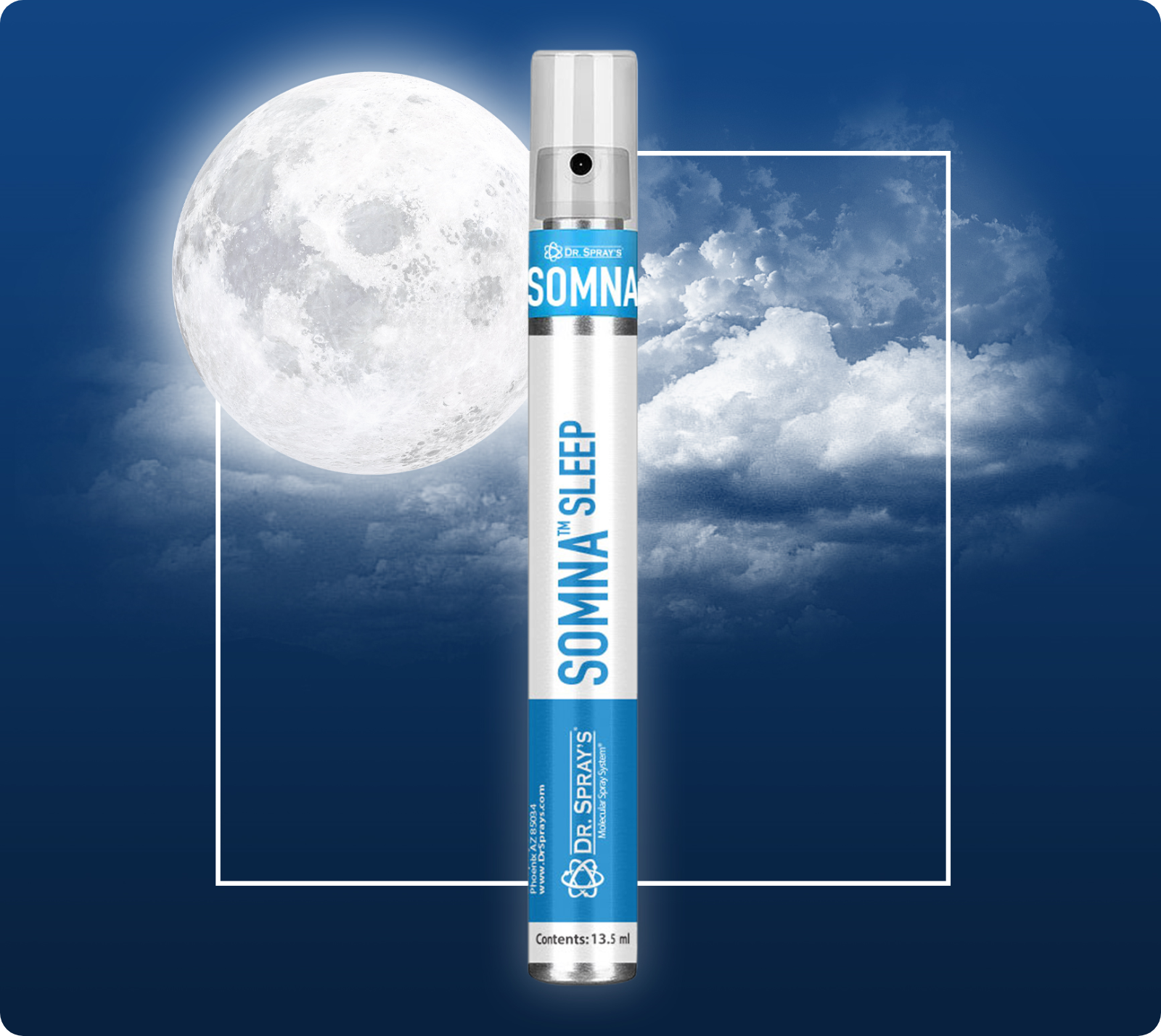
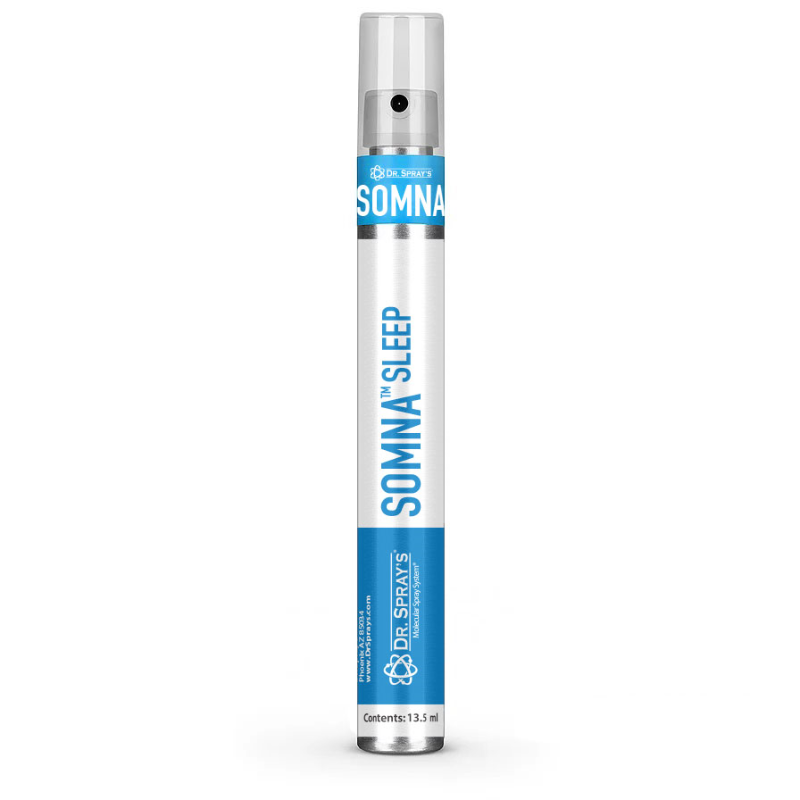
Oral spray vitamins, developed by doctors and manufactured in an FDA-registered, GMP-certified facility in Phoenix, Arizona, bypass these obstacles. The nutrients are absorbed directly through the oral mucosa (the lining of the mouth) into the bloodstream, achieving absorption rates up to 90%.
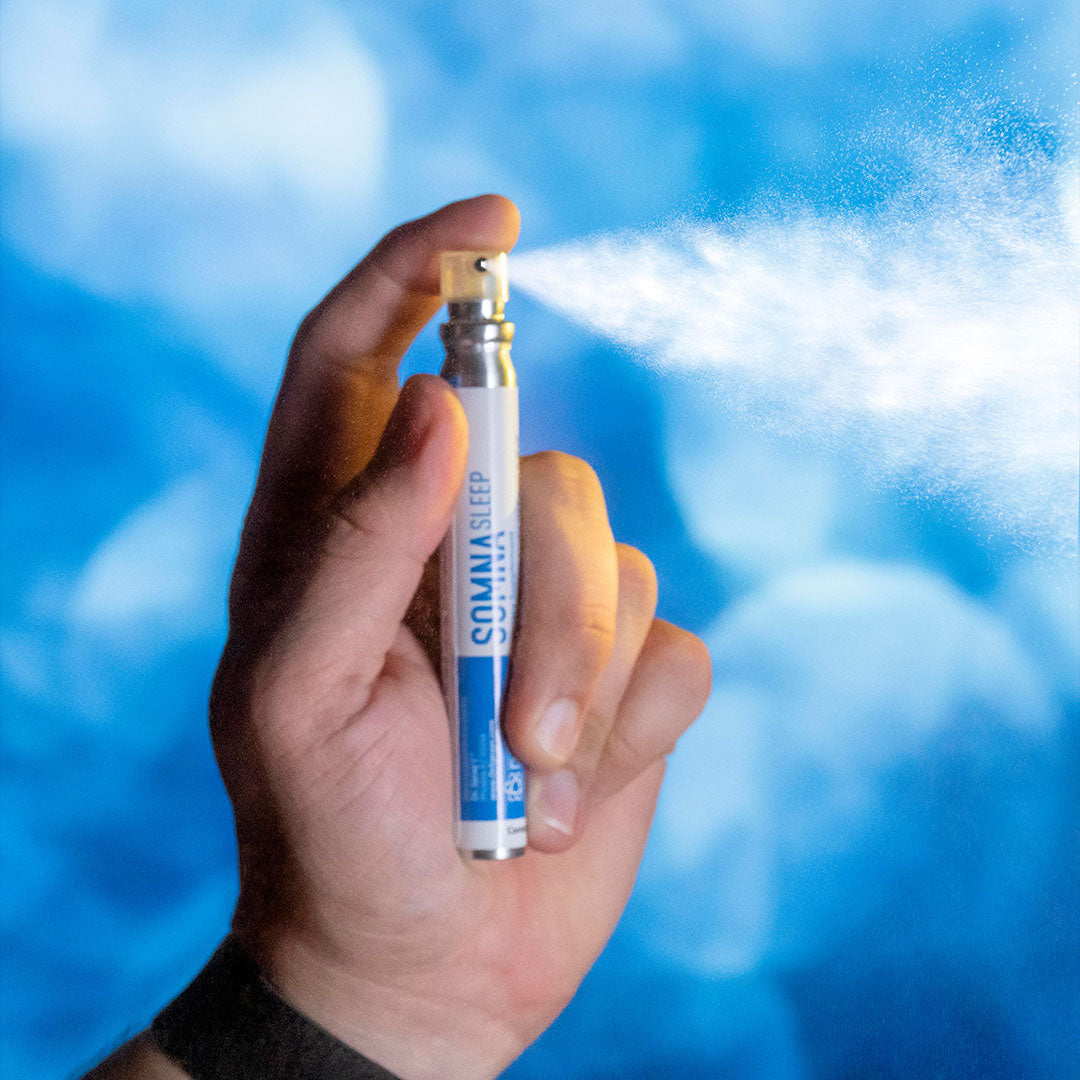
This superior bioavailability means your child gets the full benefit of sleep-supporting nutrients when they need them most. The convenient spray format also eliminates the struggle of getting children to swallow large pills or consume sugary gummies.
Stress Management and Relaxation Techniques
Mental and emotional stress significantly impacts sleep quality. Ten-year-olds face more stress than many parents realize, from academic pressures to social challenges.
Teaching Relaxation Skills
Help your child develop tools to calm their mind and body before sleep:
- Deep breathing exercises: Practice the 4-7-8 technique (breathe in for 4 counts, hold for 7, exhale for 8)
- Progressive muscle relaxation: Systematically tense and release muscle groups from toes to head
- Visualization: Imagine peaceful scenes like floating on a cloud or lying on a beach
- Gratitude practice: Reflect on three positive things from the day
Worry Time Protocol
If your child's mind races with worries at bedtime, establish a "worry time" earlier in the evening. Set aside 10-15 minutes after dinner for your child to express concerns. Write them down together and discuss solutions or coping strategies. This prevents worries from emerging during the vulnerable pre-sleep period.
Dietary Considerations for Better Sleep
What your child eats—and when—directly affects sleep quality.
Foods That Support Sleep
Incorporate these sleep-friendly options into evening meals and snacks:
- Complex carbohydrates (whole grain toast, oatmeal) that support serotonin production
- Foods rich in tryptophan (turkey, chicken, eggs, cheese)
- Magnesium-rich foods (pumpkin seeds, almonds, spinach)
- Tart cherry juice (a natural source of melatonin)
- Bananas (contain potassium and magnesium to relax muscles)
Foods and Drinks to Avoid
Keep these away from evening hours:
- Caffeine: Not just in coffee, but also chocolate, soda, and some teas
- Sugar: Causes blood sugar spikes that can disrupt sleep
- Heavy, spicy, or acidic foods: Can cause discomfort and indigestion
- Large amounts of liquid: Reduces nighttime awakenings for bathroom trips
When to Seek Professional Help
While most sleep issues can be resolved with behavioral changes and nutritional support, some situations warrant professional evaluation:
- Consistent difficulty falling asleep despite 4+ weeks of implementing good sleep hygiene
- Loud snoring or breathing pauses during sleep (possible sleep apnea)
- Frequent nightmares or night terrors
- Extreme daytime sleepiness affecting school performance
- Sleepwalking or other unusual nighttime behaviors
- Complaints of restless legs or uncomfortable sensations at night
Consult your pediatrician if you observe any of these signs. They may recommend a sleep study or refer you to a pediatric sleep specialist.
Creating a Sustainable Sleep Strategy
Improving your 10-year-old's sleep isn't about implementing every strategy at once—that's overwhelming for both parents and children. Instead, take a systematic approach:
- Week 1-2: Establish consistent bed and wake times, even on weekends
- Week 3-4: Implement screen time restrictions and optimize the bedroom environment
- Week 5-6: Address nutritional gaps with high-quality spray supplements
- Week 7-8: Fine-tune the bedtime routine and introduce relaxation techniques
Track your child's sleep patterns in a simple journal, noting bedtime, estimated time to fall asleep, wake time, and energy levels throughout the day. This data helps identify what's working and what needs adjustment.
The Phoenix Advantage: Quality Matters
When choosing nutritional support for your child, quality and safety are paramount. Products manufactured in Phoenix, Arizona at FDA-registered, GMP-certified facilities undergo rigorous quality control testing. This ensures purity, potency, and safety—critical factors when supporting your child's health.
Doctor-developed formulations bring clinical expertise to supplement design, ensuring appropriate dosing and optimal nutrient combinations. This professional approach distinguishes medical-grade products from mass-market alternatives.
Frequently Asked Questions
How long does it take for sleep improvements to become noticeable?
Most families see initial improvements within 7-10 days of implementing consistent bedtime routines and environmental changes. However, significant changes in how quickly children fall asleep typically emerge after 3-4 weeks of consistent practice. Nutritional interventions may take 4-6 weeks to show full effects as the body rebuilds nutrient stores.
Is it normal for a 10-year-old to take 30-45 minutes to fall asleep?
While occasional longer sleep onset times are normal, consistently taking 30-45 minutes to fall asleep suggests an issue that should be addressed. Healthy sleep onset typically occurs within 15-20 minutes of lying down. Extended sleep latency may indicate insufficient sleep pressure, circadian rhythm disruptions, or underlying nutritional deficiencies.
Can vitamin spray supplements really help my child sleep faster?
Yes, when deficiencies are present. Many children have suboptimal levels of sleep-supporting nutrients like vitamin D3 and B12. Because oral spray vitamins offer up to 90% absorption compared to 10-20% for pills, they more effectively address these deficiencies. However, supplements work best alongside good sleep hygiene practices—they're part of a comprehensive approach, not a standalone solution.
Should I give supplements in the morning or evening for sleep benefits?
Most sleep-supporting vitamins work best when given in the morning or early afternoon. This allows the body to use these nutrients throughout the day to support natural sleep processes that evening. The exception is magnesium, which can be taken in the evening. Always follow product-specific recommendations and consult your pediatrician.
What's the single most important factor for helping my child fall asleep faster?
Consistency with bedtime and wake time is the foundation—even on weekends. This regularity strengthens circadian rhythms and makes falling asleep at the designated time much easier. While other factors like screen time and nutrition are important, nothing compares to the power of a consistent schedule.
Are melatonin supplements safe for 10-year-olds?
While melatonin is widely used, it should be approached cautiously. The body naturally produces melatonin, and external supplementation can potentially interfere with this natural production, especially in growing children. Before using melatonin, address foundational issues: sleep hygiene, screen time, nutritional deficiencies (especially vitamin D3 and B12), and circadian rhythm disruption. Many sleep issues resolve without melatonin once these factors are addressed.
How much physical activity does my 10-year-old need for optimal sleep?
Children should get at least 60 minutes of moderate-to-vigorous physical activity daily for optimal sleep benefits. This doesn't need to be structured exercise—active play, walking, biking, sports, and physical education all count. Morning or afternoon activity is ideal, as evening exercise may be too stimulating close to bedtime.
Can allergies or sinus issues affect how quickly my child falls asleep?
Absolutely. Nasal congestion, post-nasal drip, and difficulty breathing through the nose can significantly delay sleep onset and reduce sleep quality. If your child frequently has these issues, consult your pediatrician. Addressing allergies and ensuring adequate vitamin C and zinc intake (which support immune function) can make a meaningful difference. A vitamin C + zinc spray may provide immune support while offering superior absorption compared to traditional supplements.
Conclusion: A Holistic Approach to Better Sleep
Helping your 10-year-old fall asleep faster requires a multi-faceted approach that addresses behavior, environment, and nutrition. While no single intervention solves every sleep challenge, combining consistent routines, optimized sleep environments, appropriate screen time limits, regular physical activity, and targeted nutritional support creates powerful synergistic effects.
Remember that every child is different. What works perfectly for one may need modification for another. Pay attention to your child's unique responses and be willing to adjust your approach. The investment you make in establishing healthy sleep habits now pays dividends throughout adolescence and into adulthood.
Quality sleep isn't a luxury—it's a biological necessity for growing children. By implementing these evidence-based strategies, you're not just helping your child fall asleep faster; you're supporting their physical health, emotional well-being, cognitive development, and overall quality of life.
Support Your Child's Sleep Naturally
Nutritional deficiencies can significantly impact your child's ability to fall asleep quickly and sleep soundly through the night. DrSprays offers doctor-developed, high-absorption vitamin sprays manufactured in an FDA-registered facility in Phoenix, Arizona.
Our Vitamin D3 Spray and Vitamin B12 Spray provide essential nutrients that support healthy sleep patterns with 90% absorption—far superior to traditional pills and gummies.
Explore our complete line of oral spray vitamins to support your family's health naturally.