How To Sleep Faster For 12 Year Olds?
Sleep is very important for children, especially during those key growth years between ages 6 and 12. Getting enough sleep helps kids stay healthy and do well in school. But sometimes it's hard to get enough shut-eye. Here are some tips to help your child sleep faster and longer.
Get on a regular sleep schedule
One of the best ways to help your child sleep better is to establish a regular bedtime routine. Going to bed and waking up at the same time each day helps kids get the right amount of sleep.
Create a relaxing environment
A peaceful bedroom can help kids wind down before bedtime. Try these ideas:
- Keep electronics out of the bedroom. That means no TV, video games, phones, or laptops in the bedroom. Reserve the bedroom for sleep only.
- Make sure the bedroom is dark, quiet, and cool. A dark room signals to the body that it's time to sleep.
- Help your child associate their bedroom with rest. This creates a strong mental connection between the bedroom and sleep.
Don't let your child go to bed too full or too hungry
Your child should not go to bed with a stomachache or feeling full from a big dinner. Eating a large meal before bed can cause indigestion and make it hard to fall asleep.
On the other hand, going to bed hungry can also make it tough to fall asleep. A light snack before bedtime can help your child drift off to dreamland.
Turn off electronics an hour before bedtime
The bright light from electronics such as TVs, phones, and laptops can stimulate the brain and make it harder to fall asleep. Help your child avoid screen time for at least an hour before bedtime.
Get some exercise during the day
Exercise can help kids fall asleep faster and sleep more soundly through the night. But it's best to avoid strenuous workouts close to bedtime because they can have the opposite effect and make it harder to fall asleep.
Try a relaxation technique
Relaxation techniques can help kids calm down and get ready for sleep. There are many different techniques you can try, including:
- Yoga
- Deep breathing
- Progressive muscle relaxation
- Visualization or guided imagery
- Meditation
Natural Sleep Support for Preteens
For children who still struggle with sleep despite good habits, natural supplements can provide additional support. Look for options that avoid habit-forming ingredients:
- L-Theanine — an amino acid found in green tea that promotes calm focus without drowsiness. Safe for children when used as directed. Dr. Spray's L-Theanine Spray delivers it in seconds via sublingual absorption.
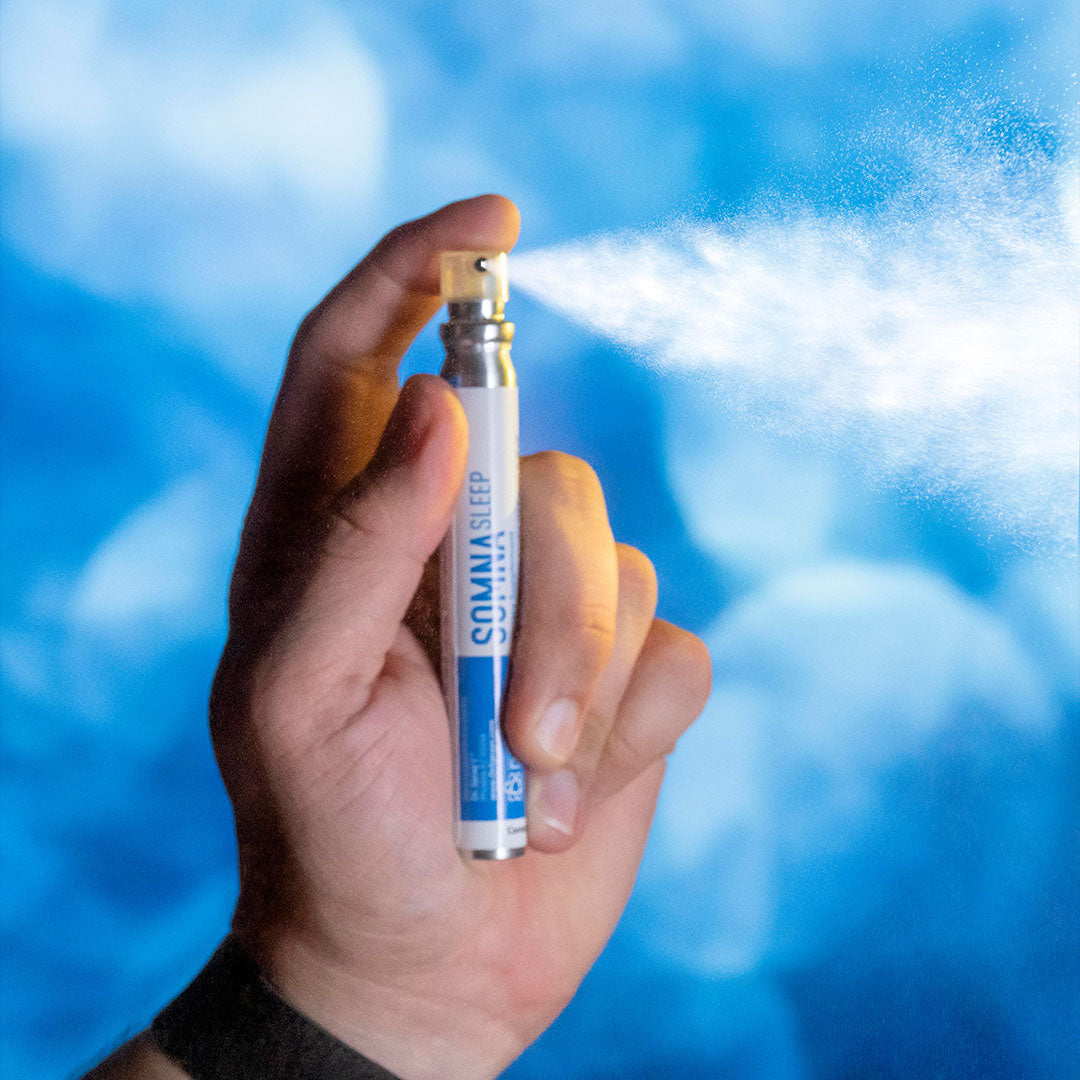
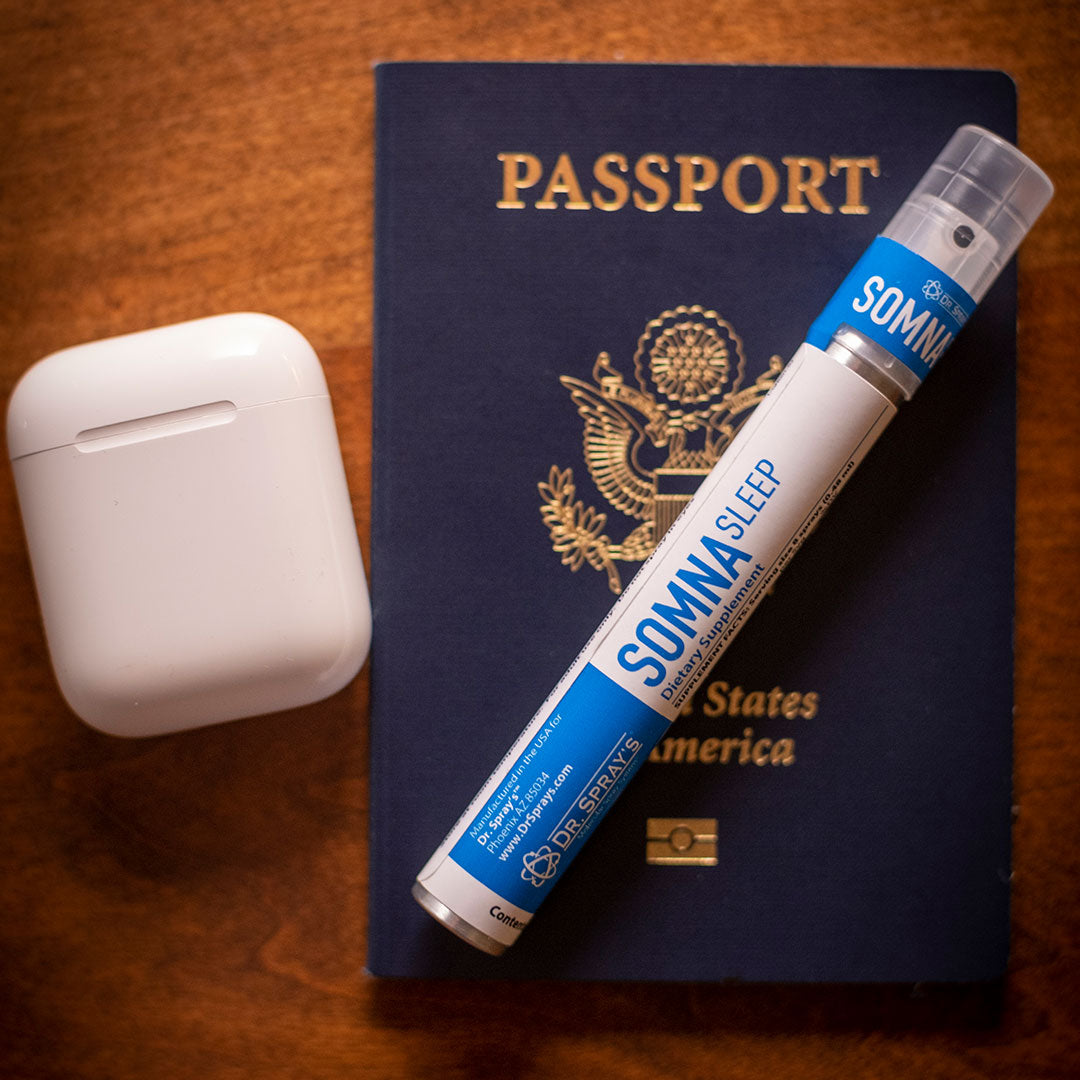
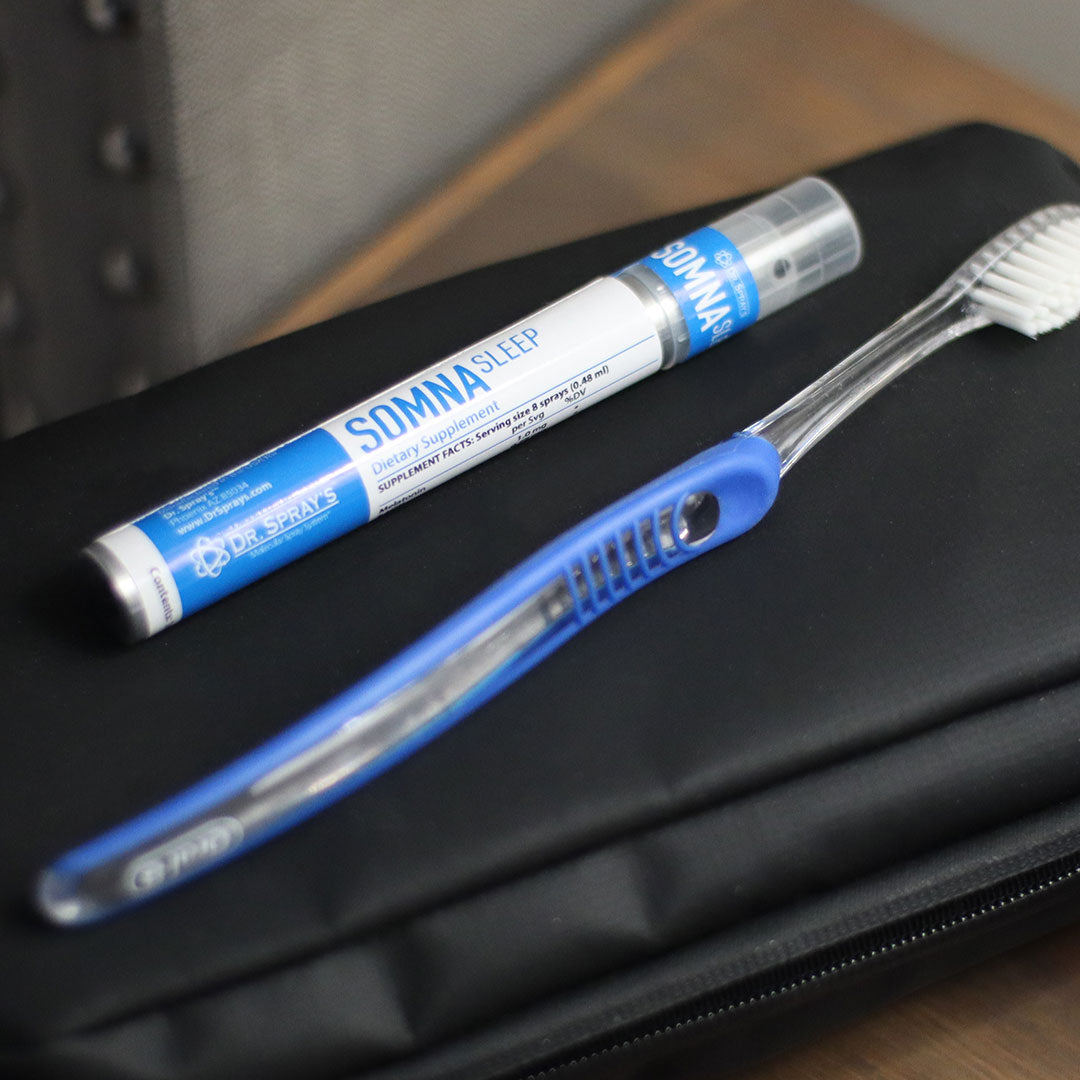
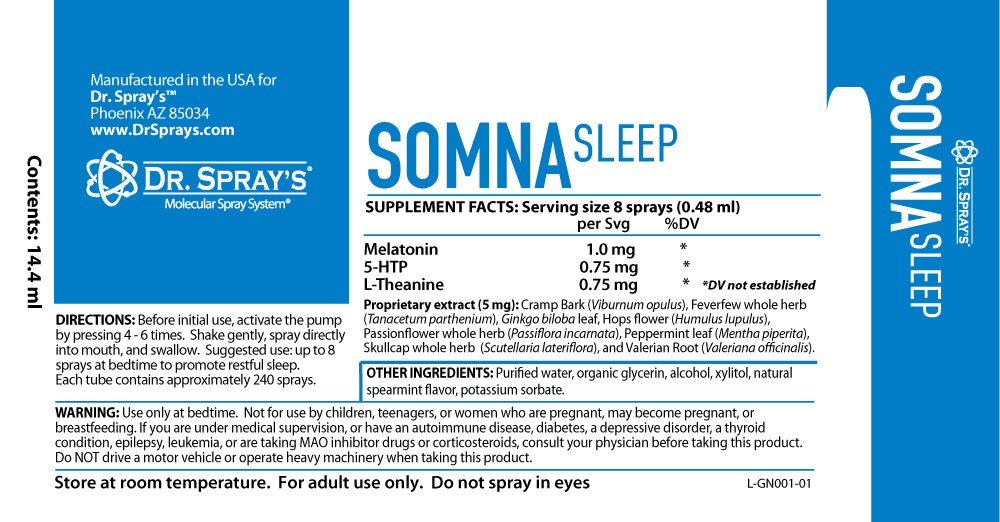
- Melatonin — the body's natural sleep hormone. A low-dose spray like Somna Sleep Spray can help reset sleep timing without pills.
- Magnesium — supports muscle relaxation and sleep quality. Magnesium Spray is an easy alternative to tablets for kids who can't swallow pills.
Always consult your child's pediatrician before starting any supplement.
Frequently Asked Questions
How many hours of sleep does a 12 year old need?
The American Academy of Sleep Medicine recommends 9 to 12 hours of sleep per night for children ages 6 to 12. Most 12 year olds need about 9 to 10 hours to function at their best.
Is melatonin safe for 12 year olds?
Short-term use of low-dose melatonin (0.5 to 1 mg) is generally considered safe for children when recommended by a pediatrician. Melatonin sprays offer more precise dosing than gummies or pills. Always consult your doctor before starting melatonin.
What time should a 12 year old go to bed?
For a 6:30 to 7:00 AM wake time, bedtime should be between 7:30 and 9:30 PM to get the recommended 9 to 12 hours of sleep.
Why can't my 12 year old fall asleep?
Common reasons include too much screen time before bed, irregular sleep schedules, caffeine from sodas or energy drinks, stress about school, and a bedroom that is too bright, warm, or noisy. Puberty also shifts the circadian rhythm later, making it biologically harder for preteens to feel sleepy early.