Sleep training a 3-year-old presents unique challenges that differ significantly from training younger toddlers. At this age, children have developed stronger wills, more sophisticated communication skills, and often experience developmental leaps that can disrupt previously established sleep patterns. Understanding the physiological and psychological factors at play is essential for successful sleep training at this stage.
While behavioral strategies form the foundation of sleep training, nutritional support—particularly through oral spray vitamins—can play a complementary role in establishing healthy sleep patterns for your three-year-old.
Understanding Sleep Challenges in 3-Year-Olds
Three-year-olds require approximately 10-13 hours of sleep per 24-hour period, including nighttime sleep and any daytime naps. However, many children at this age face sleep difficulties that can exhaust the entire family.
Common Sleep Disruptions at This Age
Several factors contribute to sleep challenges in 3-year-olds:
- Cognitive development: Rapidly expanding imaginations can lead to nighttime fears and anxiety
- Physical growth: Growth spurts may cause temporary discomfort or hunger at night
- Transition periods: Moving from a crib to a bed, potty training, or welcoming a new sibling
- Testing boundaries: Natural developmental urge to assert independence and challenge rules
- Nutritional deficiencies: Inadequate vitamins and minerals can affect sleep quality and circadian rhythms
The Role of Nutrition in Sleep Quality
Nutritional status significantly impacts sleep quality in young children. Certain vitamin deficiencies have been directly linked to sleep disturbances. Vitamin D3 deficiency, for example, has been associated with reduced sleep duration and quality in children. Similarly, inadequate B-complex vitamins can affect melatonin production and circadian rhythm regulation.
Traditional pills and gummies pose challenges for young children and often have low absorption rates. Vitamin spray delivery systems offer a practical alternative, with absorption rates up to 90% compared to 10-20% for pills, making them particularly effective for addressing nutritional gaps that may impact sleep.
Step-by-Step Sleep Training Methods for 3-Year-Olds
Successful sleep training at age three requires consistency, patience, and age-appropriate techniques that acknowledge your child's developmental stage.
The Gradual Withdrawal Method
This gentle approach works well for three-year-olds who have become dependent on parental presence to fall asleep:
- Week 1: Sit in a chair next to your child's bed until they fall asleep, offering reassurance as needed
- Week 2: Move the chair halfway between the bed and the door
- Week 3: Position the chair near the doorway
- Week 4: Sit just outside the open door
- Week 5: Check in periodically from outside the room
This method respects your child's need for security while gradually building independent sleep skills. The timeline can be adjusted based on your child's response—some may progress faster, while others need more time at each stage.
The Bedtime Pass System
This creative strategy addresses the common "curtain call" behavior where children repeatedly call for parents after bedtime:
- Give your child one or two "bedtime passes" each night
- Each pass can be exchanged for one trip out of the room or one request (water, hug, bathroom)
- Once passes are used, no more requests are honored
- Unused passes can be exchanged for a small reward the next morning
This method empowers children with choices while establishing clear boundaries—critical for three-year-olds who are learning to navigate autonomy.
The Bedtime Routine Reset
Sometimes sleep training requires completely restructuring the evening routine. An effective routine for a 3-year-old might include:
- 6:30 PM: Dinner with family
- 7:00 PM: Quiet play or puzzles
- 7:15 PM: Bath time
- 7:30 PM: Pajamas and evening vitamin spray if recommended by pediatrician
- 7:35 PM: Brush teeth
- 7:40 PM: Storytime (2-3 books)
- 7:55 PM: Lights out with brief cuddle or song
- 8:00 PM: Sleep time
Consistency in timing and sequence helps regulate the body's natural circadian rhythm. The predictability also provides emotional security for three-year-olds navigating this developmental stage.
Creating an Optimal Sleep Environment
The physical sleep environment significantly impacts a child's ability to fall and stay asleep.
Room Setup Essentials
Optimize your child's bedroom for sleep with these evidence-based modifications:
- Temperature: Maintain room temperature between 68-72°F (20-22°C)
- Darkness: Use blackout curtains to eliminate external light sources
- Sound: Consider white noise to mask household sounds and create consistent auditory environment
- Safety: Childproof the room completely so your child can safely explore if they wake
- Comfort: Ensure appropriate bedding for the season and a supportive mattress
Minimizing Sleep Disruptors
Several factors can sabotage even the best sleep training efforts:
Screen time: Eliminate all screens at least 2 hours before bedtime. The blue light emitted by tablets, phones, and televisions suppresses melatonin production, making it harder for children to fall asleep.
Sugar and stimulants: Avoid sugary snacks, chocolate, and caffeinated beverages (including some sodas) in the afternoon and evening. These can interfere with the natural wind-down process.
Overstimulation: Keep evening activities calm. Roughhousing and exciting activities spike cortisol and adrenaline, making it difficult for children to transition to sleep mode.
Nutritional Support for Better Sleep
While sleep training focuses on behavioral interventions, addressing nutritional factors can enhance results significantly.
Key Nutrients That Support Sleep
Research has identified several vitamins and minerals that play crucial roles in sleep regulation:
Vitamin D: Often called the "sunshine vitamin," vitamin D3 plays a significant role in sleep quality. Studies show that vitamin D deficiency is associated with sleep disorders in children. Children who spend limited time outdoors—especially during winter months or in northern climates—may have inadequate vitamin D levels. A vitamin D3 spray provides an efficient delivery method that bypasses digestive challenges common in young children.
B-Complex Vitamins: The B vitamins, particularly B6 and B12, support the production of serotonin and melatonin—neurotransmitters essential for sleep-wake cycle regulation. A vitamin B12 spray can help ensure adequate levels, especially for children with restricted diets or absorption issues.
Magnesium: This mineral supports muscle relaxation and nervous system function. Many children consume insufficient magnesium through diet alone, potentially impacting sleep quality.
Why Spray Supplements Work Better for Children
Traditional vitamin delivery methods present several challenges for young children. Pills are difficult to swallow and pose choking risks. Gummies often contain high sugar levels and have poor bioavailability. Additionally, many children resist taking vitamins, creating daily battles that increase household stress.
Spray supplements offer distinct advantages:
- Superior absorption: Oral spray vitamins deliver nutrients through the mucous membranes, achieving absorption rates up to 90%
- Easy administration: No swallowing required—just a quick spray
- Better compliance: Children generally accept spray delivery more readily than pills
- Precise dosing: Each spray delivers a consistent, measured amount
- Quality assurance: Products manufactured in FDA-registered, GMP-certified facilities in Phoenix, Arizona meet rigorous safety standards
When to Consider Sleep-Specific Support
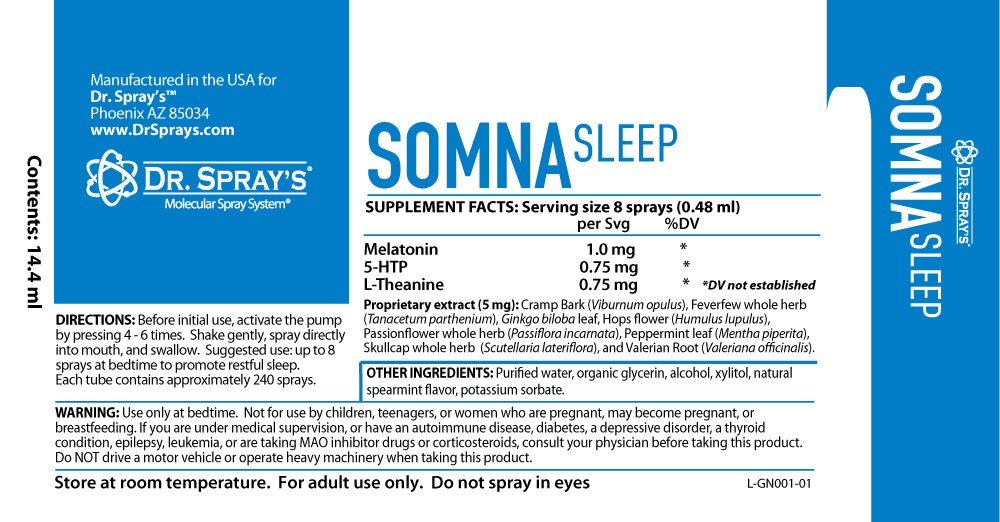
Some children may benefit from targeted nutritional support specifically formulated for sleep. Natural sleep support formulations typically contain ingredients like melatonin, magnesium, and calming botanicals. Always consult your pediatrician before introducing any new supplement spray, including sleep-specific formulations, to ensure appropriateness for your child's individual needs.
Common Obstacles and Solutions
Even with a solid plan, you'll likely encounter challenges during the sleep training process.
Nighttime Fears and Anxiety
Three-year-olds often develop fears of the dark, monsters, or separation from parents. Address these concerns with:
- Validating feelings without reinforcing fears ("I hear that you feel scared. You're safe in your room.")
- Problem-solving together during daylight hours
- Providing a nightlight or flashlight for child's control
- Creating a "monster spray" (water in a spray bottle) for a sense of empowerment
- Reading books about bedtime and overcoming fears
The Overtired Child
Paradoxically, overtired children often struggle more with sleep. Signs your child may be overtired include:
- Hyperactivity or "wired" behavior in the evening
- Difficulty settling down
- More emotional than usual
- Rubbing eyes, yawning excessively
If you notice these signs, move bedtime earlier by 15-30 minutes. Ensuring adequate daytime rest and nutrition—including sufficient vitamin and mineral intake—helps prevent the overtired state.
Illness and Sleep Regression
When children get sick, sleep training often regresses. This is normal and expected. During illness, prioritize comfort and recovery. Once your child feels better, resume sleep training routines consistently. Most children return to their trained patterns within a few days.
Supporting immune function through adequate nutrition may help reduce illness frequency. A comprehensive multi-vitamin spray can help fill nutritional gaps that might compromise immune health.
Working with Your Partner and Caregivers
Consistency across all caregivers is crucial for successful sleep training.
Creating a Unified Approach
Schedule a meeting with all adults involved in your child's care to:
- Agree on specific sleep training methods
- Establish consistent responses to nighttime wake-ups
- Decide on timing and routines
- Determine who will handle which nights (if alternating)
- Set expectations for the transition period
Write down the agreed-upon plan and post it in a shared location. This eliminates confusion during exhausted 2 AM wake-ups.
Managing Different Parenting Styles
Partners often have different comfort levels with sleep training approaches. One parent may lean toward gentler methods while the other prefers firmer boundaries. Find middle ground by:
- Discussing underlying values and concerns
- Researching approaches together
- Agreeing to try one method consistently for 2-3 weeks before evaluating
- Checking in regularly about what's working and what isn't
Measuring Progress and Adjusting Your Approach
Sleep training rarely follows a linear path. Tracking progress helps you identify patterns and make informed adjustments.
What to Track
Keep a simple sleep log recording:
- Bedtime and time child fell asleep
- Number and duration of nighttime wake-ups
- Morning wake time
- Nap times and duration
- Behavioral observations (resistance, anxiety, ease of settling)
- Dietary factors (evening meal, snacks, vitamin supplementation)
After one week, review the log for patterns. You might notice that evenings when your child had a later nap correlate with bedtime battles, or that nights following adequate outdoor time show better sleep.
When to Adjust Your Strategy
Give any sleep training approach at least one to two weeks before making significant changes. However, adjust immediately if:
- Your child shows signs of genuine distress beyond normal protest
- Sleep problems worsen rather than improve
- The approach creates significant family stress
- You discover underlying issues (medical problems, nutritional deficiencies, environmental factors)
Celebrating Small Wins
Sleep training progress isn't always dramatic. Celebrate incremental improvements like:
- Falling asleep 10 minutes faster
- One fewer wake-up during the night
- Less resistance during the bedtime routine
- Successfully using a bedtime pass appropriately
Positive reinforcement works for parents too. Acknowledging progress maintains motivation during challenging periods.
Long-Term Sleep Health Beyond Age Three
The habits and patterns established during sleep training create a foundation for lifelong healthy sleep.
Building Lasting Sleep Hygiene
Principles that support sleep training at age three remain relevant throughout childhood:
- Consistent sleep and wake times, even on weekends
- Regular bedtime routines that signal sleep time
- Appropriate sleep environments
- Limited screen exposure before bed
- Adequate physical activity during the day
- Proper nutrition, including essential vitamins and minerals
Adapting as Your Child Grows
Sleep needs evolve as children grow. A 3-year-old needs more sleep than a 7-year-old, who needs more than a teenager. Remain flexible and adjust schedules as needed, while maintaining core healthy sleep principles.
Continue monitoring nutritional status as well. Growing children's vitamin and mineral needs change with developmental stages. Regular pediatric check-ups can identify potential deficiencies that might impact sleep or overall health.
When to Seek Professional Help
While most sleep challenges in 3-year-olds resolve with consistent sleep training, certain situations warrant professional evaluation.
Red Flags That Need Assessment
Consult your pediatrician if your child experiences:
- Loud snoring or breathing pauses during sleep (possible sleep apnea)
- Extreme difficulty waking in the morning despite adequate sleep time
- Persistent nightmares or night terrors multiple times weekly
- Sleep problems accompanied by behavioral changes or developmental regression
- No improvement after 4-6 weeks of consistent sleep training
- Signs of underlying health issues (chronic congestion, digestive problems, skin issues)
Types of Professional Support
Depending on your child's specific challenges, helpful professionals might include:
- Pediatrician: Rule out medical causes and evaluate overall health
- Pediatric sleep specialist: Address complex sleep disorders
- Nutritionist or dietitian: Assess dietary factors and potential deficiencies
- Child psychologist: Address anxiety or behavioral components
- Occupational therapist: Help with sensory issues affecting sleep
Real-World Implementation: A Sample Week
Understanding how sleep training looks in practice can help you prepare for the journey ahead.
Week One: Establishing the New Routine
Monday: Introduce the new bedtime routine. Expect resistance and protests. Your child may take 45-60 minutes to fall asleep. Stay consistent with the plan.
Tuesday-Wednesday: Continue the routine exactly as planned. Bedtime may still be challenging, but small improvements often appear (perhaps taking only 30-40 minutes to fall asleep).
Thursday-Friday: Your child begins to anticipate the routine. You might see easier transitions between activities. Still expect some testing of boundaries.
Weekend: Maintain consistency despite the temptation to relax rules. Weekend consistency is crucial during initial training. Consider adding outdoor play time to support healthy sleep-wake cycles and natural vitamin D production.
Week Two: Building on Progress
The second week typically brings more noticeable improvements. Your child knows what to expect and may even begin to accept or enjoy parts of the routine. Nighttime wake-ups may decrease. Continue tracking patterns and providing appropriate nutritional support through balanced meals and, if recommended by your pediatrician, targeted oral spray vitamins.
FAQ: Common Sleep Training Questions for 3-Year-Olds
How long does it take to sleep train a 3-year-old?
Most families see significant improvement within 1-3 weeks of consistent sleep training. However, every child is different. Some adjust quickly within days, while others may take 4-6 weeks to fully establish new patterns. The key is consistency—inconsistent application of sleep training methods significantly extends the process.
Should I let my 3-year-old cry it out?
The "cry it out" method can be controversial for this age group. Three-year-olds have more sophisticated emotional needs than infants and can communicate verbally. Gentler methods like gradual withdrawal or the bedtime pass system often work better while respecting developmental needs. If you do choose a method involving some crying, ensure it's protest crying rather than distress crying, and consider modified approaches with periodic check-ins.
What if my 3-year-old keeps getting out of bed?
This is extremely common. Remain calm and consistent. Each time your child leaves the room, calmly return them to bed with minimal interaction—no conversation, engagement, or emotion. Simply say "It's bedtime" and guide them back. The bedtime pass system can be particularly effective for this behavior, as it gives children controlled autonomy while establishing clear limits.
Can vitamin deficiencies really affect my child's sleep?
Yes, research shows that certain vitamin deficiencies can significantly impact sleep quality. Vitamin D deficiency has been linked to sleep disorders in children, while inadequate B vitamins can affect melatonin production. If you suspect nutritional factors are impacting your child's sleep, consult your pediatrician. They may recommend testing and appropriate supplementation, potentially including easily absorbed spray supplements that bypass digestive challenges.
How do I handle sleep training with a new sibling in the house?
Major life transitions like welcoming a new sibling can disrupt sleep. If possible, complete sleep training either well before (2-3 months) or after (2-3 months) the sibling's arrival. If you must train during the transition, maintain consistency while offering extra emotional support. Consider having one parent handle the 3-year-old's routine while the other cares for the baby, ensuring each child gets dedicated attention.
My child stopped napping—could this be causing nighttime sleep problems?
Many 3-year-olds transition away from regular naps, which can temporarily disrupt nighttime sleep. During this transition, children often become overtired, paradoxically making nighttime sleep more difficult. Try implementing a quiet rest time even if your child doesn't sleep, and move bedtime earlier by 30-60 minutes to compensate for lost daytime rest.
What's the best time for a 3-year-old's bedtime?
Most 3-year-olds do best with a bedtime between 7:00-8:30 PM, depending on wake time and whether they still nap. A child who wakes at 7:00 AM and no longer naps might need a 7:00-7:30 PM bedtime, while a child who still naps might do well with 8:00 PM. Watch for sleepy cues and aim for bedtime before your child becomes overtired.
Should I give my child melatonin?
Melatonin can be helpful for some children, but it should only be used under pediatric guidance. It's not a substitute for good sleep hygiene and behavioral sleep training. If recommended by your doctor, melatonin is most effective when paired with consistent sleep routines and appropriate timing. Some natural sleep support formulations combine melatonin with other sleep-supporting nutrients in convenient spray delivery systems.
How can I tell if sleep problems are behavioral or medical?
Medical sleep issues often include physical symptoms: loud snoring, breathing pauses, chronic congestion, frequent night sweats, extreme difficulty waking, or sleepwalking. Behavioral sleep issues typically involve bedtime resistance, limit-testing, nighttime fears, or learned sleep associations. If you're unsure, consult your pediatrician—they can evaluate whether medical investigation is warranted before proceeding with behavioral sleep training.
My child is defiant during the bedtime routine—what should I do?
Defiance is developmentally normal for 3-year-olds asserting independence. Offer choices within boundaries: "Do you want to wear the blue pajamas or the red ones?" or "Should we read two books or three books tonight?" This gives children appropriate control while maintaining your overall structure. Stay calm and matter-of-fact, avoiding power struggles that energize resistance.
About the Author
This article was developed by the health education team at DrSprays, a Phoenix, Arizona-based company specializing in doctor-developed oral vitamin sprays. Our products are manufactured in an FDA-registered, GMP-certified facility and feature absorption rates up to 90%. While we provide educational content on health and wellness topics, this article is for informational purposes only and should not replace professional medical advice. Always consult your child's pediatrician before making changes to their health routine or introducing new supplements.
Ready to Support Your Child's Sleep Health?
Quality sleep depends on multiple factors—from consistent routines to optimal nutrition. If you suspect nutritional gaps may be impacting your child's sleep or overall health, consider the convenience and effectiveness of vitamin spray supplements.
Our doctor-developed formulations, including Vitamin D3 spray and Vitamin B12 spray, offer superior absorption and child-friendly delivery. Manufactured in Phoenix, Arizona in our FDA-registered, GMP-certified facility, every spray delivers consistent, quality nutrition you can trust.
Explore our complete line of oral spray vitamins and discover how proper nutrition can support your family's health and wellness goals.