Sleep challenges with 4-year-olds are among the most common concerns parents face. At this developmental stage, children are experiencing significant cognitive growth, increased independence, and sometimes anxiety about separation—all of which can disrupt previously established sleep patterns. Understanding how to approach sleep training at this age requires patience, consistency, and often attention to underlying nutritional factors that support healthy sleep cycles.
In this comprehensive guide, we'll explore evidence-based strategies for sleep training your 4-year-old, common obstacles you may encounter, and how proper nutrition—including targeted vitamin spray supplements—can support your child's natural sleep rhythms.
Understanding Sleep Needs for 4-Year-Olds
According to the American Academy of Sleep Medicine, preschool-aged children between 3 and 5 years old need 10-13 hours of sleep per 24-hour period. However, many 4-year-olds don't meet this recommendation, which can affect their mood, behavior, learning capacity, and physical health.
At age four, most children have transitioned away from regular naps, though some may still benefit from a quiet rest period during the day. This transition can temporarily disrupt nighttime sleep as their bodies adjust to a new schedule.
Signs Your 4-Year-Old Isn't Getting Enough Sleep
- Difficulty waking in the morning
- Irritability or emotional outbursts, especially late in the day
- Hyperactivity (contrary to what many expect, overtiredness often manifests as hyperactivity in children)
- Difficulty concentrating on age-appropriate tasks
- Falling asleep during car rides or other inappropriate times
- Increased clumsiness or accidents
Common Sleep Challenges at Age Four
Before implementing a sleep training approach, it's important to identify the specific challenge you're facing. Common issues at this age include:
Bedtime Resistance
Many 4-year-olds have developed the verbal skills to negotiate, delay, and protest bedtime. They may repeatedly ask for water, express fear of the dark, or claim they're not tired. This resistance often stems from a desire for autonomy and control rather than a genuine lack of sleepiness.
Night Wakings
While less common than in younger children, some 4-year-olds still wake during the night. These wakings may be due to nightmares, night terrors, the need to use the bathroom, or simply habit.
Early Morning Waking
Some children consistently wake before 6:00 AM, leaving both child and parents exhausted. This pattern can be particularly challenging to shift once established.
Fear and Anxiety
Four-year-olds have active imaginations, which can lead to fears about monsters, separation from parents, or darkness. These fears are developmentally normal but can significantly impact sleep quality.
Effective Sleep Training Strategies for 4-Year-Olds
Unlike sleep training for infants, approaches for preschoolers should leverage their developing reasoning abilities while maintaining firm, loving boundaries.
Establish a Consistent Bedtime Routine
A predictable sequence of calming activities signals to your child's body that sleep is approaching. An effective routine for a 4-year-old might include:
- Transition warning (30 minutes before routine): Give advance notice that bedtime is approaching
- Bath or wash-up (20 minutes): Warm water can help lower core body temperature, which promotes sleepiness
- Pajamas and brushing teeth (10 minutes): Maintain the same order each night
- Quiet activity (15-20 minutes): Reading, gentle conversation, or listening to soft music
- Lights out: At the same time each night, even on weekends
Consistency is crucial. The routine should occur at the same time and in the same order every night, creating a powerful sleep association.
Set Clear Boundaries and Expectations
Have a calm conversation with your child during the day (not at bedtime) about sleep expectations. Explain that once the routine is complete, they'll stay in their bed even if they're not immediately sleepy. You might say, "Your body needs rest to grow strong and healthy, even if your mind feels awake."
Create visual cues that help your child understand these boundaries. A "bedtime chart" showing each step of the routine can empower them to follow the process independently.
The "Bedtime Pass" Technique
This behavioral strategy gives children one opportunity to leave their room or call for a parent after lights out. Provide a physical "pass" (a laminated card works well) that they can exchange for one drink of water, one hug, or one bathroom trip. Once used, the pass is gone for the night.
This technique acknowledges your child's need for some control while preventing the endless cycle of curtain calls that many parents experience.
Address Fears Proactively
Rather than dismissing fears as silly, acknowledge them while providing reassurance. During daylight hours, read books about overcoming bedtime fears, and problem-solve together about strategies that might help (a nightlight, a special stuffed animal "protector," or leaving the door slightly ajar).
Avoid checking under the bed or in the closet for monsters, as this validates the fear rather than addressing it. Instead, emphasize that their room is safe and that you're nearby.
Gradual Retreat Method
If your child has become dependent on your presence to fall asleep, gradually reduce your involvement over several weeks:
- Week 1: Sit in a chair next to their bed until they fall asleep
- Week 2: Move the chair halfway to the door
- Week 3: Sit in the doorway
- Week 4: Stand in the hallway where they can hear but not see you
- Week 5: Check on them periodically but don't stay in the room
This approach requires patience but is often less distressing for both children and parents than abrupt changes.
The Role of Nutrition in Sleep Quality
What your child consumes during the day—and especially in the evening hours—significantly impacts sleep quality. Certain nutritional deficiencies can directly interfere with the body's ability to produce sleep-regulating hormones.
Key Nutrients for Healthy Sleep
Vitamin D plays a crucial role in sleep regulation. Research has shown that vitamin D deficiency is associated with poor sleep quality, shorter sleep duration, and daytime sleepiness in children. The body uses vitamin D to regulate the production of melatonin, the hormone that controls sleep-wake cycles.
Many children don't receive adequate vitamin D from sunlight exposure alone, particularly during winter months or in families that use consistent sun protection. A vitamin D3 spray can provide targeted supplementation in a format that's easy for children to take. DrSprays Vitamin D3 offers a convenient delivery method with superior absorption compared to traditional pills.
Vitamin B12 supports the body's circadian rhythm regulation and helps maintain healthy sleep-wake cycles. B12 deficiency can contribute to sleep disturbances and fatigue. While severe deficiency is less common in children eating a varied diet, suboptimal levels may still impact sleep quality.
Magnesium acts as a natural relaxant, supporting the nervous system and muscle relaxation necessary for sleep. Many children don't consume adequate magnesium through diet alone, as it's primarily found in foods like leafy greens, nuts, and whole grains—items that aren't typically favorites among preschoolers.
Vitamin C and Zinc support immune function, which is particularly important for quality sleep. When children are fighting off infections or dealing with allergies, sleep is often disrupted. Maintaining optimal levels of these nutrients helps the body manage immune challenges more effectively.
Advantages of Oral Spray Vitamins for Children
Traditional vitamin pills or gummies can be challenging for young children. Pills may pose choking hazards, while gummies often contain high amounts of sugar and may stick to teeth. Oral spray vitamins offer several advantages:
- Higher absorption rates: Nutrients absorbed through the oral mucosa bypass some digestive processes, leading to more efficient uptake
- Easier administration: No need to swallow pills or chew large gummies
- Precise dosing: Each spray delivers a measured amount
- Better taste acceptance: Many children prefer the quick spray format to swallowing supplements
- Faster action: Sublingual absorption can work more quickly than digestion-dependent methods
While spray supplements shouldn't replace a healthy diet, they can fill nutritional gaps that may be impacting your child's sleep quality. Always consult with your pediatrician before starting any new supplement regimen.
Creating an Optimal Sleep Environment
The physical sleep environment significantly influences a child's ability to fall asleep and stay asleep throughout the night.
Temperature
The ideal bedroom temperature for sleep is between 65-70°F (18-21°C). A room that's too warm can prevent the natural drop in core body temperature that facilitates sleep onset.
Darkness
Darkness signals the brain to produce melatonin. While a small nightlight is fine if your child fears complete darkness, avoid bright lights or screens that emit blue light. Consider blackout curtains if early morning sunlight disrupts sleep.
Sound
A quiet environment is ideal, though some children sleep better with white noise that masks household sounds. If you use a sound machine, place it away from the child's bed and keep volume low.
Comfort
Ensure your child's mattress provides adequate support, bedding is comfortable and appropriate for the season, and pajamas aren't restrictive. Some children are particularly sensitive to tags, seams, or fabric textures.
Daytime Habits That Support Nighttime Sleep
Sleep training doesn't only happen at night. Daytime activities and routines significantly impact evening sleep quality.
Physical Activity
Four-year-olds need substantial physical activity—ideally 3 hours throughout the day of active play. This activity should include outdoor time when possible, as natural light exposure helps regulate circadian rhythms.
However, avoid vigorous activity within 2-3 hours of bedtime, as it can be stimulating rather than tiring.
Screen Time Management
The blue light emitted by screens suppresses melatonin production. Establish a "screens off" time at least one hour before bed. This includes television, tablets, smartphones, and computers.
Consistent Wake Time
While it's tempting to let children sleep in on weekends, maintaining a consistent wake time (within 30 minutes) seven days a week helps stabilize their circadian rhythm.
Mindful Meal Timing
Heavy meals close to bedtime can cause discomfort and interfere with sleep. Aim to finish dinner at least 2 hours before bed. If your child is hungry closer to bedtime, offer a light snack that combines protein and complex carbohydrates, such as whole grain crackers with cheese or apple slices with almond butter.
When to Seek Professional Help
While many sleep challenges can be addressed with consistent behavioral strategies, some situations warrant professional evaluation:
- Loud snoring or pauses in breathing during sleep (possible sleep apnea)
- Extreme difficulty waking in the morning despite adequate sleep hours
- Night terrors occurring multiple times per week
- Sleepwalking or other concerning nighttime behaviors
- Sleep problems that persist despite consistent implementation of appropriate strategies for 4-6 weeks
- Excessive daytime sleepiness affecting normal activities
Your pediatrician can evaluate for underlying medical conditions, refer you to a sleep specialist if needed, or provide additional guidance tailored to your child's specific situation.
Supporting Your Child's Health from Phoenix, Arizona
For families in Phoenix, Arizona and surrounding areas, access to high-quality nutritional supplements can support your child's overall health and sleep quality. The desert climate and intense sun exposure in Arizona make vitamin D supplementation particularly relevant—while sun exposure can boost vitamin D production, many children use sun protection that limits this natural synthesis.
DrSprays manufactures all products in an FDA-registered, GMP-certified facility right here in Phoenix, ensuring quality control and adherence to strict safety standards. This local manufacturing means families throughout Arizona have access to doctor-developed formulations designed with both efficacy and ease of use in mind.
Long-Term Sleep Success
Remember that sleep training a 4-year-old is rarely a quick fix. Most children require 2-4 weeks of consistent application before new patterns become established. During this time, you may encounter resistance, setbacks, and moments of doubt.
Stay committed to the approach you've chosen, and avoid switching strategies mid-course, as this inconsistency can confuse your child and prolong the process. Keep a sleep log to track patterns and progress—sometimes improvements are gradual and become more apparent when you can review data over time.
Celebrate small victories, whether that's your child using their bedtime pass only once instead of calling for you five times, or staying in bed 30 minutes longer before waking. Positive reinforcement through praise and acknowledgment of their efforts can motivate continued progress.
Frequently Asked Questions
How long does it take to sleep train a 4-year-old?
Most children show significant improvement within 2-4 weeks of consistent sleep training. However, the timeline varies based on the specific sleep challenge, the child's temperament, and how consistently strategies are applied. Some issues, like early morning waking, may take longer to resolve than bedtime resistance.
Is it too late to sleep train a 4-year-old?
It's never too late to establish healthy sleep habits. While sleep training is often associated with infants, preschoolers can absolutely learn new sleep behaviors. In fact, their increased cognitive abilities and language skills can make some aspects of sleep training easier, as you can explain expectations and problem-solve together.
Should I lock my 4-year-old's bedroom door during sleep training?
Sleep experts and safety organizations generally advise against locking a child's door due to fire safety concerns. Instead, use strategies like the bedtime pass technique or consistent returning to bed without engagement. If your child repeatedly leaves their room, calmly and quietly return them to bed with minimal interaction.
Can vitamin sprays help my child sleep better?
While vitamin spray supplements are not sleep medications, addressing nutritional deficiencies—particularly in vitamins D and B12—can support the body's natural sleep-wake cycle regulation. A vitamin B12 spray or vitamin D3 spray may help if deficiency is contributing to sleep disturbances, though these should be used as part of a comprehensive approach that includes behavioral strategies and good sleep hygiene. Always consult your pediatrician before starting supplements.
What if my 4-year-old has nightmares every night?
Occasional nightmares are normal at this age, but nightly nightmares may indicate anxiety that should be addressed. Talk with your child during the day about their worries, maintain consistent and comforting bedtime routines, and consider whether they're being exposed to frightening content through media. If nightmares persist or intensify, consult your pediatrician or a child psychologist.
How do I handle night wakings during sleep training?
When your child wakes at night, respond calmly and quietly. Check that they're safe and comfortable, but avoid turning on bright lights, engaging in conversation, or bringing them to your bed (unless that's your intended goal). Keep interactions brief and boring, then encourage them to return to sleep independently. Consistency is key—responding the same way each time teaches them what to expect.
Are oral spray vitamins safe for young children?
Oral spray vitamins formulated specifically for children are generally safe when used as directed. However, dosing is important—never give your child adult-strength supplements. Look for products from reputable manufacturers that follow Good Manufacturing Practices (GMP) and have appropriate safety testing. DrSprays products are manufactured in an FDA-registered facility with stringent quality controls. Always discuss supplementation with your pediatrician, especially if your child has any health conditions or takes medications.
Should I eliminate naps for my 4-year-old to improve nighttime sleep?
Many 4-year-olds have naturally transitioned away from naps, but some still need a brief midday rest. If your child takes a nap and has difficulty falling asleep at night, try gradually shortening the nap or shifting it earlier in the day. However, if eliminating the nap results in an overtired, cranky child who still doesn't sleep well at night, a short nap (30-45 minutes) in the early afternoon may be beneficial. Watch your individual child's cues rather than following a rigid rule.
Take the Next Step Toward Better Sleep
Quality sleep is foundational to your child's health, development, and daily happiness. While sleep training a 4-year-old requires patience and consistency, the investment pays dividends in your child's wellbeing and your family's quality of life.
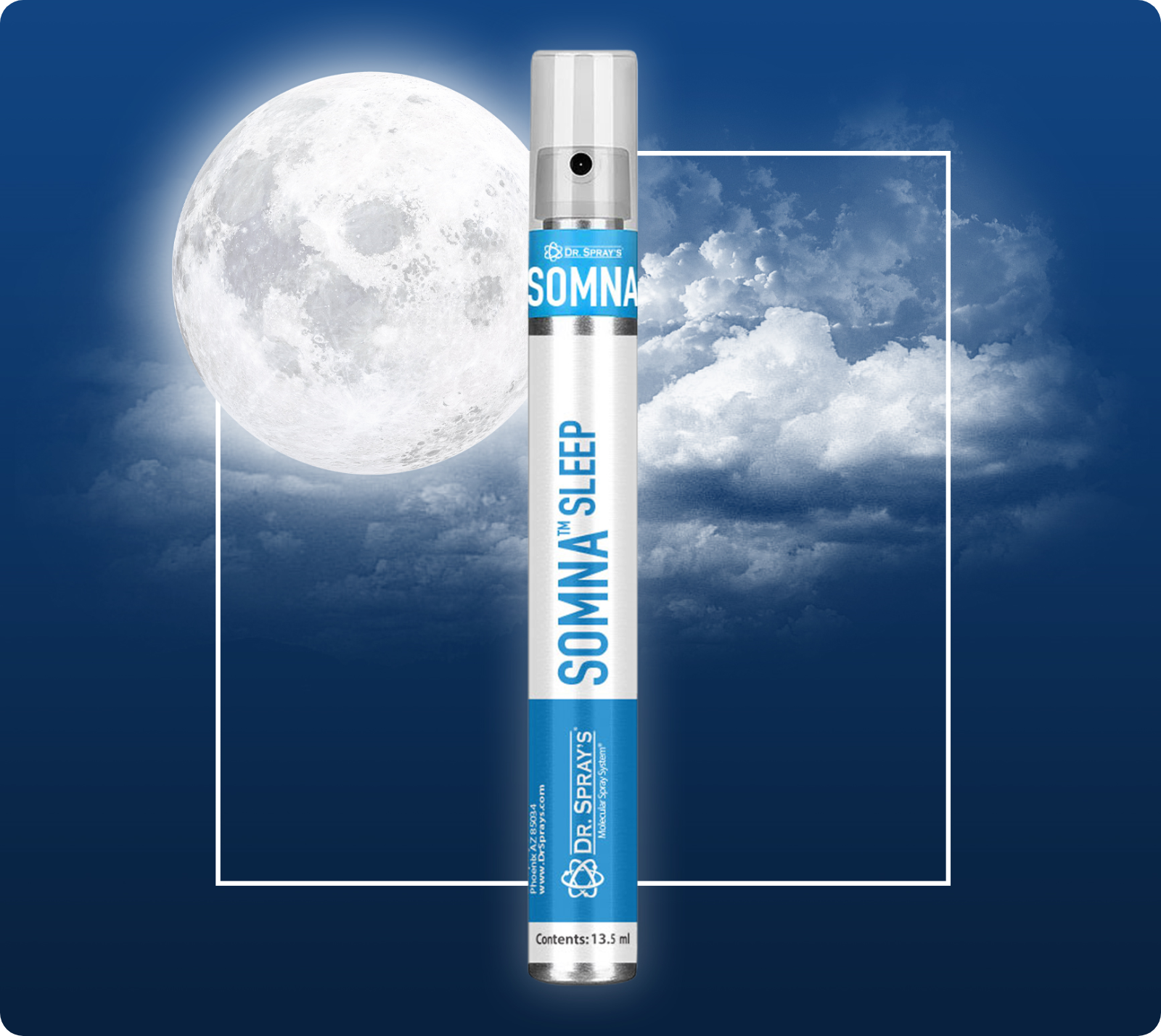
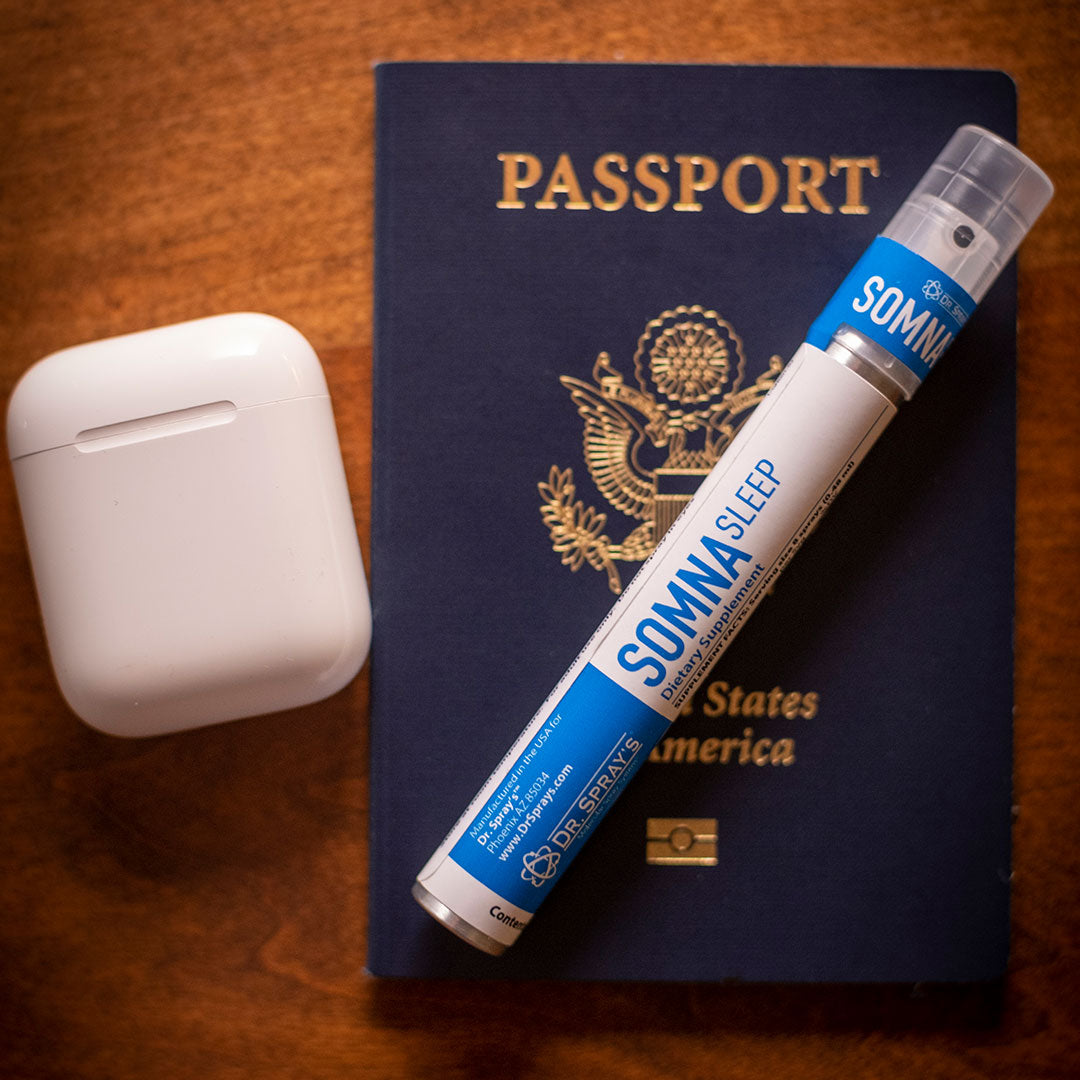
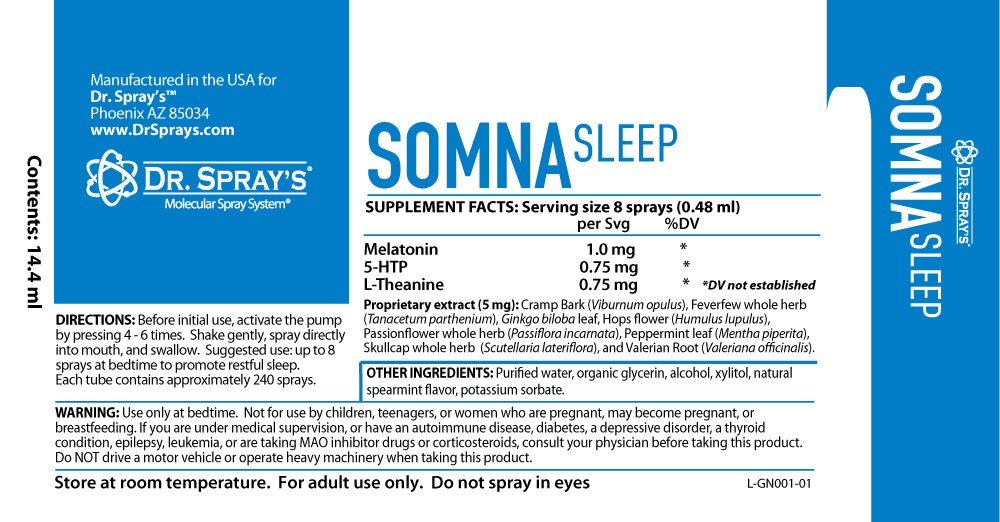
If you suspect nutritional gaps may be contributing to your child's sleep challenges, consider how targeted supplementation might help. DrSprays offers a range of doctor-developed spray supplements designed for optimal absorption and ease of use. Our Vitamin D3 spray and B12 spray can help address common deficiencies that impact sleep quality, while our specialized sleep support formula is designed for adults struggling with their own sleep challenges.
All DrSprays products are manufactured in our FDA-registered, GMP-certified facility in Phoenix, Arizona, ensuring the highest standards of quality and safety. With a 90% absorption rate—significantly higher than traditional pills—our vitamin sprays deliver nutrients where your body can use them most effectively.
Ready to support your family's health and sleep quality? Explore our full range of vitamin sprays and discover how convenient, effective supplementation can complement your healthy lifestyle strategies.
About the Author
This article was developed by the DrSprays content team in consultation with sleep health and nutrition research. DrSprays is committed to providing evidence-based information to help families make informed decisions about health and wellness. Our doctor-developed formulations combine nutritional science with convenient delivery methods, making it easier to support your family's nutritional needs.