Sleep training a one-year-old breastfed baby presents unique challenges that many parents face. At this age, your little one has established feeding patterns and sleep associations that may need gentle adjustment. Understanding the connection between nutrition, supplementation, and sleep quality can make this transition smoother for both parent and child.
This comprehensive guide explores evidence-based sleep training methods while addressing the nutritional needs that support healthy sleep patterns in breastfed toddlers.
Understanding Sleep Patterns in One-Year-Old Breastfed Babies
At twelve months, your baby's sleep needs have evolved considerably from the newborn stage. Most one-year-olds require 12-14 hours of total sleep per day, typically divided between nighttime sleep and one or two daytime naps.
Breastfed babies often develop stronger sleep associations with nursing than formula-fed babies. This connection isn't problematic in itself, but it can make independent sleep more challenging when you're ready to begin sleep training.
Common Sleep Challenges at This Age
One-year-olds commonly experience:
- Night wakings seeking comfort nursing
- Difficulty falling asleep without breast feeding
- Short naps or nap resistance
- Early morning wakings
- Sleep regressions related to developmental milestones
These patterns are developmentally normal but can be exhausting for parents who haven't had uninterrupted sleep in a year.
The Role of Nutrition in Sleep Quality
Before implementing any sleep training method, ensuring your child receives adequate nutrition throughout the day is essential. Well-nourished babies sleep better and adapt more easily to new routines.
Key Nutrients That Support Healthy Sleep
Several vitamins and minerals play crucial roles in sleep regulation:
Vitamin D3: This essential nutrient affects sleep quality in both children and adults. Research indicates that vitamin D deficiency correlates with sleep disturbances. While breast milk provides many nutrients, it contains minimal vitamin D, making supplementation often necessary. A vitamin D3 spray offers an easy way to ensure adequate intake without the struggle of administering pills or droppers to reluctant toddlers.
B Vitamins: The B-complex vitamins, particularly B6 and B12, support the production of melatonin and serotonin—neurotransmitters that regulate sleep-wake cycles. While B12 occurs naturally in animal products and can be passed through breast milk if the mother's levels are adequate, supplementation may benefit both nursing mothers and their children.
Magnesium: This mineral promotes relaxation and helps regulate the body's stress-response system, supporting calmer sleep transitions.
Vitamin C and Zinc: These immune-supporting nutrients help prevent the frequent illnesses that can disrupt sleep training progress. A vitamin C and zinc combination can support your child's developing immune system during this transitional period.
Why Spray Supplements Make Sense for Toddlers
Traditional supplement delivery methods pose challenges with one-year-olds. Pills are choking hazards, and many liquid vitamins require precise dosing with droppers that squirmy toddlers resist.
Oral spray vitamins offer several advantages for this age group:
- No choking risk from pills or capsules
- Quick administration—just a few sprays in the mouth
- Higher absorption rates than traditional tablets
- Easier to incorporate into daily routines
- Pleasant flavors that children accept more readily
Quality vitamin spray supplements manufactured in FDA-registered, GMP-certified facilities ensure you're providing safe, effective nutrition support for your child.
Preparing for Sleep Training Success
Successful sleep training requires preparation before you begin implementing any specific method. Creating the right foundation increases your likelihood of success.
Establish a Consistent Daily Schedule
One-year-olds thrive on predictability. Structure your day with consistent wake times, meal times, nap times, and bedtime. This regularity helps regulate your baby's circadian rhythm, making sleep training more effective.
A sample schedule might look like:
- 7:00 AM - Wake and morning breastfeed
- 8:00 AM - Breakfast
- 9:30 AM - Morning nap (1-1.5 hours)
- 12:00 PM - Lunch
- 2:00 PM - Afternoon nap (1-2 hours)
- 5:30 PM - Dinner
- 6:30 PM - Bedtime routine begins
- 7:00 PM - Bedtime
Adjust timing based on your family's needs, but maintain consistency once established.
Create an Optimal Sleep Environment
Your baby's sleep space significantly impacts sleep quality:
- Keep the room dark using blackout curtains
- Maintain a comfortable temperature (68-72°F)
- Use white noise to mask household sounds
- Ensure the crib is safe and comfortable
- Remove any potential distractions or stimulating items
Develop a Soothing Bedtime Routine
A consistent 20-30 minute bedtime routine signals that sleep is approaching. Your routine might include:
- Bath time
- Pajamas and fresh diaper
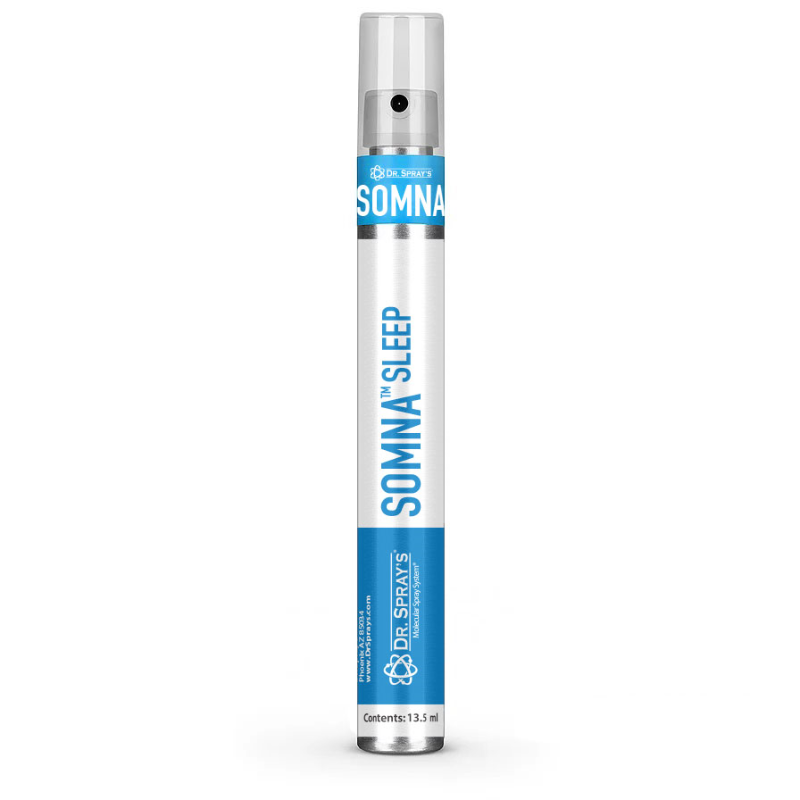
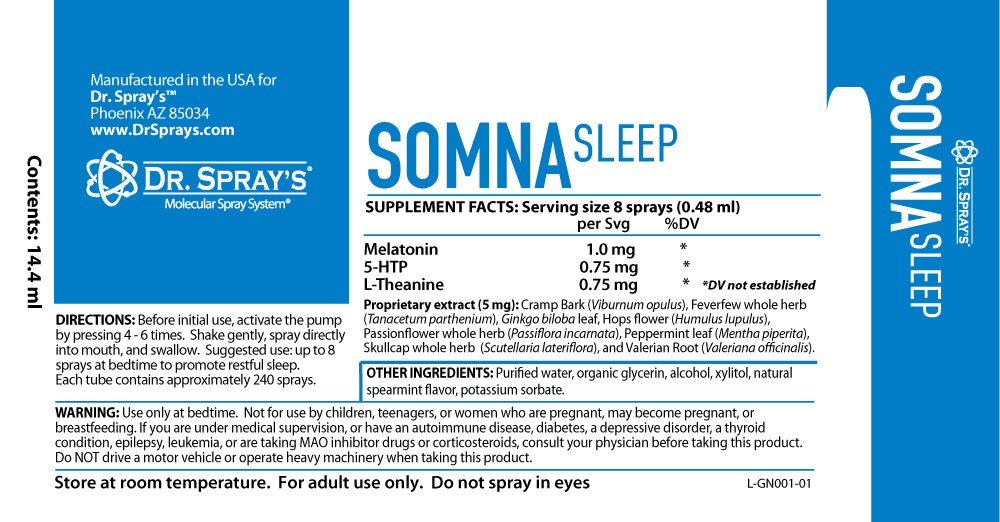
- Administering any necessary supplements (such as sleep-supporting vitamin sprays)
- Reading books together
- Singing lullabies
- Final breastfeed
- Placing baby in crib while drowsy but still awake
The key is consistency—perform the same activities in the same order every night.
Evidence-Based Sleep Training Methods for Breastfed Babies
Several proven sleep training approaches work effectively with breastfed one-year-olds. Choose the method that aligns with your parenting philosophy and comfort level.
The Gradual Retreat Method (Chair Method)
This gentle approach involves slowly reducing your presence in your baby's room over several weeks:
Week 1: Sit in a chair next to the crib while your baby falls asleep. Offer verbal reassurance but avoid picking up unless absolutely necessary.
Week 2: Move the chair halfway between the crib and the door.
Week 3: Position the chair next to the door.
Week 4: Sit just outside the room where your baby can hear but not see you.
This method typically takes longer but creates less distress for babies and parents who prefer a gentler approach.
The Ferber Method (Graduated Extinction)
This popular method involves checking on your baby at progressively longer intervals:
After your bedtime routine, place your baby in the crib awake and leave the room. Return for brief check-ins (30-60 seconds) at increasing intervals:
- Night 1: Check after 3, 5, and 10 minutes
- Night 2: Check after 5, 10, and 12 minutes
- Night 3: Check after 10, 12, and 15 minutes
During check-ins, offer verbal reassurance without picking up your baby. Most children adapt within 3-7 nights.
The Pick-Up-Put-Down Method
This responsive method involves picking up your baby when crying, soothing until calm, then placing back in the crib while still awake. Repeat as necessary.
While more labor-intensive, this approach suits parents uncomfortable with letting their baby cry for any extended period.
Modifying Night Nursing
For breastfed babies, addressing night feeding is crucial for sleep training success. At one year, most children no longer need nighttime nutrition if eating well during the day.
Consider these strategies:
- Gradually reduce nursing duration at night wakings
- Increase daytime breastfeeding sessions and solid food intake
- Have your partner handle some night wakings to break the nursing association
- Offer water instead of breast milk for night wakings (after consulting your pediatrician)
Supporting Your Own Health During Sleep Training
Sleep training challenges parents emotionally and physically. Supporting your own nutritional needs helps you maintain the consistency and patience required for success.
Maternal Nutrition and Energy Levels
Breastfeeding mothers require additional calories and nutrients. Inadequate nutrition affects milk supply, energy levels, and emotional resilience—all crucial during sleep training.
Consider supplementation to support your needs:
B12 for Energy: Many nursing mothers experience fatigue partly due to B12 depletion. A vitamin B12 spray provides quick absorption to support energy production and nervous system function.
Comprehensive Nutrition: A daily multivitamin spray helps fill nutritional gaps, particularly if your diet hasn't been optimal due to sleep deprivation.
Immune Support: The stress of sleep training can tax your immune system. Maintaining adequate vitamin C and zinc intake helps prevent illness that would derail your progress.
These oral spray vitamins developed by physicians offer 90% absorption rates, significantly higher than traditional pill supplements, making them particularly effective for busy parents.
Troubleshooting Common Sleep Training Challenges
Even with the best preparation, obstacles may arise during sleep training. Understanding how to address them prevents giving up prematurely.
Illness and Teething
When your baby is sick or teething, pause sleep training and provide extra comfort. Resume once your child is healthy. Maintaining strong immune health through proper nutrition and immune-supporting spray supplements can minimize these interruptions.
Travel and Schedule Disruptions
Maintain your bedtime routine as much as possible when traveling. Pack familiar items like your baby's sleep sack and white noise machine. Expect some regression after travel, but don't restart the entire process—simply resume your established approach.
Separation Anxiety
Peak separation anxiety occurs around 12 months. Extra practice with brief separations during the day can help. Play peek-a-boo and practice leaving the room briefly while your baby is awake and happy.
Persistent Early Morning Wakings
If your baby consistently wakes before 6:00 AM:
- Ensure the room stays completely dark until your desired wake time
- Rule out hunger by increasing daytime calories
- Adjust bedtime—sometimes an earlier or later bedtime resolves this issue
- Consider whether developmental leaps are causing temporary sleep disruption
When to Seek Professional Help
While most sleep challenges resolve with consistent sleep training, certain situations warrant professional consultation:
- Your baby seems excessively distressed beyond typical sleep training adjustment
- Sleep problems persist after 2-3 weeks of consistent effort
- You suspect underlying medical issues like sleep apnea or reflux
- Your baby isn't gaining weight appropriately
- You're experiencing postpartum depression or extreme sleep deprivation affecting your functioning
Pediatricians, sleep consultants, and lactation specialists can provide personalized guidance for your specific situation.
Long-Term Benefits of Successful Sleep Training
The effort invested in sleep training yields significant benefits beyond immediate rest:
Improved Family Well-Being: When everyone sleeps better, family relationships and daily functioning improve dramatically.
Enhanced Child Development: Adequate sleep supports cognitive development, emotional regulation, and physical growth in young children.
Greater Independence: Learning to self-soothe and fall asleep independently is a valuable life skill.
Continued Breastfeeding Success: Well-rested mothers often continue breastfeeding longer when nighttime sleep improves.
Maintaining Sleep Success
Once sleep training succeeds, maintaining these gains requires ongoing attention to your child's evolving needs.
Transitioning from Two Naps to One
Most children transition from two naps to one between 12-18 months. Watch for signs like difficulty falling asleep at nap time or bedtime, or one nap becoming very short.
Make this transition gradually over several weeks to prevent overtiredness.
Adjusting for Growth and Development
As your child grows, sleep needs change. Stay flexible and adjust schedules accordingly while maintaining your core routines and sleep hygiene practices.
Continuing Nutritional Support
Ongoing nutritional support remains important for sustained sleep quality. Regular use of appropriate spray supplements ensures your growing toddler receives nutrients that support healthy sleep patterns, particularly vitamin D3 which many children don't obtain in sufficient quantities from diet alone.
Frequently Asked Questions
Will sleep training affect my milk supply?
Sleep training typically doesn't negatively impact milk supply if you're nursing adequately during the day. Many mothers find that their supply actually improves with better rest. Continue breastfeeding on demand during daytime hours, and your body will adjust to the new schedule. If you're concerned about supply, consult with a lactation specialist and ensure you're meeting your own nutritional needs through proper diet and supplementation.
How long does sleep training usually take?
Most babies show significant improvement within 3-7 nights, though some methods take longer. Gentler approaches like the chair method may require 2-4 weeks for complete success. Consistency is more important than the specific timeline—babies who experience inconsistent responses take longer to adjust.
Should I night wean before sleep training?
Not necessarily. Some families night wean simultaneously with sleep training, while others prefer to establish independent sleep first, then gradually eliminate night feedings. At twelve months, most babies can sleep through the night without feeding if consuming adequate calories during the day. Discuss your child's specific nutritional needs with your pediatrician.
Can I continue room-sharing while sleep training?
Yes, though many families find sleep training easier when the baby sleeps in a separate room. If room-sharing, use a room divider or position the crib where your baby can't see you directly. Some parents temporarily sleep elsewhere during initial sleep training nights to reduce their baby's awareness of their presence.
What if my baby vomits from crying during sleep training?
Some babies escalate crying to the point of vomiting. If this occurs, calmly enter the room, clean up quickly and efficiently with minimal interaction, and then resume your sleep training method. Don't let this derail your efforts—most babies who use this strategy stop once they learn it doesn't result in extended parental interaction.
Which vitamins are most important for sleep quality in toddlers?
Vitamin D3 plays the most significant research-backed role in sleep regulation for children. The vitamin D3 spray provides an appropriate dose for toddlers in an easily absorbed format. B vitamins also support healthy sleep-wake cycles by aiding neurotransmitter production. A quality multivitamin spray covers multiple nutritional bases that support overall health and sleep quality.
Are oral spray vitamins safe for one-year-olds?
Oral spray vitamins are safe for toddlers when used according to manufacturer guidelines and pediatrician recommendations. Sprays manufactured in FDA-registered, GMP-certified facilities meet strict safety and quality standards. They actually offer advantages over traditional supplements for this age group—no choking risk, easy administration, and higher absorption rates. Always consult your pediatrician before starting any supplementation regimen.
Can I sleep train if my baby is teething?
It's best to wait until active teething pain subsides before beginning sleep training. However, if your baby seems to teethe constantly, you may need to proceed anyway. Address discomfort with pediatrician-approved pain relief, then maintain your sleep training approach consistently. Distinguish between genuine teething discomfort and routine sleep protests.
What if one sleep training method isn't working?
If you've been consistent with a method for 5-7 nights without improvement, consider whether you're truly being consistent or inadvertently sending mixed signals. If you're certain about your consistency, try a different approach—some babies respond better to certain methods. You might also troubleshoot schedule issues, sleep environment factors, or underlying health concerns.
About the Author
This article was developed by the research team at DrSprays, located in Phoenix, Arizona. Our content draws on current pediatric sleep research, nutritional science, and clinical evidence regarding vitamin supplementation and child development. All our vitamin spray products are manufactured in our FDA-registered, GMP-certified facility in Phoenix, ensuring the highest quality standards for families seeking effective nutritional support.
Ready to Support Your Family's Sleep and Health?
Sleep training represents just one aspect of supporting your child's healthy development. Proper nutrition provides the foundation for quality sleep, strong immunity, and optimal growth.
The doctor-developed vitamin spray supplements from DrSprays offer a convenient, highly absorbable way to ensure your family receives essential nutrients. With 90% absorption rates and manufacturing standards that exceed industry requirements, our Phoenix-based facility produces supplements you can trust for your most precious family members.
Whether you need vitamin D3 for sleep support, B12 for maternal energy, or immune-boosting vitamin C and zinc, our oral spray vitamins make daily supplementation simple for busy parents.
Explore our complete line of spray supplements and discover how easy supporting your family's health can be. Your journey to better sleep starts with proper preparation—including the nutritional foundation that makes everything else possible.