Sleep training a three-year-old presents unique challenges that differ significantly from infant sleep training. At this age, children have developed strong preferences, can climb out of cribs, and possess the language skills to negotiate bedtime extensively. Understanding the developmental stage of your toddler and implementing age-appropriate strategies can transform bedtime from a nightly battle into a peaceful routine.
This comprehensive guide explores proven methods for sleep training three-year-olds, addresses common obstacles, and explains how proper nutrition—including essential vitamins through convenient delivery methods—supports healthy sleep patterns.
Understanding Sleep Needs at Age Three
Three-year-olds typically require 10-13 hours of sleep within a 24-hour period, including naps. However, many children this age begin transitioning away from daytime naps, which can temporarily disrupt nighttime sleep patterns. Recognizing your child's specific sleep requirements helps establish realistic expectations for sleep training.
Signs Your Three-Year-Old Is Ready for Sleep Training
- Consistently resisting bedtime or taking more than 30 minutes to fall asleep
- Frequent night wakings requiring parental intervention
- Early morning wake-ups (before 6:00 AM) with difficulty returning to sleep
- Irregular sleep schedule affecting daytime behavior and mood
- Physical ability to climb out of the crib, indicating readiness for a toddler bed
Preparing for Sleep Training Success
Successful sleep training begins well before bedtime. Creating the right environment and establishing consistent routines throughout the day sets the foundation for nighttime success.
Optimize the Sleep Environment
Transform your child's bedroom into a sleep-promoting sanctuary. Keep the room cool (between 65-70°F), ensure complete darkness with blackout curtains, and minimize noise disruptions with white noise machines if needed. Safety-proof the room thoroughly since three-year-olds are mobile and curious during night wakings.
Establish a Predictable Daily Routine
Consistency throughout the day reinforces nighttime sleep patterns. Wake your child at the same time each morning, maintain regular meal times, and schedule active play during appropriate hours. If your child still naps, ensure naptime ends by 3:00 PM to protect nighttime sleep quality.
Address Nutritional Factors That Impact Sleep
Proper nutrition plays a crucial role in sleep quality. Deficiencies in certain vitamins and minerals can significantly disrupt sleep patterns in young children. Vitamin D deficiency, for instance, has been linked to sleep disorders in children, while B vitamins support the production of sleep-regulating neurotransmitters.
Many parents struggle with getting toddlers to take traditional vitamins, which is where modern delivery methods offer advantages. Oral spray vitamins provide convenient options that bypass the challenges of pills or gummy vitamins, offering improved absorption rates that support overall health and sleep quality.
The Foundation: Creating an Effective Bedtime Routine
A consistent bedtime routine signals to your child's body that sleep time approaches. This routine should last 30-45 minutes and occur at the same time each night, even on weekends.
Components of an Ideal Bedtime Routine
Begin with a defined transition activity that marks the shift from daytime to bedtime. A warm bath works well for many families, as the subsequent drop in body temperature naturally promotes sleepiness. Follow with quiet activities in dim lighting: brushing teeth, changing into pajamas, and reading 2-3 books together.
Incorporate calming sensory experiences like gentle massage with lavender lotion or soft lullabies. These sensory cues become associated with sleep over time, making the transition easier for your child.
The Power of Positive Reinforcement
Three-year-olds respond exceptionally well to rewards and recognition. Create a simple sticker chart where your child earns a sticker for each night they follow the bedtime routine successfully and stay in bed until morning. After accumulating a certain number of stickers, offer a small reward like choosing a special breakfast or an extra story the next night.
Proven Sleep Training Methods for Three-Year-Olds
Unlike infant sleep training, methods for three-year-olds must account for their cognitive development, verbal abilities, and increased autonomy. Select an approach that aligns with your parenting philosophy and your child's temperament.
The Gradual Retreat Method
This gentle approach involves slowly reducing your presence in the room over several weeks. Begin by sitting next to your child's bed until they fall asleep. Every few nights, move your chair slightly farther from the bed. Eventually, you'll sit outside the doorway, then down the hall, until your child can fall asleep independently.
This method requires patience but typically generates less protest than abrupt changes. It works particularly well for children who have co-slept or have strong separation anxiety.
The Bedtime Pass Method
Give your child one or two physical "passes" they can exchange for one trip out of their room after bedtime. They might use it for a drink of water, an extra hug, or one more bathroom trip. Once the passes are used, they must stay in bed. This method acknowledges your child's needs while setting clear boundaries.
Laminate colorful cards and make the passes feel special. Many children take pride in not using their pass, turning it into a game of self-control.
The Excuse-Me Drill
This technique addresses the common issue of parents becoming "trapped" in the child's room at bedtime. After completing the bedtime routine, tell your child you need to step out briefly to do something (check the laundry, turn off the kitchen light, etc.). Return within 30 seconds to one minute initially.
Gradually extend the time you're gone, praising your child for waiting patiently. This method teaches children they can remain in bed safely while you're elsewhere in the house, building confidence for independent sleep.
Addressing Common Sleep Training Challenges
Even with solid preparation, most parents encounter obstacles during sleep training. Understanding common challenges and having response strategies ready increases your likelihood of success.
Night Wakings and Parental Requests
Three-year-olds who wake during the night often call for parents or come to the parents' bedroom. Respond consistently every time: calmly walk your child back to their room with minimal interaction. Avoid turning on bright lights, engaging in conversation, or lying down with them.
Keep responses boring and brief: "It's nighttime. Time for sleep." This consistency teaches that nighttime waking doesn't result in attention or engagement.
Early Morning Wake-Ups
If your child wakes before an acceptable morning time, use a toddler alarm clock that changes color when it's okay to get up. Explain that they should play quietly in their room or look at books until the clock changes. Gradually, most children learn to entertain themselves during these early periods or simply return to sleep.
Stalling Tactics and Bedtime Resistance
Three-year-olds excel at delaying bedtime with endless requests: another story, one more drink, a different stuffed animal, or sudden urgent bathroom needs. Prevent most stalling by anticipating needs during the bedtime routine. Include a final drink, ensure the bathroom visit happens, and let your child select their comfort items before settling in bed.
When stalling persists, remain calm but firm. Acknowledge the request while maintaining the boundary: "I know you'd like another story. We've finished our stories for tonight. Tomorrow we'll read together again."
The Role of Nutrition in Sleep Success
While behavioral strategies form the core of sleep training, nutritional support shouldn't be overlooked. Certain vitamins and minerals directly impact sleep quality and duration in young children.
Key Nutrients That Support Healthy Sleep
Vitamin D plays a significant role in sleep regulation. Research indicates that vitamin D deficiency correlates with shorter sleep duration and increased sleep disturbances in children. Since many children don't receive adequate sun exposure or consume sufficient vitamin D through diet alone, supplementation often proves beneficial.
B vitamins, particularly B6 and B12, support the production of melatonin and serotonin—neurotransmitters that regulate sleep-wake cycles. Children with adequate B vitamin levels typically experience better sleep quality and easier transitions to sleep.
Magnesium supports muscle relaxation and activates the parasympathetic nervous system, which promotes calmness. While available through foods like leafy greens and nuts, many toddlers don't consume these foods regularly enough to maintain optimal levels.
Modern Solutions for Vitamin Delivery
Getting a resistant three-year-old to take vitamins can rival the challenge of sleep training itself. Traditional pills are choking hazards for young children, while gummy vitamins often contain excess sugar and have lower absorption rates.
Vitamin B12 spray and other spray supplements offer an innovative solution developed by healthcare professionals. These oral spray vitamins provide a 90% absorption rate—significantly higher than traditional pill forms—while eliminating the pill-swallowing challenge entirely.
For families in Phoenix, Arizona, and surrounding areas, these spray vitamins are manufactured in a FDA-registered, GMP-certified facility locally, ensuring quality and safety standards. The convenient spray format makes consistent daily supplementation realistic even with resistant toddlers.
Timing Vitamin Supplementation for Optimal Results
When incorporating vitamin supplementation to support sleep training efforts, timing matters. Administer vitamin D3 spray in the morning or early afternoon, as vitamin D can be energizing for some children. B vitamins also work best earlier in the day to support natural energy patterns and subsequently promote better nighttime sleep.
If using a comprehensive multi-vitamin spray, morning administration typically works best. This timing allows the nutrients to support daytime energy and activity while contributing to the natural sleep drive that builds throughout the day.
When to Seek Professional Guidance
While most three-year-olds respond well to consistent sleep training within 2-4 weeks, certain signs indicate the need for professional evaluation. Consult your pediatrician if your child experiences loud snoring, gasping during sleep, or pauses in breathing—potential indicators of sleep apnea.
Persistent sleep problems despite consistent training efforts lasting more than six weeks warrant professional assessment. Underlying issues like iron deficiency, anxiety disorders, or sensory processing challenges may require specialized intervention beyond standard sleep training approaches.
Additionally, if sleep problems coincide with behavioral changes, regression in developmental skills, or significant daytime impairment, seek guidance from your child's healthcare provider to rule out medical concerns.
Maintaining Sleep Success Long-Term
After successfully sleep training your three-year-old, maintaining these positive sleep habits requires ongoing consistency and flexibility as your child grows.
Handling Sleep Disruptions
Illness, travel, and major life changes inevitably disrupt established sleep patterns. When disruptions occur, allow temporary flexibility while maintaining core routine elements. Once the disrupting factor resolves, promptly return to your established routine. Most children readjust within a few nights when parents respond consistently.
Transitioning Away from Naps
Many three-year-olds begin dropping their daytime nap, which can temporarily affect nighttime sleep. During this transition, implement "quiet time" in the afternoon—a period where your child stays in their room with books or quiet toys. This downtime provides crucial rest even without actual sleep and prevents the overtired state that paradoxically makes nighttime sleep harder.
Supporting Overall Health and Development
Continue prioritizing the factors that support quality sleep: consistent routines, appropriate nutrition, regular physical activity, and adequate exposure to natural light during daytime hours. These elements work synergistically to maintain healthy sleep patterns as your child grows.
Regular vitamin supplementation through convenient methods like vitamin spray delivery systems helps ensure your child receives consistent nutritional support, particularly during periods of picky eating common at this age.
Frequently Asked Questions About Sleep Training Three-Year-Olds
How long does sleep training take for a three-year-old?
Most three-year-olds show significant improvement within 3-7 days of consistent sleep training, with full success typically achieved within 2-4 weeks. However, timelines vary based on your child's temperament, the method chosen, and how consistently the approach is applied. Children who have co-slept or have deeply ingrained sleep associations may require 4-6 weeks to fully adjust.
Is three years old too late for sleep training?
Absolutely not. While earlier sleep training has some advantages, three-year-olds actually possess cognitive abilities that can make certain aspects easier. They understand cause and effect, respond to rewards, and can follow multi-step routines. Many families successfully sleep train children well into the preschool years.
Should I let my three-year-old cry during sleep training?
The decision to use cry-based methods depends on your parenting philosophy and your child's temperament. Many effective sleep training methods for three-year-olds minimize crying through gradual approaches and clear communication. Three-year-olds can understand explanations about new sleep expectations, which often reduces protest compared to infant sleep training. Methods like gradual retreat or the bedtime pass system typically generate less crying than complete extinction approaches.
What if my three-year-old keeps climbing out of bed?
Consistently return your child to bed immediately each time they get up, using minimal engagement. Keep your response calm and boring: walk them back, say "It's bedtime," and leave. Most children stop testing the boundary after realizing it doesn't result in attention or延engagement. If safety concerns exist, ensure the room is thoroughly childproofed and consider a baby gate at the doorway rather than a closed door.
Can vitamin deficiencies really affect my toddler's sleep?
Yes, research demonstrates clear connections between certain nutrient deficiencies and sleep problems in children. Vitamin D deficiency has been associated with reduced sleep quality and duration, while inadequate B vitamins can affect the production of sleep-regulating neurotransmitters. Iron deficiency can cause restless leg syndrome even in young children, significantly disrupting sleep. If your child has persistent sleep problems despite consistent behavioral interventions, ask your pediatrician about checking vitamin levels.
Are vitamin sprays safe for three-year-olds?
High-quality oral spray vitamins formulated for children and manufactured in FDA-registered facilities meet rigorous safety standards. Spray supplements offer advantages over pills (no choking hazard) and many gummy vitamins (better absorption, less sugar). Always follow dosing guidelines and consult your pediatrician before starting any new supplement, especially if your child has underlying health conditions or takes medications.
What's the best bedtime for a three-year-old?
Most three-year-olds function best with a bedtime between 7:00-8:30 PM, depending on wake time and whether they still nap. Calculate backward from your desired wake time—if your child needs to wake at 7:00 AM and requires 11 hours of sleep, an 8:00 PM bedtime makes sense. Watch for natural sleepiness cues (eye rubbing, decreased activity, clinginess) and aim for bedtime during this "sleep window" rather than fighting through to overtiredness.
Should I use melatonin for my three-year-old?
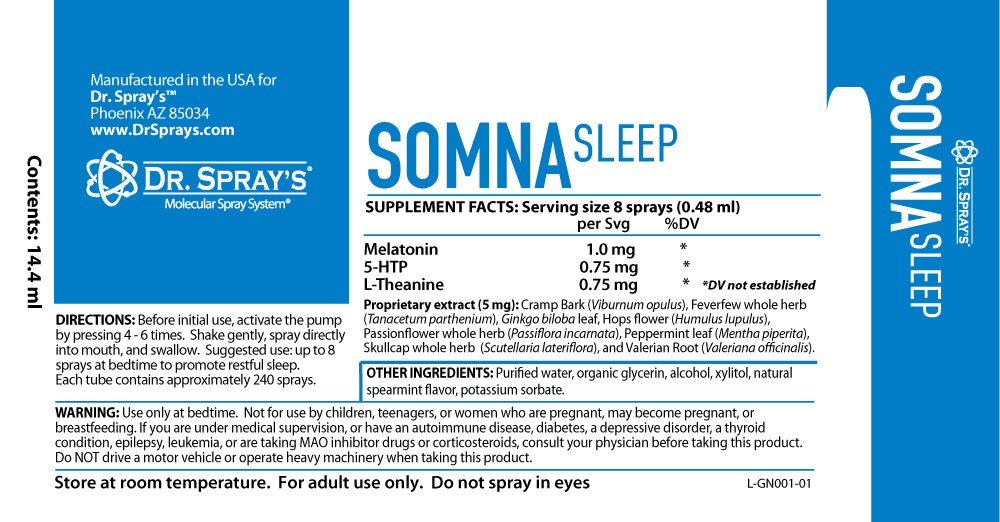
Melatonin supplementation in young children should only occur under pediatric guidance. While melatonin can be helpful for specific situations like circadian rhythm disorders or temporary disruptions, it's not recommended as a long-term sleep training tool. Address behavioral and environmental factors first, and optimize nutrition through diet and appropriate supplementation before considering melatonin.
How do I handle nighttime potty training during sleep training?
If your three-year-old is newly potty trained, minimize fluids for 1-2 hours before bed and ensure a bathroom visit is the last step of the bedtime routine. Keep a small potty in their room if needed, and use overnight training pants initially if accidents cause significant sleep disruption. As bladder control improves, nighttime dryness typically follows daytime success naturally.
Take Control of Your Family's Sleep Health
Sleep training a three-year-old requires patience, consistency, and a comprehensive approach that addresses behavioral patterns, environmental factors, and nutritional support. While the process can feel challenging during the initial adjustment period, the long-term benefits for your child's health, development, and your family's overall wellbeing make the effort worthwhile.
Remember that successful sleep training doesn't happen overnight. Small improvements build toward lasting change. Celebrate progress, maintain consistency, and adjust your approach if something isn't working after a reasonable trial period.
Supporting your child's sleep success extends beyond bedtime routines. Ensuring adequate nutrition throughout the day, including essential vitamins that support healthy sleep cycles, creates a foundation for optimal rest. Modern delivery methods like oral spray vitamins make consistent supplementation achievable even with resistant toddlers.
For families seeking convenient, effective nutritional support manufactured right here in Phoenix, Arizona, DrSprays offers doctor-developed vitamin sprays with superior absorption rates. From vitamin D3 spray to comprehensive multi-vitamin formulas, these products support your child's overall health and sleep quality without the battles associated with traditional vitamin delivery.
Take the first step toward better sleep for your entire family. Implement these sleep training strategies consistently, ensure your child receives proper nutritional support, and watch as peaceful bedtimes transform from a distant hope into your nightly reality.
Ready to support your child's sleep health with superior nutrition? Explore the complete range of DrSprays vitamin spray products and discover why thousands of families trust these doctor-developed formulas for their children's health needs.