Sleep training a two-year-old presents unique challenges that differ significantly from training younger infants. At this developmental stage, toddlers are more mobile, verbal, and capable of resisting bedtime routines with determination. Understanding the physical, emotional, and nutritional factors that influence sleep quality becomes essential for establishing healthy sleep patterns.
This comprehensive guide explores evidence-based strategies for sleep training your two-year-old while addressing the nutritional foundations that support better sleep, including how targeted vitamin supplementation can play a supportive role in your toddler's sleep journey.
Understanding Two-Year-Old Sleep Needs
Two-year-olds require approximately 11-14 hours of total sleep within a 24-hour period, typically consisting of 10-12 hours of nighttime sleep and 1-3 hours of daytime napping. However, individual needs vary based on activity levels, growth spurts, and temperament.
At this age, children experience significant cognitive and physical development that can disrupt previously established sleep patterns. Language acquisition, increased independence, and emerging fears or anxieties often manifest as bedtime resistance or nighttime awakenings.
Common Sleep Challenges at Age Two
- Bedtime resistance: Using newfound verbal skills to negotiate or delay sleep
- Night wakings: Waking multiple times seeking parental comfort
- Nap transitions: Difficulty consolidating to one nap or resisting naps entirely
- Separation anxiety: Increased distress when separated from caregivers
- Overtiredness: Becoming too stimulated to settle when sleep deprived
Establishing an Effective Bedtime Routine
A consistent, predictable bedtime routine serves as the foundation for successful sleep training. The routine should begin at the same time each evening and follow an identical sequence of calming activities that signal the approaching transition to sleep.
Creating Your Routine Framework
An effective bedtime routine for a two-year-old typically lasts 30-45 minutes and includes these elements:
- Transition activities (15 minutes before routine): Begin dimming lights and reducing stimulation throughout the home. Turn off screens and shift to quiet play.
- Bath time (10-15 minutes): A warm bath helps lower body temperature afterward, which promotes sleepiness. Use this time for calm interaction without excessive excitement.
- Pajamas and hygiene (5 minutes): Establish healthy habits by brushing teeth and putting on comfortable sleepwear.
- Quiet connection time (10-15 minutes): Read books, sing songs, or engage in gentle conversation about the day.
- Final preparations (5 minutes): Final drink of water, goodnight to family members, settling into bed with comfort items.
The key to routine effectiveness lies in consistency. Following the same sequence in the same order creates neurological patterns that help your child's body anticipate and prepare for sleep.
Popular Sleep Training Methods for Toddlers
Several approaches work effectively for two-year-olds, though success depends on your child's temperament and your family's comfort level with different strategies.
The Gradual Retreat Method
This gentle approach works well for toddlers with separation anxiety. Begin by sitting next to your child's bed during the falling-asleep process. Every few nights, gradually move your position farther from the bed—first to the middle of the room, then near the door, then outside with the door open—until your child can fall asleep independently.
This method typically takes 2-4 weeks but tends to result in less protest and maintains the parent-child connection during the transition.
The Bedtime Pass System
Designed specifically for verbal toddlers, this method gives your child one "bedtime pass" per night that can be exchanged for one brief return from their room—to use the bathroom, get a drink, or request one more hug. Once the pass is used, they must stay in their room.
This approach acknowledges your toddler's growing autonomy while setting clear boundaries. Visual learners respond particularly well when you create a physical pass they can hold and exchange.
The Scheduled Awakening Approach
If your child wakes at predictable times during the night, this method involves briefly waking them 15-30 minutes before their typical waking time. This disrupts the pattern of habitual awakening and helps reset their internal sleep architecture.
After one to two weeks, gradually eliminate these scheduled awakenings as the problematic wakings decrease.
The Role of Nutrition in Toddler Sleep Quality
Sleep quality in young children is significantly influenced by nutritional status. Certain vitamin and mineral deficiencies have been directly linked to sleep disturbances, while adequate nutrition supports the production of sleep-regulating hormones and neurotransmitters.
Key Nutrients for Sleep Support
Vitamin D plays a crucial role in sleep regulation. Research published in the Journal of Sleep Research found that vitamin D deficiency is associated with shorter sleep duration and more frequent night wakings in children. The vitamin influences receptors in brain regions that regulate sleep-wake cycles.
Many children in Phoenix, Arizona and similar sunny climates still experience vitamin D insufficiency due to increased indoor time and sunscreen use. A vitamin D3 spray offers an efficient supplementation method that bypasses the digestive system challenges common in young children.
B vitamins, particularly B6 and B12, support the production of melatonin and serotonin—neurotransmitters essential for sleep regulation. Vitamin B12 deficiency has been linked to sleep-wake rhythm disorders in children. Because B12 absorption decreases with certain dietary patterns or digestive issues, spray supplements provide a solution with significantly higher bioavailability than traditional pills.
Magnesium acts as a natural relaxant and supports GABA function in the brain, promoting calmness and sleep readiness. While not available in all oral spray vitamins, ensuring adequate magnesium through diet or appropriate supplementation can support sleep training efforts.
The Advantage of Spray Delivery Systems
Traditional pill-based vitamins present challenges for toddlers—choking hazards, taste aversions, and absorption issues. Vitamin spray technology addresses these concerns with several key advantages:
- Superior absorption: Oral spray delivery achieves approximately 90% absorption rate compared to 10-20% for traditional pills, as nutrients enter the bloodstream through the mucous membranes in the mouth
- Easier administration: No choking risk and simpler to give to resistant toddlers
- Faster uptake: Nutrients begin absorbing immediately rather than requiring digestive breakdown
- Pleasant experience: Flavored formulations make supplementation more acceptable to young children
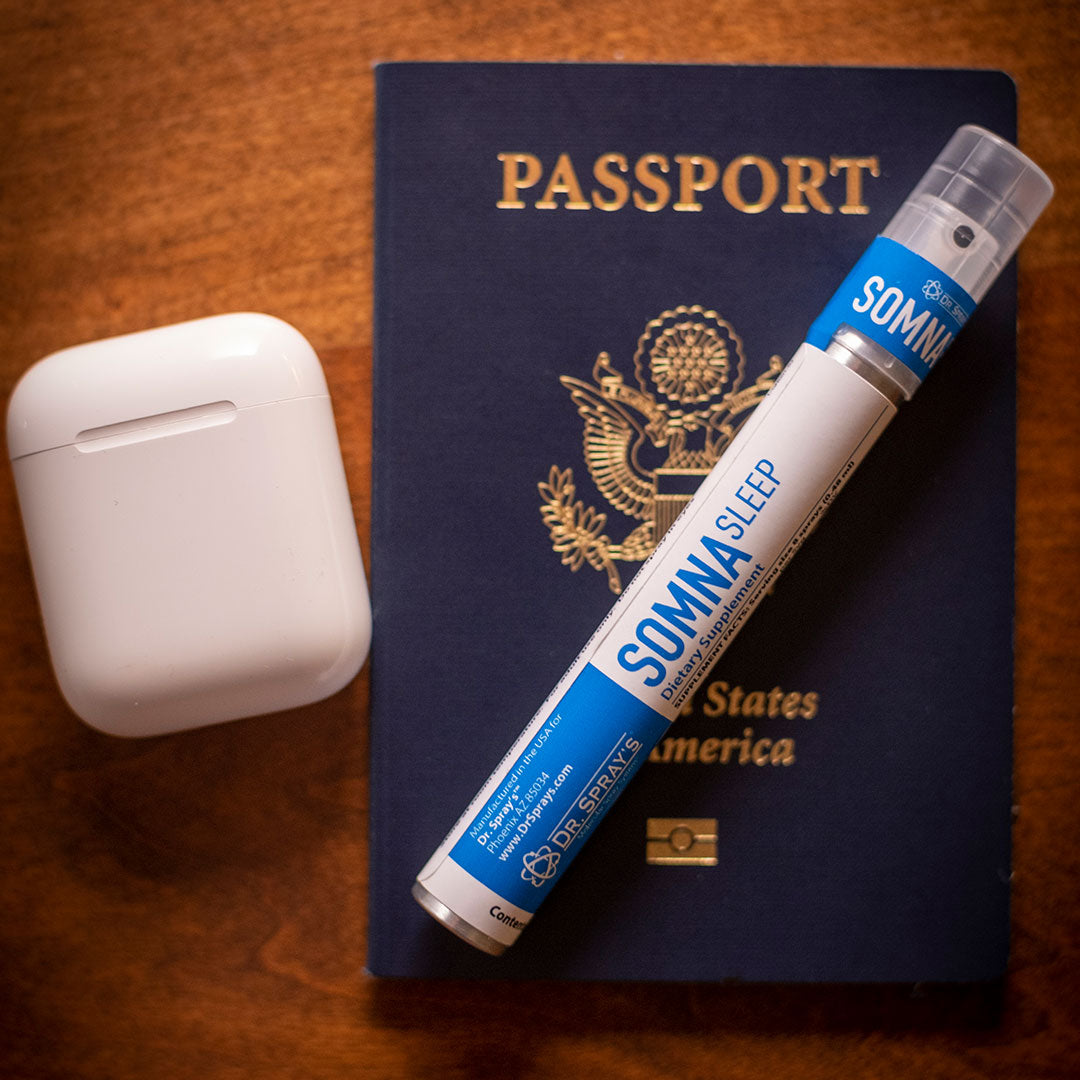
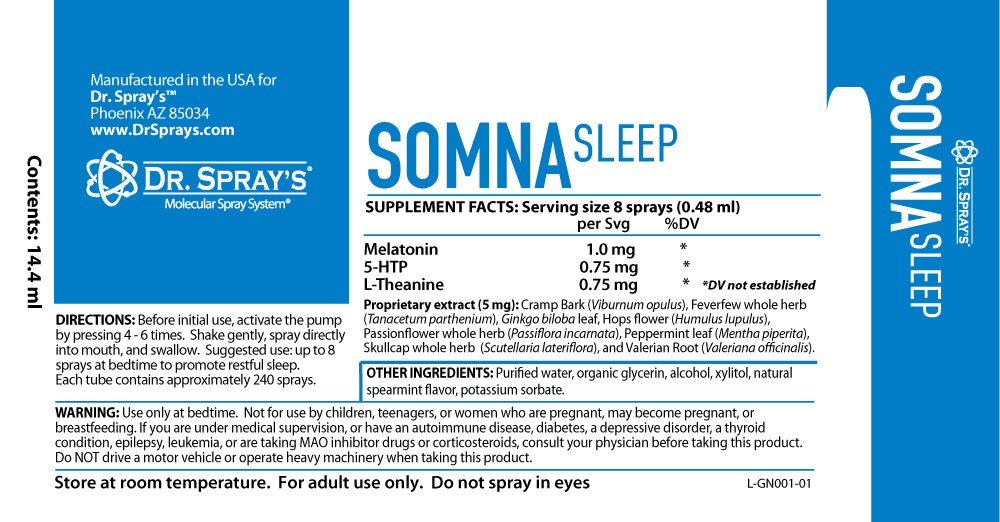
For families in Phoenix, Arizona, DrSprays manufactures doctor-developed oral spray vitamins in an FDA-registered, GMP-certified facility, ensuring pharmaceutical-grade quality and safety standards.
Creating an Optimal Sleep Environment
The physical sleep space significantly impacts your toddler's ability to fall asleep and stay asleep throughout the night. Environmental factors can either support or undermine even the most consistent sleep training efforts.
Temperature and Air Quality
Maintain the bedroom temperature between 68-72°F. Core body temperature naturally drops during sleep, and a cooler room facilitates this process. In hot climates like Phoenix, ensuring adequate cooling becomes particularly important for sleep quality.
Good air circulation and appropriate humidity levels (40-50%) prevent discomfort from dry air or stuffiness that can cause nighttime wakings.
Light and Darkness
Complete darkness supports melatonin production and deeper sleep. Use blackout curtains to eliminate external light sources, and remove or cover electronics with LED displays. If your child fears complete darkness, use a dim red-spectrum nightlight, which has minimal impact on melatonin production compared to blue or white light.
Morning light exposure is equally important. Opening curtains upon waking helps set your child's circadian rhythm and reinforces the day-night distinction.
Sound Management
White noise machines can mask household sounds that might wake a light sleeper. Choose consistent, monotonous sounds rather than variable music or nature sounds with sudden changes in volume or tone.
Maintain the white noise at a safe volume (below 50 decibels) and position the machine away from the crib or bed to prevent hearing damage.
Addressing Common Sleep Training Obstacles
Nap Transition Challenges
Many two-year-olds resist the transition from two naps to one, or begin refusing naps entirely. Signs your child is ready for one nap include difficulty falling asleep for the morning nap, shortened afternoon naps, or bedtime resistance.
During this transition, temporarily move bedtime earlier (by 30-60 minutes) to prevent overtiredness while your child adjusts to reduced daytime sleep. Maintain a quiet rest period even on days when your toddler doesn't sleep, as this downtime still provides physical and cognitive benefits.
Managing Night Wakings
When your two-year-old wakes during the night, respond calmly and minimally. Keep interactions brief, boring, and dimly lit. Avoid engaging in conversation, play, or stimulating activities that reward waking.
If night wakings persist beyond typical developmental patterns, consider potential causes: uncomfortable room temperature, hunger, discomfort from teething, or underlying health issues that warrant pediatric evaluation.
Handling Bedtime Stalling Tactics
Two-year-olds excel at inventing reasons to delay bedtime: "one more story," "I need water," "I have to tell you something." Address this by front-loading the routine with these requests. Build in time for two stories (and specify that number), offer water as part of the routine, and create a "tell me about your day" conversation before the final goodnight.
Then consistently but lovingly enforce the boundary that once goodnight is said, the next interaction comes in the morning.
Supporting Sleep Training with Healthy Daytime Habits
Physical Activity and Outdoor Time
Adequate physical activity during the day promotes better nighttime sleep. Toddlers need several hours of active play daily. However, avoid vigorous activity within two hours of bedtime, as this can be stimulating rather than tiring.
Morning outdoor exposure to natural light reinforces circadian rhythms. Even 15-20 minutes outside early in the day helps set your child's internal clock.
Balanced Nutrition Throughout the Day
Large meals close to bedtime can cause discomfort and disrupt sleep. Plan dinner 2-3 hours before bed, followed by a small, sleep-promoting snack if needed—such as a banana or whole-grain crackers with nut butter.
Ensure your child's overall nutrition supports sleep quality. Beyond specific sleep-supporting nutrients, general nutritional adequacy affects energy levels, mood regulation, and physical comfort—all factors in sleep success.
For children with selective eating patterns or suspected nutritional gaps, comprehensive vitamin spray formulations can help fill dietary shortfalls that might otherwise impact sleep and development.
Screen Time Management
The American Academy of Pediatrics recommends no screen time within one hour of bedtime. The blue light emitted by devices suppresses melatonin production and stimulates the brain, making the transition to sleep more difficult.
Create a family "screens off" time in the evening to model healthy habits and reduce negotiation with your toddler about device access.
When to Seek Professional Guidance
While many sleep challenges resolve with consistent training and environmental optimization, certain situations warrant professional evaluation:
- Persistent snoring, gasping, or breathing pauses during sleep (potential sleep apnea)
- Extreme difficulty waking in the morning despite adequate sleep opportunity
- Sleep disturbances accompanied by developmental regressions
- Night terrors occurring multiple times per week
- Sleep problems persisting despite 4-6 weeks of consistent training efforts
- Excessive daytime sleepiness or frequent unintentional naps
Your pediatrician can assess for underlying medical conditions, refer to a pediatric sleep specialist if needed, and evaluate nutritional status if deficiencies might be contributing to sleep difficulties.
Maintaining Sleep Success Long-Term
Once your two-year-old has successfully learned to fall asleep independently and sleep through the night, consistency remains crucial for maintaining these gains.
Handling Special Circumstances
Travel, illness, and life changes will occasionally disrupt even well-established sleep patterns. When disruptions occur, return to your core routine as quickly as possible rather than abandoning trained behaviors entirely.
During illness, provide extra comfort as needed, but try to maintain sleep location and basic routine elements. Once your child recovers, promptly re-establish normal expectations rather than allowing temporary accommodations to become permanent habits.
Adjusting as Your Child Grows
Sleep needs evolve as your toddler approaches preschool age. Around age three, many children drop their daytime nap entirely or transition to longer stretches of nighttime sleep with shorter or no naps.
Continue prioritizing consistent bedtime routines even as the specific activities may mature—transitioning from board books to longer stories, or adding calm conversation about the day as language skills develop.
Frequently Asked Questions
How long does it take to sleep train a two-year-old?
Most sleep training methods show noticeable improvement within 3-7 days, with full success typically achieved in 2-4 weeks. However, timelines vary based on your child's temperament, the consistency of implementation, and which method you choose. Gentler approaches like gradual retreat take longer than more direct methods but may result in less protest. The key is maintaining consistency regardless of which approach you select.
Is two years old too late to start sleep training?
Not at all. While some sources suggest training earlier, two-year-olds can absolutely learn healthy sleep habits. In fact, their increased cognitive ability means they can understand explanations about new expectations and participate in creating routines. The main difference from infant sleep training is that you're often breaking established habits rather than creating new ones from scratch, which may take slightly more time and consistency.
Should I let my two-year-old cry during sleep training?
This decision depends on your parenting philosophy and your child's temperament. Some protest is normal when changing established patterns—children often express frustration when learning any new skill. However, extended crying isn't necessary for success. Methods like gradual retreat or the bedtime pass system minimize tears while still achieving independent sleep. If you do choose a method involving some crying, periodic check-ins provide reassurance while maintaining progress toward the goal.
Can vitamin deficiencies really affect my toddler's sleep?
Yes, research demonstrates clear connections between nutritional status and sleep quality in children. Vitamin D deficiency has been associated with shorter sleep duration and more night wakings. B vitamin deficiencies can affect neurotransmitters essential for sleep regulation. Supplementation should always be discussed with your pediatrician, but addressing nutritional gaps may support your sleep training efforts. Oral spray vitamins offer higher absorption rates than traditional pills, which can be particularly beneficial when addressing deficiencies.
What if my two-year-old keeps climbing out of the crib?
If your child can climb out of the crib, it's time to transition to a toddler bed for safety reasons. Make this transition deliberately rather than in response to a crisis, ideally when no other major changes are occurring. Use the move as an opportunity to involve your child in creating their "big kid" sleep space, which can increase buy-in for the new sleep expectations. Maintain all other routine elements consistently during the bed transition.
How do I handle early morning wakings?
Early waking (before 6:00 AM) often results from bedtime being too early, too much daytime sleep, or bedroom light exposure. Use blackout curtains to prevent early light from triggering waking. If bedtime is before 7:00 PM, gradually shift it later in 15-minute increments. Consider using a toddler clock that changes color when it's acceptable to get up, teaching your child to stay quietly in their room until the appropriate time. Avoid rewarding early waking with attention, screen time, or breakfast until the acceptable wake time.
Are spray vitamins safe for two-year-olds?
When manufactured to appropriate safety standards, vitamin sprays are safe for toddlers and offer advantages over pills. Doctor-developed formulations from FDA-registered facilities ensure appropriate dosing and quality control. Spray supplements eliminate choking risks associated with pills and achieve higher absorption rates. Always consult your pediatrician before starting any supplementation to ensure appropriateness for your child's specific needs and to avoid exceeding recommended daily values.
What's the best bedtime for a two-year-old?
Most two-year-olds function best with a bedtime between 7:00-8:00 PM, depending on their wake time and nap schedule. Calculate backward from when your child needs to wake, accounting for their total sleep needs (11-14 hours). A child waking at 7:00 AM who needs 11 hours of nighttime sleep should be asleep by 8:00 PM. If your toddler takes a long afternoon nap, bedtime may need to be slightly later. Watch for sleepy cues—rubbing eyes, decreased activity, or increased clinginess—which indicate optimal bedtime is approaching.
Final Thoughts on Sleep Training Success
Sleep training a two-year-old requires patience, consistency, and a comprehensive approach that addresses behavioral patterns, environmental factors, and physical wellness. While the process can be challenging, establishing healthy sleep habits now provides benefits that extend far beyond childhood—setting the foundation for lifelong sleep health.
Remember that successful sleep training isn't about implementing a perfect method, but rather about finding an approach that aligns with your family's values while meeting your child's developmental needs. Some children respond quickly to change, while others require more gradual transitions. Both paths can lead to the same destination: a well-rested child and family.
Supporting your toddler's sleep with appropriate nutrition, including addressing any vitamin deficiencies that might impact sleep quality, can enhance your training efforts. The convenience and superior absorption of vitamin spray technology makes consistent supplementation practical for busy families while supporting the underlying physical conditions necessary for quality sleep.
Support Your Toddler's Sleep with Optimal Nutrition
Quality sleep depends on many factors, including proper nutrition. If you're working on sleep training your two-year-old, ensuring adequate vitamin levels—particularly vitamin D and B vitamins—may support your efforts.
DrSprays offers doctor-developed oral spray vitamins manufactured in Phoenix, Arizona in an FDA-registered, GMP-certified facility. Our spray delivery system achieves 90% absorption compared to 10-20% for traditional pills, ensuring your child receives the nutritional support they need.
Explore our full line of vitamin spray products designed for optimal absorption and easy administration. From Vitamin D3 to B12 spray, we provide convenient solutions for your family's nutritional needs.
About the Author
This article was developed by the DrSprays research and content team, drawing on peer-reviewed sleep research, pediatric nutrition science, and guidance from child development experts. Our content is created to provide families with evidence-based information about toddler sleep and the nutritional factors that support healthy development.
DrSprays is committed to providing accurate, helpful information alongside our doctor-developed vitamin spray products. All content is reviewed for accuracy and updated regularly to reflect current research and best practices. Our manufacturing facility in Phoenix, Arizona maintains FDA registration and GMP certification, ensuring pharmaceutical-grade quality in every bottle.