Sleep training a 2-year-old presents unique challenges that differ significantly from infant sleep training. At this age, toddlers have developed strong opinions, increased mobility, and sophisticated delay tactics that can make bedtime feel like an endurance test. Understanding the developmental stage of your 2-year-old and implementing age-appropriate strategies can transform exhausting bedtimes into peaceful routines.
This comprehensive guide explores evidence-based sleep training methods specifically tailored for toddlers, addresses common obstacles, and examines how nutritional support—including vitamin spray supplementation—can contribute to better sleep outcomes for your growing child.
Understanding Sleep Needs at Age Two
Two-year-olds typically require 11-14 hours of total sleep within a 24-hour period, including nighttime sleep and daytime naps. However, individual needs vary considerably, and some toddlers function optimally on the lower or higher end of this range.
At this developmental stage, children experience significant cognitive and physical growth spurts that directly impact sleep patterns. Their emerging imagination can trigger nighttime fears, while their newfound independence often manifests as bedtime resistance. Understanding these developmental factors helps parents approach sleep training with realistic expectations and appropriate strategies.
Common Sleep Challenges at This Age
The 2-year-old sleep regression often surprises parents who thought sleep challenges were behind them. This regression typically stems from developmental milestones, including language acquisition, increased autonomy, and potty training transitions. Additionally, many toddlers begin transitioning from cribs to beds around this age, which can temporarily disrupt established sleep patterns.
Separation anxiety may resurface or intensify at bedtime, making it difficult for toddlers to settle independently. Their vivid imagination can also create fears of darkness, monsters, or being alone—concerns that weren't present during infancy.
Preparing for Successful Sleep Training
Before implementing any sleep training method, ensure your toddler's bedroom environment supports quality sleep. The room should be dark, quiet, and maintained at a comfortable temperature between 68-72°F. Consider using blackout curtains to eliminate external light sources and a white noise machine to mask household sounds.
Safety becomes paramount when sleep training a mobile toddler. If transitioning to a bed, ensure the room is thoroughly childproofed, with furniture secured to walls, electrical outlets covered, and any hazardous items removed or secured.
Establishing a Consistent Bedtime Routine
A predictable bedtime routine signals to your toddler's body that sleep time approaches. This routine should begin at the same time each evening and follow the same sequence of calming activities. Effective routines typically last 30-45 minutes and might include:
- Bath time with warm water and calming lavender-scented products
- Putting on pajamas and brushing teeth
- Reading 2-3 books together in a dimly lit room
- Singing lullabies or playing soft music
- Offering a final goodnight kiss and tucking in with a comfort object
Consistency remains the cornerstone of successful sleep training. Even when traveling or during weekends, maintaining the established routine helps reinforce sleep associations and expectations.
Age-Appropriate Sleep Training Methods
Several sleep training approaches work effectively for 2-year-olds, each with different philosophies regarding parental involvement and response timing. Selecting the method that aligns with your parenting philosophy and your child's temperament increases the likelihood of success.
The Gradual Retreat Method
This gentle approach involves slowly reducing your presence in the room over several weeks. Begin by sitting beside your toddler's bed until they fall asleep, then gradually move your chair closer to the door each night. Eventually, you'll position yourself outside the room with the door open, then finally close the door once your child sleeps independently.
This method respects attachment needs while building independent sleep skills. It typically takes 2-4 weeks to complete but often results in less crying and distress compared to more abrupt methods.
The Bedtime Pass System
This creative approach gives your toddler limited control while establishing boundaries. Provide your child with one or two "bedtime passes" they can exchange for a brief parental visit, drink of water, or bathroom trip. Once the passes are used, explain calmly that it's time to sleep and no more visits are allowed.
This method acknowledges your toddler's desire for autonomy while preventing endless curtain calls. Most children quickly learn to use their passes strategically and then settle for sleep.
The Check-and-Console Method
An adaptation of the Ferber method for older children, this approach involves putting your toddler to bed while still awake and checking on them at progressively longer intervals. During checks, offer brief verbal reassurance without picking up your child or staying more than 1-2 minutes.
Start with checks every 3-5 minutes, then gradually extend the intervals. This method typically shows results within 3-7 days but requires consistency and emotional fortitude from parents, as some crying is expected initially.
Nutritional Factors Affecting Toddler Sleep
Diet and nutrition significantly influence sleep quality in young children. Certain vitamin deficiencies can contribute to sleep difficulties, while adequate nutrition supports healthy sleep-wake cycles.
The Role of Vitamin D in Sleep Regulation
Research indicates that vitamin D plays a crucial role in sleep regulation. Vitamin D receptors exist in brain regions that control sleep, and deficiency has been associated with sleep disorders in children. A vitamin D3 spray offers an efficient delivery method for toddlers who resist swallowing pills or tablets.
Many children in Phoenix, Arizona, and similar sunny locations ironically experience vitamin D deficiency despite abundant sunshine, often due to necessary sun protection practices and indoor activities. Oral spray vitamins provide consistent supplementation regardless of seasonal variations or outdoor exposure.
B Vitamins and Sleep Quality
B vitamins, particularly B6 and B12, contribute to the production of melatonin and serotonin—neurotransmitters essential for regulating sleep-wake cycles. While B vitamin deficiency is less common in well-nourished toddlers, picky eaters may benefit from supplementation.
A vitamin B12 spray provides rapid absorption compared to traditional supplements, with absorption rates reaching up to 90%. This delivery method proves particularly advantageous for toddlers, as spray supplements eliminate choking hazards associated with pills and avoid the digestive breakdown that reduces the effectiveness of some oral supplements.
Magnesium and Relaxation
Magnesium supports muscle relaxation and nervous system function, promoting the physical calm necessary for sleep. Foods rich in magnesium include bananas, whole grains, and leafy greens. Some parents find that age-appropriate magnesium supplementation helps particularly active or tense toddlers relax at bedtime.
Addressing Common Sleep Training Obstacles
Even with consistent implementation, sleep training rarely progresses without challenges. Anticipating common obstacles and developing response strategies prevents derailment of your sleep training efforts.
Night Wakings and Early Rising
Many 2-year-olds wake during the night or rise extremely early. For night wakings, respond calmly and briefly, using the same approach as your initial sleep training method. Avoid turning on bright lights, engaging in conversation, or offering food unless medically necessary.
For early rising, ensure the room remains dark until an appropriate wake time. Use a toddler clock that changes color or displays a sun symbol when it's okay to get up. Respond to early wake-ups by calmly returning your child to bed and reinforcing that it's still sleep time.
Nap Transitions
Around age 2, many toddlers begin transitioning from two naps to one, which can temporarily disrupt nighttime sleep. During this transition, maintain consistency with nighttime routines while gradually adjusting nap timing. If your toddler skips the nap entirely, consider implementing "quiet time" in their room to provide necessary rest even without sleep.
Bedtime Battles and Stalling Tactics
Two-year-olds excel at delaying bedtime with requests for more water, additional stories, or bathroom trips. Prevent these delays by addressing all needs during the bedtime routine. Provide a final drink, offer one last bathroom opportunity, and establish a clear number of bedtime stories before tucking in.
When stalling occurs, remain calm and consistent. Acknowledge requests but firmly maintain boundaries: "I hear that you want another story, but story time is finished. It's time to sleep now."
When to Consider Professional Support
Most sleep challenges resolve with consistent training, but certain situations warrant professional evaluation. Consult your pediatrician if your toddler experiences loud snoring, breathing pauses during sleep, extreme difficulty waking, or persistent sleep problems despite consistent training efforts.
Sleep-disordered breathing, including sleep apnea, affects approximately 1-5% of children and requires medical intervention. Additionally, some children have underlying medical conditions or sensory processing differences that impact sleep, necessitating specialized support beyond behavioral interventions.
The Role of Supplementation in Sleep Support
While behavioral strategies form the foundation of successful sleep training, nutritional support can complement these efforts. Parents in Phoenix, Arizona, and throughout the country have discovered that targeted supplementation addresses nutritional gaps that may affect sleep quality.
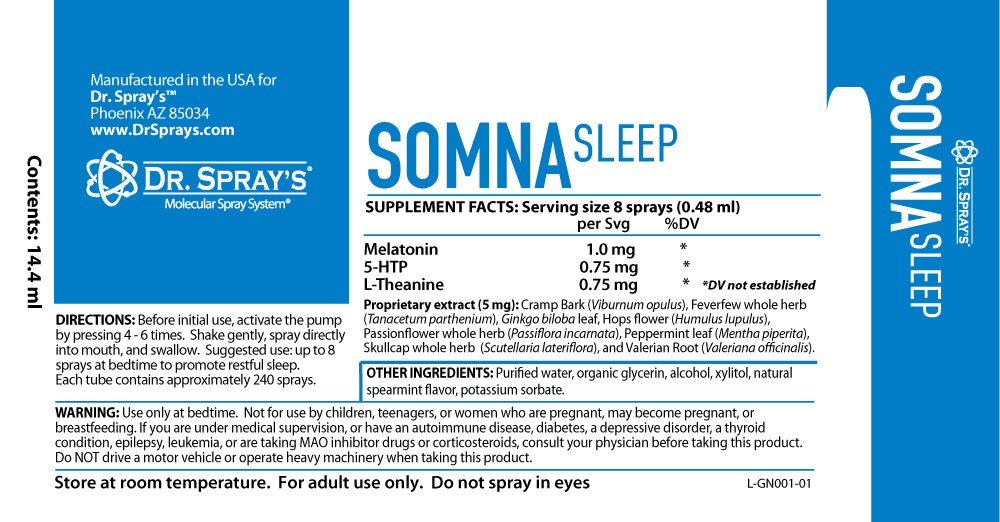
Doctor-developed formulations designed specifically for absorption efficiency offer advantages over traditional supplements. Specialized sleep support sprays combine ingredients like melatonin, chamomile, and other calming compounds in formats suitable for both adults and children over certain ages.
When selecting oral spray vitamins for your family, prioritize products manufactured in FDA-registered, GMP-certified facilities to ensure quality and safety. The convenience of spray delivery makes consistent supplementation more achievable, particularly with resistant toddlers.
Safety Considerations for Toddler Supplementation
Always consult your pediatrician before introducing any supplements to your toddler's routine. While vitamin sprays offer improved absorption and ease of administration, appropriate dosing based on age and weight remains essential.
Many vitamin spray products designed for adults require dosage adjustment for young children. Your healthcare provider can recommend appropriate amounts based on your child's individual needs, diet, and any existing health conditions.
Creating a Sleep-Positive Household Environment
Successful sleep training extends beyond your toddler's bedroom. The entire household schedule and environment influence your child's sleep success.
Managing Screen Time
Blue light from screens suppresses melatonin production, making it harder to fall asleep. Establish a screen-free period of at least one hour before bedtime. Replace screen time with calming activities like puzzles, coloring, or imaginative play.
Optimizing Daytime Activities
Physical activity during the day promotes better nighttime sleep. Ensure your toddler gets plenty of active play, preferably outdoors when weather permits. However, avoid vigorous activity within two hours of bedtime, as this can be stimulating rather than sleep-promoting.
Exposure to natural light during the day, particularly in the morning, helps regulate circadian rhythms. In Phoenix, Arizona's sunny climate, morning outdoor time provides both physical activity and light exposure benefits, though sun protection remains important.
Dietary Timing
While toddlers shouldn't go to bed hungry, large meals close to bedtime can cause discomfort and sleep disruption. Offer dinner 2-3 hours before bedtime, followed by a light snack during the bedtime routine if needed. Appropriate bedtime snacks include a small banana, whole grain crackers with nut butter, or a few ounces of milk.
Measuring Sleep Training Success
Sleep training progress isn't always linear. Some nights will show significant improvement, while others may include setbacks. Track your toddler's sleep patterns using a simple log noting bedtime, wake time, night wakings, and nap duration.
Success indicators include decreased time to fall asleep, longer stretches of continuous nighttime sleep, reduced night wakings, and improved daytime mood and behavior. Most children show noticeable improvement within 2-3 weeks of consistent sleep training, though some require longer.
Maintaining Sleep Success Long-Term
Once you've established healthy sleep patterns, maintenance becomes key. Life events—illness, travel, developmental leaps—will occasionally disrupt sleep. When disruptions occur, return to your established routine as quickly as possible rather than creating new sleep associations you'll later need to break.
Remain flexible enough to adjust bedtimes seasonally or as your child's sleep needs evolve, but maintain the core elements of your routine. As your toddler grows, involve them in choosing pajamas or selecting bedtime books to maintain buy-in for the sleep routine.
Frequently Asked Questions
How long does sleep training take for a 2-year-old?
Most toddlers show significant improvement within 3-7 days when using consistent methods, though complete success often takes 2-4 weeks. Gentler approaches like gradual retreat may require 3-6 weeks but typically involve less crying. Every child responds differently based on temperament, previous sleep habits, and consistency of implementation.
Should I lock my toddler's door during sleep training?
Safety experts and pediatricians generally advise against locking a toddler's door due to fire safety concerns and potential psychological impact. Instead, use baby gates, door alarms, or door monkey devices that allow the door to open slightly but prevent the child from leaving the room unsupervised.
Is it too late to sleep train my 2-year-old?
It's never too late to establish healthy sleep habits. While some methods work more easily with younger infants, several approaches specifically suit toddlers and older children. Two-year-olds can understand simple explanations about new sleep expectations, which can actually facilitate training compared to pre-verbal infants.
Can vitamin supplements really help my toddler sleep better?
Supplements address underlying nutritional deficiencies that may affect sleep quality but aren't a replacement for behavioral sleep training. Vitamin D deficiency, for example, has been linked to sleep problems in children, and correcting this deficiency may improve sleep. However, supplements work best as part of a comprehensive approach including consistent routines and appropriate sleep environments. Always consult your pediatrician before starting any supplementation.
What if my 2-year-old climbs out of the crib?
Once a toddler can climb out of the crib, continuing crib use becomes a safety hazard. Transition to a toddler bed or floor mattress, ensuring the room is thoroughly childproofed. Some parents temporarily use sleep sacks or backward-worn pajamas to make climbing more difficult, but ultimately transitioning to a bed becomes necessary for safety.
Should I eliminate naps if my toddler won't sleep at night?
Most 2-year-olds still need daytime sleep, and eliminating naps often leads to overtiredness that actually worsens nighttime sleep. Instead, ensure naps occur early enough (ending by 3:00-3:30 PM) and aren't too long (limit to 1.5-2 hours). If your toddler consistently resists nighttime sleep with appropriate nap timing, then gradually shortening or transitioning to quiet time may help.
How do I handle sleep training with a sibling in the same room?
Room-sharing complicates but doesn't prevent sleep training. Consider temporarily separating siblings during the initial training period if possible. If separation isn't feasible, use white noise for the sibling, implement staggered bedtimes (putting the better sleeper down first), and prepare the sibling for potential crying. Many families find that after initial adjustment, siblings actually sleep better with the security of each other's presence.
Are spray vitamins safe for toddlers?
Spray vitamins formulated for children and used at appropriate dosages are generally safe, but always consult your pediatrician first. Oral spray vitamins offer advantages including higher absorption rates, no choking hazard, and easier administration for resistant toddlers. Choose products from reputable manufacturers using FDA-registered, GMP-certified facilities. Avoid products with artificial colors, unnecessary additives, or adult-strength formulations.
Final Thoughts on Toddler Sleep Training
Sleep training a 2-year-old requires patience, consistency, and realistic expectations. Unlike infant sleep training, toddler sleep training involves working with a verbal, opinionated individual who will test boundaries and express preferences. This developmental stage actually offers advantages—your toddler can understand simple explanations, participate in routine planning, and develop pride in sleeping independently.
Remember that no single method works for every family. Choose approaches that align with your parenting philosophy, remain consistent with implementation, and adjust as needed based on your child's responses. Support your efforts with optimal sleep environments, appropriate nutrition, and when necessary, targeted supplementation to address nutritional gaps.
The sleep challenges you face today are temporary. With consistent effort and appropriate support, your toddler will develop healthy sleep skills that serve them throughout childhood and beyond.
Support Your Family's Sleep with Quality Nutrition
Quality sleep begins with proper nutrition. Explore our doctor-developed vitamin D3 spray and other oral spray vitamins designed for maximum absorption. Manufactured in our FDA-registered, GMP-certified facility in Phoenix, Arizona, our products deliver the nutrients your family needs with 90% absorption rates.