Sleep training a one-year-old can feel overwhelming for parents, especially when nutritional deficiencies or disrupted circadian rhythms complicate the process. While behavioral strategies form the foundation of sleep training, ensuring your toddler receives adequate vitamins and minerals plays a crucial supporting role in establishing healthy sleep patterns.
Many parents discover that addressing nutritional gaps alongside sleep training techniques creates more sustainable results. This comprehensive guide explores evidence-based sleep training methods while highlighting how proper nutrition—including innovative oral spray vitamins—can support your child's sleep development during this critical developmental stage.
Understanding Sleep Needs for One-Year-Olds
At twelve months, children typically require 11-14 hours of total sleep within a 24-hour period, including one or two daytime naps. Understanding these biological sleep needs helps parents set realistic expectations before beginning any sleep training program.
The transition from infancy to toddlerhood brings significant neurological changes that affect sleep architecture. Your one-year-old's brain is developing rapidly, processing new motor skills, language acquisition, and emotional regulation—all of which can impact nighttime sleep quality.
Signs Your One-Year-Old Is Ready for Sleep Training
- Consistent bedtime resistance lasting more than 30 minutes
- Frequent night wakings requiring parental intervention
- Early morning wakings before 6:00 AM
- Difficulty transitioning between sleep cycles
- Overtiredness despite adequate sleep opportunities
Before implementing sleep training, consult your pediatrician to rule out medical issues like reflux, ear infections, or nutritional deficiencies that might be disrupting sleep.
The Role of Nutrition in Toddler Sleep Quality
Nutritional status significantly influences sleep regulation in young children. Specific vitamins and minerals directly affect neurotransmitter production, melatonin synthesis, and circadian rhythm maintenance—all essential components of healthy sleep.
Key Nutrients That Support Sleep Development
Vitamin D3 plays a fundamental role in sleep regulation by influencing areas of the brain that control the sleep-wake cycle. Research shows that vitamin D deficiency correlates with sleep disturbances in children. A vitamin D3 spray offers an efficient delivery method, particularly for toddlers who resist traditional supplements.
Vitamin B12 supports the production of melatonin, the hormone responsible for sleep-wake cycles. Children following restricted diets or those with absorption issues may benefit from a vitamin B12 spray, which bypasses digestive complications and delivers nutrients directly through oral mucosa.
Magnesium acts as a natural relaxant, supporting GABA function in the brain—the neurotransmitter that promotes calmness and relaxation. Many toddlers consume insufficient magnesium through diet alone.
Zinc and Vitamin C work synergistically to support immune function, which directly impacts sleep quality. Frequent illnesses disrupt established sleep patterns, making immune support particularly important during sleep training.
Why Spray Supplements Work Well for Toddlers
Traditional pills and capsules present challenges for one-year-olds who haven't developed swallowing skills. Spray supplements offer several advantages for this age group:
- No choking hazard compared to pills or gummies
- Rapid absorption through oral mucosa (up to 90% absorption rate)
- Easy administration without forcing cooperation
- Pleasant flavors that toddlers accept readily
- Precise dosing without splitting tablets
Parents in Phoenix, Arizona and throughout the Southwest face additional nutritional considerations due to intense sun exposure, which paradoxically can lead to vitamin D deficiency when children spend time primarily indoors during extreme heat.
Proven Sleep Training Methods for One-Year-Olds
Several evidence-based approaches help one-year-olds develop independent sleep skills. The most effective method depends on your child's temperament, your parenting philosophy, and your family's specific circumstances.
The Gradual Withdrawal Method
This gentle approach involves slowly reducing your presence in your child's room over several weeks. Begin by sitting next to the crib, then gradually move your chair closer to the door each night until you're outside the room entirely.
This method typically takes 2-4 weeks but generates less protest crying than more abrupt approaches. It works particularly well for sensitive children or parents uncomfortable with extended crying periods.
The Chair Method (Sleep Lady Shuffle)
Similar to gradual withdrawal, this technique involves sitting in a chair near your child's crib, offering verbal reassurance without picking them up. Every three nights, move the chair farther from the crib until you're outside the room.
Key principles include:
- Consistent positioning of the chair each night
- Minimal interaction—soothing voice only
- Resisting the urge to pick up your child
- Maintaining the same routine regardless of protest intensity
The Ferber Method (Graduated Extinction)
This structured approach involves checking on your child at progressively longer intervals. After your bedtime routine, leave the room while your child is drowsy but awake. Return for brief check-ins at 3, 5, 10, and then 15-minute intervals.
Check-ins should be brief (30-60 seconds), offering verbal reassurance without picking up your child. Most children adapt to this method within 3-7 nights, though initial protest crying can be intense.
The Bedtime Fading Method
This approach temporarily aligns bedtime with your child's natural sleep onset, then gradually shifts it earlier. If your one-year-old falls asleep easily at 9:00 PM but you prefer an 8:00 PM bedtime, start with 9:00 PM, then move bedtime 15 minutes earlier every three nights.
This method minimizes crying by working with your child's natural sleep pressure rather than against it.
Creating an Optimal Sleep Environment
Environmental factors significantly impact sleep training success. A properly optimized sleep space supports natural melatonin production and reduces sleep disruptions.
Room Conditions for Quality Sleep
Temperature: Maintain room temperature between 68-72°F. Overheating disrupts sleep cycles and increases SIDS risk. In Phoenix, Arizona, air conditioning management becomes particularly important during summer months.
Darkness: Complete darkness signals melatonin production. Use blackout curtains to eliminate light pollution, especially important during extended summer daylight hours.
White noise: Consistent sound masking blocks disruptive household noises and creates womb-like auditory consistency. Maintain volume around 50-60 decibels.
Safe sleep space: Remove pillows, blankets, stuffed animals, and bumper pads. Use a firm mattress with a fitted sheet only.
Establishing a Consistent Bedtime Routine
A predictable pre-sleep routine lasting 20-30 minutes signals upcoming sleep and activates conditioned relaxation responses. Effective routines might include:
- Bath with warm water (raises then lowers body temperature, promoting drowsiness)
- Diaper change and pajamas
- Administration of any necessary vitamin spray supplements
- Quiet feeding (breast, bottle, or cup—finish before entering sleep space)
- Tooth brushing
- Two age-appropriate books in dim lighting
- Brief cuddle or song
- Placement in crib drowsy but awake
Consistency matters more than specific activities. Perform the same sequence nightly, in the same order, creating powerful sleep associations.
Addressing Common Sleep Training Challenges
Even with optimal preparation, most parents encounter obstacles during sleep training. Understanding common challenges helps you respond effectively rather than abandoning the process prematurely.
Night Wakings After Initial Success
Sleep regressions commonly occur around developmental milestones—walking, language explosions, separation anxiety intensification. These temporary disruptions typically resolve within 1-3 weeks when parents maintain consistency.
During regressions, return to your chosen sleep training method rather than reverting to old habits. Inconsistency extends the regression period and confuses your child about expectations.
Early Morning Wakings
Wakings before 6:00 AM often result from:
- Bedtime too early (reducing sleep pressure)
- Bedtime too late (causing overtiredness and cortisol spikes)
- Environmental light entering the room
- Hunger from insufficient daytime calories
- Nap schedule misalignment
Address early wakings by treating them as night wakings—don't start the day before 6:00 AM. Use blackout curtains and maintain complete darkness until your desired wake time.
Nap Resistance
One-year-olds transitioning from two naps to one often resist sleep temporarily. Maintain age-appropriate wake windows (3-4 hours for one-nap schedules, 2.5-3.5 hours for two-nap schedules) to ensure adequate sleep pressure.
Nutritional factors can also impact nap quality. Ensuring adequate intake of B vitamins through diet or oral spray vitamins supports energy regulation throughout the day.
Illness and Travel Disruptions
Temporarily abandoning sleep training during illness or travel is appropriate—your child needs extra comfort during stress or sickness. However, return to your established routine within 1-2 nights of returning home or recovering.
Supporting immune function with appropriate nutrition, including vitamin C and zinc supplementation through convenient spray supplements, may reduce illness frequency and severity.
Nutritional Support During Sleep Training
While sleep training primarily addresses behavioral patterns, nutritional optimization provides physiological support for the process. Deficiencies in specific vitamins can undermine even the most consistent sleep training efforts.
Identifying Nutritional Gaps
Common deficiencies affecting toddler sleep include:
- Vitamin D deficiency (particularly in regions with extreme climates where outdoor time is limited)
- Iron deficiency (can cause restless leg syndrome and frequent wakings)
- B vitamin insufficiency (impacts energy regulation and neurotransmitter production)
- Magnesium inadequacy (affects relaxation and sleep quality)
Consult your pediatrician about testing if your child exhibits persistent sleep difficulties despite consistent training efforts. Blood tests can identify deficiencies requiring targeted supplementation.
Supplement Timing for Sleep Support
Strategic timing of nutritional supplements maximizes their sleep-supporting benefits. Incorporate vitamin spray administration into your bedtime routine for consistency and optimal absorption:
Evening administration: Magnesium-containing supplements work best when given 30-60 minutes before bedtime, supporting natural relaxation processes.
Morning administration: B vitamins support daytime energy regulation, helping maintain appropriate wake-sleep balance. Give B-complex or vitamin B12 spray with breakfast.
Daily administration: Vitamin D3 spray can be given at any consistent time, though morning administration aligns with natural sunlight exposure patterns.
Working With Healthcare Providers
Always discuss supplementation plans with your pediatrician before beginning any regimen. Provide information about specific products you're considering, including absorption rates and manufacturing standards.
Quality matters significantly with supplements. Look for products manufactured in FDA-registered facilities following Good Manufacturing Practices (GMP), ensuring purity, potency, and safety. Products developed with medical oversight and produced in locations like Phoenix, Arizona facilities with rigorous quality standards offer additional peace of mind.
When to Seek Professional Help
While most one-year-olds respond well to consistent sleep training within 2-3 weeks, certain situations warrant professional evaluation:
- Persistent night wakings after 4-6 weeks of consistent training
- Excessive daytime sleepiness despite adequate nighttime sleep
- Loud snoring or breathing pauses during sleep
- Extreme resistance to sleep (beyond typical protest crying)
- Significant developmental delays affecting sleep regulation
- Suspected nutritional deficiencies or feeding difficulties
Pediatric sleep consultants, developmental pediatricians, and pediatric nutritionists offer specialized expertise for complex sleep challenges. Early intervention prevents long-term sleep problems and supports optimal development.
Maintaining Sleep Success Long-Term
Successfully sleep training your one-year-old represents just the beginning of establishing healthy sleep habits. Long-term success requires ongoing consistency and adaptation as your child develops.
Adjusting Sleep Schedules as Your Child Grows
Between 12-18 months, most children transition from two naps to one. Watch for signs of readiness:
- Consistently refusing one nap
- Taking excessively long to fall asleep at naptime
- Bedtime resistance when maintaining two naps
- Ability to stay awake happily for 4-5 hours
During this transition, temporarily adjust bedtime earlier (6:30-7:00 PM) to prevent overtiredness while your child adapts to the new schedule.
Continuing Nutritional Support
Maintain consistent nutritional support as your child's dietary habits evolve. Toddlers often become selective eaters around 18 months, potentially creating nutritional gaps that affect sleep quality.
Continuing appropriate supplementation with high-absorption oral spray vitamins ensures consistent nutrient intake regardless of daily dietary variations. This consistency supports stable sleep patterns through typical toddler eating fluctuations.
Handling Developmental Milestones
Expect temporary sleep disruptions during major developmental leaps—first words, walking proficiency, potty training awareness. These disruptions typically last 1-2 weeks. Maintain your established routine while offering extra daytime reassurance.
Avoid creating new sleep associations during disruptions (like returning to rocking to sleep). Instead, offer comfort through your presence while maintaining independent sleep expectations.
Frequently Asked Questions
How long does sleep training typically take for a one-year-old?
Most one-year-olds show significant improvement within 3-7 nights of consistent sleep training, with complete adaptation occurring within 2-3 weeks. The timeline varies based on the method chosen, your child's temperament, and consistency of implementation. Gradual methods may take 3-4 weeks, while more structured approaches like the Ferber method often show results within one week.
Can vitamin deficiencies really affect my toddler's sleep?
Yes, specific nutrient deficiencies directly impact sleep regulation. Vitamin D influences circadian rhythm control centers in the brain, while B vitamins support melatonin production. Iron deficiency can cause restless leg symptoms, and magnesium inadequacy affects relaxation mechanisms. Addressing nutritional gaps through diet and appropriate supplementation with products like vitamin spray formulations can significantly improve sleep quality alongside behavioral sleep training.
Are spray supplements safe for one-year-olds?
Spray supplements formulated specifically for children offer safety advantages over pills or gummies—no choking hazard and precise dosing control. However, always consult your pediatrician before starting any supplement regimen. Choose products manufactured in FDA-registered facilities following Good Manufacturing Practices, and verify age-appropriate formulations and dosages.
Should I continue nighttime feedings during sleep training?
Most one-year-olds no longer require nighttime calories for growth. If your child currently feeds at night, gradually reduce the volume or duration over 5-7 nights before beginning sleep training. However, if your pediatrician recommends continued night feeding for medical or growth reasons, incorporate it consistently at the same time each night rather than on-demand.
What if my child gets sick during sleep training?
Pause sleep training during illness and provide whatever comfort your child needs. Resume your established routine within 1-2 nights after recovery to prevent regression. Supporting immune health through adequate nutrition—including vitamin C, zinc, and vitamin D via convenient oral spray vitamins—may reduce illness frequency and duration.
How do I know if my child's sleep problems are medical rather than behavioral?
Consult your pediatrician if your child exhibits loud snoring, breathing pauses during sleep, excessive daytime sleepiness despite adequate nighttime sleep, or if sleep difficulties persist after 4-6 weeks of consistent training. Medical conditions like sleep apnea, reflux, or allergies can masquerade as behavioral sleep problems and require medical intervention.
Can I sleep train for naps and nighttime simultaneously?
Yes, applying your chosen sleep training method consistently for both naps and nighttime typically produces faster results than addressing them separately. Use the same approach, routine, and expectations for all sleep periods. However, nap training often takes slightly longer than nighttime training—expect 1-2 weeks for naps versus 3-7 days for nighttime sleep.
Why does my one-year-old wake up at 5:00 AM after sleep training?
Early morning wakings often result from bedtime timing issues (too early or too late), environmental light, nap schedule problems, or insufficient daytime calories. Treat wakings before 6:00 AM as night wakings—don't start the day. Ensure complete darkness with blackout curtains, verify age-appropriate wake windows, and assess whether your child needs increased daytime nutrition to prevent hunger-related early wakings.
Is it better to use a gentle or structured sleep training method?
The "best" method depends on your parenting philosophy, child's temperament, and tolerance for protest crying. Gradual methods produce less crying but take longer (3-4 weeks), while structured approaches like Ferber generate more initial crying but faster results (3-7 days). Both approaches achieve similar long-term outcomes when implemented consistently. Choose a method you can maintain consistently rather than starting and stopping multiple approaches.
Creating Your Family's Sleep Success Plan
Sleep training your one-year-old requires patience, consistency, and a holistic approach that addresses both behavioral patterns and physiological needs. By combining evidence-based sleep training methods with proper nutritional support, you create optimal conditions for lasting sleep success.
Remember these key principles:
- Choose a sleep training method aligned with your parenting values and maintain consistency
- Optimize the sleep environment with appropriate temperature, darkness, and sound
- Establish a predictable bedtime routine your child can rely on
- Address nutritional factors that support healthy sleep regulation
- Consider convenient supplementation options like vitamin spray products when dietary gaps exist
- Remain patient through temporary regressions and developmental disruptions
- Consult healthcare providers when challenges persist beyond normal timeframes
Every child's sleep journey is unique, but with consistent application of these principles, most families achieve restful nights within a few weeks. The investment you make now in establishing healthy sleep habits pays dividends throughout your child's development, supporting physical growth, cognitive development, emotional regulation, and overall family well-being.
Support Your Child's Sleep Health Naturally
Quality sleep depends on many factors, including proper nutrition. DrSprays offers doctor-developed vitamin spray formulations designed for maximum absorption and convenience—perfect for busy families and selective toddlers.
Our products include:
- Vitamin D3 Spray – Supports circadian rhythm regulation and immune health
- Vitamin B12 Spray – Promotes healthy energy balance and melatonin production
- C+Zinc Spray – Strengthens immune function to reduce sleep-disrupting illness
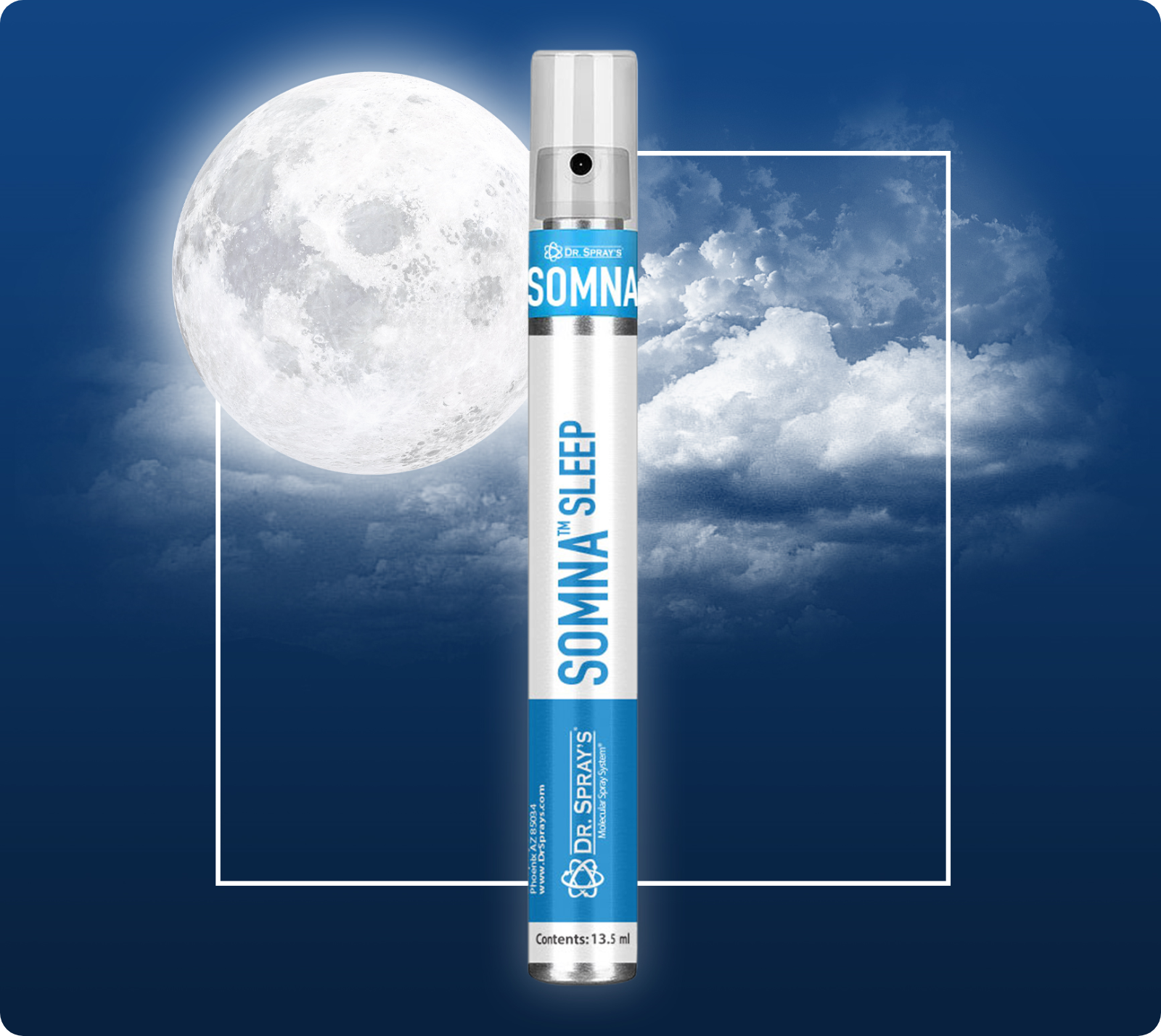
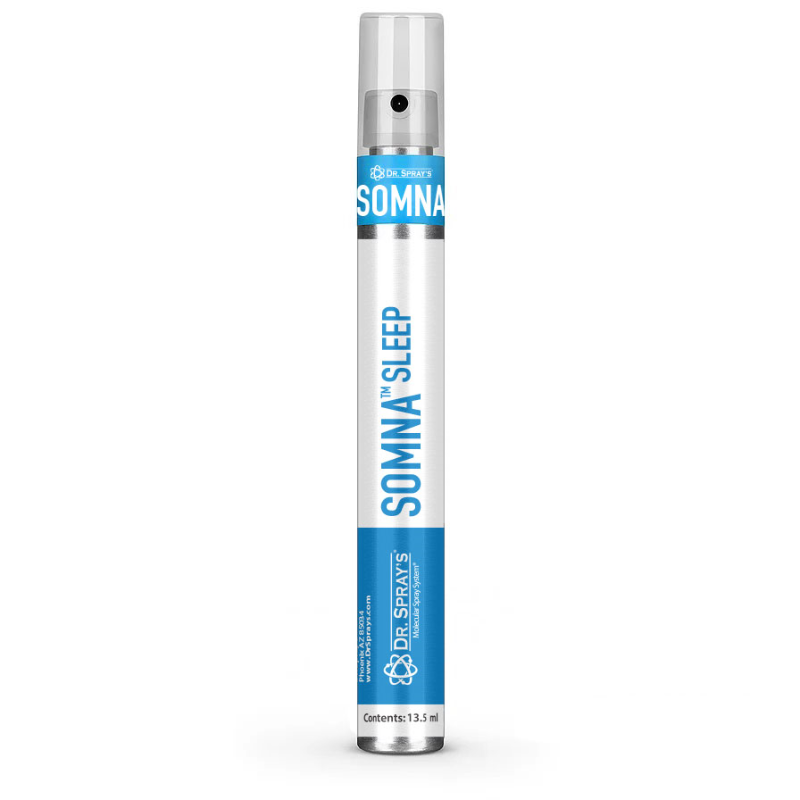
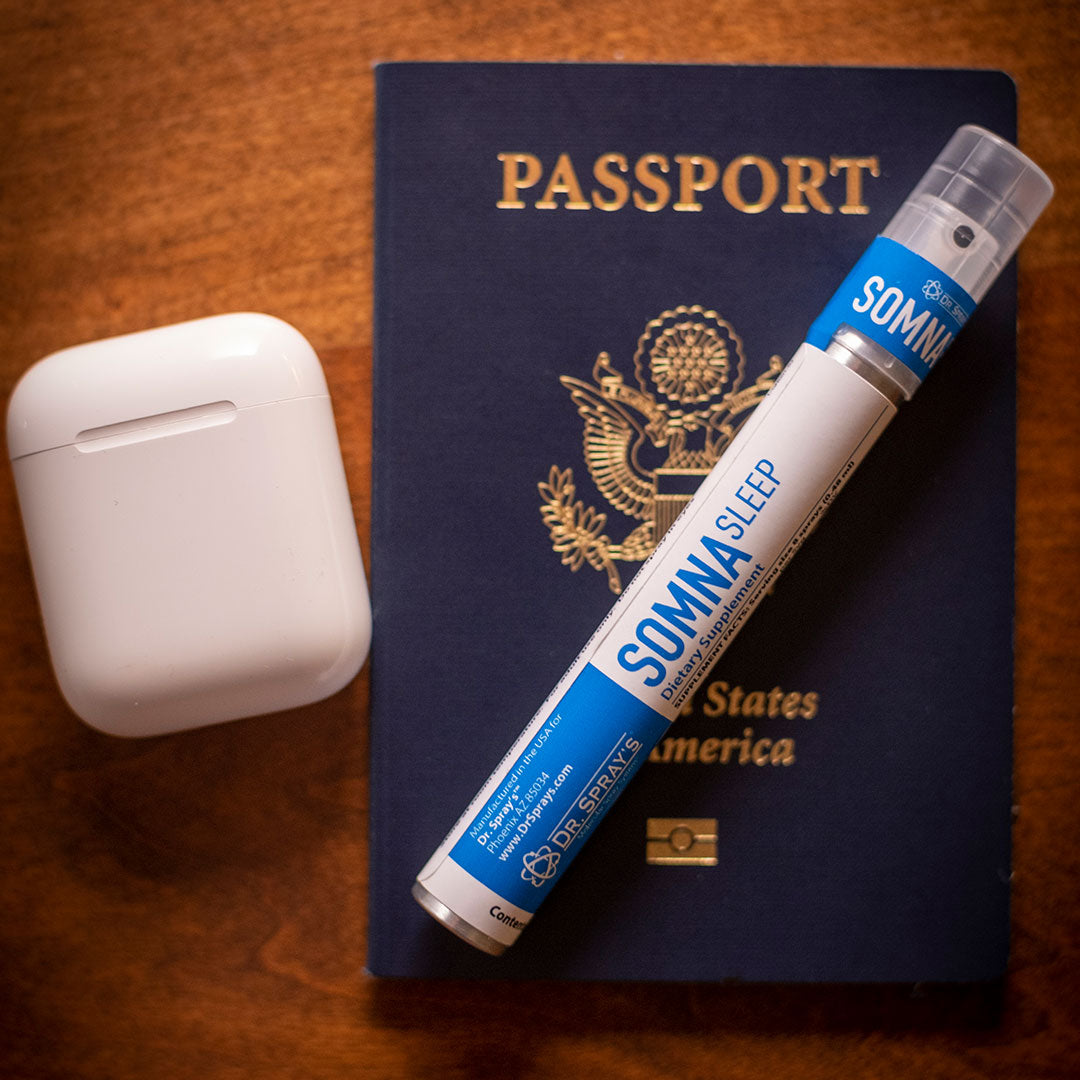
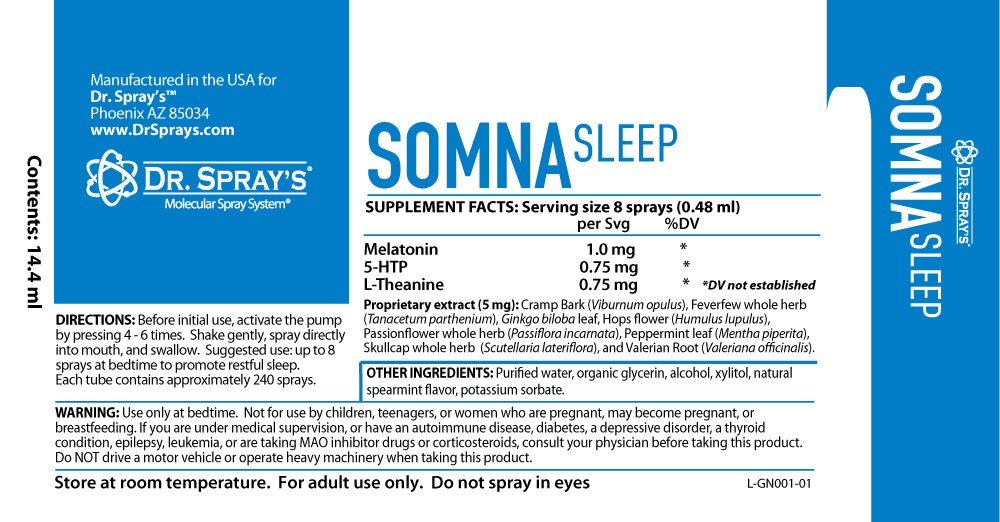
- Sleep/Somna Spray – Natural sleep support for adults managing the stress of parenting
All DrSprays products are manufactured in our FDA-registered, GMP-certified facility in Phoenix, Arizona, ensuring the highest quality standards. Our unique oral spray delivery system provides up to 90% absorption—significantly higher than traditional pills or gummies.
Explore our complete product line and discover how convenient, effective supplementation can support your family's health goals. Have questions? Contact our team for personalized guidance on choosing the right products for your family's needs.