Sleep training a two-year-old presents unique challenges that many parents find overwhelming. At this age, toddlers are developing independence, testing boundaries, and experiencing developmental leaps that can disrupt even previously solid sleep patterns. Understanding the connection between nutrition, sleep hygiene, and consistent routines can transform bedtime from a nightly battle into a peaceful transition.
This comprehensive guide explores evidence-based sleep training methods for two-year-olds, the role of nutrition in sleep quality, and practical strategies that work for real families. Whether you're dealing with bedtime resistance, frequent night wakings, or early morning wake-ups, you'll find actionable solutions to help your toddler—and your entire family—get the restorative sleep everyone needs.
Understanding Two-Year-Old Sleep Needs
Two-year-olds typically require 11-14 hours of total sleep in a 24-hour period, including one daytime nap. However, individual needs vary considerably. Some toddlers thrive on 11 hours while others genuinely need closer to 14 hours to function optimally.
Developmental Factors Affecting Sleep
At two years old, several developmental milestones can impact sleep patterns:
- Language explosion: Toddlers are learning dozens of new words weekly, and their brains often process this information during sleep, sometimes causing restlessness
- Increased independence: The desire for autonomy can manifest as bedtime resistance and boundary testing
- Imagination development: New fears and nighttime anxieties emerge as imagination flourishes
- Physical development: Potty training and the transition from crib to bed often coincide with this age
Understanding these developmental factors helps parents respond appropriately rather than inadvertently reinforcing challenging behaviors.
The Nutrition-Sleep Connection
What your toddler eats—and when—significantly impacts sleep quality. Certain nutritional deficiencies are directly linked to sleep difficulties in young children.
Essential Vitamins for Healthy Sleep
Research consistently shows that specific vitamins play crucial roles in regulating sleep-wake cycles:
Vitamin D3 regulates circadian rhythms and helps produce melatonin, the sleep hormone. Many toddlers, particularly those in northern climates or with limited sun exposure, don't get adequate vitamin D from sunlight and diet alone. Studies indicate that vitamin D deficiency correlates with shorter sleep duration and increased night wakings in young children. A vitamin D3 spray offers an effective delivery method that bypasses digestive processing, ensuring better absorption.
B vitamins, particularly B6 and B12, are essential for melatonin production and nervous system regulation. B12 deficiency can cause restlessness and difficulty settling. Many toddlers, especially those following vegetarian or vegan diets, may not obtain sufficient B12 from food sources. Vitamin B12 spray provides a convenient option for ensuring adequate intake.
Magnesium promotes relaxation and helps regulate GABA, a neurotransmitter that promotes calmness. While not a vitamin, magnesium deficiency is common and significantly impacts sleep quality.
Why Spray Supplements Work Better for Toddlers
Traditional pills and gummy vitamins present challenges for two-year-olds. Pills pose choking hazards, while gummies often contain excessive sugar and may not provide adequate nutrient absorption.
Oral spray vitamins offer distinct advantages:
- Up to 90% absorption rate compared to 10-20% for traditional pills
- No choking hazard
- Easy administration, even for resistant toddlers
- Rapid absorption through oral mucosa, bypassing digestive breakdown
- No artificial colors or unnecessary fillers
For parents in Phoenix, Arizona, and surrounding areas where sunshine is abundant yet many children still show vitamin D deficiency due to limited outdoor time and sun protection practices, vitamin spray supplements provide a practical solution that fits easily into bedtime routines.
Effective Sleep Training Methods for Two-Year-Olds
Several evidence-based approaches work well for two-year-olds. The key is choosing a method that aligns with your parenting philosophy and your child's temperament.
The Gradual Withdrawal Method
This gentle approach works well for toddlers who are anxious about separation. Begin by sitting next to your child's bed during the entire bedtime routine. Every few nights, gradually move your position farther from the bed—first to the middle of the room, then near the door, then just outside the doorway with the door open, and finally with the door closed.
This method typically takes 2-3 weeks but creates minimal distress for both parent and child. It's particularly effective for two-year-olds transitioning from co-sleeping or those who've experienced recent changes or stressors.
The Bedtime Pass System
Perfect for boundary-testing toddlers, this system gives your child one or two "passes" per night. They can use these passes to get out of bed for a valid reason—a drink of water, an extra hug, or one more potty trip. Once the passes are used, they must stay in bed.
This approach acknowledges your toddler's need for some control while setting clear, enforceable limits. Many parents report success within one week of consistent implementation.
The Check-and-Console Method
An adaptation of the Ferber method appropriate for two-year-olds, this approach involves putting your child to bed awake and returning at progressively longer intervals to offer brief reassurance. Unlike with younger babies, you can now use words to reassure your toddler that you're nearby and they're safe.
The key is keeping check-ins brief and boring—no extended conversations, engaging activities, or removal from the bed. This method typically shows results within 3-7 days.
Creating an Optimal Sleep Environment
Environmental factors significantly impact sleep quality. Even the best sleep training method will struggle against a non-conducive sleep environment.
Room Temperature and Darkness
The ideal sleep environment is cool (68-72°F), dark, and quiet. In Phoenix, Arizona, where summer temperatures soar, maintaining a consistently cool bedroom is essential. Blackout curtains block early morning sunlight and help regulate circadian rhythms.
If your toddler fears complete darkness, choose a dim red or amber night light rather than blue-toned lighting, which suppresses melatonin production.
Sound Management
White noise machines can mask household sounds and create consistency throughout the night. This is particularly valuable in multi-child households or homes near busy streets.
Bedding and Safety
If your two-year-old has transitioned to a toddler bed, ensure proper safety measures are in place. Bed rails prevent falls, and keeping the room free of climbable furniture near windows is essential.
The Bedtime Routine: Your Most Powerful Tool
A consistent, calming bedtime routine signals to your toddler's brain that sleep is approaching. This biological preparation is crucial for smooth transitions to sleep.
Components of an Effective Routine
An ideal bedtime routine for a two-year-old lasts 30-45 minutes and follows the same sequence nightly:
- Transition warning: Give a 15-minute warning before beginning the routine
- Bath time: Warm baths lower core body temperature post-bath, promoting sleepiness
- Pajamas and hygiene: Brush teeth, put on pajamas, and use the potty
- Nutritional support: Administer any supplements like spray supplements as part of the routine
- Calm activities: Read 2-3 books, sing quiet songs, or engage in gentle conversation
- Lights out: Say goodnight to the room, stuffed animals, and family members
The routine should end with your child in bed, awake but drowsy. This is crucial—children who fall asleep during the routine haven't learned to self-soothe and will struggle with night wakings.
Timing Matters
Starting the bedtime routine at the same time nightly reinforces circadian rhythms. Watch for your child's natural sleep window—signs of tiredness include eye rubbing, decreased activity, and seeking comfort. Beginning the routine just before this window opens leads to easier settling.
Addressing Common Sleep Training Obstacles
Night Wakings
If your two-year-old wakes during the night, wait 2-3 minutes before responding to allow them the opportunity to self-soothe. When you do respond, keep interactions brief, boring, and in dim lighting. Avoid bringing your child to your bed unless that's your intended long-term arrangement.
Frequent night wakings may indicate nutritional deficiencies, particularly in vitamin D3 or B12. Consider evaluating your child's vitamin D status, especially if they show other signs of deficiency.
Early Morning Wake-Ups
Two-year-olds waking before 6:00 AM present a common challenge. Ensure their room stays dark until your desired wake time using blackout curtains. An "okay-to-wake" clock that changes color at an appropriate time teaches your toddler when it's acceptable to get up.
Early waking sometimes indicates overtiredness. Counterintuitively, moving bedtime earlier by 15-30 minutes often resolves early rising within a few days.
Nap Transition Challenges
Some two-year-olds begin resisting their afternoon nap, but most still need this sleep. If nap resistance becomes consistent, try shifting naptime slightly earlier or later, ensuring morning wake time isn't too late, and maintaining a short, consistent nap routine.
If your child has genuinely outgrown napping (rare at age two but possible), institute a daily "quiet time" where they rest in their room with books or quiet toys. This provides essential mental downtime even without sleep.
The Role of Melatonin and Natural Sleep Support
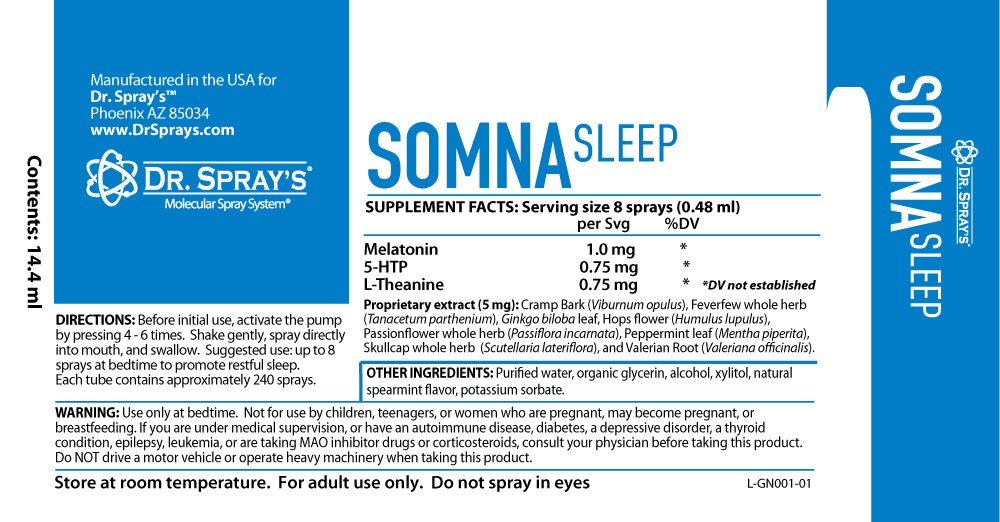
Parents often ask about melatonin supplements for toddlers. While melatonin is sometimes appropriate under medical guidance, it's not typically recommended as a first-line intervention for two-year-olds with behavioral sleep issues.
Instead, focus on supporting your child's natural melatonin production through:
- Adequate vitamin D3 intake, which regulates melatonin production
- Exposure to bright light during the day, especially morning light
- Darkness in the evening and during sleep periods
- Reduced screen time, particularly in the two hours before bed
For toddlers who struggle with sleep despite good sleep hygiene and training methods, natural sleep support formulations designed specifically for oral spray delivery can provide targeted nutritional support without pharmaceutical interventions.
When Sleep Training Isn't Working
If you've consistently implemented age-appropriate sleep training methods for 2-3 weeks without improvement, consider these factors:
Medical Issues
Sleep apnea, enlarged tonsils, allergies, eczema, and reflux can all disrupt toddler sleep. Snoring, mouth breathing, frequent night terrors, or chronic restlessness warrant pediatric evaluation.
Nutritional Deficiencies
Beyond the sleep-specific vitamins mentioned earlier, iron deficiency can cause restless sleep and night wakings. If your toddler is a picky eater or follows a restricted diet, comprehensive nutritional assessment may reveal deficiencies impacting sleep quality.
Multivitamin spray supplements formulated for optimal absorption can help fill nutritional gaps that might be contributing to sleep difficulties.
Developmental Appropriateness
Ensure your expectations align with developmental norms. While some two-year-olds sleep 12-hour stretches independently, others have temperaments that require more parental support. There's a significant difference between sleep training and forcing a child into a pattern that doesn't match their biological needs.
Maintaining Sleep Success Long-Term
Once you've established healthy sleep patterns, maintaining them requires ongoing consistency and flexibility as your child grows.
Handling Setbacks
Regressions occur with illness, travel, developmental leaps, and family changes. When setbacks happen, return to your basic routine and sleep training method for a few days to re-establish patterns. Most temporary regressions resolve within a week of consistent response.
Adapting to Growth
As your child approaches age three, their sleep needs gradually decrease. Watch for signs that naptime needs adjusting or that bedtime should shift slightly later. Remain responsive to your individual child's evolving needs rather than rigidly following age-based guidelines.
Supporting Your Own Sleep Health
Parents managing toddler sleep challenges often neglect their own sleep needs. Parental sleep deprivation affects mood, decision-making, and patience—all crucial for consistent sleep training implementation.
Consider your own nutritional status. Many adults, particularly those in Phoenix, Arizona, dealing with high stress and limited outdoor time, develop vitamin D deficiency or B12 insufficiency. These deficiencies impact your own sleep quality and daytime energy, making the demands of parenting even more challenging.
Oral spray vitamins offer busy parents a convenient way to maintain their own nutritional health without adding another task to an already overwhelming schedule.
Frequently Asked Questions About Sleep Training Two-Year-Olds
Is two years old too late to start sleep training?
No, it's never too late to establish healthy sleep habits. While sleep training is often easier with younger babies, two-year-olds can successfully learn independent sleep skills. The methods may need slight adaptation to account for increased communication abilities and mobility, but the fundamental principles remain effective.
How long does sleep training take for a two-year-old?
Most two-year-olds show significant improvement within 3-7 days of consistent implementation, though complete consolidation of new patterns may take 2-3 weeks. Children with particularly strong-willed temperaments or those with underlying issues like nutritional deficiencies may take longer. Consistency is the most important factor in timeline.
Should I sleep train for naps and nighttime simultaneously?
Yes, applying the same methods for both naps and nighttime sleep typically produces faster, more consistent results. Your toddler learns that sleep expectations are the same regardless of time of day. However, if this feels overwhelming, start with nighttime sleep first, as it's biologically easier, then address naps once nighttime is established.
Can vitamin deficiencies really affect my toddler's sleep?
Absolutely. Research demonstrates clear connections between vitamin D3 deficiency and disrupted sleep patterns in children, including difficulty falling asleep, frequent night wakings, and reduced total sleep time. B vitamin deficiencies, particularly B12, also impact nervous system regulation and melatonin production. Addressing nutritional gaps through diet and supplements like vitamin D3 spray often produces noticeable improvements in sleep quality within several weeks.
What if my two-year-old climbs out of their crib?
Once your toddler can climb out of their crib, continuing to use it becomes a safety hazard. Transition to a toddler bed or mattress on the floor. Use the transition as an opportunity to implement fresh sleep routines and boundaries. Some parents find that placing a baby gate in the doorway (rather than closing the door) provides security while maintaining boundaries.
How do I handle sleep training with a shared room?
Sleep training in shared rooms requires additional planning but is absolutely possible. If sharing with a sibling, consider temporarily having one child sleep elsewhere during the initial training period, or start on a weekend when everyone can handle potential sleep disruption. Some families successfully train both children simultaneously using the same method. White noise machines help minimize sleep disruptions between roommates.
Is it normal for my two-year-old to need me present to fall asleep?
While common, requiring parental presence to fall asleep isn't developmentally necessary at age two and often leads to difficult night wakings. Two-year-olds are capable of independent sleep skills. If your current arrangement works for your family, there's no need to change it. However, if it's causing family stress or poor sleep quality, sleep training can help your toddler develop self-soothing abilities.
What's the best vitamin spray for supporting my toddler's sleep?
The most important vitamins for sleep support are vitamin D3 and B12. A comprehensive multivitamin spray that includes adequate levels of both, along with other essential nutrients, provides broad nutritional support. For targeted sleep support, ensure your toddler receives at least 600 IU of vitamin D3 daily (the RDA for this age group), though some children may benefit from higher amounts under medical guidance. Always choose supplements manufactured in FDA-registered, GMP-certified facilities to ensure quality and safety.
Will sleep training damage my child emotionally?
Decades of research indicate that age-appropriate, responsive sleep training does not cause emotional harm or affect parent-child attachment. In fact, improved sleep often enhances family relationships by reducing parental stress and improving daytime interactions. Choose a method that feels comfortable for your family, implement it consistently but responsively, and trust that teaching your child healthy sleep skills is an act of loving care, not neglect.
Moving Forward With Confidence
Sleep training a two-year-old requires patience, consistency, and a multifaceted approach that addresses behavioral, environmental, and nutritional factors. While the process can feel challenging, remember that you're teaching your child a crucial life skill that will benefit their health, development, and well-being for years to come.
By combining evidence-based sleep training methods with proper nutritional support, including ensuring adequate vitamin D3 and B12 levels through high-absorption delivery methods like spray supplements, you're setting the foundation for healthy sleep patterns that extend well beyond the toddler years.
Every child is unique, and what works for one family may need adaptation for another. Trust your instincts, remain consistent with the approach you choose, and don't hesitate to seek professional guidance if sleep difficulties persist despite your best efforts.
Support Your Toddler's Sleep With Superior Nutrition
Quality sleep starts with proper nutrition. DrSprays offers doctor-developed vitamin spray supplements with up to 90% absorption rates—far superior to traditional pills and gummies. Our vitamin D3 and B12 sprays provide essential sleep-supporting nutrients in a format that's safe, effective, and easy for even the most resistant toddlers.
Manufactured in our FDA-registered, GMP-certified facility in Phoenix, Arizona, every DrSprays product meets the highest quality standards. Our oral spray delivery system bypasses digestive processing, ensuring your child receives maximum nutritional benefit from every dose.
Discover how proper nutritional support can transform your family's sleep:
- Vitamin D3 Spray - Support healthy sleep-wake cycles and melatonin production
- Vitamin B12 Spray - Promote nervous system regulation and restful sleep
- Complete Multivitamin Spray - Comprehensive nutritional support for growing toddlers
- Natural Sleep Support Spray - Gentle, non-habit forming sleep support