Sleep training a one-year-old can feel overwhelming for many parents. At this age, children are developing rapidly, forming habits that can either support or disrupt healthy sleep patterns. While behavioral strategies form the foundation of successful sleep training, nutritional support—particularly through efficient delivery methods like vitamin sprays—can play a complementary role in establishing better rest for both child and parent.
This comprehensive guide explores evidence-based approaches to sleep training at 12 months, while examining how proper nutrition supports the process and why spray supplements offer advantages for busy parents managing their own wellness during this challenging phase.
Understanding Sleep Needs at One Year Old
Before implementing any sleep training method, parents should understand the typical sleep requirements for a one-year-old. According to pediatric sleep research, children at this age need approximately 12-14 hours of total sleep within a 24-hour period, typically divided between nighttime sleep (10-12 hours) and 1-2 daytime naps.
At twelve months, most children have developed the physiological capacity to sleep through the night without feeding. Their circadian rhythms are maturing, making this an ideal time to establish consistent sleep patterns that can last for years.
Common Sleep Challenges at This Age
Parents often encounter specific obstacles when sleep training a one-year-old:
- Separation anxiety: Developmentally normal but can intensify bedtime resistance
- Physical milestones: Learning to walk or climb may disrupt established sleep patterns
- Sleep associations: Dependencies on rocking, feeding, or parental presence to fall asleep
- Schedule transitions: Moving from two naps to one can temporarily affect nighttime sleep
- Testing boundaries: Increased independence leads to bedtime protests
Evidence-Based Sleep Training Methods
Several scientifically validated approaches can help establish healthy sleep habits for one-year-olds. The best method depends on your family's values, your child's temperament, and your consistency in implementation.
The Ferber Method (Graduated Extinction)
This approach involves putting your child to bed drowsy but awake, then returning at gradually increasing intervals to provide brief reassurance without picking them up. For a one-year-old, you might start with check-ins at 3, 5, and 10 minutes, extending these intervals over subsequent nights.
This method typically produces results within 3-7 days and has strong research support for safety and effectiveness.
The Chair Method (Gradual Withdrawal)
Parents sit in a chair near the crib, providing a comforting presence without direct intervention. Every few nights, the chair moves farther from the crib until you're eventually outside the room. This gentler approach takes longer—often 2-3 weeks—but suits families who prefer minimal crying.
Pick Up/Put Down Method
When your one-year-old cries, you pick them up briefly until calm, then return them to the crib while still awake. This method requires significant patience and consistency but allows for more physical comfort during the transition.
Bedtime Fading
This technique involves temporarily moving bedtime later to match when your child naturally falls asleep, then gradually shifting it earlier once they're falling asleep quickly. This method works particularly well for children who resist bedtime for extended periods.
Creating the Optimal Sleep Environment
Environmental factors significantly impact sleep training success. A one-year-old's bedroom should promote rather than hinder quality rest.
Temperature and Lighting
Maintain room temperature between 68-72°F (20-22°C). Use blackout curtains to eliminate light pollution, as even small amounts of light can suppress melatonin production and fragment sleep. A dim red nightlight provides necessary visibility for parents without disrupting sleep chemistry.
Sound Management
White noise machines can mask household sounds that might wake a light sleeper. Maintain consistent volume around 50 decibels—roughly equivalent to a quiet conversation—and position the device away from the crib to protect developing hearing.
Safe Sleep Basics
Continue following safe sleep guidelines: firm mattress, fitted sheet, no loose bedding, bumpers, or stuffed animals. At one year, many children aren't ready for pillows or blankets, though some parents introduce a small, breathable blanket if the child shows no tendency to cover their face.
The Role of Nutrition in Sleep Quality
While sleep training focuses primarily on behavioral patterns, nutritional status affects sleep quality for both children and their parents. Certain vitamins and minerals directly influence sleep-wake cycles, and deficiencies can undermine even the most consistent sleep training efforts.
Key Nutrients for Healthy Sleep
Vitamin D3 plays a crucial role in sleep regulation. Research links vitamin D deficiency to shorter sleep duration and poorer sleep quality. The vitamin influences the production of sleep-regulating hormones and helps maintain circadian rhythm stability. Many children in Phoenix, Arizona and similar sunny climates paradoxically experience vitamin D insufficiency due to indoor lifestyles and necessary sun protection.
B vitamins, particularly B6 and B12, support the production of serotonin and melatonin—neurotransmitters essential for sleep regulation. Vitamin B12 spray formulations offer efficient absorption for parents whose own sleep deprivation may be affecting their nutritional status and energy levels during this demanding phase.
Magnesium promotes muscle relaxation and activates neurotransmitters that calm the nervous system. While not suitable for direct supplementation in young children without medical guidance, parents can ensure dietary sources like bananas, whole grains, and leafy greens are part of family meals.
Supporting Parental Wellness During Sleep Training
Sleep training requires consistency, patience, and energy—resources that depleted parents often lack. Supporting your own nutritional needs makes the process more manageable and sustainable.
Traditional vitamin pills can be difficult to remember when managing a demanding schedule. Oral spray vitamins offer convenience advantages: no water required, faster absorption, and the ability to keep them in frequently accessed locations. Products developed by healthcare professionals and manufactured in FDA-registered facilities ensure quality when choosing supplementation.
For parents in the Phoenix area managing sleep training alongside busy schedules, locally manufactured spray supplements provide a practical solution. The vitamin spray delivery method bypasses some digestive processes, potentially offering absorption rates up to 90% compared to traditional pills.
Establishing a Consistent Bedtime Routine
A predictable sequence of calming activities signals to your one-year-old that sleep is approaching. This routine should last 20-30 minutes and occur at the same time each evening.
Sample Bedtime Routine for a One-Year-Old
- Bath time (5-10 minutes): Warm water relaxes muscles and provides sensory pleasure
- Massage (5 minutes): Gentle touch with unscented lotion promotes bonding and relaxation
- Pajamas and diaper change (3 minutes): Consistent signaling that bedtime is near
- Quiet time in bedroom (10 minutes): Dim lights, read 1-2 short books
- Final cuddle (2-3 minutes): Brief, calm physical closeness
- Into crib awake: The crucial element—your child should be drowsy but conscious
Avoid stimulating activities like active play, screen time, or exciting games within two hours of bedtime. The blue light from screens suppresses melatonin production and can delay sleep onset.
Timing Considerations and Schedule Optimization
Sleep training success often depends as much on when you put your child down as on the method you choose.
Identifying the Optimal Bedtime Window
Watch for your one-year-old's natural sleep cues: eye rubbing, decreased activity, clinginess, or fussiness. The ideal bedtime typically falls between 7:00-8:00 PM for this age group, though individual children vary.
Putting your child down too early when they're not genuinely tired leads to prolonged bedtime battles. Waiting too long results in overtiredness—a state where stress hormones like cortisol make falling asleep more difficult despite obvious exhaustion.
Daytime Sleep and Its Impact
Many one-year-olds are transitioning from two naps to one, which can temporarily disrupt nighttime sleep. During this transition period (typically 12-18 months), you may need to adjust your approach:
- If your child refuses the second nap several days in a row, begin the transition
- Move the single nap to early afternoon (12:30-1:00 PM typically works well)
- Temporarily move bedtime earlier (by 30-60 minutes) to compensate for lost daytime sleep
- Expect the transition to take 2-4 weeks before settling into a new pattern
Handling Night Wakings During Sleep Training
Even with successful sleep training, night wakings can occur. How you respond determines whether they become habitual or resolve quickly.
Distinguishing Different Types of Wakings
Not all night wakings require the same response. Brief sleep-cycle transitions (lasting under 5 minutes) often resolve without intervention if you give your child the opportunity to self-settle. These differ from wakings caused by genuine needs: illness, teething pain, or environmental disturbances.
Wait 3-5 minutes before responding to give your one-year-old the chance to return to sleep independently. If crying escalates or continues beyond this window, respond according to your chosen sleep training method.
Avoiding New Sleep Associations
When you do need to comfort your child during night wakings, avoid creating dependencies that undermine your sleep training progress. Keep interactions brief, boring, and dark. Don't introduce new elements (feeding, extended rocking, bringing them to your bed) that weren't part of your bedtime routine.
When to Pause or Modify Sleep Training
Certain circumstances warrant temporarily suspending sleep training efforts:
- Illness: Respiratory infections, fever, or gastrointestinal issues require responsive parenting rather than sleep training consistency
- Travel or major transitions: Wait until you're in a stable environment for at least 2-3 weeks
- Developmental leaps: Periods of rapid cognitive or physical development may cause temporary regressions
- Teething pain: While teething is often blamed for sleep issues, genuine pain from emerging molars may require temporary modification
After a pause, you can typically resume sleep training within 1-2 nights, as your child will often remember the established patterns.
Supporting Your Energy Throughout the Process
Sleep training demands consistency during a period when parents are already exhausted. Supporting your own physical resilience makes the process more sustainable.
Beyond adequate nutrition, consider practical strategies: trade off challenging nights with a partner, maintain your own consistent sleep schedule when possible, and accept that household perfection isn't the priority during this phase.
For parents managing the demands of sleep training, targeted nutritional support can help maintain energy levels. Similarly, ensuring adequate vitamin D3 spray intake supports mood regulation during stressful periods—particularly important for parents in sunny climates who may spend considerable time indoors during challenging sleep phases.
Measuring Success and Setting Realistic Expectations
Sleep training doesn't mean your one-year-old will immediately sleep perfectly every night. Success looks different for each family, but generally includes:
- Falling asleep independently within 15-20 minutes
- Sleeping for age-appropriate stretches (6-8 hours minimum for the first portion of night)
- Self-soothing through brief night wakings without requiring parental intervention
- Reduced bedtime resistance and crying
Most methods produce noticeable improvement within one week, with full results evident by two weeks. If you see no progress after 10-14 days of consistent implementation, consider consulting a pediatric sleep specialist to rule out underlying issues.
Long-Term Sleep Health Beyond One Year
The patterns established during sleep training at one year create a foundation for healthy sleep throughout childhood. Continue supporting these habits through consistency, appropriate schedule adjustments as your child grows, and maintaining the environmental factors that promote quality rest.
As children develop, their sleep needs gradually decrease, but the importance of consistent routines and healthy sleep hygiene remains constant. The investment in sleep training at one year pays dividends for years to come.
Frequently Asked Questions
How long does it take to sleep train a 1-year-old?
Most sleep training methods produce noticeable results within 3-7 days, with full success typically achieved within two weeks of consistent implementation. The Chair Method and other gradual approaches may take 2-3 weeks. Individual results vary based on your child's temperament, consistency of application, and the specific method chosen.
Should I feed my 1-year-old during the night while sleep training?
Most one-year-olds are nutritionally capable of sleeping through the night without feeding. If your child is gaining weight appropriately and eating well during the day, night feedings typically serve as sleep associations rather than nutritional needs. Consult your pediatrician before eliminating night feeds, especially if your child has specific medical considerations or growth concerns.
What if my 1-year-old stands up in the crib during sleep training?
Standing is a common sleep training challenge at this age, as children have recently mastered this skill. If your child stands, you can briefly lay them back down the first few times, then stop responding to the standing itself. Most children will eventually lie down on their own once they realize standing doesn't result in being taken out of the crib. Ensure the crib mattress is at the lowest setting for safety.
Can vitamin deficiencies affect my child's sleep?
Yes, certain nutritional deficiencies—particularly vitamin D and iron—can impact sleep quality in young children. However, supplementation for children should only occur under pediatric guidance. Focus on providing a balanced diet rich in whole foods. Parents can support their own nutritional status with appropriate supplementation, as parental wellness directly affects consistency during sleep training.
Is it too late to sleep train if my child is already 18 months old?
It's never too late to establish healthy sleep habits. While one year is often ideal due to developmental readiness, children of any age can learn independent sleep skills. Older toddlers may have more established habits to change and greater verbal skills to protest, but the fundamental principles remain the same. Consistency and patience remain the key factors regardless of age.
How do I know if my 1-year-old is ready to drop to one nap?
Signs include consistently refusing one nap (usually the morning nap), taking very short naps, or having difficulty falling asleep at bedtime despite appropriate wake windows. Most children transition between 12-18 months. The transition typically takes 2-4 weeks. During this period, you may need to offer an earlier bedtime to compensate for reduced daytime sleep.
Should both parents follow the exact same sleep training approach?
Consistency between caregivers produces the fastest, most sustainable results. Before beginning, discuss the chosen method in detail and agree on how to handle specific scenarios. Minor variations in style are acceptable, but the fundamental approach (response timing, amount of comfort provided, etc.) should remain consistent. Children adapt more quickly when they receive predictable responses regardless of which parent is managing bedtime.
Can I use spray vitamins while breastfeeding during sleep training?
Most vitamin sprays are safe for breastfeeding mothers, but always consult your healthcare provider before beginning any supplementation. Oral spray vitamins like vitamin B12 spray and vitamin D3 spray can help maintain maternal nutritional status during demanding periods. Quality matters—choose products manufactured in FDA-registered, GMP-certified facilities to ensure purity and accurate dosing.
About the Author
This article was created by the content team at DrSprays, a Phoenix, Arizona-based company specializing in doctor-developed oral vitamin sprays. Our products are manufactured in an FDA-registered, GMP-certified facility and are designed to support wellness through superior absorption technology. While we focus on adult nutritional supplementation, we recognize that parental wellness directly impacts family health and the energy required for consistent parenting approaches like sleep training.
Ready to Support Your Wellness Journey?
Sleep training demands energy, consistency, and patience—resources that depleted parents often lack. While establishing healthy sleep patterns for your one-year-old, don't neglect your own nutritional needs.
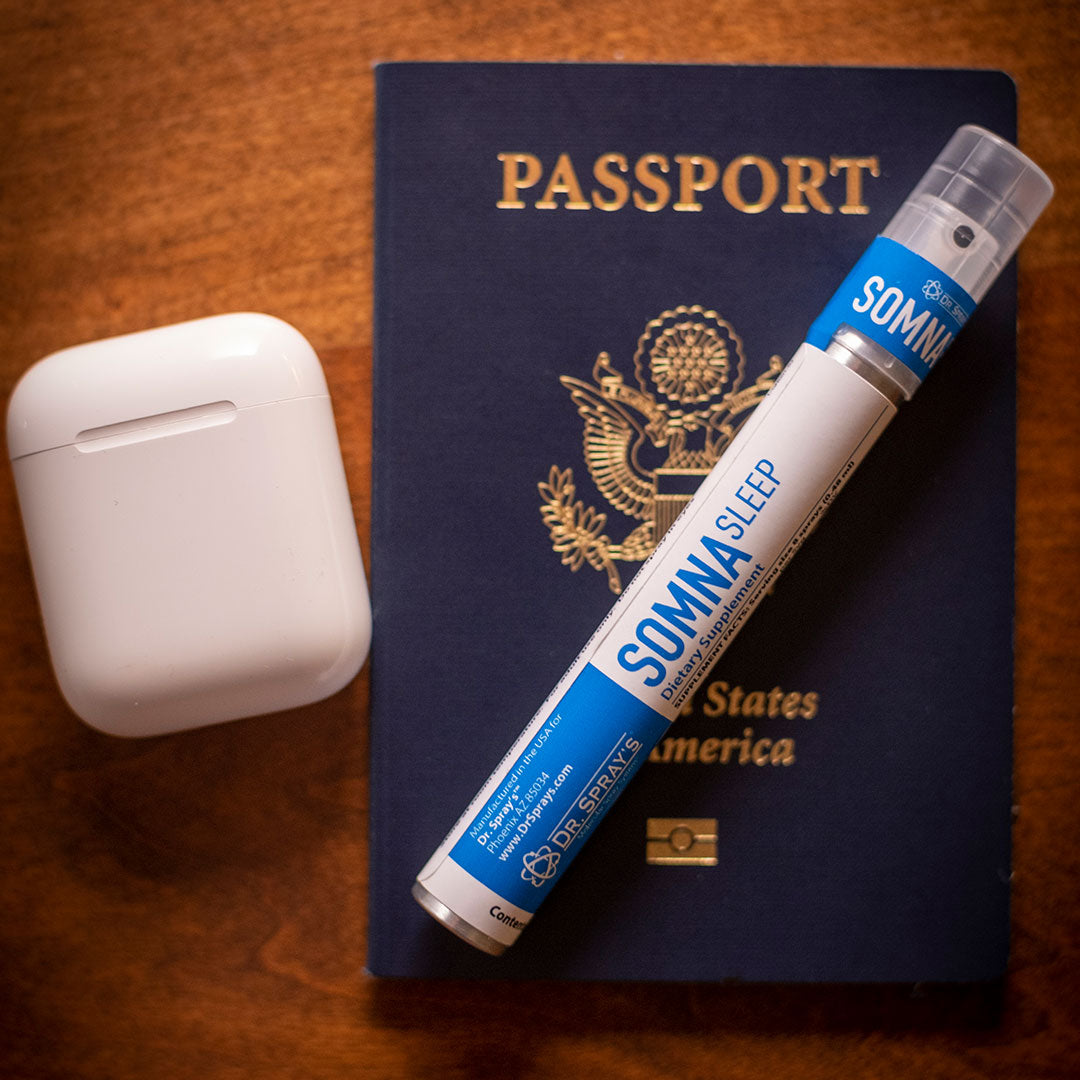
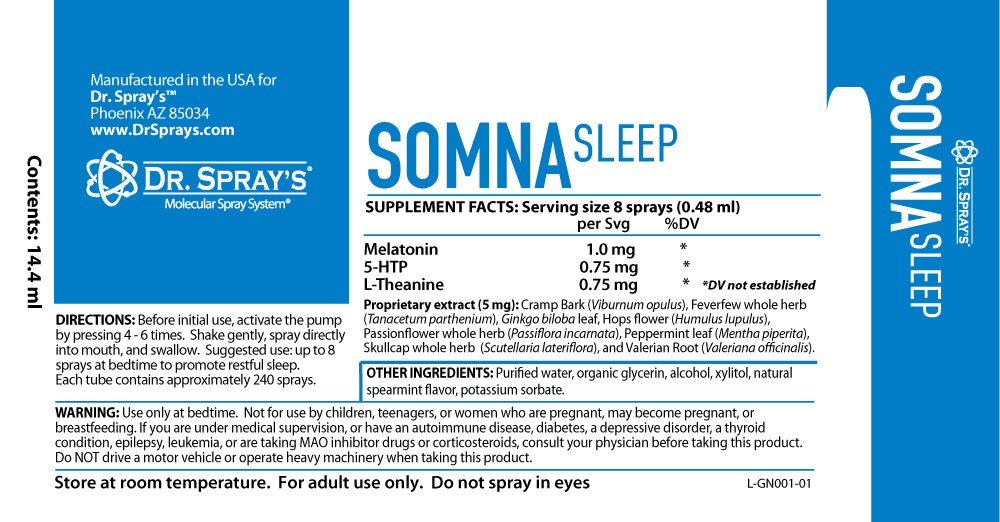
Explore our complete line of vitamin sprays designed for efficient absorption and convenient use. From B12 for energy support to natural sleep support for parents recovering from disrupted rest patterns, our doctor-developed formulations support your wellness during demanding life phases.
Manufactured right here in Phoenix, Arizona, in our FDA-registered facility, every DrSprays product meets rigorous quality standards. Our spray delivery system offers up to 90% absorption—supporting your body efficiently when convenience matters most.
Visit DrSprays.com today and discover the difference doctor-developed oral spray vitamins can make in your daily wellness routine.