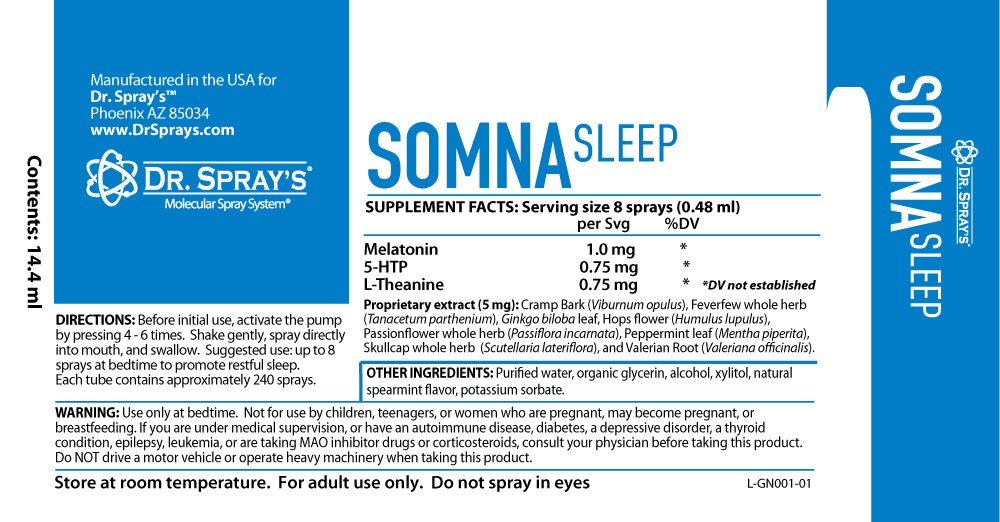
Ending co-sleeping with your 4-year-old represents a significant milestone in your child's development and your family's sleep routine. While this transition can feel challenging, understanding the biological, emotional, and practical factors involved will help you navigate this change successfully. Proper nutrition and sleep support play crucial roles in making this transition smoother for both parent and child.
Understanding Why Co-Sleeping Patterns Develop
Co-sleeping often begins as a practical solution for nighttime feeding, comfort, or family bonding. By age four, however, children are developmentally ready for independent sleep. The challenge lies not in their capability, but in the established habit pattern that has formed over years.
Children who co-sleep past toddlerhood may experience disrupted sleep cycles, as adult and child sleep patterns differ significantly. Adults cycle through sleep stages every 90 minutes, while young children complete cycles every 60 minutes. This mismatch can lead to frequent night wakings for both parties.
Additionally, nutritional deficiencies can complicate sleep patterns. Inadequate vitamin D levels, for instance, have been linked to sleep disturbances in children. Ensuring your child receives proper nutritional support during this transition becomes especially important.
The Role of Nutrition in Sleep Quality
Before implementing any co-sleeping transition strategy, addressing your child's nutritional foundation can significantly improve outcomes. Sleep quality depends heavily on specific vitamins and minerals that regulate circadian rhythms and neurotransmitter production.
Essential Nutrients for Healthy Sleep Patterns
Vitamin D3 plays a crucial role in sleep regulation. Research shows that vitamin D receptors exist in brain regions controlling sleep, and deficiency correlates with sleep disorders in children. A vitamin D3 spray provides efficient absorption, delivering this critical nutrient directly through the oral mucosa.
B vitamins, particularly B12, support the production of melatonin, the hormone that signals bedtime to the body. Children with adequate B12 levels typically establish more consistent sleep-wake cycles. Unlike traditional pills that young children struggle to swallow, vitamin B12 spray offers a child-friendly delivery method with superior absorption rates.
Magnesium promotes relaxation by regulating GABA, a neurotransmitter that calms nervous system activity. While not addressing co-sleeping directly, ensuring adequate magnesium intake helps children feel naturally drowsy at bedtime and maintain deeper sleep throughout the night.
Why Spray Supplements Work Better for Children
Traditional pills and gummies present challenges for young children. Pills pose choking risks and require cooperation from resistant four-year-olds. Gummies, while appealing, contain sugars that can interfere with bedtime routines and often have lower absorption rates.
Oral spray vitamins bypass digestive processing, delivering nutrients directly into the bloodstream through the thin tissue under the tongue and inside the cheeks. This method achieves up to 90% absorption compared to 10-20% from traditional pills. For parents in Phoenix, Arizona, and surrounding areas, locally-formulated spray supplements provide an evidence-based solution for supporting children's health during developmental transitions.
Creating the Right Sleep Environment
Environmental factors significantly influence your child's willingness and ability to sleep independently. A bedroom that feels safe, comfortable, and appealing encourages your four-year-old to embrace their own space.
Room Setup Essentials
Temperature regulation matters more than many parents realize. The ideal bedroom temperature for children ranges between 65-70°F. Overheated rooms disrupt sleep cycles and increase night wakings. In Phoenix's warm climate, ensuring adequate cooling becomes particularly important for supporting independent sleep.
Lighting should transition from bright during active play to dim during the bedtime routine, signaling the body to increase melatonin production. Blackout curtains help maintain darkness throughout the night, preventing early morning light from disrupting sleep. A small nightlight can provide comfort without interfering with sleep quality.
Sound management creates predictability. White noise machines mask household sounds that might wake your child. Consistent background noise helps children transition between sleep cycles without fully waking.
Making the Bed Inviting
Involve your four-year-old in choosing new bedding featuring their favorite characters or colors. This ownership increases investment in using their own bed. Let them select a special stuffed animal or blanket that stays exclusively in their bed, creating positive associations with the space.
Consider bed placement carefully. Some children feel more secure with their bed against a wall or in a corner. Others prefer seeing the door from their bed. Experiment with arrangements that help your child feel protected and comfortable.
Implementing a Gradual Transition Strategy
Abrupt changes often lead to resistance, tears, and abandoned plans. A gradual approach respects your child's emotional needs while moving steadily toward independent sleep.
The Chair Method
Begin by placing a chair next to your child's bed. For the first few nights, sit in the chair while they fall asleep, providing presence without physical contact. Every few nights, move the chair farther from the bed—toward the middle of the room, then near the door, then just outside the door. Eventually, your presence becomes unnecessary.
This method typically takes 2-3 weeks but creates lasting independence. Your child learns to self-soothe while knowing you remain available if truly needed.
The Bedtime Pass System
Give your child one or two "bedtime passes" each night. They can trade a pass for a hug, a drink of water, or one more story. Once passes are used, they understand that requests won't be fulfilled until morning. This system provides controlled comfort while establishing boundaries.
Visual passes work well—laminated cards they physically hand to you. The tangible exchange helps four-year-olds understand the concrete limit better than abstract rules.
The Camping Out Approach
For children who struggle with separation anxiety, start by sleeping on a mattress in their room instead of having them in your bed. Gradually move your mattress farther from their bed over several weeks. Eventually, transition to sleeping in your own room while they remain in theirs.
This method takes longer but works well for highly sensitive children or those with anxiety around separation.
Establishing a Consistent Bedtime Routine
Predictable routines signal sleep readiness to the brain. A well-structured routine lasting 30-45 minutes helps four-year-olds transition from active play to sleep.
Effective Routine Components
Begin with a clear signal that bedtime is approaching—perhaps turning off screens or dimming lights throughout the house. Give a 10-minute warning before starting the routine, allowing your child to finish their current activity.
Include a light, healthy snack if your child tends toward hunger at bedtime. Avoid sugar and caffeine (found in chocolate). A small serving of complex carbohydrates promotes serotonin production, supporting sleepiness.
Bath time serves multiple purposes: it's a clear routine marker, the temperature drop after leaving warm water promotes drowsiness, and it provides calming sensory input. Add this 30-45 minutes before target sleep time.
Administer any nutritional supplements during the routine. If using a vitamin spray to support sleep quality, incorporate it at the same point each night—perhaps after teeth brushing. Consistency helps the body anticipate sleep.
Quiet activities like reading, gentle conversation about the day, or listening to calm music help transition from stimulation to rest. Avoid exciting stories or activities that ramp up energy.
The Power of Routine Timing
Start the bedtime routine at the same time every night, including weekends. Consistent timing synchronizes with natural circadian rhythms, making sleep onset easier. Four-year-olds typically need 10-13 hours of sleep per 24-hour period. Calculate backward from required wake time to determine ideal bedtime.
Addressing Common Challenges and Setbacks
Expect resistance and regression. These normal responses don't indicate failure—they're part of the adjustment process.
Handling Middle-of-the-Night Visits
When your child appears at your bedside during the night, respond consistently. Walk them back to their room with minimal interaction. Avoid conversation, negotiation, or engaging activities. Keep lights dim and voices quiet.
Stay calm and matter-of-fact. Express confidence they can sleep in their own bed. Provide brief reassurance, then leave. If they follow repeatedly, consider a baby gate at their door (with appropriate safety measures) or a consistent consequence like losing a privilege the next day.
Managing Emotional Responses
Your four-year-old may cry, protest, or express anger about sleeping alone. Validate these feelings while maintaining the boundary: "I know you want to sleep in my bed. It's hard to change. You're safe in your bed, and I'm right down the hall."
Avoid lengthy discussions at bedtime. Address concerns during daytime when everyone is calm. Create a plan together for managing fears—perhaps a special flashlight for checking under the bed or a picture of the family next to their pillow.
Dealing with Illness and Regression
When children are sick or facing major life changes (new sibling, moving, starting school), temporary co-sleeping regression may occur. Decide in advance how you'll handle these situations. Some parents allow sick children in their room but on a separate mattress, maintaining some independence while providing comfort.
Set clear expectations: "When you feel better, you'll return to your bed." Follow through once health improves, using the same transition strategies that worked initially.
Supporting Your Own Sleep Needs
Parents ending co-sleeping often experience their own adjustment period. Years of interrupted sleep and hypervigilance take a toll. Prioritizing your recovery improves your consistency and patience during the transition.
Nutritional Support for Parents
Sleep-deprived parents frequently struggle with low energy, mood instability, and weakened immune function. Addressing nutritional gaps helps rebuild resilience during this demanding transition period.
A comprehensive multivitamin oral spray delivers essential nutrients that support energy production, stress response, and overall wellness. With 90% absorption rates, spray supplements ensure your body receives the support it needs even if digestive function has been compromised by chronic stress.
For parents struggling with afternoon energy crashes, metabolic support through specialized spray supplements can provide sustained energy without the sleep disruption associated with caffeine late in the day.
Establishing Your Own Sleep Hygiene
Once your child sleeps independently, resist the temptation to stay up late enjoying child-free time. Maintain consistent sleep-wake times to repair your circadian rhythm. Create your own bedtime routine that includes relaxation techniques like reading, gentle stretching, or meditation.
Limit screen time in the hour before bed, as blue light suppresses melatonin production. If you must use devices, enable night mode or wear blue-light-blocking glasses.
When to Seek Professional Support
While most families successfully navigate co-sleeping transitions independently, certain situations warrant professional guidance.
Signs You May Need Help
Consult a pediatric sleep specialist if your child experiences severe separation anxiety that interferes with daily functioning, shows signs of a sleep disorder (loud snoring, gasping, or long pauses in breathing), or if the transition process creates significant family conflict or parental burnout.
Behavioral therapists can provide additional strategies for children with sensory processing issues, autism spectrum disorders, or other developmental considerations that complicate sleep transitions.
Registered dietitians can assess whether nutritional deficiencies contribute to sleep problems. If you've addressed environmental factors and behavioral strategies without improvement, underlying health issues may require evaluation.
Tracking Progress and Celebrating Success
Monitoring progress helps maintain motivation during challenging moments and identifies patterns that inform strategy adjustments.
Creating a Sleep Chart
Use a visual chart where your child places a sticker for each successful night in their own bed. Define "success" appropriately for your situation—perhaps staying in bed until a specific time, falling asleep independently, or not coming to your room during the night.
Offer small rewards at meaningful milestones: three successful nights, then a week, then two weeks. Rewards might include a special breakfast, choosing a family activity, or selecting a small toy.
Recognizing Non-Linear Progress
Improvement rarely follows a straight line. Expect good nights and difficult nights. Focus on overall trends rather than individual setbacks. If your child sleeps independently four nights this week versus one night last week, celebrate that progress even if you hoped for seven successful nights.
Long-Term Benefits of Independent Sleep
The effort invested in transitioning your four-year-old to independent sleep yields significant benefits that extend well beyond improved rest.
Developmental Advantages
Children who master independent sleep develop stronger self-soothing skills, greater confidence in their abilities, and better emotional regulation. These skills transfer to other areas of life, supporting social development and academic readiness.
Independent sleep also allows for more restorative rest cycles. Children who don't experience disruption from adult movement and sleep pattern differences achieve deeper, more consistent sleep, supporting physical growth, cognitive development, and immune function.
Family Relationship Benefits
Parents who reclaim their bedroom often report improved relationship satisfaction and intimacy. The private space supports couple connection that strengthens the entire family unit.
Additionally, the confidence gained from successfully navigating this transition prepares families for future developmental challenges. The skills and strategies developed during this process apply to other boundaries and independence milestones.
Frequently Asked Questions
How long does it take to stop co-sleeping with a 4-year-old?
Most families see significant progress within 2-4 weeks using consistent strategies, though complete transition may take 4-8 weeks. Gradual methods take longer than abrupt changes but typically result in more lasting success with less distress for everyone involved.
Is 4 years old too late to stop co-sleeping?
No, four years old is not too late. While earlier transitions are sometimes easier, four-year-olds possess language skills and reasoning abilities that can actually facilitate the process. Many families successfully end co-sleeping at this age and beyond.
Should I let my 4-year-old cry when stopping co-sleeping?
This depends on your parenting philosophy and your child's temperament. Some crying during adjustment is normal and doesn't cause harm when children feel secure and loved. However, prolonged distress suggests the need for a more gradual approach. Methods like the chair technique provide presence while establishing independence, reducing crying significantly.
What vitamins help children sleep better?
Vitamin D3, B-complex vitamins (particularly B12), and magnesium support healthy sleep patterns. These nutrients regulate circadian rhythms and neurotransmitter production. Vitamin spray supplements offer superior absorption compared to pills, making them particularly effective for supporting children's nutritional needs during sleep transitions.
Can nutritional deficiencies cause sleep problems in children?
Yes, deficiencies in vitamin D, B vitamins, iron, and magnesium can all contribute to sleep disturbances. If your child experiences persistent sleep difficulties despite behavioral interventions, consider having their nutrient levels evaluated by a pediatrician.
How do I stop my 4-year-old from coming into my room at night?
Consistency is key. Walk them back to their bed every time with minimal interaction. Consider using a special clock that changes color when it's appropriate to get up, teaching them to stay in bed until the designated time. Reward successful nights and maintain the same response to every nighttime visit.
What if one parent wants to stop co-sleeping but the other doesn't?
Parent alignment is crucial for success. Discuss concerns, research together, and compromise on an approach you both support. Inconsistent messages confuse children and undermine progress. If you cannot reach agreement, consider consulting a family therapist to facilitate productive discussion.
Are oral spray vitamins safe for young children?
When manufactured in FDA-registered, GMP-certified facilities using appropriate formulations and dosages, oral spray vitamins are safe for children. The spray delivery method actually eliminates choking risks associated with pills. Always choose reputable brands and consult your pediatrician before starting any supplement regimen.
Taking the First Step
Ending co-sleeping with your four-year-old requires commitment, consistency, and patience, but the benefits for your child's development and your family's well-being make the effort worthwhile. Start by optimizing foundational factors like nutrition and sleep environment, then implement a gradual transition strategy that fits your family's values and your child's temperament.
Remember that setbacks are normal and don't indicate failure. Each small step toward independence matters, even when progress feels slow. Celebrate improvements, maintain consistent boundaries, and trust that you're supporting your child's development of crucial self-regulation skills.
The transition period may feel challenging, but most families report that after successful adjustment, they wonder why they didn't make the change sooner. Your well-rested, confident four-year-old—and your restored bedroom sanctuary—will be worth every patient, consistent effort.
Support Your Family's Sleep Success
Quality nutrition forms the foundation for healthy sleep patterns in both children and adults. During demanding transitions like ending co-sleeping, ensuring your family receives optimal nutritional support can make a significant difference in outcomes.
DrSprays offers doctor-developed oral spray vitamins formulated for maximum absorption and effectiveness. Our products are manufactured in an FDA-registered, GMP-certified facility in Phoenix, Arizona, using the highest quality ingredients and rigorous testing standards.
Whether you're looking to support your child's sleep quality with vitamin D3 spray, boost your own energy levels during this transition with a comprehensive multivitamin spray, or strengthen your family's immune systems with vitamin C and zinc spray, we provide science-backed solutions delivered through superior absorption technology.
Explore our complete collection of spray supplements and discover how simple, effective nutrition can support your family's health and wellness goals. With 90% absorption rates and formulations designed for real results, DrSprays helps your family thrive during every developmental milestone.
About the Author
This article was developed by the DrSprays content team in collaboration with nutritional science experts and child development specialists. Our mission is to provide evidence-based information that helps families make informed decisions about health and wellness. All DrSprays content is reviewed for accuracy and updated regularly to reflect current research and best practices.