Transitioning away from feeding to sleep is one of the most challenging milestones for parents of one-year-olds. This comprehensive guide explores effective strategies to help your toddler develop independent sleep skills while maintaining their nutritional needs and supporting healthy sleep patterns.
Understanding Sleep Associations in One-Year-Olds
By age one, many children have developed strong sleep associations with feeding—whether breastfeeding or bottle-feeding. This connection forms because feeding provides comfort, warmth, and a natural drowsiness that helps babies drift off to sleep. However, these associations can create challenges when your child wakes during normal sleep cycles and cannot self-soothe back to sleep without feeding.
Sleep associations become problematic when they prevent your child from developing independent sleep skills. Understanding the difference between a sleep crutch and a genuine nutritional need is the first step toward successful transition.
Physical Development at One Year
At twelve months, most toddlers are physically capable of sleeping through the night without nutritional intake. Their stomachs can hold enough food during the day to sustain them through 10-12 hours of nighttime sleep. This developmental readiness makes one year an ideal time to begin the transition away from feeding to sleep.
Gradual Transition Strategies
Abrupt changes can be stressful for both parent and child. A gradual approach typically yields better long-term results and preserves the emotional security your child needs during this developmental stage.
The Feeding-Wake Window Method
This strategy involves gradually separating feeding from sleep by introducing a brief activity between feeding and bedtime. Start by feeding your child, then engage in a quiet activity like reading a short book or singing a gentle song before placing them in their crib drowsy but awake.
Week 1: Feed as usual, then spend 2-3 minutes in quiet activity before bed.
Week 2: Extend the wake window to 5-7 minutes with calm interaction.
Week 3: Move feeding earlier in the bedtime routine, creating a 10-15 minute gap before sleep.
Earlier Feeding Schedule
Gradually shift the last feeding of the day earlier in your bedtime routine. Instead of feeding immediately before sleep, make it the first or second step in a consistent bedtime sequence that might include bath time, pajamas, feeding, books, and then bed.
Creating a Sleep-Supportive Environment
Environmental factors significantly impact your child's ability to fall asleep independently. Optimizing these conditions can make the transition smoother and more successful.
Room Conditions
Maintain a room temperature between 68-72°F (20-22°C) for optimal sleep comfort. Use blackout curtains to eliminate light disruptions, and consider a white noise machine to mask household sounds that might wake your toddler during lighter sleep cycles.
Consistent Sleep Schedule
Establish and maintain consistent wake times, nap times, and bedtimes—even on weekends. This consistency reinforces your child's circadian rhythm, making it easier for them to fall asleep naturally when bedtime arrives.
Alternative Comfort Techniques
As you reduce feeding to sleep, your child will need new sources of comfort and security to ease the transition to independent sleep.
Transitional Objects
Introduce a safe lovey or small blanket that your child associates with comfort and security. Allow them to hold this object during bedtime routine and throughout the night. Ensure any object meets safety standards for one-year-olds—no loose parts, appropriate size, and breathable materials.
Physical Comfort Methods
Gentle patting, back rubbing, or simply placing your hand on your child's chest can provide reassurance without creating a feeding association. Gradually reduce the intensity and duration of this physical contact over several weeks as your child becomes more confident in self-soothing.
Nutritional Considerations During Sleep Training
Ensuring your one-year-old receives adequate nutrition during waking hours becomes particularly important when reducing nighttime feedings.
Daytime Feeding Strategy
Increase the frequency and nutritional density of daytime meals and snacks. Offer three substantial meals and 2-3 healthy snacks throughout the day to ensure caloric needs are met without nighttime feeding.
Focus on nutrient-dense foods including:
- Whole grains for sustained energy
- Protein sources like eggs, beans, and lean meats
- Healthy fats from avocado, nut butters, and olive oil
- Colorful fruits and vegetables for essential vitamins
- Dairy or fortified alternatives for calcium and vitamin D
Supporting Sleep Through Nutrition
Certain nutrients play crucial roles in sleep regulation and quality. Ensuring your child receives adequate amounts can support the transition to independent sleep.
Vitamin B12 supports healthy nervous system function and helps regulate sleep-wake cycles. While B12 is naturally present in animal proteins, some toddlers may benefit from supplementation, particularly if they follow plant-based diets or have limited dietary variety.
Vitamin D3 influences sleep quality and duration. Many children in Phoenix, Arizona and other sunny climates paradoxically have insufficient vitamin D levels due to indoor activities and sun protection practices. Adequate D3 levels support both immune function and healthy sleep patterns.
Magnesium promotes relaxation and helps regulate neurotransmitters that control sleep. Foods rich in magnesium include bananas, sweet potatoes, and whole grains.
Addressing Night Wakings
Even after successfully eliminating feeding to sleep, night wakings may continue temporarily as your child adjusts to new sleep patterns.
Response Strategies
When your child wakes during the night, wait 30-60 seconds before responding to allow them the opportunity to self-soothe. If intervention becomes necessary, use the least amount of assistance required—starting with verbal reassurance from the doorway before progressing to physical comfort if needed.
Distinguishing Needs from Habits
Learn to differentiate between genuine distress and habitual waking. Brief fussing or whimpering often resolves within minutes if given the chance, while sustained crying that escalates requires parental response and comfort.
Common Challenges and Solutions
Most parents encounter obstacles during this transition. Anticipating these challenges helps you respond effectively when they arise.
Increased Protest
Initial resistance is normal and expected. Your child may cry more intensely during the first few nights as they adjust to the new routine. Consistency is critical—changing approaches frequently extends the adjustment period and creates confusion.
Illness or Teething Disruptions
Suspend sleep training during illness or significant teething discomfort. Provide the comfort and care your child needs, then resume training once they've recovered. Brief setbacks don't erase previous progress.
Partner Alignment
Ensure all caregivers follow the same approach. Inconsistent responses between parents or caregivers undermine the transition and prolong the adjustment period.
Modern Supplementation Solutions
Traditional vitamin delivery methods can be challenging with one-year-olds who resist taking pills or dislike liquid vitamin taste. Modern vitamin spray technology offers practical alternatives for busy parents.
Oral spray vitamins provide precise dosing in formats that toddlers typically accept more readily than pills or traditional liquids. With absorption rates reaching 90% compared to 10-20% for pills, spray supplements deliver nutrients efficiently through the oral mucosa.
For parents in Phoenix, Arizona seeking convenient supplementation options, spray-based vitamins eliminate common compliance challenges. A vitamin B12 spray takes seconds to administer and doesn't require food or water, making it ideal for busy morning routines or before bedtime.
Similarly, a vitamin D3 spray can help ensure adequate levels of this essential nutrient, particularly important for supporting immune function and healthy sleep patterns in growing toddlers.
Sleep Support Through Supplementation
While establishing healthy sleep habits remains the foundation of good sleep, certain supplements may support the transition when used appropriately and under pediatric guidance.
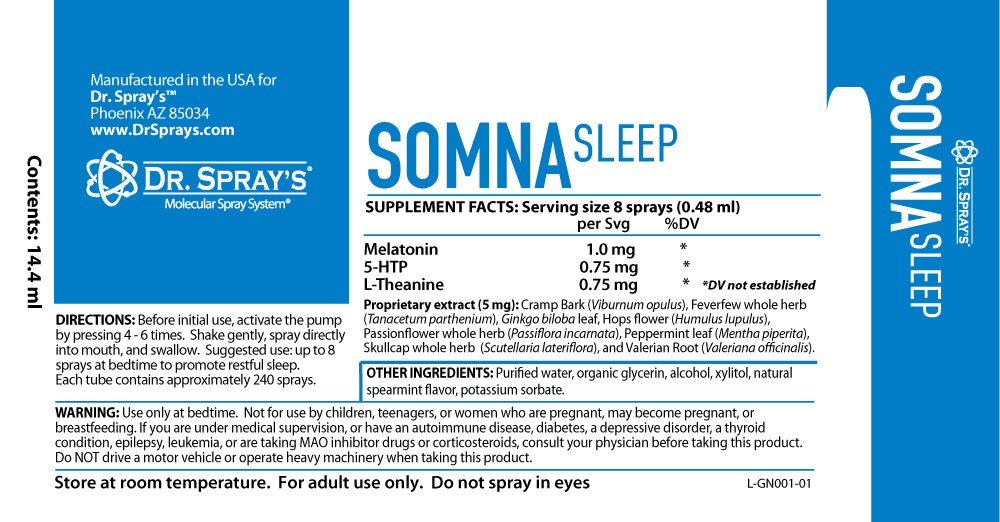
Natural sleep support ingredients like chamomile or passionflower have been traditionally used to promote relaxation. However, always consult your pediatrician before introducing any supplements to your child's routine, as individual needs and tolerances vary.
For parents seeking sleep support solutions, spray delivery systems offer precise dosing and rapid absorption—important factors when supporting bedtime routines.
Timeline Expectations
Understanding realistic timelines helps maintain patience and consistency throughout the transition process.
First Week
Expect increased resistance and more frequent night wakings as your child adjusts to new sleep patterns. This initial period is typically the most challenging but also the most important for establishing new habits.
Weeks 2-3
Most children begin showing improvement during this period. Night wakings may decrease, and falling asleep without feeding becomes easier. Continue consistent responses even as you see progress.
One Month and Beyond
By four weeks, many toddlers have fully adapted to independent sleep. Some children require longer—up to six weeks for complete transition. Individual variation is normal and doesn't indicate failure.
When to Seek Professional Guidance
While most children successfully transition with parental guidance, certain situations warrant consultation with pediatric sleep specialists or healthcare providers.
Consider professional support if:
- Your child shows signs of significant distress beyond normal adjustment
- Sleep disruptions persist beyond six weeks of consistent approach
- You notice developmental regression in other areas
- Feeding difficulties extend to daytime meals
- Family stress levels become unmanageable
Long-Term Sleep Health
Successfully transitioning away from feeding to sleep establishes a foundation for healthy sleep patterns that benefit your child for years to come.
Independent Sleep Skills
Children who learn to fall asleep independently typically experience:
- Longer consolidated sleep periods
- Better ability to self-soothe during night wakings
- More adaptable sleep in various environments
- Reduced bedtime resistance as they grow
Family Well-Being
Improved child sleep positively impacts entire family dynamics. Parents experience better sleep quality, reduced stress, and improved daytime functioning—benefits that support overall parenting effectiveness and family relationships.
Maintaining Nutritional Adequacy
As you eliminate nighttime feedings, vigilance about daytime nutrition becomes increasingly important. One-year-olds have high nutritional needs relative to their small stomach capacity.
Key Nutrients for Toddlers
Ensure your child's diet includes adequate amounts of:
Iron: Critical for cognitive development and energy. Sources include fortified cereals, lean meats, and beans.
Calcium and Vitamin D: Essential for bone development. Dairy products, fortified plant milks, and safe sun exposure support these needs.
Omega-3 Fatty Acids: Support brain development. Found in fatty fish, chia seeds, and walnuts.
B Vitamins: Support energy metabolism and nervous system function. Present in whole grains, eggs, and lean proteins.
When dietary intake doesn't meet needs due to picky eating or limited variety, oral spray vitamins provide convenient supplementation options that toddlers typically accept more readily than pills.
Creating a Comprehensive Bedtime Routine
A predictable, calming bedtime routine helps signal sleep time without relying on feeding as the primary cue.
Effective Routine Components
Design a 20-30 minute routine that includes:
- Transition Signal: Use a consistent cue like dimming lights or starting bath time to indicate the day is ending
- Hygiene Activities: Bath, teeth brushing, and diaper change in the same order each night
- Feeding: If continuing nighttime feeding, place it early in the routine, not immediately before sleep
- Calm Activities: Quiet reading, gentle songs, or soft music
- Final Steps: Say goodnight to family members, close curtains, turn on white noise
- Placement: Put your child in their crib drowsy but awake
Consistency Across Caregivers
Ensure all family members follow the same routine sequence. This predictability helps your child feel secure and understand what to expect, reducing anxiety around bedtime.
Emotional Considerations
The transition away from feeding to sleep represents a significant emotional milestone for both parent and child.
Managing Parental Feelings
Many parents experience guilt or sadness when ending feeding to sleep, particularly if breastfeeding. These feelings are valid and normal. Remember that supporting your child's development of independent skills is a loving act that benefits their long-term well-being.
Supporting Your Child Emotionally
Provide extra cuddles and attention during daytime hours as you reduce nighttime feeding. This reassures your child that your bond remains strong even as sleep patterns change.
Frequently Asked Questions
How long does it take to stop feeding to sleep for a one-year-old?
Most children adapt within 2-4 weeks of consistent approach, though some may take up to six weeks. The timeline varies based on your child's temperament, previous sleep habits, and consistency of the new routine. Gradual approaches typically take longer than more direct methods but may feel gentler for both parent and child.
Should I stop night feedings completely when eliminating feeding to sleep?
Not necessarily. While feeding to sleep and night feedings are related, they're separate issues. A one-year-old is typically capable of sleeping through the night without nutritional intake, but the decision to eliminate night feedings should be made in consultation with your pediatrician based on your child's growth, development, and individual needs.
What if my one-year-old refuses to sleep without feeding?
Initial resistance is normal and expected. Offer alternative comfort methods like patting, shushing, or providing a lovey. Remain consistent with your new approach while providing reassurance. If significant distress continues beyond a week, consider slowing the transition pace or consulting a pediatric sleep specialist for personalized guidance.
Can supplements help my toddler sleep better?
Certain nutrients like vitamin D3, B vitamins, and magnesium support healthy sleep patterns, but supplements should complement—not replace—healthy sleep habits and routines. Always consult your pediatrician before introducing supplements. Spray-based delivery systems offer advantages for toddlers who resist pills or liquids, with higher absorption rates and easier administration.
Is it okay to let my one-year-old cry during this transition?
Approaches vary based on parental philosophy and child temperament. Some methods involve allowing brief periods of fussing while monitoring, while others use minimal or no crying approaches. Choose a method aligned with your parenting values and your child's needs. Crying during adjustment doesn't cause harm when you're responsive and your child feels secure, but prolonged or intense distress may indicate the approach needs modification.
How do I handle nap times differently from nighttime?
Apply the same principles to naps as nighttime sleep—separation of feeding from sleep, consistent routine, and drowsy but awake placement. However, many parents find nap training slightly easier than nighttime training, so you might begin with naps to build confidence before addressing nighttime sleep.
What nutritional supplements are most important for one-year-olds?
The most commonly recommended supplements for toddlers include vitamin D3 (particularly in areas with limited sun exposure), vitamin B12 (especially for children following plant-based diets), and iron if indicated by your pediatrician. Spray vitamins offer convenient delivery with high absorption rates—particularly useful for parents in Phoenix, Arizona and other busy communities seeking efficient supplementation options.
Will stopping feeding to sleep affect my milk supply if breastfeeding?
If you're eliminating nighttime nursing sessions, you may experience some supply decrease. If maintaining supply is important, you can pump at times when you would have nursed. However, at one year, most children receive primary nutrition from solid foods, with breast milk or formula providing supplemental nutrition rather than primary calories.
About the Author
This article was written by the content team at DrSprays, a Phoenix, Arizona-based company specializing in doctor-developed oral spray vitamins. Our team researches sleep health, childhood nutrition, and innovative supplement delivery methods to provide evidence-based information for parents and caregivers. All DrSprays products are manufactured in an FDA-registered, GMP-certified facility, ensuring the highest quality standards for your family.
Support Your Toddler's Health and Sleep
Transitioning away from feeding to sleep represents just one aspect of supporting your one-year-old's healthy development. Ensuring adequate nutrition through balanced meals and appropriate supplementation creates the foundation for quality sleep and overall well-being.
DrSprays offers a complete line of oral spray vitamins designed for easy administration and superior absorption. Our spray supplements provide precise dosing without the struggles of pills or unpleasant-tasting liquids—perfect for busy parents managing toddler routines.
Explore our Vitamin D3 spray for immune and bone health support, or our Vitamin B12 spray for energy and nervous system function. All products are doctor-developed and manufactured in our FDA-registered facility in Phoenix, Arizona.
Ready to simplify your child's nutrition routine? Shop our complete collection of spray vitamins and experience the convenience of modern supplementation designed for real family life.