Weaning a toddler from nursing to sleep represents one of the most challenging transitions parents face during early childhood development. This comprehensive guide explores evidence-based strategies while addressing the nutritional considerations that become especially important during this period of change.
Understanding the Nursing-to-Sleep Association
By age two, many toddlers have developed a strong association between nursing and falling asleep. This connection isn't simply about nutrition—it involves comfort, security, and a well-established bedtime routine. The process typically began in infancy when nursing naturally helped babies relax and drift off to sleep.
Research shows that sleep associations formed before age two become deeply ingrained behavioral patterns. Your child's brain has literally wired nursing and sleep together through consistent repetition. Understanding this neurological connection helps explain why weaning from this habit requires patience, consistency, and often several weeks of adjustment.
Why Two Years Is a Common Weaning Age
Many parents choose to wean around the two-year mark for several reasons. At this age, toddlers have typically developed more diverse dietary habits, possess greater communication skills, and can better understand simple explanations about changes to their routine. Additionally, the nutritional benefits of breast milk, while still valuable, become less critical as solid foods take on a more prominent role in meeting daily nutritional needs.
Creating a Gradual Weaning Plan
Abrupt changes to sleep routines often result in increased stress for both parent and child. A gradual approach typically yields better long-term results and fewer nighttime struggles.
Week-by-Week Transition Strategy
Begin by shortening nursing sessions before sleep. If your child typically nurses for fifteen minutes, reduce this to ten minutes for three to four nights. Explain in simple terms that "we're having a shorter feeding time tonight." Even at two years old, children understand more than we often give them credit for.
After successfully shortening sessions, introduce a transitional comfort item such as a special blanket or stuffed animal. This object should be present during nursing sessions so your child associates it with the same feelings of comfort and security.
During the second week, move nursing earlier in the bedtime routine. Instead of nursing immediately before placing your child in bed, nurse after bath time but before the final bedtime story. This strategic repositioning helps break the direct connection between nursing and falling asleep.
Building New Sleep Associations
Introduce calming activities that can eventually replace nursing as the primary sleep cue. This might include gentle back rubs, soft singing, or quiet storytelling. The key is consistency—perform the same sequence of activities every night to establish new neural pathways connecting these actions with sleep onset.
Addressing Nutritional Needs During Weaning
As nursing decreases, ensuring your toddler receives adequate nutrition becomes paramount. This transition period often reveals dietary gaps that were previously filled by breast milk.
Essential Nutrients for Toddler Development
Two-year-olds require specific nutrients to support rapid brain development, immune function, and physical growth. Vitamin D plays a crucial role in calcium absorption and bone development. Vitamin B12 supports cognitive development and energy production. Vitamin C bolsters immune function, especially important as toddlers encounter more environmental exposures.
Traditional children's vitamins present challenges for this age group. Gummies pose choking hazards, while pills are impossible for toddlers to swallow. Liquid vitamins often have strong tastes that picky two-year-olds reject. Oral spray vitamins offer an innovative solution that bypasses these common obstacles while providing superior absorption rates compared to traditional supplements.
Why Spray Supplements Work for Toddlers
Vitamin spray technology addresses multiple concerns simultaneously. The format eliminates choking risks entirely. Most toddlers find the quick spray delivery less invasive than forcing down liquid medicine. Perhaps most importantly, spray supplements developed by medical professionals achieve absorption rates up to 90% because nutrients enter the bloodstream directly through the oral mucosa, bypassing the digestive system where many traditional supplements lose potency.
For parents in Phoenix, Arizona and surrounding areas, locally manufactured vitamin sprays from FDA-registered facilities provide quality assurance and support for regional businesses. The dry Arizona climate can increase certain nutritional needs, making consistent supplementation especially relevant for families in the Southwest.
Managing Night Wakings During Weaning
Expect some regression in sleep patterns during the initial weaning phase. Your toddler may wake more frequently or resist bedtime more strongly. These responses are normal and typically temporary.
Consistent Response Strategies
When your child wakes and requests nursing, offer comfort through other means. Pick them up, provide reassurance, offer water, but remain firm about the new boundaries. Consistency is absolutely critical—mixed messages prolong the adjustment period and increase confusion.
Some families find success with the "don't offer, don't refuse" approach. This method involves not initiating nursing sessions but also not denying them if the child specifically requests to nurse. Over time, requests naturally decrease as other comfort measures prove effective.
Partner Involvement
If possible, involve a partner or co-parent in nighttime responses during weaning. Sometimes a toddler responds more readily to sleep support from the parent who doesn't nurse them. This strategy can significantly reduce nighttime struggles and help establish new sleep associations more quickly.
Daytime Preparation for Nighttime Success
The work of weaning from nursing to sleep happens primarily during waking hours. Focus on increasing independence, building confidence, and establishing security throughout the day.
Emphasizing Connection During Waking Hours
Increase physical affection, one-on-one time, and special activities during the day. When toddlers feel secure in their connection with parents during waking hours, they typically handle nighttime changes with greater resilience. Consider implementing a special "mommy and me" or "daddy and me" activity each day that provides undivided attention and physical closeness.
Supporting Overall Health and Energy
Well-rested, properly nourished toddlers handle transitions more successfully. Ensure your child's diet includes adequate protein, complex carbohydrates, and healthy fats. Vitamin D3 spray can support mood regulation and sleep quality, while vitamin B12 spray helps maintain consistent energy levels throughout the day, reducing overtiredness that often complicates bedtime routines.
Alternative Comfort Strategies
As nursing decreases, introduce multiple comfort options so your child develops a varied toolkit for self-soothing.
Physical Comfort Techniques
Gentle rhythmic patting mimics the calming sensation many toddlers experience during nursing. Place your hand on your child's back or chest and provide slow, steady pats at approximately one per second. This rhythm often triggers relaxation responses.
Soft massage using gentle pressure on the back, feet, or scalp can promote relaxation. Use slow, deliberate movements and maintain consistent pressure. Many toddlers find this physical contact soothing enough to facilitate sleep without nursing.
Environmental Adjustments
Evaluate your child's sleep environment for optimal conditions. Room temperature between 68-72°F typically promotes better sleep. Consider blackout curtains if early morning light causes premature waking. White noise machines can mask household sounds that might interrupt sleep during this sensitive transition period.
When to Seek Additional Support
Most families successfully navigate weaning from nursing to sleep using consistent strategies and patience. However, certain situations warrant professional guidance.
Signs You May Need Professional Help
Persistent sleep disruptions lasting more than six weeks after initiating weaning may indicate underlying issues. If your child shows signs of extreme distress beyond normal adjustment responses, consult your pediatrician. Similarly, significant changes in appetite, mood, or behavior during waking hours deserve professional evaluation.
Some toddlers have sensory processing differences that make transitions particularly challenging. Occupational therapists specializing in pediatric sleep can provide targeted strategies for these situations.
Maintaining Your Own Wellbeing
Parents often overlook their own nutritional and health needs during challenging transitions. Sleep deprivation and stress can deplete your body's nutrient stores rapidly.
Supporting Parental Health
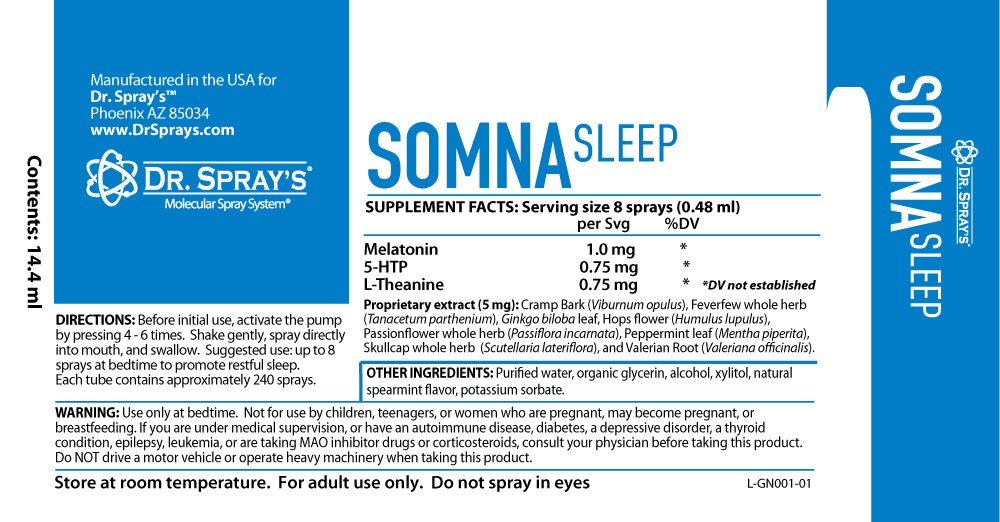
Ensure you're meeting your own nutritional needs during this demanding period. Metabolism support supplements can help maintain energy levels when sleep becomes fragmented. Stress management is equally important—consider whether sleep support supplements might help you maximize the rest you do manage to get.
Remember that maintaining your health directly impacts your capacity to support your child through transitions. This isn't selfish—it's strategic parenting.
Long-Term Sleep Success
The skills your child develops during this weaning process extend far beyond simply falling asleep without nursing. You're teaching self-regulation, resilience, and the ability to adapt to change.
Building Independent Sleep Skills
As your child learns to fall asleep through alternative comfort measures, they're developing crucial self-soothing abilities that will serve them throughout childhood. These skills form the foundation for healthy sleep patterns that can last a lifetime.
Most families see significant improvement within two to four weeks of consistent application of weaning strategies. Some children adjust more quickly, while others need additional time. Neither timeline indicates anything about your child's development or your effectiveness as a parent—it simply reflects individual differences in temperament and adaptability.
Frequently Asked Questions
How long does it typically take to wean a 2-year-old from nursing to sleep?
Most toddlers adjust to new sleep routines within two to four weeks of consistent implementation. However, individual timelines vary based on temperament, how long the nursing-to-sleep association has existed, and the consistency of the weaning approach. Some children adapt within a week, while others may need six to eight weeks to fully transition. Gradual approaches typically result in smoother transitions than abrupt changes.
Should I night wean and bedtime wean simultaneously?
Sleep experts generally recommend addressing bedtime nursing first, then tackling night wakings once your child successfully falls asleep without nursing at bedtime. This staged approach prevents overwhelming your toddler with too many changes simultaneously. However, some families find that night weaning happens naturally once bedtime nursing ends, as children no longer associate nursing with sleep initiation.
What if my child refuses all alternative comfort measures?
Initial resistance to new comfort strategies is completely normal. Continue offering alternatives consistently, even if your child rejects them at first. Try varying your approach—some children respond better to physical touch, while others prefer verbal reassurance or environmental adjustments. Patience and persistence typically result in eventual acceptance of at least one alternative comfort method.
Can vitamin sprays really help during this transition?
While oral spray vitamins don't directly address weaning behaviors, they support overall health during a potentially stressful transition. Adequate nutrition supports mood regulation, immune function, and energy levels—all factors that influence how well both parents and toddlers handle change. The 90% absorption rate of quality spray supplements means nutrients reach the bloodstream efficiently, supporting your child's developmental needs as breast milk decreases.
Is two years old too early or too late for weaning?
There's no universally "correct" age for weaning. The World Health Organization recommends breastfeeding through age two and beyond if mutually desired. However, when nursing begins creating sleep problems or no longer serves both parent and child well, any age becomes appropriate for weaning. Two years represents a developmentally suitable time because toddlers have sufficient communication skills and dietary diversity to handle the transition.
What should I do if weaning causes appetite changes?
Some toddlers temporarily eat less during weaning transitions, while others increase food intake to compensate for reduced nursing. Both responses are normal. Continue offering nutritious meals and snacks at regular intervals. If reduced appetite persists beyond two weeks or you notice concerning weight loss, consult your pediatrician. Comprehensive vitamin sprays can help bridge nutritional gaps during periods of decreased appetite.
How do I handle weaning if I'm pregnant or planning another pregnancy?
Many parents choose to wean when pregnancy makes nursing uncomfortable or when preparing for a new baby's arrival. The same gradual strategies apply, but you might emphasize the upcoming change as a positive developmental milestone. Some children naturally reduce nursing during pregnancy due to changes in milk taste or supply, which can actually facilitate easier weaning.
Should I stop all nursing or just nursing to sleep?
This decision depends entirely on your family's goals. Some parents eliminate only the sleep association while continuing to nurse at other times. Others use sleep weaning as the first step toward complete weaning. Neither approach is inherently superior—choose what aligns with your family's needs and circumstances. Breaking the sleep association alone often resolves most sleep challenges without requiring complete weaning.
Moving Forward With Confidence
Weaning a two-year-old from nursing to sleep challenges even the most confident parents. The process requires patience, consistency, and often more emotional resilience than you anticipated. Remember that temporary setbacks don't indicate failure—they're normal parts of any significant behavioral transition.
As you navigate this change, prioritize both your child's nutritional needs and your own wellbeing. The combination of consistent routines, alternative comfort measures, and adequate nutrition creates the foundation for successful weaning and healthy sleep patterns that extend well beyond toddlerhood.
Trust your instincts, remain flexible enough to adjust strategies that aren't working, and celebrate small victories along the way. Within weeks, the challenging nights will transform into a new normal where your toddler falls asleep peacefully using the independent sleep skills you've helped them develop.
Support Your Toddler's Health During Transitions
As you navigate weaning and other developmental changes, ensure your child receives optimal nutrition with our doctor-developed vitamin sprays. Manufactured in our FDA-registered, GMP-certified facility in Phoenix, Arizona, our oral spray vitamins provide 90% absorption rates—far superior to traditional supplements.
Perfect for toddlers and families:
- No choking hazards or swallowing difficulties
- Fast-acting sublingual absorption
- Easy-to-use spray format
- Pharmaceutical-grade quality ingredients