Sleep quality affects nearly every aspect of health, from immune function to mental clarity. As people search for natural sleep solutions, pillow sprays have gained popularity—but are they actually effective? And how do they compare to more direct delivery methods like oral vitamin sprays?
This comprehensive guide examines the science behind pillow sprays, their benefits and limitations, and how modern spray supplements offer a more efficient approach to supporting healthy sleep patterns.
What Are Pillow Sprays and How Do They Work?
Pillow sprays are aromatic formulations designed to be misted onto bedding before sleep. They typically contain essential oils and botanical extracts that may promote relaxation through aromatherapy—the practice of using scented compounds to influence mood and well-being.
Common Ingredients in Pillow Sprays
Most pillow sprays feature combinations of these ingredients:
- Lavender oil: The most researched aromatherapy ingredient for sleep, known for its calming properties
- Chamomile extract: Traditional relaxation herb with mild sedative effects
- Bergamot: Citrus scent that may reduce anxiety
- Cedarwood: Woodsy aroma associated with grounding effects
- Ylang ylang: Floral scent believed to lower blood pressure
- Vetiver: Earthy oil used in traditional medicine for stress relief
The Aromatherapy Mechanism
When you inhale aromatic compounds, molecules travel through your nasal passages to olfactory receptors. These receptors send signals directly to the limbic system—the brain region that processes emotions, memories, and certain physiological functions including sleep-wake cycles.
This direct pathway explains why scents can trigger immediate emotional responses and why aromatherapy may influence relaxation states. However, the effectiveness varies significantly between individuals and depends on concentration, formulation quality, and personal scent sensitivities.
The Science Behind Pillow Sprays: What Research Shows
While pillow sprays are popular, the scientific evidence supporting their effectiveness is mixed and limited.
Lavender: The Most Studied Ingredient
Research on lavender aromatherapy shows modest benefits. A 2015 systematic review found that lavender inhalation improved sleep quality in several studies, though effect sizes were generally small. The improvements were most notable in individuals with mild sleep disturbances rather than clinical insomnia.
A 2018 study examining lavender's effects on sleep quality found that participants exposed to lavender scent reported feeling more refreshed upon waking, though objective sleep measurements showed minimal changes in actual sleep architecture.
Limitations of Current Research
Several factors limit our understanding of pillow spray effectiveness:
- Small sample sizes: Most aromatherapy studies involve fewer than 100 participants
- Placebo effects: The ritual of using a sleep product may itself promote relaxation
- Dosage inconsistency: The amount of essential oil inhaled varies greatly depending on application method
- Individual variability: Scent preferences and sensitivities differ dramatically between people
- Short study durations: Long-term effects remain largely unknown
Benefits of Pillow Sprays: When They May Help
Despite research limitations, pillow sprays offer several potential advantages for certain individuals.
Creating a Sleep Ritual
The consistent bedtime routine of applying pillow spray can signal to your brain that it's time to wind down. This behavioral conditioning, known as a sleep ritual, helps reinforce healthy sleep patterns regardless of the spray's chemical effects.
Non-Invasive Approach
For people hesitant to take oral supplements or medications, pillow sprays offer a gentle, non-systemic option. There's no ingestion involved, which appeals to individuals concerned about adding substances to their body.
Pleasant Sensory Experience
Many users simply enjoy the calming scents, which can make the bedroom environment more inviting. This psychological comfort may indirectly support better sleep by reducing bedtime anxiety.
Minimal Side Effects
When used as directed, quality pillow sprays rarely cause adverse reactions. The low concentration of essential oils and external application method minimize risk for most users.
Drawbacks and Limitations of Pillow Sprays
While pillow sprays have their place, several significant limitations affect their overall effectiveness.
Indirect Delivery Method
The aromatherapy approach relies on passive inhalation throughout the night. As you move during sleep, your nose's distance from the pillow changes constantly, creating inconsistent exposure to the aromatic compounds. This variability makes it difficult to achieve reliable effects.
No Nutritional Support
Pillow sprays address only the psychological and sensory aspects of sleep. They don't provide the nutritional building blocks your body needs for proper sleep regulation, such as melatonin precursors, magnesium, or B-vitamins.
Sensitivity and Allergic Reactions
Some individuals experience headaches, nasal irritation, or allergic reactions to essential oils. These effects can worsen sleep quality rather than improve it. People with asthma or respiratory sensitivities should exercise particular caution.
Fabric Staining and Residue
Many pillow sprays contain oils that can leave stains on bedding or create residue buildup over time. This requires more frequent washing of pillowcases and may damage delicate fabrics.
Cost Per Use
Quality pillow sprays typically cost $15-30 for bottles lasting 30-60 nights. While not prohibitively expensive, this represents an ongoing cost for uncertain benefits.
The Science of Sleep: What Your Body Actually Needs
To understand whether pillow sprays are truly beneficial, it helps to know what biological processes govern healthy sleep.
The Sleep-Wake Cycle
Your circadian rhythm—the internal 24-hour clock—regulates sleep timing through complex interactions between brain structures, hormones, and environmental cues. Key players include:
- Melatonin: The primary sleep hormone, produced by the pineal gland in response to darkness
- Cortisol: Stress hormone that should decrease at night but remains elevated in stressed individuals
- Adenosine: Neurotransmitter that accumulates during waking hours, creating sleep pressure
- GABA: Inhibitory neurotransmitter that promotes relaxation and reduces neural activity
Nutritional Factors in Sleep Quality
Several nutrients directly influence sleep regulation:
Vitamin D3 receptors exist throughout the brain, including areas that control sleep. Research shows that vitamin D3 spray supplementation may improve sleep quality, particularly in individuals with deficiency. A 2018 study found that correcting vitamin D deficiency improved sleep duration and quality in adults.
Vitamin B12 plays a crucial role in melatonin production and circadian rhythm regulation. Vitamin B12 spray supplements can help maintain healthy sleep-wake cycles, especially important for individuals with absorption issues or dietary restrictions.
Magnesium supports GABA function and helps regulate the body's stress response. Deficiency is associated with insomnia and restless sleep.
Why Direct Delivery Matters
When addressing sleep nutritionally, delivery method significantly impacts effectiveness. Traditional pills must survive stomach acid and first-pass liver metabolism before nutrients enter the bloodstream. This process can reduce bioavailability to 10-20% for some compounds.
Oral spray vitamins bypass much of this degradation. Applied under the tongue or inside the cheek, spray supplements are absorbed directly through the mucous membranes into the bloodstream. This sublingual delivery achieves absorption rates up to 90%—dramatically more efficient than capsules or tablets.
Comparing Pillow Sprays to Oral Vitamin Sprays
When evaluating sleep support options, direct nutritional supplementation offers distinct advantages over environmental aromatherapy approaches.
Absorption and Bioavailability
Pillow sprays rely on passive inhalation of aromatic compounds that may influence mood through olfactory pathways. However, these compounds don't provide nutritional support, and exposure levels are inconsistent.
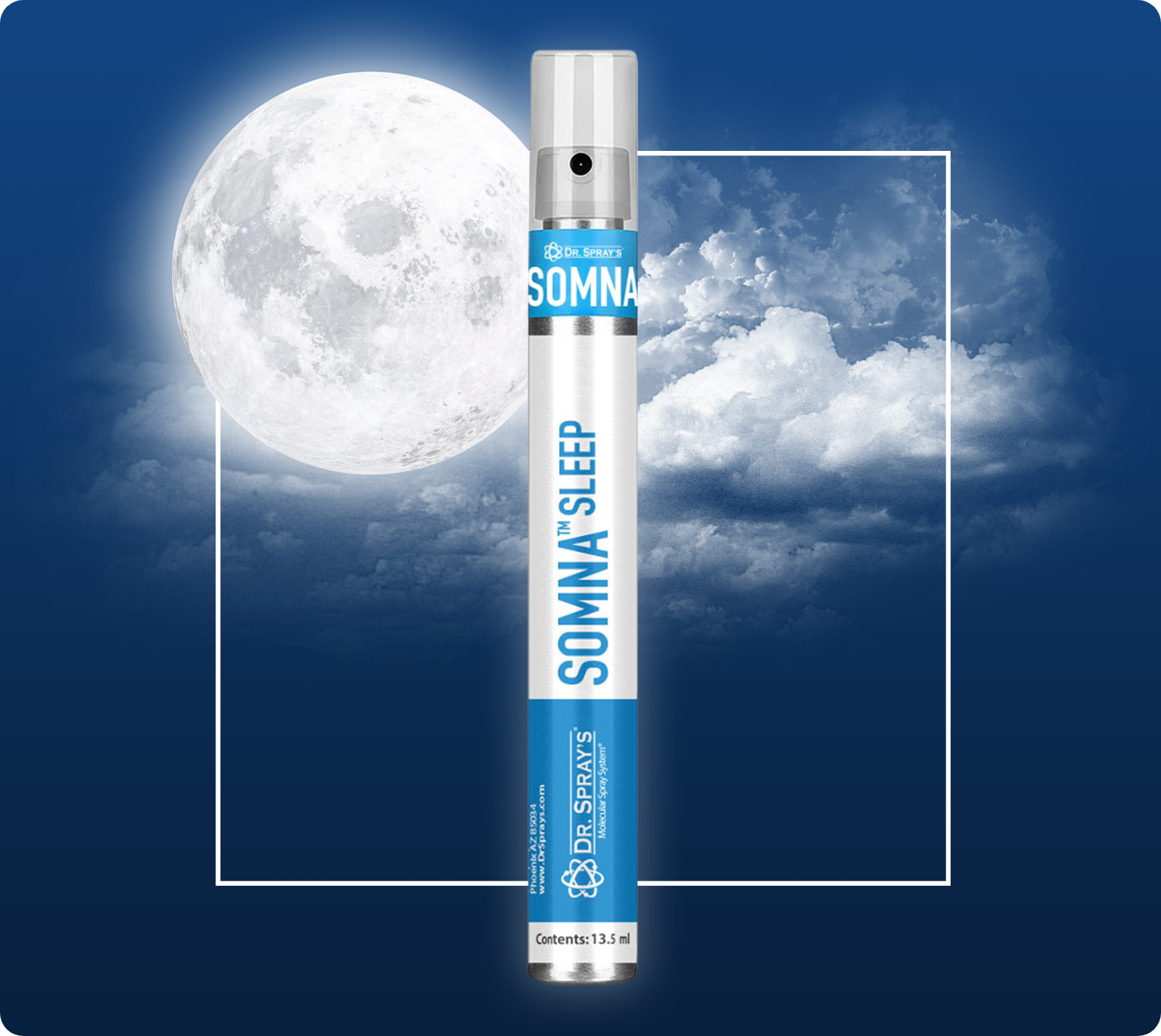
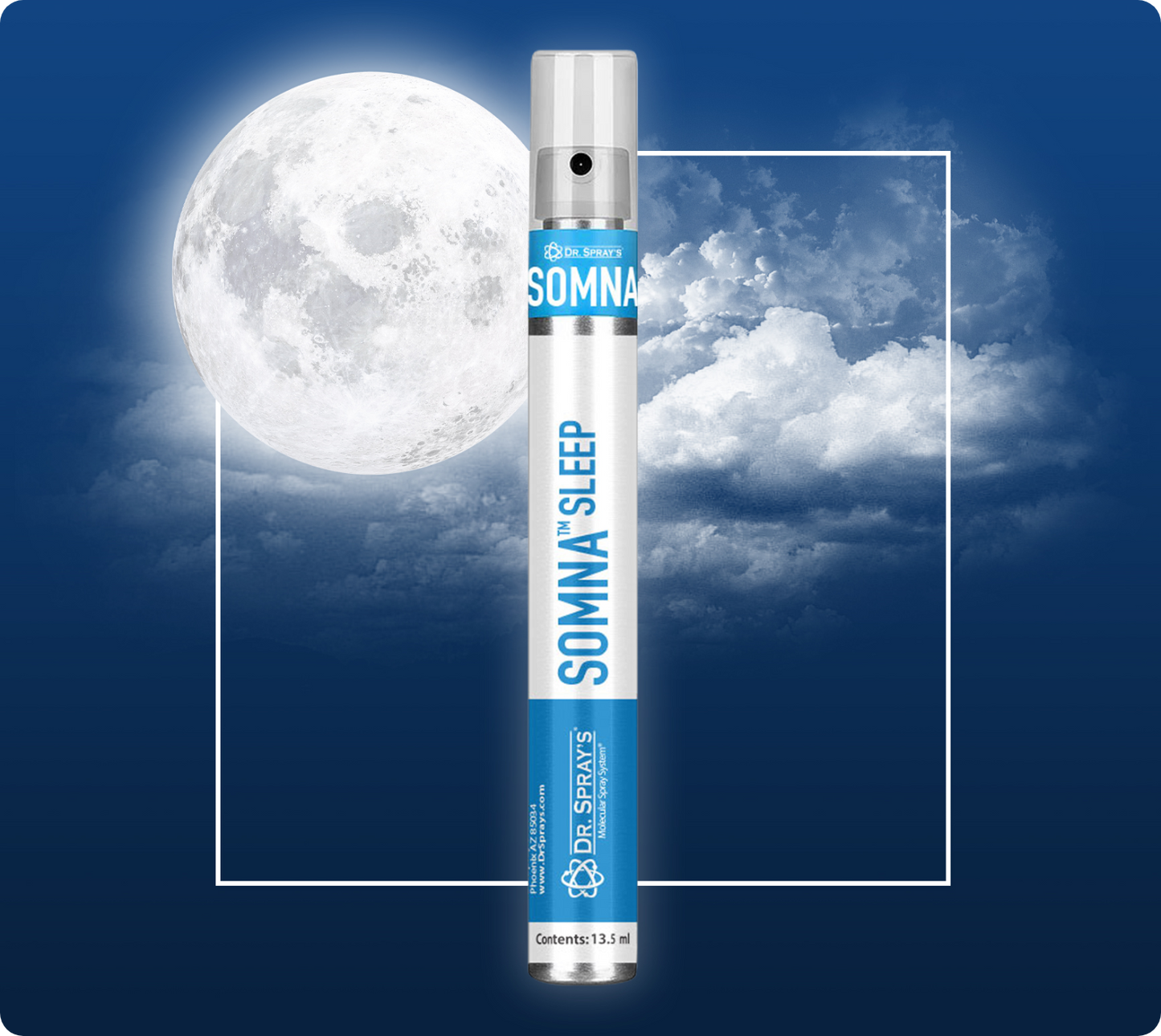
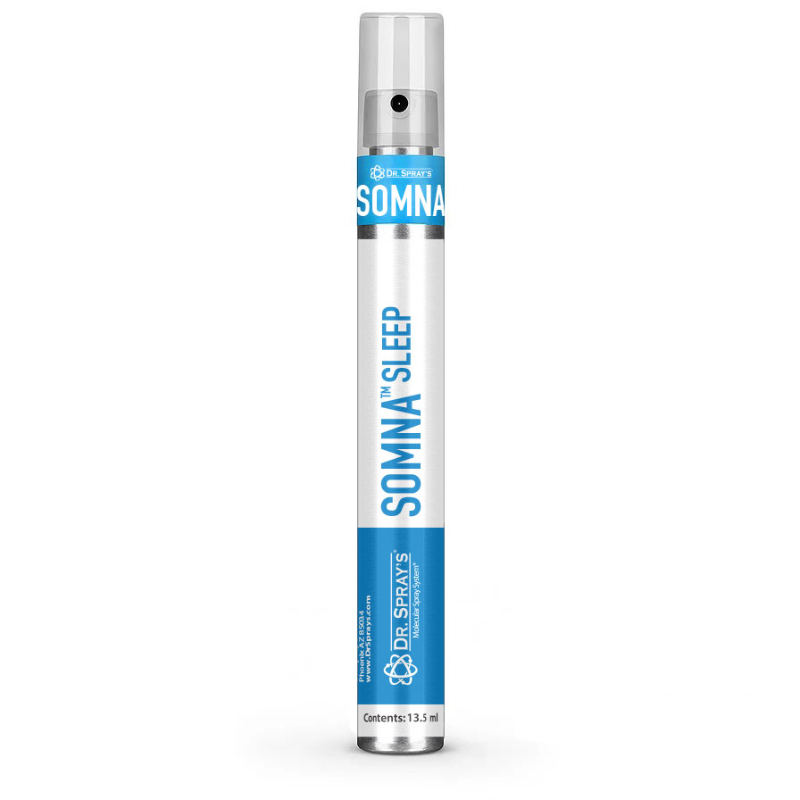
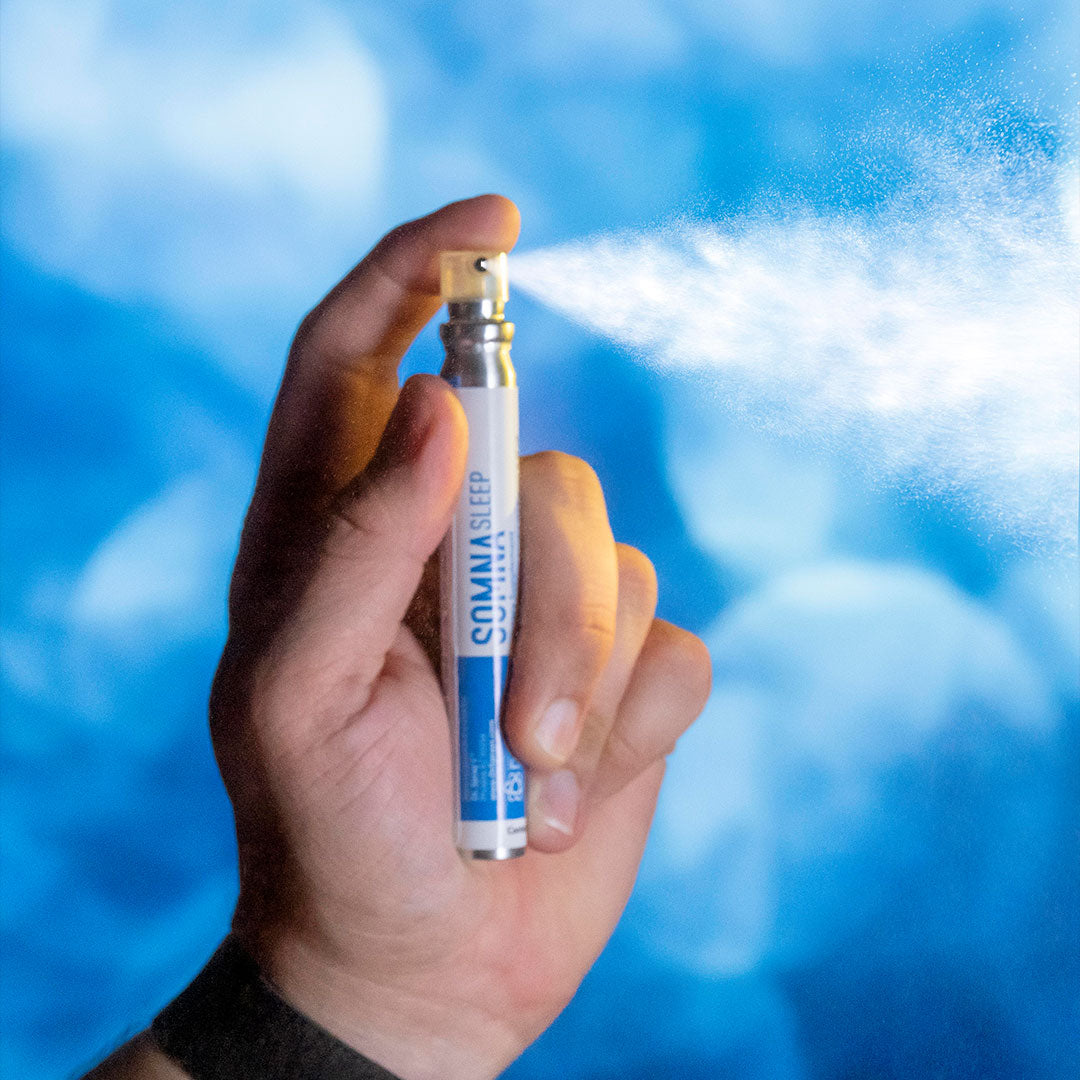
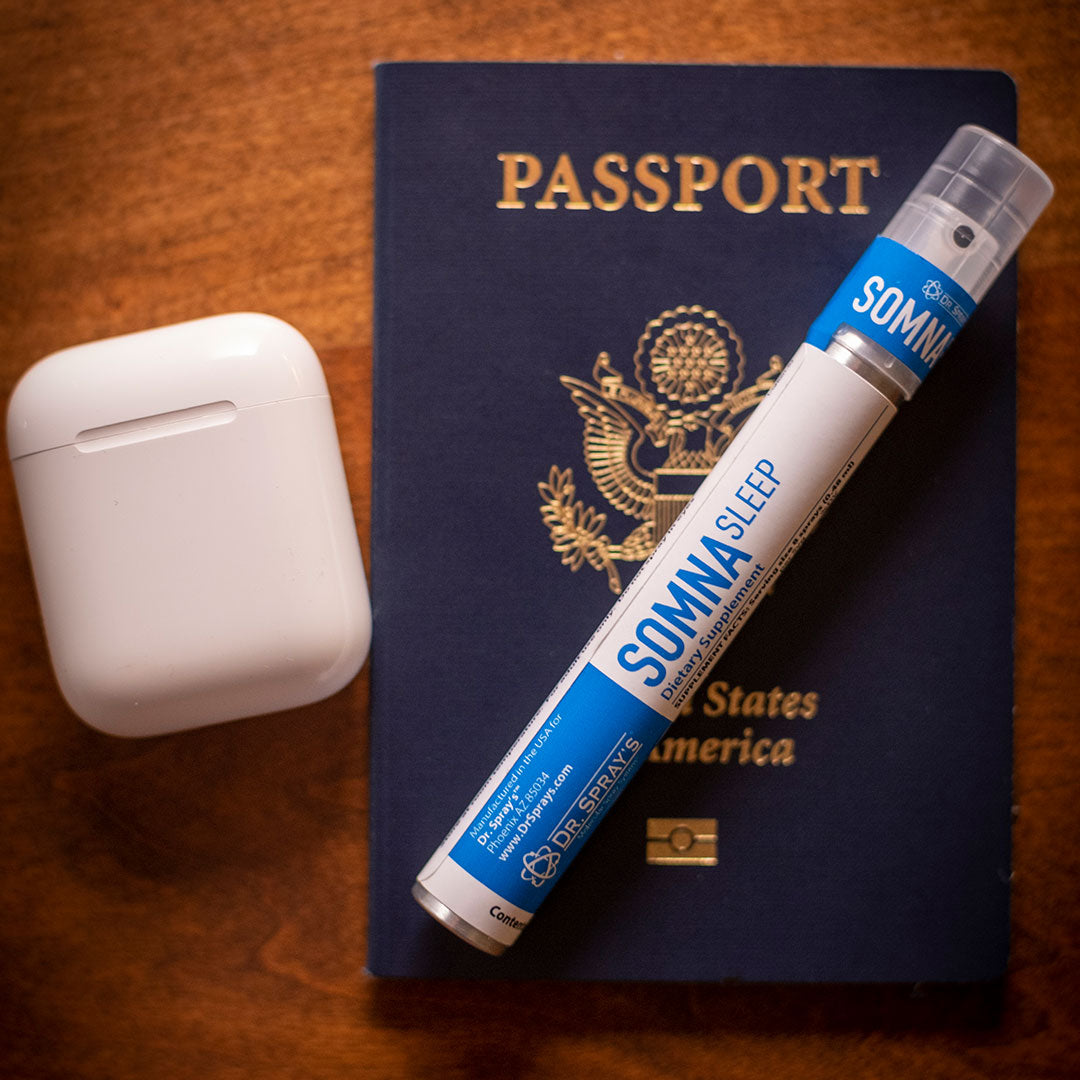
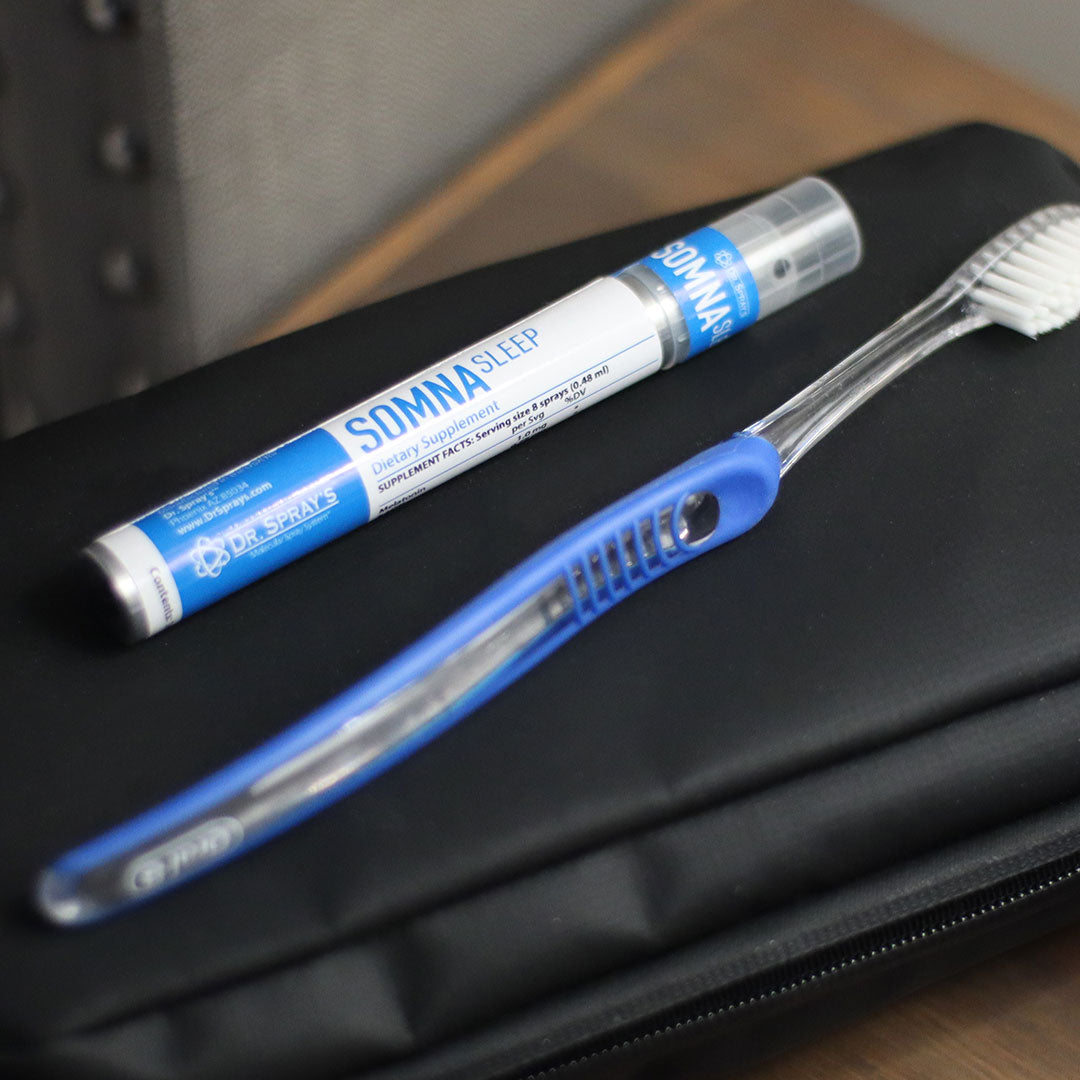
In contrast, vitamin spray products deliver measured doses of sleep-supporting nutrients directly to your bloodstream. For example, a doctor-developed vitamin spray manufactured in Phoenix, Arizona provides precise amounts of active ingredients with proven absorption rates reaching 90%.
Targeted Nutritional Support
Quality sleep spray supplements can include multiple sleep-supporting ingredients in one formula:
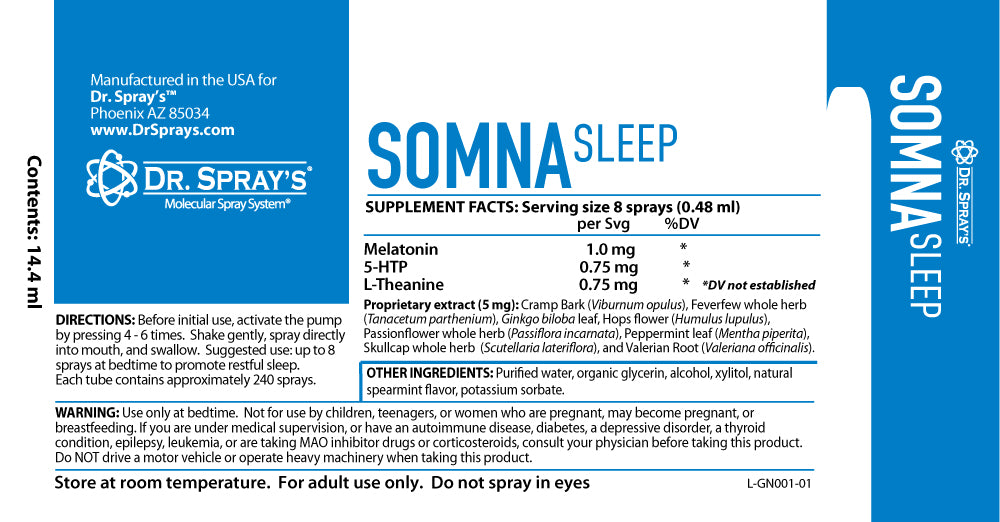
- Melatonin to regulate circadian rhythm
- L-theanine for relaxation without sedation
- GABA to reduce neural excitability
- Magnesium for muscle relaxation
- B-vitamins for neurotransmitter production
This comprehensive approach addresses sleep from multiple biochemical pathways rather than relying solely on scent-based relaxation.
Convenience and Consistency
Pillow sprays require bedding application and lose potency as aromatic compounds dissipate. Oral spray vitamins deliver in seconds with a few sprays under the tongue—no preparation needed, no fabric concerns, and consistent dosing every time.
FDA Regulation and Quality Standards
Pillow sprays are typically classified as cosmetics or aromatherapy products, which face minimal regulatory oversight. Quality and potency can vary significantly between brands.
Dietary supplements, including spray supplements, must meet FDA Good Manufacturing Practice (GMP) standards. Reputable manufacturers in locations like Phoenix, Arizona operate GMP-certified facilities with rigorous quality control, ensuring consistent product purity and potency.
Who Should Consider Pillow Sprays?
Despite their limitations, pillow sprays may benefit specific individuals:
Ideal Candidates for Pillow Sprays
- People with mild sleep onset anxiety: If racing thoughts keep you awake but you sleep fine once relaxed, aromatherapy may provide sufficient support
- Individuals building sleep routines: As part of a comprehensive sleep hygiene approach including consistent bedtimes and screen-free wind-down periods
- Those sensitive to supplements: People who react poorly to oral supplements but want some bedtime ritual
- Scent-responsive individuals: If you notice strong positive reactions to certain aromas in other contexts
When Pillow Sprays Aren't Enough
Pillow sprays are unlikely to help if you experience:
- Frequent middle-of-night waking
- Chronic insomnia lasting more than three months
- Sleep disruption from nutritional deficiencies
- Diagnosed sleep disorders like sleep apnea or restless leg syndrome
- Medication-related sleep disturbances
- Shift work sleep disorder
These conditions require more targeted interventions addressing underlying physiological causes rather than environmental scent exposure.
Making Pillow Sprays More Effective
If you choose to use pillow sprays, maximize their potential benefits with these strategies:
Optimize Your Application Technique
Apply spray 15-30 minutes before bed, allowing aromatic compounds to disperse evenly. Spray both pillowcases and consider a light mist on sheets near your head. Avoid over-application, which can create overwhelming scent that disturbs rather than soothes.
Combine With Comprehensive Sleep Hygiene
Pillow sprays work best as one component of a multi-faceted approach:
- Maintain consistent sleep and wake times
- Keep your bedroom cool (65-68°F optimal)
- Eliminate blue light exposure 2+ hours before bed
- Avoid caffeine after 2 PM
- Exercise regularly but not within 3 hours of bedtime
- Address nutritional deficiencies that impact sleep quality
Choose Quality Products
Select pillow sprays made with pure essential oils rather than synthetic fragrances. Look for products that disclose ingredient concentrations and avoid formulations with alcohol, which can dry out bedding and irritate sensitive skin.
Rotate Scents Periodically
Your olfactory system can become desensitized to repeated exposure to the same scent. Rotating between different calming aromatherapy blends every few weeks may maintain effectiveness.
Addressing Sleep at the Source: Nutritional Solutions
For many people struggling with sleep quality, underlying nutritional deficiencies contribute more significantly than environmental factors like scent.
The Vitamin D-Sleep Connection
Vitamin D deficiency affects nearly 42% of American adults. Research increasingly links inadequate vitamin D levels to poor sleep quality, shorter sleep duration, and daytime sleepiness. Vitamin D receptors in the brain's sleep-regulating regions suggest this nutrient plays a direct role in circadian rhythm control.
Traditional vitamin D supplements face absorption challenges, particularly for individuals with digestive issues. A vitamin D3 spray delivers this fat-soluble vitamin efficiently, supporting optimal levels for healthy sleep regulation.
B12 and Circadian Rhythm Regulation
Vitamin B12 influences melatonin production and helps synchronize circadian rhythms. Deficiency is particularly common in older adults, vegetarians, and individuals with certain digestive conditions.
Because B12 absorption in the digestive tract requires intrinsic factor—a protein some people don't produce adequately—vitamin B12 spray formulations offer superior bioavailability through sublingual delivery.
Comprehensive Nutritional Support
Sleep quality depends on numerous interconnected systems. Rather than addressing single nutrients in isolation, many individuals benefit from comprehensive supplementation that includes:
- B-complex vitamins for neurotransmitter synthesis
- Vitamin D3 for circadian regulation
- Minerals like magnesium for nervous system function
- Targeted sleep-support compounds like melatonin and L-theanine
Modern spray supplements can deliver these nutrients efficiently in convenient formulations designed for optimal absorption.
The Phoenix, Arizona Approach to Quality Supplements
When selecting nutritional supplements—whether for sleep or other health goals—manufacturing quality significantly impacts effectiveness and safety.
Why Manufacturing Location Matters
Supplement production facilities in Phoenix, Arizona benefit from the region's strict quality standards and access to cutting-edge nutraceutical research. The dry climate also supports optimal storage conditions, helping maintain ingredient stability.
GMP (Good Manufacturing Practice) certified facilities must adhere to rigorous protocols covering:
- Raw material testing and verification
- Contamination prevention
- Accurate ingredient dosing
- Product stability testing
- Comprehensive documentation and traceability
Doctor-Developed Formulations
The most effective oral spray vitamins are formulated by healthcare professionals who understand both nutrient interactions and optimal delivery mechanisms. Doctor-developed products typically feature:
- Evidence-based ingredient selection
- Proper nutrient ratios for synergistic effects
- Bioavailable forms of vitamins and minerals
- Appropriate dosing for therapeutic benefit without excess
FDA Registration and Third-Party Testing
While the FDA doesn't approve dietary supplements before market entry, FDA-registered facilities undergo regular inspections to ensure compliance with federal regulations. Additionally, reputable manufacturers conduct third-party testing to verify:
- Ingredient purity and potency
- Absence of contaminants like heavy metals
- Accurate label claims
- Microbiological safety
Creating Your Personalized Sleep Strategy
Effective sleep improvement requires understanding your individual needs and choosing interventions that address your specific challenges.
Assess Your Sleep Issues
Begin by identifying your primary sleep concerns:
- Sleep onset problems: Difficulty falling asleep initially
- Sleep maintenance issues: Waking frequently during the night
- Early morning awakening: Waking too early and unable to return to sleep
- Non-restorative sleep: Sleeping adequate hours but feeling unrefreshed
Different issues may benefit from different interventions. For example, sleep onset problems might respond to relaxation techniques and bedtime rituals (where pillow sprays could play a supporting role), while sleep maintenance issues often indicate nutritional deficiencies or hormonal imbalances requiring direct supplementation.
Consider Testing for Deficiencies
If sleep problems persist despite good sleep hygiene, consider laboratory testing for:
- Vitamin D levels (25-hydroxyvitamin D)
- Vitamin B12 and folate
- Magnesium (RBC magnesium more accurate than serum)
- Iron and ferritin
- Thyroid function
Identifying and correcting deficiencies often produces dramatic sleep improvements that environmental interventions like pillow sprays cannot achieve.
Layer Your Approach
The most successful sleep strategies combine multiple complementary interventions:
Foundation: Consistent sleep schedule, optimal bedroom environment, regular exercise, stress management
Nutritional support: Address deficiencies with highly bioavailable supplements like vitamin spray formulations
Behavioral techniques: Cognitive behavioral therapy for insomnia (CBT-I), relaxation training, sleep restriction therapy
Environmental enhancements: Blackout curtains, white noise, temperature control, and potentially aromatherapy like pillow sprays for those who find them beneficial
Safety Considerations and Precautions
Both pillow sprays and nutritional supplements are generally safe when used appropriately, but certain precautions apply.
Pillow Spray Safety
- Pregnancy and nursing: Some essential oils should be avoided during pregnancy; consult healthcare providers before use
- Children: Young children and infants have more sensitive airways; avoid essential oil exposure in their sleeping environment
- Pets: Certain essential oils are toxic to cats and dogs; research pet safety before use
- Asthma and allergies: Essential oils can trigger respiratory reactions in sensitive individuals
- Skin contact: Avoid spraying directly on skin, as undiluted essential oils can cause irritation
Supplement Safety
When using oral spray vitamins or any dietary supplements:
- Follow recommended dosages—more isn't always better
- Inform your healthcare provider about all supplements you take
- Check for interactions with medications
- Choose products from reputable manufacturers with third-party testing
- Store supplements properly to maintain potency
- Discontinue use and consult a healthcare provider if adverse reactions occur
When to Seek Professional Help
Consult a sleep specialist or healthcare provider if you experience:
- Chronic insomnia lasting more than three months
- Loud snoring with breathing pauses (possible sleep apnea)
- Unusual movements or behaviors during sleep
- Overwhelming daytime sleepiness despite adequate sleep time
- Sleep problems significantly impacting daily functioning
These symptoms may indicate underlying sleep disorders requiring medical evaluation and treatment beyond what any supplement or aromatherapy product can provide.
Frequently Asked Questions About Pillow Sprays and Sleep Supplements
Are pillow sprays actually effective for improving sleep?
Pillow sprays may help some individuals relax before bed through aromatherapy effects, particularly those who respond positively to lavender and other calming scents. However, scientific evidence for their effectiveness is limited, with most studies showing modest improvements at best. They work best as part of comprehensive sleep hygiene rather than as standalone solutions. For addressing underlying nutritional deficiencies that impact sleep quality, direct supplementation with products like vitamin spray formulations offers more reliable, measurable benefits.
How do vitamin sprays compare to pillow sprays for sleep support?
Oral spray vitamins address sleep at the physiological level by providing nutrients essential for proper sleep regulation, including vitamin D3 for circadian rhythm control and B-complex vitamins for neurotransmitter production. They deliver measured doses with up to 90% absorption rates through sublingual delivery. Pillow sprays work through aromatherapy, which influences mood but doesn't provide nutritional support. For individuals with nutrient deficiencies affecting sleep, spray supplements typically produce more consistent and significant improvements.
Can I use both pillow sprays and vitamin sprays together?
Yes, pillow sprays and nutritional supplements can be used together as complementary approaches. The aromatherapy from pillow sprays may help create a relaxing bedtime environment and ritual, while vitamin spray products address underlying nutritional needs. This layered approach combines environmental, behavioral, and physiological sleep support. However, focus first on addressing any nutritional deficiencies and establishing good sleep hygiene, then add aromatherapy elements if desired.
What's the best vitamin spray for sleep support?
The most effective sleep-support spray depends on your individual nutritional needs. Look for products that include sleep-promoting ingredients like melatonin, magnesium, L-theanine, and B-vitamins. Additionally, maintaining optimal levels of vitamin D3 spray and vitamin B12 spray supports healthy circadian rhythm regulation. Choose doctor-developed formulations manufactured in GMP-certified facilities, such as those produced in Phoenix, Arizona, which ensure quality, purity, and proper dosing for maximum effectiveness.
Are there any side effects from pillow sprays?
Most people tolerate pillow sprays well when using quality products as directed. However, some individuals experience headaches, nasal irritation, or allergic reactions to essential oils. People with asthma, respiratory sensitivities, or fragrance allergies should exercise caution. Essential oils can also stain bedding and may be toxic to pets. If you notice any adverse reactions, discontinue use. For those with sensitivities to aromatherapy products, oral spray vitamins provide an alternative approach to sleep support without environmental scent exposure.
How long does it take to see results from sleep supplements?
Timeline varies depending on the specific supplement and your individual nutritional status. Fast-acting ingredients like melatonin in spray supplements may produce noticeable effects within 30-60 minutes. However, correcting underlying deficiencies like vitamin D or B12 typically requires 2-4 weeks of consistent supplementation before experiencing significant sleep improvements. The sublingual delivery of vitamin spray products accelerates absorption compared to traditional pills, potentially producing benefits more quickly. Maintain consistent use and give supplements adequate time to build optimal nutrient levels.
Why is spray delivery better than pills for sleep supplements?
Oral spray vitamins bypass much of the digestive process, delivering nutrients directly through the mucous membranes under the tongue into the bloodstream. This sublingual absorption achieves bioavailability rates up to 90%, compared to 10-20% for many pill-form supplements that must survive stomach acid and first-pass liver metabolism. For sleep support, this means more of the active ingredients reach your system where they can promote relaxation and regulate sleep-wake cycles. Spray supplements also work faster—important when you need quick sleep support—and are easier to take for those who struggle with swallowing pills.
Can pillow sprays cause dependency or tolerance?
Pillow sprays themselves don't cause chemical dependency since they work through aromatherapy rather than systemic drug effects. However, you may develop psychological reliance on the bedtime ritual, feeling unable to sleep without the familiar scent. Your olfactory system can also become desensitized to repeated exposure to the same aroma, potentially reducing perceived effectiveness over time. Unlike pillow sprays, properly formulated vitamin spray products support your body's natural sleep processes without creating dependency, helping restore normal sleep function rather than providing temporary symptomatic relief.
Take Control of Your Sleep Quality Today
Quality sleep isn't just about creating a pleasant bedroom environment—it requires addressing your body's fundamental nutritional needs for proper sleep regulation. While pillow sprays may offer mild relaxation benefits through aromatherapy, they can't correct the vitamin deficiencies that often underlie persistent sleep problems.
If you're tired of surface-level solutions that don't deliver real results, it's time to try a more direct approach. DrSprays offers doctor-developed vitamin spray formulations manufactured in an FDA-registered, GMP-certified facility in Phoenix, Arizona. With 90% absorption rates, these spray supplements deliver the nutrients your body needs for healthy sleep patterns.
Whether you need targeted sleep support, vitamin D3 spray for circadian rhythm regulation, or vitamin B12 spray for neurotransmitter production, DrSprays provides convenient, effective solutions backed by science and manufactured to the highest quality standards.
Stop settling for inconsistent results from environmental approaches alone. Explore our complete line of oral spray vitamins and experience the difference that proper nutritional support makes for sleep quality, energy levels, and overall well-being.