Sleep sprays have surged in popularity as a convenient alternative to traditional sleep aids, but many people wonder about their safety profile. As someone evaluates vitamin spray options for better sleep, understanding both the safety considerations and efficacy of these products becomes essential for making an informed decision.
This comprehensive guide examines the safety of sleep sprays, what ingredients to look for, how they compare to other sleep solutions, and what research tells us about their effectiveness and potential risks.
Understanding Sleep Spray Technology
Sleep sprays represent an innovative approach to supplementation that delivers sleep-supporting nutrients directly into the bloodstream through the oral mucosa. Unlike traditional pills that must pass through the digestive system, oral spray vitamins offer a faster, more efficient absorption pathway.
The technology behind sleep sprays utilizes microdroplet delivery to coat the inside of the mouth with a fine mist of active ingredients. This sublingual and buccal absorption method allows nutrients to enter the bloodstream within minutes, bypassing the extensive first-pass metabolism that occurs in the liver when taking oral tablets or capsules.
How Sleep Sprays Work in the Body
When you use a sleep spray, the active ingredients are absorbed through the highly vascularized tissue in your mouth. The mucous membranes contain numerous blood vessels close to the surface, creating an ideal environment for rapid nutrient uptake. Research indicates that properly formulated spray supplements can achieve absorption rates of up to 90%, significantly higher than the 10-20% typical of many pill-based supplements.
This enhanced bioavailability means your body receives more of the beneficial compounds with each dose, potentially requiring smaller amounts of active ingredients to achieve the desired effect.
Key Safety Considerations for Sleep Sprays
The safety profile of any sleep spray depends heavily on several critical factors, including ingredient quality, manufacturing standards, proper formulation, and individual health circumstances.
Ingredient Quality and Source Verification
The foundation of any safe sleep spray begins with pharmaceutical-grade ingredients sourced from verified suppliers. Products manufactured in FDA-registered facilities that maintain Good Manufacturing Practice (GMP) certification undergo rigorous quality control testing to ensure purity and potency.
Reputable manufacturers test for contaminants including heavy metals, microbiological agents, and residual solvents. These quality assurance measures significantly reduce the risk of adverse reactions from impurities or adulterants.
Manufacturing Standards Matter
Sleep sprays produced in GMP-certified facilities in locations like Phoenix, Arizona must adhere to strict protocols governing every aspect of production, from raw material verification to final product testing. These standards ensure consistency between batches and minimize the risk of contamination or formulation errors.
Facilities operating under these guidelines maintain detailed documentation of every production step, enabling complete traceability should any quality concerns arise.
Doctor-Developed Formulations
Sleep sprays developed by healthcare professionals typically incorporate evidence-based ingredients at clinically relevant dosages. These formulations balance effectiveness with safety, avoiding excessive concentrations that might increase the risk of side effects while ensuring sufficient potency to deliver benefits.
Common Sleep Spray Ingredients and Their Safety Profiles
Understanding the individual components in sleep sprays helps evaluate their overall safety. Most quality sleep formulations combine several complementary ingredients that work synergistically to promote restful sleep.
Melatonin
Melatonin remains one of the most researched and widely used sleep-supporting compounds. This hormone, naturally produced by the pineal gland, regulates the sleep-wake cycle. Supplemental melatonin has an excellent safety profile when used appropriately, with most research indicating minimal side effects at recommended dosages.
The spray delivery method offers particular advantages for melatonin, as the compound can begin working within 15-20 minutes rather than the 45-60 minutes typical of oral tablets. This faster onset allows for more strategic timing around bedtime.
Magnesium
Magnesium plays crucial roles in nervous system regulation and muscle relaxation. Many people have suboptimal magnesium levels due to modern dietary patterns, making supplementation particularly beneficial. Magnesium in spray form bypasses the digestive upset that some individuals experience with high-dose oral magnesium supplements.
L-Theanine
This amino acid, found naturally in tea leaves, promotes relaxation without sedation. L-theanine has been extensively studied for its calming effects and shows an excellent safety profile with virtually no reported adverse effects at typical supplemental doses.
GABA
Gamma-aminobutyric acid (GABA) functions as the primary inhibitory neurotransmitter in the brain. While there's ongoing debate about how effectively oral GABA crosses the blood-brain barrier, many users report beneficial effects. The compound is generally recognized as safe, with no significant adverse effects reported in research studies.
B-Complex Vitamins
B vitamins, particularly B6, support the production of neurotransmitters involved in sleep regulation. A vitamin B12 spray or B-complex formulation can address deficiencies that may impact sleep quality. B vitamins are water-soluble, meaning excess amounts are typically excreted rather than accumulating to toxic levels.
Vitamin D3
Emerging research links vitamin D status to sleep quality, with deficiency associated with various sleep disturbances. While not typically the primary active ingredient in sleep sprays, vitamin D3 spray products can be used during the day to support healthy vitamin D levels, which may indirectly improve sleep quality.
Potential Side Effects and Contraindications
While sleep sprays generally present a favorable safety profile, understanding potential side effects and situations requiring caution ensures responsible use.
Mild Side Effects
Most people tolerate sleep sprays well, but some may experience mild effects including:
- Morning drowsiness if taken too late or at excessive doses
- Vivid dreams or altered dream patterns, particularly with melatonin
- Temporary changes in sleep architecture during the adjustment period
- Minor digestive effects if some spray is swallowed
- Slight taste lingering in the mouth after application
These effects are typically transient and resolve as the body adjusts or with minor dosage modifications.
When to Exercise Caution
Certain circumstances warrant additional caution or medical consultation before using sleep sprays:
- Pregnancy and breastfeeding: While individual ingredients may be safe, comprehensive safety data for all sleep spray formulations during pregnancy remains limited
- Medication interactions: Sleep-supporting compounds may interact with sedatives, blood pressure medications, immunosuppressants, and other drugs
- Autoimmune conditions: Some ingredients may theoretically affect immune function
- Hormone-sensitive conditions: Melatonin is a hormone and may require discussion with healthcare providers in certain contexts
- Scheduled surgery: Some sleep aids should be discontinued before procedures requiring anesthesia
- Children and adolescents: Pediatric use should be discussed with a healthcare provider
Comparing Sleep Sprays to Other Sleep Solutions
Evaluating sleep spray safety requires context — how do they compare to alternative approaches for addressing sleep concerns?
Sleep Sprays vs. Prescription Sleep Medications
Prescription sleep medications, while effective for short-term use, carry significant concerns including dependency risk, next-day impairment, and potential for rebound insomnia. Sleep sprays using natural ingredients typically present lower risk profiles without the dependency concerns associated with benzodiazepines or Z-drugs.
However, prescription medications may be necessary for severe insomnia or when sleep disturbances significantly impact functioning. Sleep sprays work best as part of a comprehensive approach to sleep health rather than as replacements for medical treatment when clinically indicated.
Sleep Sprays vs. Over-the-Counter Sleep Aids
Many OTC sleep aids contain antihistamines like diphenhydramine or doxylamine. While generally safe for occasional use, these compounds can cause significant morning grogginess, cognitive impairment, and tolerance development. Antihistamine-based sleep aids also carry anticholinergic effects that may be particularly problematic for older adults.
Sleep sprays formulated with melatonin, magnesium, and amino acids typically produce less next-day impairment and don't share the same anticholinergic concerns.
Sleep Sprays vs. Traditional Supplement Pills
Compared to pill-form sleep supplements, spray supplements offer several safety advantages. The enhanced absorption means effective doses are typically lower, reducing the risk of excessive intake. The faster onset also allows for more precise timing, reducing the likelihood of taking additional doses due to perceived ineffectiveness.
Additionally, spray formulations bypass the digestive system where many compounds are degraded or poorly absorbed, increasing the predictability of effects.
Maximizing Safety When Using Sleep Sprays
Following evidence-based guidelines ensures you receive the benefits of sleep sprays while minimizing any potential risks.
Start with Lower Doses
When beginning any new sleep spray, start with the minimum effective dose recommended by the manufacturer. This approach allows you to assess your individual response and tolerance. You can gradually increase the dose if needed, but many people find lower doses sufficient, especially with the enhanced bioavailability of oral spray vitamins.
Follow Timing Recommendations
Most sleep sprays work best when used 20-30 minutes before your desired bedtime. Consistent timing helps reinforce your circadian rhythm and ensures the active ingredients reach peak effectiveness as you're preparing for sleep.
Avoid Long-Term Daily Use Without Evaluation
While many sleep spray ingredients are safe for extended use, it's wise to periodically evaluate whether continued supplementation is necessary. Some people find they can transition to as-needed use after establishing healthier sleep patterns, while others benefit from ongoing support.
If you find yourself relying on sleep sprays nightly for extended periods without improvement in underlying sleep quality, consult with a healthcare provider to identify and address root causes.
Maintain Good Sleep Hygiene
Sleep sprays work best as part of comprehensive sleep hygiene practices, not as standalone solutions. Maintain consistent sleep schedules, create a conducive sleep environment, limit screen time before bed, manage stress, and address lifestyle factors that impact sleep quality.
Store Properly
Follow storage instructions carefully to maintain product stability and safety. Most vitamin spray products should be stored at room temperature away from direct sunlight and heat. Check expiration dates regularly and discard expired products.
Quality Markers to Look For
Not all sleep sprays are created equal. Recognizing quality markers helps ensure you're using a safe, effective product.
Transparency in Labeling
Quality manufacturers provide complete ingredient lists with specific amounts of each active compound. Avoid products using proprietary blends that don't disclose individual ingredient quantities, as this makes it impossible to verify appropriate dosing.
Third-Party Testing
Look for products that undergo independent third-party testing to verify label accuracy and screen for contaminants. Certificates of analysis should be available upon request or published on the manufacturer's website.
FDA Registration
While dietary supplements aren't FDA-approved in the same way as pharmaceuticals, products manufactured in FDA-registered facilities demonstrate commitment to quality standards. This registration indicates the facility has been inspected and meets federal requirements for supplement manufacturing.
GMP Certification
Good Manufacturing Practice certification ensures consistent quality control throughout the production process. GMP-certified facilities must maintain detailed standard operating procedures, conduct regular quality testing, and document all manufacturing activities.
Professional Development
Products developed with input from healthcare professionals, particularly those specializing in sleep medicine or nutrition, are more likely to use evidence-based formulations at appropriate dosages.
Special Populations and Considerations
Older Adults
Older adults often experience changes in sleep patterns and may be taking multiple medications. Sleep sprays can be particularly beneficial for this population due to fewer drug interactions compared to prescription sleep aids and reduced anticholinergic burden compared to antihistamine-based OTC products.
However, older adults should start with lower doses and consult healthcare providers, especially if taking multiple medications or managing chronic health conditions.
Shift Workers
People working non-traditional schedules may benefit from sleep sprays to help adjust their sleep-wake cycles. The fast-acting nature of spray delivery can be particularly advantageous for those needing to sleep during daylight hours.
Travelers
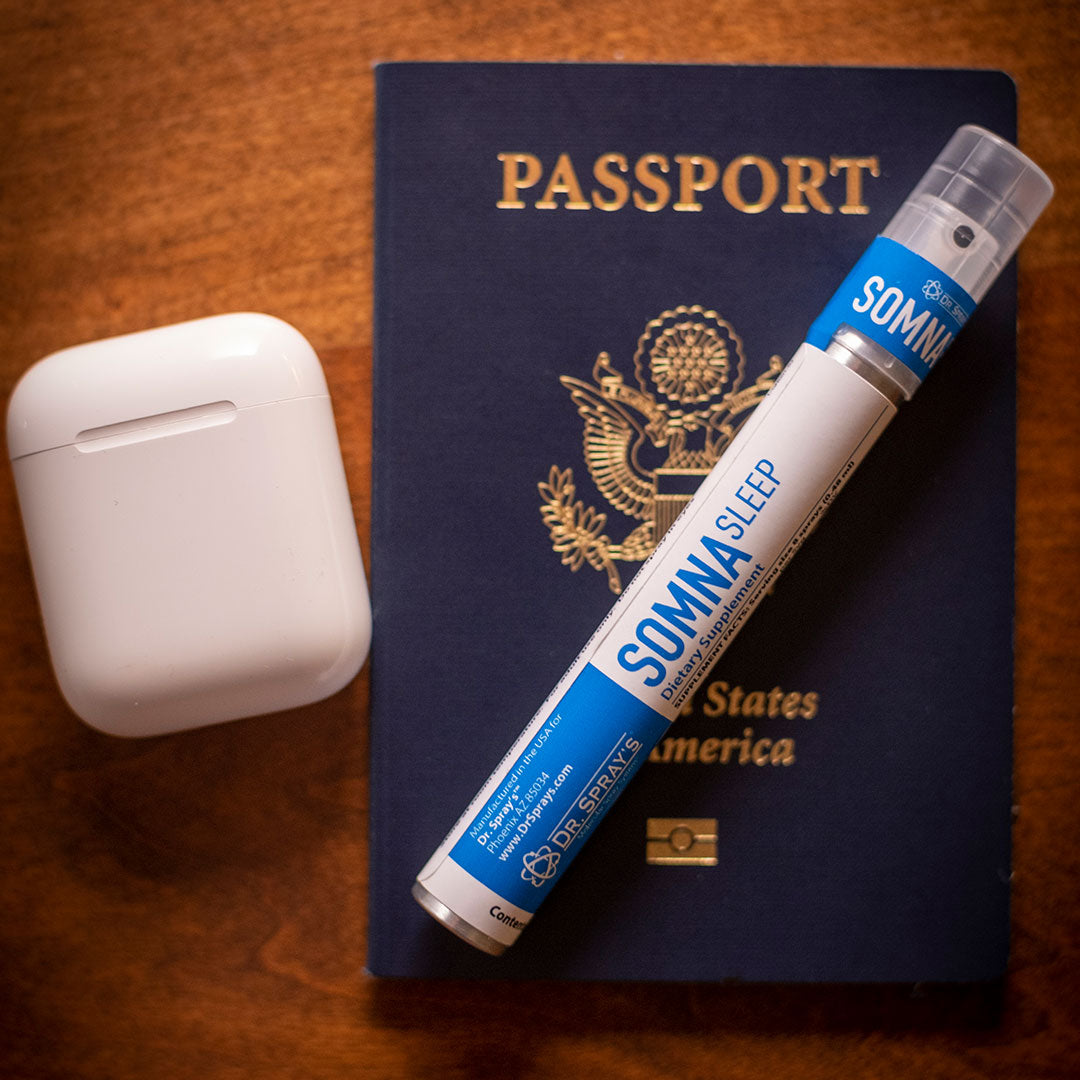
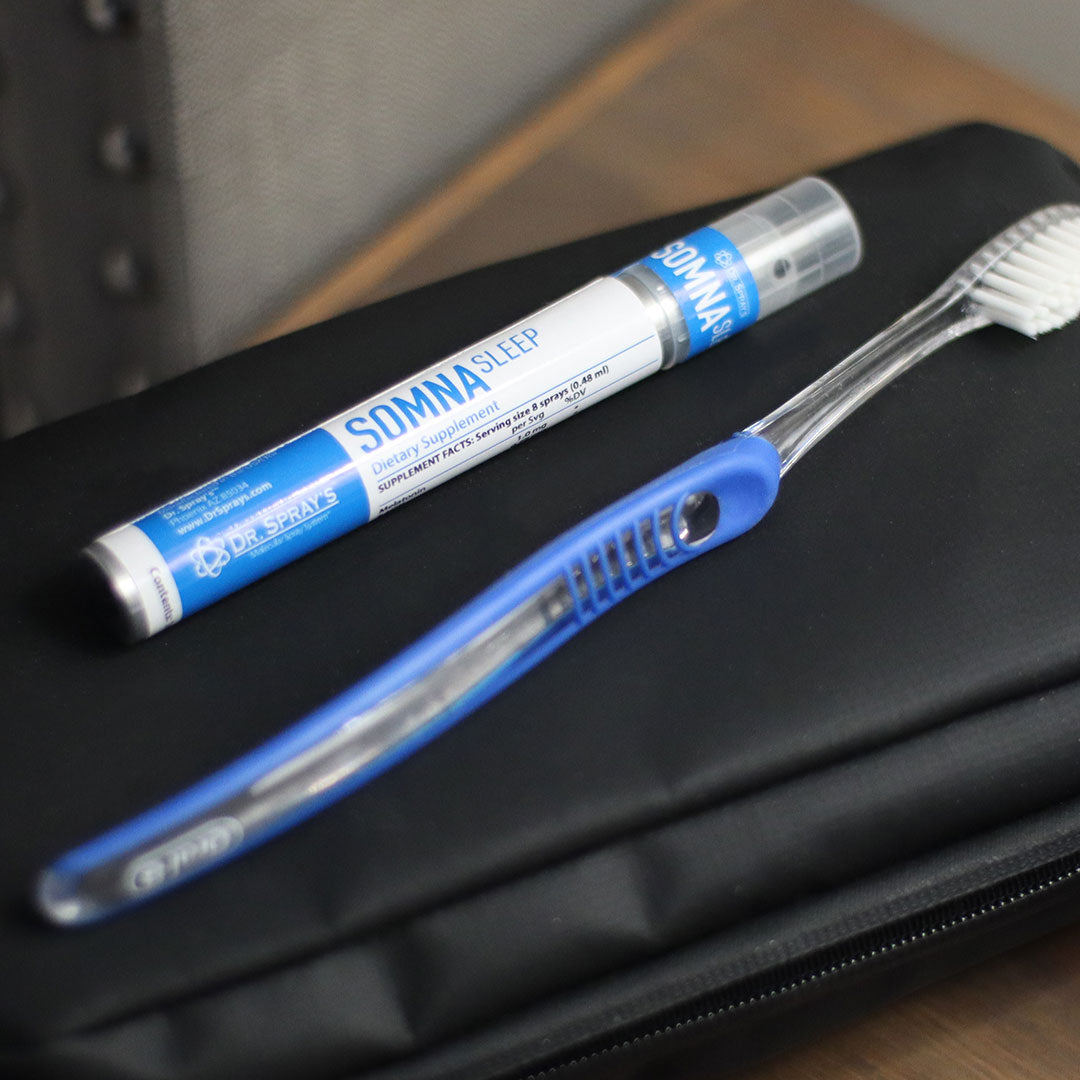
Sleep sprays offer convenient, TSA-friendly options for managing jet lag and supporting sleep in unfamiliar environments. The compact format and lack of water requirement make them ideal travel companions.
Understanding Absorption Rates and Bioavailability
One of the primary safety advantages of sleep sprays relates to their superior absorption characteristics. Traditional oral supplements face numerous obstacles that reduce the amount of active ingredient actually reaching your bloodstream.
Stomach acid, digestive enzymes, and first-pass liver metabolism can destroy or transform up to 80-90% of certain compounds before they enter circulation. This inefficiency often necessitates higher doses to achieve therapeutic effects, potentially increasing the risk of side effects.
Spray delivery circumvents these obstacles. The mucous membranes in your mouth provide direct access to the bloodstream, allowing for absorption rates approaching 90% for properly formulated products. This efficiency means lower doses can be effective, reducing the overall burden on your system.
Long-Term Safety Data
Research on common sleep spray ingredients provides reassuring long-term safety data. Melatonin has been studied for decades with minimal adverse effects reported even with extended use. Magnesium, amino acids like L-theanine, and B vitamins have established safety profiles based on extensive research and widespread use.
The spray delivery mechanism itself presents no known long-term safety concerns. The oral mucosa is designed to handle regular contact with various substances through normal eating and drinking, and the small volumes involved in spray supplementation don't pose risks to oral health when products are properly formulated.
Regulatory Landscape
Understanding how sleep sprays are regulated helps contextualize their safety profile. In the United States, sleep sprays fall under the dietary supplement category, regulated by the FDA under the Dietary Supplement Health and Education Act (DSHEA).
While supplements don't require pre-market approval like pharmaceuticals, manufacturers must ensure their products are safe, properly labeled, and manufactured according to quality standards. The FDA can take action against products that are adulterated, misbranded, or make unsubstantiated claims.
Reputable manufacturers exceed minimum regulatory requirements by implementing comprehensive quality systems, conducting stability testing, and maintaining detailed documentation of their safety assessments.
When to Consult a Healthcare Provider
While sleep sprays are generally safe for healthy adults, certain situations warrant professional medical guidance:
- Chronic insomnia lasting more than a few weeks
- Sleep disturbances accompanied by other symptoms like pain, breathing difficulties, or mood changes
- Taking multiple medications or managing chronic health conditions
- Pregnancy, planning pregnancy, or breastfeeding
- Sleep problems in children or adolescents
- History of sleep disorders like sleep apnea or restless leg syndrome
- Concerns about interactions with existing supplements or medications
A healthcare provider can help identify underlying causes of sleep disturbances that may require specific treatment and determine whether sleep sprays are appropriate for your individual circumstances.
The Role of Multi-Nutrient Support
Sleep quality doesn't depend solely on bedtime supplementation. Overall nutritional status significantly impacts sleep regulation, and deficiencies in various nutrients can contribute to sleep disturbances.
Many people benefit from addressing broader nutritional needs alongside targeted sleep support. For example, B vitamin deficiencies can affect neurotransmitter production and energy metabolism, indirectly impacting sleep quality. Vitamin D status correlates with various aspects of sleep health.
Comprehensive approaches might include daytime use of a multi-vitamin spray or targeted products like vitamin B12 spray for energy and cognitive support, with sleep-specific formulations reserved for evening use. This multi-faceted strategy addresses nutritional foundations of healthy sleep while providing targeted nighttime support.
Frequently Asked Questions
Can you become dependent on sleep sprays?
Sleep sprays using natural ingredients like melatonin, magnesium, and amino acids don't cause physical dependence the way prescription sleep medications can. However, some people may develop psychological reliance on having something to help them sleep. The best approach is to use sleep sprays as part of a comprehensive strategy that includes good sleep hygiene practices, making it easier to transition to as-needed use or discontinue entirely as sleep patterns improve.
How quickly do sleep sprays work?
One of the key advantages of spray delivery is rapid onset of action. Most sleep sprays begin working within 15-20 minutes, significantly faster than traditional pill supplements which typically take 45-60 minutes. This faster action allows for more strategic timing and reduces the likelihood of taking additional doses due to perceived ineffectiveness.
Are sleep sprays safe to use every night?
Most sleep spray ingredients are safe for nightly use based on current research, particularly when products are manufactured to quality standards and used at recommended doses. However, it's wise to periodically evaluate whether continued daily use is necessary. If you find yourself needing sleep support nightly for extended periods without improvement in underlying sleep quality, consult a healthcare provider to identify and address root causes.
Can I use sleep spray if I'm taking other medications?
Potential interactions depend on the specific medications you're taking and the ingredients in the sleep spray. Sleep-supporting compounds can interact with sedatives, blood pressure medications, immunosuppressants, and other drugs. Always disclose all supplements to your healthcare providers and pharmacists. They can assess your specific situation and advise on safety considerations.
What's the difference between sleep spray and taking melatonin pills?
The primary difference lies in delivery method and bioavailability. Sleep sprays deliver ingredients through oral mucosa absorption, achieving absorption rates up to 90% compared to 10-20% for many oral tablets. This enhanced bioavailability means lower doses can be effective. Additionally, sprays typically work faster (15-20 minutes vs. 45-60 minutes) and don't require water, making them more convenient.
Are there any foods or drinks I should avoid when using sleep spray?
For optimal absorption, avoid eating or drinking for about 10-15 minutes after using the spray. This allows maximum contact time between the active ingredients and oral mucosa. Avoid alcohol close to bedtime, as it can interfere with sleep quality despite initially making you feel drowsy. Caffeine should be avoided for at least 6 hours before sleep.
Can I travel with sleep spray on an airplane?
Yes, sleep sprays are TSA-compliant for carry-on luggage when they meet liquid restrictions (typically 3.4 ounces or 100 milliliters or less). The spray format is actually more travel-friendly than pills since you don't need water for administration. Many travelers find sleep sprays particularly helpful for managing jet lag and supporting sleep in unfamiliar environments.
What should I do if sleep spray doesn't seem to be working?
If you don't experience benefits after using a sleep spray as directed for a week or two, consider several factors. First, ensure you're using it at the right time (20-30 minutes before bed). Evaluate your overall sleep hygiene—are you maintaining consistent sleep schedules, limiting screen time, and creating a conducive sleep environment? If you've addressed these factors and still aren't seeing improvement, consult a healthcare provider to rule out underlying sleep disorders or other health issues affecting sleep quality.
Is it safe to combine sleep spray with other supplements?
This depends on which supplements you're considering combining. Taking a sleep spray along with daytime vitamins like a multi-vitamin or vitamin D3 spray is generally safe and may even be beneficial, as addressing overall nutritional status supports healthy sleep. However, avoid combining multiple sleep-supporting supplements without professional guidance, as this could result in excessive doses of certain compounds. Always inform your healthcare provider about all supplements you're taking.
Do sleep sprays contain any allergens?
Allergen content varies by product. Quality manufacturers clearly label common allergens and many formulations are free from major allergens like gluten, dairy, soy, and nuts. Always check the label carefully if you have food allergies or sensitivities. If you have concerns about specific ingredients, contact the manufacturer directly for detailed allergen information.
Making an Informed Decision
Sleep spray safety ultimately depends on product quality, appropriate use, and individual health circumstances. When you choose products manufactured to high standards, use them as directed, and maintain awareness of your own health status and medications, sleep sprays offer a favorable safety profile compared to many alternatives.
The enhanced bioavailability of spray delivery means you can achieve benefits with lower doses, the natural ingredients commonly used have extensive safety data, and the lack of dependency risk makes them suitable for both occasional and more regular use as part of a comprehensive approach to sleep health.
Quality matters significantly. Products manufactured in FDA-registered, GMP-certified facilities using pharmaceutical-grade ingredients and doctor-developed formulations provide the highest level of safety assurance. These quality markers indicate commitment to rigorous testing, proper formulation, and consistent manufacturing standards.
Remember that supplements work best as part of a holistic approach to health. Even the safest, most effective sleep spray cannot compensate for poor sleep hygiene, excessive stress, or underlying health conditions. View sleep support as one component of a comprehensive strategy that includes consistent sleep schedules, a conducive sleep environment, stress management, and attention to overall wellness.
Experience Doctor-Developed Sleep Support
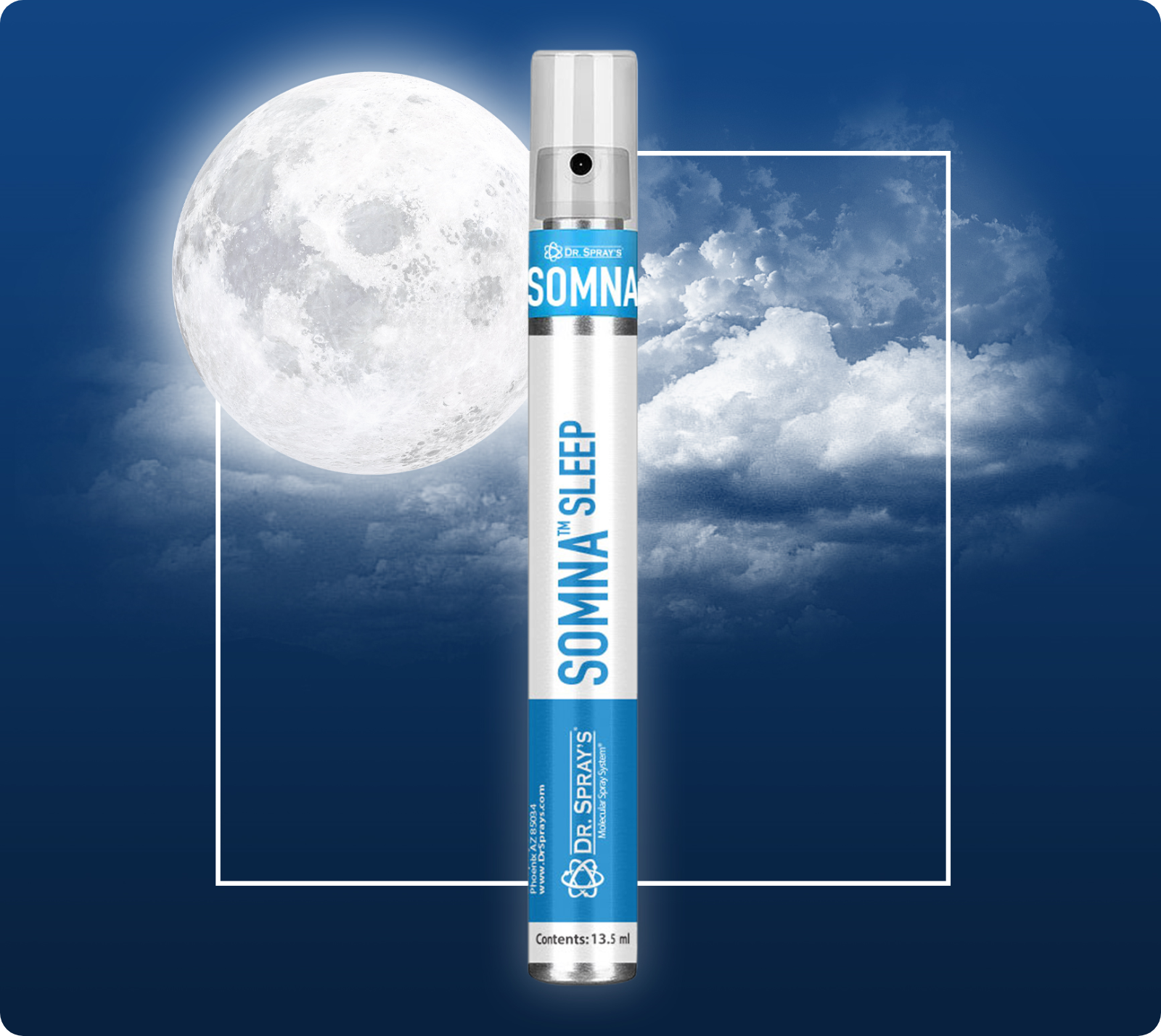
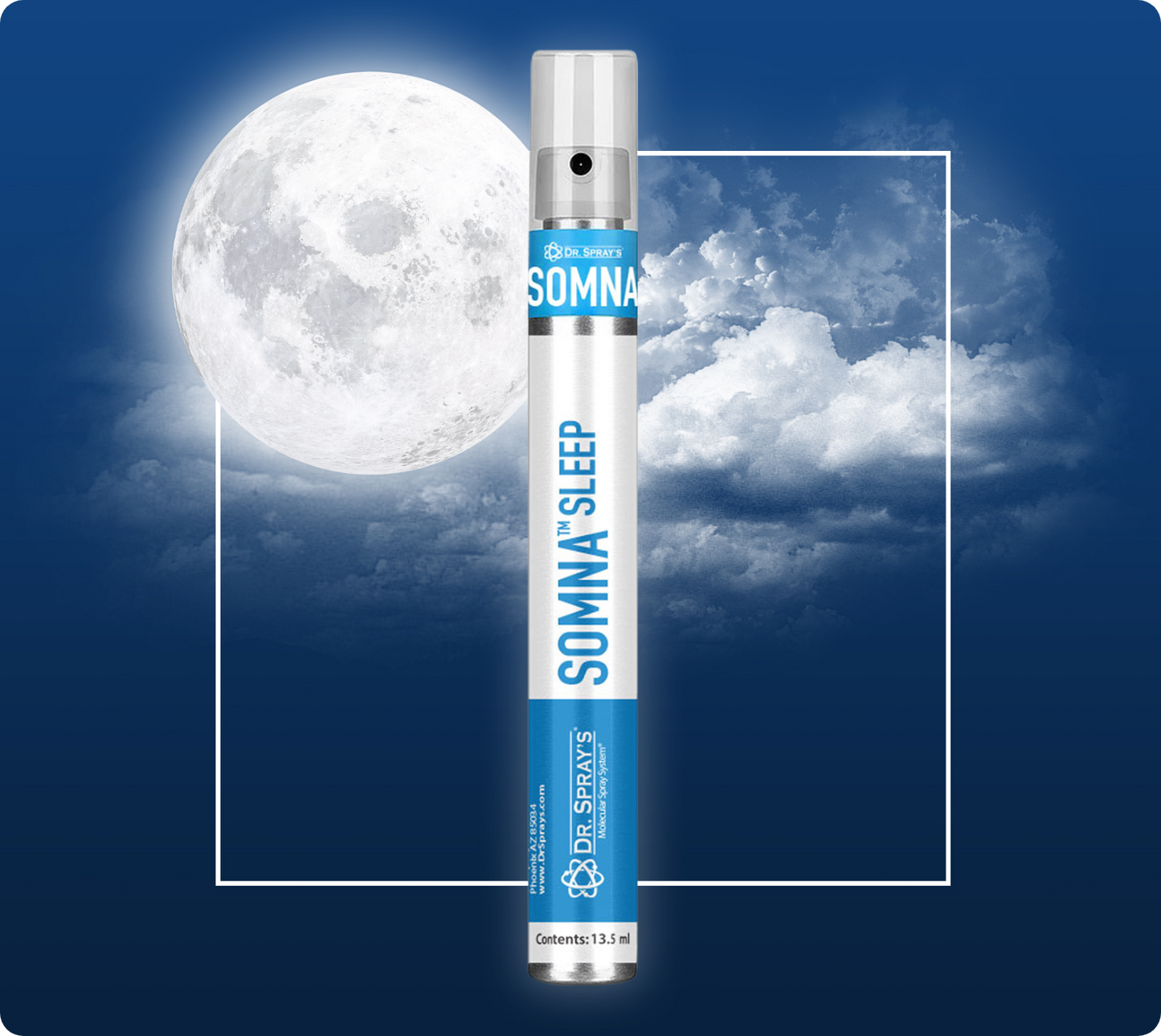
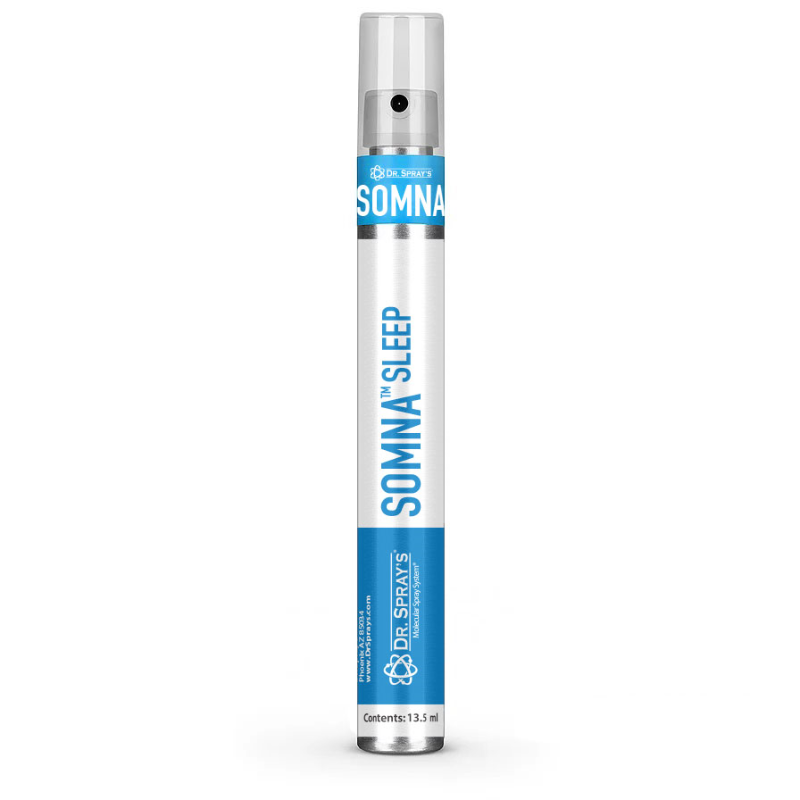
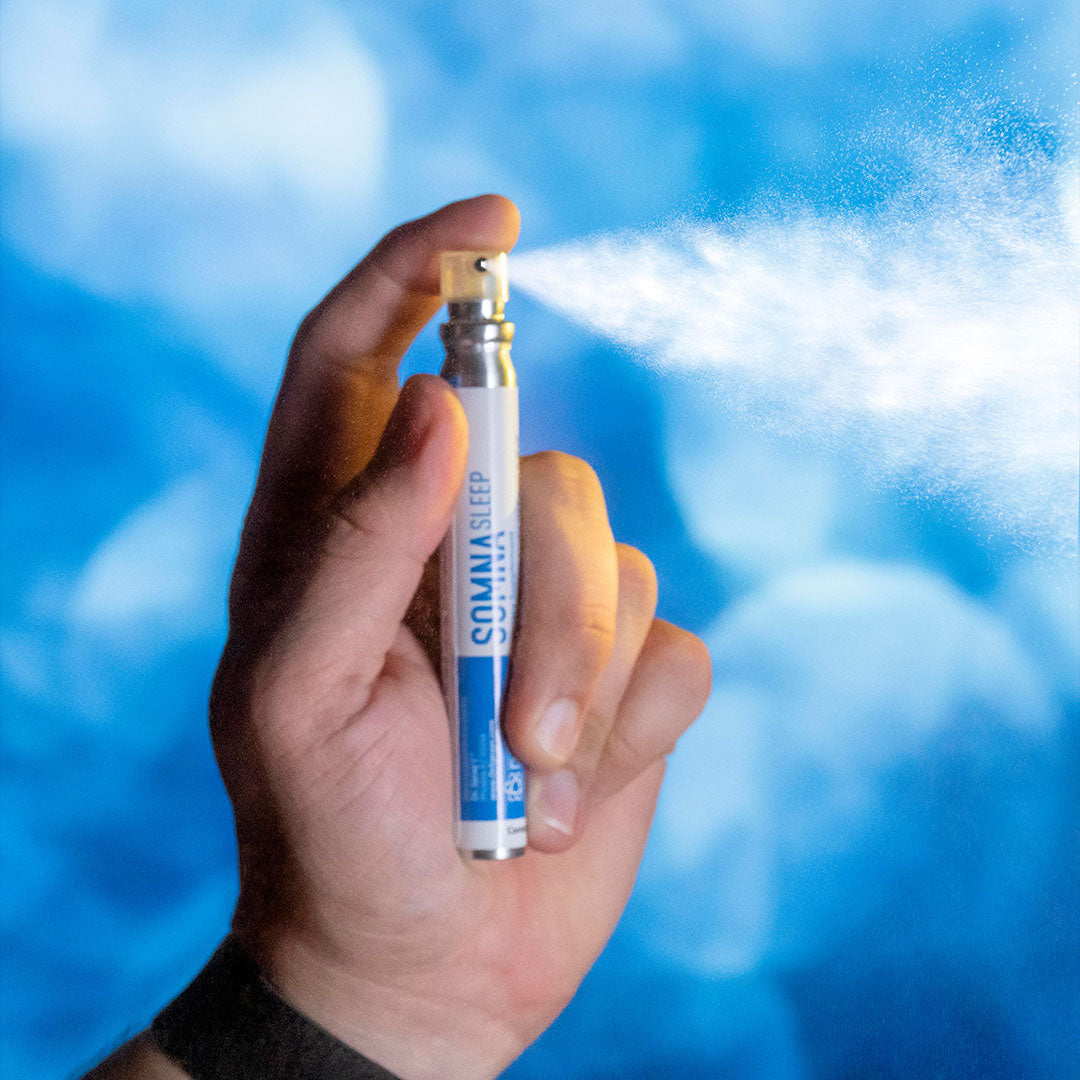
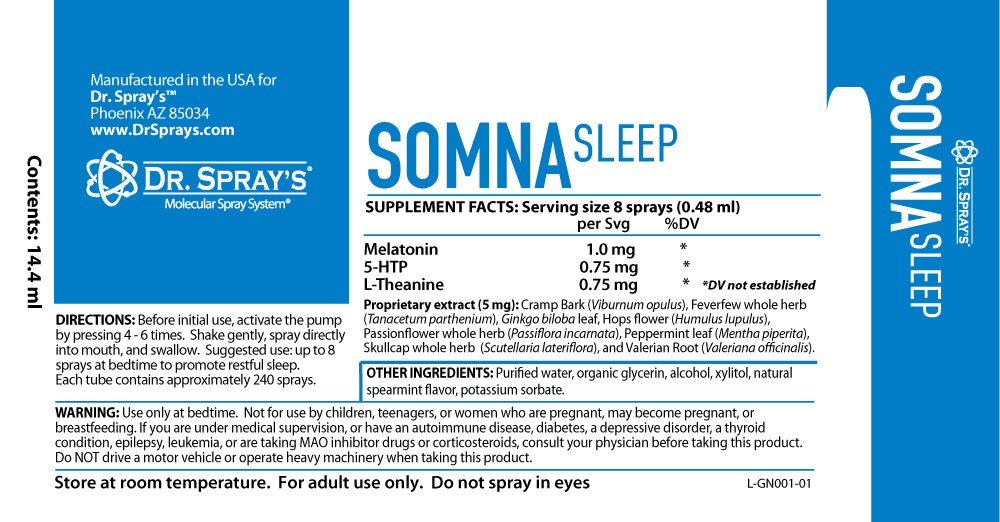
DrSprays Somna Sleep Spray combines melatonin, magnesium, and complementary sleep-supporting nutrients in a fast-acting formula developed by healthcare professionals. Manufactured in our FDA-registered, GMP-certified facility in Phoenix, Arizona, our sleep spray delivers up to 90% absorption for effective support when you need it most.
Every batch undergoes rigorous quality testing to ensure purity and potency. We use only pharmaceutical-grade ingredients in precisely calibrated amounts designed to promote restful sleep without next-day grogginess.
Join thousands who have discovered the convenience and effectiveness of spray supplement technology. Visit our online store to learn more about our complete line of vitamin sprays, including our Somna Sleep formula, or contact our team with any questions about how our products can support your wellness goals.