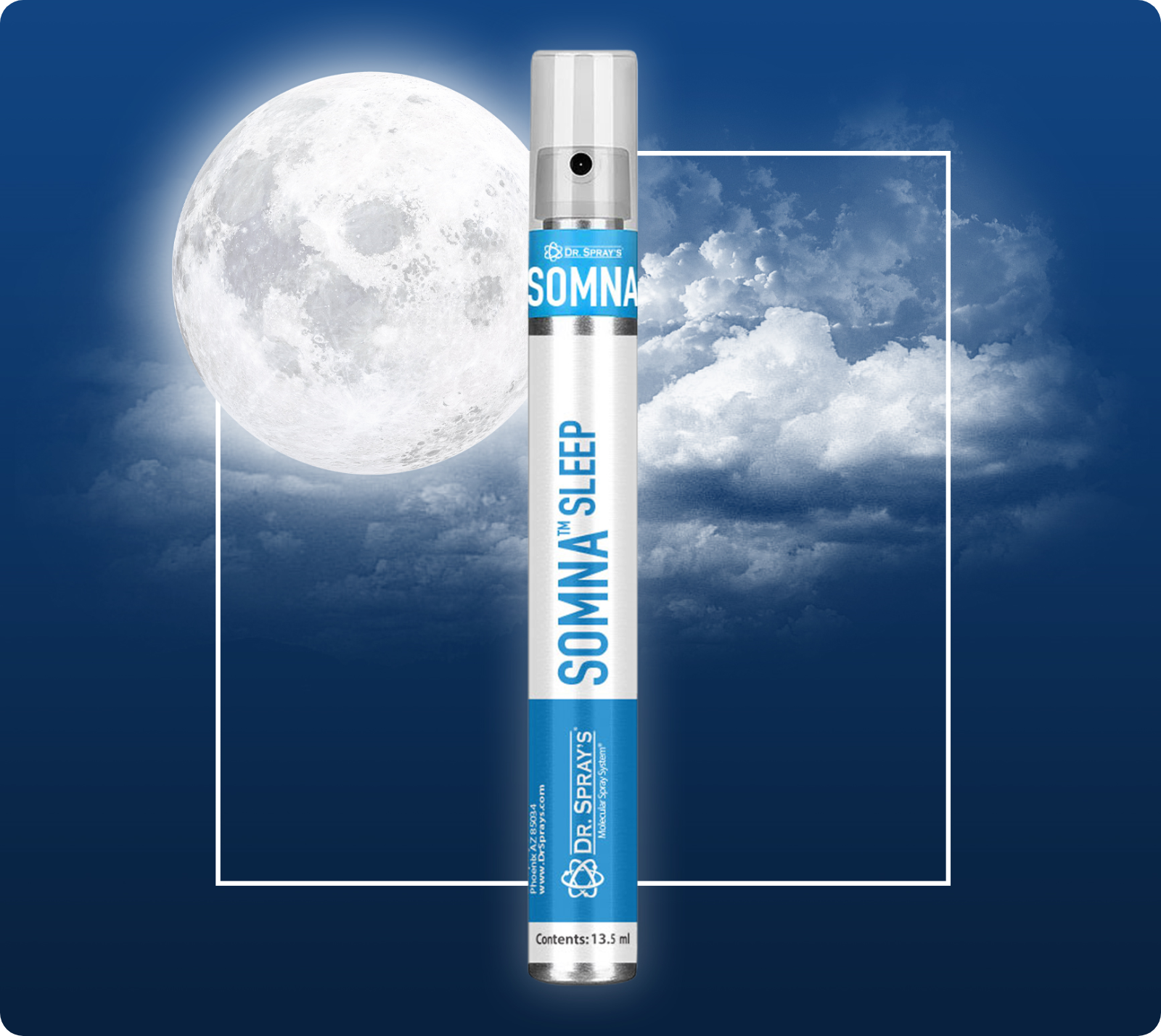
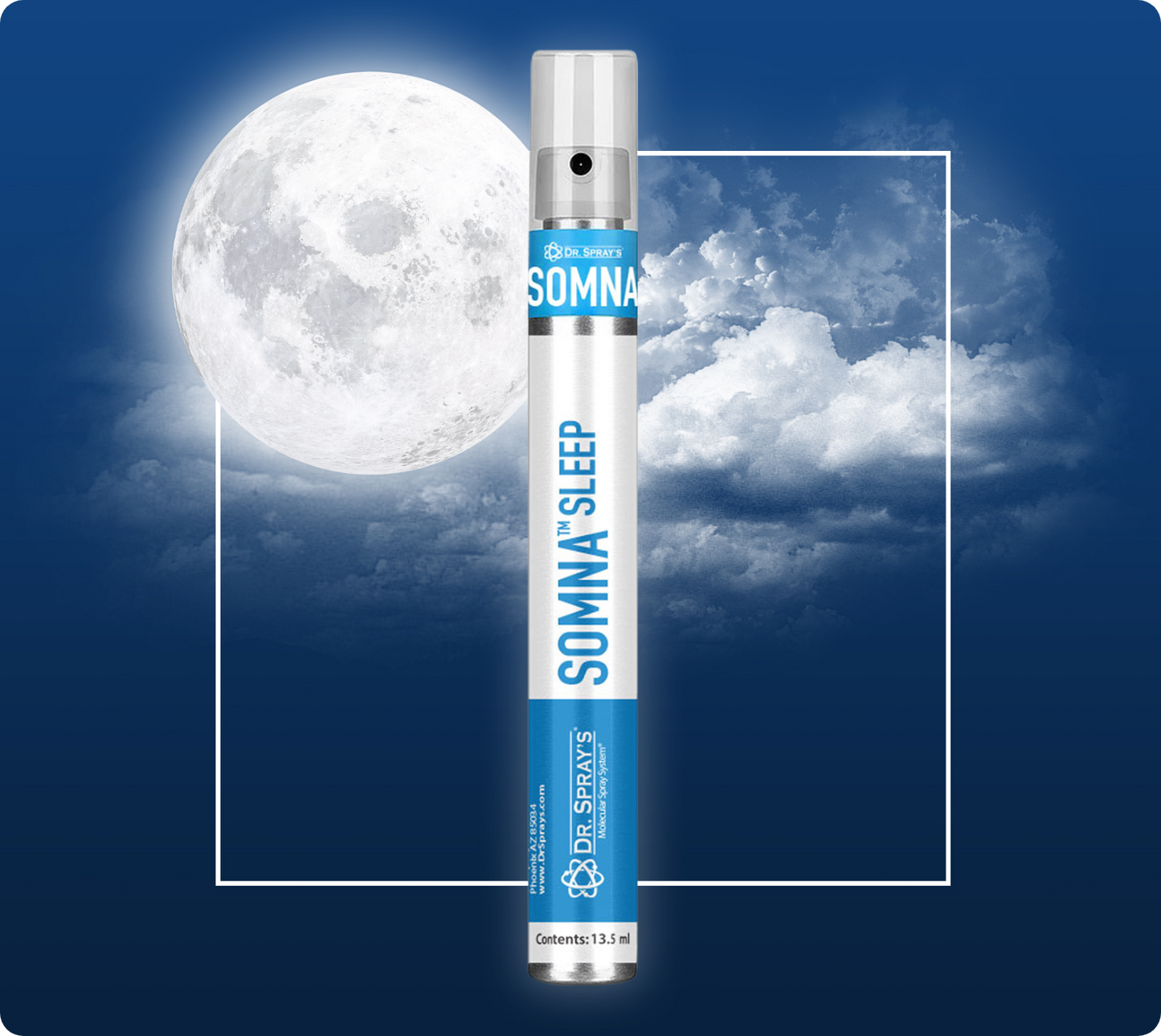
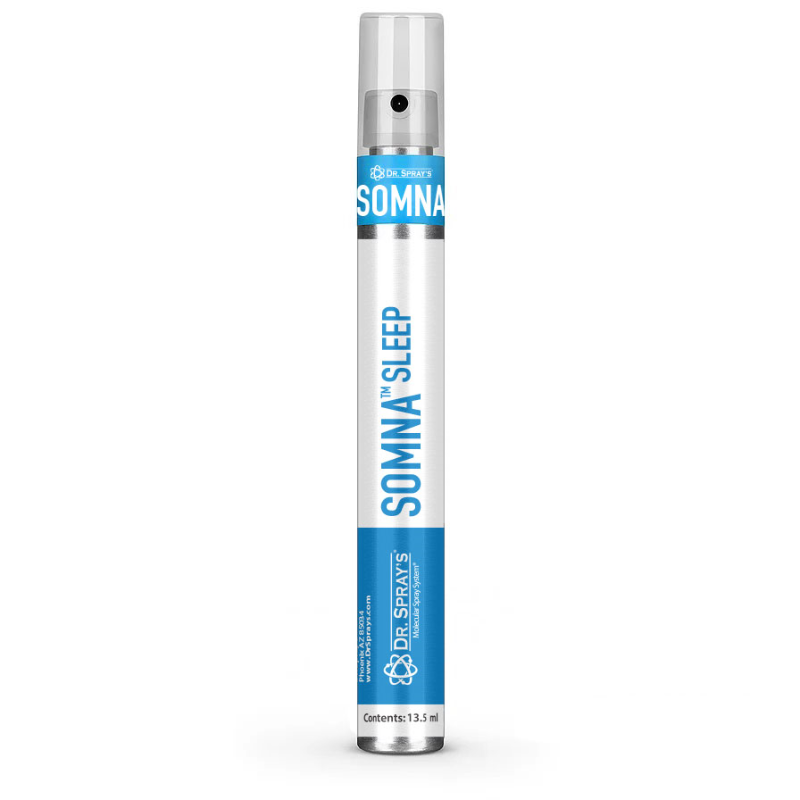
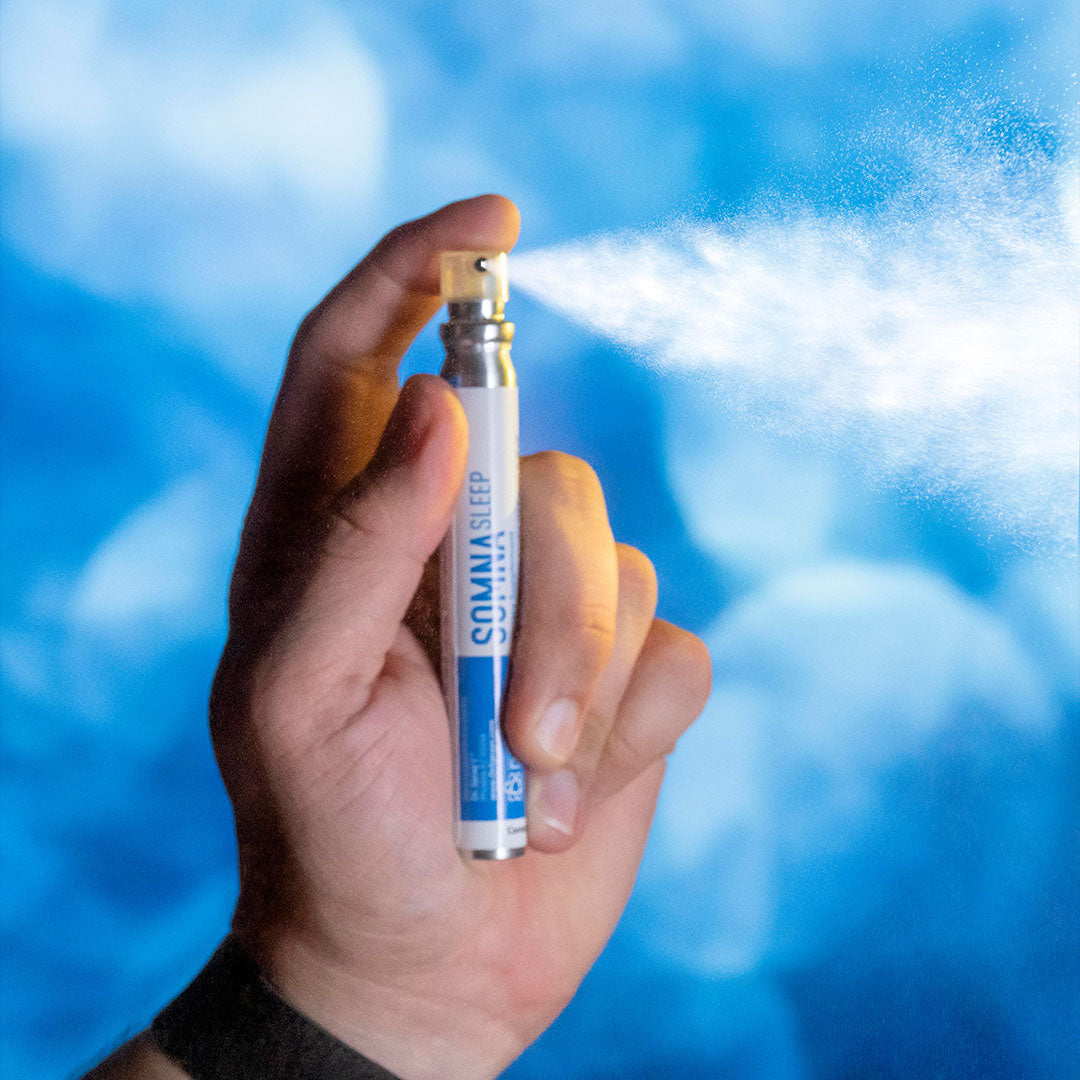
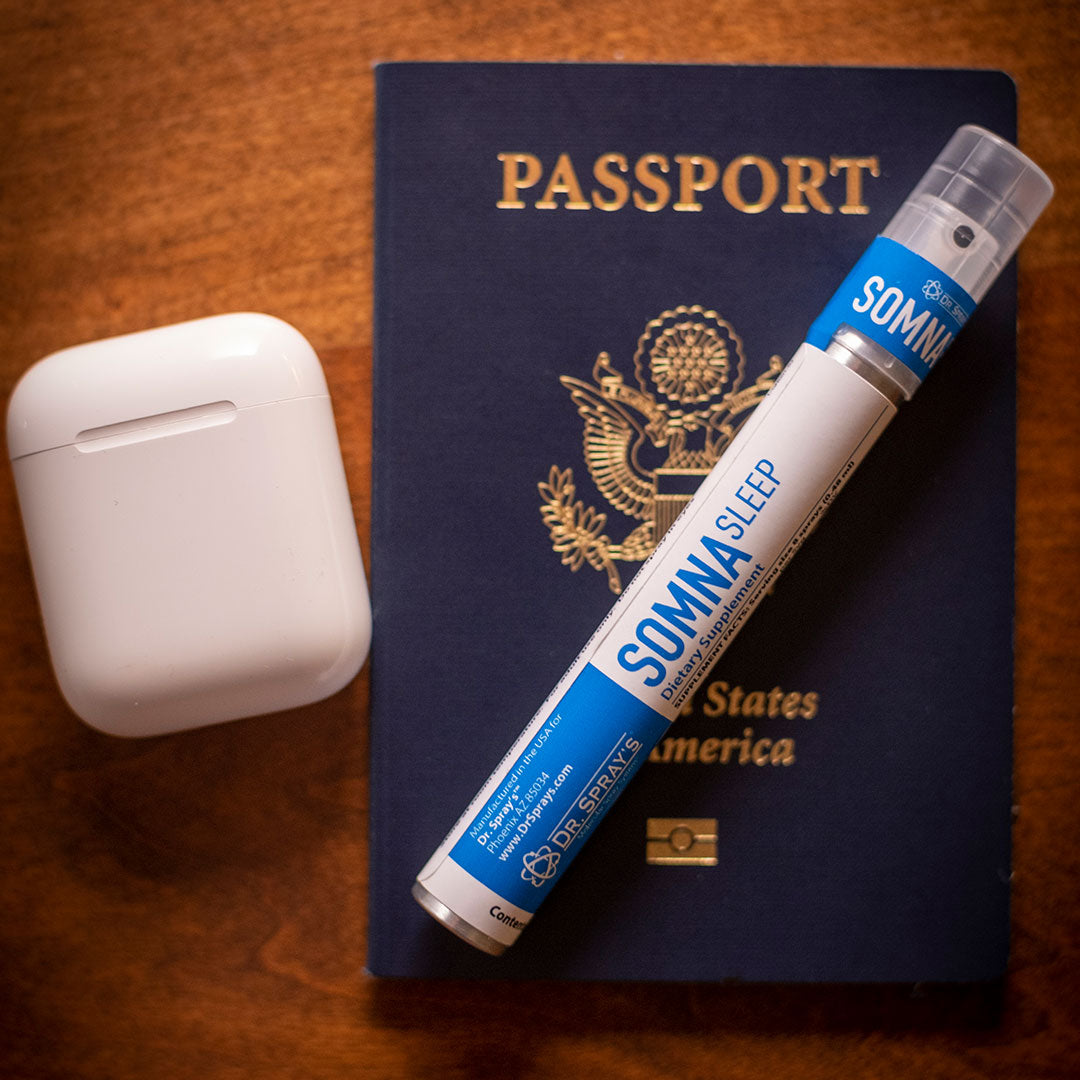
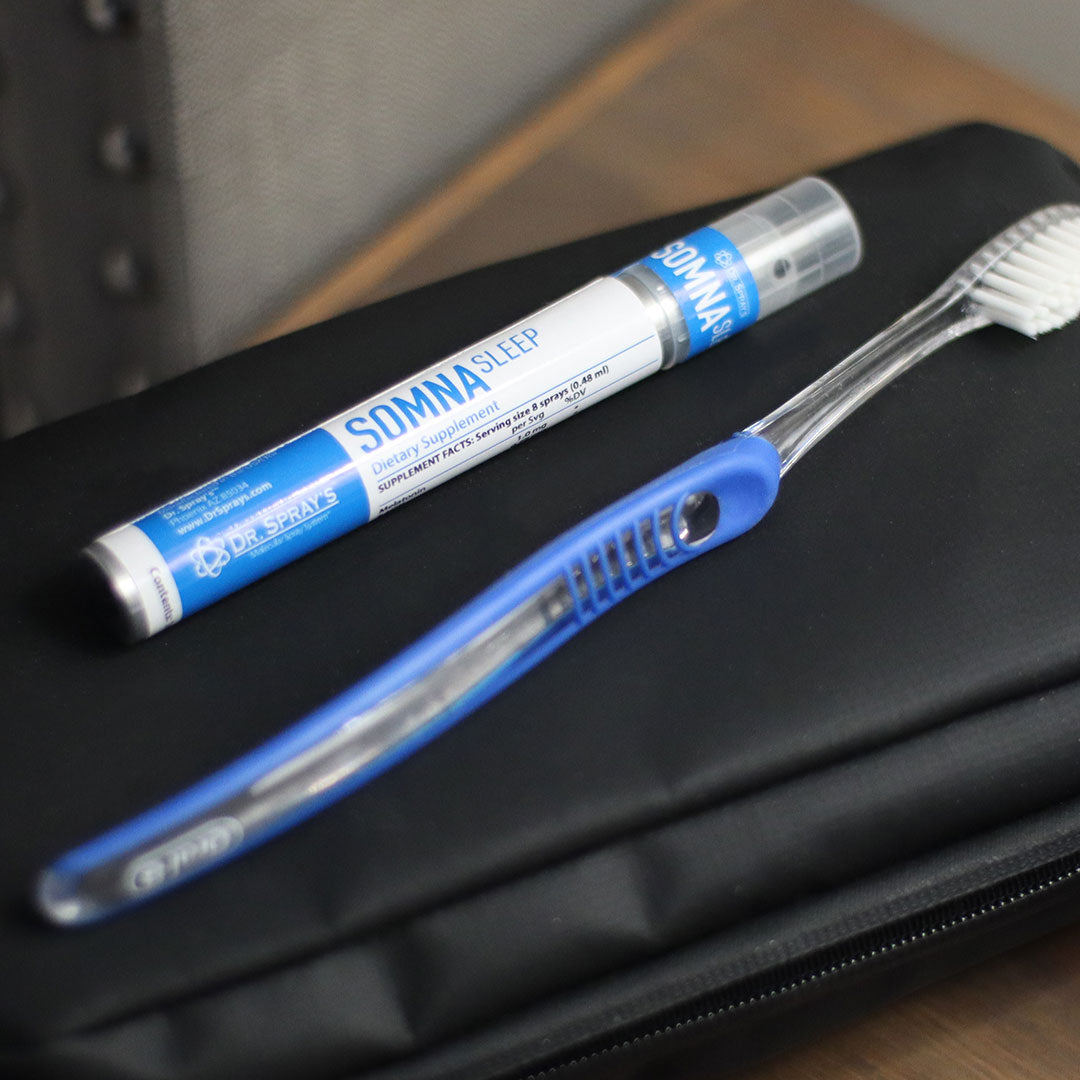
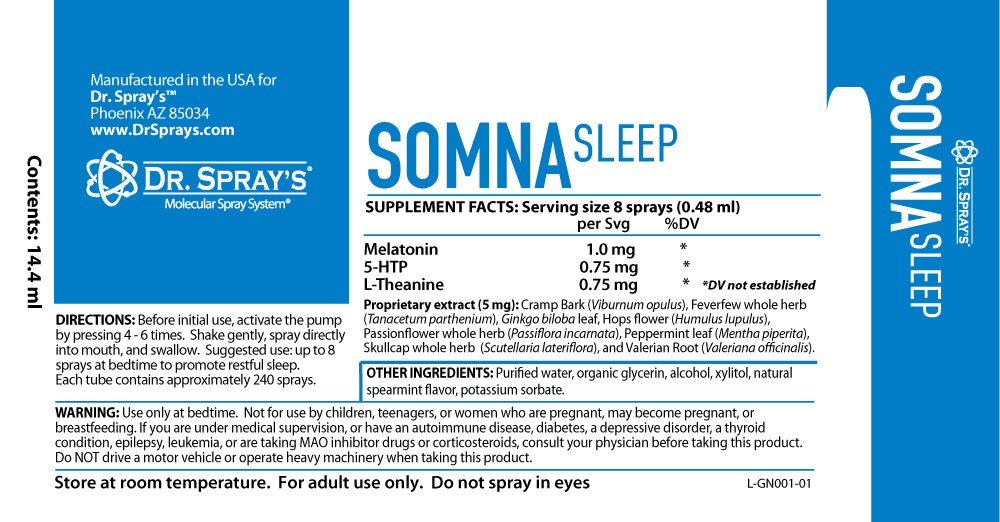
Aromatherapy pillow mists have become increasingly popular as bedtime rituals, promising better sleep through pleasant scents sprayed on pillows and linens. While these aromatic solutions may create a calming environment, they represent just one approach to addressing sleep challenges—and not necessarily the most effective one for underlying nutritional deficiencies that contribute to poor sleep quality.
Understanding how aromatherapy pillow mists work, their limitations, and how they compare to science-backed alternatives like oral spray vitamins can help you make informed decisions about your sleep support strategy.
Understanding Aromatherapy Pillow Mists
Aromatherapy pillow mists are liquid formulations containing essential oils, water, and sometimes alcohol or dispersing agents. Users spray these products on pillows, sheets, or around the bedroom before sleep, intending to inhale the aromatic compounds throughout the night.
Common essential oils found in sleep-focused pillow mists include:
- Lavender – the most researched scent for sleep promotion
- Chamomile – traditionally associated with relaxation
- Bergamot – believed to reduce anxiety
- Ylang ylang – thought to lower heart rate and blood pressure
- Sandalwood – used for its grounding properties
- Cedarwood – contains sedative compounds
The theory behind aromatherapy suggests that inhaling these scents stimulates the olfactory system, which connects to the limbic system in the brain—the area responsible for emotions, memories, and certain physiological functions like heart rate and stress responses.
The Science Behind Aromatherapy and Sleep
While aromatherapy has been practiced for centuries, modern scientific research provides a mixed picture of its effectiveness for sleep improvement.
What Research Shows
Several studies have examined lavender's effects on sleep quality. A 2015 systematic review found that lavender aromatherapy showed some promise for improving sleep quality, particularly in specific populations like postpartum women and individuals with mild sleep disturbances. However, the studies reviewed had significant methodological limitations, including small sample sizes and lack of standardized protocols.
Research published in the Journal of Alternative and Complementary Medicine found that lavender essential oil increased the percentage of deep or slow-wave sleep in participants, with men and women showing different responses to the scent. Yet these effects were modest and didn't address underlying causes of sleep disruption.
The Placebo Factor
Many aromatherapy studies struggle to separate genuine physiological effects from placebo responses. The pleasant, relaxing scent itself may create expectations of better sleep, which can influence perceived sleep quality even without direct biological mechanisms. This doesn't invalidate the experience—placebo effects are real and valuable—but it does limit our understanding of aromatherapy's specific therapeutic value.
Limitations of Aromatherapy Pillow Mists
While aromatherapy pillow mists may complement a healthy sleep routine, they have several important limitations worth considering.
Surface-Level Solution
Pillow mists address sleep problems environmentally rather than physiologically. If your sleep difficulties stem from nutritional deficiencies, hormonal imbalances, or other internal factors, pleasant scents alone won't resolve the underlying issues.
For example, vitamin D3 deficiency has been linked to sleep disorders in multiple studies. A 2018 review in the journal Nutrients found that vitamin D plays a role in sleep regulation, and deficiency may contribute to poor sleep quality, shorter sleep duration, and daytime sleepiness. No amount of lavender spray can address a vitamin D deficiency.
Individual Variation
Responses to aromatherapy vary dramatically between individuals. What one person finds relaxing, another might find irritating or overwhelming. Some people have scent sensitivities or allergies that make aromatherapy pillow mists uncomfortable or even problematic.
Temporary and Passive
The effects of aromatherapy are temporary and dissipate as the scent fades. Unlike nutritional interventions that build up in your system and address deficiencies over time, pillow mists provide only momentary environmental modification.
Quality and Safety Concerns
The aromatherapy market is largely unregulated. Essential oil quality varies widely, and some products contain synthetic fragrances rather than genuine essential oils. Additionally, certain essential oils can be problematic for pets, pregnant women, or individuals with respiratory conditions like asthma.
Addressing Sleep at the Source: Nutritional Deficiencies
Many sleep problems have nutritional components that environmental changes cannot address. Understanding these connections reveals why spray supplements may offer more substantive support than aromatic products.
Magnesium and Sleep Regulation
Magnesium plays a crucial role in activating neurotransmitters responsible for calming the body and mind. It regulates melatonin, which guides sleep-wake cycles, and binds to GABA receptors, which quiet neural activity. Magnesium deficiency is surprisingly common and can manifest as difficulty falling asleep, restless sleep, and frequent nighttime waking.
B Vitamins and Sleep Quality
B vitamins, particularly B6 and B12, influence sleep through multiple pathways. Vitamin B6 is necessary for producing serotonin and melatonin, while vitamin B12 helps regulate circadian rhythms. B12 deficiency has been associated with insomnia and disrupted sleep-wake cycles.
Traditional B12 supplementation through pills faces absorption challenges, especially for individuals with digestive issues or those taking certain medications. This is where vitamin B12 spray offers distinct advantages, delivering the nutrient directly through the oral mucosa for significantly higher absorption rates.
Vitamin D and Sleep Architecture
Vitamin D receptors are found in brain areas that control sleep. Research suggests that vitamin D deficiency may affect both sleep quality and quantity. Many Americans, particularly those in northern climates or who spend limited time outdoors, have inadequate vitamin D levels.
A vitamin D3 spray provides a convenient delivery method that bypasses the digestive system, making it particularly valuable for individuals with absorption issues or those who have difficulty swallowing pills.
The Spray Supplement Advantage for Sleep Support
Modern oral spray vitamins represent a significant advancement in nutritional supplementation, particularly for nutrients that support healthy sleep patterns.
Superior Absorption Technology
Traditional vitamin pills must survive stomach acid, navigate the digestive process, and then be absorbed through the intestinal wall—a journey where much of the nutritional content is lost. Research indicates that oral spray delivery can achieve absorption rates up to 90%, compared to the 10-20% typical of many pill-form supplements.
This dramatically improved bioavailability means your body actually receives and utilizes the nutrients you're taking, rather than excreting most of them.
Faster Action
Spray supplements begin absorption immediately through the mucous membranes in the mouth, allowing nutrients to enter the bloodstream within minutes rather than the hours required for pill digestion. For sleep support, this can be particularly valuable when taking supplements as part of a bedtime routine.
Convenience and Compliance
Many people struggle with swallowing pills or experience digestive discomfort from tablets and capsules. Spray supplements eliminate these barriers, making it easier to maintain consistent supplementation—which is essential for addressing nutritional deficiencies that impact sleep.
Science-Backed Sleep Support Strategies
Rather than relying solely on aromatic products, consider a comprehensive approach to sleep support that addresses multiple factors.
Targeted Nutritional Support
Formulations designed specifically for sleep typically combine several complementary nutrients. Look for products that include:
- Melatonin in appropriate doses (0.5-3mg for most adults)
- Magnesium glycinate or citrate for muscle relaxation and neural calming
- L-theanine for relaxation without sedation
- GABA for nervous system calming
- B vitamins for neurotransmitter production
When these nutrients are delivered via spray technology, they can provide more reliable and effective support than environmental modifications alone.
Addressing Underlying Deficiencies
If you're experiencing persistent sleep difficulties, consider whether nutritional deficiencies might be contributing factors. Common deficiencies that impact sleep include:
- Vitamin D – particularly common in winter months and northern regions
- Magnesium – depleted by stress, certain medications, and inadequate dietary intake
- B vitamins – especially B12 in older adults, vegetarians, and those with digestive conditions
- Iron – can cause restless leg syndrome when deficient
A comprehensive vitamin spray multi-formula can help fill nutritional gaps that might be interfering with healthy sleep patterns.
Sleep Hygiene Fundamentals
No supplement or aromatherapy product can overcome poor sleep habits. Effective sleep support requires attention to basics:
- Consistent sleep and wake times, even on weekends
- Cool, dark, quiet sleeping environment
- Limited screen time before bed (blue light disrupts melatonin production)
- Regular physical activity, but not too close to bedtime
- Stress management practices like meditation or gentle stretching
- Avoiding large meals, caffeine, and alcohol near bedtime
When Aromatherapy Can Complement Other Approaches
This discussion isn't meant to dismiss aromatherapy entirely. When used as part of a comprehensive sleep strategy, pleasant scents can serve valuable purposes.
Creating Ritual and Routine
The act of spraying your pillow can become a sleep-inducing ritual that signals to your brain that it's time to wind down. This psychological association can be genuinely helpful, particularly when combined with other evidence-based sleep practices.
Stress Reduction
If you find certain scents genuinely relaxing, incorporating them into your evening routine may help reduce stress and anxiety—both of which interfere with sleep. The key is recognizing this as one component of sleep support, not a complete solution.
Combining Approaches
Many people find success combining environmental modifications (like pleasant scents) with physiological support (like targeted nutrition). A bedtime routine might include:
- Taking a sleep-supporting vitamin spray supplement 30 minutes before bed
- Dimming lights and reducing screen time
- Spraying pillow with a preferred calming scent
- Practicing brief relaxation exercises
- Maintaining consistent sleep timing
Quality Matters: What to Look for in Sleep Support Products
Whether choosing aromatherapy products or nutritional supplements, quality should be a primary consideration.
For Aromatherapy Products
If you choose to use pillow mists:
- Look for products listing specific essential oils rather than "fragrance"
- Choose organic options when possible to avoid pesticide residues
- Check for third-party testing or quality certifications
- Start with well-researched scents like lavender rather than complex blends
- Test for personal sensitivity before regular use
For Nutritional Supplements
When selecting spray supplements for sleep support:
- Verify FDA registration of the manufacturing facility
- Look for GMP (Good Manufacturing Practice) certification
- Check for third-party testing for purity and potency
- Review ingredient lists for appropriate dosages
- Consider products developed with medical expertise
- Evaluate absorption technology and bioavailability claims
Products manufactured in regulated facilities in locations like Phoenix, Arizona with FDA registration and GMP certification offer greater assurance of quality and safety than unregulated aromatherapy products.
The Role of Professional Guidance
Persistent sleep problems deserve professional attention. While both aromatherapy and nutritional supplements are generally low-risk interventions, chronic sleep difficulties may indicate underlying health conditions requiring medical evaluation.
Conditions like sleep apnea, restless leg syndrome, thyroid disorders, and mental health conditions can all disrupt sleep and require appropriate diagnosis and treatment. Before attributing sleep problems solely to stress or environmental factors, consider consulting a healthcare provider to rule out medical causes.
When discussing sleep issues with your healthcare provider, mention all interventions you're using, including aromatherapy products and supplements. This information helps create a complete picture of your sleep health strategy.
Making an Informed Choice
Aromatherapy pillow mists represent one approach to creating a sleep-conducive environment, but they shouldn't be confused with interventions that address physiological factors affecting sleep quality.
If you're experiencing sleep difficulties, consider these questions:
- Could nutritional deficiencies be contributing to my sleep problems?
- Am I practicing good sleep hygiene consistently?
- Have I ruled out medical conditions that affect sleep?
- Am I looking for environmental modifications or physiological support?
- What does the research say about different interventions I'm considering?
For many people, the most effective approach combines multiple strategies: addressing nutritional deficiencies with high-quality supplements, maintaining consistent sleep hygiene, managing stress, and creating a pleasant sleep environment.
The advantage of oral spray vitamins is that they address potential deficiencies at the source, providing your body with the raw materials needed for healthy sleep regulation. This physiological support offers benefits that extend beyond the bedroom, potentially improving energy, mood, immune function, and overall wellness.
Frequently Asked Questions
How long does aromatherapy pillow mist scent last?
Most pillow mists retain noticeable scent for 1-3 hours after application, though this varies based on the concentration of essential oils, room ventilation, and individual scent sensitivity. The therapeutic effects, if any, would be limited to this timeframe, unlike nutritional interventions that work systemically throughout the night.
Can I use aromatherapy pillow mist every night?
Most people can safely use pillow mists nightly, though some individuals may develop sensitivity to repeated exposure to certain essential oils. If you notice headaches, respiratory irritation, or skin reactions, discontinue use. Also consider whether pets share your sleeping space, as some essential oils can be harmful to animals.
Is vitamin spray more effective than pills for sleep support?
Spray delivery offers superior absorption compared to traditional pills, with bioavailability rates up to 90% versus 10-20% for many oral tablets. This means more of the sleep-supporting nutrients actually reach your bloodstream. Additionally, sprays bypass digestive processes that can interfere with nutrient absorption, making them particularly valuable for individuals with digestive issues or those taking medications that affect absorption.
What vitamin deficiencies most commonly affect sleep?
The most common deficiencies impacting sleep include vitamin D, magnesium, B vitamins (particularly B6 and B12), and iron. Vitamin D deficiency affects sleep regulation and circadian rhythms. Magnesium is essential for muscle relaxation and nervous system calming. B vitamins support neurotransmitter production necessary for sleep. Iron deficiency can cause restless leg syndrome that disrupts sleep.
How quickly do vitamin sprays work for sleep improvement?
This depends on whether you're addressing acute sleep support or correcting deficiencies. Sleep-specific formulations containing melatonin begin working within 30-60 minutes. However, correcting underlying vitamin deficiencies typically requires consistent supplementation for 2-4 weeks before noticeable improvements in sleep quality occur. Unlike aromatherapy's immediate but temporary effects, nutritional interventions build cumulative benefits over time.
Can I combine aromatherapy pillow mist with vitamin supplements?
Yes, these approaches address different aspects of sleep support and can be safely combined. Pillow mists create environmental conditions, while supplements provide physiological support. Many people find that combining multiple strategies—nutritional support, good sleep hygiene, stress management, and pleasant sleep environment—produces the best results.
Are spray vitamins safe for long-term use?
High-quality spray vitamins manufactured in FDA-registered, GMP-certified facilities are safe for long-term use when taken according to recommended dosages. Unlike some sleep medications that can create dependency, nutritional supplements work by supporting your body's natural processes. However, always consult with a healthcare provider about your specific supplement regimen, particularly if you have medical conditions or take medications.
Do I need a prescription for vitamin B12 or D3 spray?
Most vitamin B12 and D3 spray supplements are available over-the-counter without a prescription. However, if you have diagnosed deficiencies or certain medical conditions, your healthcare provider might recommend specific formulations or dosages. Prescription-strength options exist for severe deficiencies, but many people find that high-quality, properly dosed over-the-counter sprays effectively maintain healthy levels.
About the Author
This article was developed by the research team at a doctor-formulated nutritional supplement company specializing in advanced spray delivery technology. Our FDA-registered, GMP-certified facility in Phoenix, Arizona produces science-backed vitamin sprays designed for maximum absorption and effectiveness. All content is researched using peer-reviewed scientific literature and clinical studies to provide accurate, evidence-based health information.
Take the Next Step Toward Better Sleep
While aromatherapy pillow mists might create a pleasant bedtime atmosphere, addressing the nutritional foundations of healthy sleep offers more comprehensive and lasting benefits.
If you're struggling with sleep quality, consider whether nutritional deficiencies might be playing a role. Modern spray supplement technology makes it easier than ever to support your body's natural sleep processes with highly absorbable nutrients delivered in a convenient format.
Explore science-backed sleep support options that go beyond surface-level solutions. Visit our complete collection of vitamin sprays to discover doctor-developed formulations manufactured in our FDA-registered facility in Phoenix, Arizona. From targeted B12 and D3 sprays to comprehensive multi-vitamin formulations, find the nutritional support your body needs for truly restful sleep.
Your sleep quality affects every aspect of your health and daily life. Don't settle for temporary fixes when effective, science-backed solutions are available.