In our fast-paced modern world, finding effective ways to relax has become more important than ever. While stress management techniques vary from person to person, scent-based relaxation has emerged as one of the most accessible and scientifically supported methods for promoting calmness. But what scent helps relax most effectively, and how can you incorporate these aromatherapeutic benefits into your daily wellness routine?
Understanding the connection between scent and relaxation begins with the science of our olfactory system. When we inhale aromatic compounds, they interact directly with the limbic system—the part of our brain responsible for emotions, memories, and stress responses. This direct pathway makes scent one of the fastest ways to influence our mental and emotional state.
The Science Behind Scent and Relaxation
The relationship between scent and relaxation isn't merely anecdotal—it's grounded in neuroscience. When aromatic molecules enter the nasal cavity, they bind to olfactory receptors that send signals directly to the brain's amygdala and hippocampus. These regions process emotions and memories, which explains why certain scents can instantly transport us to a calmer state of mind.
Research has shown that specific aromatic compounds can measurably reduce cortisol levels, lower blood pressure, and decrease heart rate—all physiological markers of relaxation. This immediate response makes scent-based relaxation particularly valuable for those seeking quick stress relief without the need for complex interventions.
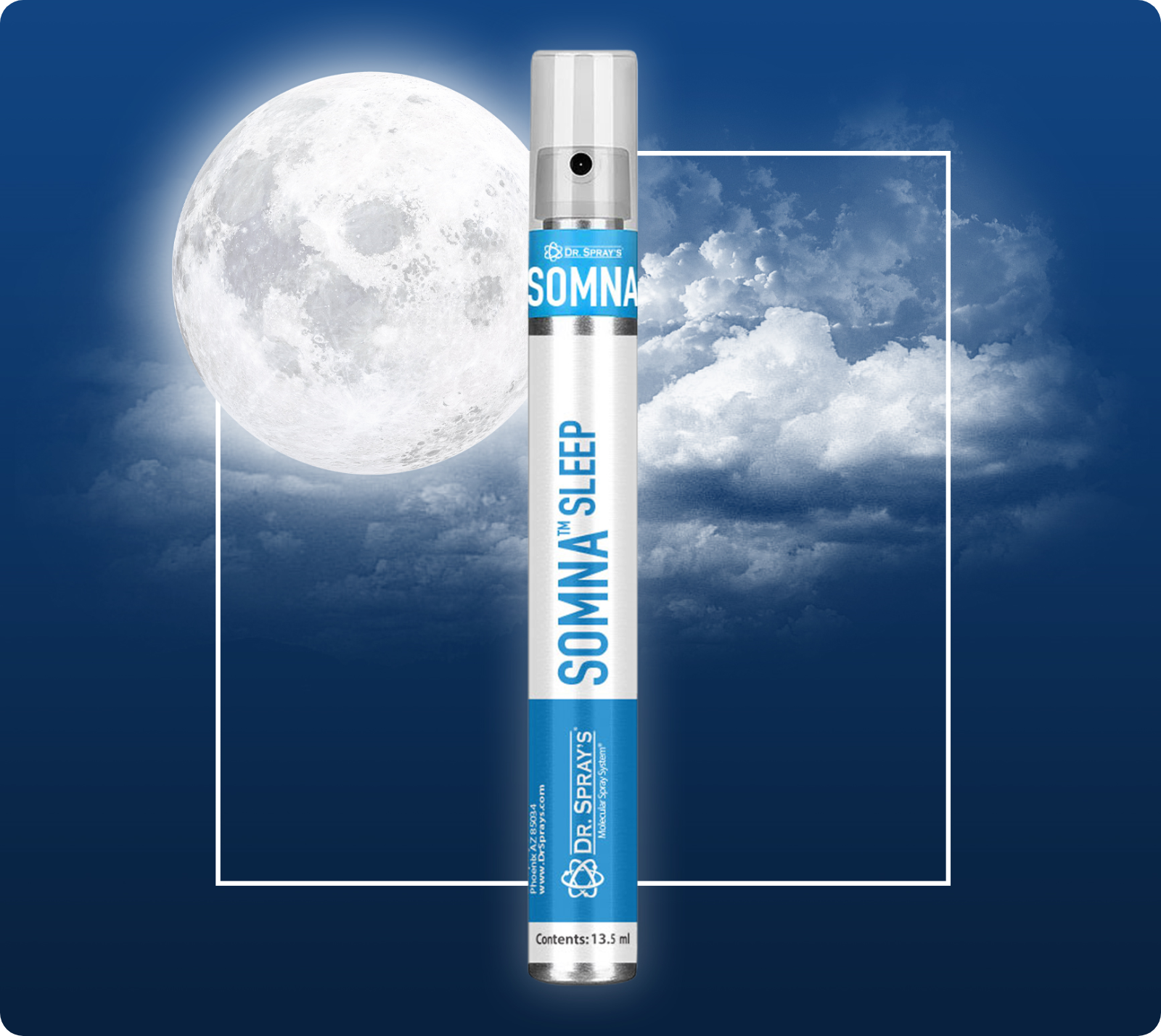
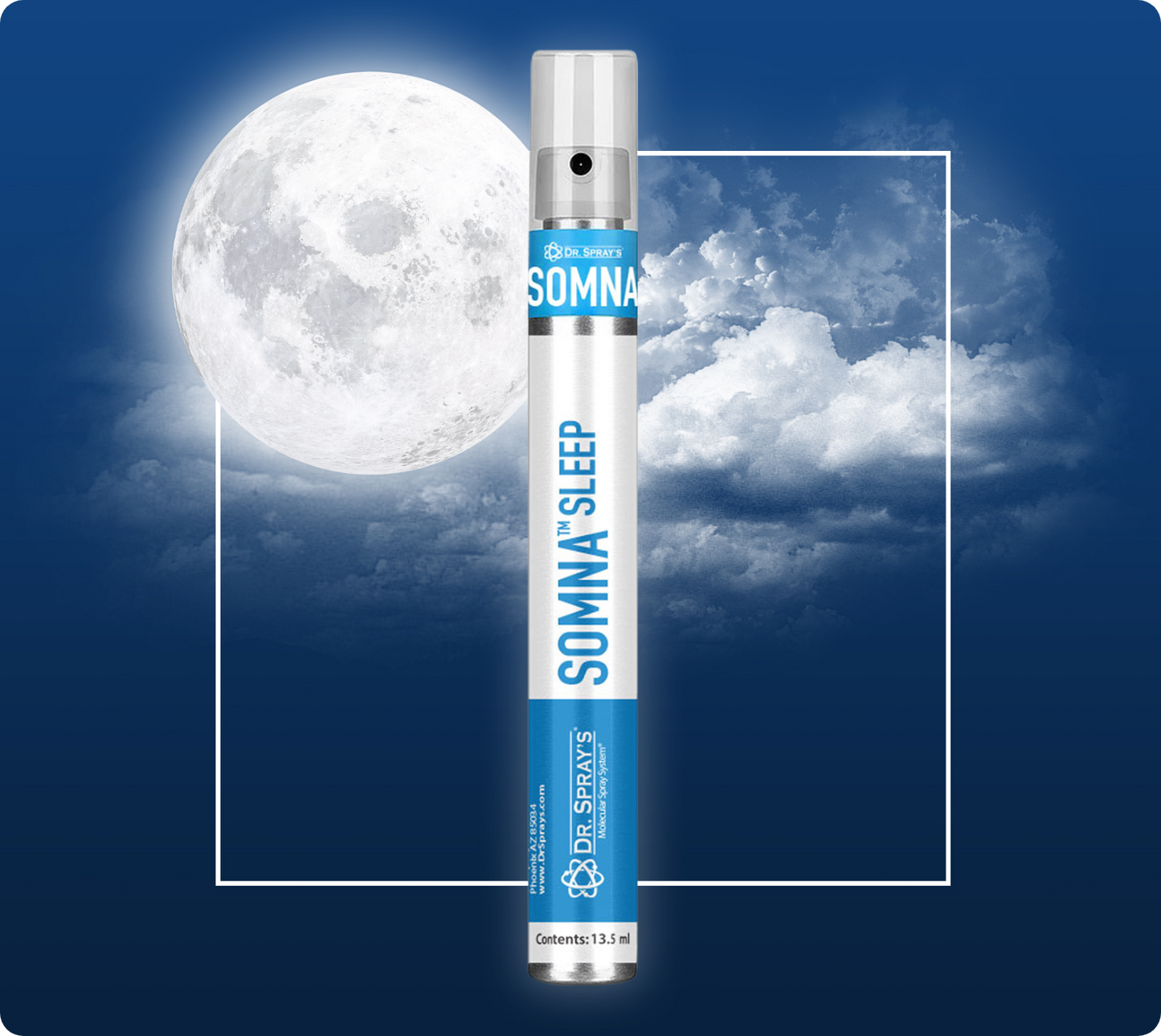
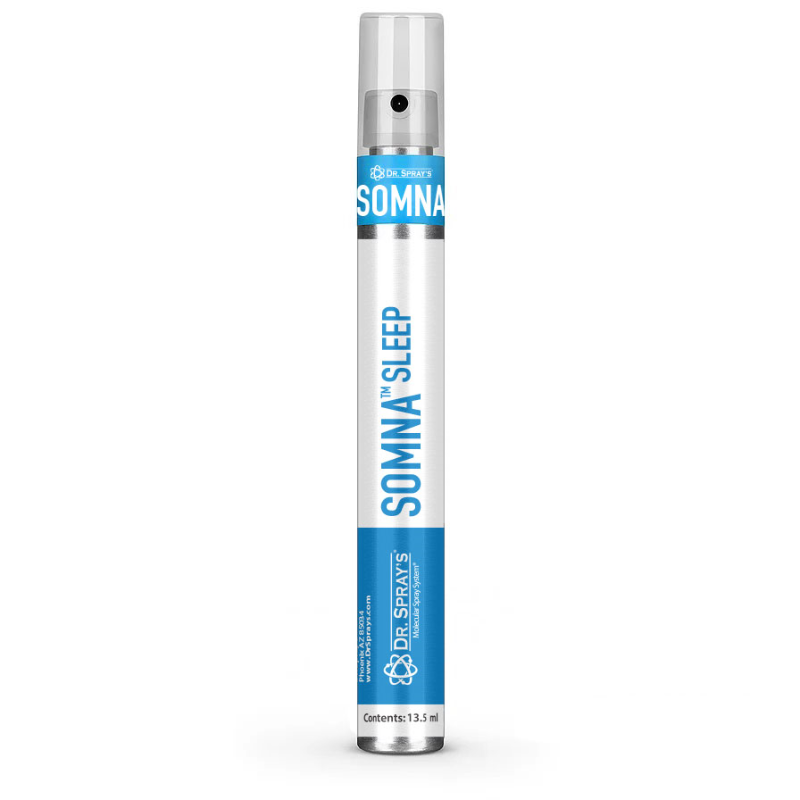
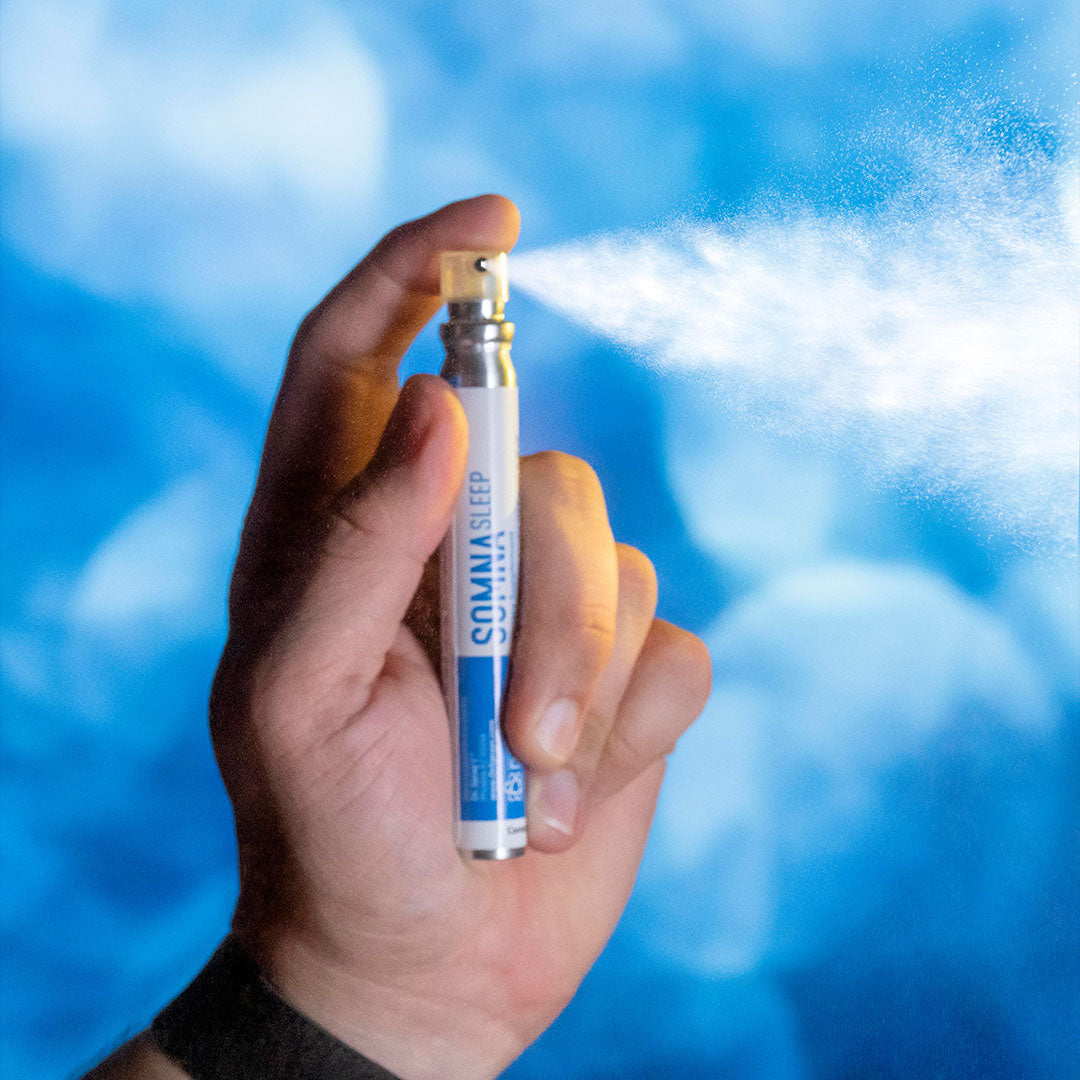
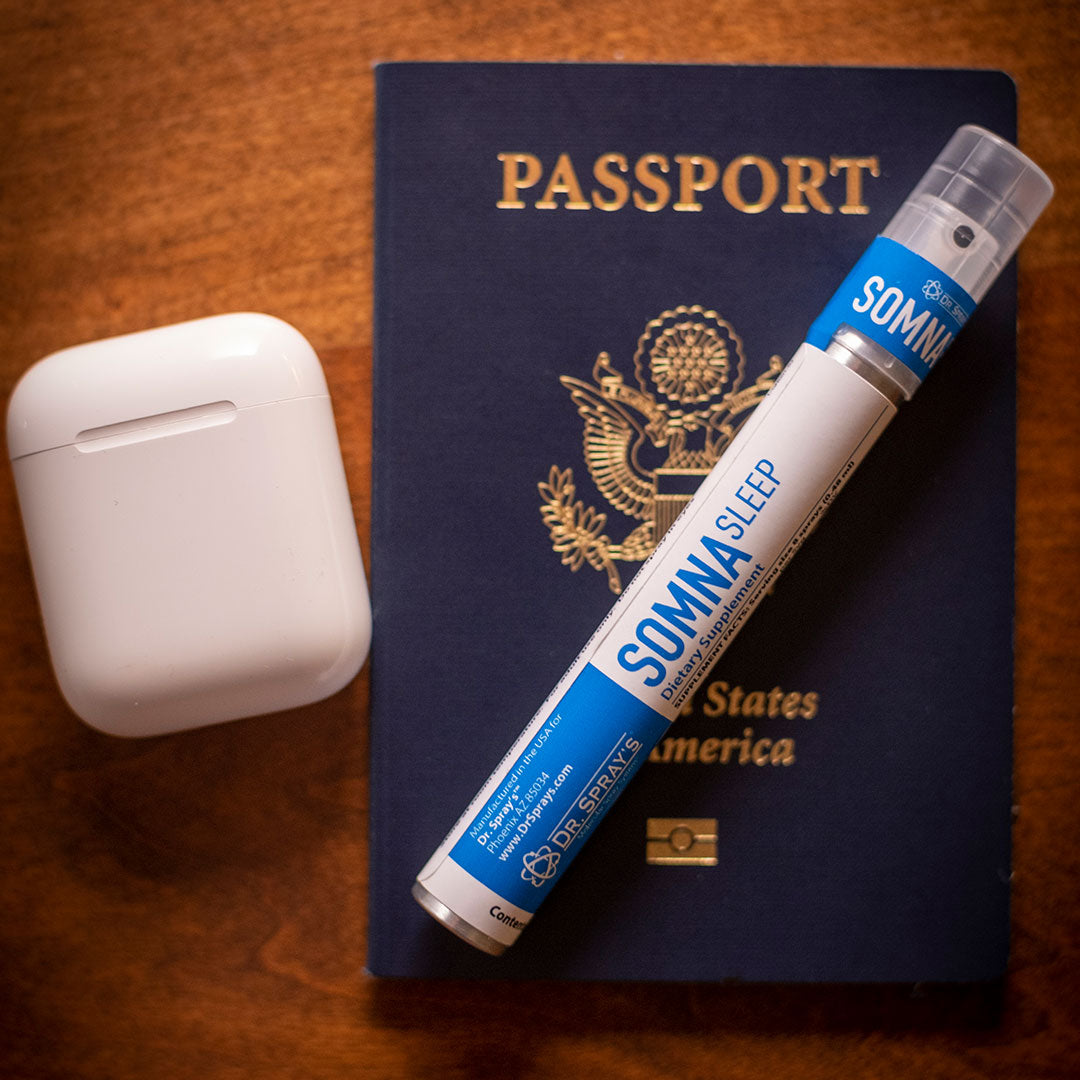
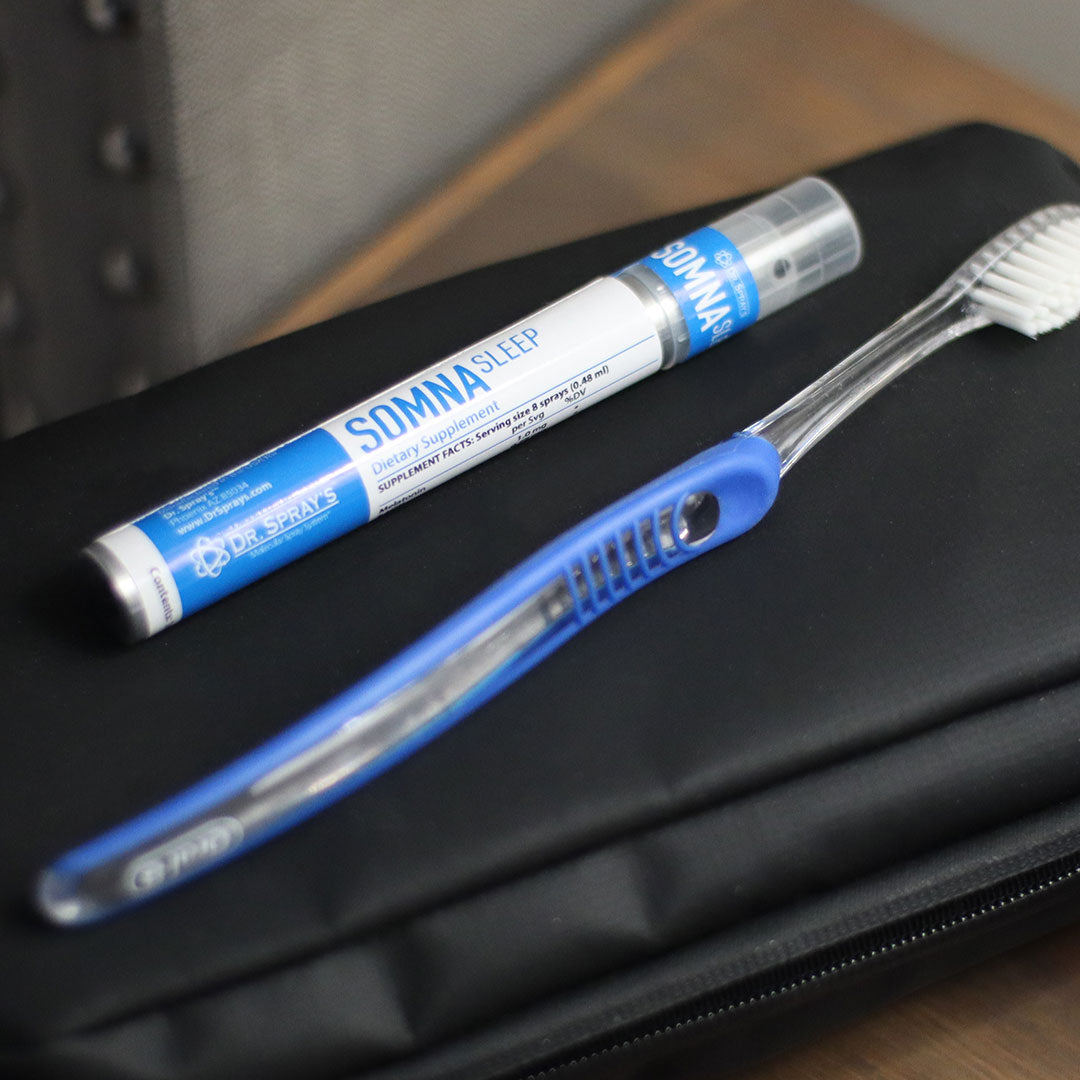
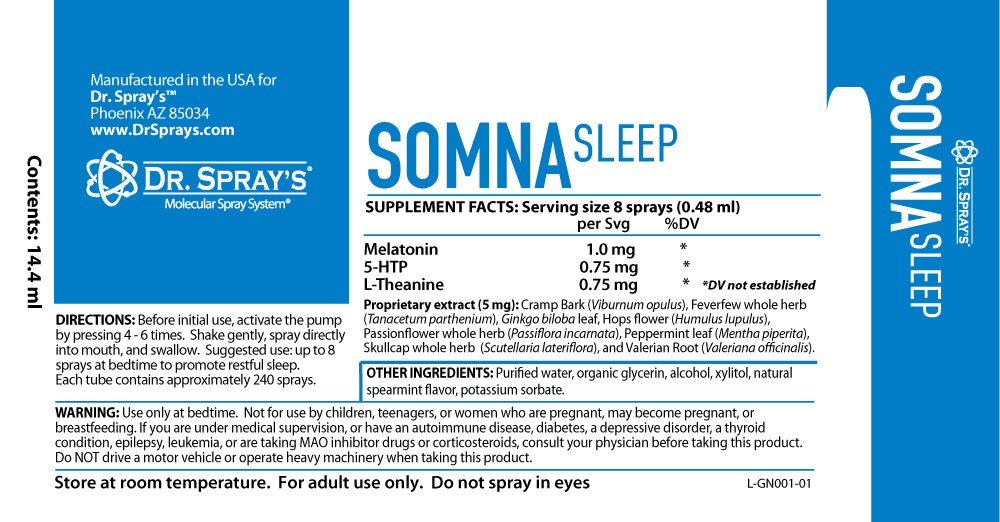
Interestingly, the effectiveness of relaxation support extends beyond aromatherapy alone. Modern wellness approaches often combine multiple sensory inputs with nutritional support for comprehensive stress management. Products like Sleep Somna spray leverage oral spray delivery to provide targeted nutritional support alongside lifestyle practices like aromatherapy.
Top Scents That Promote Relaxation
Lavender: The Gold Standard for Calm
Lavender consistently ranks as the most researched and effective scent for relaxation. Multiple clinical studies have demonstrated that lavender essential oil can reduce anxiety levels, improve sleep quality, and promote overall calmness. The primary active compounds—linalool and linalyl acetate—have documented sedative effects on the nervous system.
To incorporate lavender into your relaxation routine, consider using a diffuser in your bedroom thirty minutes before sleep, adding a few drops to a warm bath, or applying diluted lavender oil to your wrists and temples. Many people find that combining lavender aromatherapy with nutritional sleep support creates a comprehensive approach to rest and recovery.
Chamomile: Gentle and Soothing
Known for its use in calming teas, chamomile's scent carries many of the same relaxing properties as the beverage itself. The apple-like aroma contains compounds that bind to the same brain receptors as certain anti-anxiety medications, though with a much gentler effect. Roman chamomile, in particular, has demonstrated effectiveness in reducing stress-related symptoms.
Bergamot: Uplifting Yet Calming
Unlike most relaxing scents that are purely sedative, bergamot offers a unique combination of mood elevation and anxiety reduction. This citrus scent can help reduce stress while maintaining mental clarity—making it ideal for daytime relaxation when you need to remain alert. Studies have shown that bergamot essential oil can lower salivary cortisol levels and improve mood states.
Ylang Ylang: Exotic Relaxation
With its rich, floral aroma, ylang ylang has been traditionally used in aromatherapy to reduce stress and promote relaxation. Research indicates that inhaling ylang ylang can decrease blood pressure and heart rate while increasing feelings of calmness and alertness. Its exotic scent profile makes it a popular choice for spa environments and meditation practices.
Sandalwood: Grounding and Centering
Sandalwood's warm, woody scent has been used for centuries in meditation and spiritual practices. Modern research supports these traditional uses, showing that sandalwood aromatherapy can reduce anxiety and improve mental clarity. The scent's grounding quality makes it particularly effective for those who feel mentally scattered or overwhelmed.
How to Use Relaxing Scents Effectively
Understanding which scents promote relaxation is only the first step—knowing how to use them effectively maximizes their benefits. The delivery method and timing of aromatherapy can significantly impact its effectiveness.
Diffusion Methods
Electronic diffusers offer the most consistent way to disperse aromatic compounds throughout a space. Unlike candles or incense, which can introduce smoke and particulates, ultrasonic diffusers create a fine mist that preserves the essential oils' chemical integrity. For optimal relaxation, run your diffuser for 30-60 minutes in the space where you'll be relaxing.
Topical Application
When properly diluted with a carrier oil, essential oils can be applied directly to the skin, allowing for both aromatherapeutic and potential transdermal benefits. Pulse points—wrists, temples, and behind the ears—offer ideal application sites due to their warmth and proximity to major blood vessels. Always perform a patch test before widespread application.
Bath and Shower Aromatherapy
Adding essential oils to bath water or applying them to shower walls creates an immersive aromatherapy experience. The warm water helps volatilize the aromatic compounds while the steam carries them directly to your olfactory system. This method combines the relaxing properties of warm water with the therapeutic benefits of scent.
Integrating Scent Therapy with Comprehensive Wellness
While aromatherapy offers powerful relaxation benefits, the most effective stress management approaches address wellness from multiple angles. Scent therapy works best when combined with other evidence-based relaxation techniques and proper nutritional support.
The Role of Nutrition in Stress Management
Your body's ability to manage stress depends significantly on nutritional status. Key nutrients like B vitamins, vitamin D, magnesium, and certain amino acids play crucial roles in neurotransmitter production and stress response regulation. Deficiencies in these nutrients can compromise your ability to relax, even when using effective aromatherapy techniques.
Modern vitamin spray supplements offer an efficient way to support nutritional needs related to stress management. Unlike traditional pills, oral spray vitamins provide rapid absorption—up to 90% compared to approximately 10-20% for many tablet forms. This superior bioavailability means your body can actually use the nutrients you're consuming.
B Vitamins and Stress Response
The B vitamin complex plays a particularly important role in stress management and relaxation. These vitamins are essential for neurotransmitter synthesis, energy production, and nervous system function. During periods of stress, B vitamin requirements increase significantly, potentially leading to deficiency if intake doesn't keep pace with demand.
A vitamin B12 spray can provide targeted support for stress-related B vitamin needs. This methylcobalamin-based formulation delivers the active form of B12 directly into the bloodstream through the oral mucosa, bypassing the digestive system for optimal absorption.
Vitamin D and Mood Regulation
Often called the "sunshine vitamin," vitamin D plays a crucial role in mood regulation and stress response. Vitamin D receptors are found throughout the brain, including areas responsible for anxiety and depression. Research has consistently linked vitamin D deficiency with increased anxiety and impaired stress management.
For those seeking to optimize their vitamin D status, a vitamin D3 spray offers advantages over traditional supplements. The spray delivery ensures consistent absorption regardless of digestive health, and the precise metering allows for accurate daily dosing without the need to swallow large pills.
Creating a Multi-Sensory Relaxation Environment
The most effective relaxation practices engage multiple senses simultaneously. By creating an environment that supports relaxation through various sensory channels, you can achieve deeper and more lasting stress relief than through any single method alone.
Visual Elements
Soft, warm lighting—particularly in the 2700K-3000K range—promotes melatonin production and signals to your body that it's time to wind down. Consider using dimmable lights or salt lamps in your relaxation space. Natural elements like plants, water features, or nature photography can further enhance the calming visual environment.
Auditory Components
Sound significantly impacts your relaxation response. Nature sounds, binaural beats, or soft instrumental music can complement aromatherapy by engaging your auditory processing centers. Many people find that consistent, low-volume background sound masks disruptive noises and creates a cocoon-like environment conducive to deep relaxation.
Temperature and Texture
Physical comfort plays an essential role in relaxation. A slightly cool room temperature (around 65-68°F) promotes better sleep, while soft textures and comfortable seating remove physical distractions. Consider incorporating weighted blankets, which provide deep pressure stimulation that can reduce anxiety and promote calmness.
Location-Specific Considerations: Relaxation in Phoenix, Arizona
Environmental factors significantly influence both stress levels and the effectiveness of relaxation techniques. In Phoenix, Arizona, where DrSprays manufactures its doctor-developed formulations, unique climate considerations affect stress management approaches.
The intense desert heat and low humidity can impact both aromatherapy effectiveness and nutritional needs. Essential oils evaporate more quickly in dry environments, requiring more frequent application or diffusion. The heat also increases nutrient demands, particularly for vitamins that support stress response and immune function.
Phoenix residents may benefit from increased vitamin D awareness despite the abundant sunshine. While the area receives over 300 sunny days annually, many people avoid midday sun exposure due to extreme heat, potentially leading to vitamin D deficiency. Combining indoor aromatherapy practices with appropriate nutritional supplementation addresses both immediate relaxation needs and long-term wellness support.
Personalizing Your Scent-Based Relaxation Practice
While certain scents have demonstrated relaxation benefits across populations, individual responses can vary based on personal associations, genetic factors, and cultural background. The most effective relaxation scent for you is one that you find genuinely pleasant and that creates positive associations.
Building Scent Associations
You can strengthen the relaxation response to specific scents through consistent pairing. By regularly using a particular scent during relaxation activities—meditation, reading, or warm baths—you create a conditioned response. Over time, simply smelling that scent will trigger the relaxation response, even in less-than-ideal circumstances.
Avoiding Scent Fatigue
Olfactory adaptation, commonly called "nose blindness," occurs when continuous exposure to a scent diminishes your ability to detect it. To maintain effectiveness, rotate between different relaxing scents or use them intermittently rather than continuously. This approach keeps your olfactory system responsive and prevents habituation.
Safety Considerations for Aromatherapy
While generally safe when used properly, essential oils are highly concentrated plant compounds that require respect and appropriate handling. Understanding basic safety guidelines ensures that your relaxation practice remains beneficial and risk-free.
Always dilute essential oils before topical application—a general guideline is 2-3 drops of essential oil per teaspoon of carrier oil for adults. Never ingest essential oils unless under the guidance of a qualified healthcare practitioner. Some oils can interact with medications or are contraindicated during pregnancy, so consult with your healthcare provider if you have specific health concerns.
Quality matters significantly with essential oils. Look for products that specify their botanical name, country of origin, and extraction method. Pure essential oils should list only the plant-derived oil without added synthetic fragrances or diluting agents.
Complementary Relaxation Techniques
Aromatherapy works synergistically with other evidence-based relaxation methods. Progressive muscle relaxation, deep breathing exercises, and guided imagery all enhance the effects of calming scents while providing additional stress-relief benefits.
Breathwork and Scent
Intentional breathing naturally pairs with aromatherapy since you must inhale to experience the scent. Practices like 4-7-8 breathing (inhale for 4 counts, hold for 7, exhale for 8) or box breathing can be performed while inhaling relaxing scents, creating a powerful combined effect on your nervous system.
Meditation and Mindfulness
Using specific scents during meditation creates an anchor for your practice—a sensory cue that helps signal to your mind that it's time to turn inward. Many experienced meditators report that their "meditation scent" becomes so strongly associated with the practice that it can help them enter a meditative state more quickly.
When to Seek Professional Support
While aromatherapy and lifestyle approaches offer valuable support for everyday stress, persistent anxiety or difficulty relaxing may indicate a need for professional evaluation. Chronic stress can deplete nutritional reserves and disrupt hormonal balance, sometimes requiring more comprehensive intervention.
If you find that relaxation techniques, including aromatherapy and lifestyle modifications, aren't providing adequate relief, consult with a healthcare provider. They can evaluate for underlying conditions, assess nutritional status, and recommend appropriate interventions. At DrSprays, our formulations are developed by healthcare professionals who understand the complex interplay between nutrition, stress, and overall wellness.
The DrSprays Advantage: Supporting Relaxation Through Optimal Nutrition
Based in Phoenix, Arizona, DrSprays operates an FDA-registered, GMP-certified facility dedicated to producing doctor-developed oral spray vitamins that support overall wellness—including stress management and relaxation. Our spray delivery system achieves approximately 90% absorption, ensuring that the nutrients you consume actually reach your cells where they're needed.
While aromatherapy addresses immediate relaxation needs through sensory pathways, our spray supplements support the underlying nutritional foundation that enables your body to manage stress effectively over the long term. This comprehensive approach—combining evidence-based lifestyle practices with superior nutritional support—offers the most effective path to sustained wellness.
Our formulations undergo rigorous quality testing and are manufactured according to strict pharmaceutical standards. From our Multi-Vitamin spray that provides broad-spectrum nutritional support to targeted formulations like our Sleep Somna spray, each product is designed to deliver therapeutic nutrients with maximum efficiency.
Frequently Asked Questions
What is the most scientifically proven scent for relaxation?
Lavender has the most extensive research supporting its relaxation benefits, with multiple clinical trials demonstrating its ability to reduce anxiety, improve sleep quality, and lower stress markers like cortisol. Its primary compounds—linalool and linalyl acetate—have documented sedative effects on the nervous system. However, individual responses vary, and the most effective scent for you may differ based on personal preferences and associations.
How quickly do relaxing scents work?
Scent molecules reach your olfactory receptors and signal the brain within seconds of inhalation. Physiological responses like decreased heart rate and lowered blood pressure can begin within 2-5 minutes of exposure to relaxing scents. However, the full relaxation effect typically develops over 15-30 minutes of continued exposure as your nervous system fully shifts into a parasympathetic (rest-and-digest) state.
Can you use multiple relaxing scents together?
Yes, blending complementary scents can create synergistic effects. Popular relaxation blends include lavender with bergamot, chamomile with sandalwood, or ylang ylang with lavender. When creating blends, start with small amounts—typically 2-3 essential oils at most—to avoid overwhelming your olfactory system. Ensure the scents harmonize rather than compete, and adjust ratios based on personal preference.
How do vitamin sprays support relaxation compared to aromatherapy?
Aromatherapy and nutritional support work through different but complementary mechanisms. Aromatherapy provides immediate sensory-based relaxation by directly engaging the limbic system, while vitamin spray products support the biochemical processes underlying stress management. B vitamins, vitamin D, and magnesium (found in various spray formulations) support neurotransmitter production, hormone regulation, and nervous system function—the foundation for long-term stress resilience. Combining both approaches offers comprehensive support for relaxation and stress management.
Are essential oils safe for everyone?
While generally safe when used properly, essential oils aren't appropriate for everyone. Pregnant women should avoid certain oils like rosemary, sage, and some others. People with asthma or respiratory conditions should use caution with diffused oils. Some oils can interact with medications or trigger allergic reactions in sensitive individuals. Always dilute oils before topical application, avoid ingestion without professional guidance, and consult a healthcare provider if you have specific health concerns or take medications.
How does the climate in Phoenix, Arizona affect aromatherapy and supplement needs?
Phoenix's hot, dry climate impacts both aromatherapy effectiveness and nutritional requirements. Low humidity causes essential oils to evaporate more quickly, requiring more frequent application or diffusion. The heat also increases nutrient demands, particularly for vitamins supporting stress response and immune function. Despite abundant sunshine, many Phoenix residents have suboptimal vitamin D levels due to avoiding peak sun hours, making supplementation with products like vitamin D3 spray particularly relevant. The dry air can also affect respiratory comfort when using aromatherapy, so proper hydration becomes especially important.
What's the advantage of spray supplements over traditional pills?
Oral spray delivery offers several significant advantages over tablet or capsule supplements. Spray supplements achieve approximately 90% absorption compared to 10-20% for many tablet forms because they bypass the digestive system and deliver nutrients directly through the oral mucosa into the bloodstream. This superior bioavailability means more of the nutrients you consume actually reach your cells. Sprays also offer convenience—no need to swallow large pills—and precise dosing through metered spray mechanisms. For people with digestive issues, spray delivery eliminates concerns about breakdown and absorption in the GI tract.
Can scent therapy help with sleep problems?
Yes, certain scents—particularly lavender, chamomile, and sandalwood—have demonstrated effectiveness in improving sleep quality. These scents can reduce sleep latency (time to fall asleep), decrease nighttime awakenings, and improve overall sleep satisfaction. For best results, introduce calming scents 30-60 minutes before bedtime as part of a consistent wind-down routine. Combining aromatherapy with sleep-supporting nutrients found in formulations like Sleep Somna spray and good sleep hygiene practices (consistent schedule, cool room temperature, darkness) creates a comprehensive approach to better rest.
Take the Next Step Toward Better Relaxation and Wellness
Understanding what scent helps relax is just the beginning of creating a comprehensive stress management strategy. While aromatherapy offers immediate sensory-based benefits, lasting wellness requires attention to the nutritional foundation that supports your body's stress response systems.
At DrSprays, we've developed doctor-formulated oral spray vitamins that deliver superior absorption and bioavailability, ensuring your body receives the nutrients it needs to manage stress effectively. Our products are manufactured in our FDA-registered, GMP-certified facility in Phoenix, Arizona, meeting the highest quality and safety standards.
Whether you're seeking better sleep support, enhanced energy, or optimized overall wellness, our range of targeted spray formulations provides convenient, effective nutritional support. Explore our complete line of vitamin spray products and discover how superior nutrient delivery can transform your wellness journey.
Ready to experience the DrSprays difference? Visit our website to learn more about our doctor-developed formulations and find the perfect products to support your relaxation and wellness goals. Your journey toward better stress management and comprehensive wellness begins with a single spray.