Many people struggle with getting quality sleep and often turn to over-the-counter medications like Nyquil combined with dedicated sleep aids. However, this combination can pose significant health risks that are important to understand before mixing medications. In this comprehensive guide, we'll explore the dangers of combining sleep medications and discuss safer, more effective alternatives for achieving restful sleep.
Want better sleep without mixing medications?
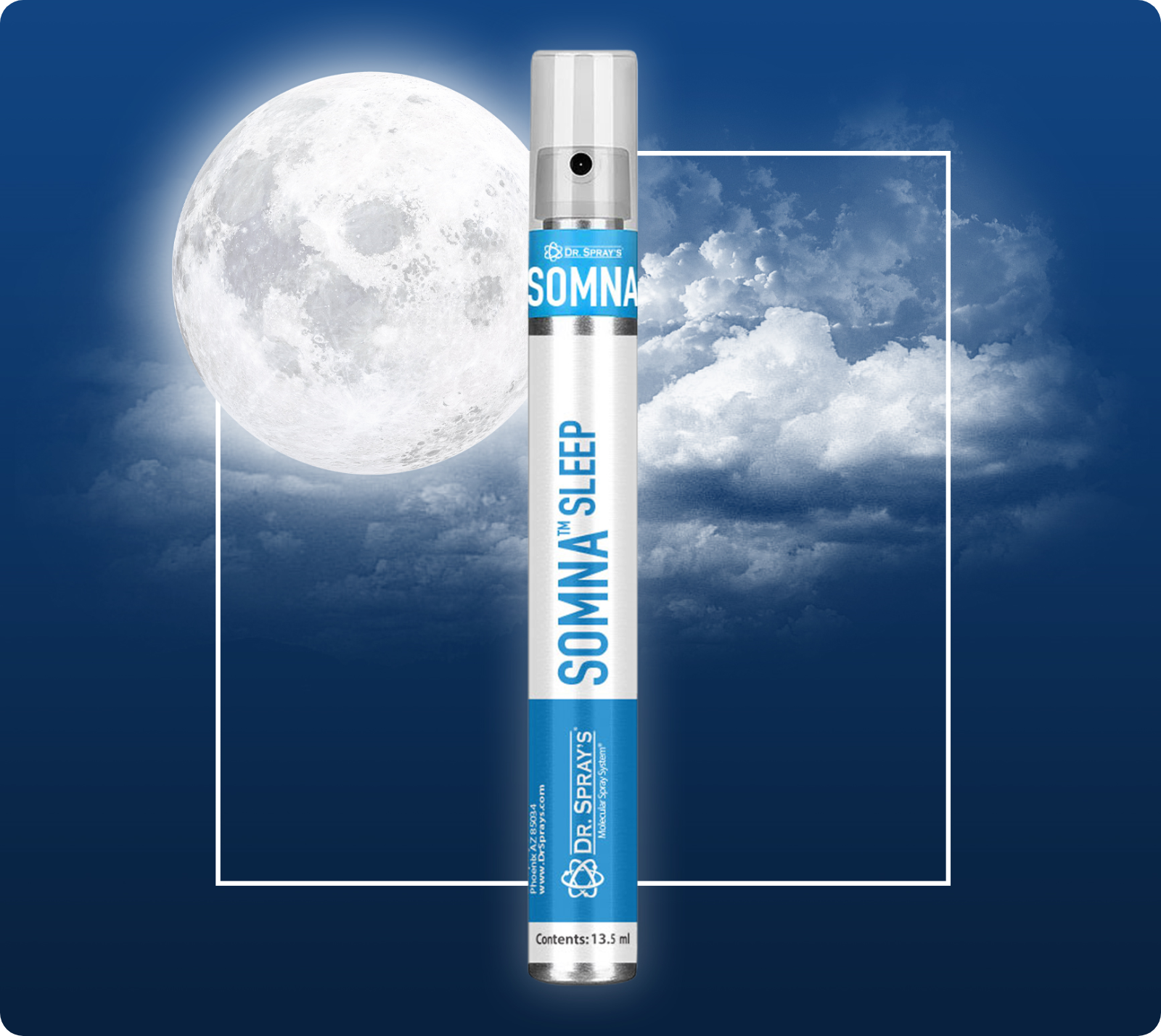
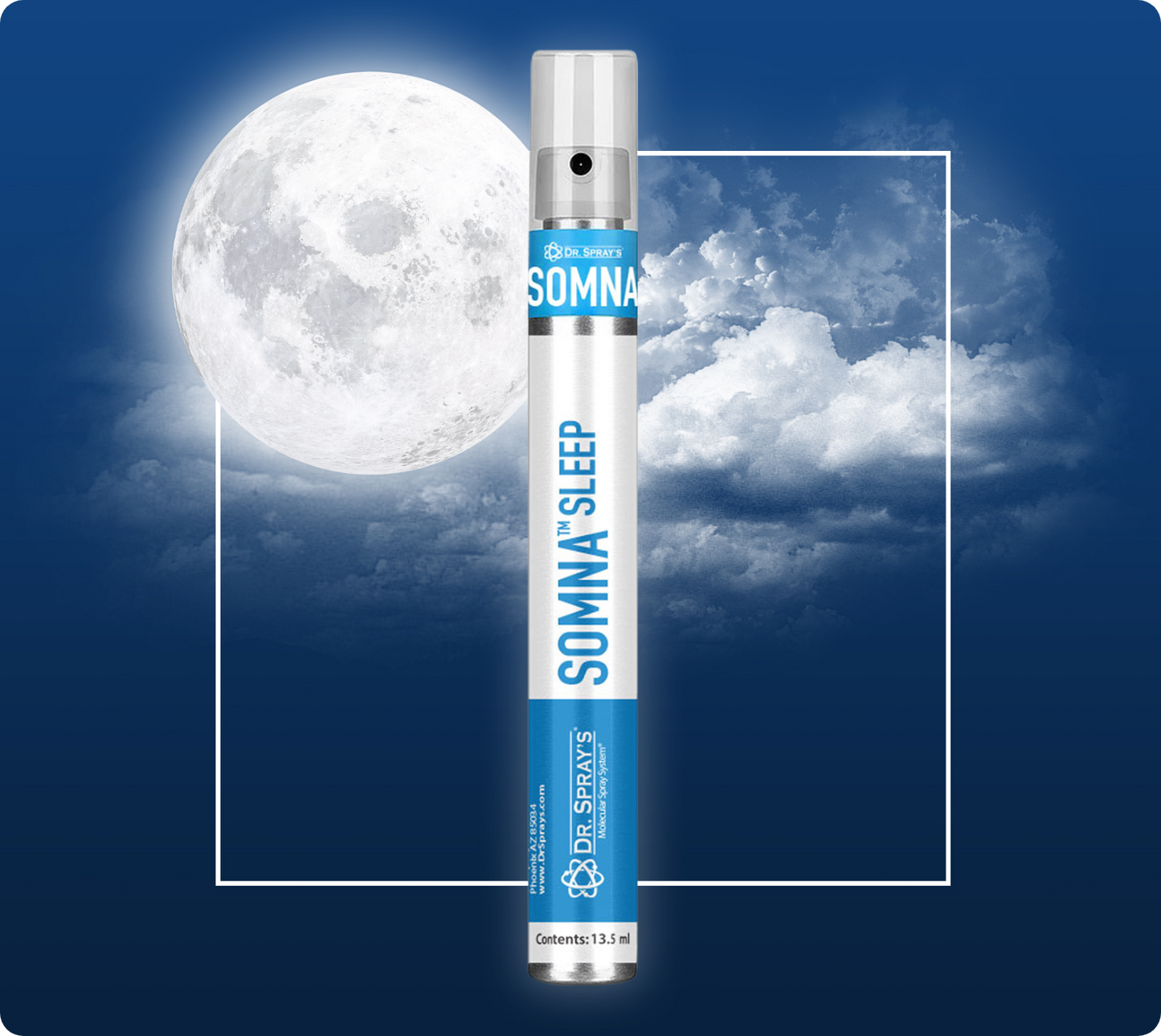
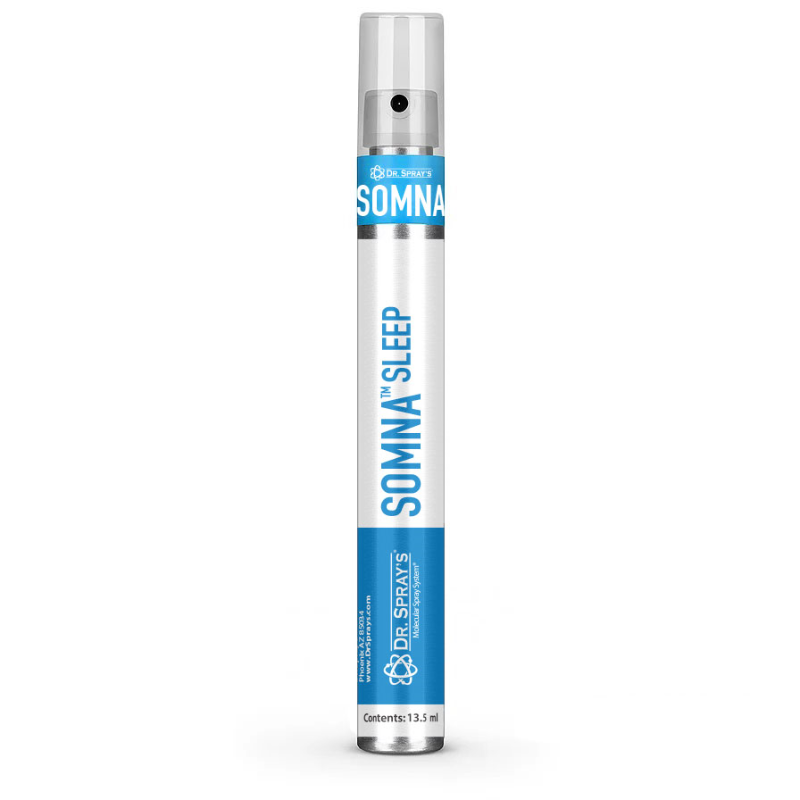
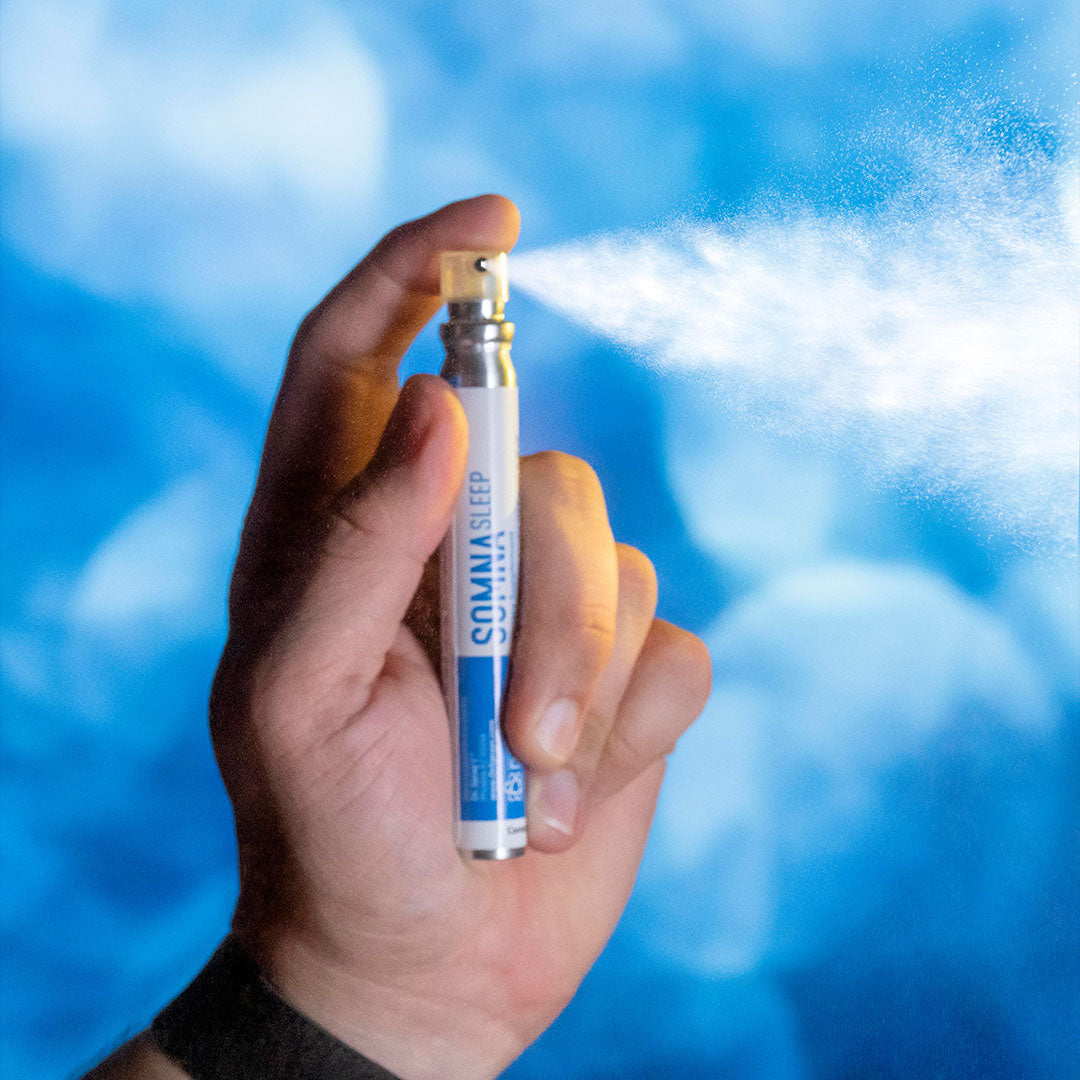
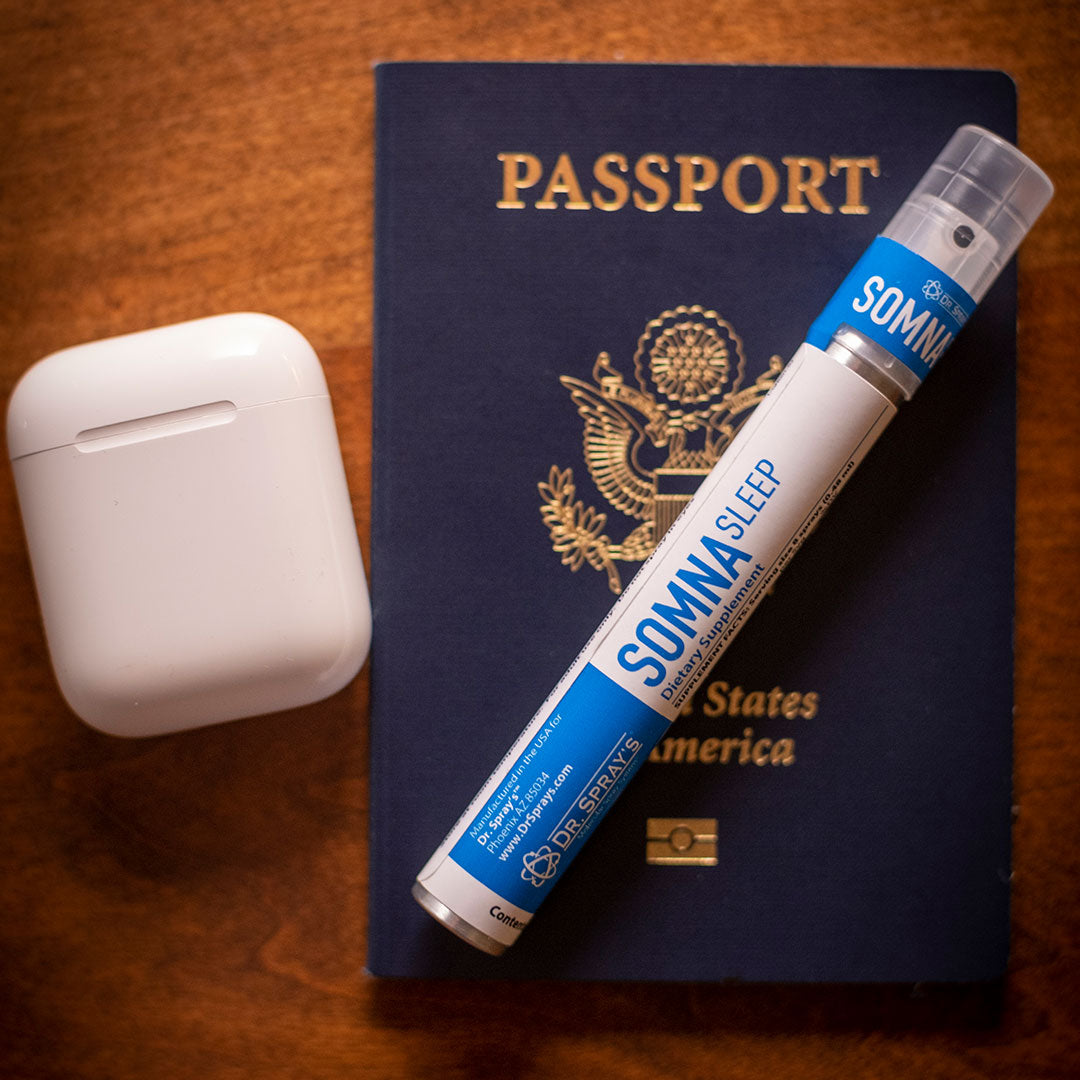
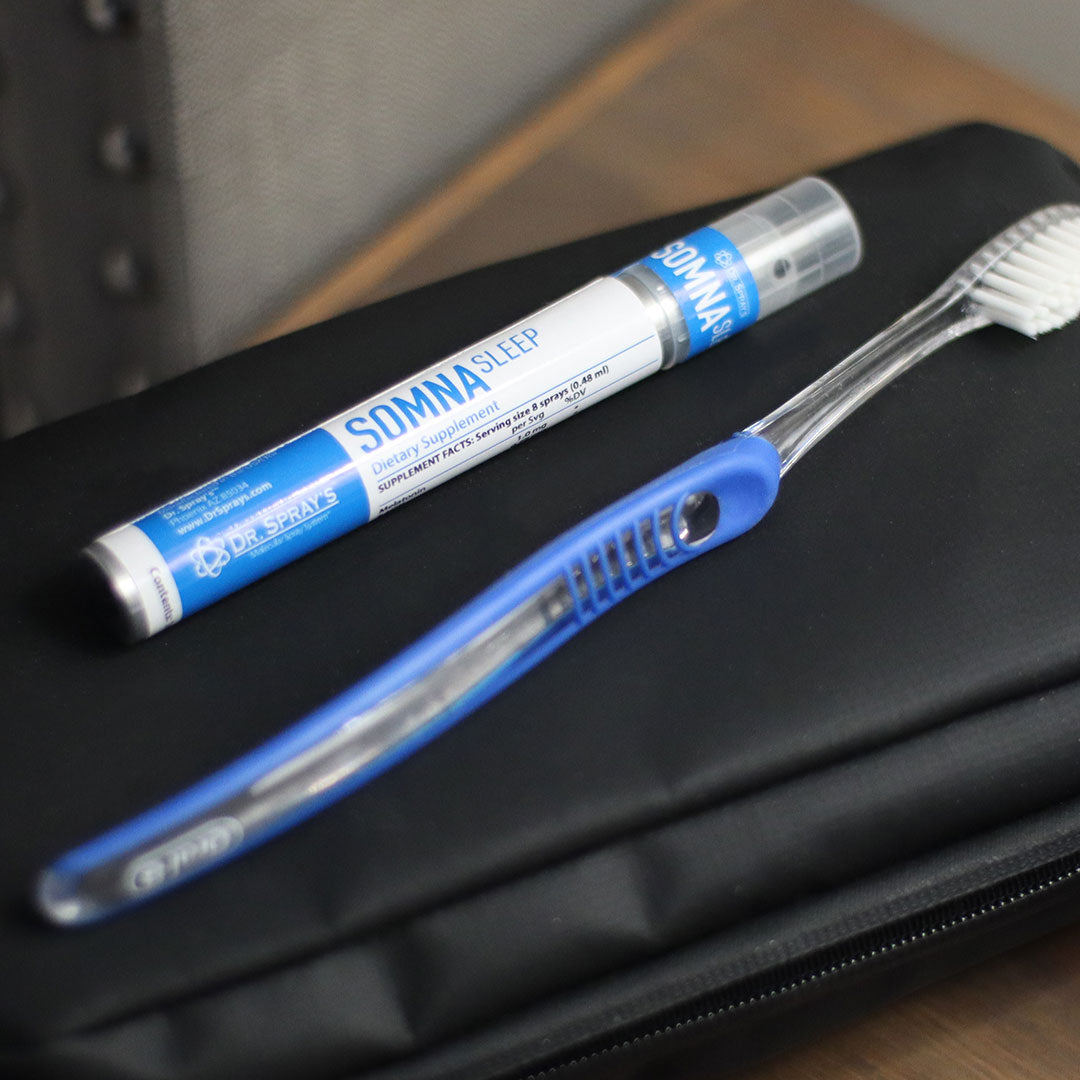
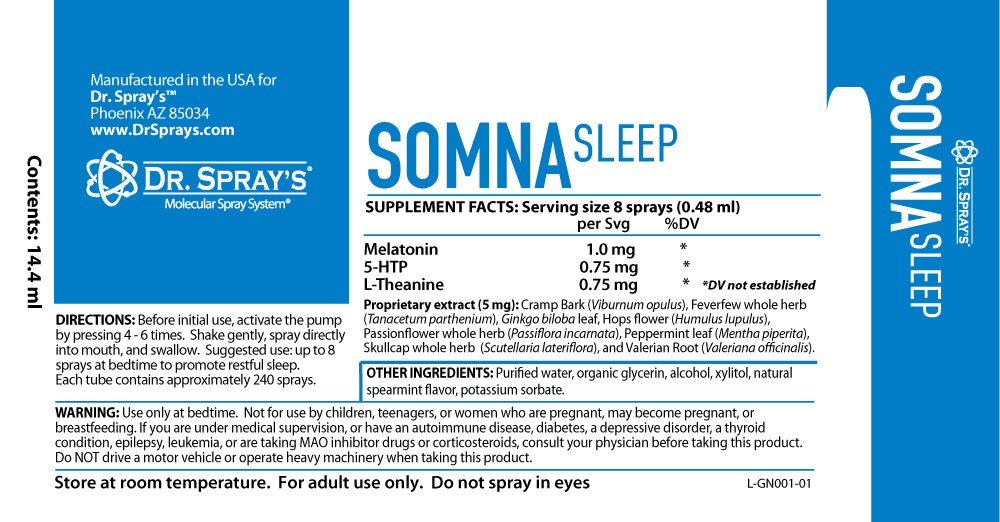
Dr Sprays SOMNA Sleep Spray uses melatonin, L-theanine, and 5-HTP — all-natural ingredients that help you fall asleep without the antihistamines and acetaminophen found in NyQuil. A cleaner approach to sleep support.
- Doctor-developed, non-habit forming formula
- Starts working within minutes — no pills to swallow
- Made in an FDA-registered facility in Phoenix, AZ
- 100% money-back guarantee
Free shipping on your first order. Always consult your doctor before starting any new supplement.
Understanding Nyquil and Sleep Aids
Before we address whether you can safely combine these products, it's essential to understand what each one contains and how they work in your body.
What's in Nyquil?
Nyquil is a multi-symptom cold and flu medication that contains several active ingredients:
- Acetaminophen: A pain reliever and fever reducer (650 mg per dose)
- Dextromethorphan: A cough suppressant (20 mg per dose)
- Doxylamine succinate: An antihistamine that causes drowsiness (12.5 mg per dose)
The doxylamine succinate in Nyquil is the same ingredient found in many over-the-counter sleep aids, which is the primary concern when considering combining these medications.
Common Sleep Aid Ingredients
Most over-the-counter sleep aids contain one of these active ingredients:
- Diphenhydramine: An antihistamine found in products like Benadryl and many generic sleep aids
- Doxylamine succinate: Another antihistamine, also found in Nyquil
- Melatonin: A hormone that regulates sleep-wake cycles
- Valerian root: An herbal supplement used for sleep support
The Risks of Combining Nyquil and Sleep Aids
Taking Nyquil with additional sleep aids can lead to dangerous medication interactions and unwanted side effects. Understanding these risks is crucial for your health and safety.
Excessive Sedation
Since Nyquil already contains a sedating antihistamine, adding another sleep aid can result in extreme drowsiness that goes beyond normal sleep. This excessive sedation can cause:
- Difficulty waking up or responding to emergencies
- Impaired coordination and balance
- Confusion and disorientation
- Respiratory depression in severe cases
Antihistamine Overdose
If you combine Nyquil with a sleep aid containing diphenhydramine or doxylamine, you're effectively doubling up on antihistamines. This can lead to anticholinergic toxicity, which causes:
- Rapid heartbeat
- Dry mouth and blurred vision
- Urinary retention
- Confusion or delirium
- Elevated body temperature
Next-Day Impairment
Combining these medications significantly increases the likelihood of experiencing grogginess and cognitive impairment the following day. This "hangover effect" can affect your ability to drive safely, work effectively, or make important decisions.
Liver Stress
Nyquil contains acetaminophen, which is processed by the liver. When combined with certain sleep aids or taken regularly, this can place additional stress on your liver, particularly if you consume alcohol or take other medications containing acetaminophen.
When You Might Consider This Combination
While generally not recommended, there are limited circumstances where a healthcare provider might approve combining these medications:
- You're taking a melatonin-only sleep aid (no antihistamines)
- You've consulted with a pharmacist or doctor who has reviewed all your medications
- You're using the absolute minimum effective doses
- You have no underlying health conditions that increase risk
Important: Never make this decision on your own. Always consult with a healthcare professional before combining any medications, even over-the-counter products.
Safer Alternatives for Better Sleep
If you're struggling with both cold symptoms and poor sleep, there are safer approaches that don't involve potentially dangerous medication combinations.
Choose One Medication at a Time
If you have cold symptoms and need help sleeping, Nyquil alone may be sufficient. Its antihistamine component provides sedative effects while addressing your cold symptoms. Avoid adding additional sleep aids unless specifically directed by a healthcare provider.
Time Your Medications Appropriately
If you must use both types of medications, speak with a pharmacist about proper timing. Generally, spacing medications several hours apart can reduce the risk of interactions, though this approach still carries risks and requires professional guidance.
Consider Natural Sleep Support
Many people find success with natural sleep support methods that don't involve sedating antihistamines:
- Melatonin supplements: These work with your body's natural sleep-wake cycle
- Magnesium: This mineral supports relaxation and sleep quality
- B vitamins: These support healthy sleep patterns and energy regulation
- Vitamin D3: Proper levels are associated with better sleep quality
Try Oral Spray Supplements for Better Absorption
Traditional pill-form supplements can take hours to digest and may have limited absorption, especially when you're congested or have an upset stomach from a cold. Oral spray vitamins offer a superior alternative with several advantages:
- Rapid absorption: Spray supplements bypass the digestive system, delivering nutrients directly through the oral mucosa
- Higher bioavailability: Studies show that vitamin sprays can achieve up to 90% absorption compared to 10-20% for many pills
- Easier to take: No need to swallow large pills when you have a sore throat
- Precise dosing: Each spray delivers a consistent amount of nutrients
For sleep support specifically, consider a natural sleep spray that contains complementary nutrients without the risks associated with antihistamine-based medications. Many formulations include melatonin, B vitamins, and other sleep-supporting compounds in an easily absorbed spray format.
The Science Behind Sleep-Supporting Nutrients
Understanding how specific vitamins and minerals support healthy sleep can help you make informed decisions about supplementation.
Vitamin B12 and Sleep Regulation
Vitamin B12 plays a crucial role in regulating your circadian rhythm and maintaining healthy sleep-wake cycles. Research indicates that B12 deficiency can disrupt melatonin production and lead to sleep disturbances. A vitamin B12 spray provides quick absorption of this essential nutrient, particularly beneficial for those with digestive issues that may impair B12 absorption from food or pills.
Vitamin D3's Role in Sleep Quality
Studies have found strong correlations between vitamin D deficiency and poor sleep quality, including difficulty falling asleep and frequent nighttime awakenings. While our bodies produce vitamin D from sunlight exposure, many people are deficient, especially during winter months. A vitamin D3 spray offers an efficient way to maintain optimal levels year-round.
The Importance of Magnesium
Magnesium supports the production of GABA, a neurotransmitter that promotes relaxation and sleep. This mineral also helps regulate melatonin and maintains healthy circadian rhythms. Many people don't get sufficient magnesium from diet alone, making supplementation valuable for sleep support.
For a natural alternative, the Dr Sprays SOMNA Sleep Spray uses melatonin, L-theanine, and 5-HTP in a fast-absorbing oral spray — no antihistamines, no acetaminophen, and no next-day grogginess.
Lifestyle Strategies for Better Sleep
While supplements can support healthy sleep, implementing good sleep hygiene practices creates the foundation for restful nights:
Establish a Consistent Sleep Schedule
Going to bed and waking up at the same time every day helps regulate your body's internal clock. This consistency strengthens your natural sleep-wake cycle, making it easier to fall asleep and wake up refreshed.
Create an Optimal Sleep Environment
Your bedroom should be conducive to sleep:
- Keep the room cool (60-67°F is ideal)
- Minimize light exposure with blackout curtains
- Reduce noise with earplugs or white noise machines
- Invest in a comfortable mattress and pillows
Limit Evening Screen Time
Blue light from phones, tablets, and computers suppresses melatonin production. Stop using electronic devices at least one hour before bedtime, or use blue light filtering apps and glasses if you must use screens.
Watch Your Evening Routine
What you do in the hours before bed significantly impacts sleep quality:
- Avoid caffeine after 2 PM
- Limit alcohol consumption, which disrupts sleep cycles
- Finish eating at least three hours before bedtime
- Practice relaxation techniques like deep breathing or meditation
When to See a Healthcare Provider
Persistent sleep problems may indicate underlying health issues that require professional attention. Consult a healthcare provider if you experience:
- Difficulty falling or staying asleep for more than three weeks
- Excessive daytime sleepiness despite adequate time in bed
- Loud snoring or gasping during sleep (possible sleep apnea)
- Uncomfortable sensations in your legs at night (restless leg syndrome)
- Sleep problems that interfere with daily functioning
A healthcare professional can help identify the root cause of your sleep issues and recommend appropriate treatments, which may include cognitive behavioral therapy for insomnia (CBT-I), prescription medications, or treatment of underlying conditions.
The DrSprays Approach to Sleep Support
At our FDA-registered, GMP-certified facility in Phoenix, Arizona, we've developed doctor-formulated spray supplements that provide targeted nutritional support without the risks associated with combining multiple medications. Our sleep support formulations are designed to work with your body's natural processes rather than simply sedating you.
Each vitamin spray we produce undergoes rigorous quality testing and is manufactured to the highest standards. With absorption rates up to 90%, our spray supplements deliver nutrients efficiently when you need them most. Whether you're dealing with occasional sleeplessness or seeking to optimize your sleep quality, spray supplements offer a modern, effective approach to nutritional support.
Frequently Asked Questions
Can I take Nyquil with melatonin?
While this combination is generally safer than mixing Nyquil with antihistamine-based sleep aids, you should still consult a healthcare provider first. Both products cause drowsiness, and combining them may result in excessive sedation. If approved by your doctor, use the lowest effective doses and avoid activities requiring alertness.
How long should I wait between taking Nyquil and a sleep aid?
If a healthcare professional has approved using both medications, they will typically recommend spacing them at least 4-6 hours apart. However, this is highly individual and depends on the specific sleep aid, your health status, and other medications you're taking. Never make this decision without professional guidance.
What happens if I accidentally took Nyquil and a sleep aid together?
If you've accidentally combined these medications, monitor yourself closely for signs of excessive sedation, confusion, rapid heartbeat, or difficulty breathing. If you experience severe symptoms or have concerns, contact poison control (1-800-222-1222) or seek emergency medical attention. For mild symptoms, stay awake if possible and ensure someone is with you to monitor your condition.
Are vitamin sprays effective for sleep support?
Yes, oral spray vitamins can be highly effective for sleep support when they contain appropriate nutrients like melatonin, B vitamins, magnesium, and vitamin D3. The spray delivery method offers superior absorption compared to pills, with bioavailability rates up to 90%. This means your body can utilize the nutrients more effectively to support healthy sleep patterns.
How do I know if I have a vitamin deficiency affecting my sleep?
Common signs that vitamin deficiencies may be impacting your sleep include persistent fatigue despite adequate sleep time, difficulty falling asleep, frequent nighttime awakenings, and daytime drowsiness. Blood tests can definitively identify deficiencies in vitamins B12, D3, and other nutrients. If you suspect deficiencies, consult your healthcare provider for proper testing and recommendations.
Can I use sleep support sprays every night?
Most sleep support sprays containing vitamins and minerals can be used daily as part of your evening routine. However, if your spray contains melatonin, it's best to use it only when needed rather than every night long-term, as this allows your body to maintain its natural melatonin production. Always follow the product instructions and consult with a healthcare provider about your specific needs.
What's the difference between antihistamine sleep aids and natural sleep supplements?
Antihistamine sleep aids work by blocking histamine receptors in the brain, causing drowsiness as a side effect. They can lead to tolerance, next-day grogginess, and don't address underlying sleep issues. Natural sleep supplements like vitamin sprays work with your body's systems to support healthy sleep patterns without sedating you. They provide nutrients that may be lacking and help regulate natural sleep-wake cycles.
Conclusion: Prioritizing Safe and Effective Sleep Solutions
While the question "Can I take Nyquil and a sleep aid?" might seem simple, the answer involves important considerations about medication safety and your overall health. The combination of these products generally poses more risks than benefits, particularly when both contain antihistamines.
Instead of relying on potentially dangerous medication combinations, consider a comprehensive approach to sleep support that includes:
- Proper sleep hygiene practices
- Targeted nutritional support through high-absorption spray supplements
- Addressing underlying health issues with professional help
- Using single medications appropriately when needed for cold symptoms
Modern innovations in supplement delivery, particularly vitamin spray technology, provide safer alternatives for supporting healthy sleep without the risks associated with combining sedating medications. By working with your body's natural processes rather than simply inducing drowsiness, these approaches can help you achieve better, more restorative sleep.
Remember, quality sleep is essential for overall health, immune function, and daily performance. Taking the time to find safe, effective solutions rather than risking dangerous medication combinations is an investment in your long-term wellbeing.
Experience the DrSprays Difference
Ready to support your sleep naturally with superior absorption? Our doctor-developed sleep support spray combines carefully selected nutrients in an easy-to-use format that delivers up to 90% absorption. Manufactured in our FDA-registered, GMP-certified facility in Phoenix, Arizona, every DrSprays product meets the highest quality standards.
Explore our complete line of spray supplements designed to support your health goals, from immune support to energy metabolism. Shop now and discover why thousands trust DrSprays for their daily nutritional needs.
Sleep Better — Without the NyQuil Hangover
SOMNA Sleep Spray delivers melatonin, L-theanine, and 5-HTP in a fast-absorbing oral spray. Fall asleep naturally without mixing medications or dealing with next-day drowsiness.
- ✓ Doctor-developed & non-habit forming
- ✓ Made in an FDA-registered facility
- ✓ 100% money-back guarantee
Free shipping on your first order