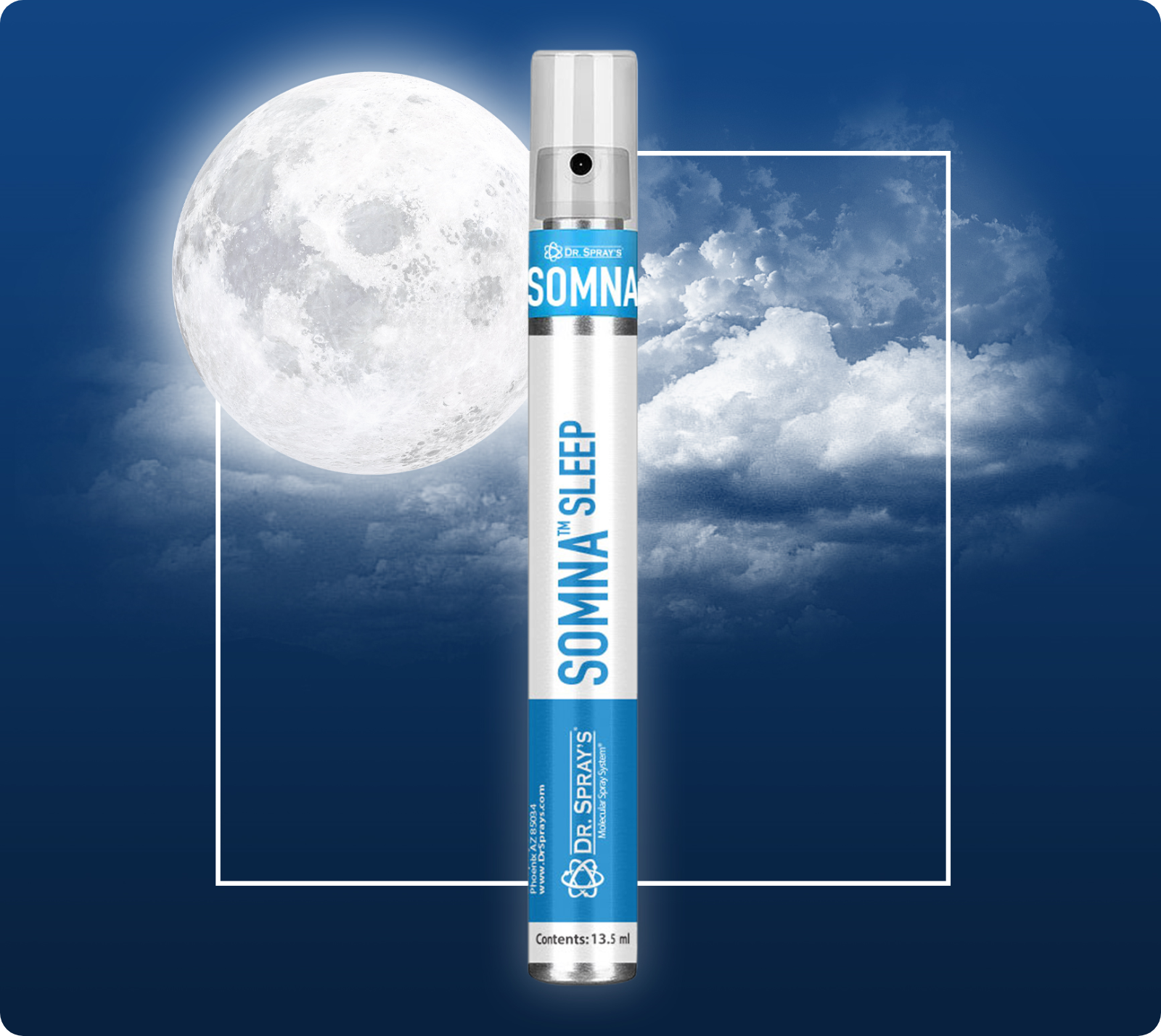
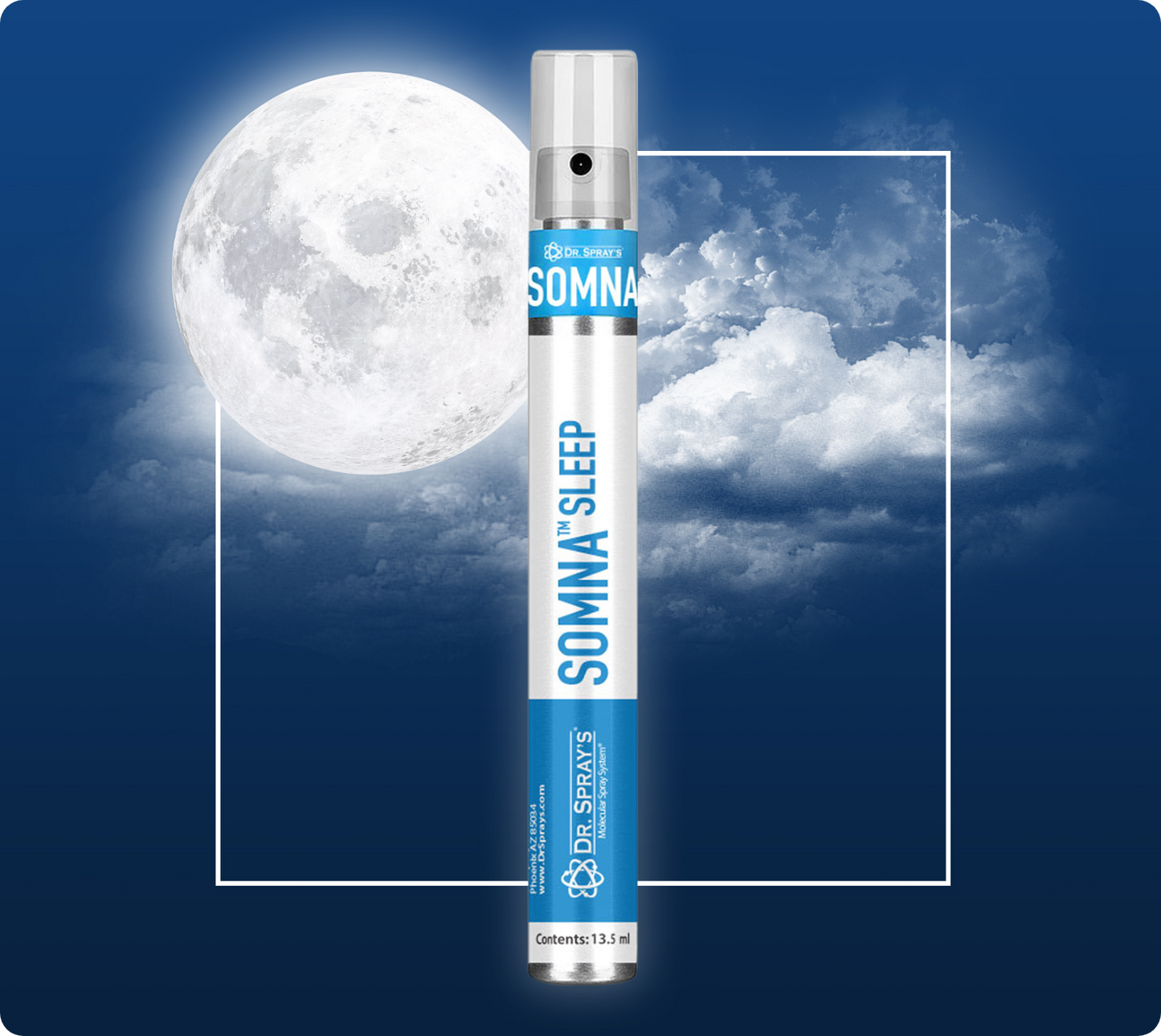
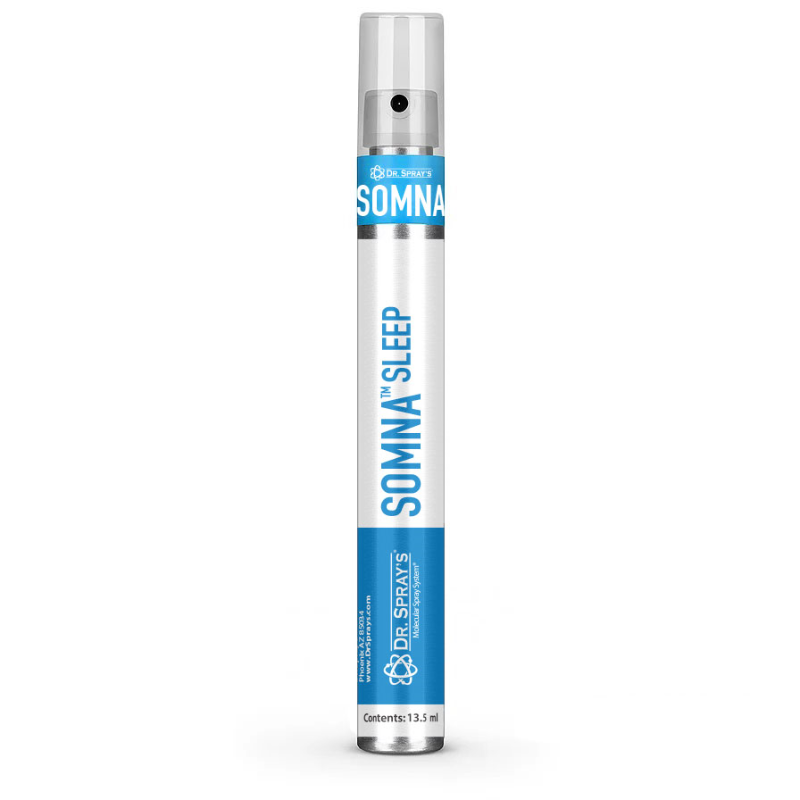
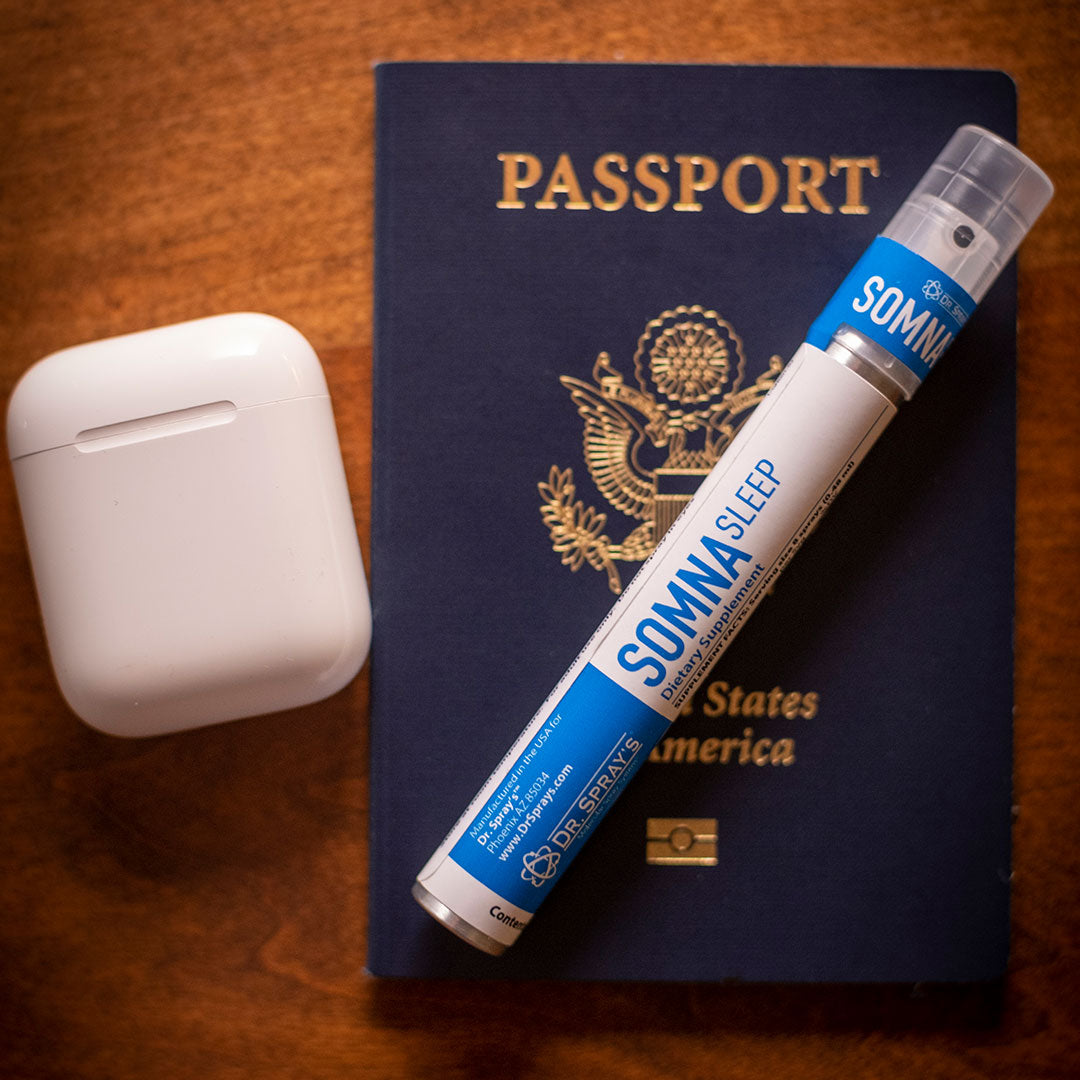
If you're taking phentermine for weight management, you may be experiencing one of its most common side effects: disrupted sleep. This creates a challenging dilemma—how do you address sleep issues while taking a stimulant medication? Understanding the interaction between phentermine and sleep aids is crucial for both your health and weight loss success.
In this comprehensive guide, we'll explore the relationship between phentermine and sleep aids, discuss safe options for improving sleep quality, and explain how innovative solutions like oral spray vitamins can support your overall wellness journey without interfering with your medication.
Understanding Phentermine and Its Impact on Sleep
Phentermine is a prescription appetite suppressant that works by stimulating the central nervous system, similar to amphetamines. It increases the release of neurotransmitters like norepinephrine, dopamine, and serotonin, which helps reduce appetite and increase energy expenditure.
However, this stimulant effect is precisely what makes sleep difficult. Many people taking phentermine report:
- Difficulty falling asleep (sleep onset insomnia)
- Frequent nighttime awakenings
- Reduced overall sleep quality
- Morning grogginess despite adequate sleep time
- Increased anxiety or restlessness at bedtime
These sleep disruptions can undermine your weight loss efforts, as poor sleep affects hormone regulation, increases cravings for high-calorie foods, and reduces motivation for physical activity.
Why Sleep Quality Matters for Weight Loss
Quality sleep isn't just about feeling rested—it's a critical component of successful weight management. When you don't get adequate sleep, your body experiences several metabolic changes:
- Increased ghrelin production: This "hunger hormone" rises with sleep deprivation, making you feel hungrier throughout the day
- Decreased leptin levels: Lower levels of this "satiety hormone" mean you feel less satisfied after eating
- Elevated cortisol: Stress hormones increase with poor sleep, promoting fat storage, especially around the midsection
- Insulin resistance: Sleep deprivation can impair your body's ability to process glucose effectively
Can You Safely Take Sleep Aids With Phentermine?
The short answer is: it depends on the type of sleep aid and your individual health situation. You should always consult with your prescribing physician before adding any sleep aid to your regimen while taking phentermine.
That said, let's examine the different categories of sleep aids and their potential interactions with phentermine.
Prescription Sleep Medications
Common prescription sleep aids include benzodiazepines (like temazepam), non-benzodiazepine hypnotics (like zolpidem or eszopiclone), and sedating antidepressants (like trazodone).
Potential concerns: Combining phentermine's stimulant effects with sedative medications creates opposing actions in your body. While this might seem like a simple balance, it can lead to unpredictable effects, increased side effects from both medications, and potentially dangerous cardiovascular stress.
Some prescription sleep aids may also have addictive potential, especially when used long-term, which is another consideration when you're already taking a controlled substance like phentermine.
Over-the-Counter Sleep Aids
Most OTC sleep aids contain antihistamines like diphenhydramine (Benadryl) or doxylamine succinate (Unisom). While generally considered safer than prescription options, they still carry considerations:
- May cause next-day drowsiness that conflicts with phentermine's energy-boosting effects
- Can lead to tolerance with regular use, requiring higher doses for the same effect
- May cause dry mouth, constipation, and urinary retention—side effects that can overlap with phentermine
- Not recommended for long-term use
Natural Sleep Support Options
Natural approaches to sleep support often present fewer interaction risks with phentermine, though you should still discuss them with your healthcare provider. These include:
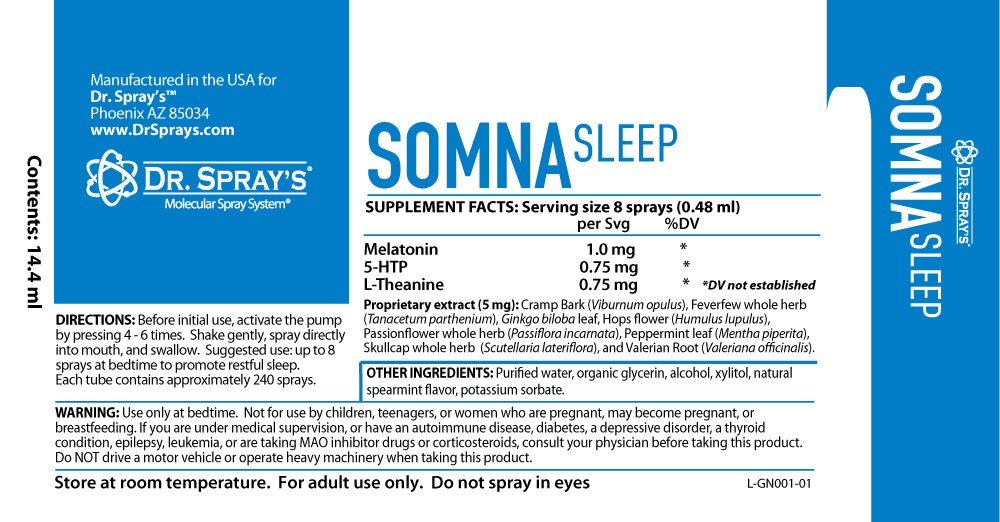
Melatonin: This naturally occurring hormone regulates your sleep-wake cycle. Research suggests melatonin is generally safe to use alongside phentermine, though timing is important. Taking melatonin 1-2 hours before bed can help signal to your body that it's time to wind down.
Magnesium: This essential mineral supports relaxation and sleep quality. Many people are deficient in magnesium, and supplementation may help improve sleep without interfering with phentermine's effects.
L-theanine: An amino acid found in tea leaves, L-theanine promotes relaxation without sedation and may help calm the nervous system stimulated by phentermine.
Vitamin B6: This vitamin plays a role in producing serotonin and melatonin. Adequate B6 levels support natural sleep regulation. Our vitamin B12 spray includes B6 for comprehensive B-vitamin support with superior absorption.
Lifestyle Strategies to Improve Sleep While Taking Phentermine
Before reaching for a sleep aid, consider these evidence-based strategies that can significantly improve sleep quality without adding another medication to your routine:
Optimize Your Phentermine Timing
The most effective strategy is often the simplest: take phentermine earlier in the day. Most healthcare providers recommend taking it in the morning or early afternoon, at least 6-8 hours before bedtime. This gives the medication time to work through your system before you need to sleep.
Create a Sleep-Conducive Environment
Your bedroom environment significantly impacts sleep quality:
- Keep your room cool (65-68°F is ideal)
- Use blackout curtains or an eye mask to block all light
- Remove electronic devices or use blue light filters
- Use white noise or earplugs if you're sensitive to sound
- Invest in a comfortable mattress and pillows
Establish a Consistent Sleep Schedule
Going to bed and waking up at the same time every day—even on weekends—helps regulate your circadian rhythm. This consistency becomes even more important when taking stimulant medications like phentermine.
Practice Good Sleep Hygiene
Sleep hygiene refers to habits and practices that support quality sleep:
- Avoid caffeine after noon
- Limit fluid intake in the evening to reduce nighttime bathroom trips
- Exercise regularly, but not within 3-4 hours of bedtime
- Avoid large meals close to bedtime
- Establish a relaxing bedtime routine (reading, gentle stretching, meditation)
- Keep work materials and stressful activities out of the bedroom
How Spray Supplements Support Sleep and Overall Health
While taking phentermine, maintaining optimal nutrition becomes increasingly important. Traditional pills and capsules can be difficult for your body to absorb effectively, especially if you're experiencing digestive side effects from medication.
This is where vitamin spray technology offers distinct advantages. Developed by healthcare professionals in Phoenix, Arizona, oral spray vitamins deliver nutrients directly through the mucous membranes in your mouth, bypassing the digestive system for up to 90% absorption rate—far superior to the 10-20% absorption of many traditional pills.
Key Nutrients for Sleep Support
Several vitamins and minerals play crucial roles in sleep regulation:
Vitamin D: Research shows a strong connection between vitamin D deficiency and sleep disorders. Our vitamin D3 spray provides an easy way to maintain optimal vitamin D levels, which support both sleep quality and overall metabolic health—essential when you're working on weight management.
B Vitamins: The B-vitamin complex, particularly B6, B9 (folate), and B12, supports the production of sleep-regulating neurotransmitters. A B12 spray ensures you're getting these critical nutrients in their most bioavailable form.
Magnesium: This mineral helps activate the parasympathetic nervous system, responsible for relaxation. While we focus on vitamins, magnesium supplementation through diet or other forms can complement a vitamin spray regimen.
The DrSprays Advantage
At our FDA-registered, GMP-certified facility in Phoenix, Arizona, we manufacture spray supplements that address the unique challenges of modern nutrition. Our doctor-developed formulas ensure you're getting therapeutic doses of essential nutrients without the fillers, binders, and additives found in many traditional supplements.
For those managing weight with phentermine, our Meta-Boost spray provides targeted metabolic support with ingredients that complement—rather than interfere with—your prescription medication.
Special Considerations and When to Seek Medical Advice
While sleep difficulties are common with phentermine, certain situations warrant immediate medical attention:
- Complete inability to sleep for multiple consecutive nights
- Severe anxiety or panic attacks, especially at night
- Chest pain, irregular heartbeat, or breathing difficulties
- Extreme mood changes or depression
- Unintended weight loss or inability to eat
These symptoms may indicate that phentermine isn't the right medication for you, or that your dosage needs adjustment.
Talking to Your Doctor
When discussing sleep issues with your healthcare provider, come prepared with specific information:
- Document your sleep patterns for at least a week (time to bed, time to sleep, nighttime awakenings, wake time)
- List all medications and supplements you're currently taking
- Describe the timing of your phentermine dose
- Note any lifestyle factors that might affect sleep (shift work, small children, etc.)
- Explain what sleep strategies you've already tried
This information helps your doctor make informed recommendations tailored to your specific situation.
Building a Comprehensive Approach to Health
Successfully managing weight with phentermine while maintaining good sleep requires a holistic approach. Rather than viewing sleep aids as a simple solution, consider them one potential tool in a broader wellness strategy.
The Role of Stress Management
Phentermine can increase feelings of anxiety or nervousness, which directly impacts sleep quality. Incorporating stress-reduction techniques can help:
- Meditation or mindfulness practices
- Deep breathing exercises (try the 4-7-8 technique)
- Progressive muscle relaxation
- Gentle yoga or stretching
- Journaling before bed to clear your mind
Nutritional Support Beyond Sleep
When you're working on weight loss, ensuring adequate nutrition becomes more challenging. Caloric restriction, even healthy restriction, can lead to nutrient gaps. Oral spray vitamins offer an efficient way to fill these gaps without adding calories or interfering with your appetite control.
Our multi-vitamin spray provides comprehensive nutritional support in a convenient, fast-absorbing format—perfect for busy mornings when you're taking your phentermine dose.
Immune Support During Weight Loss
Sleep deprivation and caloric restriction can both stress your immune system. Supporting immune health with nutrients like vitamin C and zinc becomes particularly important. Our C+Zinc spray delivers these immune-supporting nutrients with the superior absorption that spray technology provides.
Long-Term Sleep Solutions
Phentermine is typically prescribed for short-term use—usually 12 weeks or less. However, the sleep habits you develop during this time can have lasting effects on your health and weight management success.
View your time on phentermine as an opportunity to establish solid sleep hygiene practices that will serve you long after you've stopped taking the medication. The investment in better sleep pays dividends in energy, mood, cognitive function, and sustained weight management.
Transitioning Off Phentermine
When you stop taking phentermine, you may experience changes in sleep patterns again. Some people find they sleep better immediately, while others experience temporary fatigue as their body adjusts. Continue with the sleep hygiene practices you've established, and give your body time to recalibrate its natural rhythms.
Frequently Asked Questions
Can I take melatonin with phentermine?
Melatonin is generally considered safe to take with phentermine, as it works through a different mechanism than prescription sleep medications. However, you should still consult your prescribing physician before adding any supplement. Start with a low dose (0.5-1mg) taken 1-2 hours before bedtime, and avoid taking it too close to your phentermine dose in the morning.
Why does phentermine make it hard to sleep?
Phentermine is a central nervous system stimulant that increases the release of neurotransmitters like norepinephrine and dopamine. These chemicals increase alertness and energy, which is beneficial for weight loss but can interfere with the natural wind-down process your body needs for sleep. The medication can stay active in your system for many hours, which is why timing your dose early in the day is crucial.
What time should I take phentermine to avoid sleep problems?
Most healthcare providers recommend taking phentermine in the morning, immediately after waking up, or no later than early afternoon (around 1-2 PM). This gives the medication 10-12 hours to work through your system before bedtime. Taking it with breakfast or shortly after can also help reduce some side effects. Never take phentermine in the evening or close to bedtime.
Are vitamin sprays better than pills for people taking phentermine?
Vitamin sprays offer several advantages for people taking phentermine. The superior absorption rate (up to 90% compared to 10-20% for pills) means you get more nutritional benefit from each dose. Additionally, spray supplements bypass the digestive system, which can be beneficial if you're experiencing digestive side effects from phentermine. The convenience of spray vitamins also makes it easier to maintain consistent supplementation during weight loss.
Can lack of sleep from phentermine affect my weight loss results?
Yes, poor sleep can significantly impact weight loss outcomes. Sleep deprivation increases hunger hormones (ghrelin), decreases satiety hormones (leptin), elevates stress hormones (cortisol), and can lead to insulin resistance. These changes can increase cravings, reduce willpower, and slow metabolic function—all of which can undermine phentermine's appetite-suppressing effects. Addressing sleep issues is essential for maximizing your weight loss success.
What vitamins help with sleep while taking phentermine?
Several vitamins and minerals support healthy sleep regulation without interfering with phentermine: vitamin D (which affects sleep quality and duration), B-complex vitamins (particularly B6, which helps produce sleep-regulating neurotransmitters), and magnesium (which promotes relaxation). Using a vitamin D3 spray or B12 spray ensures optimal absorption of these sleep-supporting nutrients.
Is it safe to take Benadryl or other antihistamines with phentermine?
While occasional use of antihistamines like Benadryl (diphenhydramine) is generally considered safe with phentermine, regular use isn't recommended. Antihistamines can cause next-day drowsiness that conflicts with phentermine's stimulant effects, and they can lead to tolerance with repeated use. Additionally, both medications can cause dry mouth and other side effects that may be compounded when taken together. Always consult your doctor before combining medications.
How long do phentermine sleep problems last?
Sleep difficulties typically persist as long as you're taking phentermine, though many people find that their bodies adjust somewhat after the first few weeks. The intensity of sleep disruption often decreases over time as you adapt to the medication. Implementing good sleep hygiene practices from the start can help minimize sleep issues. Most people find their sleep returns to normal within a few days to a week after stopping phentermine.
Conclusion: Balancing Weight Loss and Sleep Health
Taking phentermine for weight management doesn't mean you have to sacrifice quality sleep, though it does require thoughtful planning and potentially some adjustments to your routine. The key is working with your healthcare provider to find solutions that support both your weight loss goals and your sleep needs.
Remember that sustainable weight loss isn't just about appetite suppression—it's about building healthy habits that support your overall wellbeing. Prioritizing sleep, managing stress, maintaining proper nutrition through high-quality spray supplements, and listening to your body's signals all contribute to long-term success.
If you're struggling with sleep while taking phentermine, don't wait until the problem becomes severe. Address it early with lifestyle modifications, discuss it with your healthcare provider, and consider natural sleep-support strategies that won't interfere with your medication.
At DrSprays, we're committed to supporting your wellness journey with innovative, doctor-developed nutritional solutions. Our oral spray vitamins manufactured in Phoenix, Arizona, provide the nutritional foundation you need for successful weight management and overall health—with or without prescription medications.
Support Your Wellness Journey with Superior Absorption
Whether you're managing weight with phentermine or simply looking to optimize your health, proper nutrition is essential. DrSprays offers doctor-developed vitamin sprays with up to 90% absorption—far superior to traditional pills.
Manufactured in our FDA-registered, GMP-certified facility in Phoenix, Arizona, our spray supplements include:
- Vitamin D3 Spray for sleep regulation and metabolic health
- B12 Spray for energy and neurotransmitter production
- Meta-Boost Spray for targeted metabolic support
- C+Zinc Spray for immune health during weight loss
- Multi-Vitamin Spray for comprehensive nutritional support