The question of whether you can take sleep aids with oxycodone is one that requires serious consideration. Both substances affect your central nervous system, and combining them without proper medical guidance can lead to dangerous complications. This article examines the risks, interactions, and safer alternatives for those seeking better sleep while managing pain.
Understanding Oxycodone and Its Effects on Sleep
Oxycodone is a powerful opioid pain medication prescribed for moderate to severe pain. While it's effective for pain management, it significantly impacts your body's natural sleep architecture and respiratory function.
How Oxycodone Affects Your Body
Oxycodone works by binding to opioid receptors in your brain and spinal cord, blocking pain signals. However, this mechanism also depresses your central nervous system, which controls breathing, heart rate, and consciousness. Common side effects include drowsiness, slowed breathing, confusion, and altered sleep patterns.
Many people taking oxycodone experience disrupted sleep despite feeling drowsy. The medication can reduce REM sleep and deep sleep stages, leaving you feeling unrested even after a full night in bed.
Why People on Oxycodone Struggle with Sleep
Several factors contribute to sleep difficulties when taking oxycodone:
- Pain breakthrough: As medication wears off, pain may return and wake you
- Respiratory depression: Slowed breathing can cause sleep apnea or hypoxia
- Tolerance development: Over time, your body adapts and sleep quality decreases
- Withdrawal symptoms: Between doses, mild withdrawal can disrupt sleep
- Circadian rhythm disruption: Opioids alter your natural sleep-wake cycle
The Dangers of Combining Sleep Aids with Oxycodone
Mixing oxycodone with sleep aids creates what medical professionals call "synergistic effects" — where two central nervous system depressants amplify each other's impact, potentially leading to life-threatening complications.
Respiratory Depression Risk
The most serious danger is severe respiratory depression. Both oxycodone and most sleep aids slow your breathing. When combined, they can reduce your respiratory rate to dangerous levels, potentially causing:
- Hypoxia (insufficient oxygen reaching tissues)
- Brain damage from oxygen deprivation
- Respiratory arrest
- Coma or death
This risk increases significantly in people over 65, those with respiratory conditions, or individuals taking higher doses of either medication.
Cognitive Impairment and Falls
Combining these medications dramatically increases sedation, leading to extreme drowsiness, confusion, and impaired motor coordination. This significantly raises your risk of falls, which can be especially dangerous for older adults or those with bone density issues.
Specific Sleep Aid Interactions
Different sleep aids carry varying levels of risk when combined with oxycodone:
Benzodiazepines (Xanax, Valium, Ativan): The FDA has issued black box warnings about combining opioids with benzodiazepines due to extreme respiratory depression risk. This combination has contributed to numerous overdose deaths.
Z-drugs (Ambien, Lunesta): While not benzodiazepines, these medications carry similar risks of enhanced CNS depression when combined with oxycodone.
Antihistamines (Benadryl, Unisom): Over-the-counter sleep aids containing diphenhydramine or doxylamine can increase sedation and anticholinergic effects, causing confusion, urinary retention, and increased fall risk.
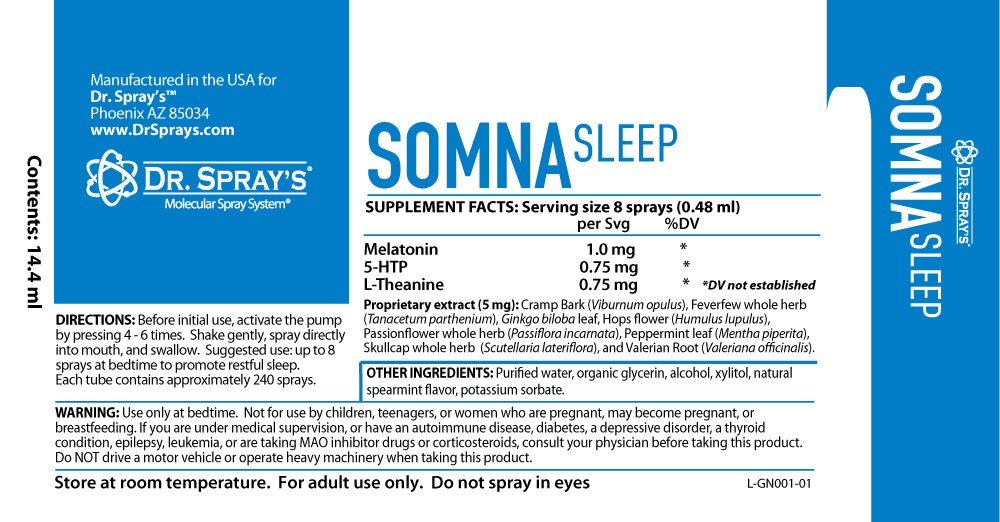
Melatonin: Generally considered safer than other sleep aids, melatonin still requires caution as it may enhance oxycodone's sedative effects in some individuals.
What Your Doctor Needs to Know
If you're taking oxycodone and struggling with sleep, never add a sleep aid without consulting your prescribing physician. Your doctor needs complete information to make safe recommendations.
Essential Information to Share
- Your current oxycodone dosage and frequency
- All other medications, including over-the-counter drugs and supplements
- History of sleep disorders or breathing problems
- Alcohol consumption habits
- Previous adverse reactions to medications
- Specific sleep problems you're experiencing
Your physician may recommend adjusting your oxycodone timing, reducing the dose, or exploring alternative pain management strategies before adding any sleep medication.
Safer Alternatives for Better Sleep
Rather than adding another medication that could interact dangerously with oxycodone, consider these evidence-based approaches to improving sleep quality.
Sleep Hygiene Fundamentals
Optimizing your sleep environment and habits can significantly improve sleep quality without additional medication risks:
- Consistent schedule: Go to bed and wake at the same time daily, even weekends
- Cool, dark room: Keep bedroom temperature between 60-67°F with blackout curtains
- No screens before bed: Avoid blue light from devices for 1-2 hours before sleep
- Limited caffeine: Avoid caffeine after 2 PM
- Regular exercise: Physical activity improves sleep, but not within 3 hours of bedtime
Cognitive Behavioral Therapy for Insomnia (CBT-I)
CBT-I is considered the gold standard non-pharmaceutical treatment for chronic insomnia. This structured program helps you identify and change thoughts and behaviors that interfere with sleep. Studies show CBT-I is more effective long-term than sleep medications, with benefits lasting well after treatment ends.
Natural Supplements with Lower Interaction Risk
While you should still consult your doctor before adding any supplement, some options carry lower interaction risks than pharmaceutical sleep aids. Oral spray vitamins offer an alternative delivery method that may provide better absorption than traditional pills.
Magnesium: This mineral supports muscle relaxation and nervous system regulation. Magnesium deficiency is common and can contribute to sleep difficulties. Spray supplements containing magnesium may be absorbed more efficiently than tablets.
Vitamin B12: B12 deficiency can disrupt your circadian rhythm and sleep-wake cycle. A vitamin B12 spray offers rapid absorption, potentially helping regulate sleep patterns when taken appropriately during the day.
Vitamin D3: Low vitamin D levels correlate with poor sleep quality and duration. Many Americans are deficient, especially those who spend limited time outdoors. A vitamin D3 spray provides an efficient way to maintain adequate levels, which may improve sleep quality over time.
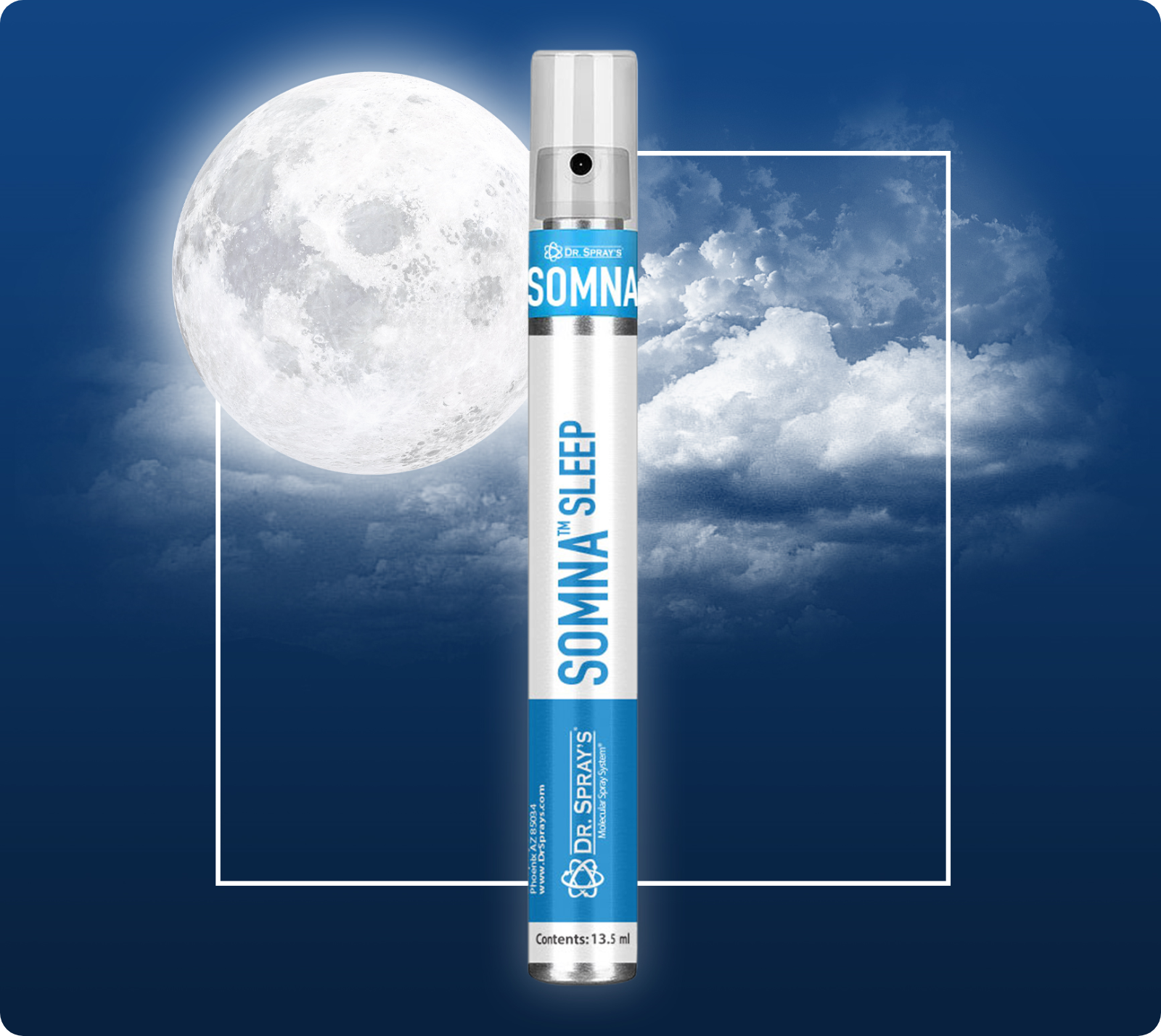
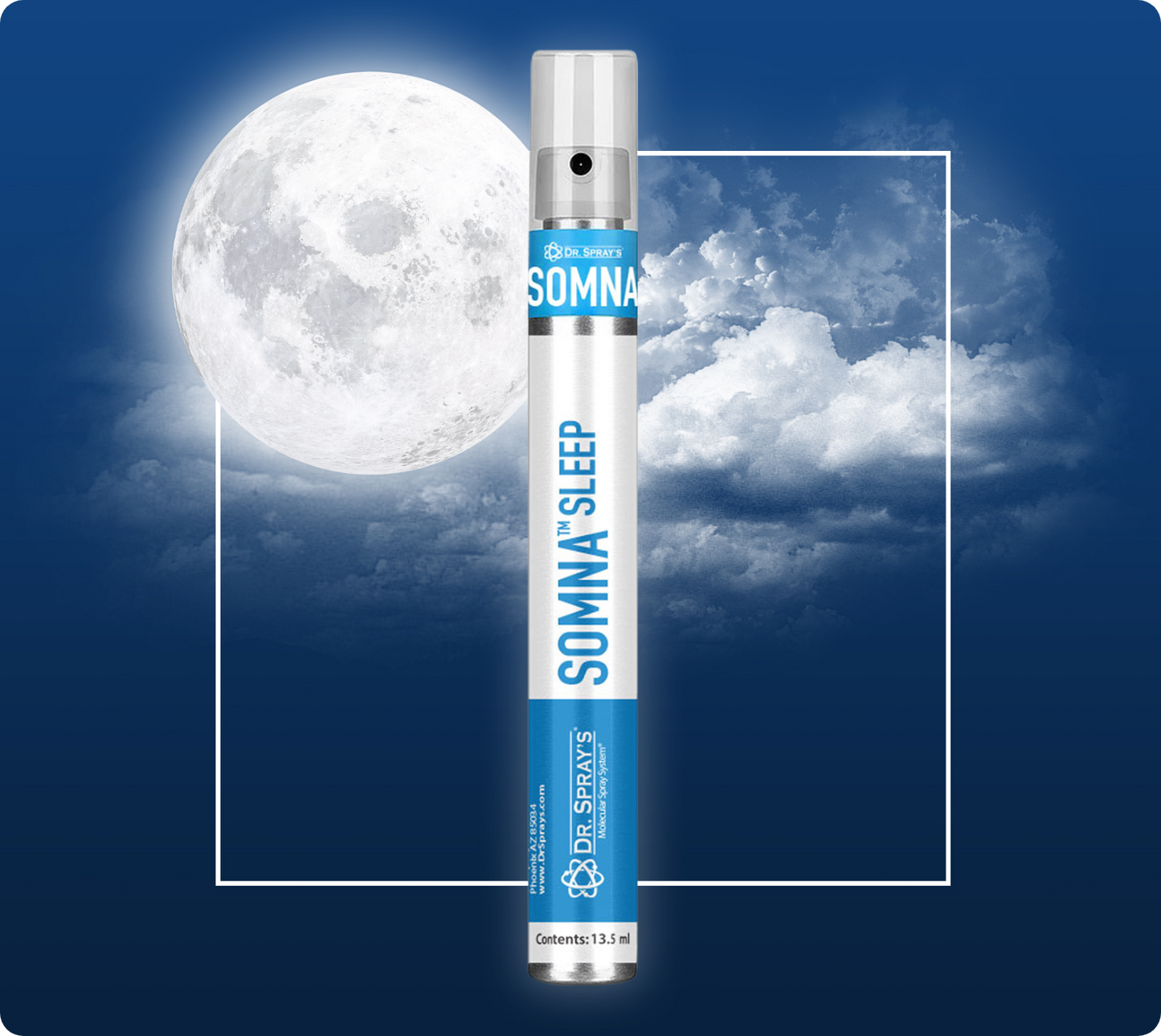
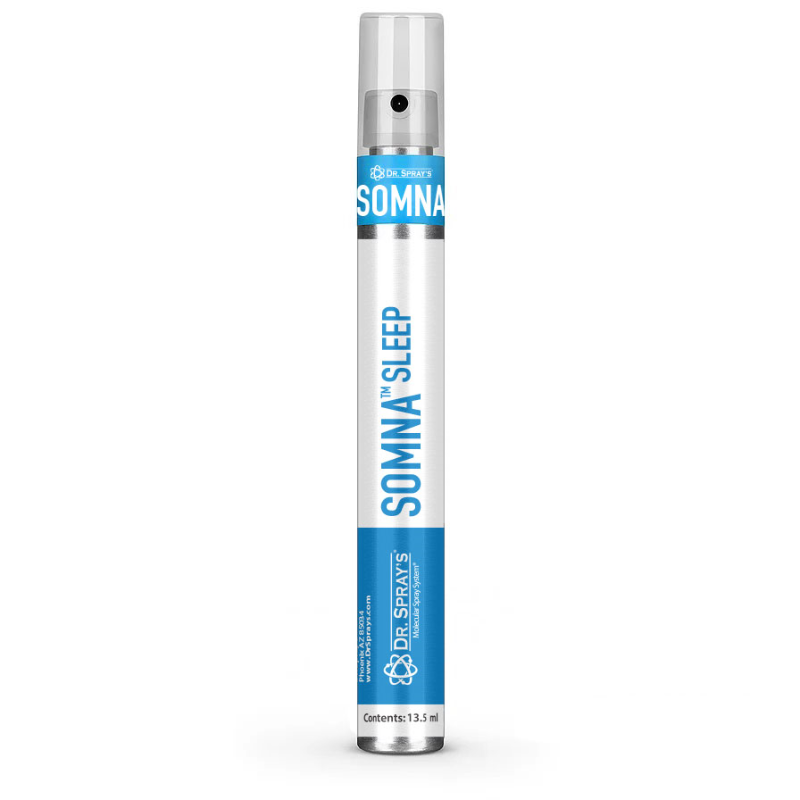
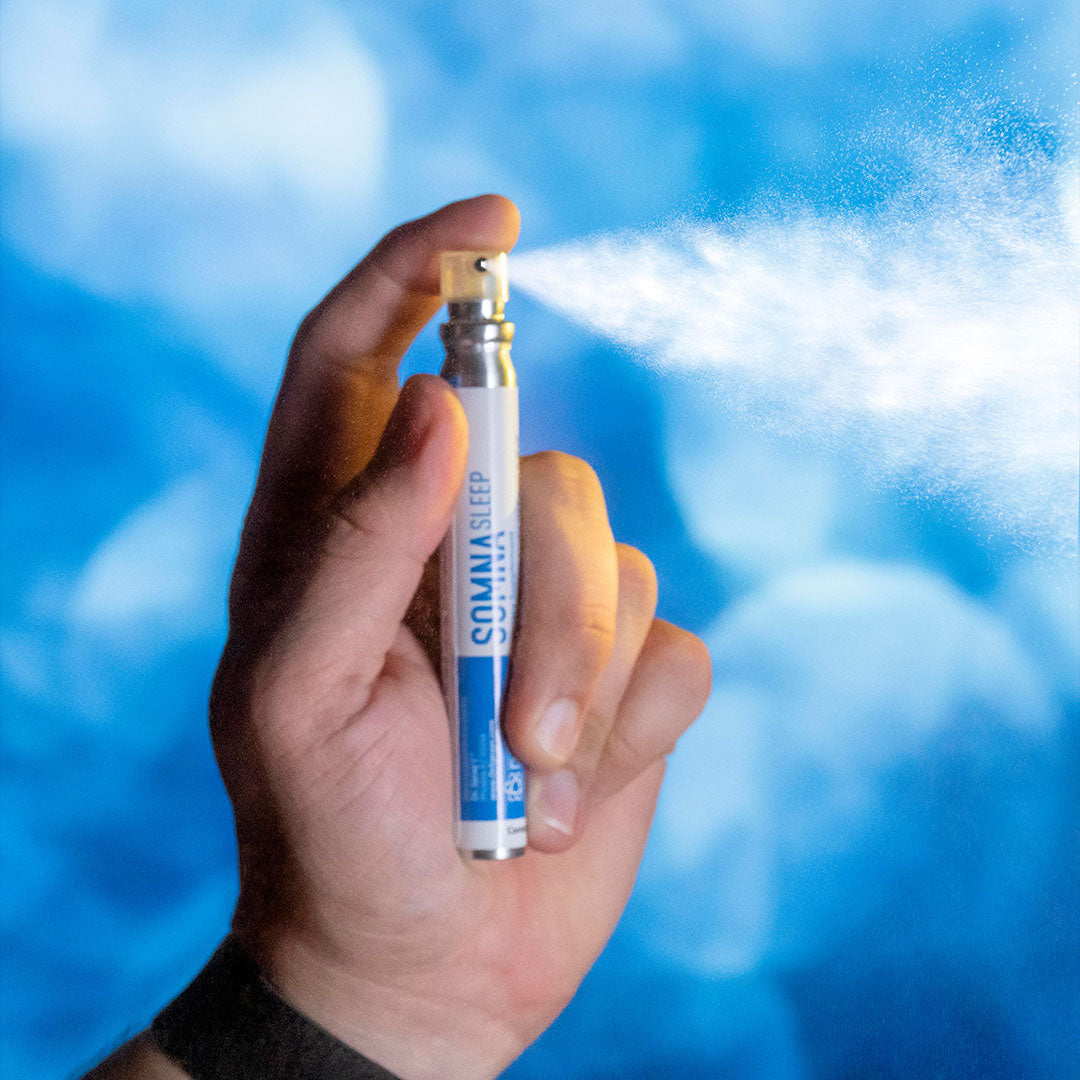
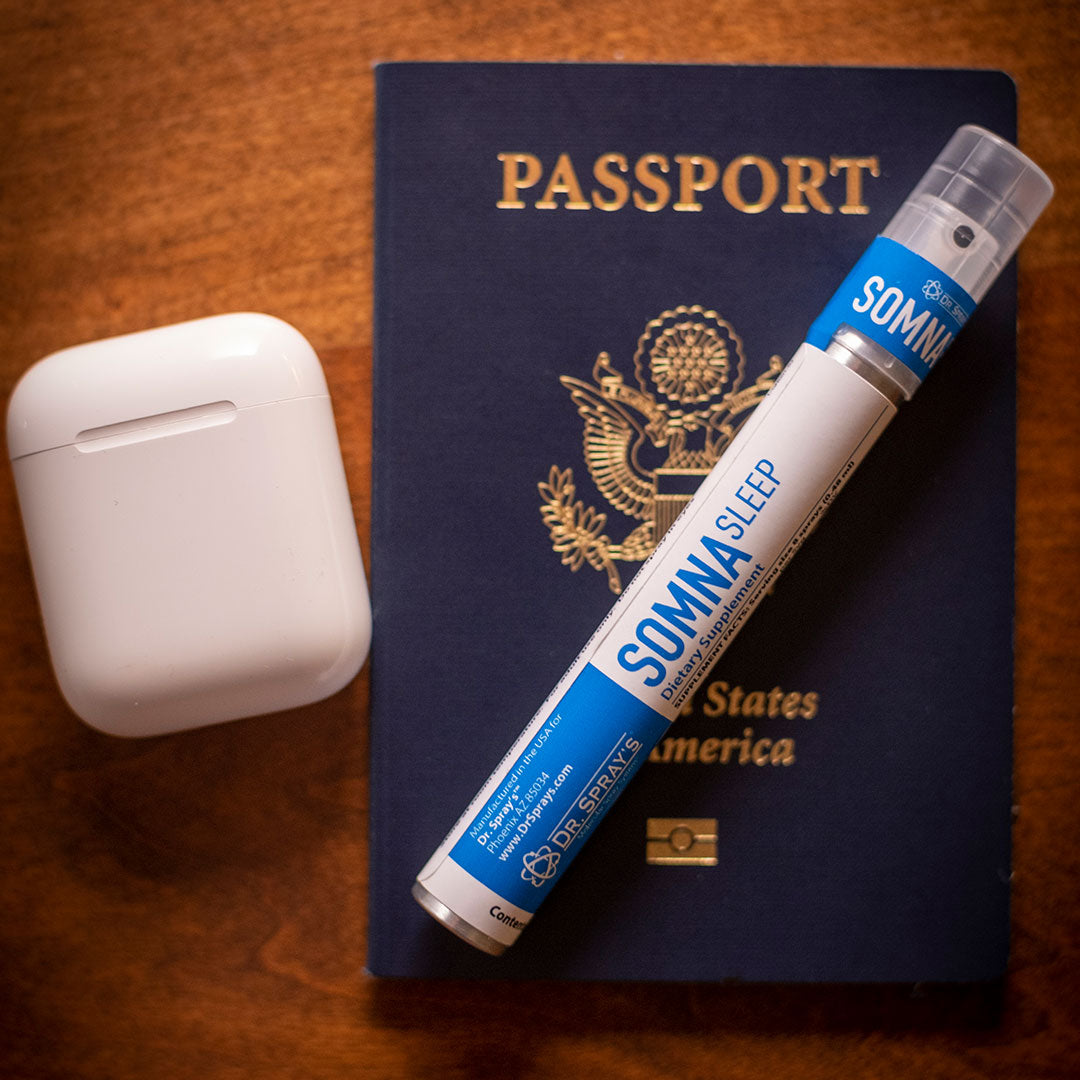
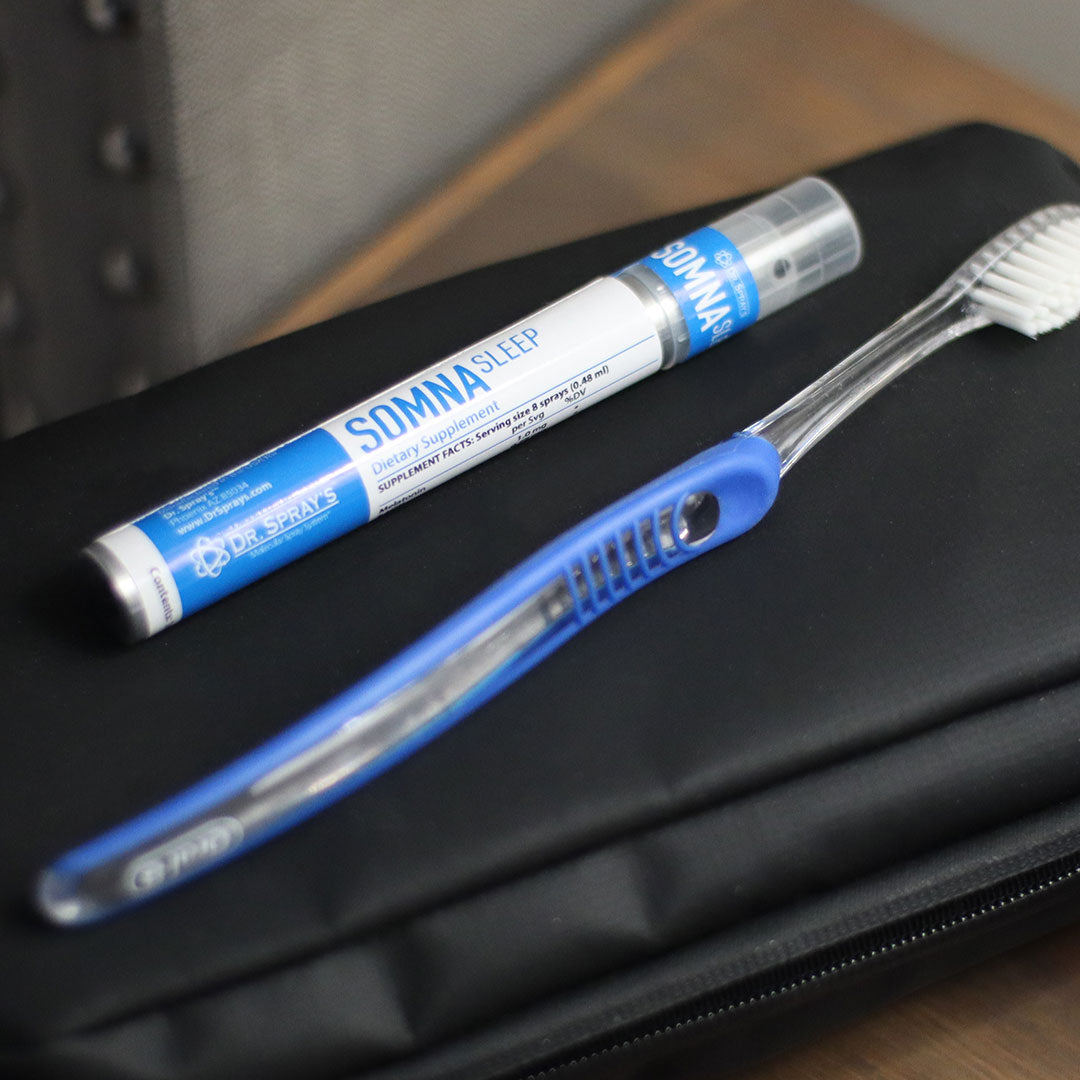
Specialized sleep formulas: Some formulations combine natural sleep-supporting ingredients in spray vitamin form, offering an alternative to pharmaceutical sleep aids with fewer interaction concerns. However, always verify with your doctor that specific ingredients are safe with your oxycodone regimen.
Why Spray Delivery Matters
For people taking multiple medications, vitamin spray delivery offers several advantages over pills. Oral spray vitamins bypass much of the digestive system, potentially reducing interactions with other medications and providing absorption rates up to 90% compared to 10-20% for many pill forms.
This efficient delivery is particularly valuable when you're already taking several medications, as it reduces the total number of pills you need to swallow and may decrease the burden on your digestive system.
Working with Healthcare Providers in Phoenix and Arizona
If you're located in Phoenix, Arizona, or surrounding areas, you have access to excellent pain management specialists and sleep medicine experts who understand the complexities of managing sleep while taking opioid medications.
Arizona has been at the forefront of addressing opioid prescribing practices while ensuring patients with legitimate pain needs receive appropriate care. Phoenix-based pain management clinics often employ multidisciplinary approaches, combining medication management with physical therapy, psychological support, and complementary therapies.
When seeking help for sleep issues while on oxycodone, look for providers who:
- Specialize in pain management or addiction medicine
- Offer comprehensive sleep assessments
- Take a multimodal approach to treatment
- Monitor prescription drug monitoring program databases
- Provide patient education on medication safety
Medication Tapering and Alternative Pain Management
If sleep difficulties persist and your pain is becoming more manageable, discuss oxycodone tapering with your physician. Gradually reducing opioid use under medical supervision can improve sleep quality while maintaining adequate pain control.
Alternative Pain Management Strategies
Modern pain management increasingly emphasizes multimodal approaches that reduce reliance on opioids:
- Physical therapy: Strengthening and stretching exercises address underlying pain causes
- Non-opioid medications: NSAIDs, acetaminophen, or nerve pain medications like gabapentin
- Interventional procedures: Nerve blocks, injections, or radiofrequency ablation
- Psychological support: Pain psychology helps manage the emotional aspects of chronic pain
- Complementary therapies: Acupuncture, massage, or chiropractic care
Reducing opioid dependence not only improves sleep but also decreases risks of tolerance, dependence, and long-term health complications.
Emergency Warning Signs
If you've combined oxycodone with any sleep aid, watch for these emergency warning signs that require immediate medical attention:
- Extremely slow or shallow breathing (fewer than 8 breaths per minute)
- Blue or gray lips, fingernails, or skin
- Extreme drowsiness or inability to wake the person
- Confusion or disorientation
- Cold, clammy skin
- Pinpoint pupils
- Weak pulse or irregular heartbeat
Call 911 immediately if any of these symptoms occur. If naloxone (Narcan) is available, administer it while waiting for emergency services.
Building a Sustainable Sleep Strategy
Improving sleep while taking oxycodone requires patience and a comprehensive approach. Quick fixes rarely work and often create additional problems.
Short-Term Solutions
- Optimize medication timing with your doctor's guidance
- Address immediate environmental factors disrupting sleep
- Rule out sleep apnea or other sleep disorders with a sleep study
- Ensure nutritional deficiencies aren't contributing to poor sleep
Long-Term Strategies
- Work toward reducing opioid dependence when medically appropriate
- Develop robust sleep hygiene habits
- Address underlying pain through comprehensive pain management
- Build stress management and relaxation skills
- Maintain consistent follow-up with healthcare providers
Frequently Asked Questions
Can I take melatonin with oxycodone?
Melatonin is generally considered safer than pharmaceutical sleep aids when combined with oxycodone, but you should still consult your doctor first. Melatonin may enhance sedative effects in some people, and individual responses vary. Start with the lowest effective dose (0.5-1mg) and take it 1-2 hours before bedtime rather than immediately before sleep.
How long should I wait after taking oxycodone before taking a sleep aid?
There is no safe waiting period that eliminates interaction risk between oxycodone and most sleep aids. Oxycodone remains active in your system for 3-6 hours (immediate-release) or up to 12 hours (extended-release), meaning the drugs will overlap regardless of timing. Never combine these medications without explicit approval from your prescribing physician.
What are the safest sleep aids to take with oxycodone?
No sleep aid is completely safe to combine with oxycodone without medical supervision. If your doctor determines a sleep aid is necessary, they may consider melatonin, certain low-dose antidepressants with sedating properties (like trazodone), or other options based on your specific health profile. Over-the-counter antihistamines and prescription sedatives generally carry significant interaction risks.
Can oxycodone itself help me sleep?
While oxycodone causes drowsiness, it actually disrupts normal sleep architecture by reducing REM and deep sleep stages. People taking oxycodone often feel sedated but don't achieve restorative sleep. Using oxycodone as a sleep aid is dangerous and can lead to dependence, tolerance, and worsening sleep quality over time.
Will vitamin sprays interact with my oxycodone?
Most vitamin sprays, including vitamin B12 spray and vitamin D3 spray, do not have significant interactions with oxycodone. However, you should always inform your doctor about all supplements you're taking. Some specialty formulations may contain ingredients that interact with opioids or other medications you're taking. Quality matters—look for products from FDA-registered, GMP-certified facilities.
How can I tell if my sleep problems are caused by oxycodone?
Common signs that oxycodone is disrupting your sleep include feeling drowsy but unable to stay asleep, frequent nighttime awakening, feeling unrested despite adequate time in bed, and worsening sleep quality as your body builds tolerance to the medication. A sleep study can help identify oxycodone-related sleep disturbances and rule out conditions like sleep apnea, which opioids can worsen.
Is CBD oil safe to take with oxycodone for sleep?
CBD can interact with opioids by affecting the same liver enzymes that metabolize oxycodone, potentially increasing oxycodone levels in your bloodstream and raising overdose risk. While research is ongoing, never add CBD products to your regimen without discussing it with your prescribing physician. If approved, start with very low doses and monitor carefully for increased sedation or other side effects.
Can I drink alcohol to help me sleep while taking oxycodone?
Absolutely not. Combining alcohol with oxycodone is extremely dangerous and can be fatal. Both are central nervous system depressants that severely impair breathing and consciousness when combined. This combination dramatically increases your risk of overdose, respiratory arrest, and death. Avoid alcohol entirely while taking oxycodone.
Take Control of Your Sleep Health Safely
Struggling with sleep while managing pain is challenging, but there are safe, effective solutions that don't require dangerous medication combinations. The key is working closely with your healthcare team to address both your pain and sleep needs through comprehensive, evidence-based strategies.
If you're looking for ways to support your overall health while managing complex medication regimens, consider the role of proper nutrition. Many people taking multiple medications develop nutritional deficiencies that can worsen both pain and sleep quality. High-quality vitamin sprays offer an efficient absorption method that may help fill nutritional gaps without adding more pills to your routine.
Our doctor-developed oral spray vitamins provide up to 90% absorption and are manufactured in an FDA-registered, GMP-certified facility in Phoenix, Arizona. Whether you need B12 support, vitamin D3 supplementation, or a specialized sleep support formula, our spray delivery system offers a convenient alternative to traditional pills.
Ready to explore safer sleep support options? Browse our complete line of vitamin spray supplements or contact us to learn which products might complement your wellness routine. Remember: always consult your healthcare provider before adding any new supplement, especially when taking prescription medications like oxycodone.