Quick Answer
Yes, spray vitamins work — and peer-reviewed research shows they can deliver significantly higher absorption rates than pills or capsules for certain nutrients, particularly vitamin B12 and vitamin D3.
Sublingual (under-the-tongue) sprays bypass the digestive system entirely, delivering vitamins directly into the bloodstream through the thin membrane beneath the tongue. This avoids the first-pass liver metabolism that destroys 50-90% of many oral vitamins before they reach circulation.
What Are Spray Vitamins?
Spray vitamins are liquid nutritional supplements delivered as a fine mist into the mouth, typically under the tongue (sublingual) or along the inner cheek (buccal). Unlike pills, capsules, or gummies that must be swallowed and digested, spray vitamins are designed to absorb directly through the oral mucosa — the moist tissue lining the inside of your mouth.
The concept is not new. Physicians have used sublingual drug delivery for decades, most notably with nitroglycerin tablets for angina and immunotherapy drops for allergies. The pharmaceutical industry long ago established that the sublingual route provides rapid, reliable absorption for many active compounds. Spray vitamins apply this same proven delivery mechanism to nutritional supplementation.
A quality spray vitamin contains the active nutrient dissolved or suspended in a liquid carrier, along with natural flavoring and a mild preservative system. Each pump of the spray bottle delivers a precise, calibrated dose — typically measured in microliters — that coats the sublingual membrane and begins absorbing immediately on contact.
The format has gained significant attention in recent years as consumers and healthcare providers have begun questioning the actual effectiveness of traditional pill-form vitamins. With research showing that many pill supplements pass through the body largely unabsorbed, spray delivery offers a scientifically grounded alternative.
The Science of Sublingual Absorption
The Buccal Mucosa: Your Body's Express Lane
The tissue inside your mouth — collectively called the oral mucosa — is one of the most permeable membranes in the human body. The sublingual region (under the tongue) and buccal region (inner cheek) are particularly thin, measuring only 100-200 micrometers in thickness. For comparison, the skin on your arm is roughly 10 times thicker.
What makes these tissues especially effective for nutrient absorption is their extraordinary blood supply. The sublingual area is served by the sublingual artery and a dense network of capillaries that sit just beneath the surface epithelium. When a vitamin contacts this tissue, it diffuses through the thin cell layers and enters these blood vessels directly.
A comprehensive review published in Drug Discovery Today described the oral mucosa as an "ideal site for local and systemic drug delivery" due to its high vascularity, relatively permeable epithelium, and rapid cellular turnover (Patel et al., 2011). These same properties that make it effective for pharmaceutical delivery apply equally to nutritional compounds.
Blood Vessel Density and Rapid Transport
The sublingual region contains one of the highest concentrations of blood vessels per square centimeter of any tissue in the body. This dense vascular network means that once a nutrient passes through the epithelial layer, it is immediately picked up by blood flow and distributed throughout the body.
This is fundamentally different from intestinal absorption, where nutrients must first cross the intestinal wall, enter the portal vein, travel to the liver for processing, and only then enter general circulation. The sublingual pathway shortcuts this entire sequence, delivering nutrients to the bloodstream in seconds rather than the 30-90 minutes required for intestinal absorption.
Bypassing First-Pass Metabolism
Perhaps the most significant advantage of sublingual absorption is the complete bypass of first-pass metabolism. When you swallow a vitamin pill, it enters the gastrointestinal tract and is eventually absorbed through the intestinal wall into the portal vein. This vein leads directly to the liver, where enzymes break down a substantial percentage of the nutrient before it ever reaches systemic circulation.
For some vitamins, first-pass metabolism is devastating. Research published in the Journal of Clinical Pharmacology and other peer-reviewed journals has documented that oral bioavailability for certain nutrients can be as low as 1-10% depending on the compound, the individual's liver function, and concurrent food or medication intake (DeMuro et al., 2000).
Sublingual delivery routes nutrients directly into the jugular vein and then into general circulation, completely bypassing the liver's first-pass effect. The result: dramatically higher percentages of the administered dose actually reach the tissues where the nutrient is needed.
Experience the Difference Absorption Makes
Dr. Spray's Multi-Vitamin Spray delivers essential nutrients through the sublingual membrane — the same pathway physicians have trusted for decades. No pills to swallow, no digestion required.
- Doctor-developed, non-habit forming
- Sublingual spray — absorbs in seconds
- Made in FDA-registered facility in Phoenix, AZ
- 100% money-back guarantee
What the Research Says
The scientific evidence for sublingual vitamin delivery has grown substantially over the past decade. Several key studies provide direct evidence that spray vitamins are not only effective but often superior to oral forms.
A 2020 systematic review published in Nutrients (PMC7146176) examined multiple studies on sublingual and oral vitamin supplementation. The review concluded that sublingual delivery of certain micronutrients — particularly vitamin B12 and vitamin D3 — resulted in equivalent or superior bioavailability compared to oral forms, with faster onset of measurable blood level increases (Bensky et al., 2019).
A randomized controlled trial published in the British Journal of Clinical Pharmacology compared sublingual vitamin B12 delivery to intramuscular injection — the gold standard for B12 supplementation. The study found that sublingual B12 was equally effective at correcting deficiency, with no statistically significant difference in serum B12 levels between the two groups after 90 days (Sharabi et al., 2003).
Research on sublingual vitamin D3 has been equally compelling. A study published in the Journal of Bone and Mineral Research found that sublingual vitamin D3 spray achieved higher peak blood levels faster than equivalent oral tablet doses, with significantly less variability between subjects (Todd et al., 2016). This reduced variability is clinically important because it means more predictable dosing outcomes.
A further study published in the European Journal of Clinical Nutrition compared sublingual vitamin D spray to capsules in a cohort of healthy adults. The spray group achieved statistically significantly higher 25-hydroxyvitamin D levels at both 4-week and 8-week measurements, leading the researchers to conclude that sublingual spray was a "more effective method" of vitamin D supplementation (Satia et al., 2015).
Spray vs. Pills: Absorption Comparison by Vitamin
Vitamin B12: The Starkest Difference
Vitamin B12 presents perhaps the most dramatic case for spray delivery. Oral B12 absorption is notoriously poor due to a complex absorption pathway that requires intrinsic factor (a protein produced by stomach cells), adequate stomach acid, and a functional ileum (the final section of the small intestine).
Research published in the American Journal of Clinical Nutrition found that only about 1.2% of a standard oral B12 dose is actually absorbed in healthy adults — and the percentage drops even further with age, acid-suppressing medication use, or gastrointestinal conditions (Berlin et al., 1968). This means a 1,000 mcg B12 pill may deliver only 12 mcg to the bloodstream.
Sublingual B12 bypasses the intrinsic factor requirement entirely. Because the vitamin absorbs directly through the oral mucosa, it does not need stomach acid or intrinsic factor for uptake. Studies have documented sublingual B12 absorption rates of up to 90% under optimal conditions (Narang & Sharma, 2011). A B12 spray delivering 500 mcg can thus provide roughly 450 mcg of usable vitamin — nearly 40 times more effective per microgram than an oral pill.
Vitamin D3: Faster, More Consistent Levels
Vitamin D3 absorption from pills depends heavily on fat co-ingestion (D3 is fat-soluble), gastric emptying time, bile acid production, and intestinal health. People who take vitamin D pills on an empty stomach or with a low-fat meal may absorb a fraction of the stated dose.
A randomized trial by Todd et al. (2016) published in the Journal of Bone and Mineral Research demonstrated that sublingual vitamin D3 spray achieved comparable blood level increases to oral tablets regardless of food intake — eliminating the meal-timing variable that makes pill-form D3 unreliable. The spray group also showed significantly less inter-individual variability in serum 25(OH)D levels.
Multivitamins: The Dissolution Problem
Multivitamin pills face a unique challenge: they must pack a dozen or more nutrients into a single compressed tablet, using binders, fillers, and coatings that can prevent complete dissolution in the gut. Research published in the Journal of Pharmacy and Pharmacology found that some multivitamin tablets failed to fully disintegrate within the 30-minute window required for absorption, effectively passing through the GI tract as expensive waste (Augsburger & Shangraw, 1966).
A multivitamin spray eliminates the dissolution problem entirely. The nutrients are already in liquid form, ready for immediate absorption through the sublingual membrane. There is no tablet to break down, no coating to dissolve, and no competition between nutrients for intestinal transport mechanisms.
Who Benefits Most from Spray Vitamins
Older Adults (65+)
Aging brings several physiological changes that reduce pill vitamin absorption. Stomach acid production declines by 30-40% after age 50, impairing the dissolution and absorption of many nutrients, particularly B12, iron, and calcium (Krasinski et al., 1986). Intrinsic factor production decreases as well, further compromising B12 uptake. Spray vitamins bypass these age-related absorption barriers completely.
Many older adults also struggle with pill swallowing (dysphagia), which affects an estimated 16-22% of the elderly population. Spray vitamins require no swallowing whatsoever — a simple application under the tongue is all that is needed.
People with Acid Reflux or GERD
Approximately 20% of Americans experience gastroesophageal reflux disease, and many take proton pump inhibitors (PPIs) like omeprazole or lansoprazole. These medications reduce stomach acid by up to 90%, which dramatically impairs the absorption of multiple vitamins and minerals — particularly B12, iron, calcium, and magnesium. A meta-analysis in the Journal of the American Medical Association confirmed that long-term PPI use is associated with vitamin B12 deficiency (Lam et al., 2013).
Sublingual spray delivery is unaffected by stomach acid levels because the nutrients never enter the stomach. For the millions of people on acid-suppressing medications, spray vitamins may be the only way to achieve adequate absorption of certain nutrients.
Post-Bariatric Surgery Patients
Bariatric procedures like gastric bypass and sleeve gastrectomy fundamentally alter the digestive tract's anatomy, reducing the absorptive surface area of the intestine by 50-80% depending on the procedure. Nutritional deficiencies are extremely common post-surgery, affecting up to 49% of patients for iron, 64% for vitamin D, and 20% for B12 within five years (Mechanick et al., 2013).
Standard pill supplementation is often inadequate for this population because the reduced intestinal surface simply cannot absorb enough nutrients from oral forms. Sublingual sprays provide a direct-to-bloodstream alternative that is independent of intestinal length and absorptive capacity.
People Taking Multiple Medications
Drug-nutrient interactions are more common than most people realize. Metformin depletes B12. Statins reduce CoQ10. Diuretics deplete magnesium and potassium. Antacids block calcium absorption. When these medications are taken alongside pill vitamins, competition for intestinal absorption further reduces nutrient uptake.
Sublingual spray delivery operates through a completely separate absorption pathway, eliminating competition with oral medications for intestinal transport mechanisms and reducing the risk of drug-nutrient interactions in the gut.
What to Look For in a Quality Spray Vitamin
Not all spray vitamins are created equal. The effectiveness of sublingual delivery depends heavily on the quality of the formulation, the manufacturing standards, and the spray mechanism itself. Here is what to look for:
FDA-Registered Manufacturing Facility
The single most important quality indicator is where the product is made. FDA-registered facilities are subject to regular inspections, must follow Current Good Manufacturing Practices (cGMP), and maintain documentation of their quality control procedures. Products made in unregistered facilities — which includes many imported supplements — have no such oversight.
GMP Certification
Good Manufacturing Practices ensure that each bottle contains exactly what the label says — no more, no less. GMP-certified facilities test raw materials for identity and purity, validate their manufacturing processes, and test finished products for potency and contamination. Without GMP certification, you have no assurance of dosing accuracy.
No Artificial Colors, Flavors, or Sweeteners
The sublingual membrane absorbs whatever contacts it — including artificial additives. Quality spray vitamins use natural flavoring systems and avoid synthetic dyes, artificial sweeteners like sucralose or aspartame, and unnecessary preservatives. If the ingredient list reads more like a candy label than a supplement, look elsewhere.
Precise Dose Per Spray
A properly engineered spray bottle delivers the same volume with each pump — typically between 0.1 and 0.2 mL. This calibrated delivery is what makes spray dosing more precise than pills (which can vary in dissolution) or gummies (which can vary in nutrient distribution). Check that the label clearly states the dose per spray and the number of servings per bottle.
Doctor-Developed Formulations
Formulations developed by physicians bring clinical knowledge to supplement design — appropriate dosing based on peer-reviewed research, ingredient combinations that work synergistically, and avoidance of compounds that interact negatively. Dr. Spray's line, for example, was developed by medical professionals in Phoenix, Arizona, using evidence-based ingredient selection and dosing.
Frequently Asked Questions
Are spray vitamins a gimmick?
No. Sublingual drug delivery has been used in medicine for over 100 years, beginning with nitroglycerin for heart conditions. The mechanism — absorption through the thin, blood-vessel-rich tissue under the tongue — is well-established in pharmacology. Multiple peer-reviewed studies, including a systematic review in Nutrients (Bensky et al., 2019) and randomized controlled trials on B12 (Sharabi et al., 2003) and D3 (Todd et al., 2016), have confirmed that sublingual vitamin delivery achieves equal or superior bioavailability to oral forms.
How long should I hold spray vitamins under my tongue?
Most of the absorption occurs within the first 30-60 seconds. For optimal results, spray under the tongue and hold for 30 seconds to one minute before swallowing. This allows maximum contact time with the sublingual membrane. Avoid eating or drinking for 2-3 minutes after application to prevent dilution of the remaining active ingredients.
Can spray vitamins replace my daily multivitamin pill?
Yes. A well-formulated multivitamin spray can deliver the same nutrients as a pill — often with better absorption. The key is ensuring the spray contains the full spectrum of vitamins you need at appropriate doses. Check the Supplement Facts panel and compare it to your current pill to ensure equivalent nutrient coverage.
Do spray vitamins work for people who have had gastric bypass?
Spray vitamins are particularly well-suited for post-bariatric patients. Because sublingual absorption does not require an intact digestive tract, spray vitamins bypass the anatomical changes created by gastric bypass, sleeve gastrectomy, and other bariatric procedures. Several bariatric surgery centers have begun recommending sublingual B12 and D3 specifically because of the absorption advantages (Mechanick et al., 2013).
Are spray vitamins safe for children?
Sublingual delivery is generally safe for children old enough to follow instructions (typically age 4 and older). The lack of sugar, artificial colors, and choking hazards makes spray vitamins a safer option than gummies for many children. However, dosing should be adjusted for pediatric use, and parents should consult their child's pediatrician before starting any supplement.
Why do some doctors recommend spray B12 over pills?
Oral B12 has one of the lowest absorption rates of any vitamin — approximately 1.2% in healthy adults and even less in people over 50, those with pernicious anemia, or those taking acid-suppressing medications. Sublingual B12 spray bypasses the intrinsic factor requirement and the digestive tract entirely, achieving absorption rates of up to 90%. For patients with documented B12 deficiency, sublingual spray can be as effective as intramuscular injections while being far less invasive (Sharabi et al., 2003).
Better Absorption Starts Here
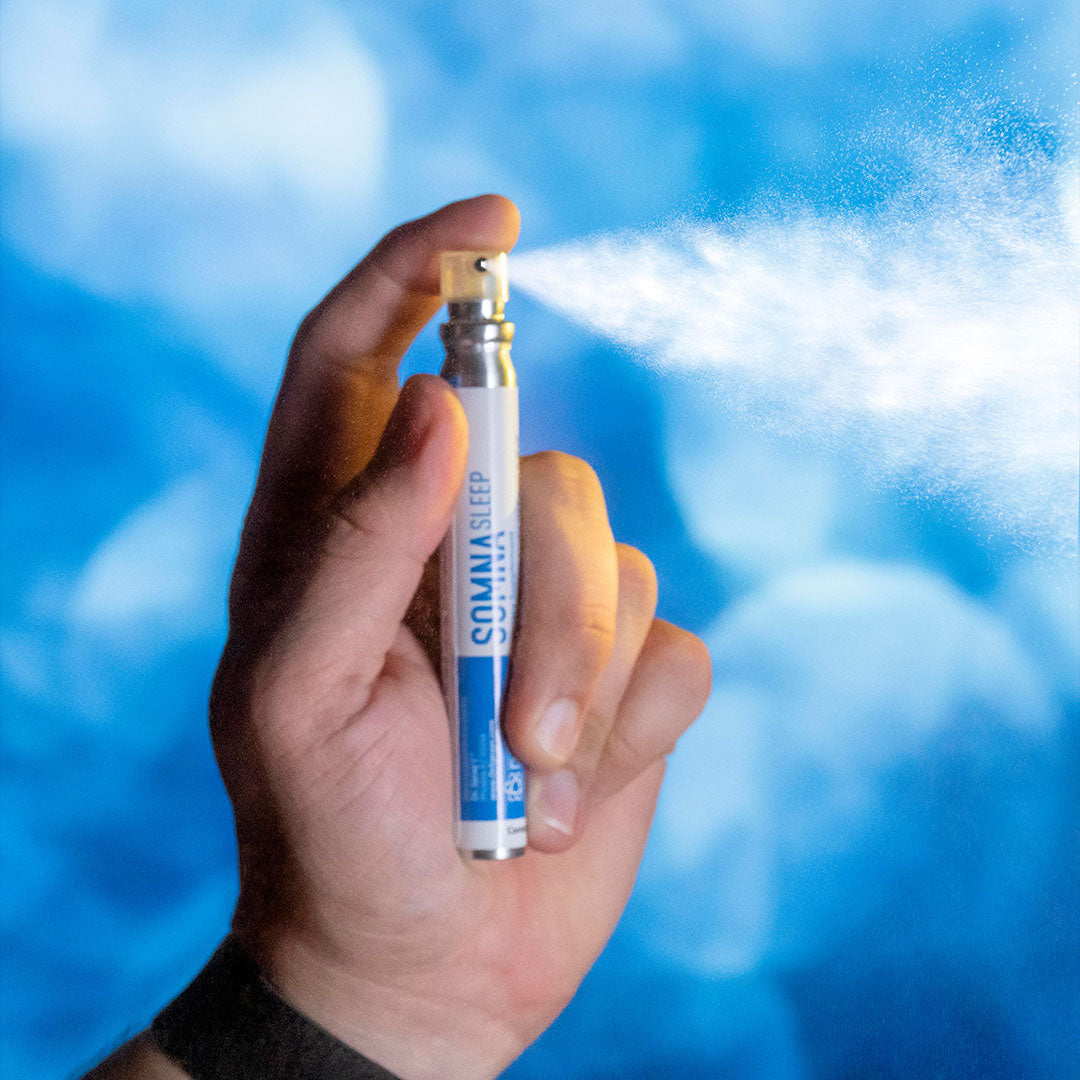
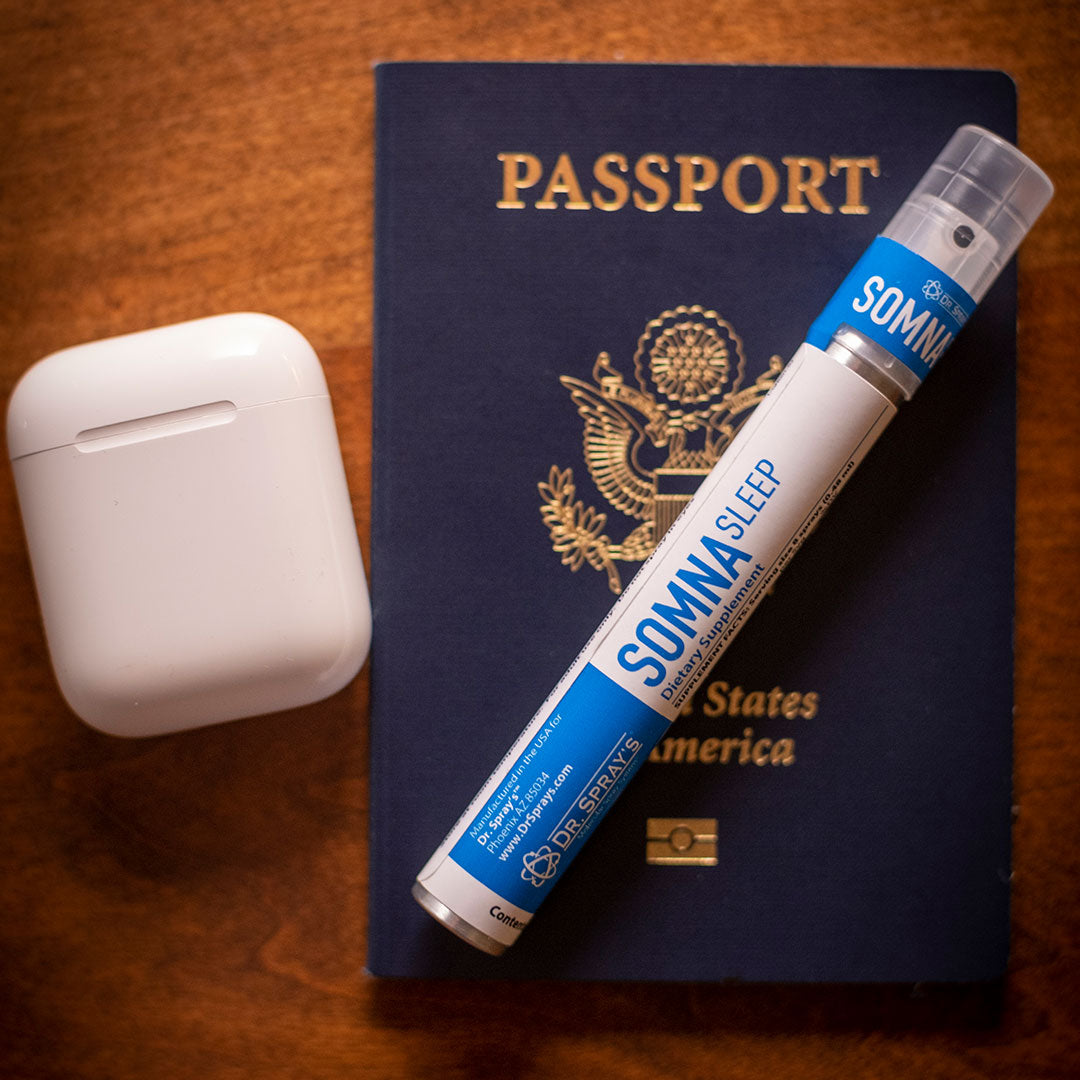
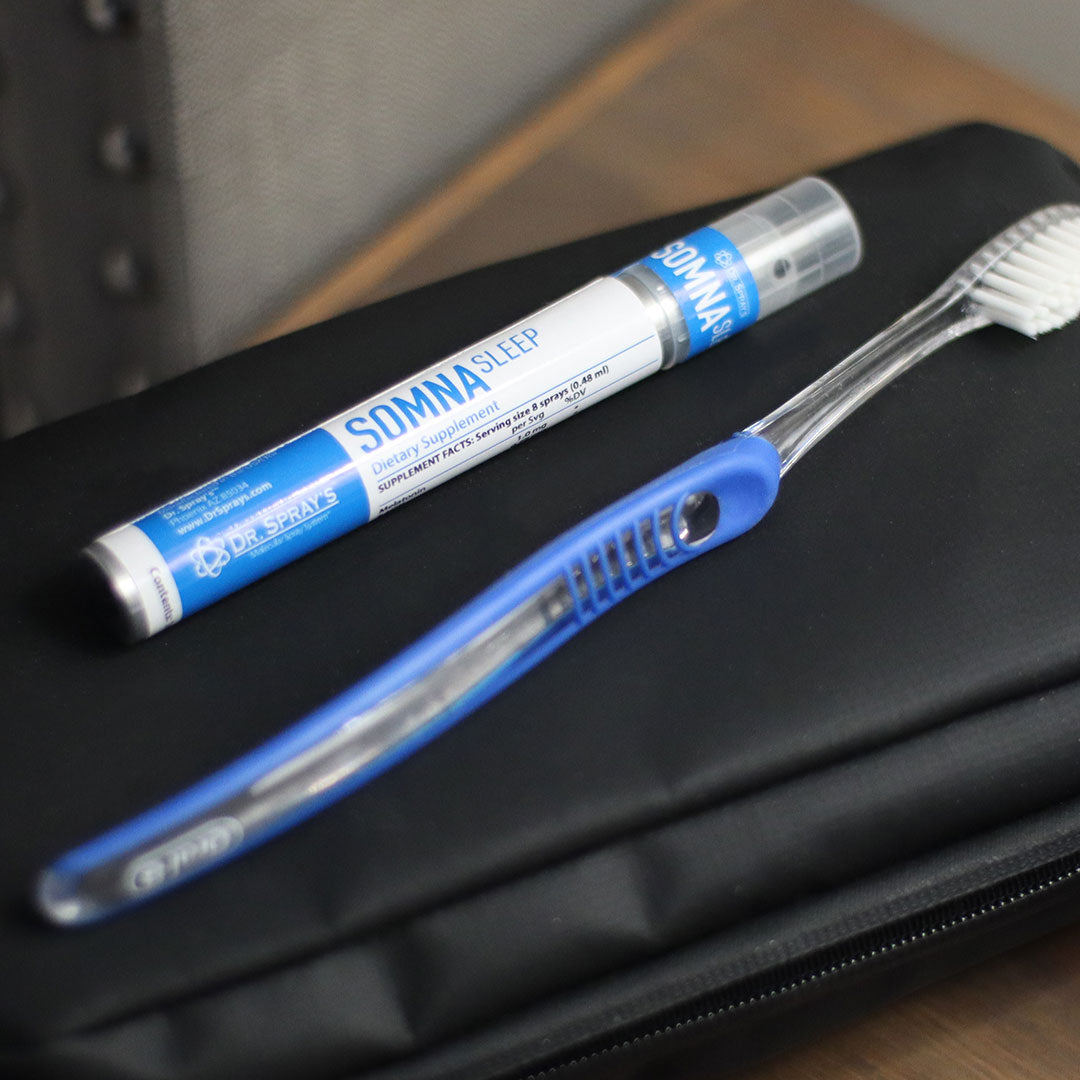
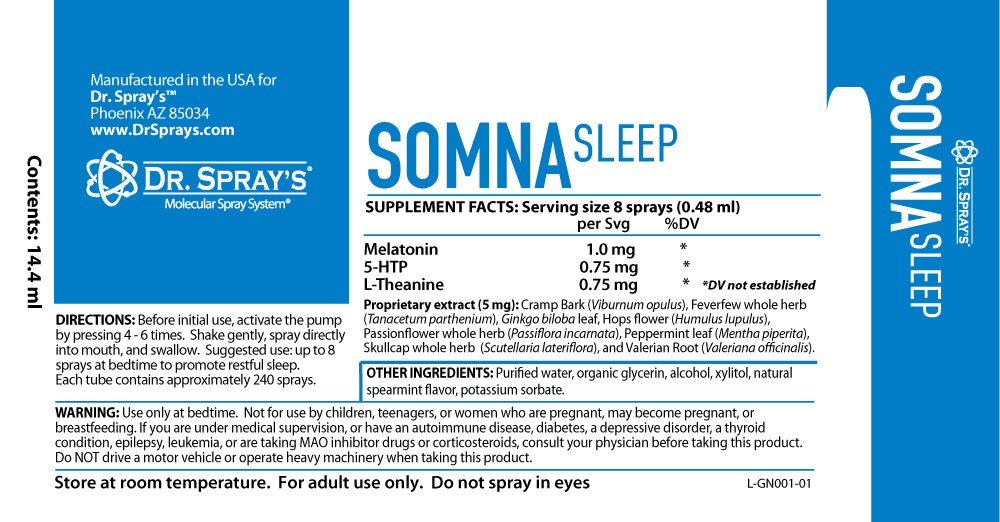
From Vitamin B12 and Vitamin D3 to our complete Multi-Vitamin Spray and SOMNA Sleep Spray with melatonin, L-theanine, and valerian root — every Dr. Spray's product is designed for maximum sublingual absorption.
- Doctor-developed, non-habit forming
- Sublingual spray — absorbs in seconds
- Made in FDA-registered facility in Phoenix, AZ
- 100% money-back guarantee
References
- Augsburger, L. L., & Shangraw, R. F. (1966). Effect of different test conditions on the disintegration time and dissolution rate of USP multivitamin tablets. Journal of Pharmaceutical Sciences, 55(4), 418-423.
- Bensky, M. J., Ayalon-Dangur, I., Ayalon-Dangur, R., Naamany, C., Gafter-Gvili, A., Koren, G., & Shiber, S. (2019). Comparison of sublingual vs. intramuscular administration of vitamin B12 for the treatment of patients with vitamin B12 deficiency. Drug Delivery and Translational Research, 9(3), 625-630.
- Berlin, H., Berlin, R., & Brante, G. (1968). Oral treatment of pernicious anemia with high doses of vitamin B12 without intrinsic factor. Acta Medica Scandinavica, 184(4), 247-258.
- DeMuro, R. L., Nafziger, A. N., Blask, D. E., Menhinick, A. M., & Bertino, J. S. (2000). The absolute bioavailability of oral melatonin. Journal of Clinical Pharmacology, 40(7), 781-784.
- Krasinski, S. D., Russell, R. M., Samloff, I. M., Jacob, R. A., Dallal, G. E., McGandy, R. B., & Hartz, S. C. (1986). Fundic atrophic gastritis in an elderly population: Effect on hemoglobin and several serum nutritional indicators. Journal of the American Geriatrics Society, 34(11), 800-806.
- Lam, J. R., Schneider, J. L., Zhao, W., & Corley, D. A. (2013). Proton pump inhibitor and histamine 2 receptor antagonist use and vitamin B12 deficiency. JAMA, 310(22), 2435-2442.
- Mechanick, J. I., Youdim, A., Jones, D. B., Garvey, W. T., Hurley, D. L., McMahon, M. M., ... & Brethauer, S. (2013). Clinical practice guidelines for the perioperative nutritional, metabolic, and nonsurgical support of the bariatric surgery patient. Obesity, 21(S1), S1-S27.
- Narang, N., & Sharma, J. (2011). Sublingual mucosa as a route for systemic drug delivery. International Journal of Pharmacy and Pharmaceutical Sciences, 3(Suppl 2), 18-22.
- Patel, V. F., Liu, F., & Brown, M. B. (2011). Advances in oral transmucosal drug delivery. Journal of Controlled Release, 153(2), 106-116.
- Satia, M. C., Mukim, A. G., Tibrewala, K. D., & Bhatt, T. P. (2015). A randomized two way cross over study for comparison of absorption of vitamin D3 buccal spray and soft gelatin capsule formulation in healthy subjects and in patients with intestinal malabsorption. Nutrition Journal, 14, 114.
- Sharabi, A., Cohen, E., Sulkes, J., & Garty, M. (2003). Replacement therapy for vitamin B12 deficiency: Comparison between the sublingual and oral route. British Journal of Clinical Pharmacology, 56(6), 635-638.
- Todd, J. J., McSorley, E. M., Pourshahidi, L. K., Madigan, S. M., Laird, E., Healy, M., & Magee, P. J. (2016). Vitamin D3 supplementation in healthy adults: A comparison between capsule and oral spray solution as a method of delivery in a wintertime, randomised, open-label, cross-over study. British Journal of Nutrition, 116(8), 1402-1408.