Yes — sublingual melatonin works faster and more efficiently than swallowed pills or gummies. When melatonin is delivered under the tongue or through the oral mucosa, it absorbs directly into the bloodstream in minutes, bypassing digestion entirely. Most people feel the effect within 15–20 minutes, compared to 45–90 minutes for capsules.
If you've ever taken a melatonin pill and waited an hour for it to kick in — only to feel groggy the next morning — the delivery method is likely the problem, not the dose.
Here's what the research says, how sublingual melatonin compares to other forms, and why the format you choose matters more than the milligram count on the label.
What Does "Sublingual" Mean?
Sublingual means "under the tongue." In supplement science, it refers to a delivery method where the active ingredient is absorbed through the mucous membranes lining the mouth — including under the tongue, the cheeks, and the roof of the mouth — rather than swallowed and processed through the digestive tract.
This matters because the oral mucosa has a rich blood supply just beneath its surface. Compounds that cross this membrane enter the bloodstream almost immediately — no stomach acid, no liver metabolism, no waiting for the gastrointestinal system to process the dose.
How Long Does Sublingual Melatonin Take to Work?
Sublingual melatonin typically begins absorbing within 1–5 minutes of application and reaches peak blood concentration within 15–20 minutes. For most people, this means noticeable drowsiness and sleep-readiness within 15–30 minutes.
Compare that to:
- Melatonin capsules/tablets: 45–90 minutes for full effect, as they must dissolve in the stomach, pass into the small intestine, and be absorbed before being processed by the liver
- Melatonin gummies: Similar to pills — 30–60 minutes, though the sugar content can slightly delay absorption
- Sublingual tablets (dissolving): 15–30 minutes, depending on how completely they dissolve before being swallowed
- Oral melatonin spray: 5–20 minutes — the fastest non-injectable option due to immediate mucosa contact
The speed difference is not trivial. Melatonin's effectiveness depends heavily on timing. Your body's natural melatonin surge happens at a specific point in your circadian cycle — typically 1–2 hours before your usual sleep time. Taking a slow-absorbing pill too early or too late means the supplement peaks at the wrong moment.
Does Sublingual Melatonin Work Better Than Pills?
By two key measures — speed of onset and bioavailability — yes, sublingual melatonin outperforms swallowed forms.
Speed of Onset
As noted above, sublingual absorption delivers melatonin into circulation within minutes rather than an hour. This precision matters: you can take it when you're actually ready for sleep, rather than dosing an hour ahead and hoping you time it right.
Bioavailability
Oral melatonin (swallowed) has notoriously low and variable bioavailability. Studies show that standard oral melatonin has approximately 15% bioavailability — meaning only about 15 cents of every supplement dollar actually reaches your bloodstream. The rest is broken down by your digestive system and liver before it can act.
Sublingual delivery bypasses this first-pass liver metabolism. Research comparing sublingual and oral melatonin found that sublingual delivery resulted in significantly higher peak plasma concentrations — more melatonin actually reaching the brain where it needs to work.
A 2001 study published in Clinical Pharmacokinetics (Fourtillan et al.) found that sublingual melatonin produced a faster and higher peak serum concentration than oral administration at equivalent doses. This means less melatonin is needed sublingually to achieve the same sleep effect — which also reduces the risk of next-morning grogginess.
The Dose Problem With Pills
Most melatonin pills sold in the US contain 5–10 mg — far more than what research suggests is effective. Because oral bioavailability is so low (~15%), manufacturers compensate by packing in higher doses. The result: even with poor absorption, too much melatonin reaches the brain, which can cause grogginess, headaches, and — paradoxically — disrupted sleep cycles with prolonged use.
Sublingual melatonin allows effective sleep support at lower doses (typically 0.5–1.5 mg), which aligns with what sleep researchers consider the physiologically appropriate range for adults.
Is Sublingual Melatonin Better for Everyone?
Sublingual melatonin is well-suited for:
- People who have difficulty swallowing pills — no water needed, no tablet to choke on
- Those who want faster, more predictable sleep onset — you know it will work within 20 minutes, so you can dose closer to actual bedtime
- People experiencing jet lag or shift work disruption — precision timing is critical; fast absorption lets you sync the supplement to your actual target sleep window
- Those sensitive to high-dose melatonin — sublingual delivery works at lower doses, reducing side effects
- Anyone who has found standard melatonin pills ineffective — in many cases, the problem is absorption, not the supplement itself
It is not necessarily better for:
- People who prefer timed-release melatonin for staying asleep (rather than falling asleep) — sublingual delivery is fast-in, fast-out, which is ideal for sleep onset but less suited to maintaining sleep throughout the night
Oral Spray vs. Sublingual Tablet: What's the Difference?
Both are sublingual delivery methods, but they differ in how well the melatonin makes contact with the oral mucosa.
Sublingual tablets (the kind you place under your tongue and let dissolve) work well if you resist the urge to swallow. In practice, many people swallow the dissolved liquid before full absorption occurs, reducing the sublingual benefit.
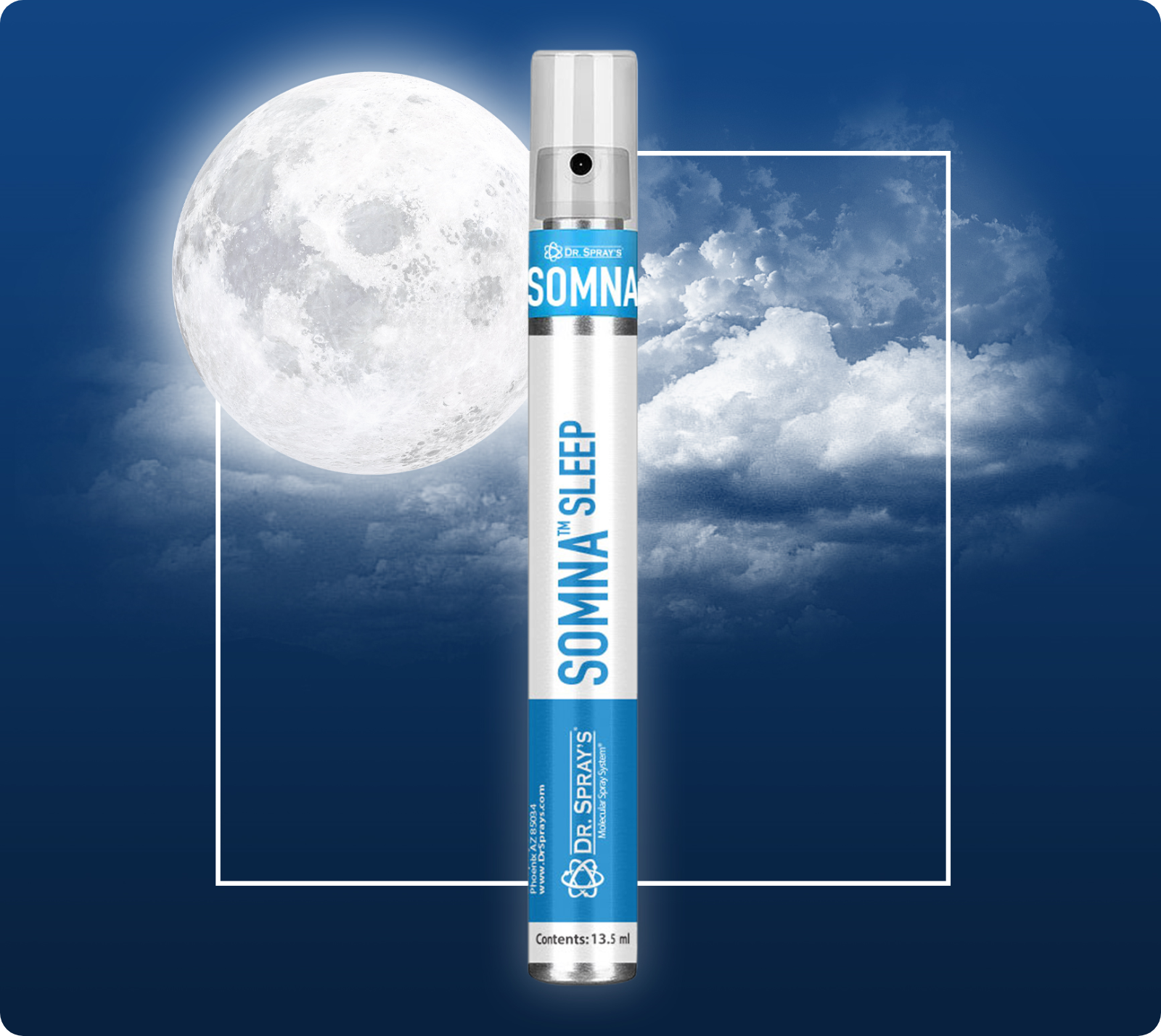
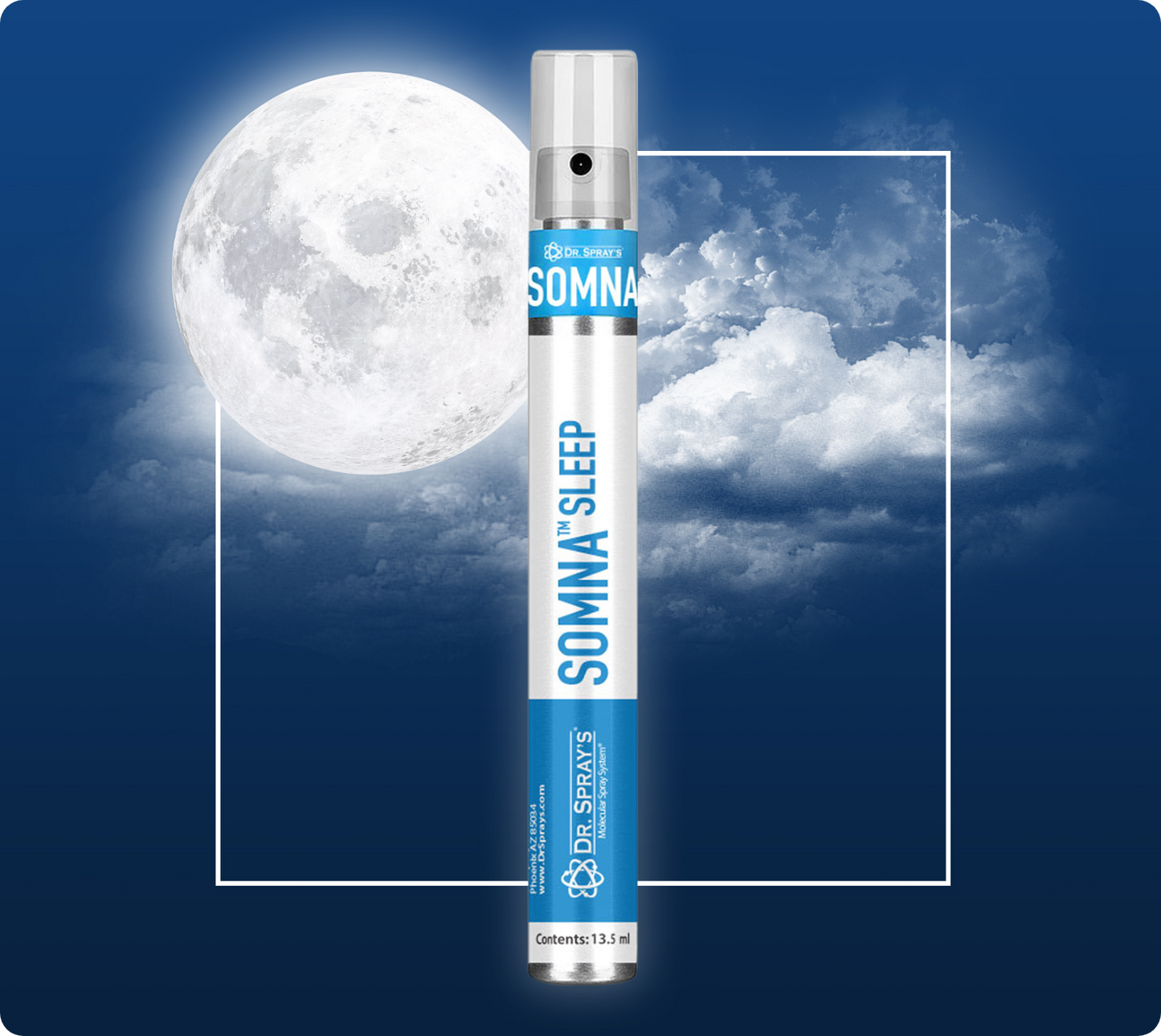
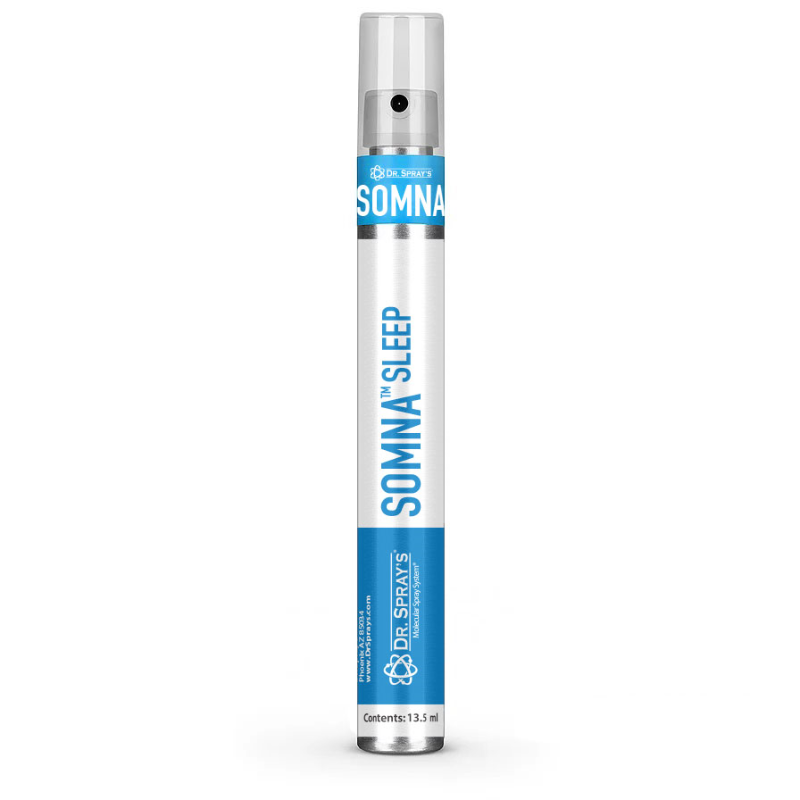
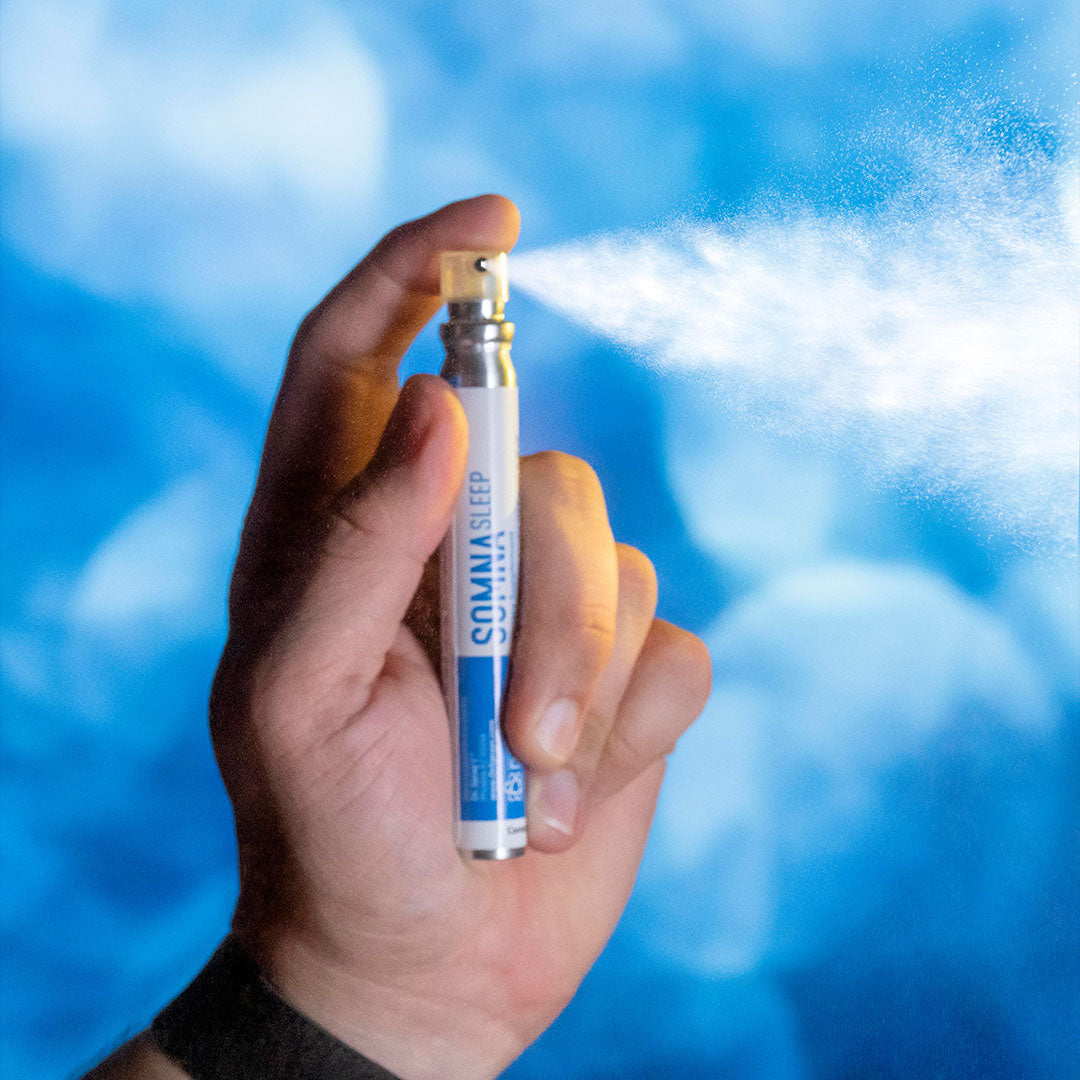
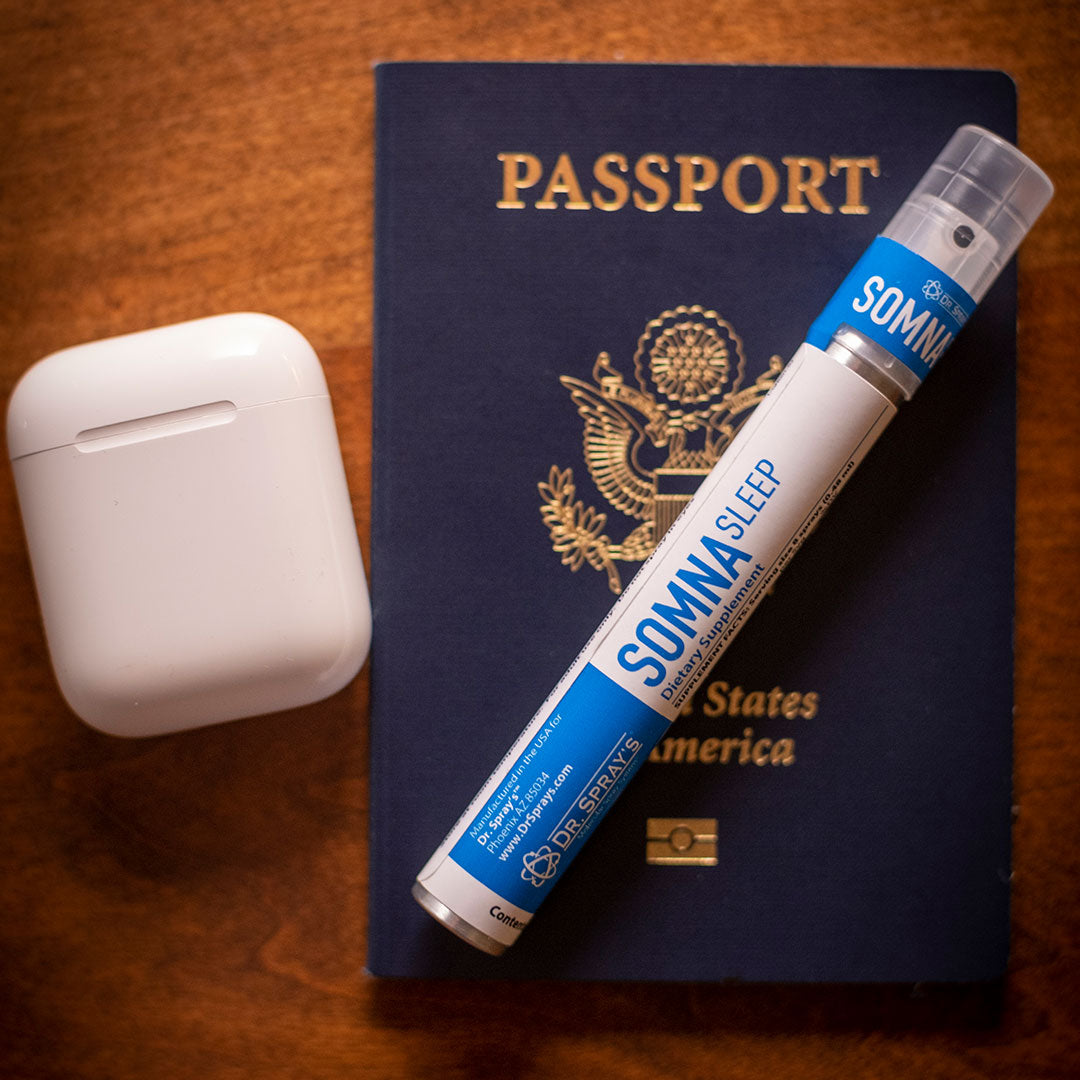
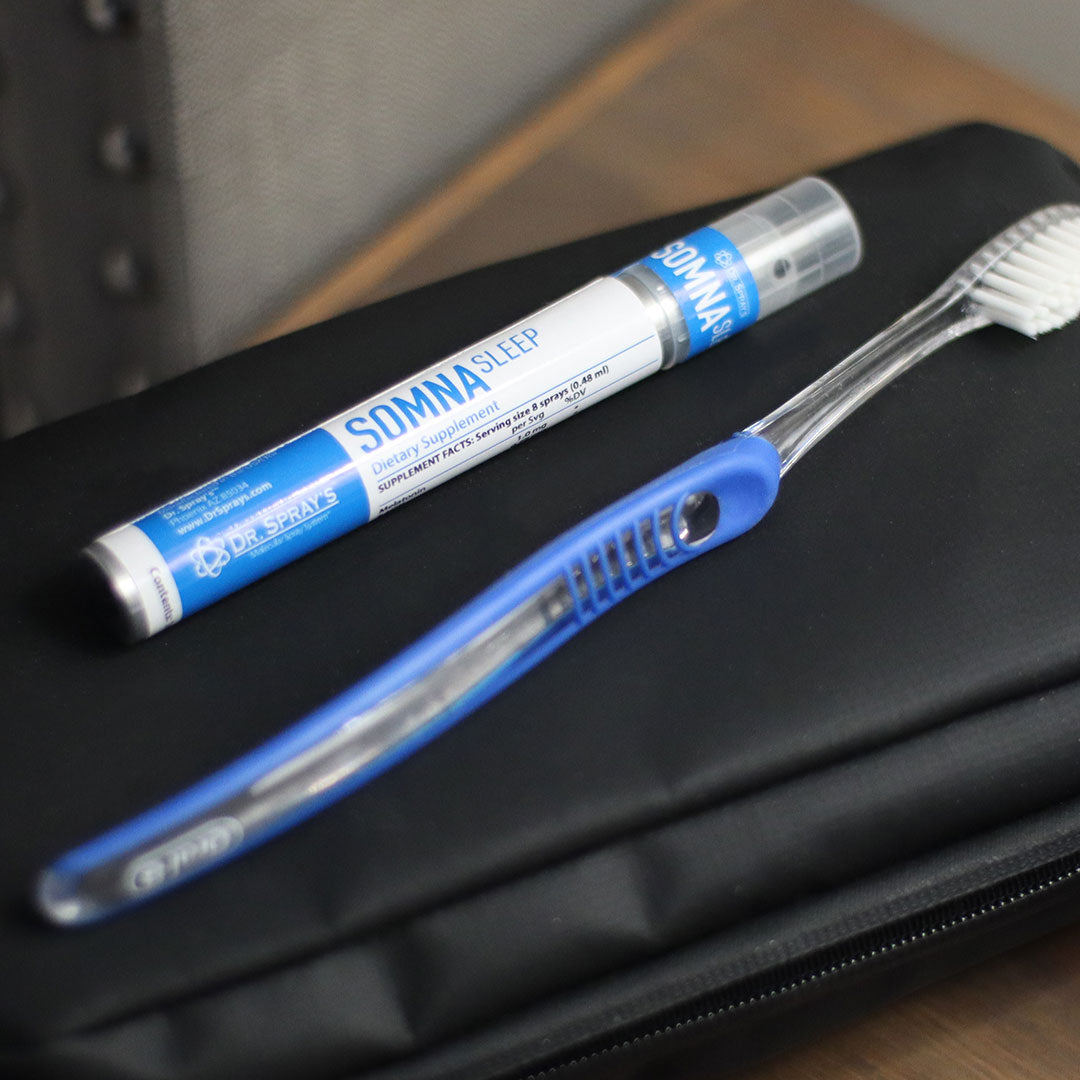
Oral melatonin spray — like SOMNA by Dr. Spray's — delivers melatonin directly as a fine mist that coats the oral mucosa across a wide surface area. Because it is already in liquid form, absorption begins immediately. There is nothing to dissolve and no risk of swallowing it prematurely.
For most people, an oral spray is the most consistent and fastest-acting sublingual option available without a prescription.
What to Look for in a Sublingual Melatonin Product
Not all sublingual melatonin products are equal. When evaluating options:
- Low dose (0.5–1.5 mg): Higher doses are not better. Effective sublingual delivery requires less, not more
- No artificial additives: Alcohol, artificial sweeteners, and fillers can irritate the oral mucosa and reduce absorption efficiency
- Complementary ingredients: L-theanine and valerian root pair well with melatonin — L-theanine promotes relaxation without sedation, while valerian supports deeper sleep stages
- Metered dosing: Each spray or dose should deliver a precise, consistent amount — not an approximate "splash"
- Manufactured in an FDA-registered facility: Particularly important for supplements, where quality control varies widely
SOMNA: A Sublingual Melatonin Sleep Spray Designed for Fast Absorption
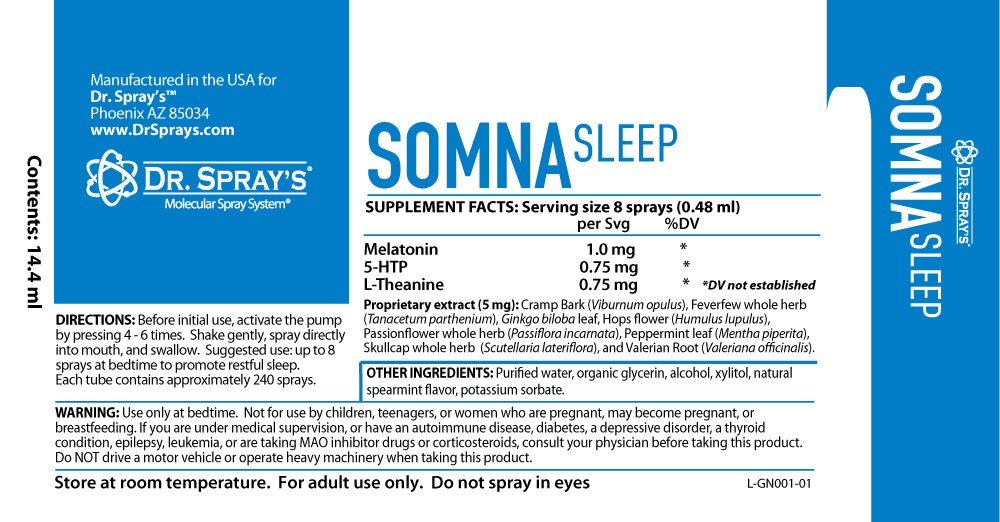
SOMNA by Dr. Spray's was developed specifically around the principles of sublingual melatonin delivery. Each spray delivers a precise metered dose of melatonin combined with L-theanine and valerian root — all natural, all at doses calibrated for sublingual delivery rather than compensating for poor pill absorption.
Because SOMNA is absorbed through the oral mucosa, it uses a fraction of the melatonin found in typical over-the-counter pills — yet customers consistently report falling asleep faster and waking with more energy, not less.
SOMNA is sugar-free, gluten-free, non-GMO, and manufactured in an FDA-registered facility in Phoenix, AZ. Each tube contains a 30-day supply.
Frequently Asked Questions
How long does sublingual melatonin take to work?
Sublingual melatonin begins absorbing within 1–5 minutes of application and reaches peak effect within 15–30 minutes. This is significantly faster than swallowed pills or gummies, which require 45–90 minutes to work through the digestive system.
Is sublingual melatonin stronger than regular melatonin?
Not stronger — more efficient. Sublingual melatonin achieves the same or better effect at lower doses because more of the active ingredient actually reaches the bloodstream. Standard oral melatonin has approximately 15% bioavailability; sublingual delivery significantly improves that ratio by bypassing digestive breakdown.
Can I use sublingual melatonin every night?
Short-term nightly use of low-dose melatonin (0.5–1.5 mg) is considered safe for most healthy adults. Research does not support dependency or tolerance with melatonin at physiological doses. That said, melatonin works best as a circadian-timing aid rather than a sedative — if sleep problems persist, a sleep specialist can help identify underlying causes.
Does sublingual melatonin cause grogginess?
At appropriate low doses, sublingual melatonin is less likely to cause next-morning grogginess than high-dose pills. The grogginess commonly associated with melatonin supplements is usually a result of doses that are too high (5–10 mg) combined with slow, unpredictable absorption timing. Sublingual delivery at 0.5–1.5 mg reduces both problems.
What is the best sublingual melatonin spray?
Look for a spray that uses a low melatonin dose (under 2 mg), contains no artificial ingredients, and pairs melatonin with complementary sleep-support compounds like L-theanine or valerian root. SOMNA by Dr. Spray's meets all of these criteria and is one of the few oral melatonin sprays manufactured in an FDA-registered US facility.
The Bottom Line
Sublingual melatonin works faster, more predictably, and at lower doses than swallowed forms. If standard melatonin pills have left you groggy, unaffected, or poorly timed, the delivery method — not the supplement itself — is likely the issue. Sublingual melatonin spray addresses all three problems by delivering melatonin directly through the oral mucosa in minutes.
For adults seeking a fast-acting, natural, low-dose sleep solution, sublingual melatonin spray is the most practical and evidence-aligned option available over the counter.
References: Fourtillan et al. (2001), Clinical Pharmacokinetics. NHLBI Sleep Deprivation and Deficiency guidelines. Dr. Spray's independent clinical research on spray supplement absorption.