Sleep difficulties affect millions of Americans, leading many to explore over-the-counter sleep aids and supplements. Whether you're dealing with occasional sleeplessness or ongoing sleep challenges, understanding proper dosing and safe usage is essential for both effectiveness and safety.
This comprehensive guide examines how many sleep aids you can safely take, explores the differences between various sleep supplement formats including innovative oral spray vitamins, and provides evidence-based recommendations for improving your sleep quality.
Understanding Sleep Aid Categories and Dosing Guidelines
Sleep aids fall into several distinct categories, each with specific dosing recommendations and safety considerations. Knowing which type you're using is the first step toward safe and effective supplementation.
Melatonin-Based Sleep Supplements
Melatonin is one of the most popular sleep supplements available without a prescription. This hormone naturally regulates your sleep-wake cycle, and supplementation can help reset disrupted circadian rhythms.
Standard dosing recommendations:
- Start with 0.5-1 mg taken 30-60 minutes before bedtime
- Increase gradually to 3-5 mg if needed
- Maximum recommended dose: 10 mg per 24-hour period
- Advanced formulations like sleep spray supplements may offer lower effective doses due to superior absorption
Taking more than the recommended dose doesn't necessarily improve sleep quality. In fact, excessive melatonin can cause next-day grogginess, vivid dreams, or paradoxically worsen sleep quality in some individuals.
Magnesium Sleep Supplements
Magnesium supports relaxation and sleep through its role in regulating neurotransmitters and maintaining healthy nervous system function. Unlike melatonin, magnesium provides broader health benefits beyond sleep support.
Recommended intake:
- 200-400 mg of elemental magnesium before bed
- Total daily intake should not exceed 350 mg from supplements (additional magnesium from food is safe)
- Magnesium glycinate and magnesium citrate are commonly used forms for sleep support
L-Theanine and Calming Amino Acids
L-theanine, an amino acid found in tea leaves, promotes relaxation without sedation. It's often combined with other sleep-supporting ingredients in comprehensive formulations.
Typical dosing:
- 100-200 mg taken 30-60 minutes before sleep
- Can be taken up to twice daily (morning and evening) for stress management
- Generally considered safe up to 400 mg daily
The Dangers of Taking Multiple Sleep Aids Simultaneously
One of the most common questions sleep specialists encounter is whether it's safe to combine different sleep aids or take multiple doses of the same supplement. The answer requires careful consideration of several factors.
Additive Effects and Overdose Risk
Many people don't realize that combining sleep aids creates additive effects. Taking a melatonin supplement along with a sleep formula that already contains melatonin can result in unintentionally high doses.
Common combination mistakes include:
- Taking a sleep aid plus an antihistamine-based product (like diphenhydramine)
- Combining multiple melatonin products without checking total dosage
- Adding herbal sleep teas to supplement regimens without accounting for active ingredients
- Using both prescription and over-the-counter sleep aids without medical supervision
Drug Interactions and Contraindications
Sleep aids can interact with medications you're already taking. Sedating antihistamines, for example, may interact with antidepressants, blood pressure medications, and other prescription drugs.
Always consult with a healthcare provider before combining sleep aids with:
- Prescription medications for depression or anxiety
- Blood pressure medications
- Diabetes medications
- Blood thinners
- Immunosuppressants
Why Absorption Matters: Traditional Pills vs. Spray Supplements
The format of your sleep supplement significantly impacts how much your body actually absorbs and utilizes. This absorption rate, called bioavailability, determines the supplement's effectiveness and influences proper dosing.
The Bioavailability Challenge with Traditional Supplements
Traditional pill and capsule supplements face substantial absorption barriers. After swallowing, these supplements must survive stomach acid, navigate the digestive system, and undergo first-pass metabolism in the liver before reaching your bloodstream.
Research indicates that traditional oral supplements typically achieve only 10-20% bioavailability. This means if you take a 5 mg melatonin tablet, your body may only absorb and utilize 0.5-1 mg of the actual compound.
The Spray Supplement Advantage
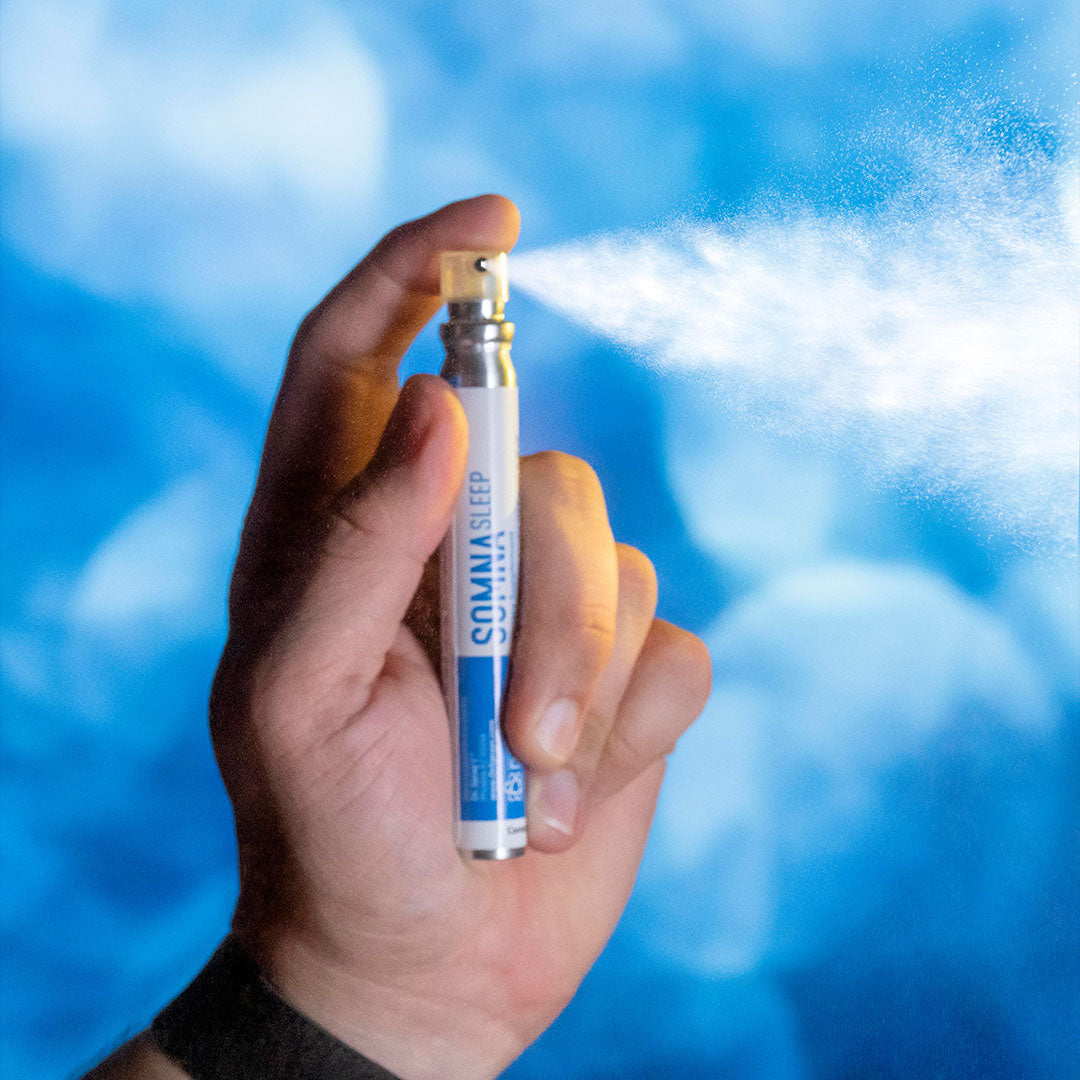
Oral spray vitamins and supplements work differently. When sprayed directly into the mouth, the active ingredients absorb through the mucous membranes in your oral cavity, bypassing the digestive system entirely.
This sublingual and buccal absorption pathway offers several advantages:
- Absorption rates up to 90% compared to 10-20% for pills
- Faster onset of action (typically 5-10 minutes vs. 30-60 minutes)
- More consistent dosing due to reduced digestive variables
- Lower doses needed to achieve desired effects
- Easier to use for people with difficulty swallowing pills
Products formulated in Phoenix, Arizona facilities using pharmaceutical-grade processes ensure consistent quality and dosing accuracy. When manufactured in FDA registered, GMP certified facilities, spray supplements offer reliable potency you can count on.
Sleep Support Nutrients That Work Synergistically
Rather than taking multiple separate sleep aids, many people benefit from comprehensive formulations that combine complementary ingredients at appropriate doses. Understanding these synergistic relationships helps optimize your sleep support strategy.
The Vitamin D3 Connection to Sleep Quality
Vitamin D deficiency has been linked to poor sleep quality, difficulty falling asleep, and sleep disorders. While not a direct sleep aid, maintaining optimal vitamin D levels supports healthy sleep patterns.
Research suggests that vitamin D influences sleep through several mechanisms:
- Regulates genes involved in circadian rhythm control
- Supports serotonin production, which converts to melatonin
- Reduces inflammation that can disrupt sleep
- Helps regulate calcium levels that affect sleep architecture
A vitamin D3 spray offers an efficient way to maintain optimal levels, with superior absorption compared to traditional tablets. Recommended dosing typically ranges from 1,000-5,000 IU daily, depending on individual needs and baseline levels.
Vitamin B12's Role in Sleep Regulation
Vitamin B12 plays a complex role in sleep health. While it's generally considered energizing and typically taken in the morning, B12 deficiency can significantly disrupt sleep quality and circadian rhythms.
B12 supports sleep through:
- Melatonin production and secretion
- Regulation of circadian rhythm genes
- Nervous system health and neurotransmitter balance
- Energy metabolism that prevents fatigue-related sleep disturbances
For those with absorption issues or dietary restrictions (such as vegans), a vitamin B12 spray provides reliable supplementation. While B12 is generally taken in the morning, correcting a deficiency can improve nighttime sleep quality significantly.
Vitamin C and Zinc for Sleep-Supporting Immune Function
Quality sleep requires a healthy immune system, and immune activation can severely disrupt sleep. Vitamin C and zinc work together to support immune function, potentially preventing sleep disruptions from minor illnesses.
These nutrients support sleep indirectly by:
- Reducing oxidative stress that can interfere with sleep
- Supporting immune function to prevent illness-related sleep disruption
- Helping regulate cortisol levels
- Supporting neurotransmitter synthesis
Creating Your Safe Sleep Support Protocol
Rather than asking "how many sleep aids can I take," the better question is "what's the most effective sleep support protocol for my individual needs?" Here's how to develop a safe, effective approach.
Step 1: Identify Your Sleep Challenge
Different sleep issues require different approaches:
- Difficulty falling asleep: May benefit from melatonin-containing formulations
- Difficulty staying asleep: Might respond better to magnesium or combination formulas
- Poor sleep quality: May improve with comprehensive nutrient support including vitamin D
- Stress-related insomnia: Often responds well to L-theanine and magnesium combinations
Step 2: Start with Single-Ingredient Products
Begin with one sleep-supporting supplement to assess your individual response. This approach allows you to:
- Identify what works for your body
- Pinpoint any sensitivities or side effects
- Find your optimal dose
- Avoid unnecessary ingredients
Step 3: Consider Comprehensive Formulations
Once you understand which ingredients benefit your sleep, a professionally formulated combination product may offer advantages over taking multiple separate supplements. Well-designed formulations provide:
- Synergistic ingredient combinations at appropriate ratios
- Simplified supplementation (one product instead of several)
- Cost effectiveness
- Reduced pill burden (especially relevant for spray formats)
Step 4: Support Sleep with Foundational Nutrients
Address any nutritional deficiencies that might compromise sleep quality. Consider having levels checked for:
- Vitamin D (optimal range: 40-60 ng/mL)
- Vitamin B12 (especially for those over 50 or following plant-based diets)
- Magnesium (though serum testing is less reliable; RBC magnesium is preferred)
- Iron (deficiency can cause restless leg syndrome that disrupts sleep)
Using high-absorption formats like vitamin spray products can help correct deficiencies more efficiently than traditional supplements.
When to Take Sleep Aids: Timing for Maximum Effectiveness
Proper timing significantly impacts sleep supplement effectiveness. Taking products too early or too late can reduce benefits or create unwanted side effects.
Optimal Timing Guidelines
Melatonin-based products:
- Take 30-60 minutes before desired sleep time
- Spray formulations may work faster (15-30 minutes) due to superior absorption
- Dim lights after taking to avoid suppressing melatonin's effects
- Consistency matters—take at the same time each night
Magnesium supplements:
- Can be taken 1-2 hours before bed
- Works well with evening meals to support absorption
- Some people benefit from split dosing (morning and evening)
L-theanine:
- Take 30-60 minutes before bed for sleep support
- Can also be used during the day for stress management without causing drowsiness
Warning Signs You're Taking Too Many Sleep Aids
Your body provides clear signals when sleep supplement intake exceeds safe or effective levels. Recognizing these signs helps prevent problems before they escalate.
Physical Warning Signs
- Morning grogginess: Persistent drowsiness upon waking or throughout the morning
- Headaches: Frequent headaches, especially upon waking
- Digestive upset: Nausea, diarrhea, or stomach discomfort
- Vivid dreams or nightmares: Unusually intense or disturbing dreams
- Dizziness: Lightheadedness or balance issues
Sleep-Related Warning Signs
- Paradoxical insomnia: Sleep supplements actually worsening sleep quality
- Increased sleep fragmentation: Waking more frequently during the night
- Tolerance development: Needing progressively higher doses to achieve the same effect
- Rebound insomnia: Severe sleep disruption when attempting to stop the supplement
If you experience any of these signs, reduce your dosage, eliminate redundant products, or consult with a healthcare provider.
The Role of Sleep Hygiene Alongside Supplementation
Even the best sleep supplements work optimally only when combined with proper sleep hygiene practices. Supplements support sleep, but they cannot overcome poor sleep habits.
Essential Sleep Hygiene Practices
Environmental optimization:
- Maintain bedroom temperature between 60-67°F
- Eliminate light sources (use blackout curtains or eye masks)
- Minimize noise or use white noise machines
- Reserve your bed exclusively for sleep and intimacy
Behavioral strategies:
- Maintain consistent sleep and wake times, even on weekends
- Avoid screens 1-2 hours before bedtime
- Limit caffeine after 2 PM
- Avoid large meals within 3 hours of bedtime
- Establish a relaxing pre-sleep routine
Lifestyle factors:
- Get regular physical activity (but not within 3 hours of bedtime)
- Manage stress through meditation, journaling, or therapy
- Limit alcohol, which disrupts sleep architecture despite initially causing drowsiness
- Get morning sunlight exposure to regulate circadian rhythms
Special Considerations for Different Populations
Sleep aid safety and dosing recommendations vary based on age, health status, and individual circumstances.
Older Adults
People over 65 may be more sensitive to sleep aids and experience increased side effects. Considerations include:
- Start with lower doses (often 50% of standard adult dosing)
- Increased risk of morning grogginess and falls
- Higher likelihood of medication interactions
- May benefit from spray formulations that allow precise dose titration
Pregnant and Nursing Women
Most sleep supplements lack adequate safety data for pregnancy and lactation. Consult your healthcare provider before using any sleep aid during these periods.
People with Chronic Conditions
Certain health conditions require extra caution with sleep supplements:
- Autoimmune conditions: Melatonin may affect immune function
- Diabetes: Some sleep aids may affect blood sugar regulation
- Depression: Sleep aids shouldn't replace proper mental health treatment
- Kidney disease: Magnesium supplementation requires medical supervision
Frequently Asked Questions About Sleep Aid Dosing
How many melatonin supplements can I safely take in one night?
Take only one dose of melatonin per night, with a maximum of 10 mg total from all sources. If your initial dose doesn't work, don't take additional doses the same night. Instead, try a higher dose the following night or consider a different approach. With high-absorption spray formulations, you may need less than traditional pill forms to achieve the same effect.
Can I take a sleep aid every night long-term?
This depends on the specific supplement. Melatonin and magnesium are generally considered safe for long-term nightly use under medical supervision. However, it's best to address the underlying causes of sleep problems rather than relying indefinitely on supplementation. Regular evaluation of your need for sleep aids helps prevent dependency.
What's the difference between sleep aid sprays and pills?
Spray supplements absorb through the mucous membranes in your mouth, bypassing the digestive system. This results in absorption rates up to 90% compared to 10-20% for traditional pills. The faster absorption means quicker onset (often 5-10 minutes versus 30-60 minutes) and potentially lower doses needed for effectiveness.
Can I combine melatonin with magnesium?
Yes, melatonin and magnesium work through different mechanisms and can safely be combined for most people. This combination may be more effective than either supplement alone, as they support different aspects of sleep physiology. However, start with lower doses of each when combining to assess your individual response.
Why am I groggy the morning after taking a sleep aid?
Morning grogginess typically indicates the dose is too high, the timing was too late, or the supplement's duration of action extends beyond your sleep period. Try reducing the dose by 25-50%, taking it earlier in the evening, or switching to a faster-absorbing format like an oral spray that your body clears more efficiently.
Are natural sleep aids safer than prescription medications?
While natural supplements generally have fewer and milder side effects than prescription sleep medications, "natural" doesn't automatically mean "safe." Natural sleep aids can still cause side effects, interact with medications, and aren't appropriate for everyone. Both require thoughtful use and, ideally, professional guidance.
How do I know if I'm vitamin deficient and it's affecting my sleep?
Blood testing is the most reliable way to identify deficiencies in vitamins like D and B12. Common signs of deficiency-related sleep issues include difficulty falling asleep despite feeling tired, frequent nighttime waking, non-restorative sleep, and daytime fatigue. If you suspect deficiencies, work with a healthcare provider for proper testing and treatment.
Can spray vitamins help with jet lag?
Yes, melatonin sprays can be particularly helpful for jet lag because of their rapid absorption and action. The ability to take smaller, more frequent doses helps you adjust to new time zones more gradually. Take melatonin at the bedtime of your destination for several days before travel and continue for a few days after arrival.
What should I do if my sleep aid stops working?
If a sleep aid becomes less effective, you may be developing tolerance. Rather than increasing the dose indefinitely, take a "supplement holiday" for 1-2 weeks, focus intensively on sleep hygiene, and address underlying issues. When you resume, the supplement will likely be effective again at lower doses. This is also a good time to re-evaluate whether supplementation is addressing the root cause of your sleep problems.
Are there interactions between sleep aids and vitamins?
Most vitamins don't interact negatively with sleep supplements, but timing matters. B vitamins are generally energizing and best taken in the morning rather than evening. However, correcting B12 deficiency can improve sleep quality over time. Vitamin D supports sleep but is also typically taken in the morning. Comprehensive spray vitamin formulations account for these timing considerations in their usage instructions.
Conclusion: Finding Your Safe, Effective Sleep Support Strategy
The question "how many sleep aids can I take?" doesn't have a one-size-fits-all answer. Safe and effective sleep supplementation depends on the specific products you're using, your individual health status, and whether you're addressing underlying nutritional deficiencies or sleep hygiene issues.
Key principles to remember:
- Never exceed recommended doses for any sleep supplement
- Account for all sources when calculating total intake of ingredients like melatonin
- Consider high-absorption formats like oral spray vitamins to reduce the dose needed
- Address foundational health through proper nutrition, including adequate vitamin D3 and B12 levels
- Combine supplementation with excellent sleep hygiene practices
- Work with healthcare providers, especially when combining supplements with medications
- Regularly reassess your need for sleep aids rather than assuming indefinite use
Quality sleep is essential for health, energy, and wellbeing. By approaching sleep supplementation thoughtfully—using appropriate doses, choosing high-quality products from reputable manufacturers, and addressing root causes—you can develop a sustainable strategy that supports truly restorative sleep.
Experience the Spray Supplement Difference
Discover doctor-developed vitamin and sleep support sprays formulated for maximum absorption and effectiveness. Our FDA registered, GMP certified Phoenix, Arizona facility ensures pharmaceutical-grade quality in every bottle.
Shop our complete line of high-absorption spray supplements:
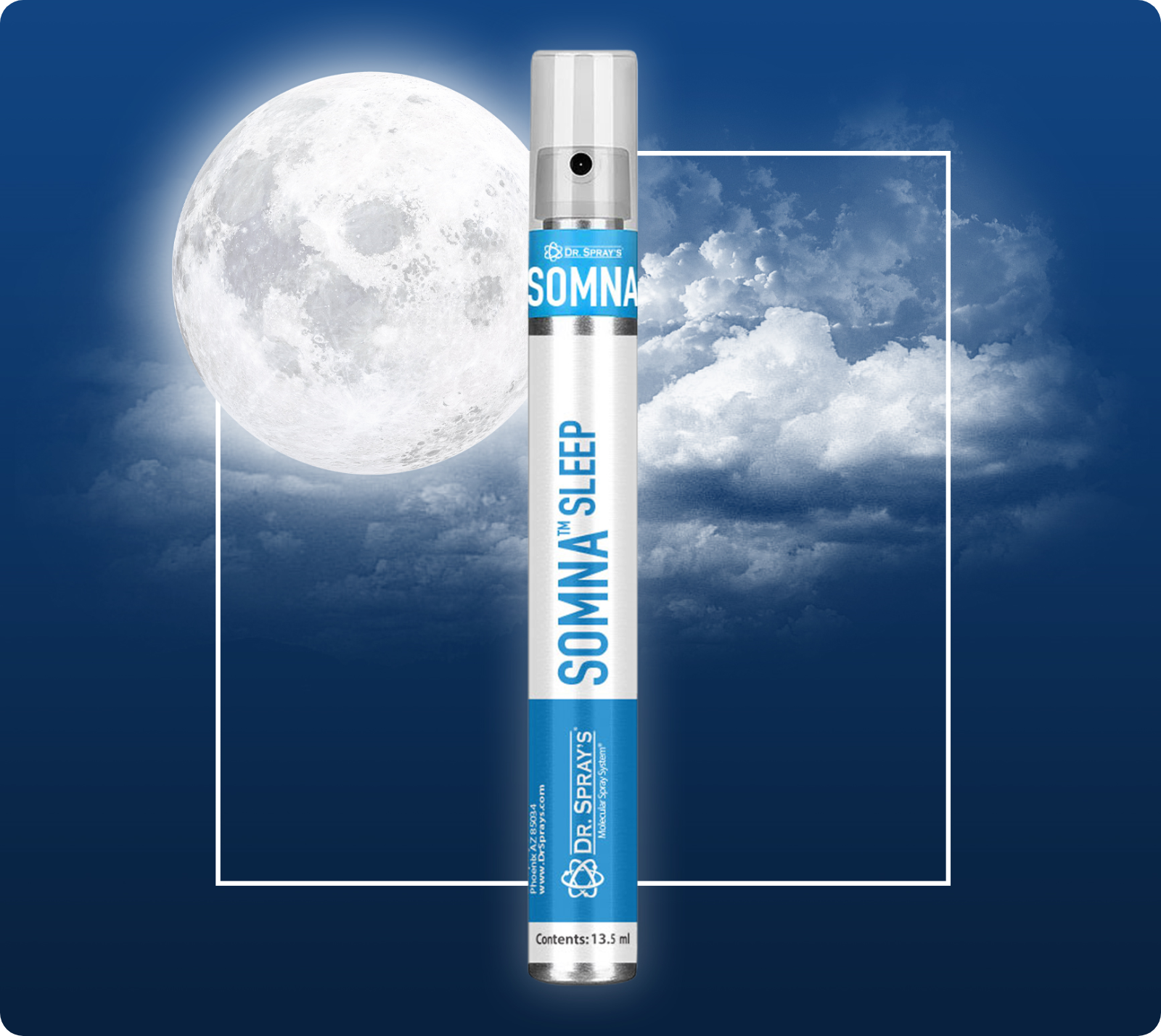
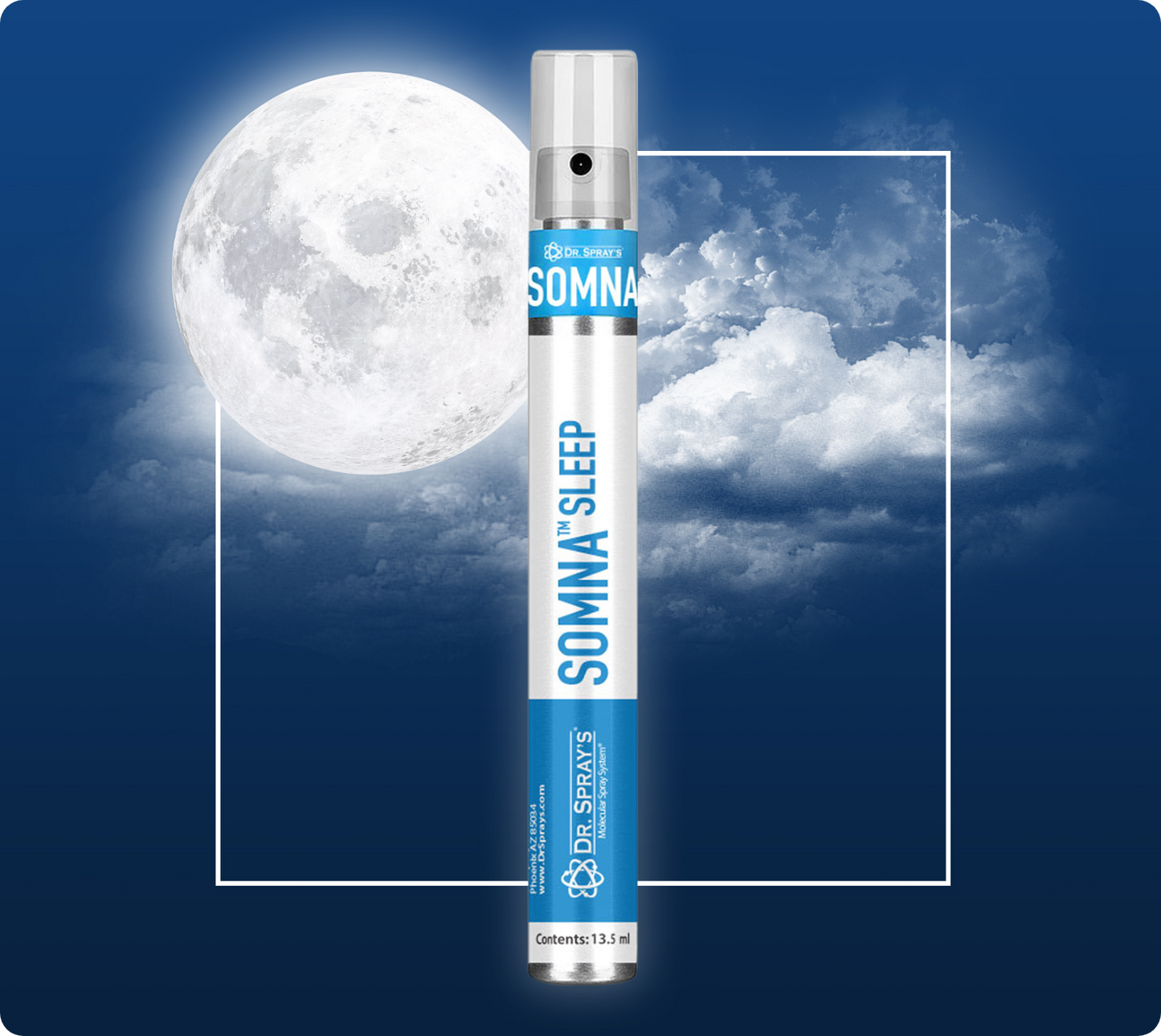
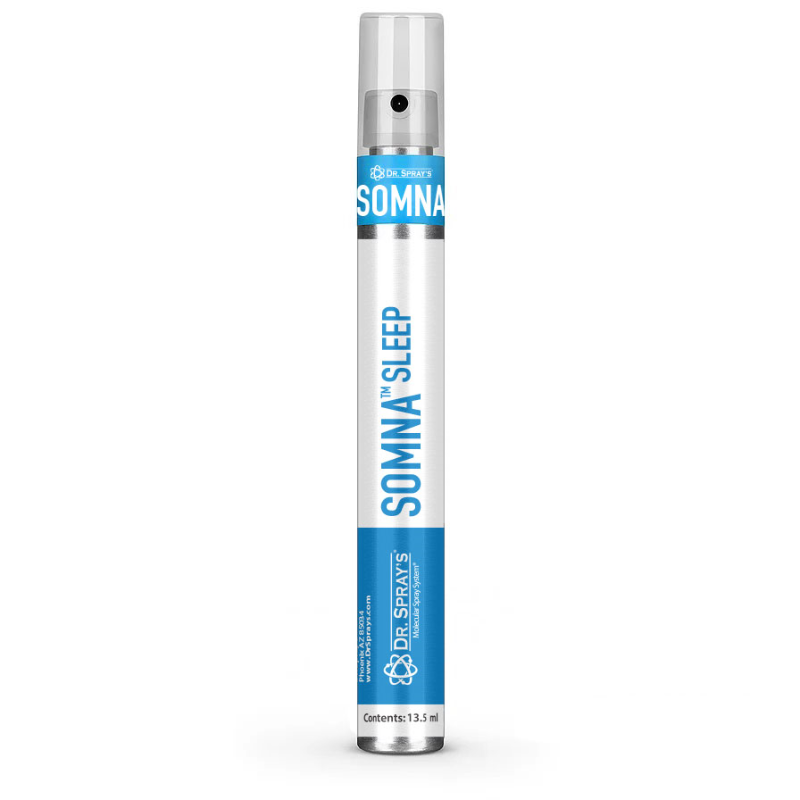
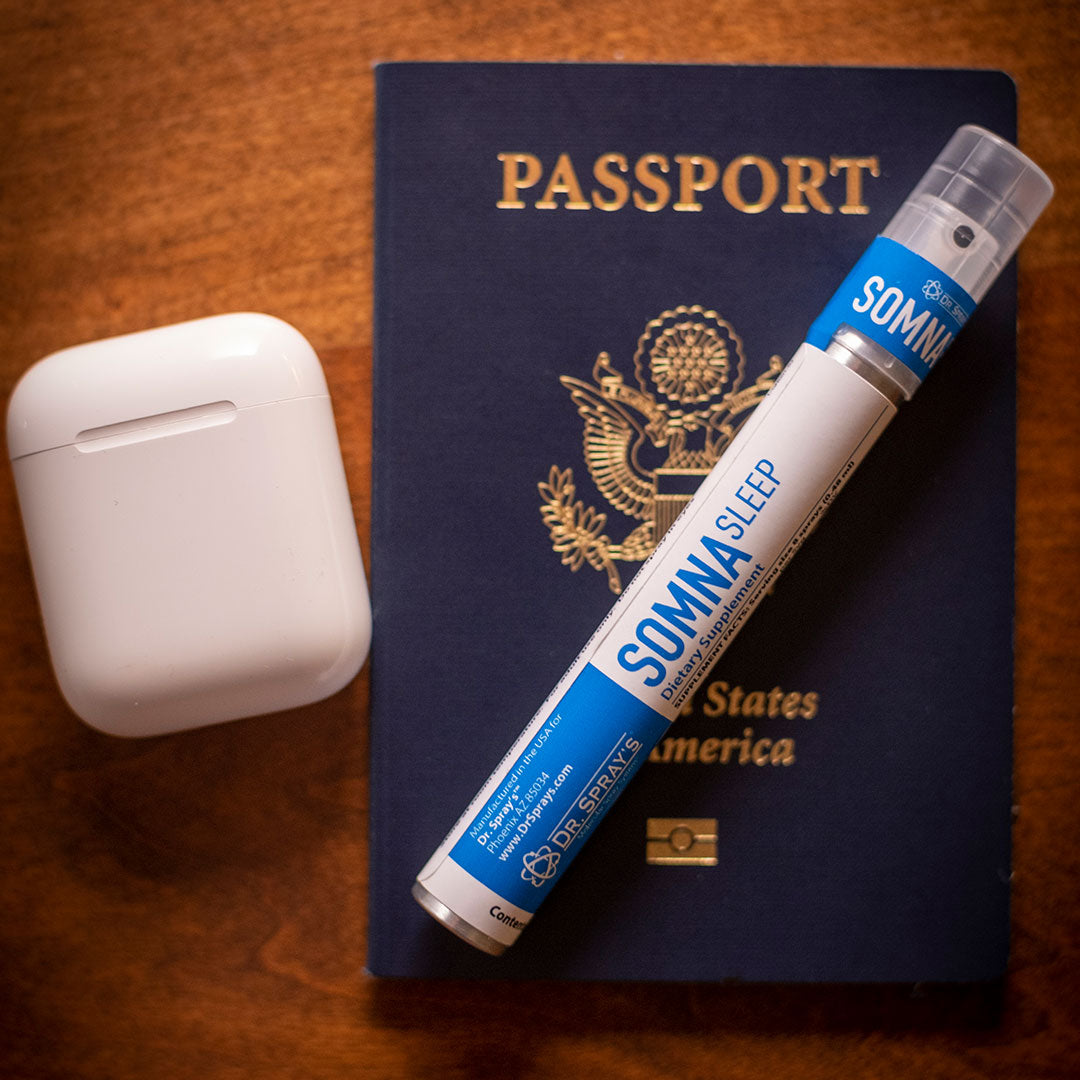
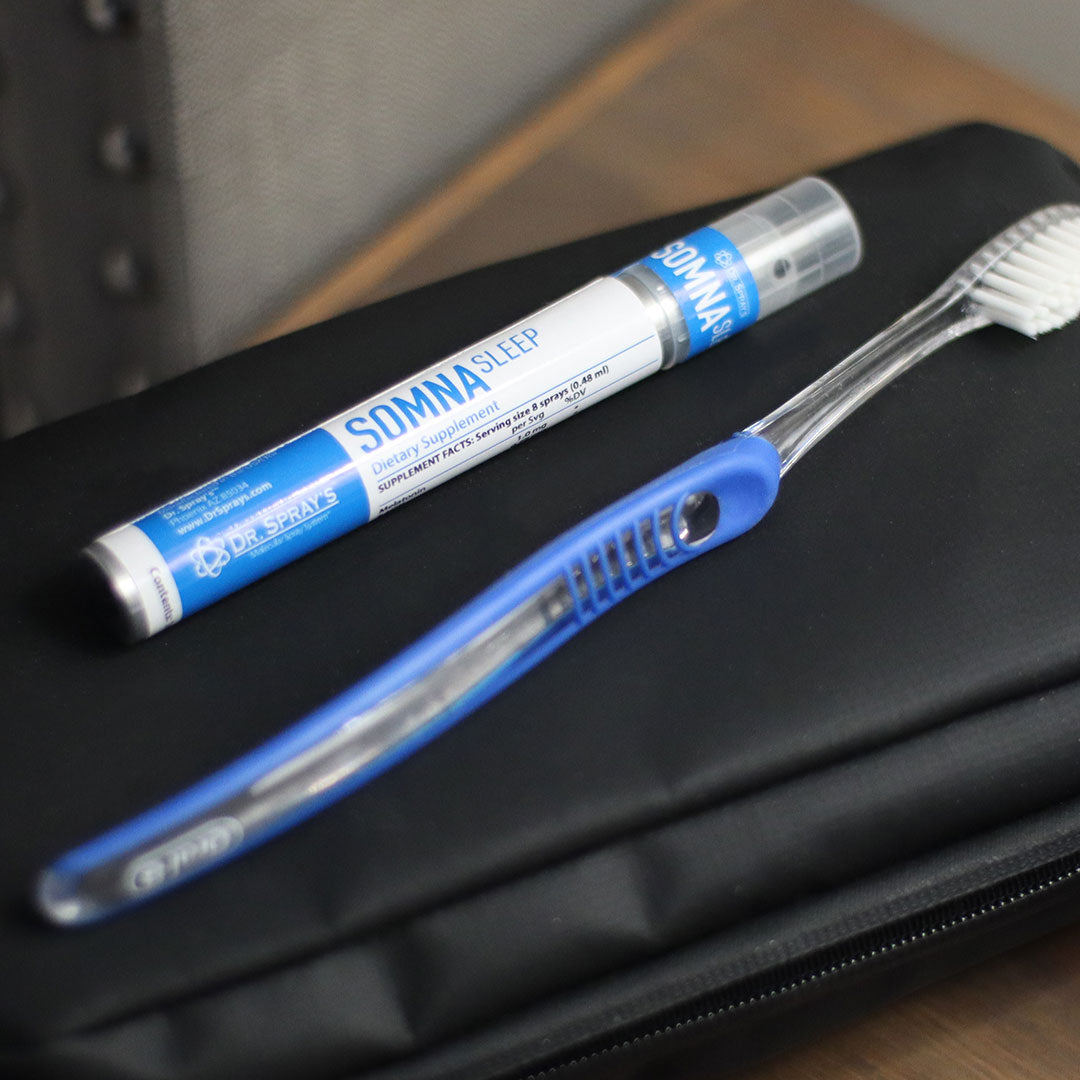
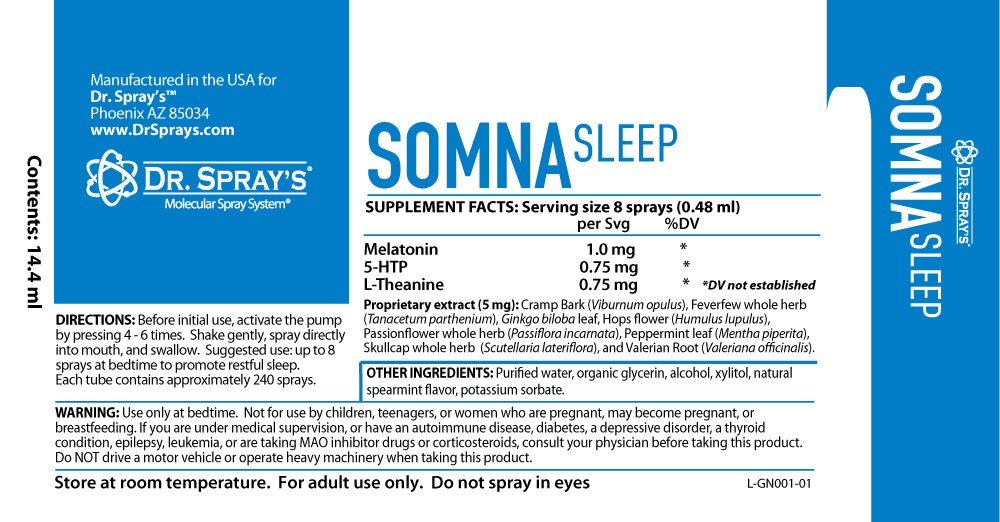
- Somna Sleep Support Spray - Natural sleep aid with optimized absorption
- Vitamin D3 Spray - Support healthy sleep patterns with optimal D3 levels
- Vitamin B12 Spray - Correct deficiencies that disrupt circadian rhythms
- Multi-Vitamin Spray - Comprehensive nutritional support for overall health