Sleep aids have become increasingly popular as more people struggle with occasional sleeplessness. If you're considering using sleep aid pills, one of your first questions is likely: "How many should I take?" The answer depends on several factors, and understanding proper dosage is crucial for both safety and effectiveness.
In this comprehensive guide, we'll explore sleep aid dosages, safety considerations, and alternative delivery methods like vitamin spray supplements that may offer better absorption and convenience.
Understanding Sleep Aid Dosages
The appropriate number of sleep aid pills varies significantly depending on the type of sleep aid, its active ingredients, and your individual needs. There's no one-size-fits-all answer, which is why reading labels carefully and consulting healthcare professionals is essential.
Over-the-Counter Sleep Aids
Most over-the-counter sleep aids contain antihistamines like diphenhydramine or doxylamine succinate. Standard dosages typically range from 25mg to 50mg taken 30 minutes before bedtime. However, the number of pills you take depends on the concentration per pill:
- 25mg pills: Usually 1-2 pills (25-50mg total)
- 50mg pills: Typically 1 pill maximum
- Extended-release formulations: Generally 1 pill only
Always start with the lowest effective dose and never exceed the maximum daily dosage listed on the package without medical supervision.
Natural Sleep Supplements
Natural sleep supplements often contain melatonin, valerian root, magnesium, or combinations of calming ingredients. Dosage recommendations vary widely:
- Melatonin: 0.5mg to 5mg, though some products contain up to 10mg
- Valerian root: 300mg to 600mg
- Magnesium: 200mg to 400mg
- L-theanine: 100mg to 400mg
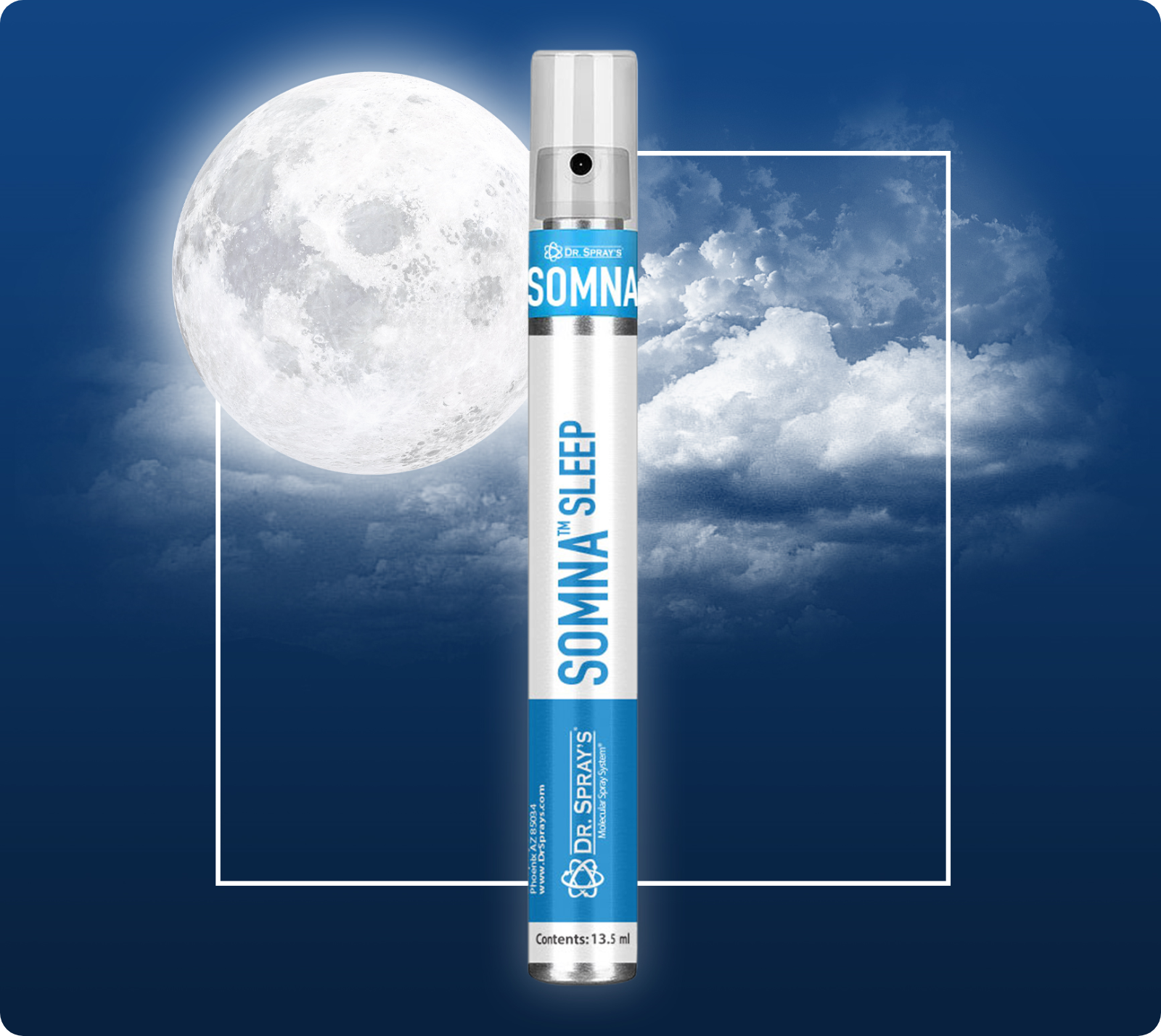
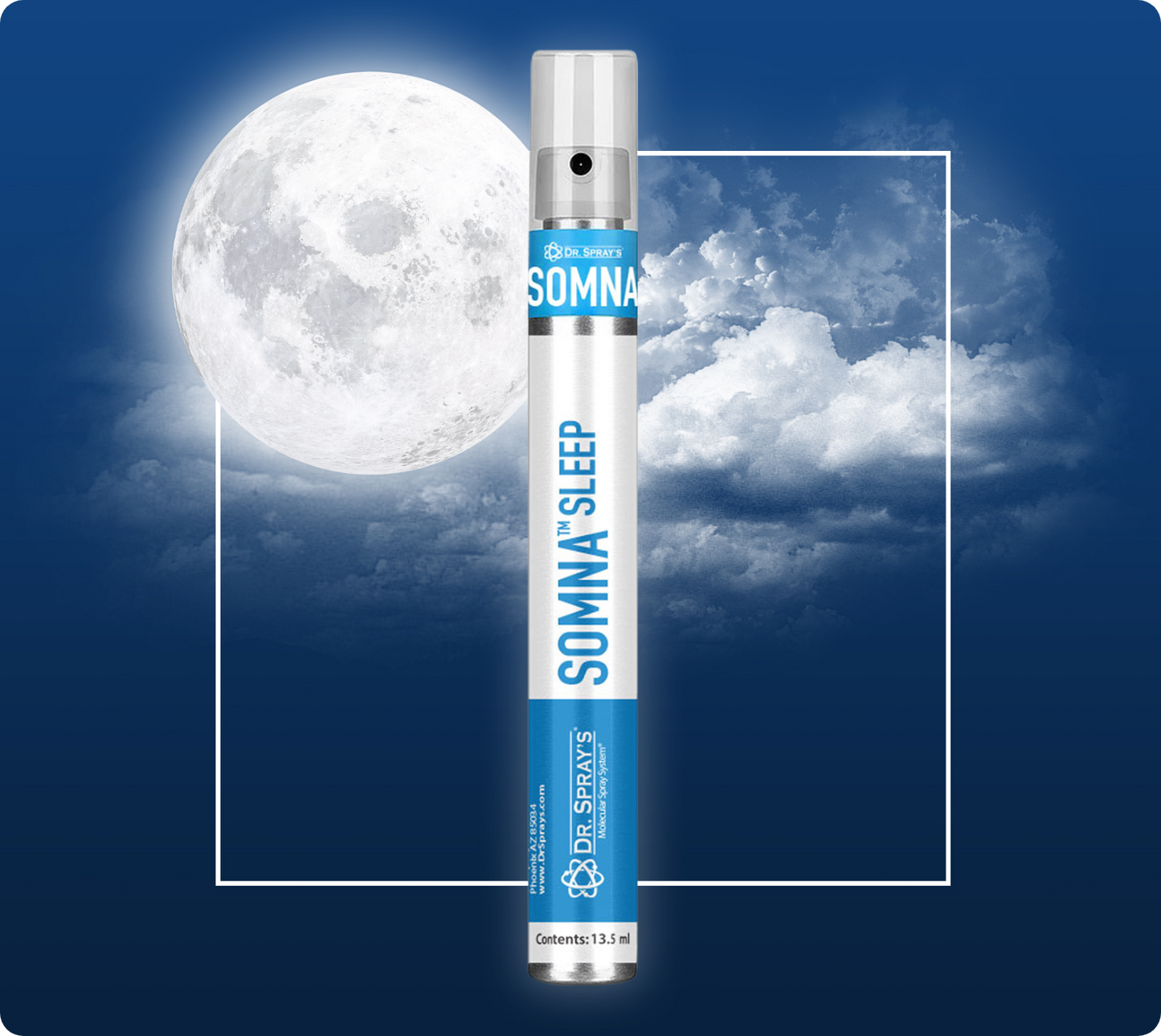
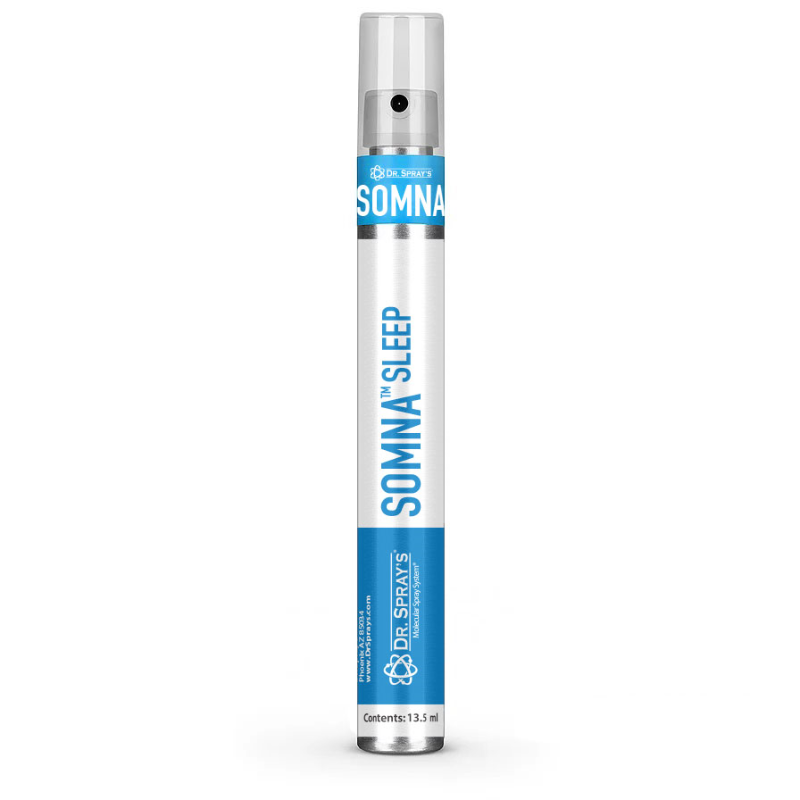
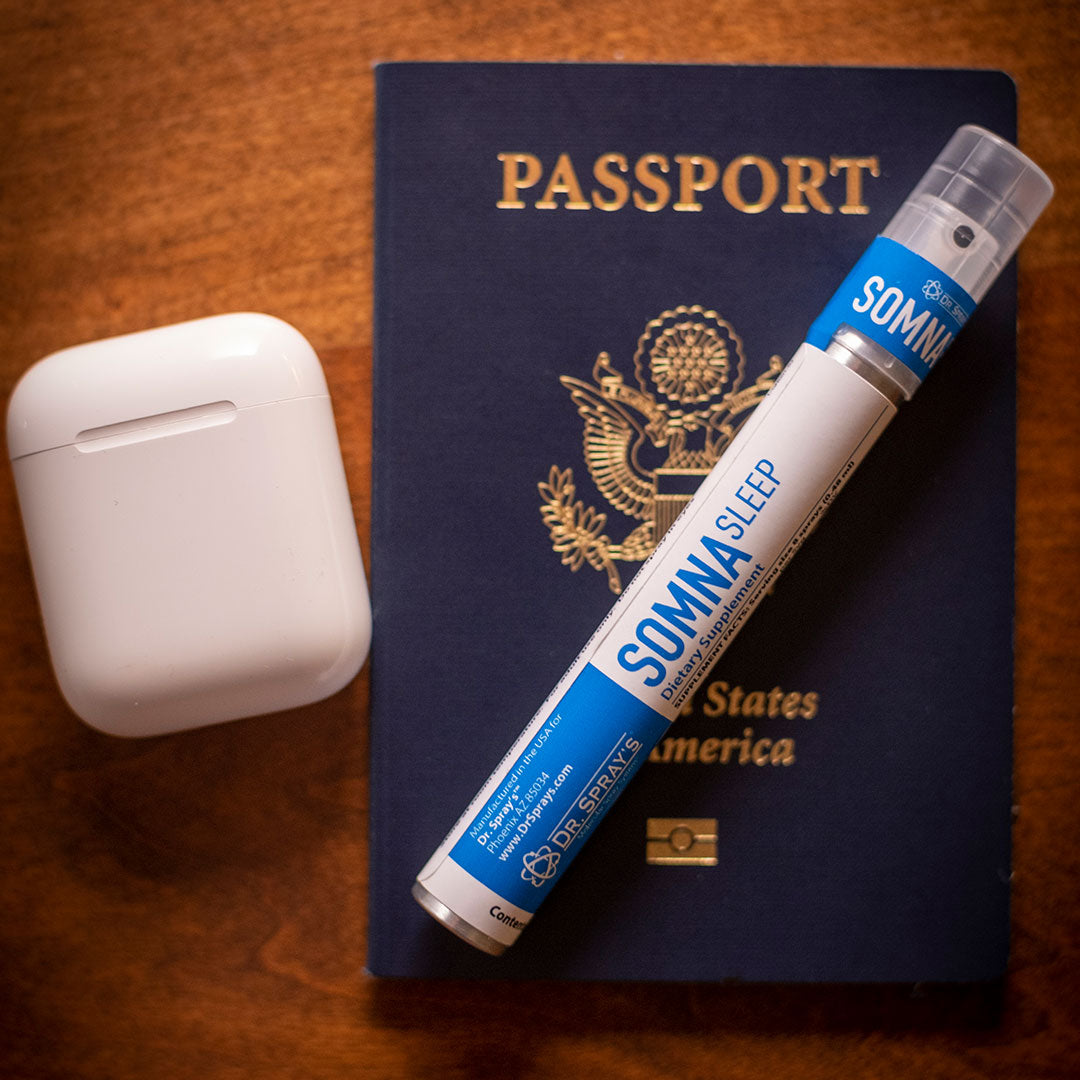
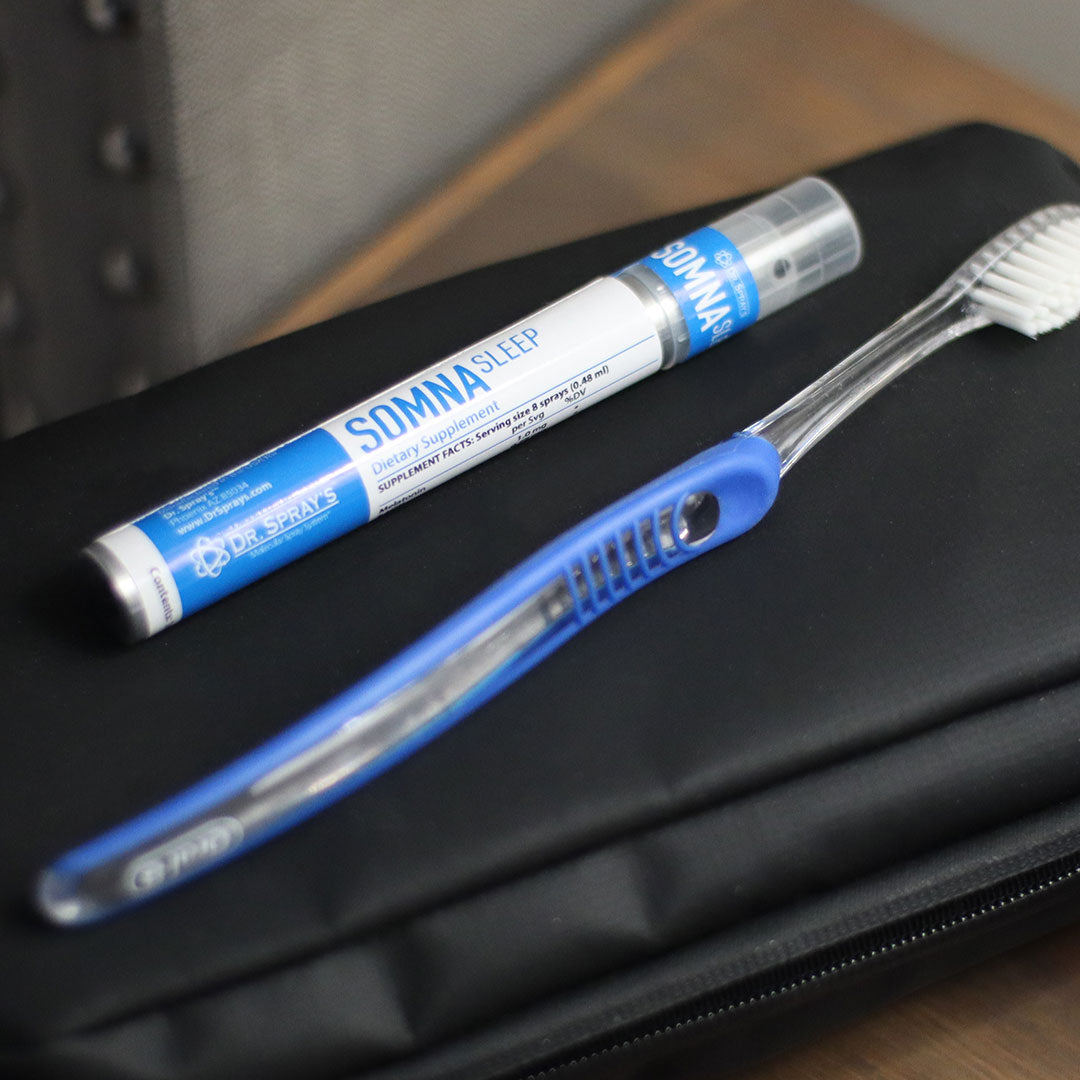
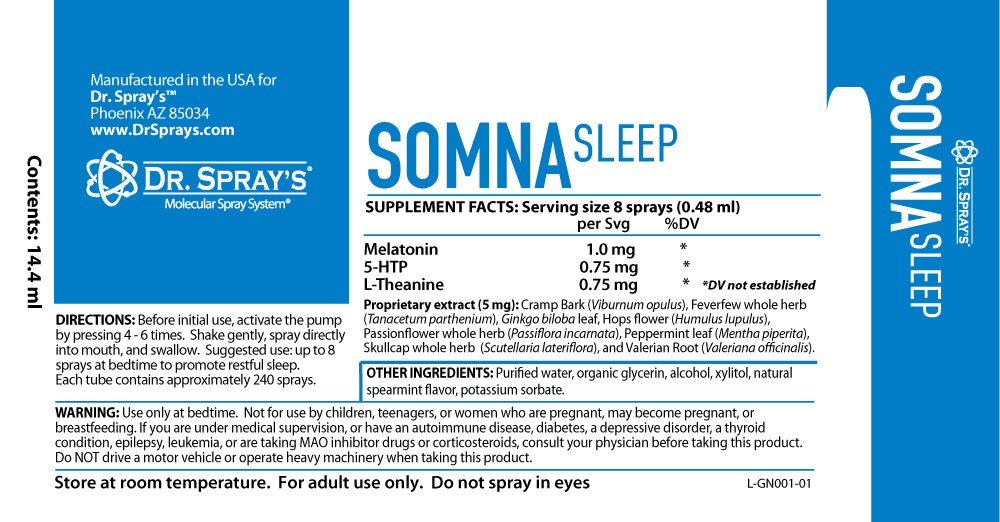
Because natural supplements come in various concentrations, you might take anywhere from one to several pills depending on the formulation. For example, our Sleep/Somna spray delivers precise dosing in a convenient oral spray format developed by doctors in Phoenix, Arizona.
Factors That Affect Sleep Aid Dosage
Several personal factors influence how many sleep aid pills you should take and how they affect you.
Body Weight and Metabolism
Your body weight and metabolic rate affect how quickly you process sleep aids. Larger individuals may require higher doses for the same effect, though this doesn't always mean taking more pills—sometimes it means choosing a higher-concentration product.
Age Considerations
Age significantly impacts sleep aid metabolism. Older adults typically process medications more slowly and may be more sensitive to side effects. Many healthcare providers recommend that people over 65 start with half the standard adult dose.
Tolerance and Previous Use
Regular use of sleep aids can lead to tolerance, meaning you may need higher doses over time to achieve the same effect. This is one reason why sleep aids should be used occasionally rather than nightly, and why exploring alternative delivery methods like spray supplements with higher absorption rates can be beneficial.
Existing Medical Conditions
Certain health conditions affect how you should use sleep aids. People with liver or kidney problems may need reduced dosages since these organs process medications. Those with respiratory conditions should be particularly cautious with sedating sleep aids.
Safety Guidelines for Sleep Aid Pills
Taking sleep aids safely requires more than just following the recommended number of pills on the bottle.
Start Low, Go Slow
Begin with the minimum effective dose—often half of what the package recommends as a standard dose. This approach helps you identify the lowest dose that works for you while minimizing potential side effects.
Timing Matters
Take sleep aids at the right time relative to your desired sleep schedule. Most products work best when taken 30-60 minutes before bedtime. Taking them too early or too late can result in grogginess or ineffectiveness.
Avoid Dangerous Combinations
Never combine sleep aid pills with alcohol, as this dramatically increases sedation and health risks. Be cautious about taking sleep aids with other medications that cause drowsiness, including certain antihistamines, pain medications, and anxiety treatments.
Don't Double Dose
If one dose doesn't work, resist the temptation to take additional pills during the same night. Doubling up increases the risk of excessive sedation, morning grogginess, and other adverse effects.
Common Side Effects and Risks
Understanding potential side effects helps you use sleep aids more safely and recognize when you should reduce your dosage or try alternative approaches.
Short-Term Side Effects
Common side effects from sleep aid pills include:
- Morning grogginess or "hangover" effect
- Dizziness or impaired coordination
- Dry mouth
- Constipation or digestive upset
- Headache
- Unusual dreams or nightmares
If you experience these effects, you may be taking too many pills or using a dose that's too high for your body.
Long-Term Risks
Extended regular use of sleep aid pills can lead to:
- Physical or psychological dependence
- Tolerance requiring higher doses
- Rebound insomnia when stopping
- Memory problems or cognitive impairment
- Increased risk of falls, especially in older adults
Alternatives to Traditional Sleep Aid Pills
If you're concerned about taking multiple pills or experiencing side effects, several alternatives may work better for you.
Oral Spray Vitamins for Sleep Support
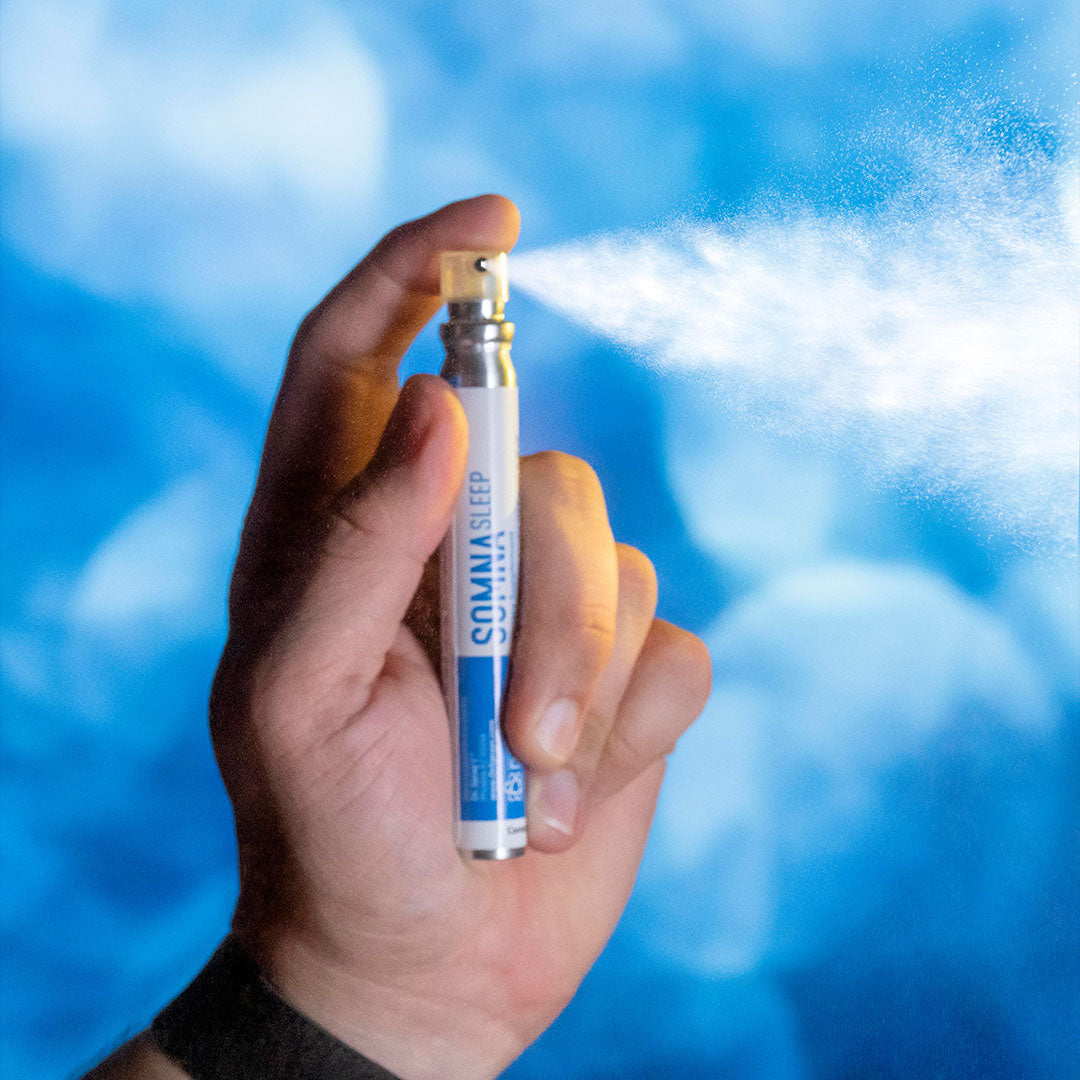
Modern oral spray vitamins offer a compelling alternative to traditional pill-based sleep aids. These doctor-developed formulations provide several advantages:
- Higher absorption rate: Spray supplements can achieve up to 90% absorption compared to 10-20% for many pills
- Faster onset: Direct absorption through oral mucosa means quicker effects
- Precise dosing: Each spray delivers a consistent amount without pill-splitting
- Easier to use: No water needed and easier for those who struggle with swallowing pills
- Gentler on digestion: Bypasses the digestive system, reducing stomach upset
Our Sleep/Somna spray, developed by doctors and manufactured in an FDA-registered, GMP-certified facility in Phoenix, Arizona, combines calming ingredients in an easy-to-use format that supports natural sleep patterns without the grogginess often associated with traditional sleep pills.
Supporting Sleep with Other Spray Supplements
Several vitamin and mineral deficiencies can interfere with healthy sleep patterns. Rather than taking multiple pills, consider these vitamin spray options:
- Vitamin D3 spray: Vitamin D deficiency has been linked to sleep disorders and poor sleep quality
- Vitamin B12 spray: B12 supports healthy circadian rhythms and sleep-wake cycles
- Multi-vitamin spray: Addresses multiple nutritional deficiencies that may affect sleep
Behavioral and Lifestyle Approaches
Before relying heavily on sleep aid pills, consider these evidence-based strategies:
- Sleep hygiene: Maintain consistent sleep/wake times, keep your bedroom cool and dark, and limit screen time before bed
- Relaxation techniques: Practice meditation, progressive muscle relaxation, or deep breathing exercises
- Exercise: Regular physical activity improves sleep quality, but avoid intense exercise close to bedtime
- Dietary adjustments: Limit caffeine after noon, avoid heavy meals before bed, and consider sleep-supporting foods like tart cherry juice
When to Consult a Healthcare Provider
While occasional use of over-the-counter sleep aids is generally safe for most people, certain situations require professional guidance.
Chronic Sleep Problems
If you find yourself needing sleep aids more than a few nights per week for several weeks, consult a healthcare provider. Chronic insomnia may have underlying causes that pills alone won't address, such as sleep apnea, restless leg syndrome, or other medical conditions.
Concerning Symptoms
Seek medical attention if you experience:
- Severe daytime fatigue despite using sleep aids
- Unusual breathing patterns during sleep
- Significant mood changes or depression
- Memory problems or confusion
- Increased anxiety about sleep
Medication Interactions
If you take prescription medications, discuss sleep aids with your doctor or pharmacist before use. Many medications interact with sleep aids, and your healthcare provider can recommend safe options and appropriate dosages for your situation.
Reading and Understanding Sleep Aid Labels
The key to determining how many sleep aid pills to take starts with carefully reading product labels.
Active Ingredients Section
This section tells you exactly what's in each pill and at what concentration. For combination products containing multiple sleep-supporting ingredients, note the amount of each component to ensure you're not exceeding safe levels from multiple sources.
Directions for Use
This critical section specifies how many pills constitute one dose and how frequently you can take doses. Pay special attention to maximum daily limits—these exist for safety reasons and should never be exceeded without medical supervision.
Warnings and Contraindications
This section identifies who should not use the product and what circumstances require medical consultation before use. Common warnings include pregnancy, nursing, specific medical conditions, and age restrictions.
The Advantages of Spray Supplement Technology
As someone researching sleep support options, understanding the science behind different delivery methods helps you make informed choices.
Why Absorption Rates Matter
Traditional pills must survive stomach acid, navigate the digestive system, and pass through the liver before reaching your bloodstream—a process that significantly reduces the amount of active ingredients your body can actually use. This is why you might need multiple pills to achieve desired effects.
Oral spray vitamins work differently. The fine mist of nutrients is absorbed directly through the mucous membranes in your mouth, bypassing digestive degradation. This means more of what you take actually reaches your bloodstream where it can work—up to 90% absorption versus the 10-20% typical of many pills.
Quality and Manufacturing Standards
Not all supplements are created equal. When choosing any sleep support product, look for:
- FDA-registered manufacturing facilities
- GMP (Good Manufacturing Practice) certification
- Third-party testing for purity and potency
- Doctor-developed formulations
- Clear labeling with full ingredient disclosure
Our spray supplements are manufactured in Phoenix, Arizona, in an FDA-registered, GMP-certified facility, ensuring the highest quality and safety standards.
Creating a Comprehensive Sleep Support Strategy
Rather than relying solely on sleep aid pills, consider a holistic approach that addresses multiple factors affecting sleep quality.
Nutritional Support
Ensure you're getting adequate levels of sleep-supporting nutrients through diet and supplementation:
- Magnesium: Supports relaxation and GABA function
- Vitamin D: Regulates sleep-wake cycles and mood
- B vitamins: Support neurotransmitter production and stress response
- Vitamin C: Helps regulate cortisol and reduce oxidative stress
Using spray supplements makes it easier to maintain consistent nutrient levels without taking multiple pills throughout the day.
Environmental Optimization
Your sleep environment significantly impacts sleep quality. Create an ideal sleep space by:
- Keeping the bedroom temperature between 60-67°F
- Using blackout curtains or eye masks to block light
- Minimizing noise with earplugs or white noise machines
- Investing in a supportive mattress and pillows
- Removing electronic devices from the bedroom
Stress Management
Stress and anxiety are primary contributors to sleep problems. Develop effective stress management techniques:
- Regular mindfulness or meditation practice
- Journaling to process thoughts before bed
- Time management to reduce daily pressures
- Setting boundaries around work and technology
- Seeking support from friends, family, or professionals when needed
Frequently Asked Questions
How many sleep aid pills is too many?
Never exceed the maximum dosage listed on the product label, which varies by formulation. For most over-the-counter antihistamine-based sleep aids, the maximum is typically 50mg (1-2 pills depending on concentration) per 24 hours. For natural sleep supplements, limits vary by ingredient. Taking more than recommended increases side effects without improving sleep and can be dangerous.
Can I take sleep aid pills every night?
Most sleep aid pills are intended for occasional use, not nightly long-term use. Regular nightly use can lead to tolerance (needing higher doses for the same effect), dependence, and rebound insomnia when stopping. If you need sleep support more than a few times per week for several weeks, consult a healthcare provider to address underlying issues rather than increasing your reliance on pills.
What happens if I accidentally take too many sleep aid pills?
Taking too many sleep aid pills can cause excessive sedation, confusion, impaired coordination, slowed breathing, and in severe cases, loss of consciousness. If you've taken significantly more than the recommended dose, contact Poison Control (1-800-222-1222) or seek emergency medical attention immediately, especially if you experience difficulty breathing, extreme drowsiness, or loss of consciousness.
Are spray supplements as effective as sleep aid pills?
Spray supplements can be highly effective for sleep support, often more so than pills due to superior absorption rates. While traditional sleep aid pills typically achieve 10-20% absorption, oral spray vitamins can achieve up to 90% absorption. This means your body receives more of the beneficial ingredients with each dose. However, effectiveness also depends on the quality of ingredients and formulation.
Can I combine sleep aid pills with vitamin sprays?
This depends on the specific ingredients in each product. Some combinations are safe and may even be complementary, while others could cause interactions or excessive sedation. Always read labels carefully to avoid duplicating ingredients, and consult a healthcare provider before combining sleep aids with other supplements, especially if you take prescription medications.
How long does it take for sleep aid pills to work?
Most over-the-counter sleep aid pills take 30-60 minutes to take effect, which is why they should be taken before bedtime. Natural sleep supplements like melatonin may work within 20-30 minutes. Spray supplements typically work faster than pills due to rapid absorption through oral mucosa, often showing effects within 15-30 minutes.
Why do I still wake up groggy even when taking the recommended number of pills?
Morning grogginess (sometimes called a "hangover effect") occurs when sleep aids remain in your system after waking. This can happen if you took the pill too late, took too high a dose for your body, or you're particularly sensitive to the medication. Try taking a lower dose, taking it earlier in the evening, or switching to a different product. Spray supplements with higher absorption rates often cause less morning grogginess because your body processes the active ingredients more efficiently.
Are there sleep support options for people who can't swallow pills?
Yes, oral spray vitamins provide an excellent alternative for people who have difficulty swallowing pills. Our doctor-developed spray supplements deliver sleep-supporting nutrients in a convenient format that requires no water and no pill-swallowing. This makes them ideal for elderly individuals, those with swallowing disorders, or anyone who simply prefers not to take pills.
What's the difference between sleep aid pills and prescription sleep medications?
Over-the-counter sleep aid pills typically contain antihistamines (like diphenhydramine) or natural ingredients (like melatonin), while prescription sleep medications include stronger sedatives like benzodiazepines or non-benzodiazepine "Z-drugs." Prescription medications are more potent but also carry higher risks of dependence, side effects, and should only be used under medical supervision. For mild to moderate sleep difficulties, over-the-counter options or nutritional support through spray supplements may be sufficient.
How should I stop taking sleep aid pills if I've been using them regularly?
If you've been taking sleep aids nightly for an extended period, gradually reduce usage rather than stopping abruptly to minimize rebound insomnia. Try using them every other night, then every third night, while implementing good sleep hygiene practices. Consider transitioning to gentler alternatives like sleep-supporting vitamin sprays that address nutritional factors affecting sleep quality. If you experience significant difficulty discontinuing use, consult a healthcare provider for guidance.
About the Author
This article was developed by the scientific team at DrSprays, a Phoenix, Arizona-based company specializing in doctor-developed oral spray vitamins. Our products are manufactured in an FDA-registered, GMP-certified facility and feature industry-leading absorption rates of up to 90%. We're committed to providing evidence-based information to help people make informed decisions about their health and wellness.
Take Control of Your Sleep Health
Understanding how many sleep aid pills to take is important, but it's just one piece of the sleep health puzzle. By combining appropriate supplementation with good sleep hygiene, stress management, and nutritional support, you can develop a comprehensive approach to better sleep.
If you're tired of taking multiple pills and wondering about absorption rates, consider exploring the doctor-developed spray supplement options available at DrSprays. Our Sleep/Somna spray offers a convenient, highly absorbable alternative to traditional sleep aid pills, manufactured right here in Phoenix, Arizona, to the highest quality standards.
Remember, while occasional sleep difficulties are normal, persistent sleep problems deserve professional attention. Use sleep aids responsibly, start with the lowest effective dose, and don't hesitate to consult a healthcare provider when sleep issues become chronic or concerning.
Explore our full range of spray supplements designed to support your overall health and wellness, from sleep support to immune function and energy production.