Quick Answer
L-theanine is an amino acid found naturally in green tea that promotes calm focus and better sleep without sedation. It works by increasing alpha brain waves and modulating key neurotransmitters like GABA, serotonin, and dopamine.
Unlike prescription sleep aids, L-theanine doesn't knock you out or cause grogginess. Instead, it quiets the mental chatter that keeps you awake, helping you fall asleep faster and wake up feeling refreshed. A sublingual L-theanine spray delivers these benefits in seconds rather than the 30-45 minutes capsules require.
What Is L-Theanine?
L-theanine (gamma-glutamylethylamide) is a non-protein amino acid found almost exclusively in the leaves of Camellia sinensis — the plant that gives us green, black, and white tea. It was first identified by Japanese scientists in 1949 and has since become one of the most studied natural compounds for relaxation and cognitive performance.
What makes L-theanine remarkable among amino acids is its ability to cross the blood-brain barrier. Most supplements you swallow get broken down in your gut and liver before they ever reach your brain. L-theanine is different. Within 30 to 60 minutes of ingestion, it passes directly into the central nervous system, where it begins influencing brain chemistry in measurable ways.
A typical cup of green tea contains roughly 20 to 30 milligrams of L-theanine. That's enough to take the edge off, but clinical studies showing significant effects on anxiety and sleep typically use 200 milligrams — the equivalent of drinking 7 to 10 cups of green tea in one sitting. This is why supplementation has become the practical choice for people seeking L-theanine's full benefits.
L-theanine has earned Generally Recognized as Safe (GRAS) status from the FDA, meaning it has a long track record of safe use in food and supplements. It's non-habit-forming, produces no tolerance buildup, and has no known withdrawal effects — a combination that sets it apart from virtually every pharmaceutical option for anxiety and sleep.
How L-Theanine Reduces Anxiety
The anti-anxiety effects of L-theanine operate through several interconnected mechanisms in the brain. Understanding these pathways explains why L-theanine feels fundamentally different from sedatives, benzodiazepines, or even alcohol.
Alpha Brain Wave Promotion
Your brain produces different types of electrical activity depending on your mental state. Beta waves dominate when you're stressed, anxious, or overthinking. Alpha waves appear during states of relaxed alertness — the feeling you get during meditation, a quiet walk in nature, or the moments just before sleep.
A landmark 2008 study published in Asia Pacific Journal of Clinical Nutrition demonstrated that L-theanine significantly increased alpha brain wave activity within 40 minutes of a single dose. Participants showed enhanced alpha power across multiple brain regions, indicating a genuine shift toward calm wakefulness rather than simple drowsiness (Nobre et al., 2008).
This alpha wave promotion is why L-theanine users consistently describe feeling "calm but alert" rather than "tired" or "zoned out." You remain fully functional and mentally sharp while the anxious edge simply dissolves.
GABA, Serotonin, and Dopamine Modulation
L-theanine influences three of the brain's most important neurotransmitter systems simultaneously:
GABA (gamma-aminobutyric acid) is your brain's primary inhibitory neurotransmitter — it slows down neural firing and calms nervous system activity. L-theanine increases GABA levels in the brain, producing a natural calming effect similar to (but gentler than) what anti-anxiety medications target. A study by Kimura et al. (2007) in Biological Psychology confirmed that L-theanine administration reduced heart rate and salivary immunoglobulin A responses to acute stress, consistent with enhanced GABAergic activity.
Serotonin regulates mood, social behavior, appetite, and sleep-wake cycles. Low serotonin is associated with anxiety, depression, and insomnia. L-theanine modulates serotonin levels in the brain, contributing to emotional stability and improved mood without the side effects associated with SSRIs.
Dopamine drives motivation, pleasure, and reward. L-theanine increases dopamine release in certain brain regions, which helps explain why it improves focus and mood simultaneously. Unlike stimulants that flood the dopamine system, L-theanine produces a gentle, sustainable increase.
A 2019 randomized controlled trial published in Nutrients found that healthy adults taking 200 mg of L-theanine daily for four weeks experienced significant reductions in stress-related symptoms and improvements in cognitive function compared to placebo (Hidese et al., 2019). Participants reported less anxiety, better sleep quality, and improved verbal fluency.
Cortisol Reduction
Cortisol is your body's primary stress hormone. Chronically elevated cortisol — the hallmark of modern stress — disrupts sleep, weakens immunity, promotes fat storage, and accelerates aging. L-theanine has been shown to attenuate cortisol responses to psychological stress, effectively blunting the body's fight-or-flight reaction to everyday stressors (Kimura et al., 2007).
This cortisol-lowering effect makes L-theanine particularly valuable for people whose anxiety is driven by work pressure, financial stress, or chronic worry. Rather than masking symptoms, it addresses one of the physiological engines driving them.
L-Theanine for Sleep
Here's a critical distinction that separates L-theanine from most sleep supplements: L-theanine is not a sedative. It does not directly induce sleep. Instead, it removes the barriers that prevent your brain from transitioning naturally into sleep mode.
Think of it this way. Your brain knows how to fall asleep — it does it every night. The problem for most people with sleep difficulties isn't a broken sleep mechanism; it's an overactive mind that won't quiet down long enough for that mechanism to engage. L-theanine addresses the racing thoughts, the replaying of conversations, the mental to-do lists that keep you staring at the ceiling.
Reducing Sleep Latency
Sleep latency — the time it takes to fall asleep after turning off the lights — is the metric most insomnia sufferers care about most. A 2011 study published in the Journal of Functional Foods found that boys diagnosed with ADHD who took 400 mg of L-theanine daily experienced significantly improved sleep efficiency and reduced sleep latency compared to placebo (Lyon et al., 2011). While this study focused on children with ADHD, the mechanism — calming overactive neural circuits — applies broadly.
A more recent 2019 study by Hidese and colleagues confirmed these findings in healthy adults. Participants taking 200 mg of L-theanine reported falling asleep faster and experiencing fewer nighttime awakenings. Sleep quality scores on validated questionnaires improved significantly over the four-week study period.
Improving Sleep Quality Without Morning Grogginess
One of the most common complaints about sleep medications — both prescription and over-the-counter — is next-day grogginess. Antihistamines like diphenhydramine (the active ingredient in ZzzQuil and Benadryl) are notorious for this. Even melatonin can cause morning drowsiness at higher doses.
L-theanine produces none of this. Because it works by calming the mind rather than forcing the body into sleep, the sleep you get is more natural and restorative. Users consistently report waking up feeling clear-headed and energized rather than foggy.
This makes L-theanine particularly valuable for people who need to be sharp in the morning — professionals, parents of young children, shift workers, and anyone who can't afford a slow start to their day.
Nighttime Anxiety and Racing Thoughts
For the estimated 50 million Americans who lie awake at night with racing thoughts, L-theanine targets the problem directly. By promoting alpha brain waves and increasing GABA, it shifts the brain from an anxious, hypervigilant state into the relaxed awareness that naturally precedes sleep.
A 2021 systematic review and meta-analysis published in Plant Foods for Human Nutrition examined all available evidence on L-theanine's effects on stress and anxiety. The authors concluded that L-theanine supplementation was associated with significant reductions in acute stress and anxiety across multiple studies, with sleep quality improvements consistently reported as a secondary benefit (Williams et al., 2021).
Quiet Your Mind in Seconds
Dr. Spray's L-Theanine Spray delivers 200 mg of pharmaceutical-grade L-theanine directly through the sublingual membrane — no pills to swallow, no waiting 45 minutes for a capsule to dissolve. Just spray under your tongue and feel the calm begin.
- Doctor-developed formula
- Sublingual spray — absorbs in seconds
- Made in FDA-registered facility in Phoenix, AZ
- 100% money-back guarantee
L-Theanine + Melatonin: The Combination Effect
While L-theanine and melatonin each support sleep through different mechanisms, combining them creates a complementary effect that addresses both the mental and biological sides of falling asleep.
Melatonin is your body's sleep-timing hormone. Produced by the pineal gland in response to darkness, it signals to your body that it's time to sleep. Supplemental melatonin is particularly effective for people whose circadian rhythms are disrupted — jet lag, shift work, screen exposure before bed, or age-related melatonin decline.
L-theanine handles the psychological side. It quiets the mind, reduces anxiety, and promotes the alpha brain wave state that precedes natural sleep onset.
Together, they work synergistically: melatonin tells your body "it's time to sleep" while L-theanine tells your brain "it's safe to stop worrying." This dual action explains why the combination is often more effective than either supplement alone, particularly for people whose sleep difficulties involve both circadian disruption and anxious thinking.
A 2020 randomized controlled trial in the Journal of Medicinal Food examined a combination of GABA and L-theanine for sleep and found that the combination reduced sleep latency and increased sleep duration more effectively than either compound alone (Kim et al., 2019). While this study used GABA rather than melatonin, it establishes the principle that L-theanine works best as part of a sleep support system rather than in isolation.
For optimal results, the combination is best taken 30 to 60 minutes before your intended bedtime. The melatonin component begins working as your body's natural sleep window opens, while the L-theanine calms any residual mental activity that might interfere with sleep onset.
Dosing Guide
The clinical evidence on L-theanine dosing is remarkably consistent, making recommendations straightforward.
Standard Dose
The most commonly studied and recommended dose is 200 mg per day. This is the dose used in the majority of clinical trials showing benefits for anxiety, stress, and sleep. It corresponds to the amount in roughly 8 cups of high-quality green tea.
Dose Range
Studies have used doses ranging from 50 mg to 400 mg with positive results. The general guideline:
- 100 mg: Mild calming effect, suitable for everyday stress management
- 200 mg: Standard therapeutic dose for anxiety and sleep improvement
- 400 mg: Higher dose used in some studies for more pronounced effects; well-tolerated in clinical trials
Timing
For anxiety: Take L-theanine in the morning or early afternoon, or before any anticipated stressful event. Effects begin within 30 to 40 minutes with capsules, or within minutes with a sublingual spray.
For sleep: Take 200 mg approximately 30 to 60 minutes before bedtime. If using a spray, you can take it as you're getting into bed since absorption is nearly immediate.
With or Without Food
L-theanine can be taken with or without food. Unlike many supplements, its absorption is not significantly affected by the presence of food in the stomach. However, taking it on an empty stomach may produce slightly faster effects when using capsule or tablet forms. With sublingual spray, food has no impact at all since the absorption bypasses the digestive system entirely.
Duration of Use
L-theanine can be taken daily on an ongoing basis. No tolerance buildup has been documented in any clinical study. There are no known withdrawal effects, and the compound maintains its efficacy over long-term use — a significant advantage over many prescription alternatives.
L-Theanine Spray vs. Capsules
The delivery method matters more than most people realize. Here's why sublingual spray represents a significant upgrade over traditional capsules and tablets.
Speed of Absorption
When you swallow an L-theanine capsule, it must survive stomach acid, pass through the intestinal wall, and undergo first-pass metabolism in the liver before reaching your bloodstream. This process takes 30 to 60 minutes — assuming your digestive system is functioning normally.
A sublingual spray bypasses this entire journey. The tissue under your tongue is rich in capillaries and highly permeable. Active ingredients pass directly through the sublingual membrane into the bloodstream, reaching the brain in minutes rather than an hour. For someone lying in bed at midnight with a racing mind, this difference is everything.
No Swallowing Required
An estimated 40% of American adults report difficulty swallowing pills, according to a survey published in the Annals of Family Medicine (Schiele et al., 2013). For these individuals, spray delivery isn't just more convenient — it's the difference between taking a supplement and not taking one at all.
Precise Dosing
Each spray delivers a calibrated, consistent dose. There's no variation in dissolution rates, no concern about capsule integrity, and no question about whether the active ingredient is reaching your system. What you spray is what you absorb.
Higher Bioavailability
First-pass metabolism in the liver can degrade a significant portion of any orally ingested compound before it reaches systemic circulation. By entering the bloodstream directly through the sublingual membrane, spray delivery preserves more of the active L-theanine for its intended purpose.
Convenience
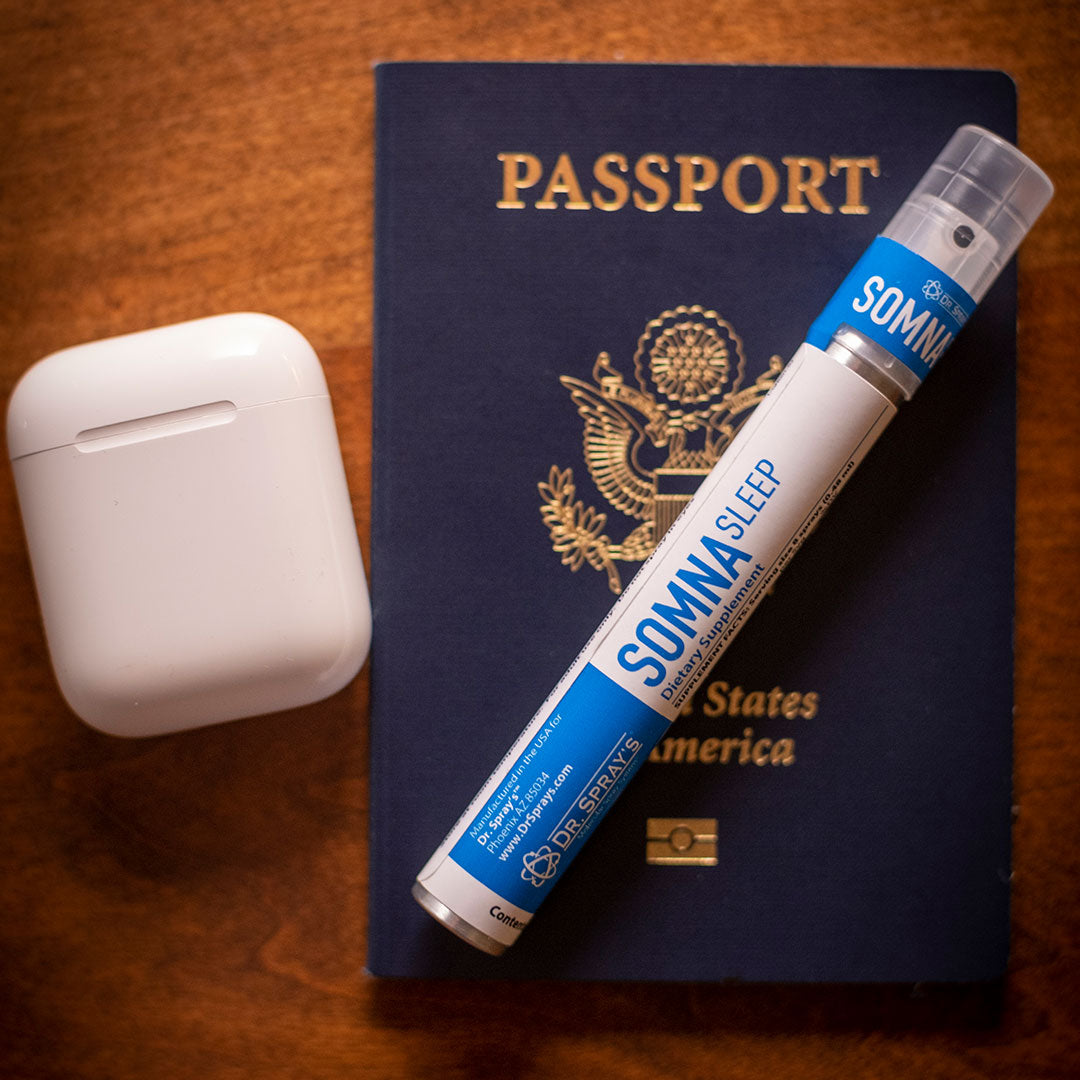
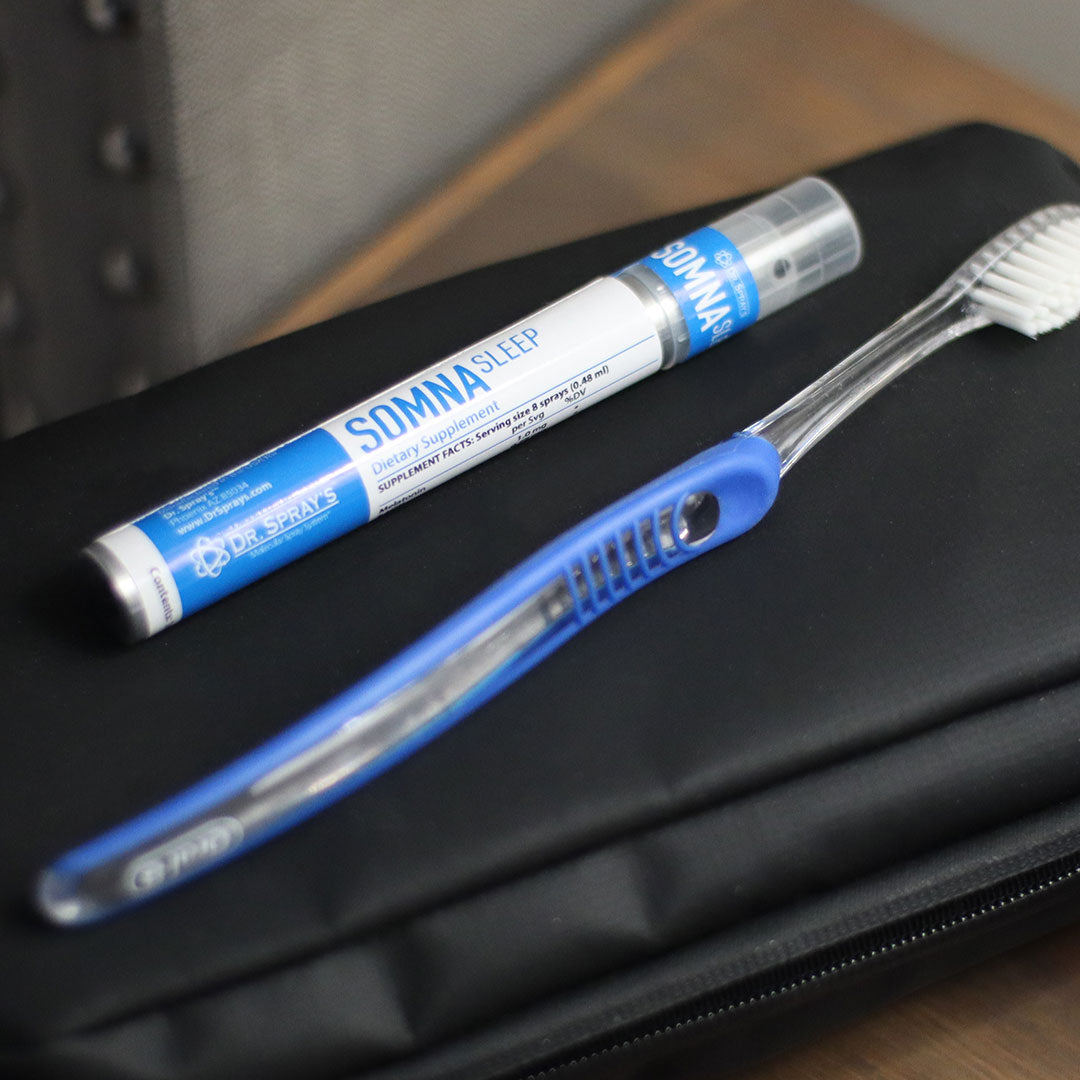
No water needed. No struggling with childproof caps at 2 AM. No carrying pill bottles in your bag. A spray is discreet, portable, and usable in any situation — at your desk before a presentation, on a plane during turbulence, or in bed when sleep won't come.
Safety Profile
L-theanine has one of the cleanest safety profiles of any supplement on the market. This isn't marketing — it's what the research consistently shows.
No Known Side Effects
Multiple clinical trials using doses up to 400 mg per day have reported no adverse effects attributable to L-theanine. The FDA has granted it GRAS status, and it has been consumed as a component of tea for thousands of years without documented toxicity.
No Dependency or Withdrawal
Unlike benzodiazepines (Xanax, Valium, Ativan), Z-drugs (Ambien, Lunesta), and even some over-the-counter sleep aids, L-theanine produces no physical dependency. You can take it daily for months and stop abruptly with zero withdrawal symptoms. This makes it fundamentally different from pharmaceutical options in its safety class.
Safe With Most Medications
L-theanine has no known dangerous interactions with common medications. However, because it can lower blood pressure and reduce anxiety, individuals taking blood pressure medications or sedatives should consult their healthcare provider before adding L-theanine. This is a precaution based on additive effects, not on any documented adverse interaction.
Safe During Pregnancy?
There is insufficient data to confirm the safety of L-theanine supplementation during pregnancy or breastfeeding. While L-theanine consumed through normal tea drinking is generally considered safe, concentrated supplemental doses have not been adequately studied in pregnant populations. Pregnant or nursing women should consult their healthcare provider.
Better Sleep Starts Tonight
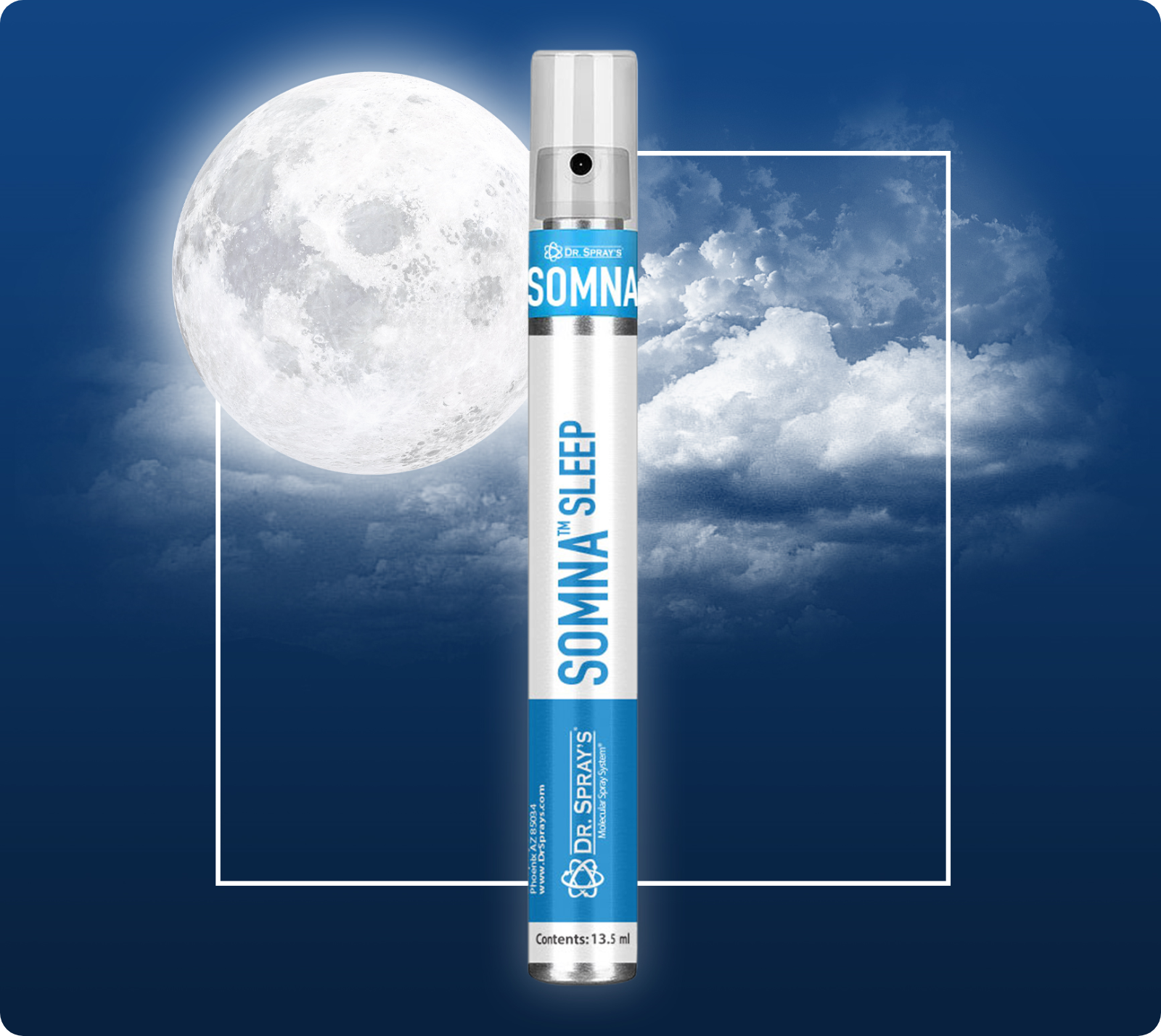
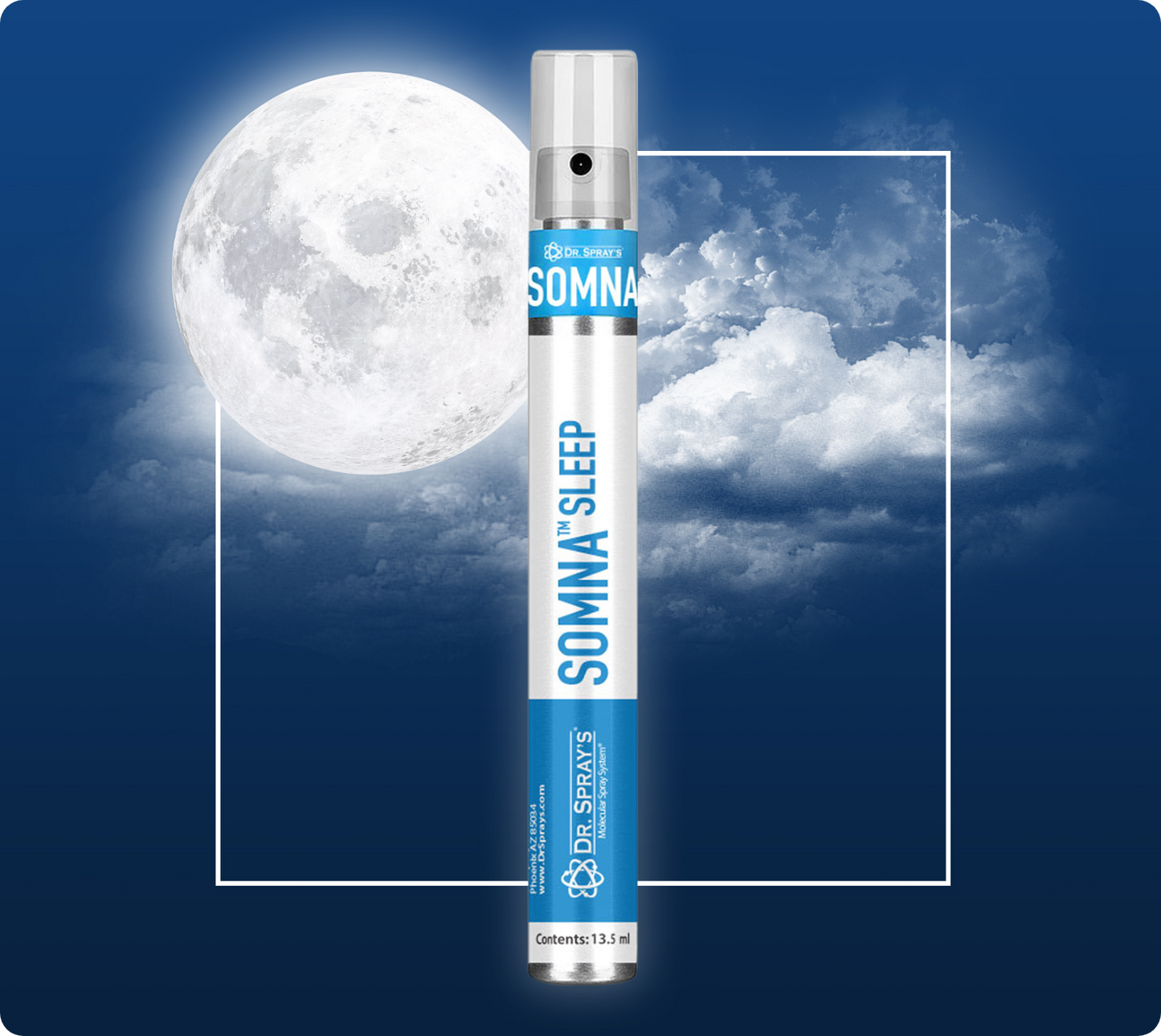
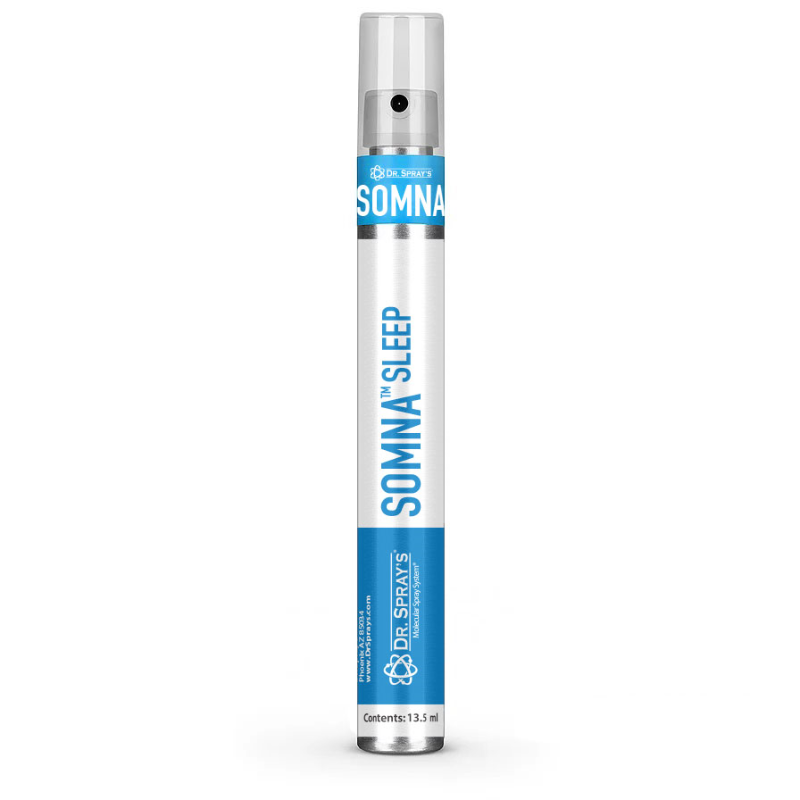
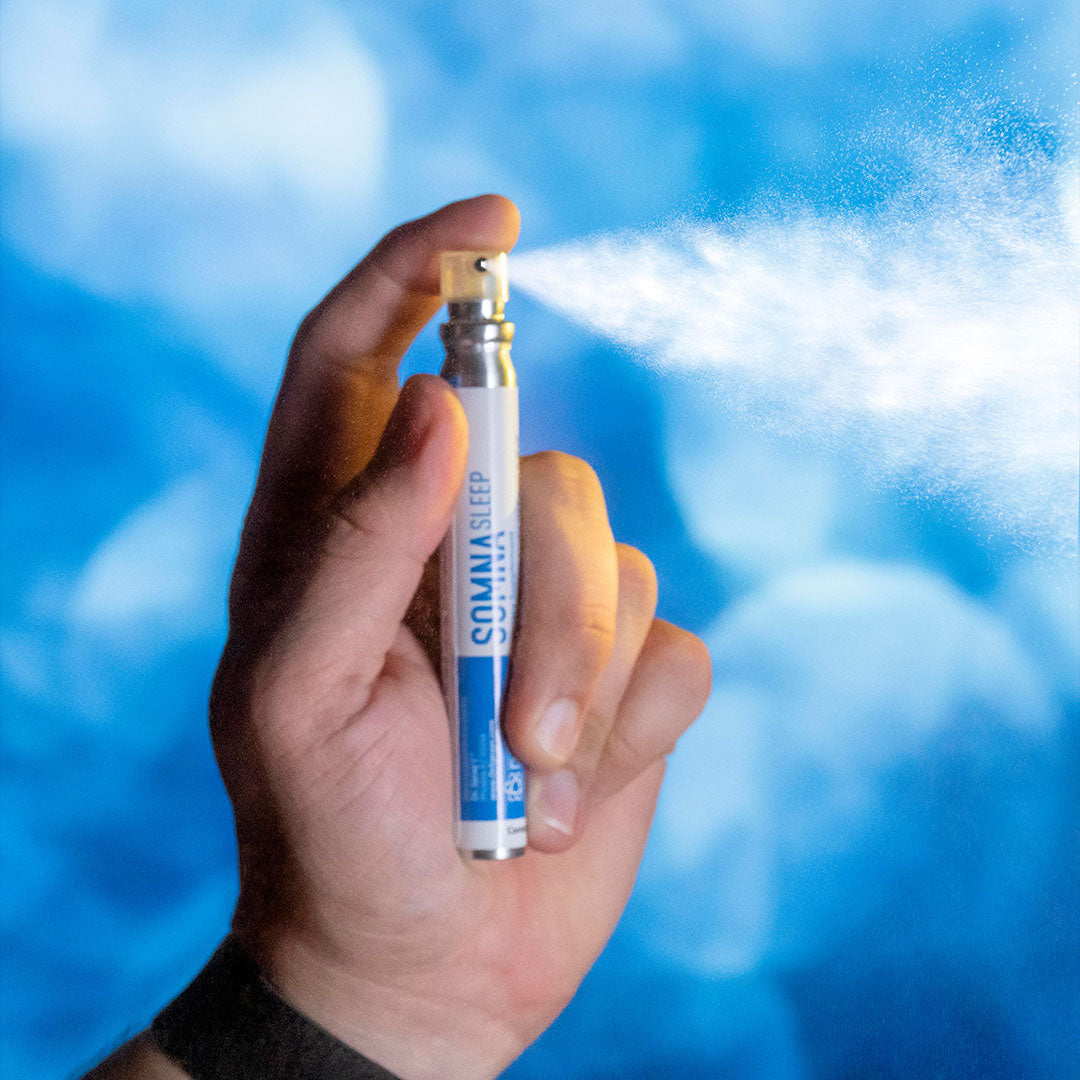
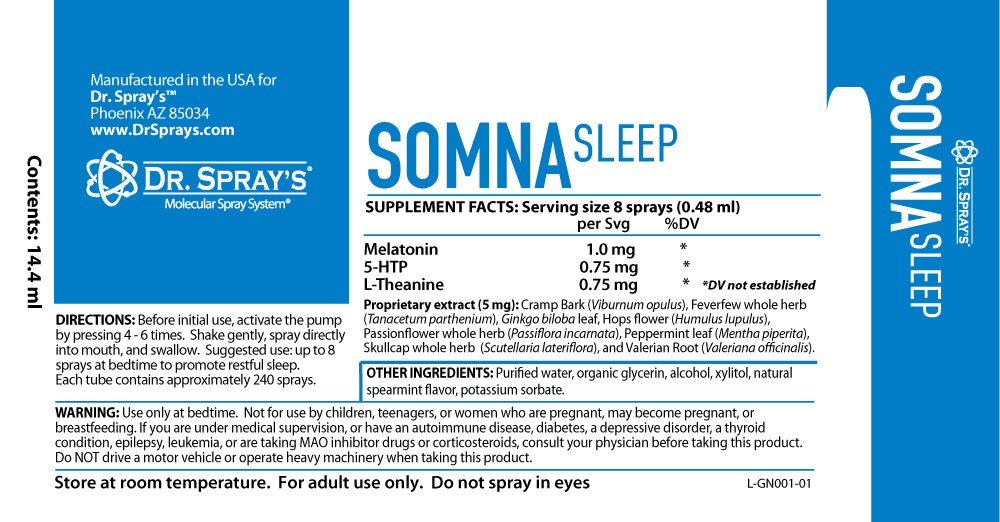
SOMNA Sleep Spray combines L-theanine with melatonin and other sleep-supporting nutrients in a fast-acting sublingual formula. No pills, no sugar, no next-day grogginess — just deep, restorative sleep.
- Doctor-developed formula
- Sublingual spray — absorbs in seconds
- Made in FDA-registered facility in Phoenix, AZ
- 100% money-back guarantee
Frequently Asked Questions
Can I take L-theanine every day?
Yes. L-theanine is safe for daily use and does not produce tolerance, dependency, or diminished effectiveness over time. Multiple clinical trials lasting four weeks or longer have confirmed its safety with daily dosing at 200 mg. Many people take it daily for months or years as part of their wellness routine without needing to increase the dose.
Does L-theanine make you drowsy?
No. L-theanine promotes relaxation without sedation. It increases alpha brain waves — the pattern associated with calm wakefulness, not sleepiness. This is why L-theanine is often paired with caffeine to enhance focus without jitters. When taken before bed, it doesn't force sleep but rather removes the mental agitation that blocks natural sleep onset. You won't feel drowsy at your desk if you take it during the day.
How quickly does L-theanine work?
In capsule or tablet form, L-theanine typically takes 30 to 60 minutes to produce noticeable effects, since it must pass through the digestive system. In sublingual spray form, effects can begin within minutes because the active compound enters the bloodstream directly through the tissue under the tongue. EEG studies have detected changes in alpha brain wave activity within 40 minutes of oral ingestion (Nobre et al., 2008).
Can I take L-theanine with caffeine?
Absolutely. L-theanine and caffeine are one of the most well-studied nootropic combinations in existence. A 2008 study in Nutritional Neuroscience found that L-theanine combined with caffeine improved both speed and accuracy on attention-switching tasks while reducing susceptibility to distraction (Owen et al., 2008). L-theanine smooths out the jittery, anxious edge that caffeine can produce while preserving the alertness and focus benefits.
Is L-theanine safe for children?
L-theanine has been studied in children, most notably in a 2011 trial involving boys with ADHD aged 8 to 12, where doses of 400 mg per day improved sleep quality with no reported adverse effects (Lyon et al., 2011). However, pediatric supplementation should always be discussed with a child's healthcare provider to determine appropriate dosing and suitability.
References
- Nobre AC, Rao A, Owen GN. L-theanine, a natural constituent in tea, and its effect on mental state. Asia Pacific Journal of Clinical Nutrition. 2008;17(S1):167-168.
- Kimura K, Ozeki M, Juneja LR, Ohira H. L-Theanine reduces psychological and physiological stress responses. Biological Psychology. 2007;74(1):39-45.
- Hidese S, Ogawa S, Ota M, et al. Effects of L-Theanine Administration on Stress-Related Symptoms and Cognitive Functions in Healthy Adults: A Randomized Controlled Trial. Nutrients. 2019;11(10):2362.
- Lyon MR, Kapoor MP, Juneja LR. The effects of L-theanine (Suntheanine) on objective sleep quality in boys with attention deficit hyperactivity disorder (ADHD): a randomized, double-blind, placebo-controlled clinical trial. Alternative Medicine Review. 2011;16(4):348-354.
- Williams JL, Everett JM, D'Cunha NM, et al. The Effects of Green Tea Amino Acid L-Theanine Consumption on the Ability to Manage Stress and Anxiety Levels: A Systematic Review. Plant Foods for Human Nutrition. 2020;75(1):12-23.
- Kim S, Jo K, Hong KB, Han SH, Suh HJ. GABA and L-theanine mixture decreases sleep latency and improves NREM sleep. Pharmaceutical Biology. 2019;57(1):65-73.
- Owen GN, Parnell H, De Bruin EA, Rycroft JA. The combined effects of L-theanine and caffeine on cognitive performance and mood. Nutritional Neuroscience. 2008;11(4):193-198.
- Schiele JT, Quinzler R, Klimber HD, Pruszydlo MG, Haefeli WE. Difficulties swallowing solid oral dosage forms in a general practice population: prevalence, causes, and relationship to dosage forms. European Journal of Clinical Pharmacology. 2013;69(4):937-948.