Quick Answer
Magnesium glycinate is the best form of magnesium for sleep. It offers high bioavailability, minimal GI side effects, and its glycine carrier independently promotes relaxation and sleep quality.
Magnesium oxide — the cheapest and most common form — has only 4% absorption and frequently causes diarrhea. A sublingual magnesium spray eliminates GI issues entirely by bypassing the digestive system, delivering magnesium directly into the bloodstream through the tissue under your tongue.
Why Magnesium Helps Sleep
Magnesium is involved in over 300 enzymatic reactions in the human body, but its role in sleep regulation stands out as one of the most clinically significant. An estimated 50% of Americans don't get enough magnesium from their diet, according to data from the National Institutes of Health — and the consequences for sleep are profound.
Here's how magnesium supports sleep through four distinct physiological pathways:
GABA Activation
Gamma-aminobutyric acid (GABA) is the brain's primary inhibitory neurotransmitter. It slows neural firing, quiets the nervous system, and creates the calm mental state necessary for sleep onset. Magnesium acts as a natural GABA agonist, binding to GABA receptors and enhancing their activity. A 2012 study published in the Journal of Research in Medical Sciences found that magnesium supplementation in elderly subjects significantly increased serum GABA levels while improving sleep time, sleep efficiency, and early morning awakening (Abbasi et al., 2012).
Melatonin Regulation
Your body's production of melatonin — the hormone that signals darkness and initiates sleep — depends on adequate magnesium levels. Magnesium is a cofactor in the enzymatic conversion of serotonin to melatonin via the enzyme N-acetyltransferase. When magnesium is deficient, this conversion slows, and melatonin production drops. Supplementing with magnesium can restore normal melatonin synthesis, helping reset disrupted circadian rhythms (Durlach et al., 2002).
Muscle Relaxation
Magnesium regulates the balance between calcium (which triggers muscle contraction) and the relaxation phase that follows. When magnesium is low, muscles tend to cramp, twitch, and remain tense — a common complaint among people with restless legs syndrome and nighttime muscle cramps. A 2017 review in Nutrients confirmed that magnesium supplementation reduced the frequency and severity of muscle cramps, contributing to more restful sleep (Garrison et al., 2012).
HPA Axis Calming
The hypothalamic-pituitary-adrenal (HPA) axis controls your body's stress response, including cortisol production. Chronic HPA axis activation — the hallmark of sustained stress — keeps cortisol elevated at night, directly opposing sleep onset. Magnesium modulates HPA axis activity and has been shown to reduce cortisol levels. A study in the Journal of the American Board of Family Medicine found that magnesium supplementation was associated with significant reductions in subjective anxiety, a key marker of HPA axis overactivation (Boyle et al., 2017).
These four mechanisms work together to explain why so many people with sleep difficulties respond to magnesium supplementation — often dramatically. But there's an important caveat that most consumers miss: the form of magnesium matters enormously.
The Form Matters: Not All Magnesium Is Equal
Walk into any drugstore and you'll find a dozen magnesium products on the shelf. They all say "magnesium" on the label. They all list a milligram dose. But the differences in what happens after you swallow them are staggering. The compound bound to the magnesium ion — called the "carrier" or "chelate" — determines how much actually enters your bloodstream, what side effects you'll experience, and whether it helps you sleep.
Magnesium Glycinate
Magnesium glycinate is magnesium bound to the amino acid glycine. This chelation gives it two distinct advantages that make it the gold standard for sleep support.
First, it's highly bioavailable. The glycine chelate protects the magnesium through the harsh environment of the stomach and facilitates absorption through the intestinal wall. Studies estimate its bioavailability at 20-25% — roughly five to six times higher than magnesium oxide.
Second, glycine itself promotes sleep. This is the detail most people miss. Glycine is an inhibitory neurotransmitter that independently supports sleep. A 2012 study published in Neuropsychopharmacology found that glycine administration before bedtime improved subjective sleep quality, reduced daytime sleepiness, and enhanced cognitive performance the following day. Participants fell asleep faster and reported feeling more rested upon waking (Bannai & Kawai, 2012).
The mechanism involves glycine's effect on core body temperature. It increases blood flow to the extremities, promoting heat loss and lowering core body temperature — a physiological signal that initiates sleep onset. So when you take magnesium glycinate, you're getting a sleep-promoting compound (magnesium) delivered by a sleep-promoting carrier (glycine). It's a two-for-one benefit unique to this form.
Magnesium glycinate is also the gentlest on the digestive system, making it suitable for long-term daily use without the cramping and diarrhea that plague other forms.
Magnesium Oxide
Magnesium oxide is the most commonly sold form of magnesium, primarily because it's the cheapest to manufacture. It contains the highest percentage of elemental magnesium by weight, which allows manufacturers to print large milligram numbers on the label.
The problem is absorption. Multiple studies have measured magnesium oxide bioavailability at approximately 4% (Firoz & Graber, 2001). That means if you take a 500 mg magnesium oxide tablet, roughly 20 mg actually enters your bloodstream. The other 480 mg stays in your gut, drawing water into the intestines through osmosis — which is why magnesium oxide reliably causes diarrhea, bloating, and cramping.
Magnesium oxide has legitimate uses as a short-term laxative and antacid. As a sleep supplement, it's essentially a waste of money. You'd need to take massive doses to achieve therapeutic blood levels, and the GI side effects would make the experience miserable.
Magnesium Citrate
Magnesium citrate sits in the middle ground. Its bioavailability is significantly better than oxide — estimated at 12-16% in various studies. The citric acid carrier enhances solubility, which improves intestinal absorption.
However, magnesium citrate still has a notable laxative effect, particularly at the doses needed for sleep support (300-400 mg). Many users report loose stools within a few hours of taking it. This makes it less practical for nighttime use, since the last thing you want when trying to sleep is an urgent need to visit the bathroom.
Magnesium citrate is a reasonable choice for people who also want mild bowel regularity support, but it's not optimal specifically for sleep.
Magnesium L-Threonate
Magnesium L-threonate (marketed as Magtein) is the newest entrant in the magnesium supplement space. Developed at MIT, it's the only form of magnesium shown to significantly increase magnesium concentrations in the brain by crossing the blood-brain barrier more efficiently than other forms (Slutsky et al., 2010).
Research in animal models has demonstrated improvements in synaptic density, learning, and memory. A 2016 human clinical trial published in the Journal of Alzheimer's Disease found that magnesium L-threonate improved cognitive abilities in older adults with cognitive concerns (Liu et al., 2016).
The downsides: it's significantly more expensive than other forms, the human evidence base is still limited, and each capsule contains less elemental magnesium, requiring multiple pills per dose. For pure sleep support, magnesium glycinate remains the more evidence-backed and cost-effective choice.
Comparison Table
| Form | Absorption | GI Side Effects | Best For | Price |
|---|---|---|---|---|
| Glycinate | 20-25% | Minimal | Sleep, anxiety, daily use | $$ |
| Oxide | ~4% | High (diarrhea) | Laxative, antacid | $ |
| Citrate | 12-16% | Moderate (loose stools) | General supplementation, mild constipation | $$ |
| L-Threonate | High (brain-specific) | Minimal | Cognitive function, memory | $$$ |
| Spray (sublingual) | High (bypasses gut) | None | Sleep, anxiety, sensitive stomachs | $$ |
Why Magnesium Spray Eliminates GI Problems
The single biggest reason people abandon magnesium supplements is gastrointestinal distress. Cramping, bloating, diarrhea, nausea — these side effects affect a significant percentage of oral magnesium users, particularly those taking oxide or citrate forms.
The root cause is simple: unabsorbed magnesium sitting in the intestine draws water through osmosis, creating a laxative effect. The lower the absorption rate, the more magnesium remains in the gut, and the worse the symptoms.
A sublingual magnesium spray eliminates this problem entirely by bypassing the digestive system. When you spray magnesium under your tongue, the compound absorbs directly through the sublingual mucosa — a thin, highly vascularized membrane — and enters the bloodstream without ever reaching the stomach or intestines.
This means:
- Zero GI side effects. No diarrhea, no cramping, no bloating, no nausea.
- No first-pass metabolism. The magnesium isn't degraded by stomach acid or liver enzymes before reaching circulation.
- Faster onset. Without the 30-60 minute delay of gastric emptying and intestinal absorption, effects begin within minutes.
- Consistent absorption. Unlike oral supplements whose absorption varies wildly with food intake, stomach pH, and intestinal health, sublingual absorption is reliable and predictable.
For people who have tried magnesium capsules and quit because of stomach issues, spray delivery represents a fundamentally different experience. You get the sleep benefits without paying the GI price.
Magnesium Without the Stomach Problems
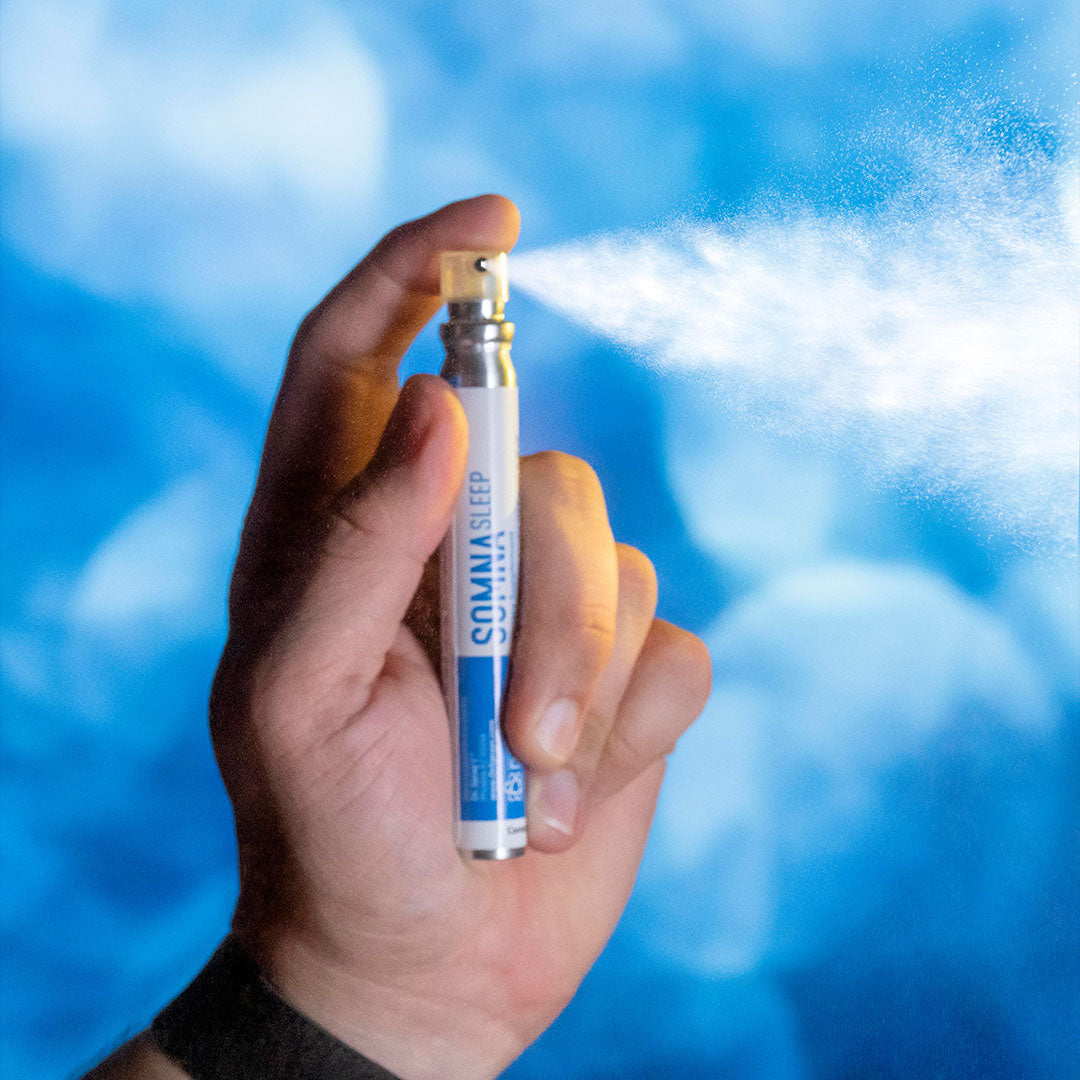
Dr. Spray's Magnesium Spray delivers bioavailable magnesium directly through the sublingual membrane — no pills to swallow, no GI distress, no waiting for capsules to dissolve. Just spray under your tongue 30 minutes before bed.
- Doctor-developed formula
- Sublingual spray — absorbs in seconds
- Made in FDA-registered facility in Phoenix, AZ
- 100% money-back guarantee
Dosing for Sleep
The optimal magnesium dose for sleep depends on the form you're taking, but general guidelines based on the clinical literature are clear.
Recommended Dose
Magnesium glycinate: 200-400 mg (of elemental magnesium), taken 30 to 60 minutes before bed. Most clinical trials showing sleep benefits have used doses in this range. The 2012 Abbasi study used 500 mg of magnesium oxide (approximately 300 mg elemental), while studies using more bioavailable forms have achieved comparable results at lower doses.
Start at the lower end (200 mg) and increase if needed. Many people find that 200-300 mg of a highly bioavailable form like glycinate or a sublingual spray is sufficient.
Timing
Take magnesium 30 to 60 minutes before your intended bedtime. This gives the mineral time to reach the brain and begin activating GABA pathways. With a sublingual spray, you can take it closer to bedtime — even as you're settling into bed — since absorption is nearly immediate.
Duration
Unlike many sleep supplements, magnesium's benefits often improve over time. The initial effects may be subtle — slightly easier time falling asleep, fewer muscle cramps — but after 2-4 weeks of consistent use, the cumulative effect on sleep quality becomes more pronounced. This is because it takes time to replenish cellular magnesium stores that have been depleted through chronic inadequate intake.
Upper Limit
The tolerable upper intake level (UL) for supplemental magnesium set by the National Institutes of Health is 350 mg per day for adults. This limit specifically refers to supplemental magnesium and is based primarily on the laxative threshold of oral forms. Sublingual delivery, which bypasses the gut, may support higher effective doses without GI effects, but staying within the established range is prudent.
Magnesium + Melatonin: The Sleep Stack
Combining magnesium with melatonin addresses sleep from two complementary angles, and the evidence supports the combination as more effective than either alone for many people.
Magnesium prepares the body for sleep: it relaxes muscles, calms the nervous system, activates GABA, and lowers cortisol. It creates the physiological conditions under which sleep can occur naturally.
Melatonin provides the timing signal: it tells the brain's suprachiasmatic nucleus that darkness has arrived and it's time to initiate the sleep cascade. It's particularly effective for people with disrupted circadian rhythms from jet lag, shift work, or excessive evening screen exposure.
A 2011 study published in the Journal of Pineal Research found that magnesium supplementation increased natural melatonin production in elderly subjects who were magnesium-deficient (Held et al., 2002). This means magnesium doesn't just complement melatonin — it actively supports the body's ability to produce its own.
Together, this combination addresses the three most common sleep complaints: difficulty falling asleep (melatonin's circadian signal), difficulty staying asleep (magnesium's GABA activation), and non-restorative sleep (magnesium's muscle relaxation and glycine carrier benefits).
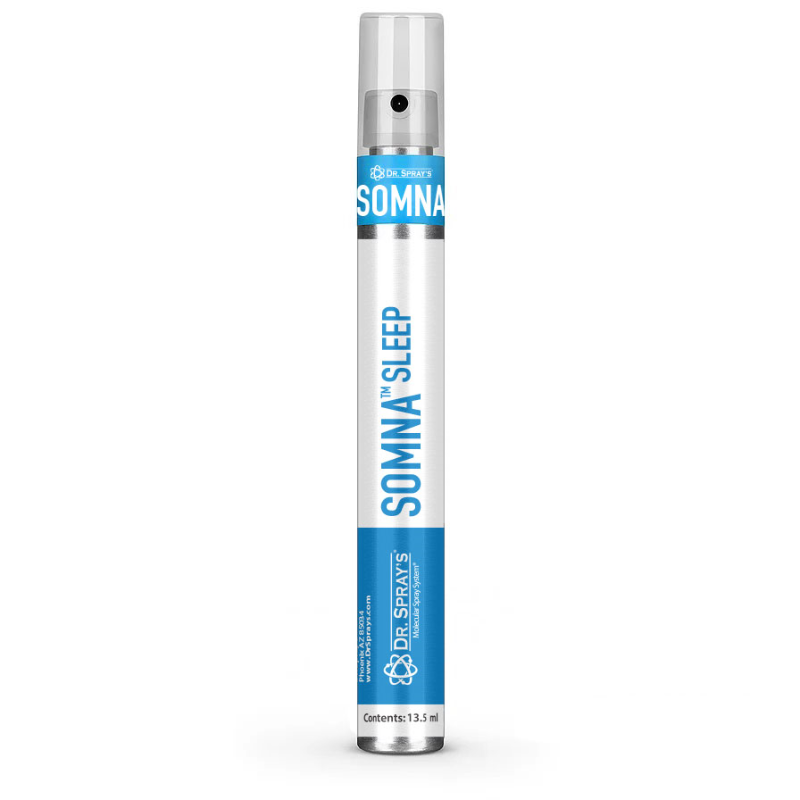
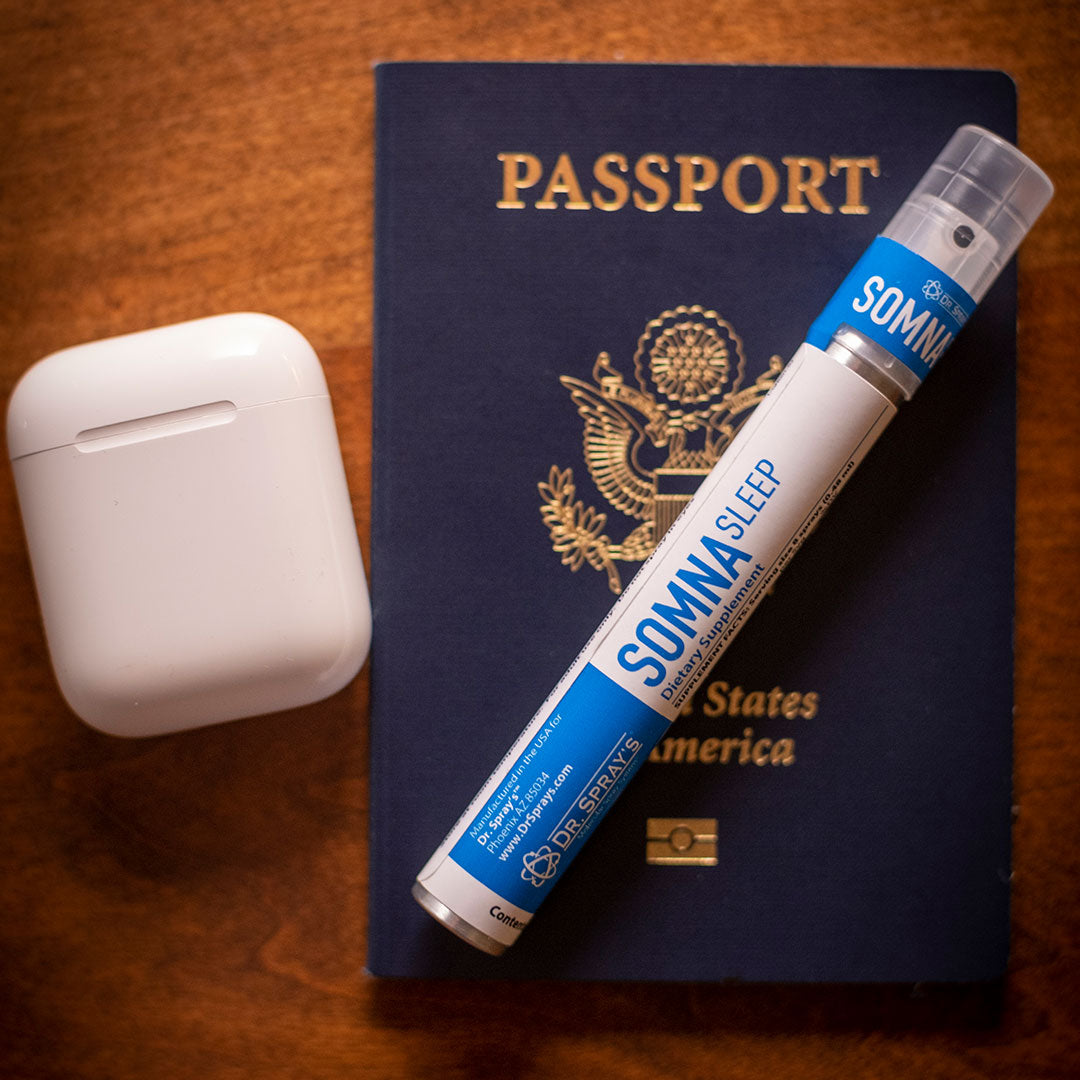
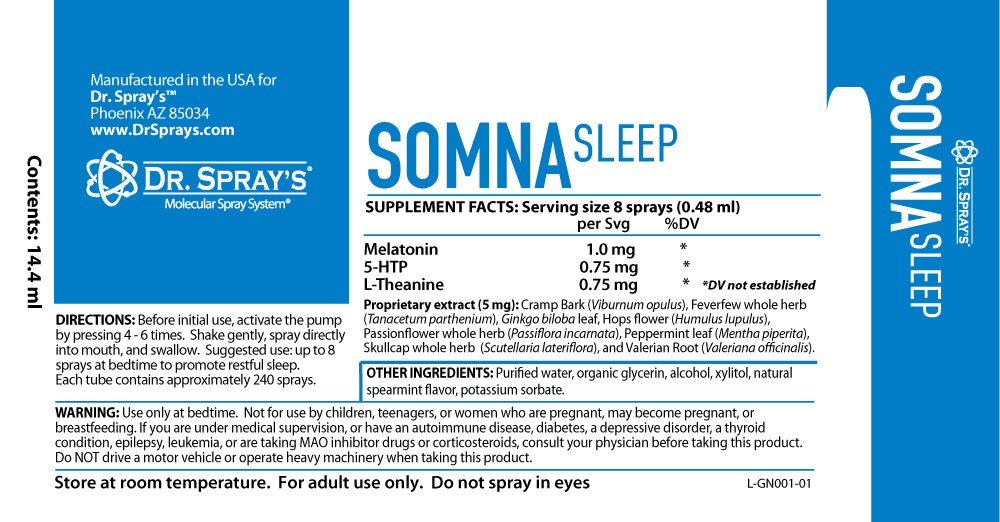
Dr. Spray's SOMNA Sleep Spray combines these ingredients in a single sublingual formula, eliminating the need to take multiple pills and ensuring that both compounds reach the bloodstream simultaneously for coordinated sleep support.
The Complete Sleep Stack in One Spray
SOMNA Sleep Spray combines magnesium, melatonin, and other sleep-supporting nutrients in a fast-acting sublingual formula. No pills, no stomach upset, no next-day grogginess — just deep, restorative sleep that starts in seconds.
- Doctor-developed formula
- Sublingual spray — absorbs in seconds
- Made in FDA-registered facility in Phoenix, AZ
- 100% money-back guarantee
Frequently Asked Questions
How long does it take for magnesium to improve sleep?
Most people notice a mild improvement within the first few nights — slightly easier time falling asleep, fewer muscle cramps, and less restlessness. However, the full effect typically develops over 2 to 4 weeks as cellular magnesium stores are replenished. The 2012 Abbasi study measured significant improvements in sleep quality markers after 8 weeks of supplementation. With sublingual spray delivery, the nightly onset is faster (minutes vs. 30-60 minutes), though the cumulative restoration still takes weeks.
Can I take too much magnesium?
The primary risk of excessive oral magnesium is diarrhea, which occurs when unabsorbed magnesium draws water into the intestines. The NIH sets the tolerable upper limit for supplemental magnesium at 350 mg per day for adults. Serious toxicity (hypermagnesemia) is rare and almost exclusively occurs in people with kidney disease who cannot excrete magnesium normally. Healthy adults with normal kidney function tolerate standard supplemental doses without risk.
Should I take magnesium glycinate in the morning or at night?
For sleep support, take magnesium glycinate 30 to 60 minutes before bed. For general health, stress management, or muscle recovery, morning or afternoon dosing is fine. Magnesium glycinate doesn't cause drowsiness — its sleep benefits come from calming the nervous system and relaxing muscles, not from sedation. Some people split their dose, taking half in the morning and half before bed.
Is magnesium safe to take with sleep medications?
Magnesium is generally safe alongside most medications, including common sleep aids. However, because magnesium has muscle-relaxant and nervous-system-calming properties, it could have additive effects with prescription sedatives, benzodiazepines, or muscle relaxants. If you take any prescription sleep medication, consult your healthcare provider before adding magnesium. Magnesium can also reduce the absorption of certain antibiotics and bisphosphonates — take them at least 2 hours apart.
Why do I get diarrhea from magnesium supplements?
Diarrhea from magnesium is almost always caused by poor absorption. The unabsorbed magnesium remaining in your intestines draws water through osmosis, creating a laxative effect. This is most common with magnesium oxide (only 4% absorption) and magnesium citrate (moderate absorption). Switching to magnesium glycinate (20-25% absorption) significantly reduces this risk, and sublingual magnesium spray eliminates it entirely since the magnesium never enters the digestive tract.
References
- Abbasi B, Kimiagar M, Sadeghniiat K, Shirazi MM, Hedayati M, Rashidkhani B. The effect of magnesium supplementation on primary insomnia in elderly: A double-blind placebo-controlled clinical trial. Journal of Research in Medical Sciences. 2012;17(12):1161-1169.
- Durlach J, Pagès N, Bac P, Bara M, Guiet-Bara A. Biorhythms and possible central regulation of magnesium status, phototherapy, darkness therapy and chronopathological forms of magnesium depletion. Magnesium Research. 2002;15(1-2):49-66.
- Garrison SR, Allan GM, Sekhon RK, Musini VM, Khan KM. Magnesium for skeletal muscle cramps. Cochrane Database of Systematic Reviews. 2012;(9):CD009402.
- Boyle NB, Lawton C, Dye L. The Effects of Magnesium Supplementation on Subjective Anxiety and Stress — A Systematic Review. Nutrients. 2017;9(5):429.
- Bannai M, Kawai N. New therapeutic strategy for amino acid medicine: glycine improves the quality of sleep. Journal of Pharmacological Sciences. 2012;118(2):145-148.
- Firoz M, Graber M. Bioavailability of US commercial magnesium preparations. Magnesium Research. 2001;14(4):257-262.
- Slutsky I, Abumaria N, Wu LJ, et al. Enhancement of learning and memory by elevating brain magnesium. Neuron. 2010;65(2):165-177.
- Liu G, Weinger JG, Lu ZL, Xue F, Sadeghpour S. Efficacy and Safety of MMFS-01, a Synapse Density Enhancer, for Treating Cognitive Impairment in Older Adults: A Randomized, Double-Blind, Placebo-Controlled Trial. Journal of Alzheimer's Disease. 2016;49(4):971-990.
- Held K, Antonijevic IA, Künzel H, et al. Oral Mg(2+) supplementation reverses age-related neuroendocrine and sleep EEG changes in humans. Pharmacopsychiatry. 2002;35(4):135-143.