For most healthy adults, a low melatonin dose — between 0.3mg and 1mg — is as effective for sleep onset as 3mg, 5mg, or 10mg. Higher doses don't work better and can cause next-day grogginess and receptor desensitization. Peer-reviewed research has consistently found that sub-milligram melatonin is sufficient when timing is appropriate.
How Much Melatonin Does Your Body Actually Make?
Your pineal gland produces melatonin on a circadian schedule, with peak levels in the middle of the night. Endogenous nightly output in a healthy adult is small — typically estimated to total only about 0.1 to 0.3mg across the night. Peak plasma concentrations from natural production are measured in picograms per milliliter, not the nanogram range many supplements push you into.
When a 10mg tablet dumps a supraphysiological amount of melatonin into your system, it's orders of magnitude above what your body would ever produce on its own. That's pharmacology, not physiology.
The Landmark Dose-Finding Research
The clearest evidence for low-dose melatonin comes from Zhdanova and colleagues at MIT. In a 2001 study published in the Journal of Clinical Endocrinology & Metabolism, they tested 0.1, 0.3, and 3mg melatonin doses in older adults with age-related insomnia. The key finding: 0.3mg was as effective as 3mg for improving sleep efficiency, and 0.3mg produced plasma melatonin levels within the normal physiological nighttime range, while 3mg produced supraphysiological levels that persisted into the morning.
Subsequent research has reinforced this pattern. A 2004 meta-analysis in Sleep Medicine Reviews by Brzezinski and colleagues concluded that melatonin reduces sleep onset latency, total sleep time improvements are modest, and higher doses do not produce proportionally better outcomes. More recent reviews of melatonin use (Costello et al., 2014; Auld et al., 2017) continue to support the use of the lowest effective dose.
Why Higher Doses Can Backfire
- Morning grogginess. Higher doses create plasma melatonin levels that persist past your wake time, contributing to a hangover feeling.
- Receptor desensitization. Melatonin receptors (MT1, MT2) can downregulate under chronic exposure to high concentrations, potentially reducing the signal's effectiveness.
- Vivid dreams and nighttime awakenings. Commonly reported at higher doses.
- Timing drift. Megadoses can overshoot the physiological signal, complicating circadian re-entrainment rather than aiding it.
Dose Guide at a Glance
| Dose | Typical use case | Notes |
|---|---|---|
| 0.3 mg | Minimal effective dose for sleep onset (Zhdanova 2001) | Often hard to find in tablets; easy to titrate with sprays |
| 0.5 mg | Jet lag, occasional sleep onset issues | Within physiological range for many adults |
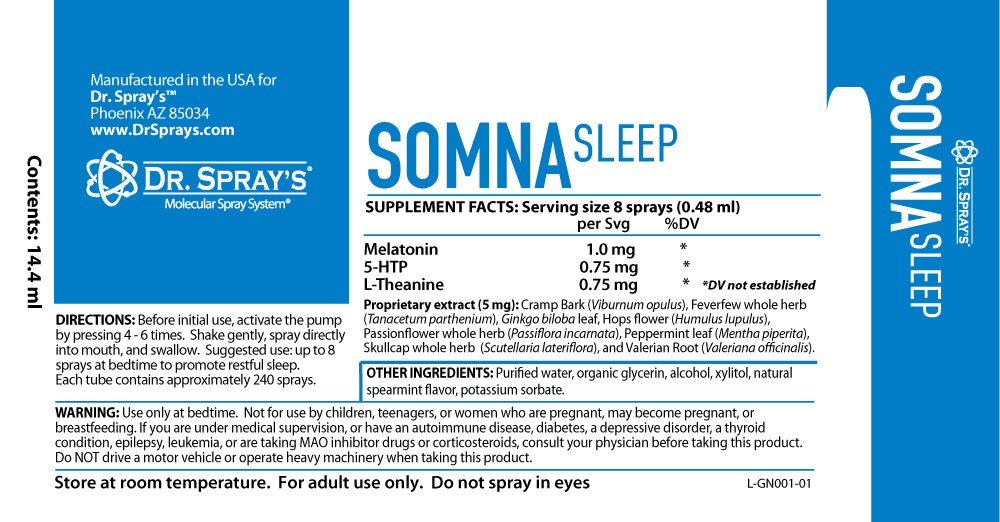
| 1 mg | Common low-dose choice; what SOMNA provides | Effective for many adults without morning grogginess |
| 3 mg | Widely marketed dose | Not meaningfully more effective than 0.3–1mg in studies |
| 5–10 mg | Over-the-counter megadoses | Higher risk of next-day grogginess; no evidence of better sleep |
Why Delivery Format Changes the Math
Oral pills have roughly 10–15% bioavailability on average (Andersen 2016; DeMuro 2000), with wide interindividual variability. A 3mg pill might deliver as little as 0.3mg systemically — which happens to land in the physiological sweet spot, but only by accident. That's why pill users often find 3mg "works" — they're inadvertently getting a low effective dose.
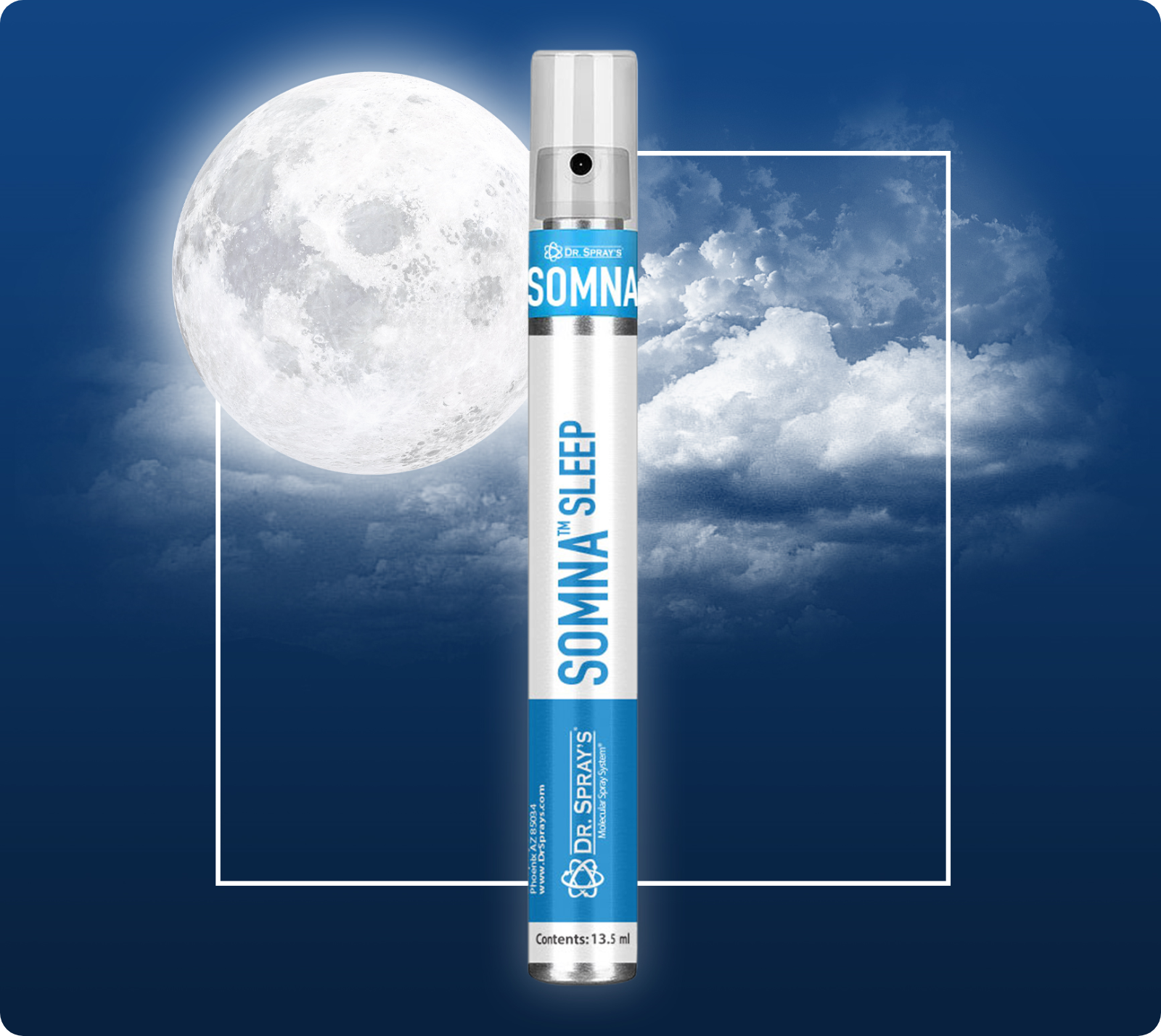
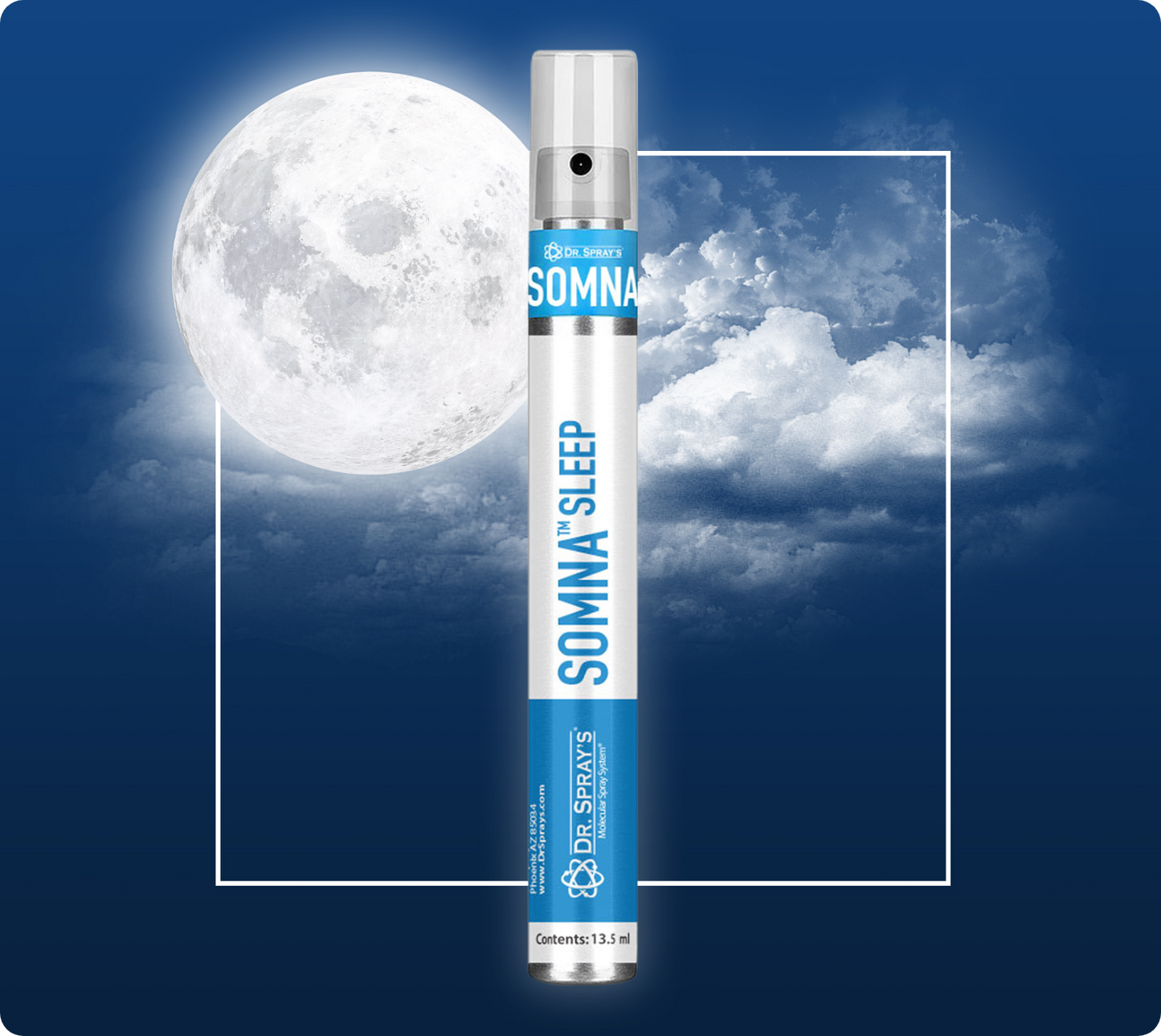
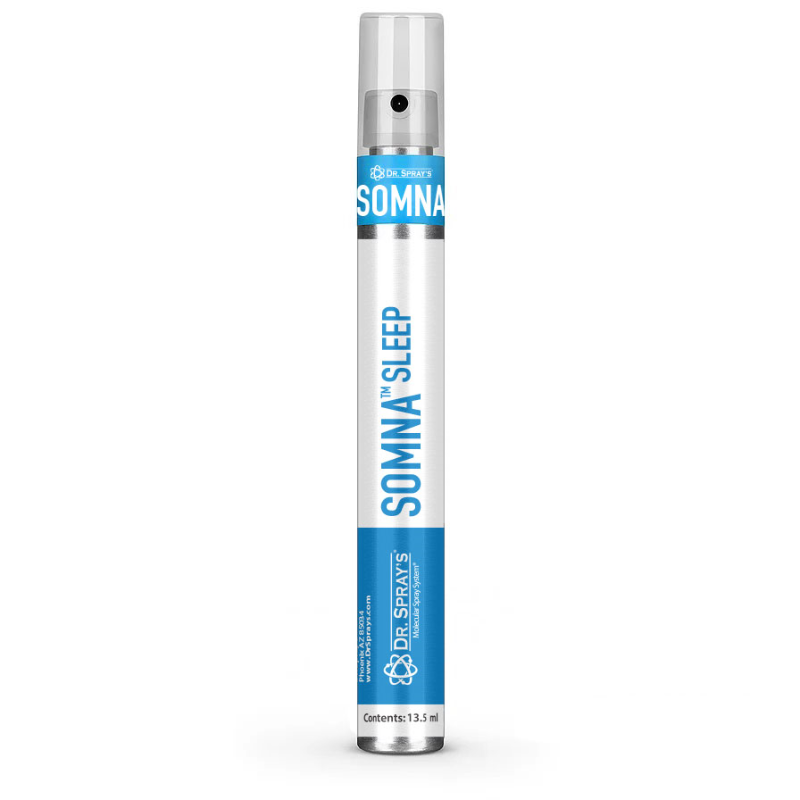
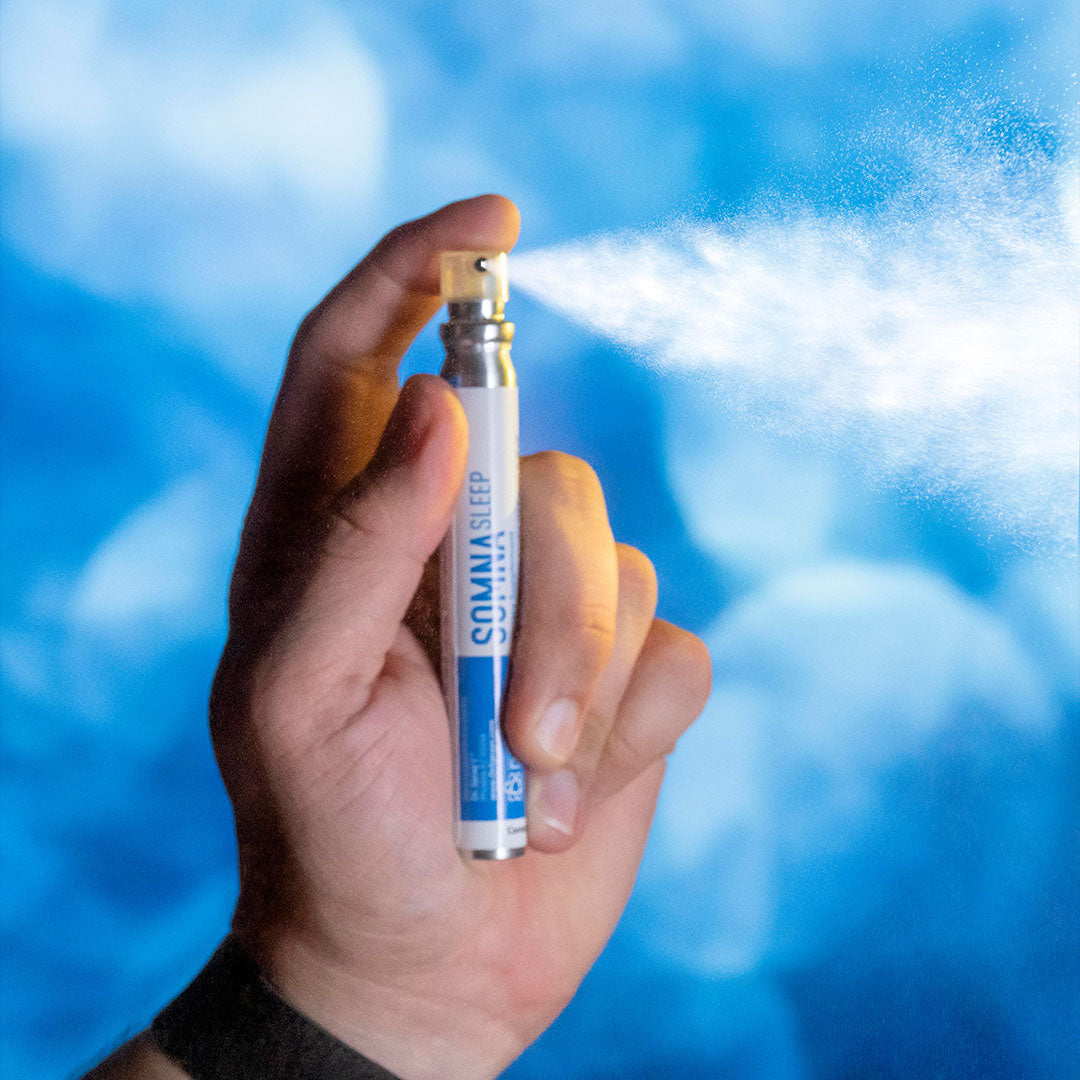
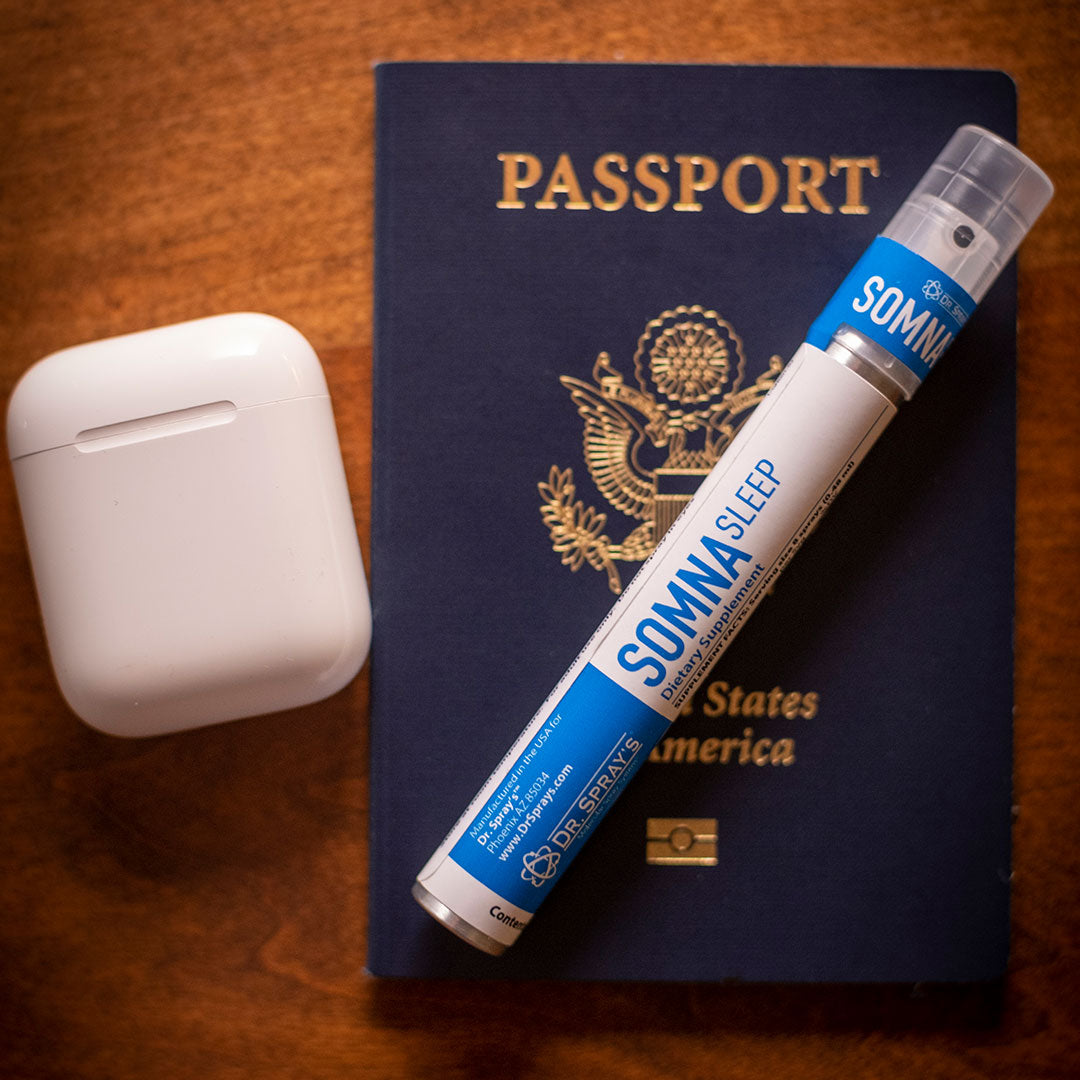
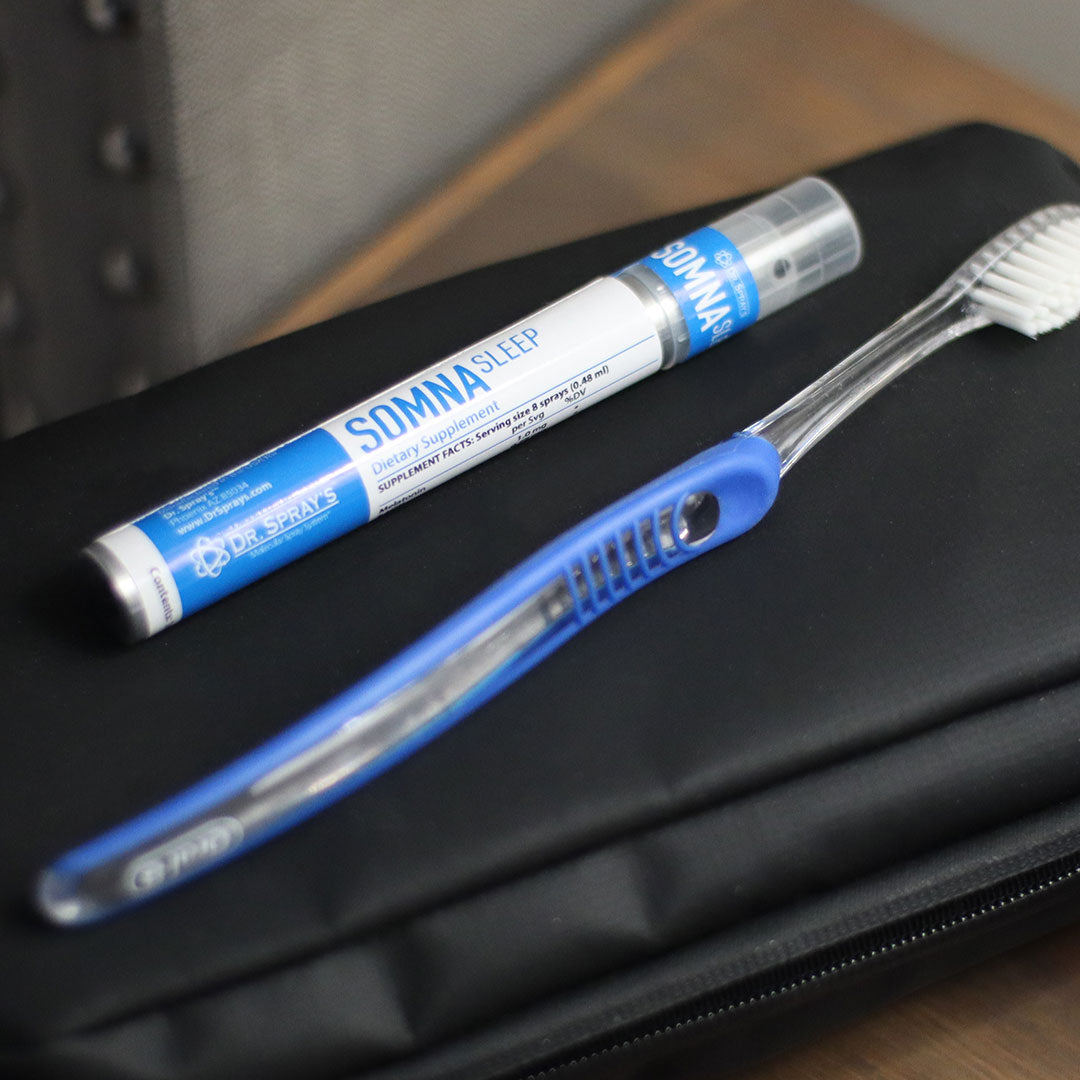
Sublingual sprays bypass first-pass liver metabolism and deliver more of what's on the label. That means a 1mg sublingual dose can match or exceed the systemic exposure of a higher-milligram pill — without the variability. Dr. Spray's SOMNA is formulated at 1mg melatonin (plus L-theanine and valerian) using the Molecular Spray System®, produced in a GMP-certified facility in Phoenix, AZ.
For the mechanism, see how sublingual absorption works. For a head-to-head with tablets, see melatonin spray vs pill.
Practical Dosing Tips
- Start low. Try 0.5–1mg first. Increase only if you don't respond — and most people do respond in that range.
- Timing matters more than dose. Take melatonin 30–60 minutes before your intended sleep time. Taken too late, it can shift your rhythm in the wrong direction.
- Use it short-term. Melatonin is best used for jet lag, travel, occasional sleeplessness, or circadian reset — not as a nightly habit without reason.
- Pair with good sleep hygiene. Melatonin is a signal, not a sedative. It works best when your bedroom is dark, cool, and screens are dimmed.
Who Should Be Cautious
Children, pregnant or nursing people, those on blood thinners or immunosuppressants, and anyone with an autoimmune or seizure disorder should talk to a clinician before using melatonin. Melatonin is not a treatment for chronic insomnia, depression, or anxiety.
Frequently Asked Questions
Is 10mg of melatonin too much?
For most adults, yes. Research shows no sleep benefit from 10mg over 0.3–1mg, and the higher dose increases side effects like grogginess.
What's the lowest effective melatonin dose?
Studies suggest 0.3mg is a minimal effective dose for sleep onset in healthy adults. 0.5–1mg is a reasonable practical starting point.
Why does my 3mg tablet feel like it works?
Oral pills have low, variable bioavailability — you might only be absorbing a fraction of the 3mg, putting your systemic dose in the physiological range by coincidence.
Does SOMNA's 1mg spray equal a 3mg pill?
Because sublingual delivery bypasses first-pass metabolism, a 1mg sublingual dose can reasonably approach or exceed the systemic exposure of a higher-dose pill. We can't claim exact equivalence — bioavailability varies — but the mechanism supports efficient dosing.
Can I take melatonin every night?
Long-term nightly use isn't as well studied as short-term use. For travel, shift work, or occasional sleep issues, it's reasonable. For chronic sleep problems, see a clinician.
Will low-dose melatonin still help with jet lag?
Yes. For jet lag, 0.5–3mg taken at the destination bedtime is the standard recommendation — and low doses are often effective with fewer side effects.
Try SOMNA at a Smarter Dose
Dr. Spray's SOMNA delivers 1mg of melatonin plus L-theanine and valerian sublingually via the Molecular Spray System®. Developed by Dr. Clive Spray. Made in a GMP-certified Phoenix, AZ facility.
Educational content only — not medical advice. Please consult your physician about sleep concerns or before starting any supplement.