Quick Answer
Melatonin spray works significantly faster than gummies — typically absorbing in 30 seconds through the sublingual membrane versus 20-30 minutes for gummies that must pass through your digestive system.
Spray melatonin bypasses the liver's first-pass metabolism, delivering more of the active ingredient directly into your bloodstream. Gummies, meanwhile, lose up to 80% of their melatonin during digestion and come loaded with 2-3 grams of sugar per dose.
How Melatonin Spray Works: The Sublingual Advantage
When you spray melatonin under your tongue, you are taking advantage of one of the most efficient drug delivery routes in the human body. The sublingual mucosa — the thin membrane beneath your tongue — is densely packed with blood vessels and capillaries that sit remarkably close to the surface.
This tissue is only about 100-200 micrometers thick, compared to the multi-layered barriers of your gastrointestinal tract. When melatonin contacts this membrane, it diffuses directly through the epithelial cells and enters the bloodstream within seconds.
A study published in the Journal of Bioequivalence & Bioavailability demonstrated that sublingual melatonin reached peak plasma concentrations significantly faster than standard oral formulations, with measurable blood levels appearing within one minute of administration (Bartoli et al., 2012). The sublingual route bypasses what pharmacologists call "first-pass metabolism" — the process where your liver breaks down a substantial portion of any substance you swallow before it ever reaches systemic circulation.
For melatonin specifically, first-pass metabolism is a significant barrier. Research published in the Journal of Clinical Pharmacology found that oral melatonin has a bioavailability of only 15%, meaning 85% of what you swallow is destroyed before it can help you sleep (DeMuro et al., 2000). Sublingual delivery sidesteps this entire process.
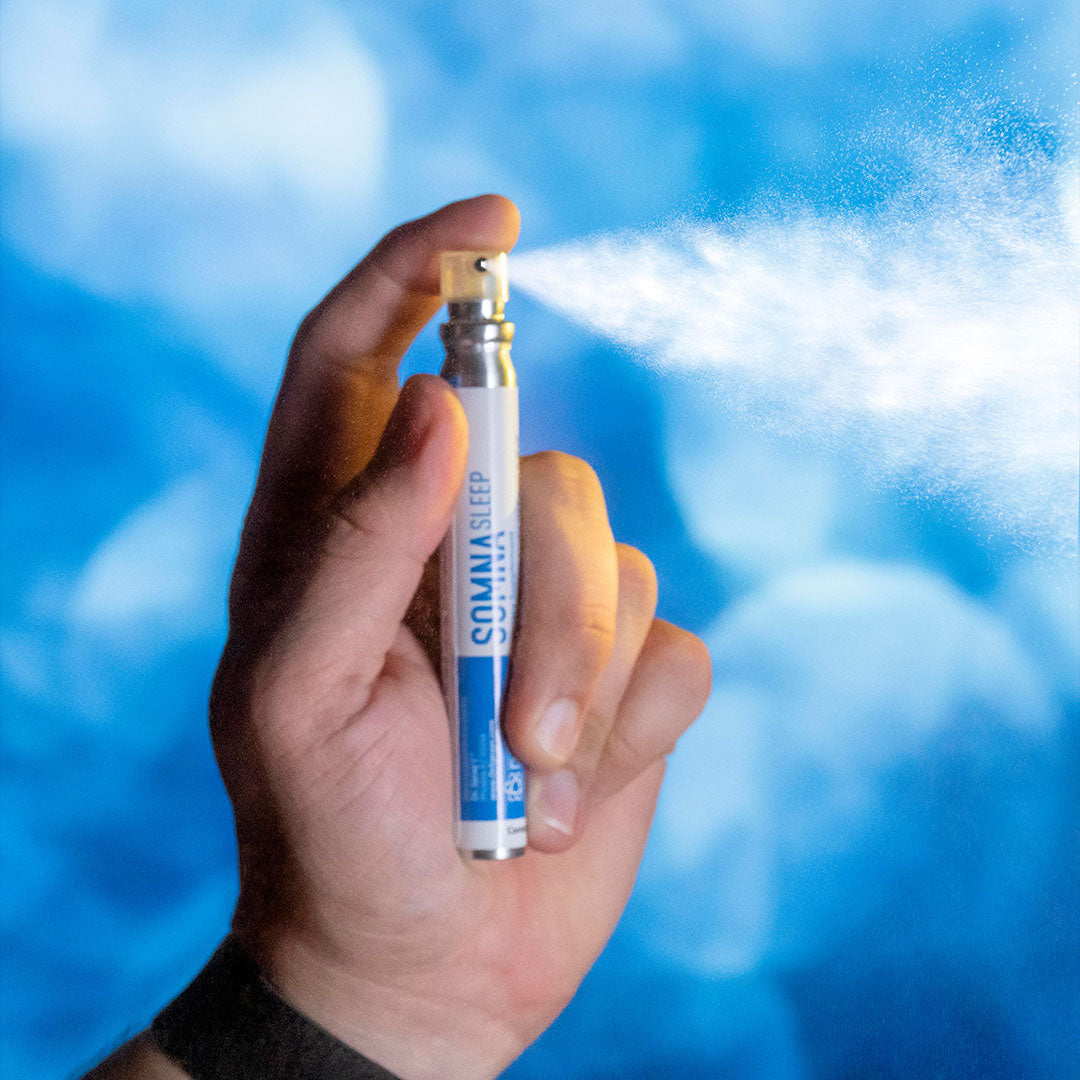
The practical implication is straightforward: you spray, the melatonin absorbs through the tissue under your tongue, it enters the bloodstream directly, and you begin feeling drowsy within minutes rather than waiting half an hour or more.
Skip the Sugar. Sleep in Seconds.
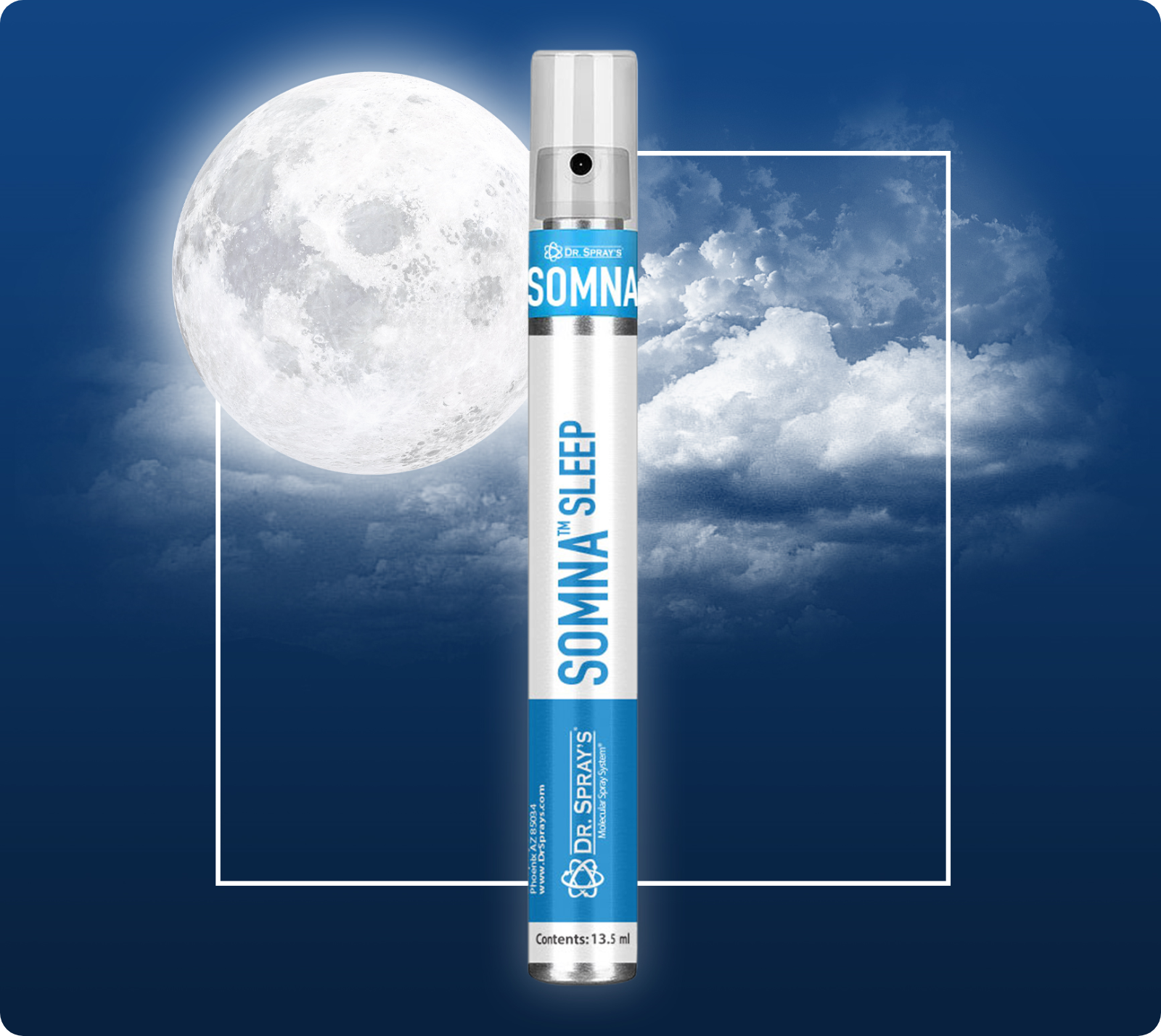
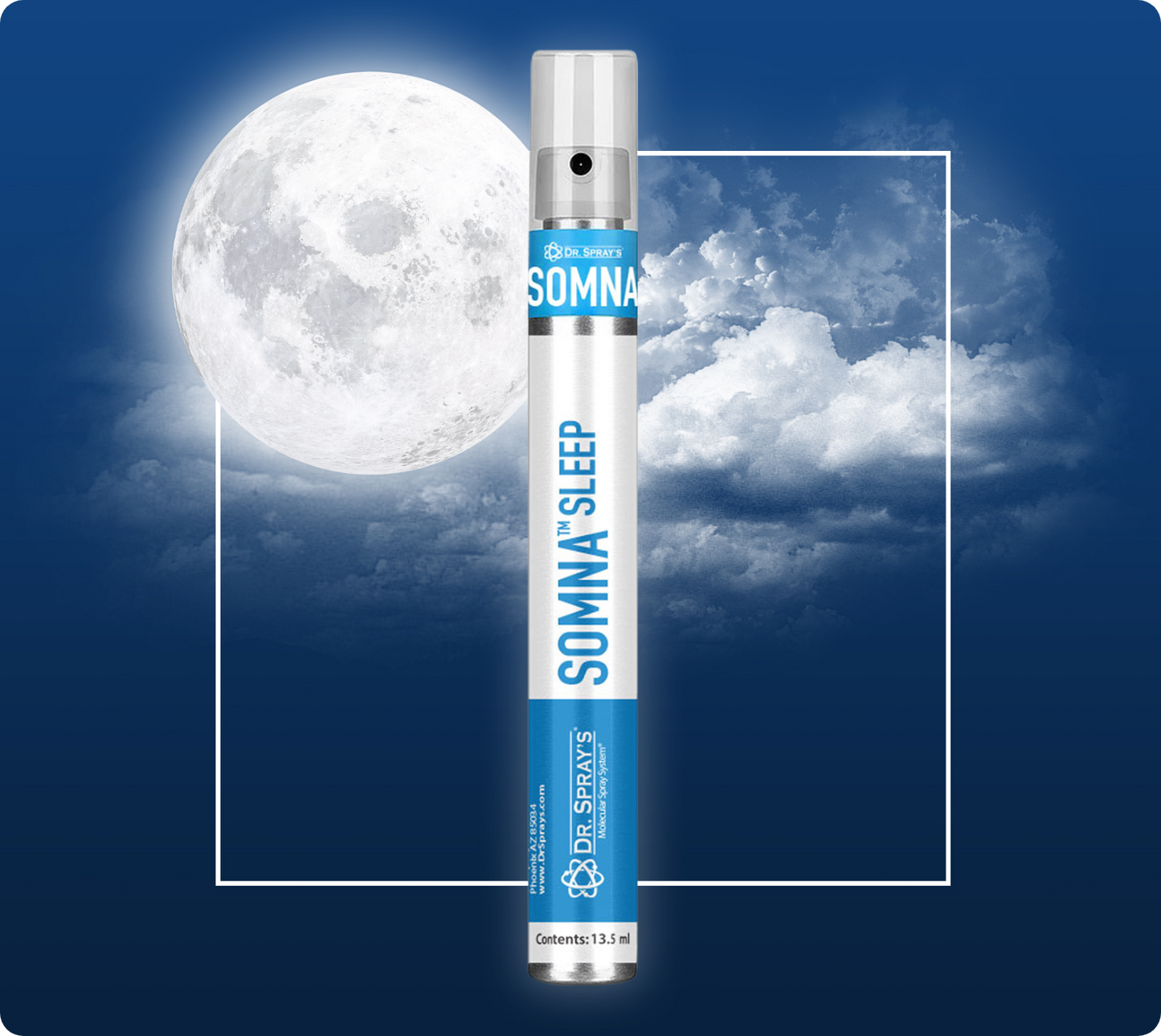
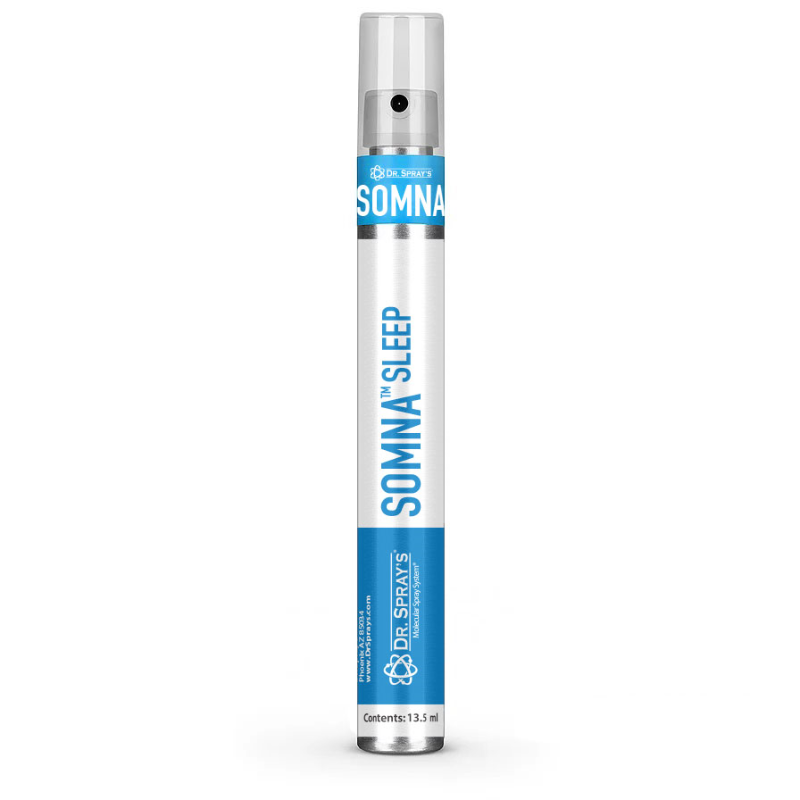
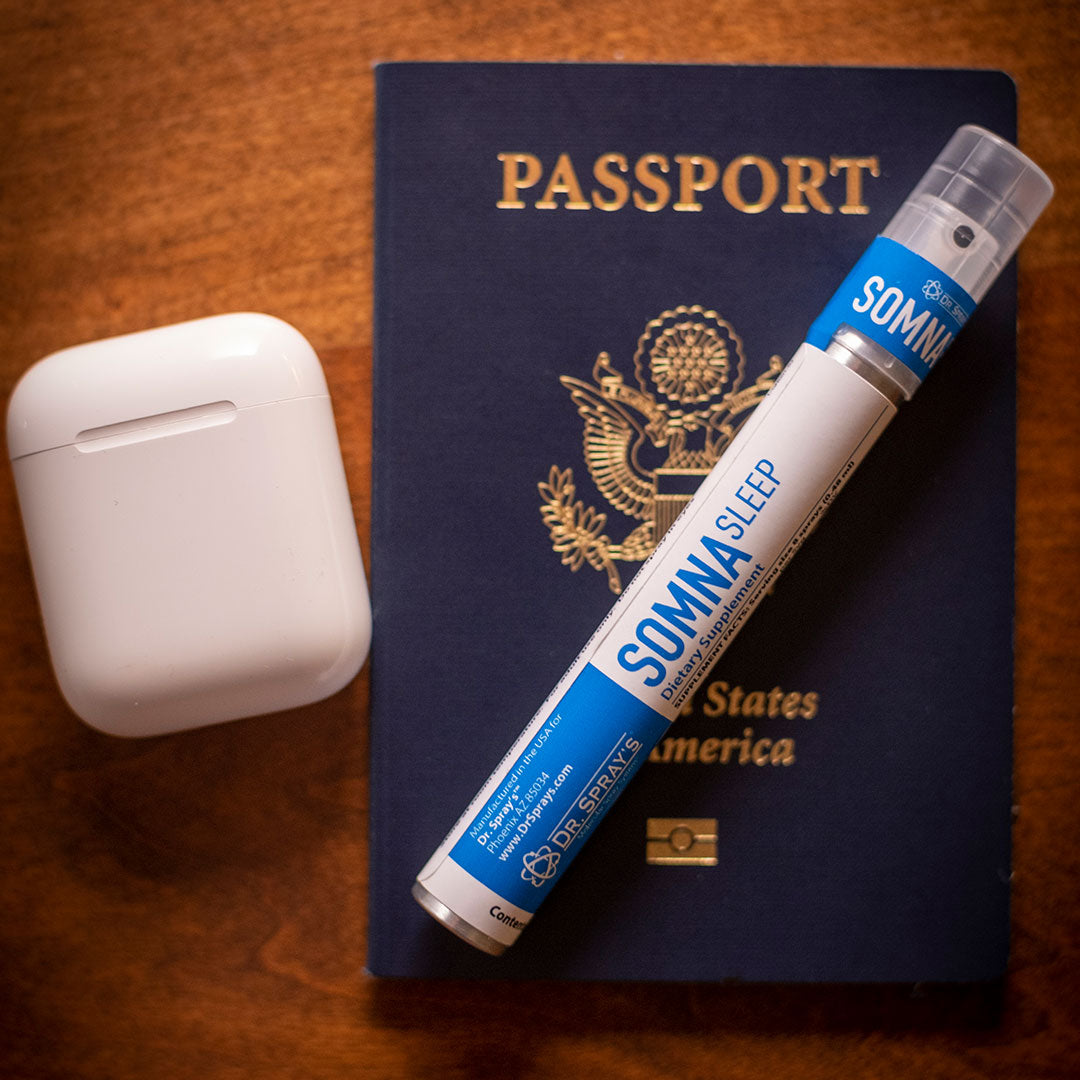
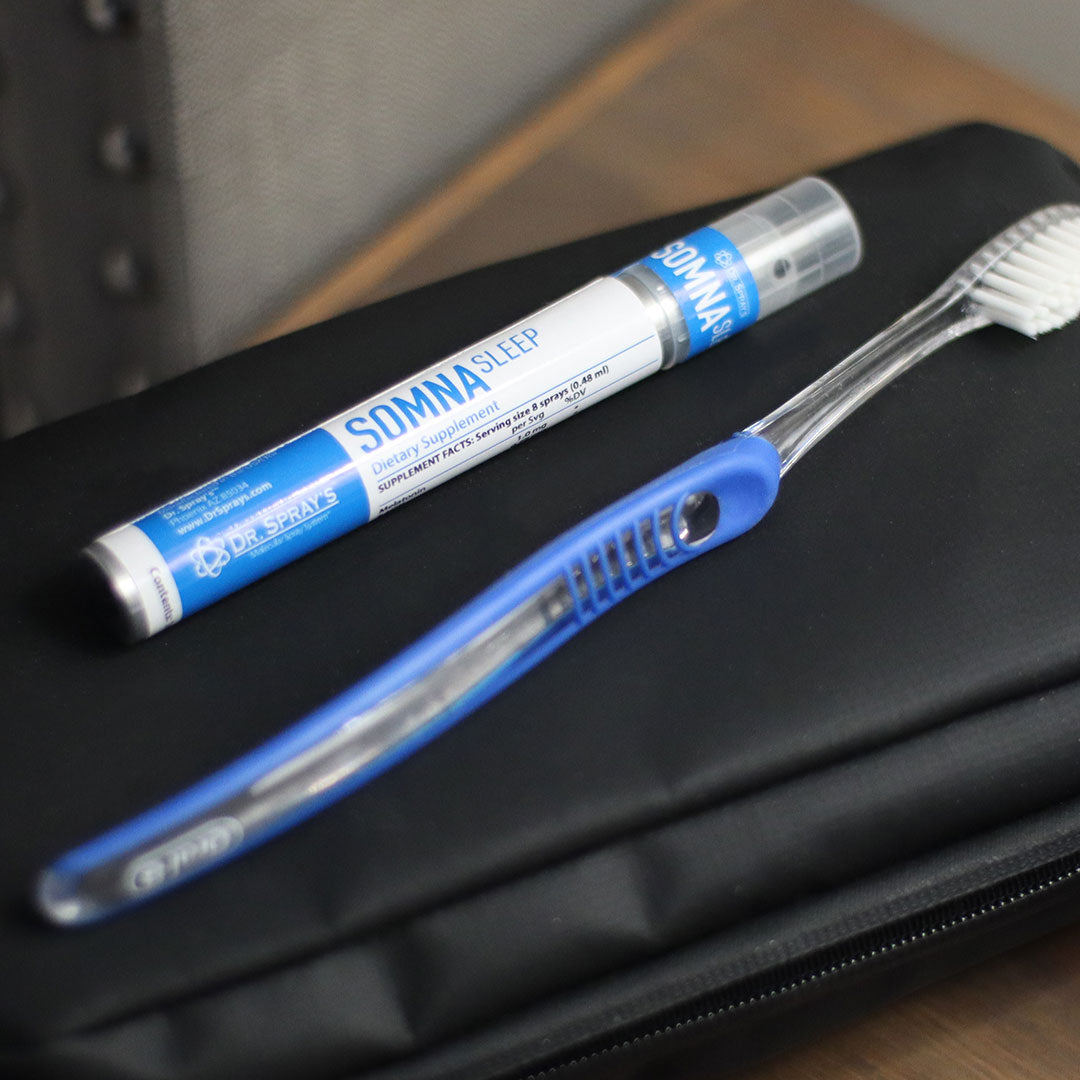
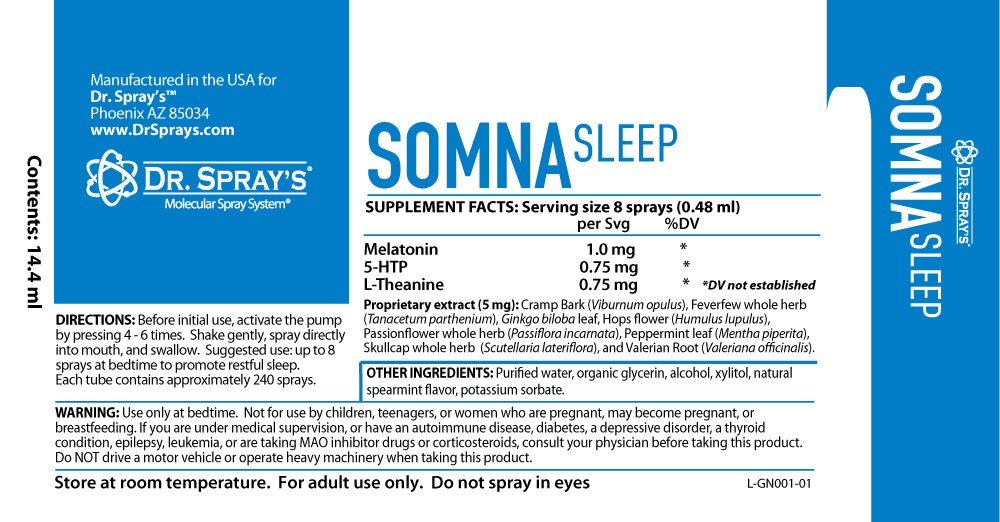
SOMNA Sleep Spray delivers melatonin, L-theanine, and valerian root directly through the sublingual membrane — no digestion, no waiting, no sugar crash. Developed by physicians who understand sleep science.
- Doctor-developed, non-habit forming
- Sublingual spray — absorbs in seconds
- Made in FDA-registered facility in Phoenix, AZ
- 100% money-back guarantee
How Melatonin Gummies Work: The Digestion Pathway
Melatonin gummies follow the same route as any food you eat. You chew them, swallow them, and they travel down your esophagus into your stomach. There, gastric acid begins breaking down the gummy matrix — the gelatin, sugars, and binding agents that give the gummy its shape and texture.
From the stomach, the partially digested gummy moves into the small intestine, where the melatonin is finally absorbed through the intestinal lining into the portal vein. But before this melatonin can reach your brain and signal that it is time to sleep, it makes a mandatory stop at the liver.
This is where things get problematic. The liver treats melatonin as a foreign substance and metabolizes a large percentage of it through cytochrome P450 enzymes, primarily CYP1A2. Research published in the European Journal of Clinical Pharmacology has shown that this first-pass effect can eliminate 70-85% of the ingested melatonin before it ever reaches systemic circulation (Harpsoe et al., 2015).
The entire process — chewing, stomach digestion, intestinal absorption, and liver metabolism — takes anywhere from 20 to 45 minutes depending on stomach contents, individual metabolism, and the gummy formulation itself. If you have eaten a heavy meal, the timeline stretches even further as your stomach prioritizes food digestion.
This delay creates a practical problem for sleep: you need to plan your bedtime around your gummy, taking it 30-45 minutes before you want to fall asleep. Misjudge the timing, and you are either lying awake waiting for it to kick in or falling asleep on the couch before you have brushed your teeth.
Speed Comparison: 30 Seconds vs. 30 Minutes
The difference in onset time between spray and gummy melatonin is not subtle — it is roughly a 60-fold difference.
Sublingual melatonin spray begins absorbing the moment it contacts the tissue under your tongue. Pharmacokinetic studies show measurable plasma melatonin levels within 30 to 60 seconds of sublingual administration (Bartoli et al., 2012). Peak blood concentrations typically occur within 5 to 15 minutes.
Melatonin gummies, by contrast, show first measurable plasma levels at approximately 15 to 20 minutes post-ingestion, with peak concentrations not occurring until 45 to 90 minutes later (Harpsoe et al., 2015). The variability is wider too — depending on stomach contents, body weight, and individual liver enzyme activity, gummy onset can range from 20 minutes to over an hour.
This variability is one of the most underappreciated problems with gummy melatonin. With a spray, the absorption pathway is consistent and predictable. With a gummy, your dinner, your stress levels (which affect gastric motility), and even your hydration status all influence how quickly and how much melatonin actually reaches your brain.
A systematic review in Drug Research examining different melatonin delivery forms confirmed that sublingual formulations achieved effective sleep-promoting plasma levels in a fraction of the time required by oral forms, with significantly less inter-individual variability (Zetner et al., 2016).
Absorption Rate Comparison
Beyond speed, the total amount of melatonin your body actually uses differs dramatically between the two formats.
Sublingual absorption rates for well-formulated sprays typically range from 70-90%, according to research on sublingual drug delivery published in the International Journal of Pharmacy and Pharmaceutical Sciences (Narang & Sharma, 2011). This high bioavailability means that a 1 mg dose in a spray delivers approximately 0.7-0.9 mg of active melatonin to your bloodstream.
Oral melatonin — whether in gummy, tablet, or capsule form — has a well-documented bioavailability of only 3-33%, with most studies settling on approximately 15% as the average (DeMuro et al., 2000). A 5 mg gummy, then, may deliver only 0.75 mg of usable melatonin — roughly the same amount as a 1 mg spray dose.
This has important implications for dosing. Many people who take gummy melatonin assume they need high doses — 5 mg, 10 mg, even 20 mg — because lower doses "don't work." In many cases, the issue is not the dose; it is the delivery method. The American Academy of Sleep Medicine notes that effective sleep-promoting melatonin doses are typically between 0.5 and 3 mg, but these recommendations assume the full dose is reaching the bloodstream (Auger et al., 2015).
With a spray, a lower stated dose can deliver a therapeutically effective amount of melatonin. With a gummy, you need to take a much higher stated dose to achieve the same blood level — and the excess melatonin that your liver filters out is not harmless. It generates metabolites that your kidneys must process, creating unnecessary physiological burden.
The Hidden Downsides of Melatonin Gummies
Sugar Content: 2-3 Grams Per Dose
Most melatonin gummies contain 2-3 grams of sugar per serving. While that sounds small, consider the irony: you are consuming sugar — a substance known to disrupt sleep architecture — in a product designed to help you sleep. Research published in the Journal of Clinical Sleep Medicine found that higher sugar intake is associated with lighter, less restorative sleep and more nighttime awakenings (St-Onge et al., 2016).
Over a month of nightly use, those 2-3 grams add up to 60-90 grams of pure sugar consumed right before bed — the metabolic equivalent of eating two to three candy bars in your sleep supplement alone. For people managing diabetes or prediabetes, this hidden sugar load is especially problematic.
Artificial Colors and Corn Syrup
To achieve their appealing appearance and texture, most gummy supplements rely on artificial colors (Red 40, Blue 1, Yellow 5), corn syrup, and modified food starch. A review of leading melatonin gummy brands reveals that the inactive ingredient list often exceeds the active ingredient list by a factor of ten or more.
Corn syrup, typically the first or second ingredient in gummy supplements, contributes to the glycemic spike that can interfere with sleep onset. The artificial colors, while generally recognized as safe by the FDA, have been the subject of increasing scrutiny. A randomized, double-blinded, placebo-controlled trial published in The Lancet found that artificial food colors may affect behavior and attention in children — a population that increasingly uses melatonin gummies (McCann et al., 2007).
Dental Health Concerns
Taking a sticky, sugar-coated gummy right before bed — often after brushing your teeth — creates an ideal environment for dental caries. The American Dental Association has long warned that sticky candies and gummies are among the worst food forms for dental health because they adhere to tooth surfaces and prolong acid exposure. The fact that most people take melatonin gummies at bedtime, when saliva production drops and natural oral cleansing slows, compounds the problem significantly.
Spray melatonin, by contrast, involves no chewing, no sugar residue, and no sticky film on the teeth. It is applied under the tongue, absorbed in seconds, and leaves no dental impact whatsoever.
Inconsistent Dosing
A landmark 2017 study in the Journal of Clinical Sleep Medicine tested 31 commercially available melatonin supplements and found that actual melatonin content ranged from 83% less to 478% more than the labeled dose. Gummies were among the worst offenders for dosing inconsistency (Erland & Saxena, 2017). This variability means you never truly know how much melatonin you are taking — a 3 mg gummy might contain anywhere from 0.5 mg to over 14 mg.
Spray formulations, particularly those manufactured in FDA-registered facilities with pharmaceutical-grade processes, offer significantly more precise dosing. Each pump delivers a calibrated volume, and the liquid formulation ensures uniform distribution of melatonin throughout the bottle — unlike gummies, where the active ingredient can settle unevenly during manufacturing.
Why Doctors Are Recommending Spray Melatonin
The medical community has been shifting its recommendation toward sublingual melatonin delivery for several evidence-based reasons.
First, the dosing precision of spray melatonin aligns with current sleep medicine guidelines. The American Academy of Sleep Medicine's clinical practice guidelines recommend the lowest effective dose of melatonin, typically 0.5-1 mg for most adults (Auger et al., 2015). Spray melatonin makes low-dose therapy practical because each spray delivers a consistent, small amount — no need for pill splitting or guessing.
Second, the elimination of sugar and artificial additives makes spray melatonin appropriate for patients managing diabetes, metabolic syndrome, or weight-related conditions — populations that represent a significant portion of patients with sleep complaints.
Third, spray melatonin is easier for elderly patients, who represent the fastest-growing demographic of melatonin users. Many older adults have difficulty swallowing pills or chewing gummies, and age-related decreases in gastric acid production further reduce the already-low bioavailability of oral melatonin. Sublingual delivery bypasses these age-related absorption barriers entirely.
Finally, physicians appreciate the combination formulations possible with spray delivery. Products like SOMNA Sleep Spray combine melatonin with complementary sleep-supporting ingredients like L-theanine and valerian root — all delivered through the same rapid sublingual route. This multi-ingredient approach addresses sleep from multiple physiological pathways simultaneously without requiring patients to take multiple pills or gummies.
Melatonin Spray vs. Gummies: Complete Comparison
| Factor | Melatonin Spray | Melatonin Gummies |
|---|---|---|
| Onset Time | 30-60 seconds | 20-45 minutes |
| Absorption Rate | 70-90% | 3-33% (avg. 15%) |
| Sugar Per Dose | 0 g | 2-3 g |
| Calories Per Dose | 0 | 10-15 |
| Dose Precision | High (calibrated pump) | Low (up to 478% variance) |
| First-Pass Liver Impact | Bypassed | 70-85% destroyed |
| Artificial Colors | None | Typically 2-4 dyes |
| Dental Impact | None | Sugar sticks to teeth at bedtime |
Frequently Asked Questions
Is melatonin spray better than gummies for falling asleep fast?
Yes. Melatonin spray absorbs through the sublingual membrane in approximately 30-60 seconds, reaching the bloodstream directly without passing through the digestive system. Gummies require 20-45 minutes for digestion and absorption, and lose 70-85% of their melatonin content to liver metabolism. For people who want to fall asleep quickly after getting into bed, spray is the clear advantage.
Do melatonin gummies have too much sugar?
Most melatonin gummies contain 2-3 grams of added sugar per dose, often from corn syrup. This is problematic for two reasons: sugar consumption before bed has been linked to disrupted sleep architecture in research published in the Journal of Clinical Sleep Medicine, and nightly use adds 60-90 grams of sugar per month to your diet purely from a supplement. Melatonin spray formulations typically contain zero sugar and zero calories.
How much melatonin actually gets absorbed from gummies?
Due to first-pass liver metabolism, only about 15% of the melatonin in a gummy actually reaches your bloodstream. A 5 mg gummy delivers roughly 0.75 mg of usable melatonin. Sublingual spray, by contrast, achieves 70-90% absorption, meaning a 1 mg spray dose delivers more active melatonin than a 5 mg gummy.
Can I switch from melatonin gummies to spray without adjusting my dose?
You will likely need a lower stated dose with spray melatonin because the absorption rate is dramatically higher. If you currently take 5 mg via gummy (delivering approximately 0.75 mg to your bloodstream), a 1 mg spray dose (delivering approximately 0.8 mg) would provide equivalent or greater blood levels. Consult your healthcare provider before making changes to your supplement regimen.
Are melatonin spray doses more consistent than gummies?
Significantly. A 2017 study in the Journal of Clinical Sleep Medicine found that melatonin gummies had actual content ranging from 83% less to 478% more than labeled doses. Spray formulations manufactured in FDA-registered facilities with pharmaceutical-grade equipment deliver precise, calibrated doses with each pump, resulting in far less variability between doses and between bottles.
Ready to Make the Switch?
SOMNA Sleep Spray combines melatonin with L-theanine and valerian root in a fast-absorbing sublingual formula. No sugar, no artificial colors, no waiting 30 minutes for it to kick in. Just spray, relax, and sleep.
- Doctor-developed, non-habit forming
- Sublingual spray — absorbs in seconds
- Made in FDA-registered facility in Phoenix, AZ
- 100% money-back guarantee
References
- Auger, R. R., Burgess, H. J., Emens, J. S., Deriy, L. V., Thomas, S. M., & Sharkey, K. M. (2015). Clinical practice guideline for the treatment of intrinsic circadian rhythm sleep-wake disorders. Journal of Clinical Sleep Medicine, 11(10), 1199-1236.
- Bartoli, A., De Gregori, S., Molinaro, M., Broglia, M., Tinelli, C., & Regazzi, M. (2012). Bioavailability of a new oral spray melatonin emulsion compared with a standard oral formulation in healthy volunteers. Journal of Bioequivalence & Bioavailability, 4, 96-99.
- DeMuro, R. L., Nafziger, A. N., Blask, D. E., Menhinick, A. M., & Bertino, J. S. (2000). The absolute bioavailability of oral melatonin. Journal of Clinical Pharmacology, 40(7), 781-784.
- Erland, L. A., & Saxena, P. K. (2017). Melatonin natural health products and supplements: Presence of serotonin and significant variability of melatonin content. Journal of Clinical Sleep Medicine, 13(2), 275-281.
- Harpsoe, N. G., Andersen, L. P., Gogenur, I., & Rosenberg, J. (2015). Clinical pharmacokinetics of melatonin: A systematic review. European Journal of Clinical Pharmacology, 71(8), 901-909.
- McCann, D., Barrett, A., Cooper, A., Crumpler, D., Dalen, L., Grimshaw, K., ... & Stevenson, J. (2007). Food additives and hyperactive behaviour in 3-year-old and 8/9-year-old children in the community: A randomised, double-blinded, placebo-controlled trial. The Lancet, 370(9598), 1560-1567.
- Narang, N., & Sharma, J. (2011). Sublingual mucosa as a route for systemic drug delivery. International Journal of Pharmacy and Pharmaceutical Sciences, 3(Suppl 2), 18-22.
- St-Onge, M. P., Roberts, A., Shechter, A., & Choudhury, A. R. (2016). Fiber and saturated fat are associated with sleep arousals and slow wave sleep. Journal of Clinical Sleep Medicine, 12(1), 19-24.
- Zetner, D., Andersen, L. P., & Rosenberg, J. (2016). Pharmacokinetics of alternative administration routes of melatonin: A systematic review. Drug Research, 66(4), 169-173.