Melatonin spray typically works faster and more reliably than a pill because it bypasses the digestive system. Oral melatonin tablets have low and highly variable bioavailability, often cited around 10–15%, while sublingual sprays absorb through the oral mucosa directly into the bloodstream. For most people, this means a faster onset, more predictable dosing, and less waste per milligram.
The Problem With Melatonin Pills: First-Pass Metabolism
When you swallow a melatonin tablet, it travels through the stomach and small intestine before reaching the liver. The liver rapidly metabolizes melatonin through enzymes like CYP1A2, so only a small fraction survives to reach systemic circulation. Published pharmacokinetic studies have consistently shown oral melatonin bioavailability to be low and variable — with some research estimating roughly 15% on average, and individual variability ranging from about 9% to 33% (Andersen et al., 2016; DeMuro et al., 2000).
That variability matters. If you swallow a 3mg tablet, the amount that actually reaches your bloodstream may be closer to 0.3–0.9mg — and the exact number depends on your liver enzymes, what you ate, and whether you're a smoker. It's why one person feels a tablet work within 20 minutes and another feels nothing until an hour later.
How Sublingual Melatonin Spray Works
Sublingual and buccal delivery places melatonin in contact with the thin, capillary-rich mucosa under the tongue and inside the cheeks. Small, lipophilic molecules like melatonin diffuse across these membranes and enter venous circulation directly — bypassing the liver's first-pass metabolism entirely on the initial pass.
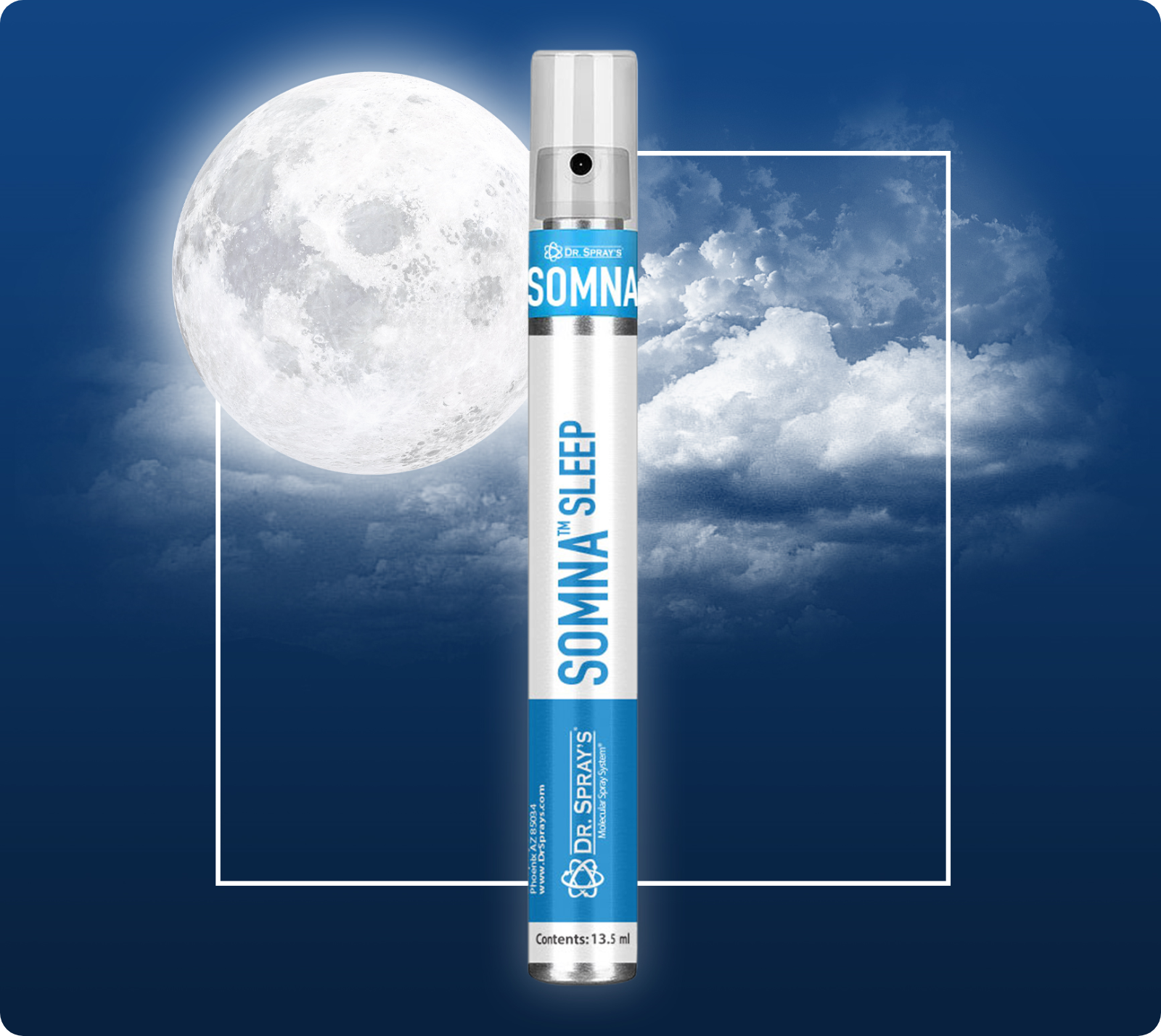
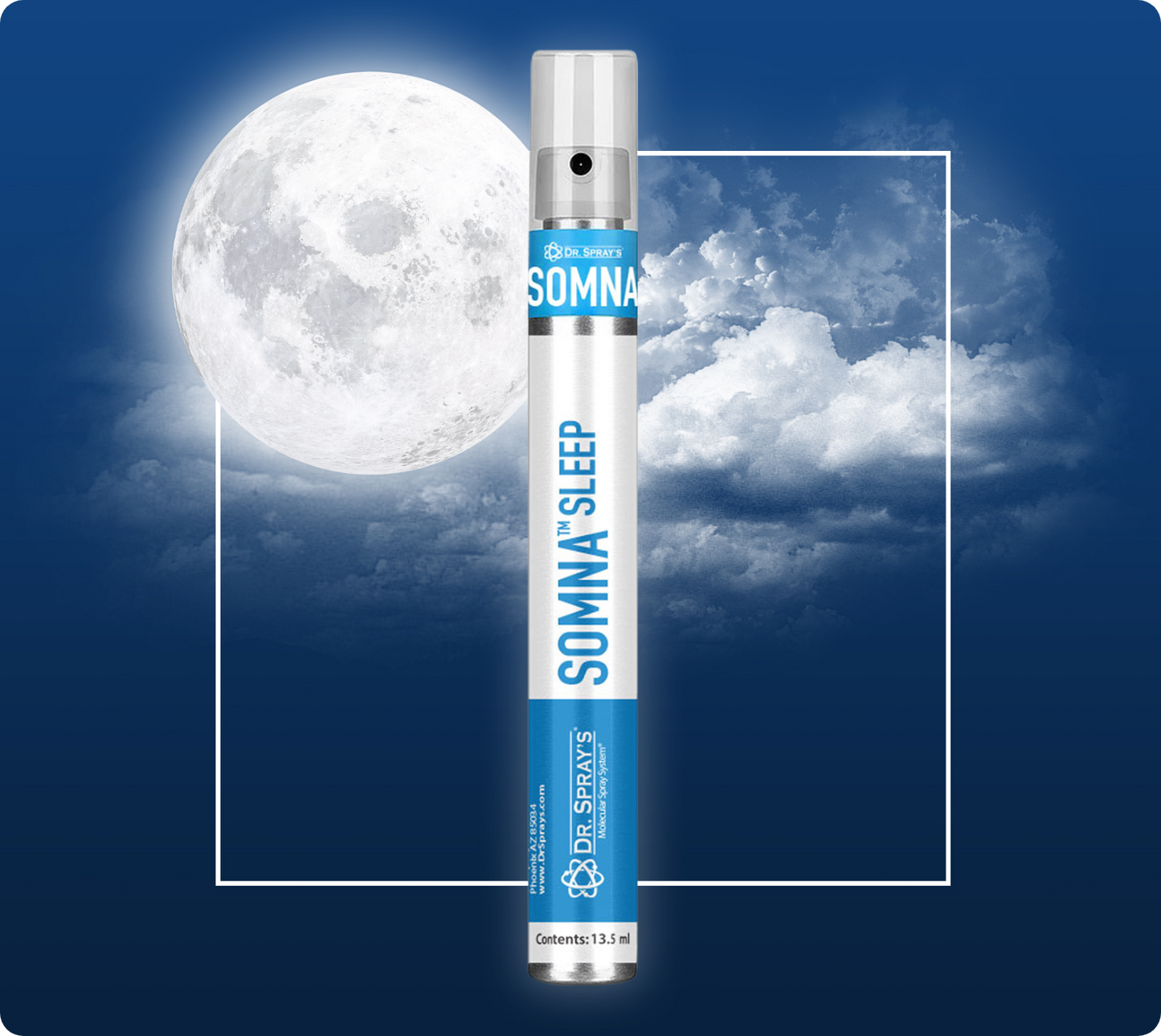
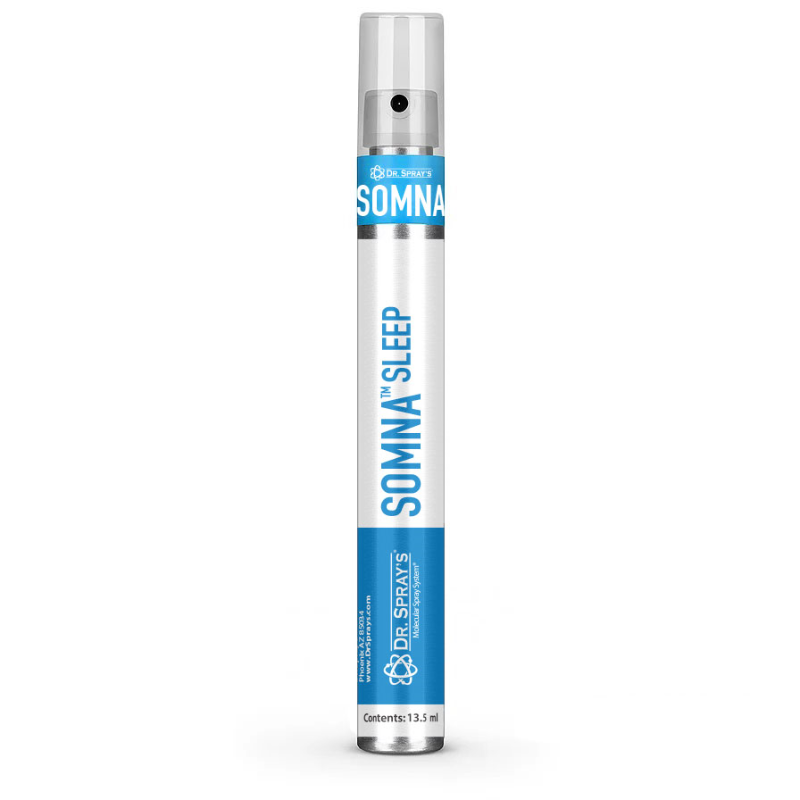
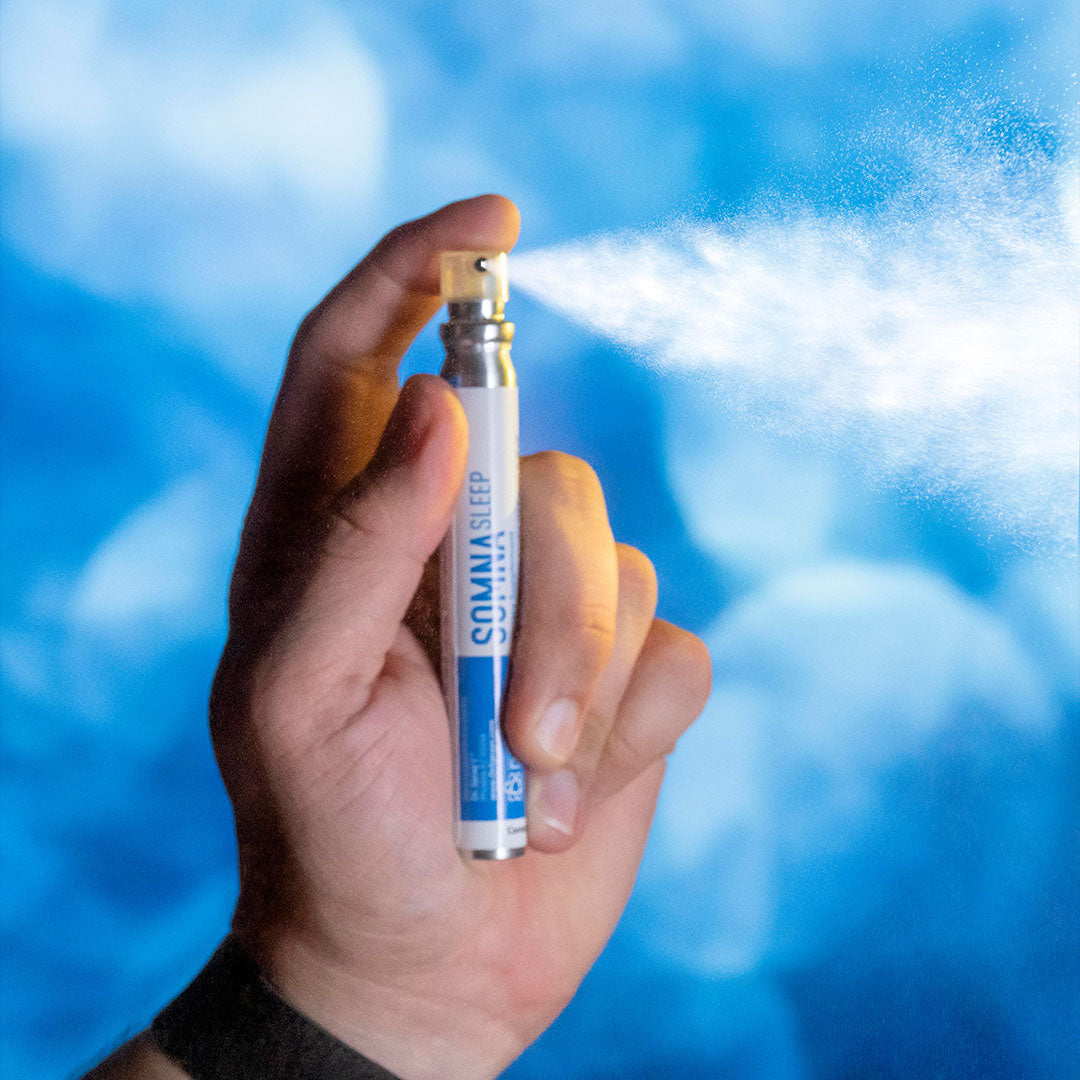
A 2023 pharmacokinetic study comparing oral and oromucosal melatonin formulations (PubMed 37438493) reported meaningfully different Cmax (peak plasma concentration) and Tmax (time to peak) values between the two routes, supporting the mechanistic argument for faster, more consistent uptake via the oromucosal route. Dr. Spray's SOMNA uses this same sublingual approach with its Molecular Spray System®, formulated and manufactured in a GMP-certified facility in Phoenix, AZ.
Head-to-Head Comparison
| Factor | Melatonin Pill | Sublingual Spray |
|---|---|---|
| Route | Swallowed, absorbed via gut | Absorbed through oral mucosa |
| First-pass liver metabolism | Yes — large fraction destroyed | Bypassed on initial absorption |
| Typical bioavailability | ~10–15% (wide individual range) | Higher and more consistent |
| Typical onset | 30–60 minutes | 15–30 minutes |
| Dose precision | Fixed per tablet | Adjustable per spray |
| Common side effects | Morning grogginess at higher doses | Lower doses usually sufficient |
What the Research Says About Dose and Onset
The irony of the melatonin pill market is that most products are dosed at 3–10mg — far higher than needed. Zhdanova and colleagues (2001) demonstrated that 0.3mg of melatonin is essentially as effective as 3mg for sleep onset in healthy adults, and physiological peak nighttime melatonin is only around 0.1–0.3mg worth of circulating hormone. Because pill bioavailability is so low, manufacturers compensate by megadosing — which can push people into supraphysiological levels that cause next-day grogginess and receptor desensitization.
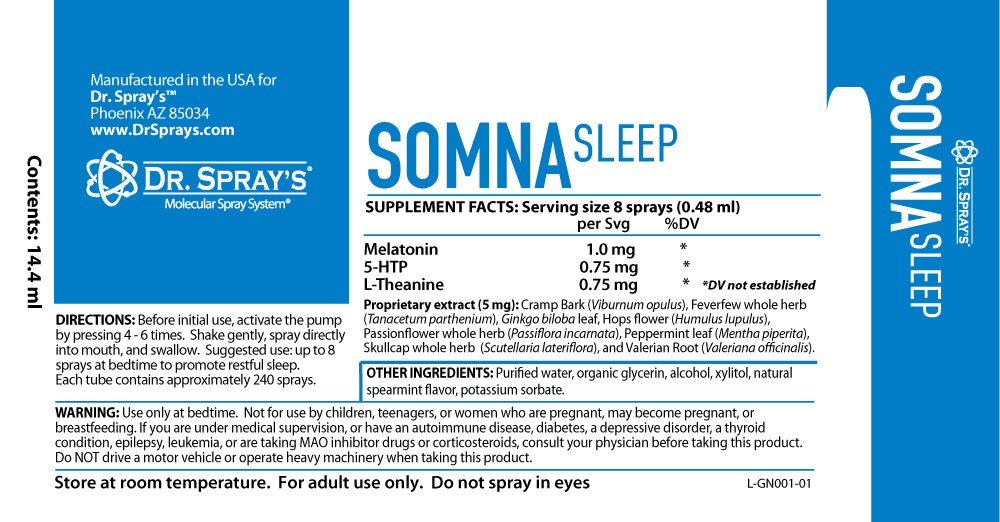
A sublingual spray lets you start at a lower effective dose (like SOMNA's 1mg) and actually feel the physiological signal you were aiming for. For more on dose selection, see our melatonin dosage guide.
Side Effects and Safety
Both forms are generally well tolerated in short-term use. Reported side effects of melatonin overall include headache, dizziness, nausea, and daytime grogginess — most of which are dose-dependent. Because sublingual delivery can achieve a useful effect at lower doses, it may reduce the likelihood of waking up "hungover." Melatonin is not a sedative and is not a treatment for insomnia; it's a circadian signal that may help shift sleep timing. Talk to a clinician if you're pregnant, taking blood thinners, or on immunosuppressants.
Practical Implications: Which Should You Choose?
- You want faster onset: Spray wins — oromucosal absorption typically kicks in within 15–30 minutes.
- You want lower, more physiological doses: Spray — per-spray dosing lets you titrate.
- You wake up groggy from pills: Try a low-dose sublingual (1mg or less).
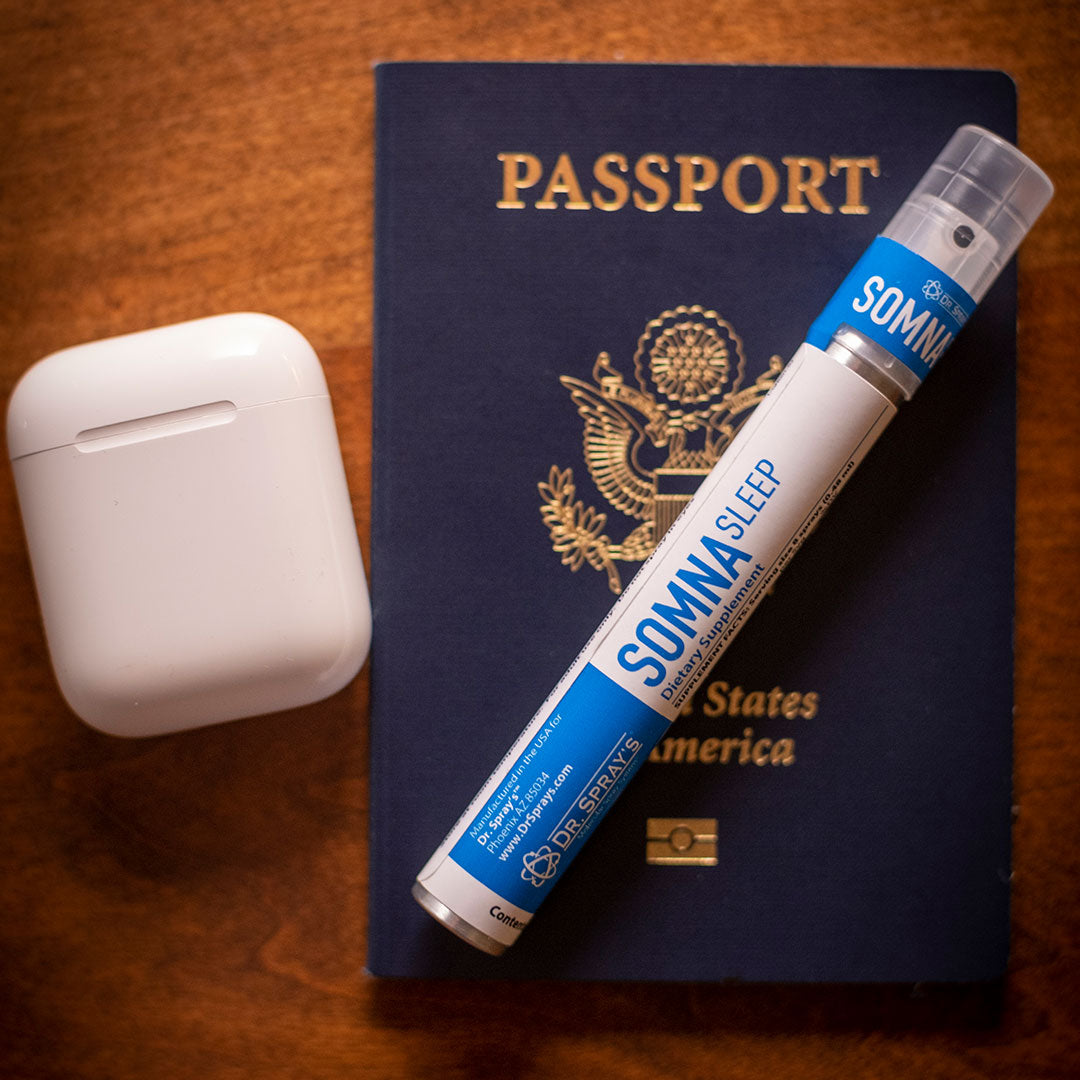
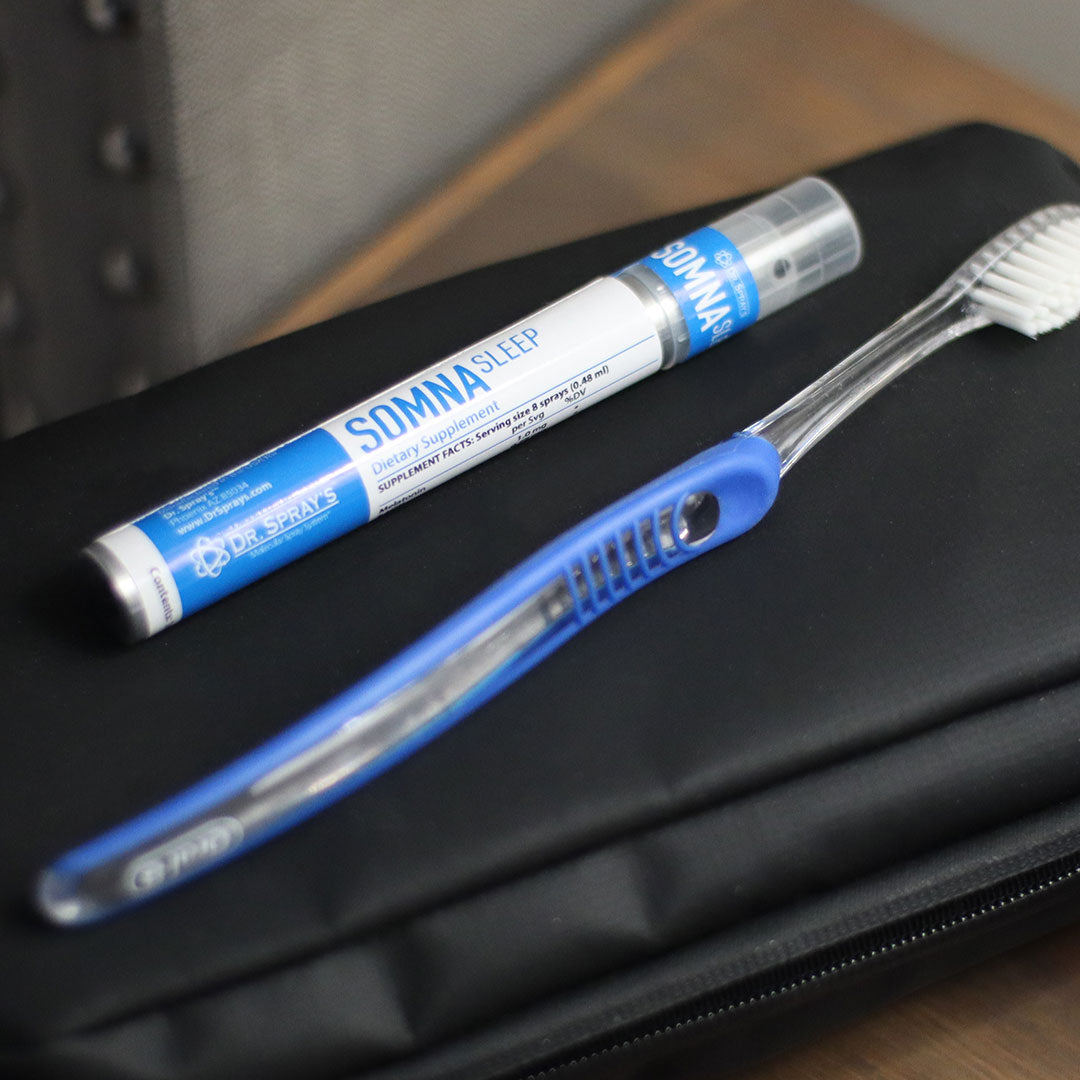
- You travel a lot: Sprays are TSA-friendly, don't need water, and don't require swallowing.
- You have GI issues or take medications that affect stomach emptying: Sublingual avoids those variables.
For a deeper look at why sublingual matters, read our explainer on whether sublingual melatonin works better and how spray vitamins compare to pills more broadly.
Frequently Asked Questions
Is melatonin spray stronger than a pill?
Not stronger — more efficient. A 1mg sublingual spray can deliver a comparable effective dose to a higher-milligram pill because less is lost to first-pass metabolism.
How long does melatonin spray take to work?
Most people feel the effect within 15–30 minutes. Individual response varies with body weight, recent meals, and baseline sleep pressure.
Can I take melatonin spray every night?
Melatonin is generally considered safe for short-term use. Long-term nightly use hasn't been as extensively studied — many sleep specialists recommend it for short stretches (jet lag, shift changes, occasional sleeplessness) rather than indefinitely.
Does melatonin spray taste bad?
Formulations vary. SOMNA is flavored and designed for palatability while keeping the active ingredients sublingually absorbable.
Can I use melatonin spray with other sleep supplements?
SOMNA already pairs melatonin with L-theanine and valerian, two ingredients often used for relaxation. Stacking additional sedating supplements can increase grogginess — start low.
Is a 1mg dose really enough?
For most adults, yes. Zhdanova (2001) and related research suggest sub-milligram to 1mg doses are often sufficient for sleep onset when delivered efficiently.
Try SOMNA Sleep Spray
Developed by Dr. Clive Spray and built on the Molecular Spray System®, SOMNA pairs 1mg of melatonin with L-theanine and valerian in a sublingual format designed for fast, consistent absorption. Manufactured in a GMP-certified facility in Phoenix, AZ.
This article is for educational purposes and is not medical advice. Consult your physician about sleep issues or before starting any supplement.