Quick Answer
Sleep sprays absorb in under 60 seconds through the sublingual membrane, while gummies take 20-30 minutes to pass through the digestive system. Sprays contain zero sugar, zero artificial colors, and deliver precise doses — gummies pack 2-3 grams of sugar per serving along with corn syrup, artificial dyes, and wax coatings.
The sleep supplement market has exploded, but most consumers don't realize that the delivery method affects how much active ingredient actually reaches their bloodstream — or that the sugar in their "healthy" sleep gummy may be actively working against their sleep goals.
The Rise of Sleep Supplements
Americans are sleeping worse than ever, and the numbers prove it. The Centers for Disease Control and Prevention reports that one in three American adults doesn't get the recommended seven hours of sleep per night. The American Academy of Sleep Medicine estimates that insomnia symptoms affect 30-35% of the adult population.
The response has been an explosion in the sleep supplement market. Grand View Research valued the global sleep aids market at $78.7 billion in 2023, with natural and over-the-counter supplements representing the fastest-growing segment. Consumers are increasingly moving away from prescription sleep medications — with their dependency risks, next-day grogginess, and troubling side effects — toward supplements they perceive as safer and more natural.
Within this booming market, two delivery formats have emerged as the dominant consumer choices: gummies and sprays. Gummies currently hold the larger market share, driven by aggressive marketing and the simple fact that they taste like candy. But a growing number of consumers are switching to spray delivery once they understand what's actually in their gummies — and how much of the active ingredient they're losing to digestion.
This article provides a complete, evidence-based comparison of sleep sprays versus sleep gummies across every dimension that matters: absorption speed, ingredient purity, sugar content, dosing accuracy, dental impact, and overall effectiveness.
How Sleep Gummies Work
Sleep gummies are essentially candy that contains a sleep-promoting ingredient — usually melatonin, sometimes with additions like magnesium, L-theanine, or herbal extracts. To understand their limitations, you need to understand what happens after you chew and swallow one.
The Digestive Journey
When you eat a sleep gummy, it enters your stomach, where hydrochloric acid (pH 1.5-3.5) begins breaking down the gelatin or pectin matrix. The active ingredients must survive this acidic environment, then pass into the small intestine, where they're absorbed through the intestinal wall into the portal vein. From there, they travel to the liver for first-pass metabolism — a process where enzymes modify and sometimes deactivate a percentage of the compound before it reaches systemic circulation.
This entire process takes 20 to 30 minutes under optimal conditions. If you've eaten a meal recently, gastric emptying slows, and the timeline can stretch to 45 minutes or longer. This means the gummy you take at 10 PM might not begin working until 10:30 or 10:45 PM — assuming your digestive system is functioning normally.
The Gelatin and Pectin Matrix
The gummy format itself creates pharmaceutical challenges. Active ingredients must be stable within a gelatin (animal-derived) or pectin (plant-derived) matrix that also contains sugar, corn syrup, citric acid, colorants, and flavoring agents. This complex mixture can affect the stability and release profile of the active ingredient. Studies have shown that some vitamins degrade over time within gummy matrices more rapidly than in tablet or capsule form due to moisture and pH interactions (Srinivasan & Blanchard, 2014).
Dose Variability
A 2017 study published in the Journal of Clinical Sleep Medicine tested 31 melatonin supplements and found that the actual melatonin content ranged from -83% to +478% of what was listed on the label (Erland & Saxena, 2017). Gummies were among the worst performers for dosing accuracy because the manufacturing process — mixing active ingredients into a viscous, heated sugar base and depositing them into molds — makes uniform distribution inherently difficult.
This means the 5 mg of melatonin listed on your gummy label might actually be delivering anywhere from 1 mg to 25 mg on any given night. That kind of variability makes it nearly impossible to dial in an effective dose or understand why the product works some nights but not others.
How Sleep Spray Works
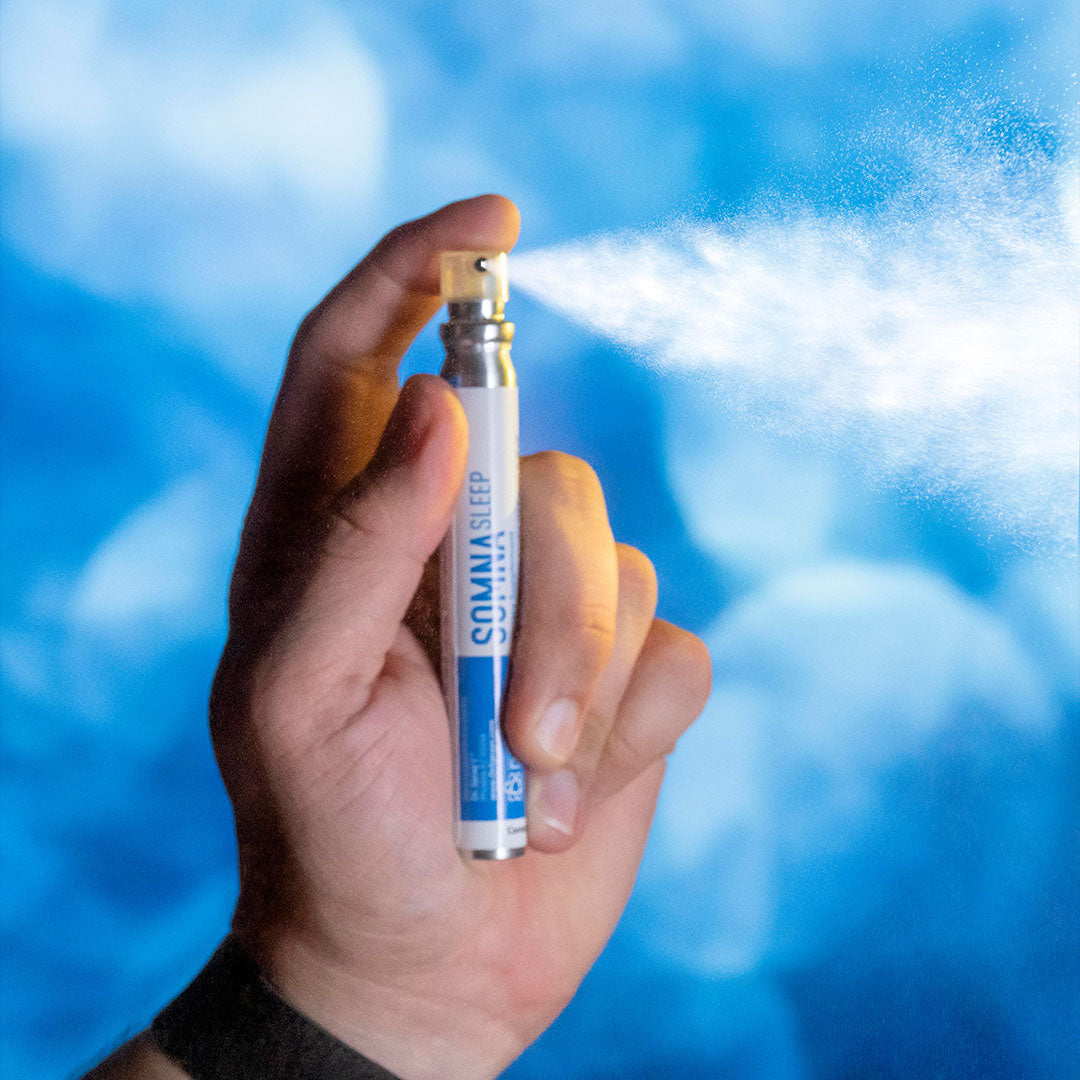
A sublingual sleep spray delivers active ingredients directly through the tissue under the tongue — one of the most absorptive surfaces in the human body. The sublingual mucosa is thin, highly vascularized, and connects directly to the bloodstream via the sublingual vein, which feeds into the internal jugular vein and then to general circulation.
30-Second Absorption
When you spray a supplement under your tongue, the active compounds begin absorbing through the mucosa almost immediately. Unlike the 20-30 minute digestive journey of a gummy, sublingual delivery can achieve detectable blood levels within 30 to 60 seconds. Pharmaceutical research has documented the speed of sublingual absorption extensively — it's the same mechanism used for nitroglycerin in cardiac emergencies, where every second matters (Narang & Sharma, 2011).
Bypassing First-Pass Metabolism
Because sublingual absorption enters the bloodstream directly — bypassing the stomach, intestines, and liver — it avoids first-pass metabolism entirely. This means a higher percentage of the active ingredient reaches circulation in its original, active form. For compounds like melatonin, which undergo significant hepatic metabolism when taken orally, this difference can be meaningful in terms of effective dosing.
No Digestion Required
Sublingual absorption is independent of digestive function. It works equally well whether you've just eaten a large meal or haven't eaten in hours. It's unaffected by stomach acid levels, intestinal motility, enzyme activity, or any of the other variables that influence oral bioavailability. This consistency is a significant advantage for people with digestive issues, food sensitivities, or inconsistent eating schedules.
The Sugar Problem
This is the elephant in the room that gummy manufacturers don't want you to think about: every sleep gummy you take contains sugar — and sugar actively interferes with sleep.
How Much Sugar Are You Eating?
A standard serving of sleep gummies (typically 2 gummies) contains 2 to 3 grams of sugar. That's roughly half a teaspoon of sugar you're consuming right before bed, along with corn syrup, glucose syrup, or other caloric sweeteners that make the gummy taste appealing.
While 2-3 grams might sound trivial, research published in the Journal of Clinical Sleep Medicine found that higher sugar intake was associated with more nighttime arousals and less restorative slow-wave sleep (St-Onge et al., 2016). Sugar consumption triggers a glycemic response — a rise in blood glucose followed by an insulin spike — which can disrupt the hormonal environment needed for sustained sleep.
Sugar and Cortisol
The blood sugar fluctuation caused by pre-bed sugar consumption can trigger a cortisol release as the body works to stabilize glucose levels. Cortisol is the primary stress hormone and a direct antagonist of melatonin. Taking a supplement designed to help you sleep while simultaneously consuming an ingredient that elevates your stress hormone is pharmacologically counterproductive.
Added Colors and Artificial Ingredients
To achieve their candy-like appearance, most sleep gummies contain artificial or synthetic colors — FD&C Blue No. 1, Red No. 40, Yellow No. 5, and others. While these additives are FDA-approved for food use, they serve zero therapeutic purpose and are included purely for aesthetic appeal. A growing body of consumer health literature questions the necessity of artificial dyes in health products, particularly for children.
Sleep sprays, by contrast, require no coloring agents. There's no visual expectation to meet — you spray it under your tongue, not into a decorative jar on your nightstand.
Head-to-Head Comparison
| Category | Sleep Spray | Sleep Gummies |
|---|---|---|
| Onset time | 30-60 seconds | 20-30 minutes |
| Sugar per dose | 0 g | 2-3 g |
| Calories per dose | 0 | 10-15 |
| Absorption pathway | Sublingual (direct to bloodstream) | Digestive (stomach → intestine → liver) |
| Dose precision | High (calibrated pump) | Low (up to 478% variance) |
| Dental impact | None | Sugar + citric acid erode enamel |
| Portability | Compact bottle, TSA-friendly | Bulky jar, can melt in heat |
| Ingredient purity | Active ingredients + natural flavoring | Active ingredients + sugar, corn syrup, dyes, wax |
| Common allergens | Typically none | Gelatin (animal), soy lecithin, tree nuts (varies) |
| Vegan options | Most sprays are vegan | Limited (pectin-based only) |
What's Actually in Your Sleep Gummies?
Most consumers buy sleep gummies for the melatonin. But melatonin is a tiny fraction of what they're actually eating. Let's look at the typical inactive ingredient list of a popular sleep gummy — ingredients that serve the gummy format, not your health.
Corn Syrup and Sugar
These are typically the first two ingredients by weight, meaning there's more sugar than active ingredient in every gummy. Corn syrup serves as the base of the gummy matrix and is essential for the chewy texture consumers expect. It also contributes to the glycemic impact discussed earlier.
Artificial Colors
FD&C Blue No. 1, Red No. 40, Yellow No. 5 and No. 6 are common additions. These synthetic petroleum-derived dyes make gummies visually appealing but contribute nothing to their therapeutic value. Some European countries have required warning labels on products containing these dyes due to concerns about hyperactivity in children — ironic for a product meant to promote calm and sleep.
Carnauba Wax
A coating agent derived from palm leaves, carnauba wax gives gummies their glossy appearance and prevents them from sticking together in the jar. It's the same wax used to coat car paint and dental floss. While not harmful, it's another non-therapeutic ingredient you're ingesting.
Citric Acid
Added for tartness and flavor balance, citric acid is a significant concern for dental health. Consuming acidic compounds before bed — after you've (presumably) already brushed your teeth — creates an acidic oral environment that promotes enamel erosion. The American Dental Association has noted that acidic gummy supplements can contribute to tooth decay, particularly when consumed at night when saliva production is reduced (Marshall et al., 2003).
Gelatin
Most gummies use gelatin derived from animal collagen — typically pork or beef. This makes standard gummies unsuitable for vegetarians, vegans, and individuals with religious dietary restrictions. Pectin-based alternatives exist but are less common and often more expensive.
Natural and Artificial Flavors
"Natural flavors" is a category that can include hundreds of chemical compounds, many of which bear little resemblance to the fruit depicted on the label. The FDA definition of "natural flavor" is broad enough to include any flavoring derived from plant or animal sources, regardless of how heavily processed it is.
Sleep Without the Sugar and Junk
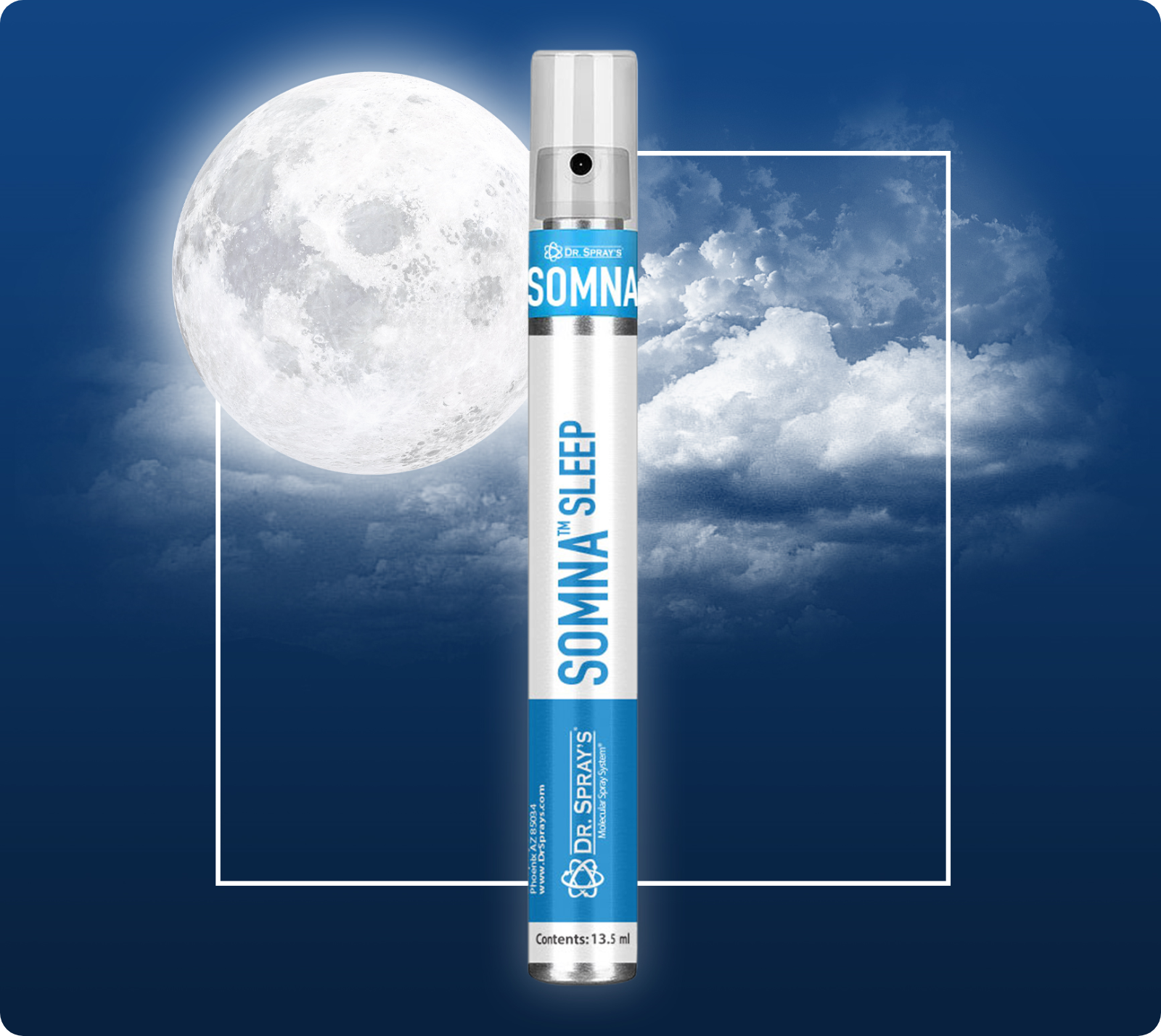
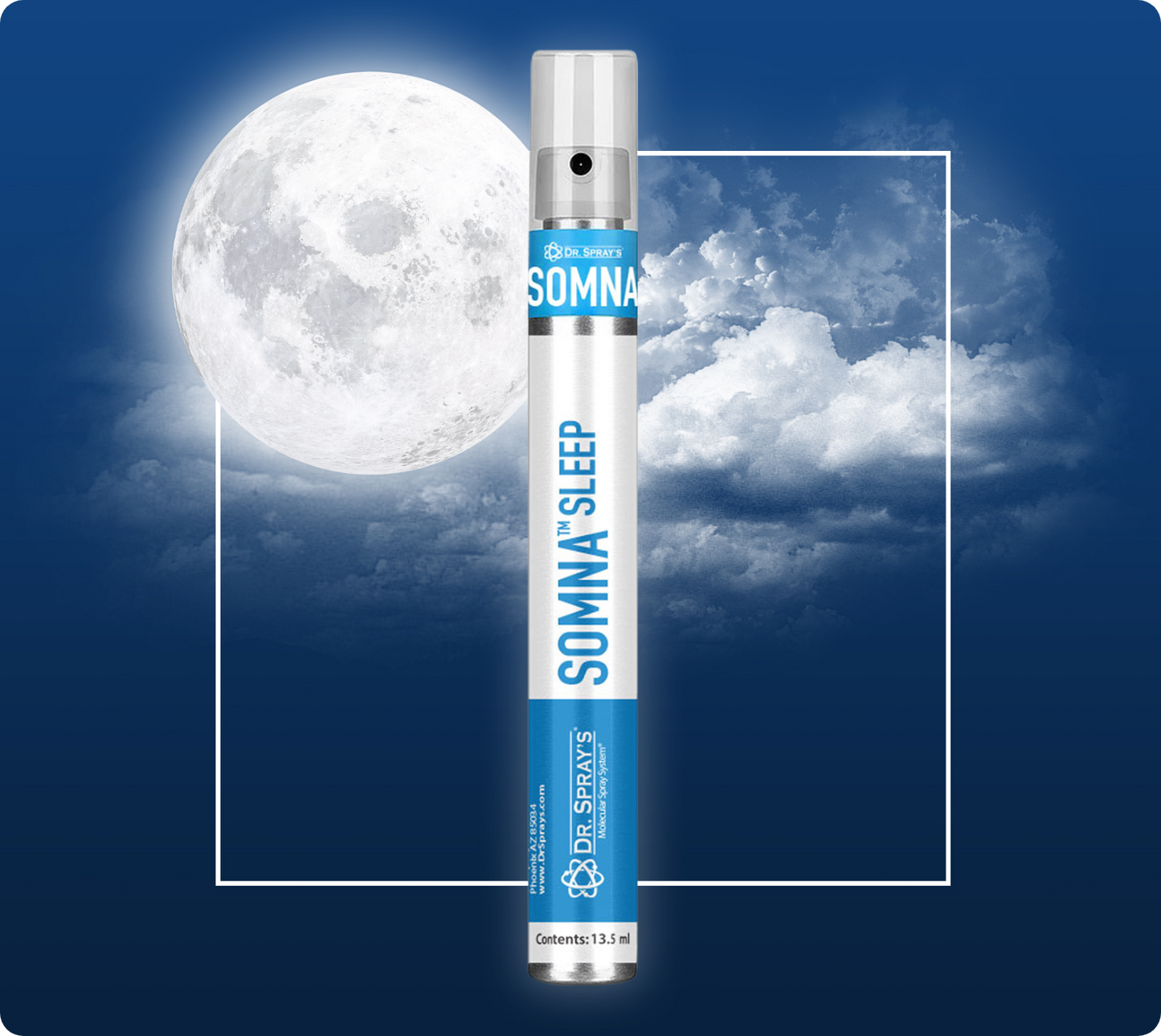
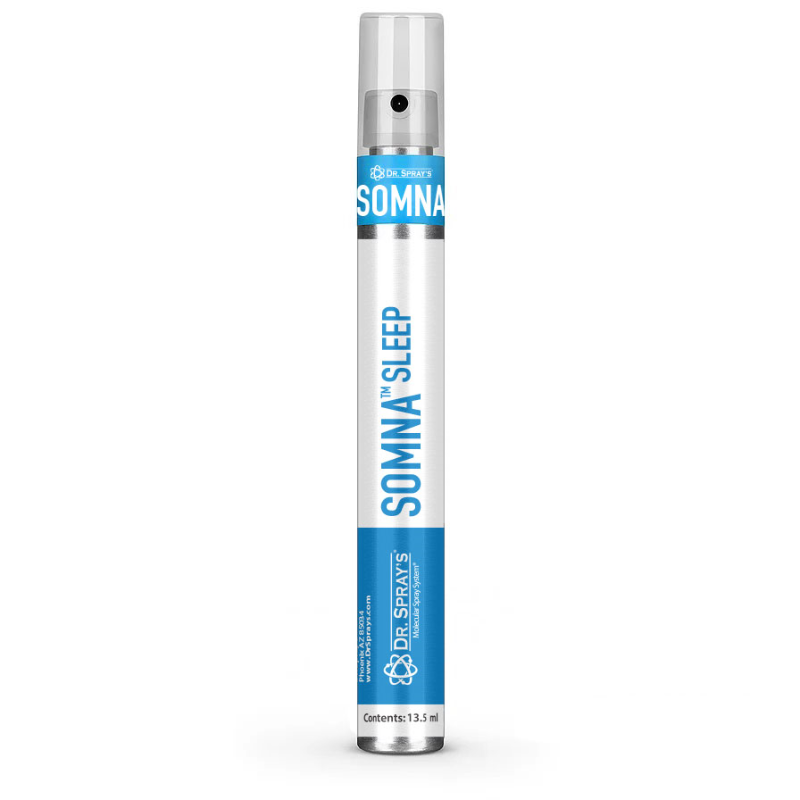
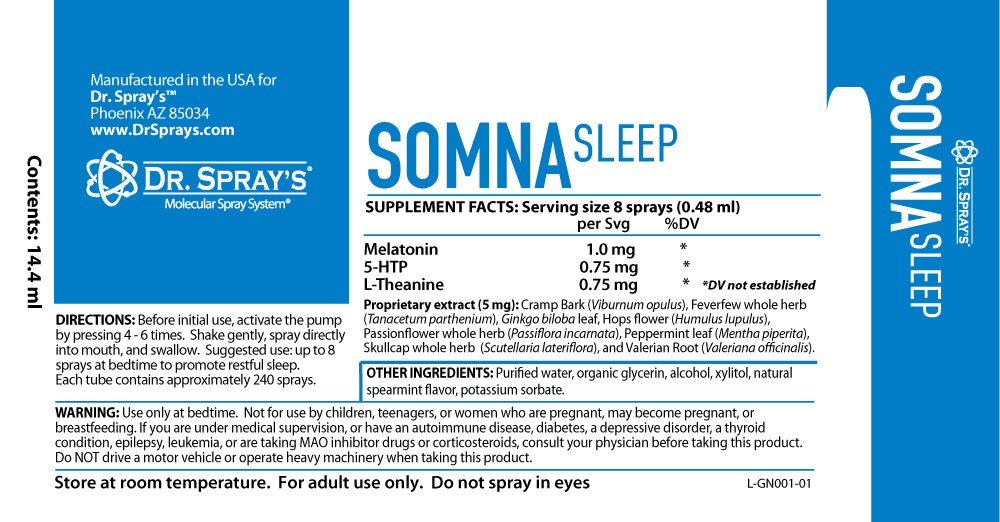
SOMNA Sleep Spray delivers melatonin, L-theanine, and magnesium in a clean, sugar-free sublingual formula. No corn syrup, no artificial colors, no wax coatings, no gelatin — just the ingredients that actually help you sleep.
- Doctor-developed formula
- Sublingual spray — absorbs in seconds
- Made in FDA-registered facility in Phoenix, AZ
- 100% money-back guarantee
Why People Are Switching to Sleep Spray
The shift from gummies to spray delivery is being driven by four converging trends in consumer health:
Health consciousness. As consumers become more ingredient-aware, the sugar, corn syrup, and artificial dyes in gummies increasingly feel at odds with a health-focused lifestyle. People taking sleep supplements are generally health-conscious — they read labels, avoid processed foods, and question unnecessary additives. Once they realize their "health supplement" is essentially fortified candy, the appeal fades.
Speed. In the age of on-demand everything, waiting 30 minutes for a gummy to dissolve and absorb feels unnecessary — especially when you're lying in bed unable to sleep and watching the minutes tick by. Spray delivery provides near-immediate relief, which is particularly valuable during the anxious moments of acute insomnia.
Dental concerns. Dentists have become increasingly vocal about the impact of gummy supplements on dental health. A 2020 article in the Journal of the American Dental Association highlighted the risks of sugary, acidic supplements consumed between brushings, noting that gummy supplements can be as damaging to enamel as gummy candy (Liska et al., 2019). For a product taken at bedtime — the worst possible time for dental exposure to sugar and acid — this is a meaningful concern.
Dose control. Gummies are notoriously imprecise. Breaking a gummy in half to adjust your dose doesn't give you half the active ingredient — it gives you an unknown fraction, since the active ingredient isn't uniformly distributed throughout the gummy matrix. Spray delivery allows precise, incremental dosing: one spray for a lighter dose, two for a standard dose, with each spray delivering a calibrated amount.
Dr. Spray's SOMNA vs. Popular Sleep Gummies
How does a doctor-developed sleep spray compare to the gummy brands dominating store shelves? Here's an honest look at the key differentiators.
Dr. Spray's SOMNA Sleep Spray
Developed by a physician in Phoenix, AZ, SOMNA is formulated specifically for sublingual delivery. It combines melatonin with complementary sleep-supporting ingredients including L-theanine and magnesium. Key differentiators: zero sugar, zero calories, no artificial colors or corn syrup, sublingual absorption in under 60 seconds, manufactured in an FDA-registered facility. The formula is designed for bioavailability first and taste second — a fundamental inversion of the gummy approach.
Olly Sleep Gummies
Olly is one of the most recognized gummy brands. Their Sleep formula contains 3 mg melatonin, L-theanine, and botanicals (chamomile, passionflower, lemon balm). However, each serving also delivers 2 grams of sugar via glucose syrup and sucrose, along with gelatin, citric acid, natural flavors, colors (purple carrot juice concentrate, turmeric), and carnauba wax. The melatonin must survive digestive processing, and the sugar content works against the product's sleep-promoting purpose.
Natrol Melatonin Gummies
Natrol is a longtime melatonin brand. Their gummy format contains 5 mg or 10 mg of melatonin per serving — doses that many sleep researchers consider excessive for general use. The American Academy of Sleep Medicine suggests that 1-3 mg is often sufficient, and higher doses can cause next-day grogginess and may disrupt the body's natural melatonin rhythm over time (Auld et al., 2017). Each Natrol serving includes 3 grams of sugar, corn syrup, gelatin, citric acid, and artificial flavors. The high-dose approach combined with poor dosing precision (the Erland & Saxena study found massive label-to-content variance in gummy melatonin) creates a significant consistency problem.
ZzzQuil Pure Zzzs Melatonin Gummies
Made by the same company that produces NyQuil, ZzzQuil Pure Zzzs contains 1-2 mg melatonin with botanical blends (lavender, chamomile, valerian). The lower melatonin dose is more aligned with current clinical recommendations. However, the gummy format still introduces sugar (2g per serving), corn syrup, gelatin, artificial flavoring, and colors. The brand trades heavily on the ZzzQuil/NyQuil name recognition, but the product itself faces the same absorption, sugar, and precision limitations inherent to all gummies.
The pattern across all three gummy brands is consistent: the active sleep ingredient is wrapped in a delivery system that adds sugar, delays absorption, reduces dosing precision, and introduces unnecessary additives. The spray format eliminates every one of these compromises.
Make the Switch Tonight
Join the thousands of people switching from sugar-loaded gummies to clean, fast-acting sleep spray. SOMNA delivers doctor-formulated sleep support in seconds — no sugar, no artificial colors, no compromise.
- Doctor-developed formula
- Sublingual spray — absorbs in seconds
- Made in FDA-registered facility in Phoenix, AZ
- 100% money-back guarantee
Frequently Asked Questions
Are sleep sprays as effective as gummies?
Sleep sprays can be more effective than gummies because sublingual absorption delivers a higher percentage of the active ingredient directly to the bloodstream. Gummies must survive stomach acid and first-pass liver metabolism, which can degrade a portion of the melatonin or other active compounds before they reach circulation. The faster onset of spray delivery (seconds vs. 20-30 minutes) also means better timing alignment with your natural sleep window.
Do sleep gummies cause cavities?
Sleep gummies can contribute to dental problems when taken at bedtime. They contain sugar and citric acid — both of which promote enamel erosion and bacterial growth. Taking them after you've brushed your teeth for the night is particularly problematic because saliva production decreases during sleep, reducing the mouth's natural acid-buffering and cleaning capacity. The American Dental Association has flagged sugary gummy supplements as a dental health concern (Marshall et al., 2003).
Can I travel with sleep spray?
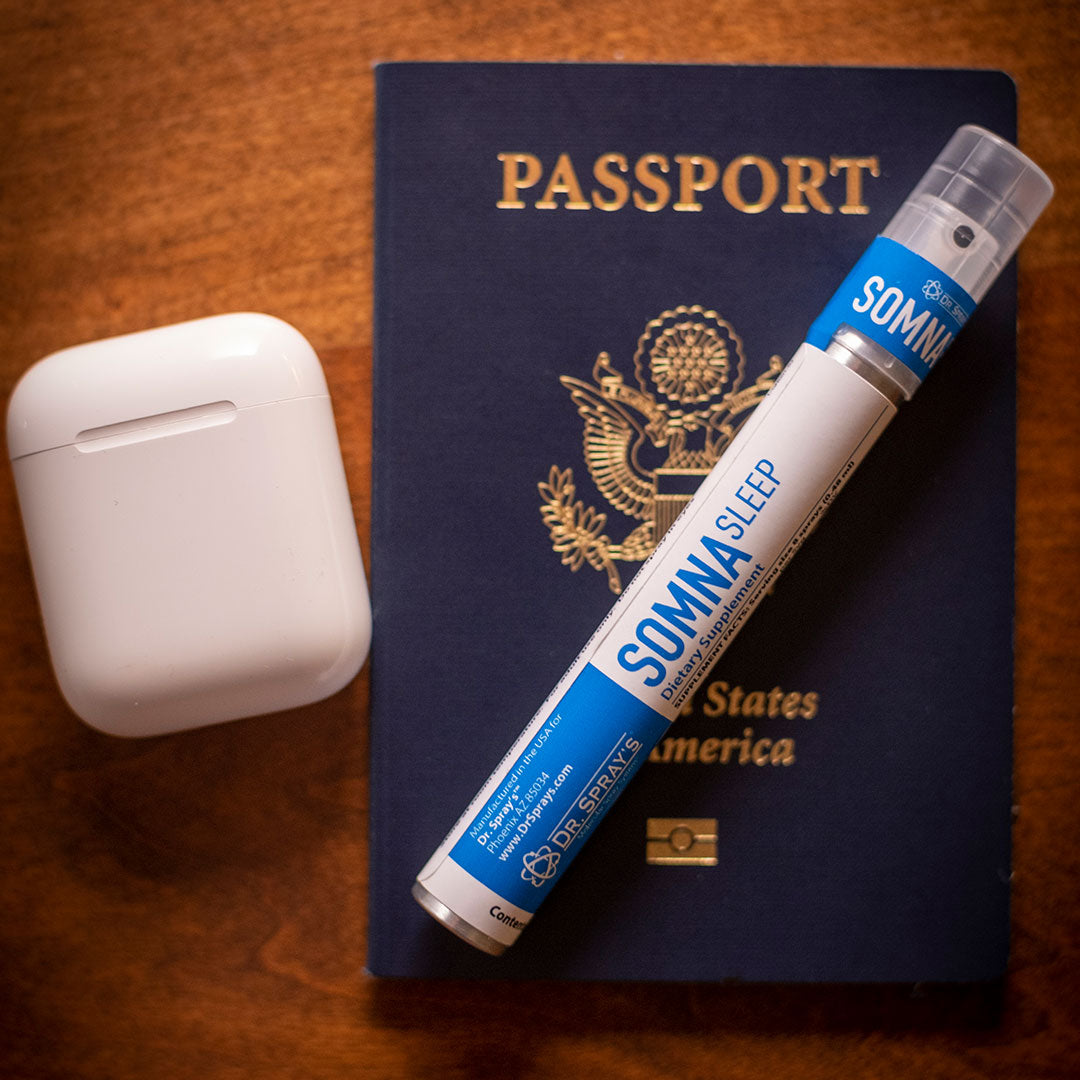
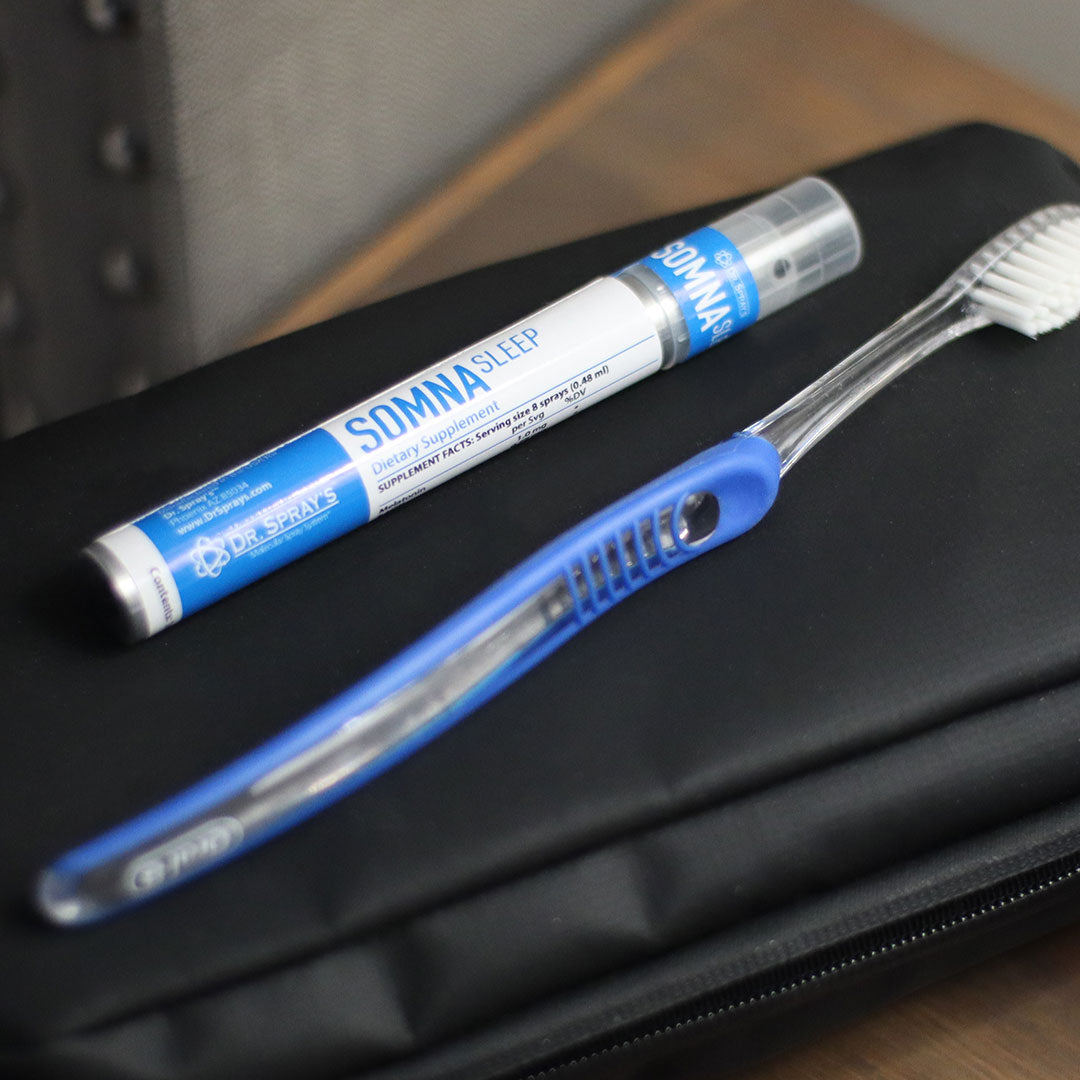
Yes. Sleep spray bottles are compact, lightweight, and TSA-compliant for carry-on luggage (they're well under the 3.4 oz liquid limit). They won't melt in a hot car or suitcase like gummies can, and they don't require water to take. This makes them ideal for travel — especially across time zones, where melatonin timing is particularly important for managing jet lag.
Are sleep gummies bad for you?
Sleep gummies aren't dangerous for most people, but they contain ingredients that are counterproductive to sleep goals. The 2-3 grams of sugar per serving can trigger blood glucose fluctuations and cortisol responses that interfere with sleep onset. Artificial colors serve no health purpose. And the dosing variability documented in the Erland & Saxena study means you may not be getting what you think you're getting. For occasional use, they're unlikely to cause harm. For daily sleep support, a cleaner delivery method makes more sense.
Why are sleep gummies so popular if sprays are better?
Marketing and taste. Gummies taste like candy, which creates a strong consumer preference — especially among people who dislike swallowing pills. The gummy supplement market benefits from billions in advertising spending and prime shelf placement at major retailers. Spray delivery is newer to the consumer supplement market, though it's been standard in pharmaceutical applications for decades. As consumer awareness of the sugar content, dosing variability, and absorption differences grows, the market is shifting. The fastest-growing segment of the supplement delivery market is now non-gummy alternatives, including sprays, drops, and sublingual tablets.
References
- Erland LA, Saxena PK. Melatonin Natural Health Products and Supplements: Presence of Serotonin and Significant Variability of Melatonin Content. Journal of Clinical Sleep Medicine. 2017;13(2):275-281.
- St-Onge MP, Roberts A, Shechter A, Choudhury AR. Fiber and Saturated Fat Are Associated with Sleep Arousals and Slow Wave Sleep. Journal of Clinical Sleep Medicine. 2016;12(1):19-24.
- Narang N, Sharma J. Sublingual mucosa as a route for systemic drug delivery. International Journal of Pharmacy and Pharmaceutical Sciences. 2011;3(Suppl 2):18-22.
- Srinivasan VS, Blanchard J. Bioavailability of nutrients and other bioactive components from dietary supplements: Conference summary and discussion. The Journal of Nutrition. 2014;134(4):S499-S502.
- Marshall TA, Levy SM, Broffitt B, et al. Dental caries and beverage consumption in young children. Pediatrics. 2003;112(3):e184-e191.
- Auld F, Maschauer EL, Morrison I, Skene DJ, Riha RL. Evidence for the efficacy of melatonin in the treatment of primary adult sleep disorders. Sleep Medicine Reviews. 2017;34:10-22.
- Liska D, Lyon M, Jones DS. Detoxification and biotransformational imbalances. Explore. 2006;2(2):122-140.
- Centers for Disease Control and Prevention. Sleep and Sleep Disorders: Data and Statistics. CDC website. Updated 2024.
- Grand View Research. Sleep Aids Market Size, Share & Trends Analysis Report. 2024.