Quick Answer
Spray vitamins deliver dramatically higher absorption rates than pills — up to 90% for sublingual sprays versus 10-20% for standard oral tablets — because they bypass the digestive system and liver metabolism entirely.
Vitamin pills must survive stomach acid, dissolve in the intestine, and pass through the liver before reaching your bloodstream. At each stage, a significant percentage of the active ingredient is lost. Spray vitamins absorb directly through the tissue under your tongue, delivering more of what you paid for to the cells that need it.
The Problem with Vitamin Pills
Americans spend over $50 billion per year on dietary supplements, with pills and capsules accounting for the vast majority of sales. Yet a growing body of research suggests that most of this spending is remarkably inefficient — not because the vitamins themselves are ineffective, but because the delivery method wastes the majority of every dose.
Binders, Fillers, and Coatings
A vitamin pill is far more than just the vitamin. To compress nutrients into a swallowable tablet, manufacturers add binders (to hold the tablet together), fillers (to achieve a workable size), lubricants (to prevent sticking to machinery), disintegrants (to help the tablet break apart), and coatings (to improve swallowability and shelf life).
These inactive ingredients can constitute 50-80% of a tablet's total weight. While they serve manufacturing purposes, they also create a barrier to absorption. The vitamin must first separate from this matrix before it can be absorbed — and research shows this does not always happen effectively. A study published in the Journal of Pharmaceutical Sciences found that some multivitamin tablets failed to fully disintegrate within the standard 30-minute dissolution window, meaning the nutrients passed through the GI tract without ever being fully released (Augsburger & Shangraw, 1966).
The Stomach Acid Gauntlet
Once swallowed, a vitamin pill enters the stomach, where it encounters hydrochloric acid at a pH of 1.5-3.5 — acidic enough to dissolve metal. While this acid is necessary for breaking down the pill matrix, it also degrades certain nutrients. Vitamin C, folate, and several B vitamins are particularly susceptible to acid degradation, meaning a percentage of these nutrients is destroyed before they even reach the intestine for absorption (Said, 2011).
The problem is compounded in people with low stomach acid — a condition called hypochlorhydria that affects approximately 30% of adults over age 60. Without sufficient acid, pill supplements may not dissolve at all, passing through the stomach intact and providing zero nutritional benefit. Proton pump inhibitors (PPIs), taken by over 15 million Americans, reduce stomach acid by up to 90% and have been shown to significantly impair absorption of B12, iron, calcium, and magnesium from pill supplements (Lam et al., 2013).
First-Pass Liver Metabolism: The Hidden Tax on Every Pill
Even for nutrients that survive stomach acid and are successfully absorbed through the intestinal wall, there is one more major barrier: the liver. Everything absorbed from the GI tract enters the portal vein, which leads directly to the liver before connecting to general circulation. This is called first-pass metabolism, and it is where the majority of most oral vitamin doses are lost.
The liver treats many vitamins and supplements as foreign substances, metabolizing them through cytochrome P450 enzymes and other pathways. For some nutrients, first-pass metabolism eliminates 50-90% of the absorbed dose. Research on oral melatonin, for example, found that only 15% survives first-pass metabolism — meaning 85% is destroyed by the liver before it can do its job (DeMuro et al., 2000).
The net result of these combined losses — incomplete dissolution, acid degradation, limited intestinal absorption, and first-pass metabolism — is that only 10-20% of a typical vitamin pill's stated dose actually reaches your bloodstream. For some nutrients, the figure is even lower.
The 10-20% Problem
When researchers measure the actual bioavailability of standard vitamin pills, the numbers are sobering. Oral vitamin B12 absorption is approximately 1.2% in healthy adults (Berlin et al., 1968). Oral vitamin D3 bioavailability varies from 50-80% but drops significantly without co-ingestion of dietary fat (Grossmann & Tangpricha, 2010). Many multivitamin pills show overall nutrient utilization rates of 10-20% across their constituent vitamins.
This means that when you take a vitamin pill, you are paying for 100% of the dose but receiving the benefit of only 10-20%. The remaining 80-90% is either destroyed by stomach acid, passed unabsorbed through the intestine, or metabolized by the liver — and eventually excreted.
Stop Wasting 80% of Your Vitamins
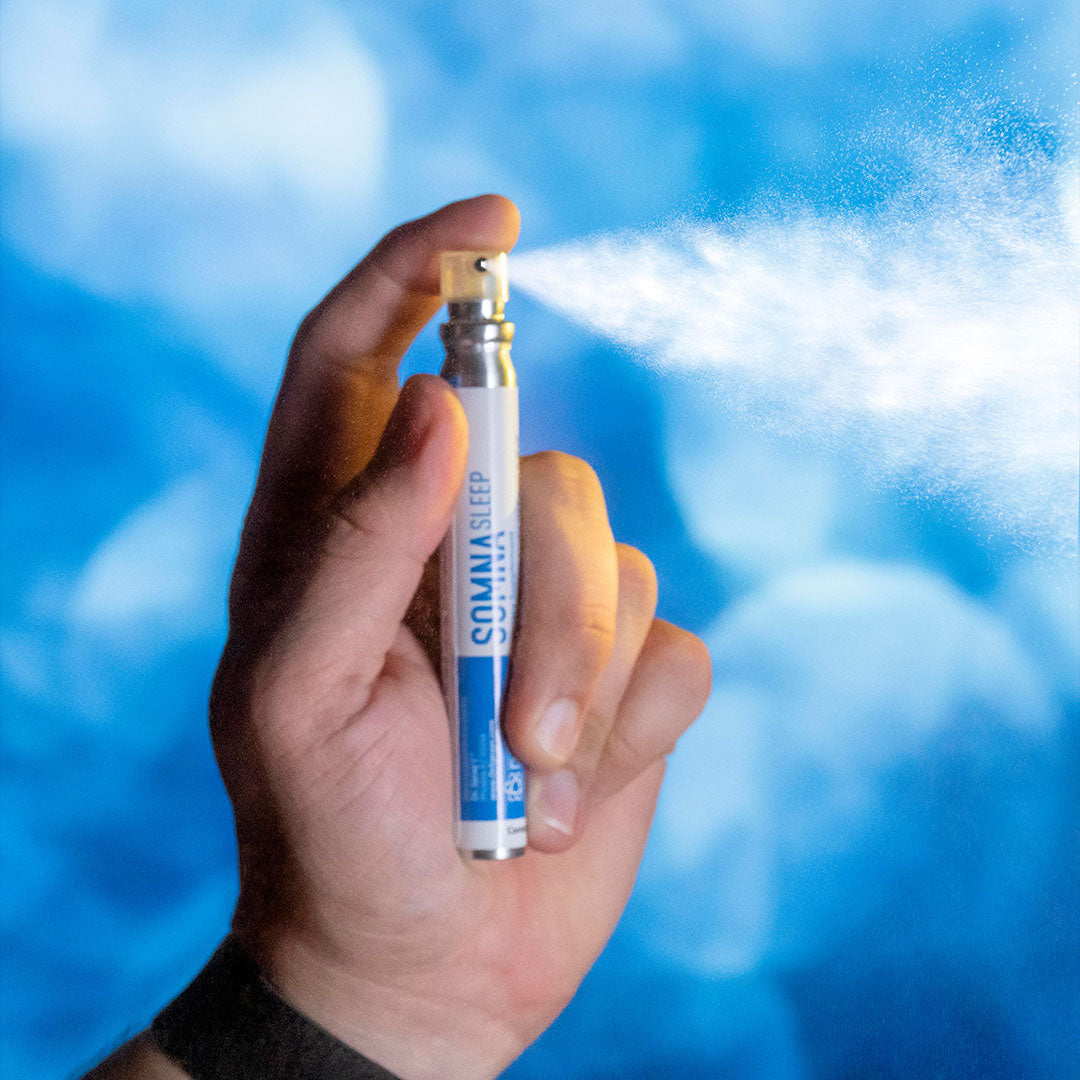
Dr. Spray's sublingual vitamin sprays deliver nutrients directly through the membrane under your tongue — bypassing the stomach, intestine, and liver entirely. From Vitamin B12 to Vitamin D3, experience what real absorption feels like.
- Doctor-developed, non-habit forming
- Sublingual spray — absorbs in seconds
- Made in FDA-registered facility in Phoenix, AZ
- 100% money-back guarantee
How Spray Vitamins Solve This
Sublingual spray vitamins take an entirely different route to your bloodstream — one that avoids every single bottleneck described above.
When you spray a vitamin under your tongue, the liquid formulation contacts the sublingual mucosa, a thin membrane measuring only 100-200 micrometers thick. This tissue is densely packed with blood vessels — the sublingual artery and its branching capillary network sit just beneath the surface epithelium. Nutrients diffuse through this thin barrier and enter the bloodstream directly, within seconds of application.
There is no pill to dissolve. No stomach acid to survive. No intestinal transit to complete. And critically, no first-pass liver metabolism to reduce the dose. Nutrients absorbed sublingually enter the jugular vein and then general systemic circulation, completely bypassing the portal vein and the liver.
A comprehensive review in the International Journal of Pharmacy and Pharmaceutical Sciences documented sublingual bioavailability rates of 70-90% for well-formulated preparations — roughly four to nine times higher than the 10-20% typical of oral pills (Narang & Sharma, 2011). The review described the sublingual route as "one of the most preferred routes" for compounds where high bioavailability is important.
The speed difference is equally dramatic. While a vitamin pill takes 30-90 minutes to dissolve, transit through the intestine, and reach the bloodstream, sublingual spray achieves measurable blood levels within 30-60 seconds. For time-sensitive supplements like melatonin (used for sleep onset) or B12 (used for immediate energy support), this speed difference is not just theoretical — it is clinically relevant.
Vitamin-by-Vitamin Comparison
Vitamin B12: From 1.2% to 90% Absorption
Vitamin B12 is the single strongest argument for spray delivery over pills. The oral absorption pathway for B12 is uniquely complex: it requires binding to intrinsic factor (a protein produced by parietal cells in the stomach lining), transport to the ileum (the final section of the small intestine), and receptor-mediated uptake at a very specific location in the gut.
If any step in this chain fails — insufficient intrinsic factor, inadequate stomach acid, ileal disease, or simply too much B12 for the limited receptor sites — the vitamin passes unabsorbed. Research published in the American Journal of Clinical Nutrition documented that oral B12 absorption averages just 1.2% of the administered dose in healthy adults (Berlin et al., 1968). In older adults and those with GI conditions, it can be even lower.
Sublingual B12 spray bypasses this entire chain. The vitamin absorbs directly through the oral mucosa without needing intrinsic factor, stomach acid, or a functional ileum. A randomized trial published in the British Journal of Clinical Pharmacology found that sublingual B12 was equally effective as intramuscular injection for correcting B12 deficiency — achieving equivalent serum levels without needles (Sharabi et al., 2003).
For the estimated 6% of Americans who are B12 deficient and the additional 20% who are marginally deficient, switching from a pill to a spray represents a potential 40-75x increase in actual B12 delivered to the bloodstream per microgram administered.
Vitamin D3: Eliminating the Fat Requirement
Vitamin D3 is fat-soluble, meaning it requires dietary fat for intestinal absorption. When you take a D3 pill on an empty stomach or with a low-fat meal, absorption can drop by 50% or more. A study published in the Journal of the Academy of Nutrition and Dietetics confirmed that vitamin D absorption from pills increased significantly when taken with the largest meal of the day — a meal-timing requirement that many people forget or find inconvenient (Mulligan & Licata, 2010).
Sublingual D3 spray eliminates this dependency. A randomized cross-over study published in the British Journal of Nutrition found that sublingual D3 spray achieved comparable serum 25(OH)D increases to oral capsules regardless of meal timing or fat co-ingestion (Todd et al., 2016). The spray group also demonstrated significantly less variability between subjects, meaning more predictable, consistent results.
A separate study in the Nutrition Journal compared buccal D3 spray to soft gelatin capsules in both healthy subjects and patients with intestinal malabsorption. The spray achieved equivalent blood level increases in healthy subjects and superior increases in the malabsorption group — demonstrating that sublingual D3 spray works even when the digestive tract is compromised (Satia et al., 2015).
Multivitamins: The Dissolution Bottleneck
Multivitamin pills face a compounding challenge: they must pack ten or more different nutrients, each with different chemical properties, into a single tablet. Some nutrients are water-soluble, others are fat-soluble. Some are stable at low pH, others are destroyed by acid. Some compete with each other for intestinal absorption (calcium and iron, for example, use the same transport mechanism).
The result is a supplement that represents the worst-case scenario for pill-form delivery. Dissolution is inconsistent, individual nutrient absorption varies widely, and inter-nutrient competition means that taking more nutrients simultaneously may actually reduce the absorption of each one.
A multivitamin spray addresses every one of these issues. The liquid formulation eliminates dissolution variability. Sublingual absorption bypasses intestinal competition between nutrients. And the absence of binders, fillers, and coatings means there is nothing preventing rapid uptake through the oral mucosa.
Magnesium: Overcoming the GI Side Effects
Magnesium is one of the most commonly deficient minerals in the American diet, with an estimated 50% of the population failing to meet the recommended daily intake (Rosanoff et al., 2012). Yet pill-form magnesium supplements are notorious for causing gastrointestinal side effects — cramping, bloating, and diarrhea — because poorly absorbed forms draw water into the intestine through osmotic pressure.
Common pill forms like magnesium oxide have oral bioavailability of only 4% (Firoz & Graber, 2001). This means 96% of each dose remains in the GI tract, causing the osmotic side effects that lead many people to discontinue supplementation entirely.
Sublingual magnesium spray bypasses the GI tract completely. Because the magnesium absorbs through the oral mucosa and enters the bloodstream directly, there is no unabsorbed mineral remaining in the intestine to cause osmotic effects. People who have given up on magnesium pills due to digestive side effects often find that spray magnesium delivers the benefits they were seeking without any of the GI distress.
The Liver Connection: First-Pass Metabolism Explained Simply
Understanding why spray vitamins work so much better than pills requires understanding one key concept: first-pass metabolism. Here is the simple version.
Your body has a built-in security checkpoint between your gut and your general circulation: the liver. Everything you eat or swallow — food, water, pills, supplements — is absorbed through the intestine into the portal vein. The portal vein does not go to the rest of your body. It goes directly to the liver.
The liver's job is to process, filter, and metabolize everything that comes through. It treats incoming substances as potentially foreign and applies enzyme systems (primarily the cytochrome P450 family) to break them down. For toxic substances, this is protective. But for nutrients and supplements you are intentionally taking, it is destructive — the liver does not distinguish between a vitamin you want and a substance you do not.
The percentage of a nutrient destroyed during this "first pass" through the liver varies by compound but is often substantial. For oral melatonin, 85% is destroyed (DeMuro et al., 2000). For many B vitamins, 30-50% is lost. For some herbal compounds, first-pass metabolism eliminates over 90% of the ingested dose.
Sublingual absorption bypasses this checkpoint entirely. Nutrients absorbed under the tongue enter the sublingual vein, which drains into the internal jugular vein and then directly into systemic circulation. The liver never sees the nutrient until it has already circulated through the body and been utilized by tissues. By that point, the nutrient has already done its job — and the small amount that eventually reaches the liver for clearance is a normal part of nutrient turnover, not a wholesale destruction of your supplement dose.
This is why the absorption numbers are so dramatically different between pills and sprays. It is not that sublingual tissue is magically better at absorption than intestinal tissue — it is that sublingual absorption avoids the liver's destruction of 50-90% of the dose.
Side-by-Side Comparison: Pills vs. Spray Vitamins
| Factor | Vitamin Pills | Spray Vitamins |
|---|---|---|
| Overall Bioavailability | 10-20% | 70-90% |
| Time to Absorption | 30-90 minutes | 30-60 seconds |
| First-Pass Liver Metabolism | 50-90% of dose destroyed | Completely bypassed |
| Stomach Acid Required | Yes (impaired by PPIs, aging) | No |
| Binders & Fillers | 50-80% of tablet weight | None |
| GI Side Effects | Common (nausea, cramping) | None (bypasses GI tract) |
| Swallowing Required | Yes | No |
| Effective for Post-Bariatric | Limited (reduced intestinal surface) | Full effectiveness (no intestine needed) |
Who Should Switch to Spray Vitamins
While spray vitamins offer superior absorption for virtually everyone, certain groups stand to benefit the most from making the switch.
Adults Over 50
Age-related declines in stomach acid production, intrinsic factor secretion, and intestinal absorptive capacity make pill vitamins increasingly ineffective as you age. Research shows that gastric acid output decreases by 30-40% after age 50 (Krasinski et al., 1986), and up to 30% of adults over 60 have hypochlorhydria — insufficient stomach acid to properly dissolve and absorb pill supplements. Sublingual sprays bypass every one of these age-related barriers.
Anyone Taking Acid-Suppressing Medications
Proton pump inhibitors (omeprazole, pantoprazole, lansoprazole) and H2 blockers (famotidine, ranitidine) are among the most prescribed medications in America. They reduce stomach acid by 70-90%, dramatically impairing pill vitamin absorption. A study in JAMA confirmed that PPI use for two or more years was associated with a 65% increased risk of B12 deficiency (Lam et al., 2013). If you take these medications, spray vitamins may be the only way to achieve adequate nutrient absorption.
People with Digestive Conditions
Crohn's disease, celiac disease, irritable bowel syndrome, and other GI conditions reduce the intestinal surface area and function available for nutrient absorption. Bariatric surgery physically removes or bypasses portions of the digestive tract. For all of these populations, pill vitamins are a fundamentally compromised delivery method. Sublingual sprays provide a parallel absorption pathway that is entirely independent of intestinal health.
Those Who Struggle with Pill Swallowing
An estimated 40% of American adults report difficulty swallowing pills, and 8% have avoided taking necessary supplements or medications because of this challenge (Harris Interactive, 2004). For these individuals, spray vitamins are not just more effective — they are more practical. A simple spray under the tongue requires no swallowing, no water, and no struggle with large tablets.
People Seeking Maximum Value from Supplements
If you are already investing in quality vitamins, it makes financial sense to maximize how much of each dose your body actually uses. Switching from a pill that delivers 10-20% of its stated nutrients to a spray that delivers 70-90% means you are getting four to nine times more value per dollar spent. A less expensive spray supplement can deliver more actual nutrition than a premium-priced pill.
Frequently Asked Questions
Why do most people still take vitamin pills if sprays are better?
Habit and availability. Vitamin pills have been the standard for decades, and most consumers are not aware of the absorption data. The supplement industry has historically been built around pill and capsule manufacturing infrastructure. As awareness of sublingual absorption science grows, and as more clinical studies confirm the superiority of spray delivery, the market is shifting. Major pharmacy chains and healthcare providers are increasingly stocking and recommending spray vitamin options.
Can spray vitamins completely replace pills?
For most vitamins and minerals, yes. Any nutrient that can be dissolved or suspended in a liquid formulation and that permeates the sublingual membrane is a candidate for spray delivery. Vitamins B12, D3, and multivitamin complexes have the strongest evidence base. Some minerals and fat-soluble vitamins may still benefit from specific formulation techniques to optimize sublingual permeation, but the technology is advancing rapidly.
How do I know the spray is actually being absorbed?
The most direct evidence is the speed of effect. Sublingual B12 spray, for example, produces a noticeable energy response within minutes in many users — far faster than any pill could dissolve and absorb. Clinically, blood tests before and after switching from pills to sprays typically show improved serum levels of the supplemented nutrients. The published research, including randomized controlled trials comparing sublingual to oral delivery, provides objective measurement of the absorption difference (Sharabi et al., 2003; Todd et al., 2016).
Are spray vitamins more expensive than pills?
On a per-bottle basis, spray vitamins may cost the same or slightly more than pills. However, when you calculate the cost per milligram of absorbed nutrient — the amount that actually reaches your bloodstream — sprays are dramatically more cost-effective. A $15 B12 pill delivering 1.2% absorption costs far more per usable microgram than a $20 B12 spray delivering 90% absorption. You are paying for results, not just milligrams on a label.
Do spray vitamins taste bad?
Quality spray vitamins use natural flavoring systems to create a pleasant taste experience. Unlike pills, which you swallow quickly to avoid tasting, spray vitamins are designed to be held under the tongue for 30-60 seconds, so taste is a primary formulation consideration. Most users find spray vitamins more enjoyable to take than pills — which is a meaningful advantage for long-term compliance. Dr. Spray's products, for instance, use natural flavors that make the daily supplement routine something to look forward to rather than endure.
Make the Switch to Spray Vitamins
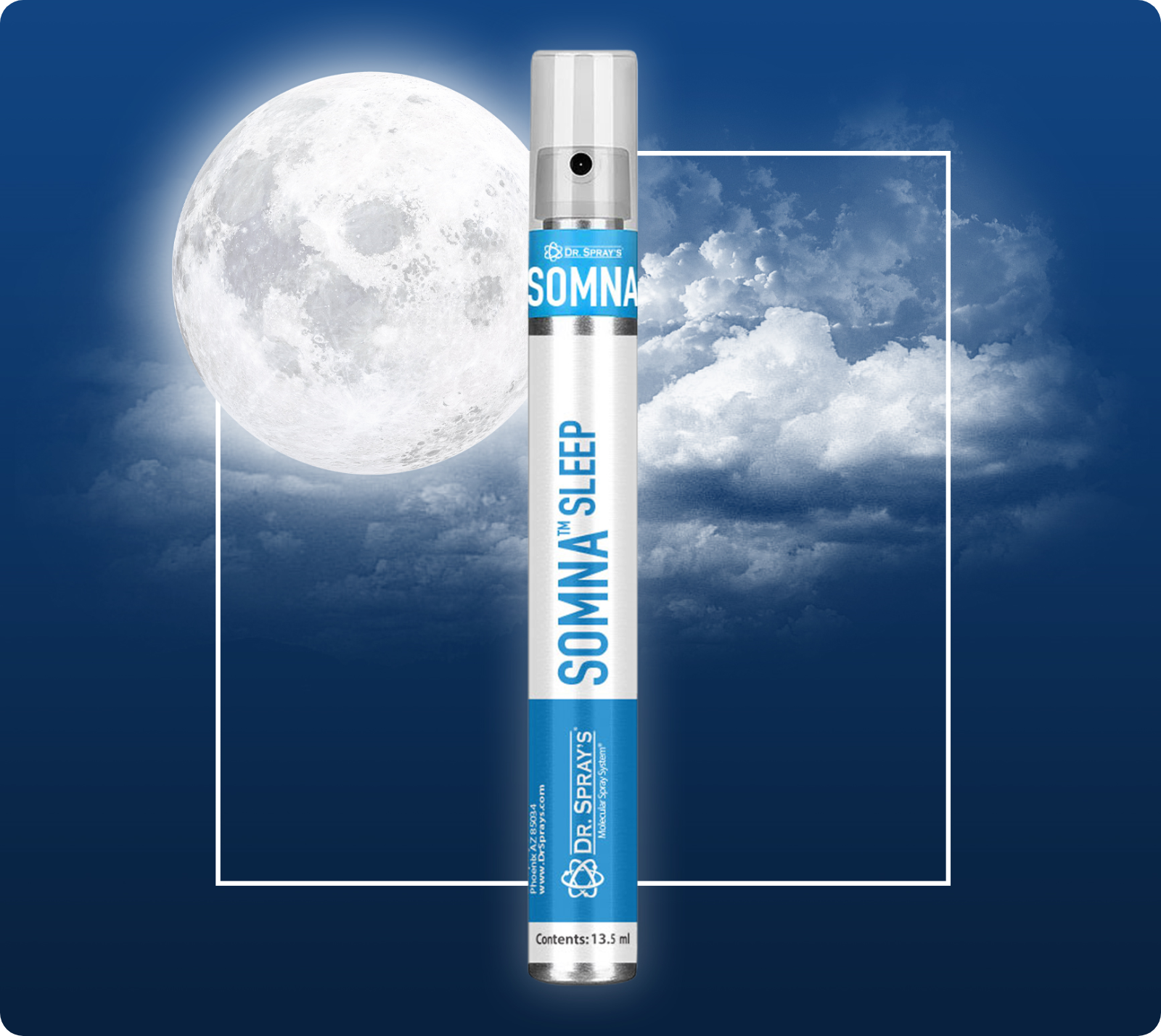
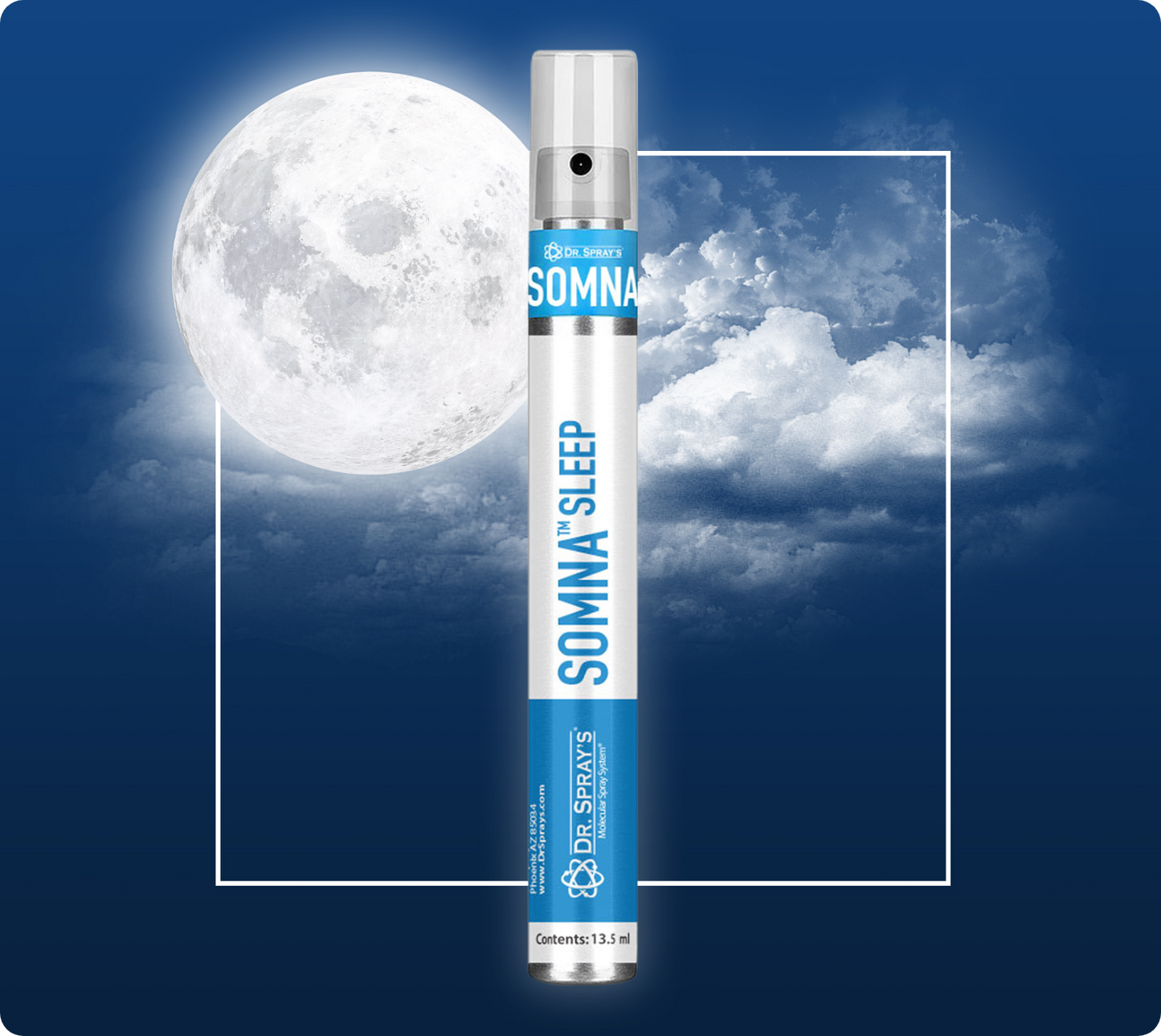
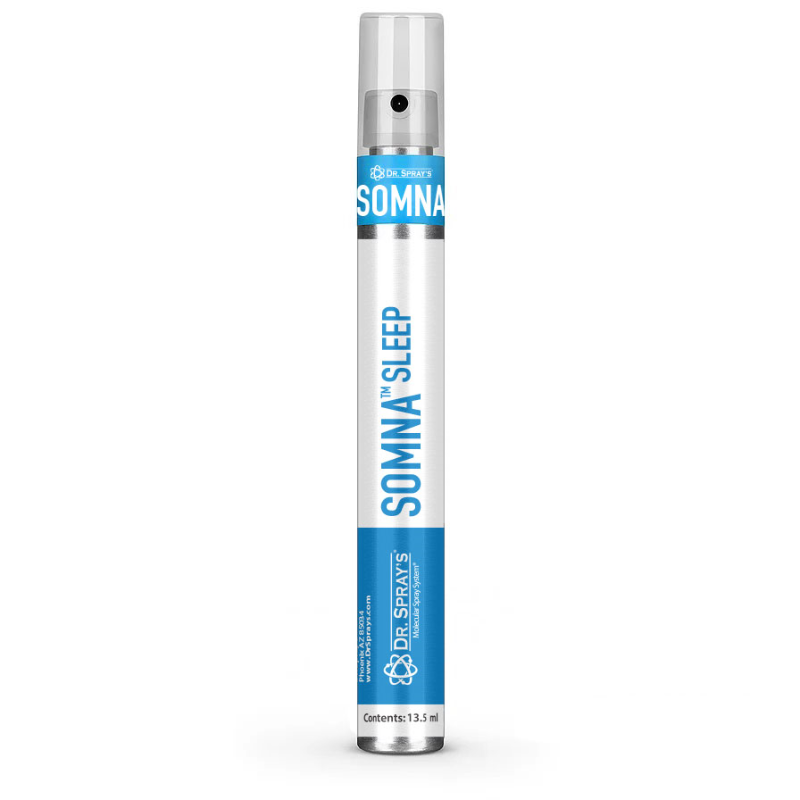
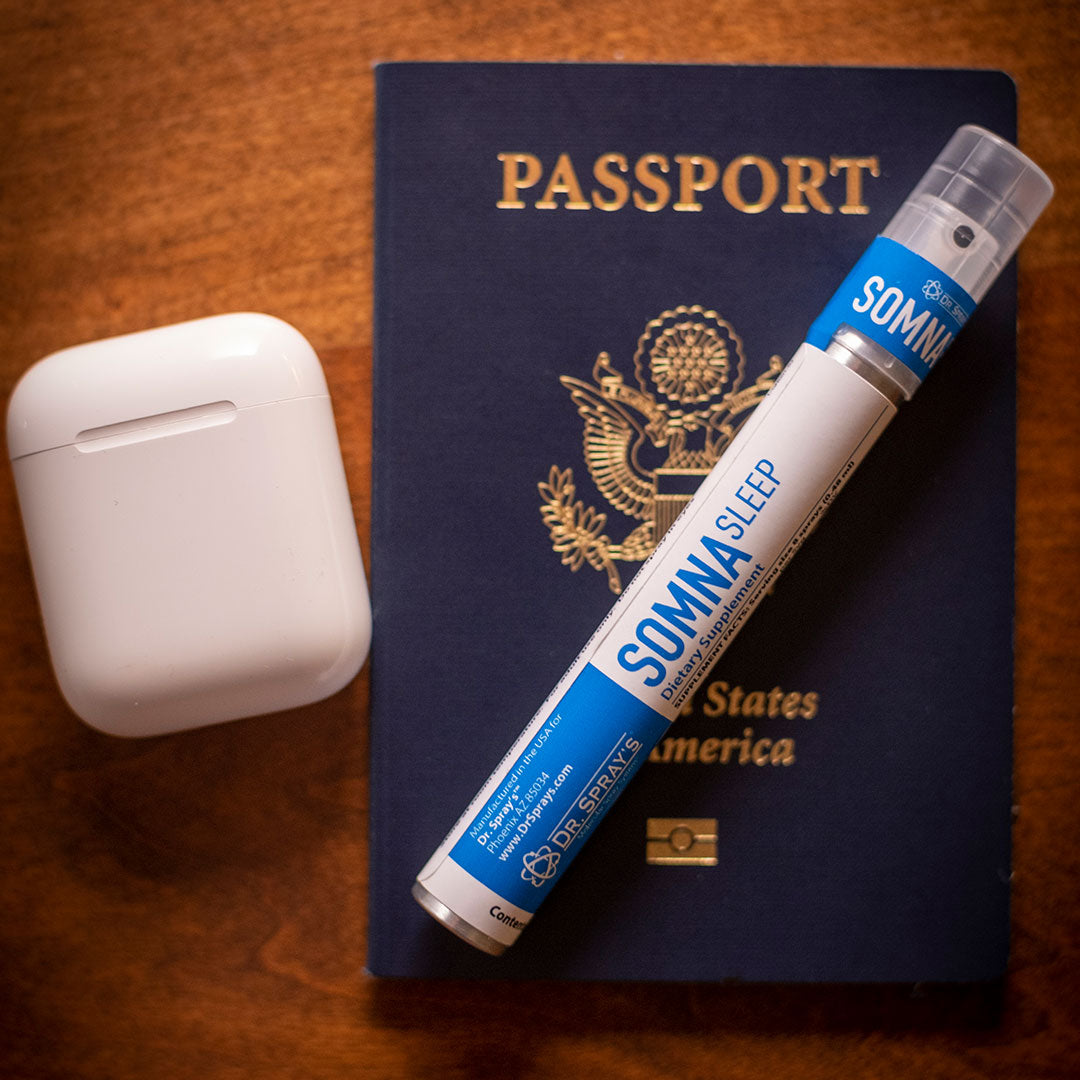
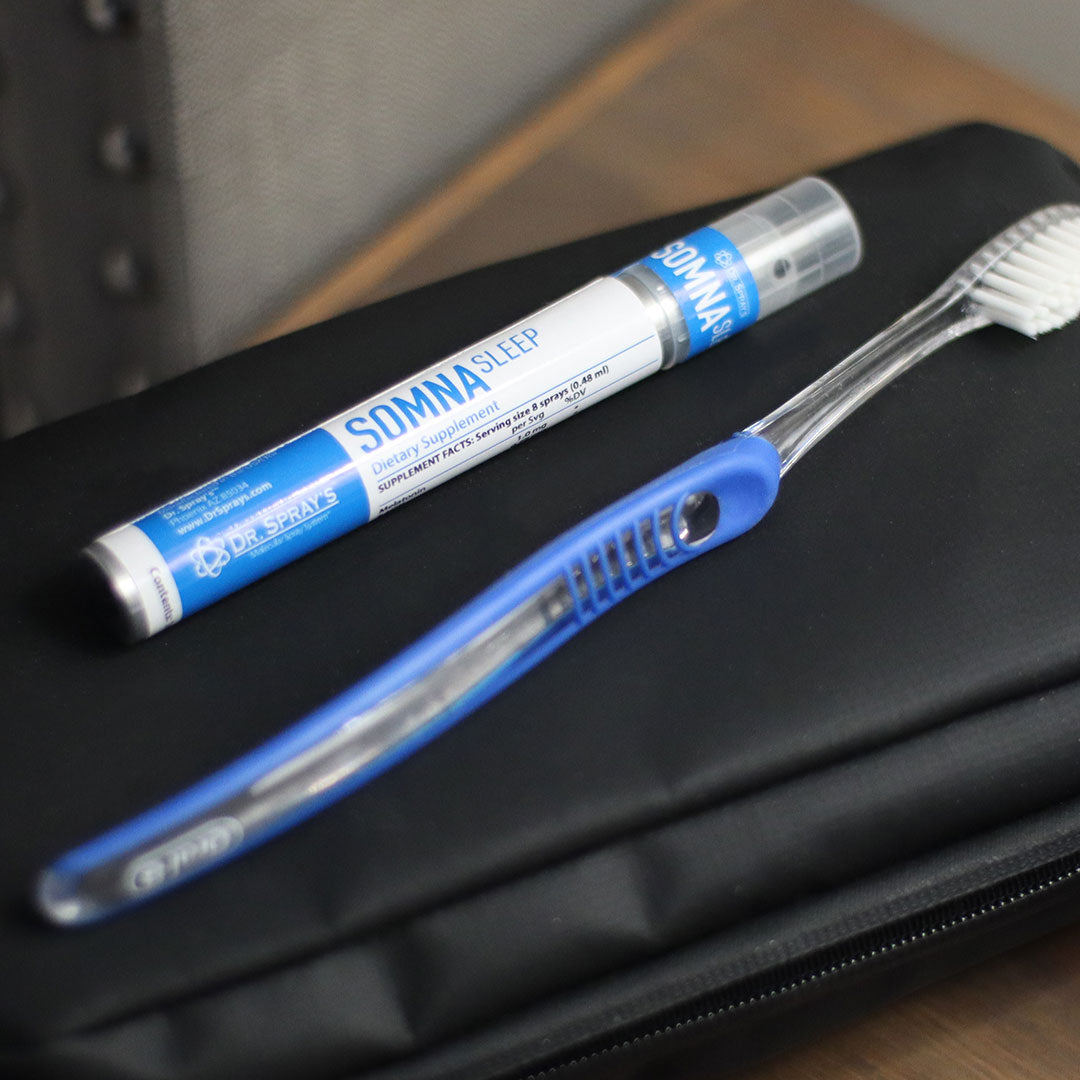
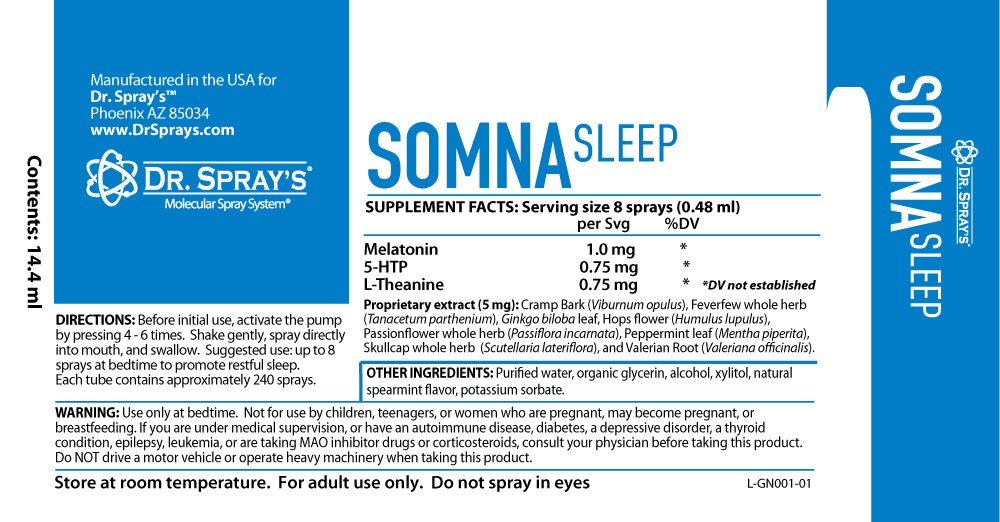
Dr. Spray's complete line of sublingual vitamin sprays — Vitamin B12, Vitamin D3, Multi-Vitamin, Magnesium, and SOMNA Sleep Spray with melatonin, L-theanine, and valerian root — is doctor-developed for maximum sublingual absorption.
- Doctor-developed, non-habit forming
- Sublingual spray — absorbs in seconds
- Made in FDA-registered facility in Phoenix, AZ
- 100% money-back guarantee
References
- Augsburger, L. L., & Shangraw, R. F. (1966). Effect of different test conditions on the disintegration time and dissolution rate of USP multivitamin tablets. Journal of Pharmaceutical Sciences, 55(4), 418-423.
- Berlin, H., Berlin, R., & Brante, G. (1968). Oral treatment of pernicious anemia with high doses of vitamin B12 without intrinsic factor. Acta Medica Scandinavica, 184(4), 247-258.
- DeMuro, R. L., Nafziger, A. N., Blask, D. E., Menhinick, A. M., & Bertino, J. S. (2000). The absolute bioavailability of oral melatonin. Journal of Clinical Pharmacology, 40(7), 781-784.
- Firoz, M., & Graber, M. (2001). Bioavailability of US commercial magnesium preparations. Magnesium Research, 14(4), 257-262.
- Grossmann, R. E., & Tangpricha, V. (2010). Evaluation of vehicle substances on vitamin D bioavailability: A systematic review. Molecular Nutrition & Food Research, 54(8), 1055-1061.
- Krasinski, S. D., Russell, R. M., Samloff, I. M., Jacob, R. A., Dallal, G. E., McGandy, R. B., & Hartz, S. C. (1986). Fundic atrophic gastritis in an elderly population: Effect on hemoglobin and several serum nutritional indicators. Journal of the American Geriatrics Society, 34(11), 800-806.
- Lam, J. R., Schneider, J. L., Zhao, W., & Corley, D. A. (2013). Proton pump inhibitor and histamine 2 receptor antagonist use and vitamin B12 deficiency. JAMA, 310(22), 2435-2442.
- Mulligan, G. B., & Licata, A. (2010). Taking vitamin D with the largest meal improves absorption and results in higher serum levels of 25-hydroxyvitamin D. Journal of Bone and Mineral Research, 25(4), 928-930.
- Narang, N., & Sharma, J. (2011). Sublingual mucosa as a route for systemic drug delivery. International Journal of Pharmacy and Pharmaceutical Sciences, 3(Suppl 2), 18-22.
- Rosanoff, A., Weaver, C. M., & Rude, R. K. (2012). Suboptimal magnesium status in the United States: Are the health consequences underestimated? Nutrition Reviews, 70(3), 153-164.
- Said, H. M. (2011). Intestinal absorption of water-soluble vitamins in health and disease. Biochemical Journal, 437(3), 357-372.
- Satia, M. C., Mukim, A. G., Tibrewala, K. D., & Bhatt, T. P. (2015). A randomized two way cross over study for comparison of absorption of vitamin D3 buccal spray and soft gelatin capsule formulation in healthy subjects and in patients with intestinal malabsorption. Nutrition Journal, 14, 114.
- Sharabi, A., Cohen, E., Sulkes, J., & Garty, M. (2003). Replacement therapy for vitamin B12 deficiency: Comparison between the sublingual and oral route. British Journal of Clinical Pharmacology, 56(6), 635-638.
- Todd, J. J., McSorley, E. M., Pourshahidi, L. K., Madigan, S. M., Laird, E., Healy, M., & Magee, P. J. (2016). Vitamin D3 supplementation in healthy adults: A comparison between capsule and oral spray solution as a method of delivery in a wintertime, randomised, open-label, cross-over study. British Journal of Nutrition, 116(8), 1402-1408.