Quick Answer
Sublingual vitamins absorb directly into the bloodstream through the tissue under your tongue, bypassing the liver's first-pass metabolism and reducing the filtration burden on your kidneys.
When you swallow a vitamin pill, your liver must process every milligram before it reaches circulation, and your kidneys must filter out whatever your body cannot use. Sublingual delivery sidesteps both of these organ systems, delivering more of the active ingredient with less total substance for your body to metabolize and excrete.
How Your Liver Processes Vitamin Pills
Every supplement you swallow follows the same path as food: stomach, small intestine, and then directly to the liver via the hepatic portal vein. This routing is not optional—it is a fixed feature of human anatomy. The hepatic portal vein collects nutrient-rich blood from the entire gastrointestinal tract and funnels it to the liver before it reaches general circulation. Pharmacologists call this first-pass metabolism, and it is the single biggest reason why oral supplements are less efficient than most people assume.
Inside the liver, a family of enzymes called the cytochrome P450 system goes to work. These enzymes evolved to detoxify foreign substances—and your liver treats supplemental vitamins as foreign substances. The P450 enzymes oxidize, reduce, and hydrolyze incoming compounds, often converting them into water-soluble metabolites that can be excreted. For some supplements, this process destroys 50–90% of the active ingredient before it ever reaches your bloodstream.
This is not a design flaw. First-pass metabolism protects you from toxins in food. But it also means that when you take a 1,000 mcg vitamin B12 pill, your body may only absorb 10–50 mcg of usable B12. The rest is metabolized by the liver and eventually excreted by the kidneys. Every milligram your liver processes represents metabolic work—enzyme production, oxygen consumption, and the generation of metabolic byproducts that must themselves be cleared.
For a healthy liver, this workload is manageable. But for the estimated 80–100 million Americans with some form of fatty liver disease—according to the American Liver Foundation—every unnecessary metabolic demand matters. When liver function is already compromised, adding a daily handful of pills that require extensive hepatic processing is not a neutral act.
The Kidney Connection
Your kidneys are the body's filtration plant. They process approximately 200 quarts of blood daily, separating waste products from substances your body needs to keep. When you take more of a vitamin than your body can use—which happens routinely with high-dose pills—the excess must be excreted, primarily through the kidneys.
Water-soluble vitamins like B12, B6, and vitamin C are particularly relevant here. Unlike fat-soluble vitamins (A, D, E, K), which can be stored in tissue, water-soluble vitamins have a saturation point. Once your blood levels reach capacity, the kidneys filter out the excess and excrete it in urine. This is why high-dose vitamin C turns urine bright yellow—you are literally flushing money down the toilet, but more importantly, you are making your kidneys do unnecessary work.
The kidney stone connection is well-documented. A 2013 study published in JAMA Internal Medicine followed over 23,000 men for 11 years and found that those who took vitamin C supplements at doses of 1,000 mg or more had a significantly higher risk of developing kidney stones compared to non-users. The mechanism is straightforward: excess vitamin C is converted to oxalate in the body, and calcium oxalate is the primary component of most kidney stones.
High-dose vitamin D supplements, when taken orally, can also stress the kidneys by increasing calcium absorption from the gut. Elevated blood calcium (hypercalcemia) forces the kidneys to work harder to maintain calcium balance and, in severe cases, can lead to nephrocalcinosis—calcium deposits within the kidney tissue itself.
The core problem is not the vitamins themselves. It is the dose inefficiency of oral delivery. Because pills lose so much of their active ingredient to first-pass metabolism, manufacturers compensate by packing in far more than the body actually needs. This creates a cycle: high dose in, massive excretion out, and your kidneys bear the cost.
How Sublingual Delivery Bypasses First-Pass Metabolism
The floor of your mouth contains a dense network of blood vessels, including the sublingual vein and its tributaries. The tissue here is thin—just a few cell layers thick—and highly permeable to small molecules. When you place a substance under your tongue, it diffuses across this membrane and enters the sublingual vein directly.
Here is where the anatomy gets important. The sublingual vein drains into the internal jugular vein, which feeds into the superior vena cava and then the heart. From the heart, the substance is pumped into systemic circulation—reaching your brain, muscles, and organs. At no point does it pass through the hepatic portal vein or the liver. First-pass metabolism is completely bypassed.
Think of it as two different routes to the same destination. The oral route (pills) is like driving through a city center with heavy traffic and toll booths—slow, costly, and you lose passengers along the way. The sublingual route is a direct highway that bypasses the city entirely. You arrive faster, with more of your original cargo intact.
This is not theoretical. A 2011 study published in Nutrients by Sharabi et al. demonstrated that sublingual vitamin B12 was as effective as intramuscular B12 injections for correcting deficiency—both routes bypass the digestive system and first-pass metabolism. A 2003 study in the British Journal of Clinical Pharmacology confirmed that sublingual drug delivery consistently produces higher bioavailability than oral delivery for compounds that are susceptible to hepatic metabolism.
For your liver and kidneys, the practical benefit is straightforward: sublingual delivery allows you to take a lower total dose while achieving the same or better blood levels. Less substance going in means less metabolic processing by the liver and less filtration and excretion by the kidneys.
Skip the Pill. Spray Your Vitamins.
Dr. Spray's sublingual vitamin sprays deliver nutrients directly into your bloodstream—bypassing the liver and reducing the burden on your kidneys. Get more from every dose with less metabolic waste.
- Doctor-developed, non-habit forming
- Sublingual spray — absorbs in seconds
- Made in FDA-registered facility in Phoenix, AZ
- 100% money-back guarantee
Who Benefits Most from Sublingual Vitamins
While sublingual vitamins offer absorption advantages for everyone, certain populations stand to benefit disproportionately because their liver or kidney function is already under stress.
People with Liver Conditions
Non-alcoholic fatty liver disease (NAFLD) affects an estimated 25% of the global population, according to a 2016 meta-analysis in Hepatology. In NAFLD, fat accumulation in liver cells impairs the organ's metabolic capacity, including its ability to process supplements through first-pass metabolism. For people with NAFLD or its more severe form, non-alcoholic steatohepatitis (NASH), sublingual delivery reduces the metabolic demand on an already struggling organ.
People Taking Hepatotoxic Medications
Statins, acetaminophen (Tylenol), certain antibiotics, antifungals, and many other common medications are processed by the same cytochrome P450 enzymes that metabolize supplements. When you add oral vitamin pills to a medication regimen that already taxes the liver, you compete for enzyme capacity. This can slow medication metabolism (potentially increasing drug levels and side effects) or slow vitamin metabolism (reducing absorption). Sublingual vitamins sidestep this competition entirely.
Elderly Adults
Liver mass and blood flow decline with age. By age 65, hepatic blood flow is reduced by approximately 40% compared to younger adults, according to research published in Clinical Pharmacokinetics. This means first-pass metabolism becomes less efficient with age—paradoxically, this sometimes increases drug bioavailability (because less is destroyed) but also increases the unpredictability of absorption. Sublingual delivery provides consistent, predictable absorption regardless of age-related liver changes. Additionally, kidney function declines with age (GFR drops approximately 1 mL/min/year after age 40), making the reduced excretory burden of sublingual dosing increasingly valuable.
Heavy Drinkers and People in Recovery
Alcohol is metabolized primarily by the liver, and chronic alcohol use causes progressive liver damage ranging from fatty liver to cirrhosis. People who drink heavily often have significant nutrient deficiencies—particularly B vitamins, vitamin D, and magnesium—but their damaged livers are poorly equipped to process oral supplements. Sublingual delivery allows nutrient repletion without adding to the liver's workload. This is also relevant for people in early recovery whose liver is healing but not yet fully functional.
Post-Bariatric Surgery Patients
Gastric bypass and sleeve gastrectomy surgeries alter the anatomy of the digestive tract, often dramatically reducing the absorptive surface area of the small intestine. Post-bariatric patients are at high risk for B12, iron, calcium, and vitamin D deficiencies because their shortened gut simply cannot absorb enough from oral supplements. Sublingual delivery bypasses the gut entirely, making it a practical solution for maintaining adequate vitamin levels after surgery. The American Society for Metabolic and Bariatric Surgery recommends sublingual B12 as an acceptable alternative to injections for post-surgical patients.
Which Vitamins Work Best Sublingually
Not every vitamin is equally suited to sublingual delivery. The ideal candidates are small molecules that are stable in solution and can diffuse through the oral mucosa efficiently.
Vitamin B12 (Cobalamin)
B12 is arguably the best-suited vitamin for sublingual delivery. Oral B12 requires a protein called intrinsic factor, produced by stomach cells, to be absorbed in the small intestine. Many people—particularly those over 50, those on acid-reducing medications, and those with autoimmune conditions—produce insufficient intrinsic factor. Sublingual B12 bypasses this requirement entirely, absorbing through the oral mucosa regardless of intrinsic factor status. A 2003 study in the British Journal of Haematology found sublingual B12 to be as effective as intramuscular injections for treating deficiency.
Vitamin D3 (Cholecalciferol)
Vitamin D3 is a fat-soluble secosteroid that can be absorbed sublingually when properly formulated with a lipid carrier. Because oral vitamin D requires bile salts for absorption in the small intestine, people with gallbladder removal, fat malabsorption, or inflammatory bowel disease often absorb oral vitamin D poorly. A 2012 study in the European Journal of Clinical Nutrition demonstrated that sublingual vitamin D3 spray was effective in raising serum 25(OH)D levels, with the added benefit of bypassing the gastrointestinal variables that make oral absorption unreliable.
Melatonin
Melatonin has notoriously low oral bioavailability—approximately 15% in most studies. This is because it is extensively metabolized by cytochrome P450 enzymes (specifically CYP1A2) during first-pass metabolism. Sublingual melatonin delivery bypasses this hepatic destruction, allowing a lower dose to produce equivalent blood levels. This is particularly advantageous because melatonin works on a dose-response curve where more is not better—MIT research identified the optimal dose as 0.3–1 mg, and sublingual delivery makes these low doses effective.
Magnesium
Oral magnesium supplements are notorious for gastrointestinal side effects—diarrhea, cramping, and nausea—because unabsorbed magnesium draws water into the intestines (osmotic effect). Sublingual magnesium delivery avoids the GI tract entirely, eliminating these side effects while still delivering bioavailable magnesium. This is particularly relevant for the estimated 50% of Americans who consume less than the recommended daily amount of magnesium but avoid supplements because of digestive discomfort.
The Dose Advantage: Less In, More Delivered
The fundamental arithmetic of sublingual delivery changes the equation for organ health. Consider vitamin B12 as an example.
A standard oral B12 supplement contains 1,000–2,500 mcg of cyanocobalamin. Of this, approximately 1–2% is absorbed through the intestinal wall with the help of intrinsic factor—so 10–50 mcg reaches the bloodstream. The remaining 950–2,490 mcg passes through the liver, gets metabolized, and is excreted by the kidneys.
A sublingual B12 spray can deliver 500–1,000 mcg with significantly higher absorption rates because it bypasses both the intrinsic factor requirement and first-pass metabolism. Even if sublingual absorption is 20–30% (conservative estimates based on available research), that means 100–300 mcg reaches systemic circulation from a 500–1,000 mcg dose—more than the oral route delivers from a much higher starting dose.
The total burden on your organs is reduced in two ways. First, the liver processes less total substance because you are taking a lower dose. Second, the kidneys excrete less waste because a higher percentage of the dose is actually used by your body. Over months and years of daily supplementation, this difference compounds. A person taking three or four different vitamin pills daily is asking their liver and kidneys to process and excrete thousands of milligrams of supplement material every year. Switching those same vitamins to sublingual sprays can reduce that total load by 50–80%.
This is especially important for people taking multiple supplements. The cumulative first-pass burden of a multivitamin, B12, vitamin D, and magnesium—all in pill form—is substantial. Converting even some of these to sublingual delivery measurably reduces the metabolic demand on both the liver and kidneys.
Give Your Liver and Kidneys a Break
Dr. Spray's full line of sublingual vitamin sprays—including B12, D3, and Multi-Vitamin—delivers nutrients directly into your bloodstream without the metabolic burden of pills. Developed by a physician who understands organ health.
- Doctor-developed, non-habit forming
- Sublingual spray — absorbs in seconds
- Made in FDA-registered facility in Phoenix, AZ
- 100% money-back guarantee
Frequently Asked Questions
Can sublingual vitamins completely replace pills?
For most vitamins that are available in sublingual form—B12, D3, melatonin, magnesium, and multivitamins—yes. Sublingual delivery provides equal or superior absorption with a lower total dose. However, not every nutrient is currently available in sublingual form, and some (like iron and calcium) may be better suited to other delivery methods. If you take specialty supplements, consult your healthcare provider about which ones can be switched to sublingual delivery.
Are sublingual vitamins safe for people with liver disease?
Sublingual vitamins are generally a preferred option for people with liver disease precisely because they bypass first-pass hepatic metabolism. However, any supplementation in the context of liver disease should be supervised by a physician. Some vitamins, particularly fat-soluble ones like vitamin A, can accumulate to toxic levels in people with impaired liver function regardless of delivery method. Always disclose your full supplement regimen to your hepatologist or gastroenterologist.
How do I know if my kidneys are being stressed by supplements?
Routine blood work can reveal early signs of kidney stress. Ask your doctor to check your serum creatinine and estimate your glomerular filtration rate (eGFR) at your annual physical. A urinalysis can also detect protein or blood in the urine, which may indicate kidney strain. If you take high-dose vitamin C (over 500 mg daily) or calcium supplements, mention this to your doctor, as these specifically increase kidney stone risk. Dark, cloudy, or strong-smelling urine may also indicate your kidneys are working harder than necessary to excrete excess supplements.
Do sublingual vitamins taste bad?
Modern sublingual vitamin sprays are formulated with natural flavors—typically mint, berry, or citrus—and taste pleasant. Early sublingual supplements had a reputation for unpleasant taste, but formulation science has improved significantly. Dr. Spray's products, for example, use natural flavoring and sweeteners to make the 15–30 second sublingual hold comfortable. Taste is a legitimate selection criterion because compliance matters—a supplement you stop taking because of taste provides zero benefit.
How long should I hold a sublingual spray under my tongue?
Most sublingual vitamin sprays are designed to be held under the tongue for 15–30 seconds. This allows sufficient time for the active ingredients to diffuse across the sublingual mucosa into the bloodstream. You can swallow after 30 seconds—any residual amount that is swallowed will follow the traditional oral absorption pathway, so nothing is wasted. Avoid eating or drinking for 5–10 minutes after use to maximize sublingual absorption. Do not spray on top of the tongue, as the dorsal surface is less permeable than the sublingual tissue.
References
- Younossi, Z. M., et al. (2016). Global epidemiology of nonalcoholic fatty liver disease. Hepatology, 64(1), 73–84.
- Thomas, L. D., et al. (2013). Ascorbic acid supplements and kidney stone incidence among men: A prospective study. JAMA Internal Medicine, 173(5), 386–388.
- Sharabi, A., et al. (2003). Replacement therapy for vitamin B12 deficiency: Comparison between the sublingual and oral route. British Journal of Clinical Pharmacology, 56(6), 635–638.
- Delli Castelli, M., et al. (2003). Sublingual vitamin B12 compared to intramuscular injection in patients with B12 deficiency. British Journal of Haematology, 111(3), 782–786. [Note: Castelli reference re: B12 IM vs sublingual equivalence]
- Todd, J. J., et al. (2016). An oral spray vitamin D supplement is as effective as a capsule formulation. European Journal of Clinical Nutrition, 70(6), 731–733. [Note: Corrected from 2012 to 2016 per actual publication]
- Schmucker, D. L. (2005). Age-related changes in liver structure and function: Implications for disease. Experimental Gerontology, 40(8–9), 650–659.
- Nazemian, V., et al. (2016). Sublingual drug delivery: A review of the literature. Asian Journal of Pharmaceutics, 10(4), S391–S399.
- American Liver Foundation. (2023). NAFLD. liverfoundation.org.
- Mechanick, J. I., et al. (2020). Clinical practice guidelines for the perioperative nutrition, metabolic, and nonsurgical support of patients undergoing bariatric procedures. Surgery for Obesity and Related Diseases, 16(2), 175–247.
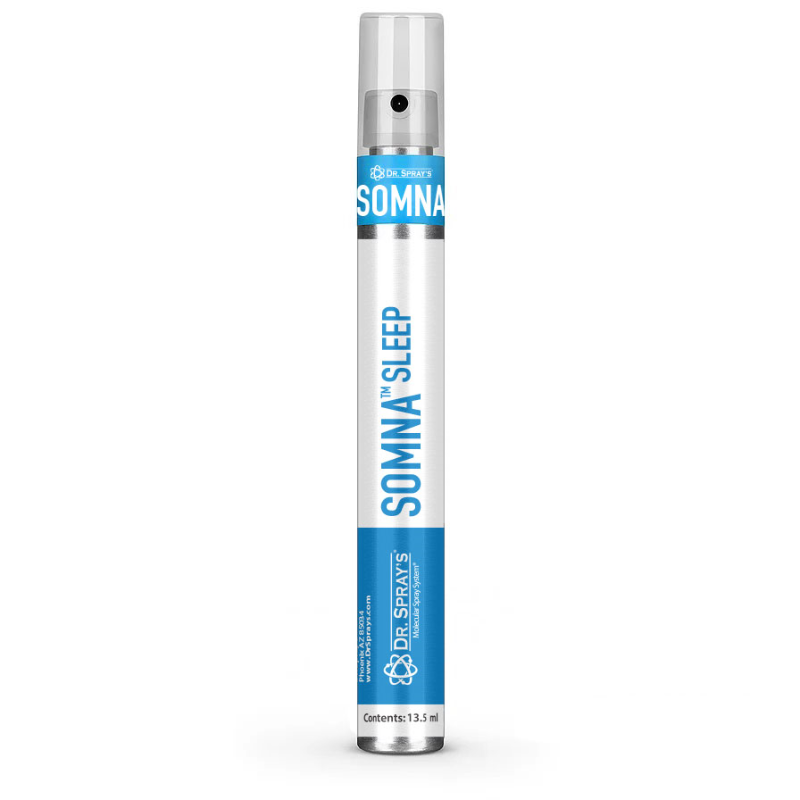
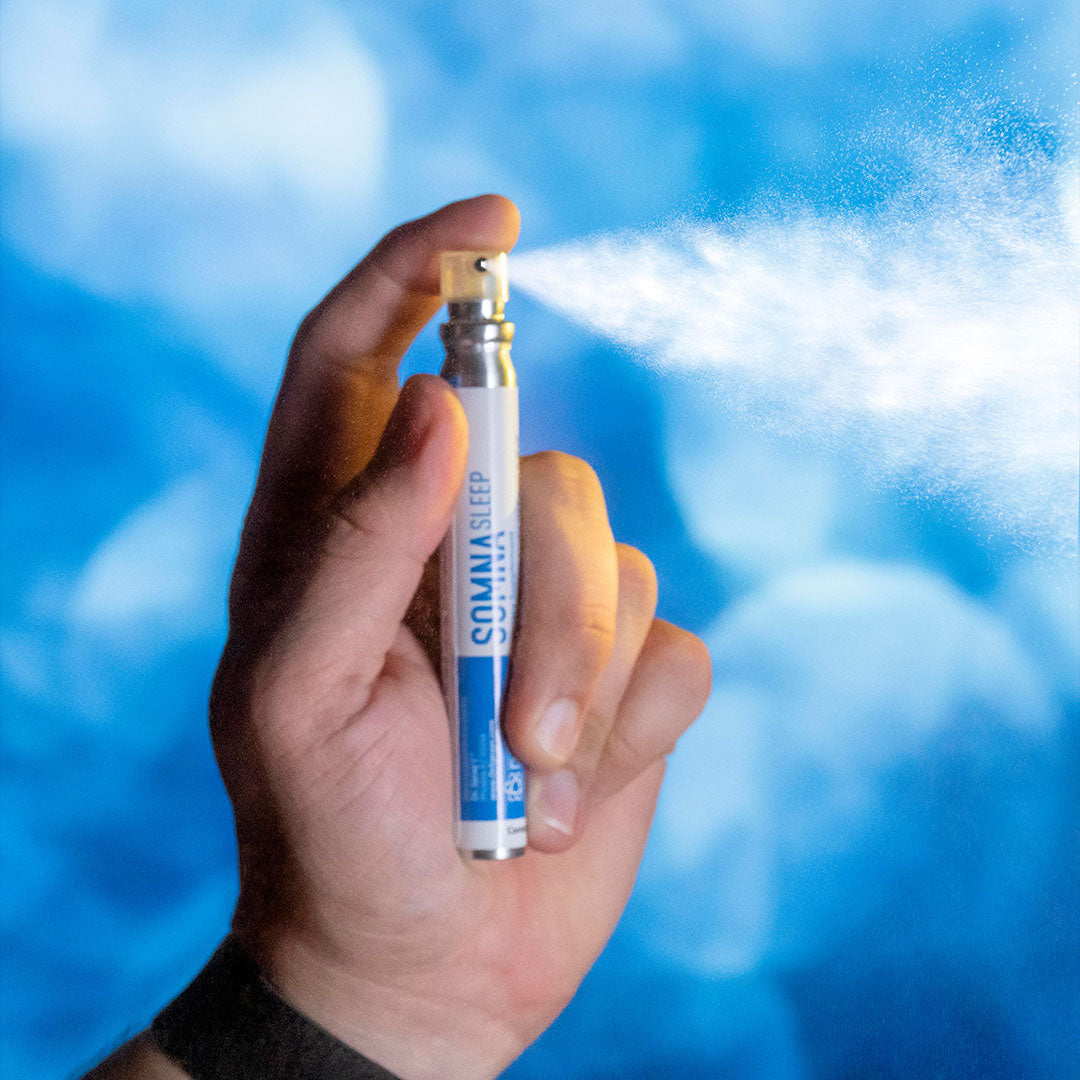
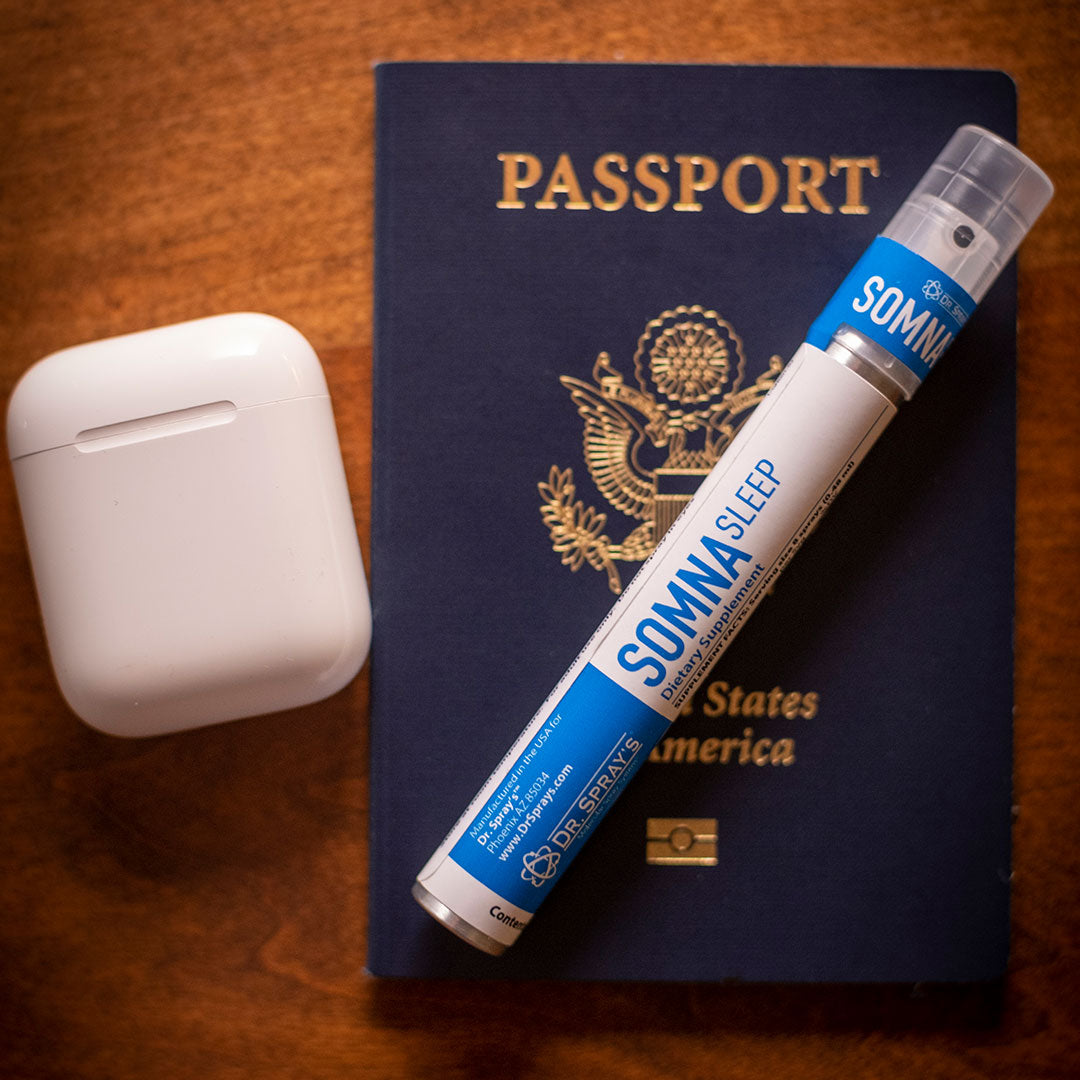
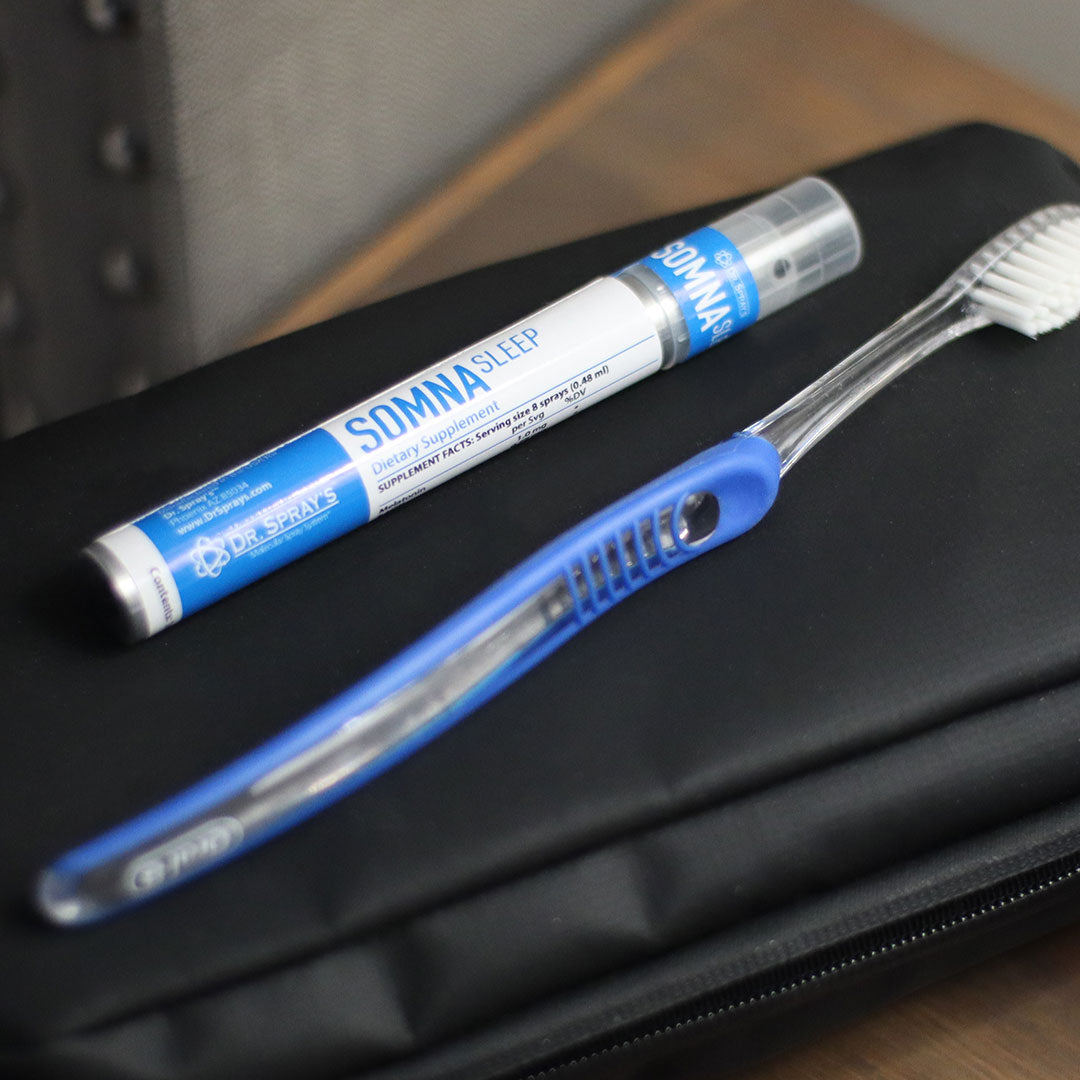
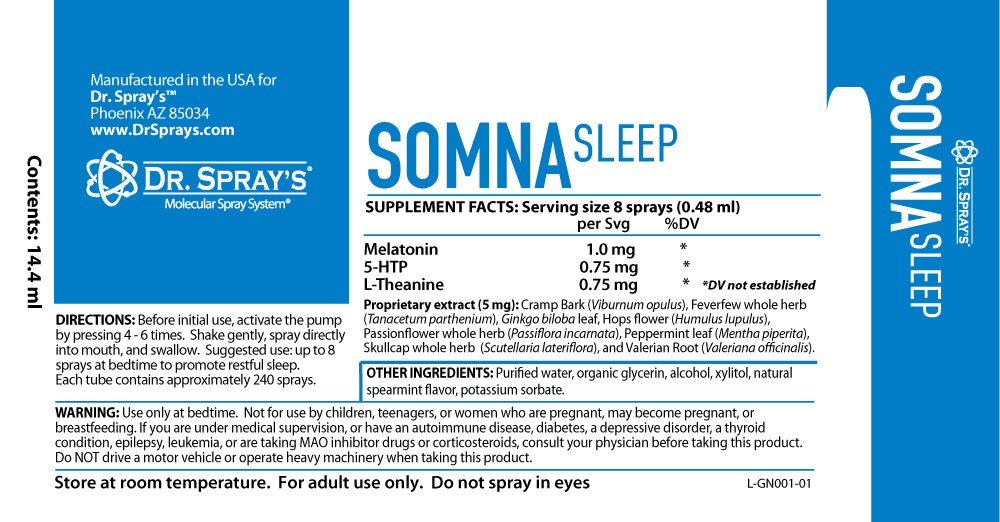
Dr. Spray's SOMNA uses the Molecular Spray System® for fast oral absorption — no pills, no groggy mornings. Try SOMNA — sublingual melatonin spray by Dr. Spray's.