Quick Answer
Valerian root (Valeriana officinalis) promotes sleep by increasing GABA activity in the brain, which calms neural excitability and helps the body transition into sleep. Clinical evidence shows it modestly improves subjective sleep quality, particularly after 2–4 weeks of consistent use, with minimal side effects compared to pharmaceutical sleep aids.
Below, we cover how valerian works at the neurochemical level, what the clinical research actually shows, proper dosing, how it compares to other natural sleep aids, and why a spray format may deliver faster results than capsules or teas.
What Is Valerian Root?
Valerian (Valeriana officinalis) is a flowering perennial plant native to Europe and parts of Asia, now widely cultivated in North America. The medicinal part is the root and rhizome, which contain a complex mixture of compounds including valerenic acid, isovaleric acid, and a variety of iridoids and flavonoids.
The use of valerian for sleep and anxiety predates modern medicine by centuries. Hippocrates described its therapeutic properties around 400 BCE. The Greek physician Galen prescribed valerian for insomnia in the second century CE. During World War I and World War II, valerian was used in England to relieve the stress and anxiety caused by air raids (Bent et al., 2006).
In modern Europe, valerian remains one of the most widely used herbal remedies. The European Medicines Agency (EMA) recognizes it as a "traditional herbal medicinal product" for the relief of mild nervous tension and sleep disorders. Germany's Commission E—the regulatory body for herbal medicines—approved valerian as a mild sedative and sleep aid decades ago (Blumenthal et al., 2000).
Unlike pharmaceutical sleep aids, valerian does not produce morning grogginess, does not impair driving ability, and has no documented potential for dependence. These characteristics make it an attractive first-line option for people seeking non-pharmaceutical sleep support.
How Valerian Promotes Sleep
Valerian's sleep-promoting effects center on the gamma-aminobutyric acid (GABA) system—the same neurotransmitter system targeted by benzodiazepines and other prescription sedatives, though valerian acts through a much gentler mechanism.
GABA-A Receptor Binding
GABA is the primary inhibitory neurotransmitter in the central nervous system. When GABA binds to GABA-A receptors on neurons, it reduces their excitability, promoting relaxation and sleepiness. Valerenic acid, the most pharmacologically active compound in valerian root, has been shown to bind to GABA-A receptors and enhance GABAergic transmission (Benke et al., 2009).
Crucially, valerenic acid binds to a different subunit of the GABA-A receptor than benzodiazepines do. Research published in Neuropharmacology demonstrated that valerenic acid modulates the beta-3 subunit of the GABA-A receptor, which may explain why it promotes relaxation and sleep without the sedation intensity, cognitive impairment, or dependence risk associated with benzodiazepines (Benke et al., 2009).
GABA Reuptake Inhibition
In addition to enhancing GABA receptor sensitivity, valerian extract appears to inhibit the reuptake and enzymatic breakdown of GABA in the synaptic cleft. This means GABA stays active longer between neurons, prolonging its calming effect. Studies using in vitro models have shown that valerian extract inhibits the enzyme GABA transaminase, which normally degrades GABA (Ortiz et al., 1999).
The Valerenic Acid Mechanism
Valerenic acid works as an allosteric modulator of the GABA-A receptor—meaning it does not activate the receptor directly but rather amplifies the effect of GABA that is already present. This is a critical distinction. Unlike a direct agonist, an allosteric modulator cannot overstimulate the receptor. The effect is self-limiting, which contributes to valerian's excellent safety profile.
Additional compounds in valerian, including linarin and hesperidin (flavonoids), may contribute to its sedative effects through complementary mechanisms, including adenosine receptor agonism. The full extract appears to be more effective than isolated valerenic acid alone, suggesting synergy among the plant's constituents (Fernandez et al., 2004).
What the Research Shows
Valerian has been the subject of numerous clinical trials, with results that are encouraging though nuanced. The evidence supports a modest but real improvement in sleep quality, particularly with sustained use.
Meta-Analyses
The most rigorous assessment of valerian's efficacy comes from systematic reviews and meta-analyses. Fernandez-San-Martin and colleagues (2010) conducted a meta-analysis of 18 randomized controlled trials involving 1,317 participants. The analysis found that valerian improved subjective sleep quality as measured by validated sleep scales, with a statistically significant odds ratio of 1.37 in favor of valerian over placebo. The authors concluded that "valerian could be a useful aid for the improvement of subjective sleep quality" (Sleep Medicine Reviews, 2010).
An earlier systematic review by Bent and colleagues (2006), published in The American Journal of Medicine, reviewed 16 studies totaling 1,093 participants. They found that most studies reported subjective improvement in sleep quality, though objective measures (polysomnography) showed less consistent results. The authors noted that methodological differences between studies made definitive conclusions challenging but stated that valerian appeared safe and "might improve sleep quality."
Sleep Quality vs. Sleep Onset
An important distinction in the research: valerian appears to primarily improve sleep quality and reduce nighttime awakenings rather than significantly reducing sleep onset latency (the time it takes to fall asleep). This differentiates it from melatonin, which primarily acts on sleep onset. For people who fall asleep at a reasonable time but wake frequently or feel unrefreshed in the morning, valerian may be particularly appropriate.
The 2–4 Week Accumulation Effect
Several studies have noted that valerian's benefits become more pronounced with continued use over 2–4 weeks. A 28-day study by Donath and colleagues (2000) published in Pharmacopsychiatry found that sleep latency improved significantly only after 14 days of valerian supplementation, with further improvement at 28 days. This suggests that valerian's mechanism involves gradual modulation of the GABA system rather than acute sedation—a profile more similar to adaptogens than to sleeping pills.
Dosing Guide
Effective valerian dosing is well-established through clinical research:
Standard dose: 300–600 mg of valerian root extract, taken 30–60 minutes before bedtime. Most clinical trials showing positive results used doses in this range (Fernandez-San-Martin et al., 2010).
Extract standardization: Look for extracts standardized to 0.8–1% valerenic acid, which ensures a consistent concentration of the primary active compound.
Timing: Take valerian 30 minutes to 2 hours before your intended bedtime. Unlike quick-acting pharmaceutical sedatives, valerian needs time to modulate the GABA system.
Duration: Plan to use valerian consistently for at least 2 weeks before evaluating its effect. Some individuals notice benefits within a few days, but the research suggests full efficacy develops over 2–4 weeks of nightly use.
Cycling: While no evidence of tolerance or dependence exists for valerian, some herbalists recommend periodic breaks (e.g., 5 days on, 2 days off, or 4 weeks on, 1 week off) to maintain sensitivity. This is a precautionary practice rather than one based on documented tolerance development.
Better Sleep Without the Morning Fog
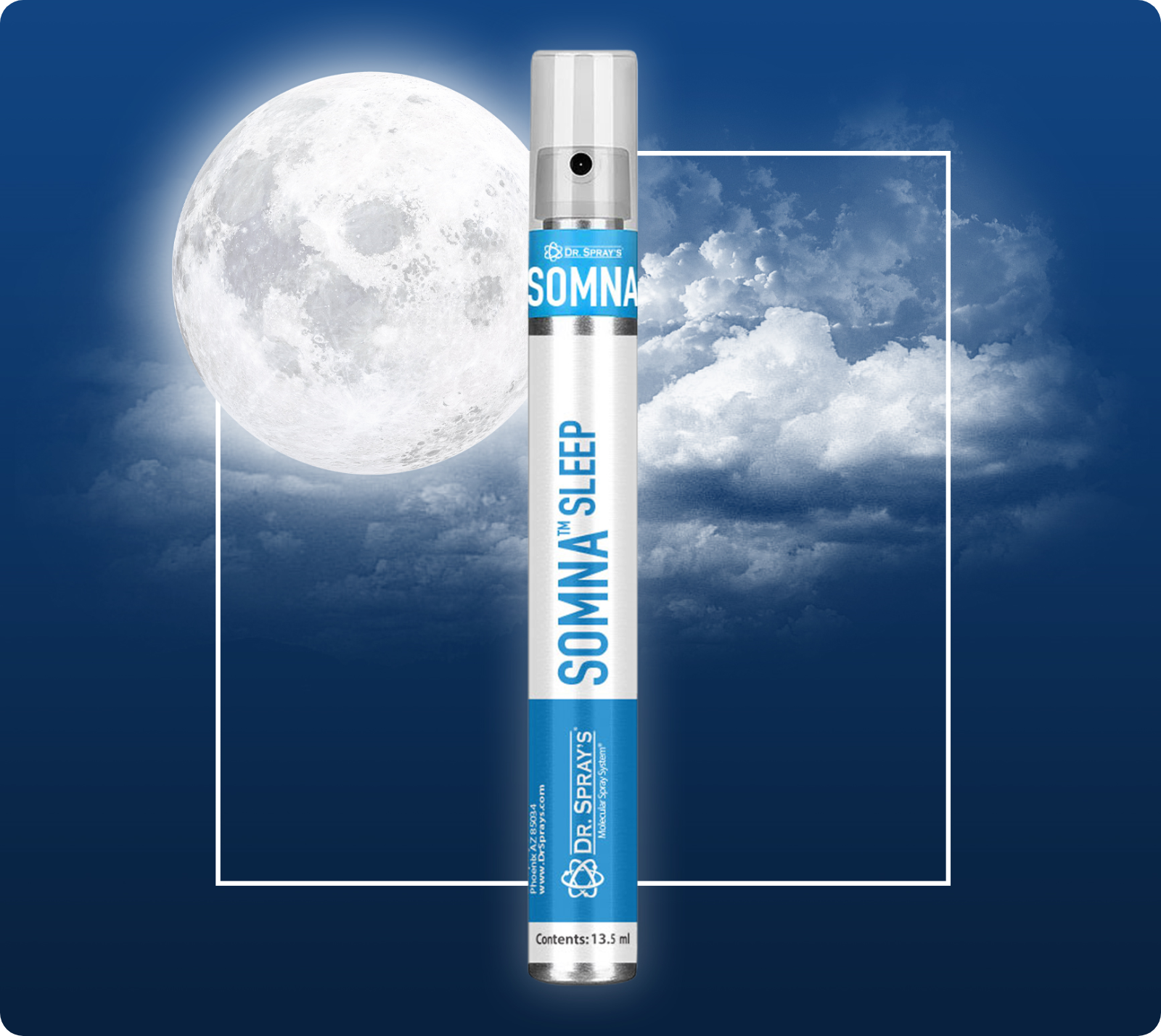
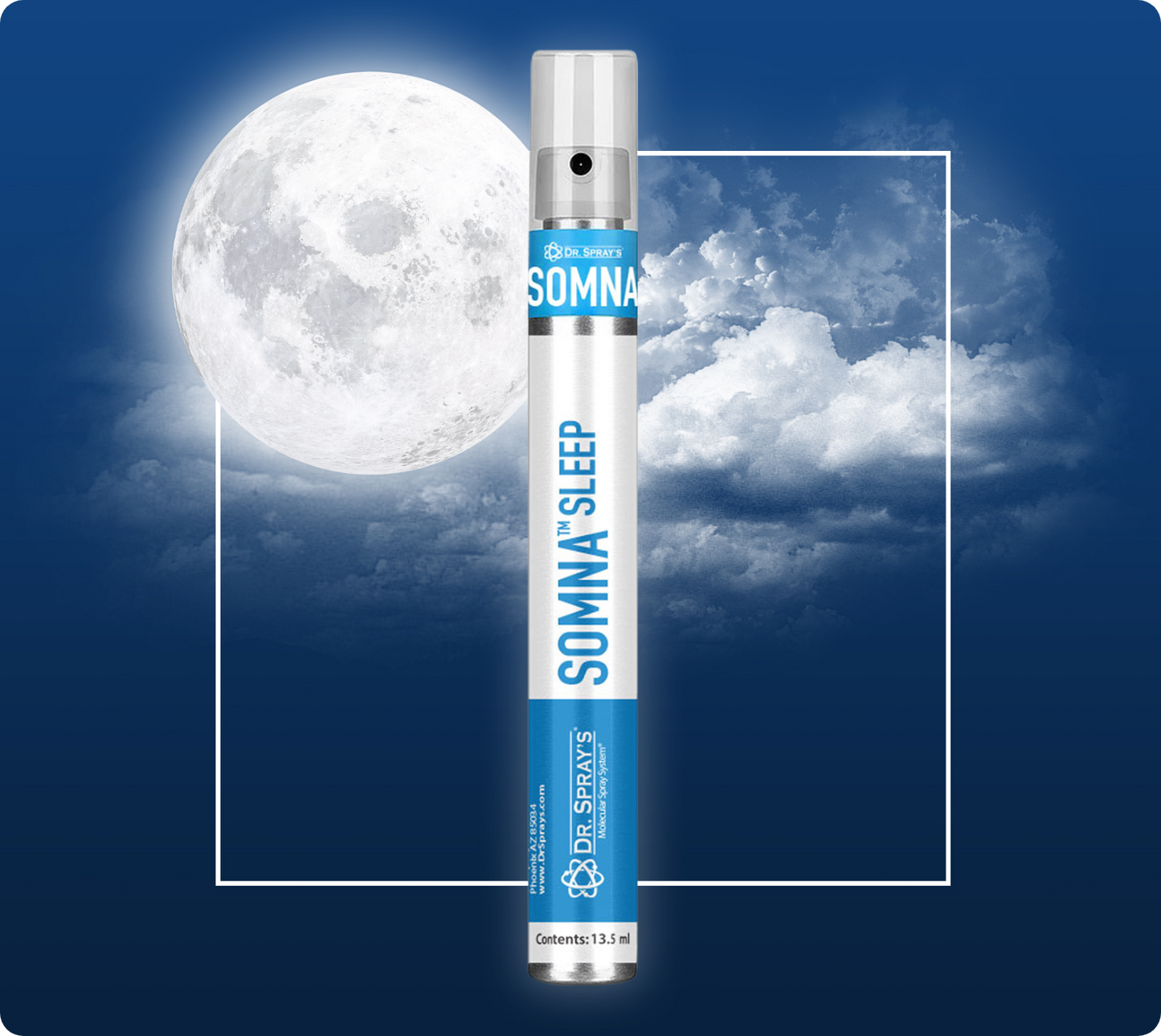
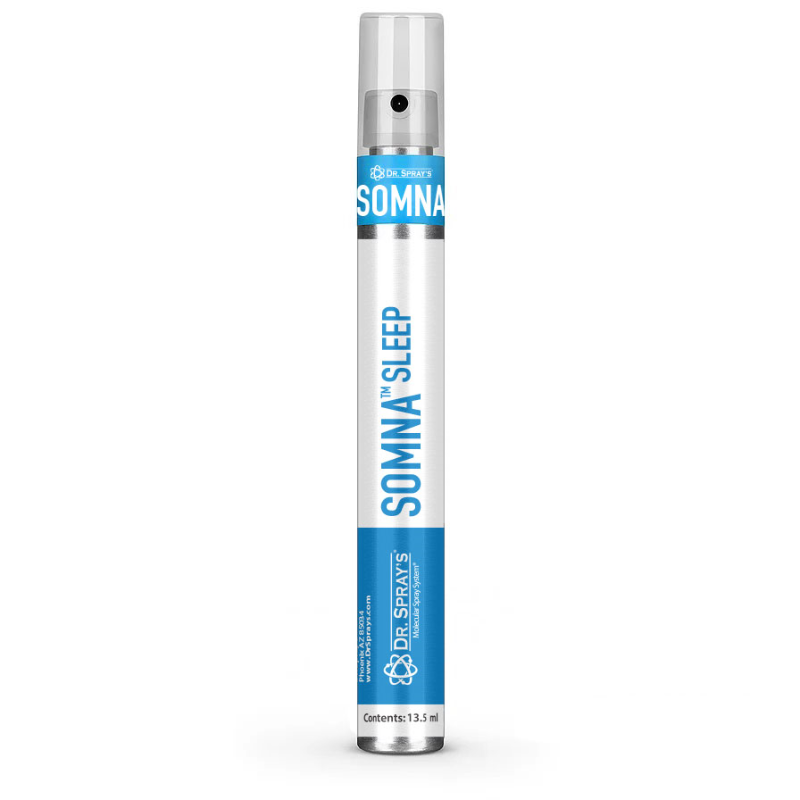
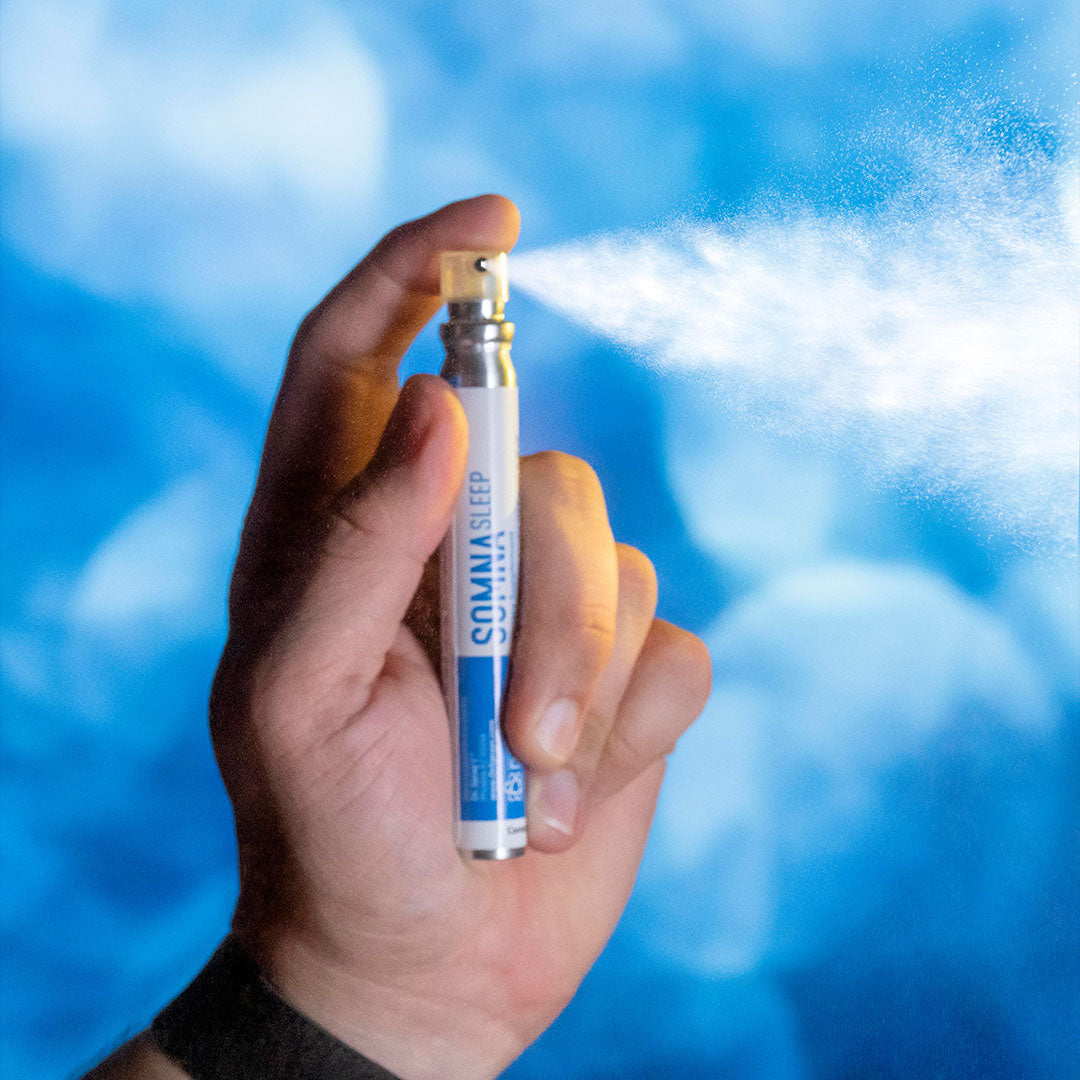
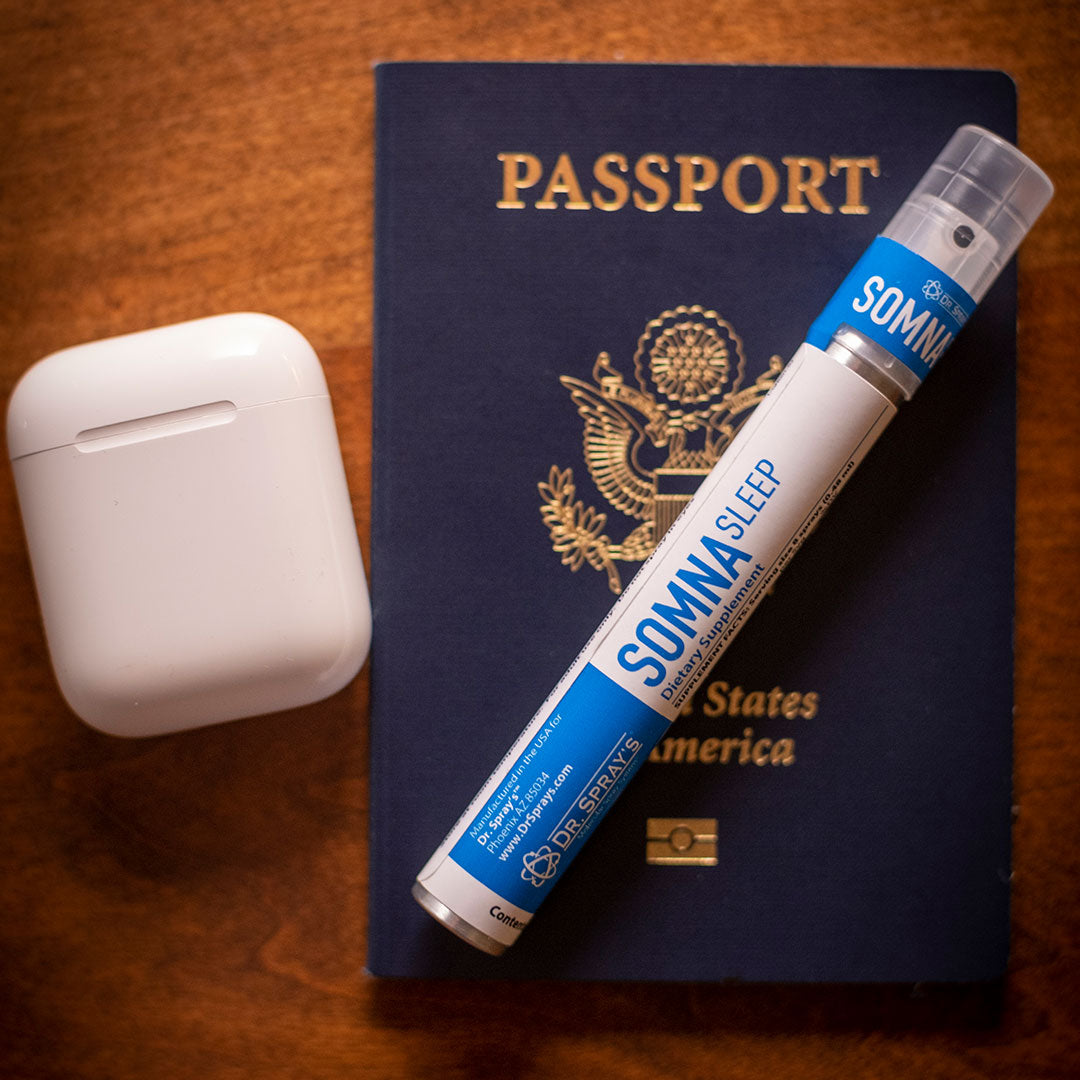
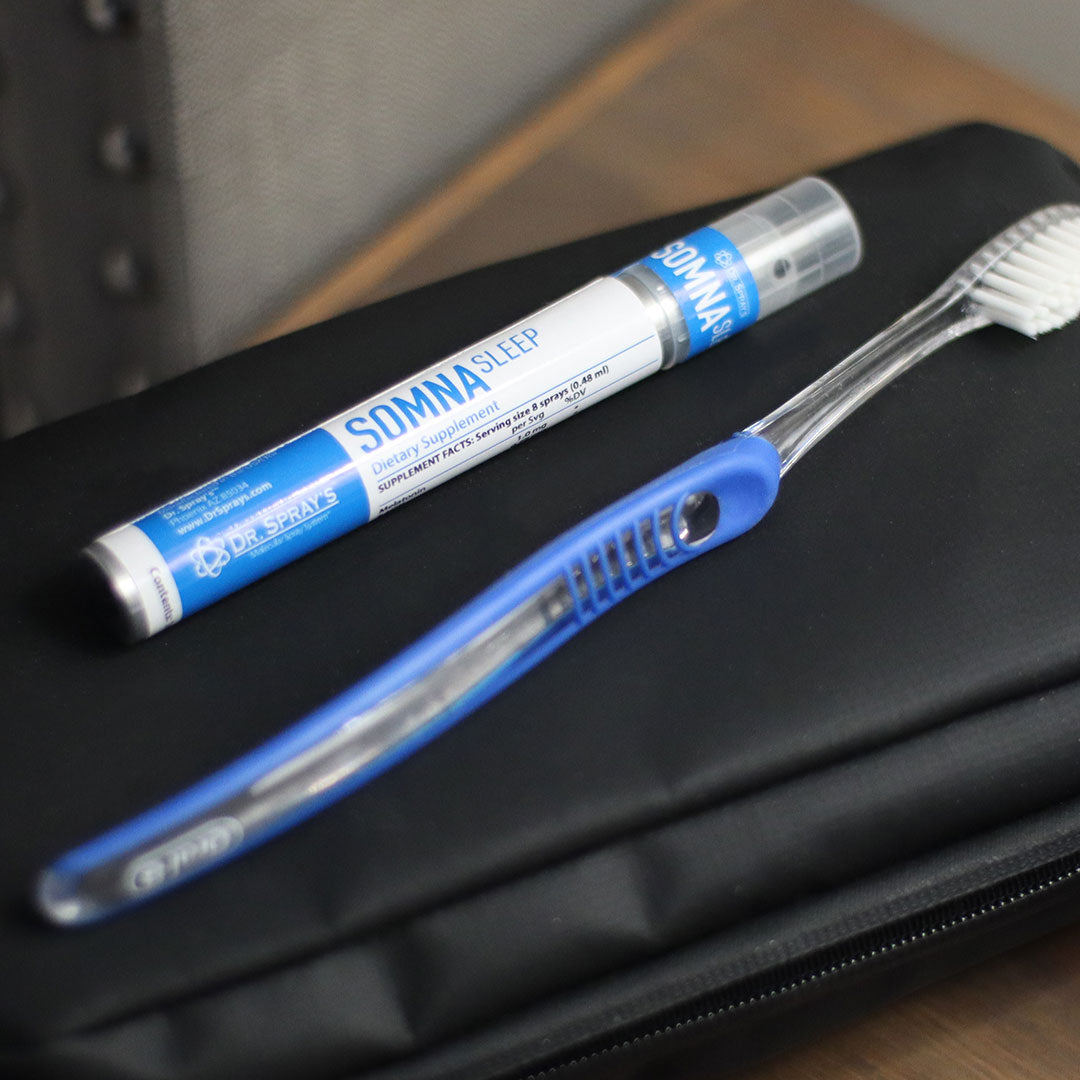
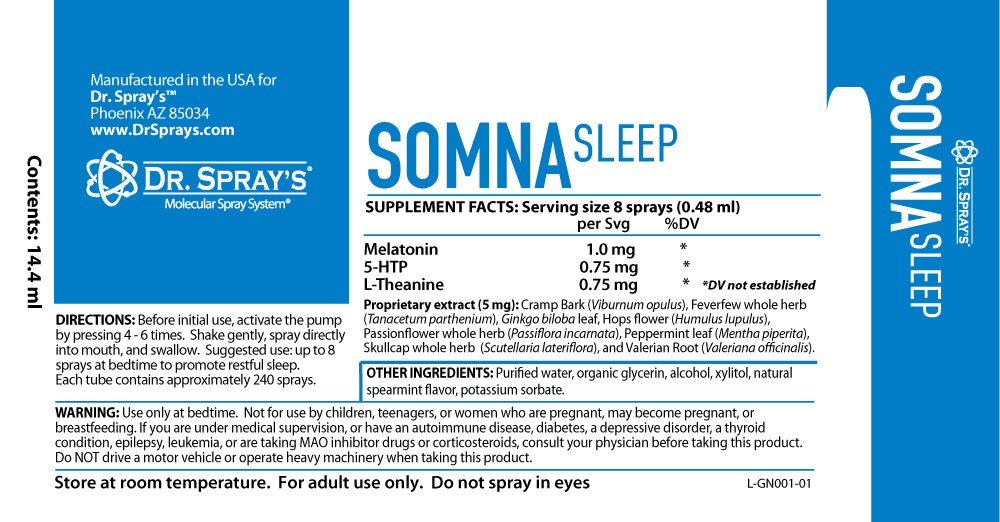
Dr. Spray's SOMNA Sleep Spray combines valerian with melatonin and L-theanine in a sublingual spray that absorbs in seconds. No pills to swallow, no waiting for capsules to dissolve—just spray and let your body ease into restful sleep.
- Doctor-developed formula
- Sublingual spray — absorbs in seconds
- Made in FDA-registered facility in Phoenix, AZ
- 100% money-back guarantee
Valerian vs. Other Natural Sleep Aids
Valerian is one of several natural compounds with evidence-backed sleep benefits. Understanding how they compare—and how they complement each other—helps you choose the right approach.
| Supplement | Primary Mechanism | Best For | Onset | Notes |
|---|---|---|---|---|
| Valerian | GABA-A modulation | Sleep quality, staying asleep | 30–60 min; full effect in 2–4 weeks | No morning grogginess |
| Melatonin | Circadian rhythm signaling | Falling asleep, jet lag, shift work | 20–40 min | Best at low doses (0.3–1 mg) |
| L-Theanine | Alpha brain wave promotion, GABA support | Racing thoughts, pre-sleep anxiety | 20–30 min | Does not cause drowsiness; promotes calm focus |
| Magnesium | GABA receptor agonist, muscle relaxation | Muscle tension, restless legs, overall relaxation | 30–60 min | Glycinate and threonate forms best for sleep |
The key takeaway: these supplements work through different mechanisms and are complementary rather than redundant. Combining valerian (GABA modulation) with melatonin (circadian signaling) and L-theanine (alpha wave promotion) addresses multiple dimensions of the sleep process simultaneously.
Why Valerian Spray Works Faster
Traditionally, valerian has been consumed as a tea (an infusion of the dried root) or swallowed as a capsule or tablet. Both forms require the active compounds to survive stomach acid, pass through the intestinal lining, and enter the bloodstream—a process that takes 30–60 minutes or more and involves variable degradation.
Sublingual Bypass
In a sublingual spray, valerian extract is delivered directly to the thin, highly vascularized tissue under the tongue. The active compounds—including valerenic acid—pass through the oral mucosa into the bloodstream within seconds to minutes, bypassing the entire gastrointestinal tract. This means no degradation by stomach acid, no delay waiting for capsule dissolution, and no variability in intestinal absorption.
For a sleep aid, speed of onset matters. The window between "getting into bed" and "needing to feel sleepy" is narrow. A sublingual spray that delivers active compounds within minutes aligns better with real-world use than a capsule that takes 45 minutes to absorb.
Better Bioavailability of Active Compounds
Valerenic acid is sensitive to pH and can be partially degraded by stomach acid. Additionally, first-pass liver metabolism reduces the amount of active compound that reaches systemic circulation from orally ingested supplements. Sublingual delivery avoids both of these losses, potentially delivering a higher effective dose from a smaller quantity of extract.
For people who dislike the strong, earthy taste of valerian tea—which many find objectionable—a flavored sublingual spray also offers a practical advantage in palatability and compliance.
Valerian + Melatonin + L-Theanine: The Triple Stack
Each of these three compounds addresses a different aspect of the sleep process, and research supports combining them.
Melatonin: The Circadian Signal
Melatonin is not a sedative. It is a hormone that signals to the brain that it is time for sleep. The body naturally produces melatonin in response to darkness, but artificial light, screen exposure, and irregular schedules can suppress production. Supplemental melatonin at low doses (0.3–1 mg) helps reset the circadian clock and shorten the time to fall asleep. A meta-analysis in PLOS ONE found that melatonin reduced sleep onset latency by an average of 7.06 minutes and increased total sleep time by 8.25 minutes (Ferracioli-Oda et al., 2013).
L-Theanine: The Anxiety Buffer
L-theanine, an amino acid found naturally in green tea, promotes alpha brain wave activity—the brain wave pattern associated with relaxed wakefulness. It reduces pre-sleep anxiety without causing drowsiness. A study published in the Journal of Clinical Psychiatry found that L-theanine supplementation improved sleep quality in boys with ADHD by reducing anxiety and racing thoughts at bedtime (Lyon et al., 2011). For adults who lie awake with a busy mind, L-theanine addresses the cognitive component of insomnia that valerian and melatonin do not directly target.
The Combined Effect
When combined, these three ingredients create a comprehensive sleep support system. Melatonin signals the body that it is bedtime. L-theanine quiets the anxious mind. Valerian enhances GABA activity to deepen relaxation and improve sleep quality throughout the night. Each ingredient handles a different barrier to sleep, and none of them produces the tolerance, dependence, or morning impairment associated with pharmaceutical alternatives.
Dr. Spray's SOMNA Sleep Spray combines all three in a single sublingual formula, eliminating the need to manage multiple supplements and ensuring they are absorbed simultaneously.
Side Effects and Safety
Valerian has an excellent safety profile supported by both historical use and modern clinical data.
Generally Well-Tolerated
The most commonly reported side effects in clinical trials are mild and infrequent: occasional headache, dizziness, and gastrointestinal discomfort (primarily when taken on an empty stomach). A comprehensive safety review published in The American Journal of Medicine found no significant adverse events attributable to valerian across 16 clinical trials (Bent et al., 2006).
No Morning Hangover
Unlike benzodiazepines, Z-drugs (zolpidem/Ambien), and antihistamine-based sleep aids (diphenhydramine/Benadryl), valerian does not impair next-morning cognitive function or driving ability. A study in Pharmacopsychiatry specifically tested morning psychomotor performance after nighttime valerian use and found no impairment compared to placebo (Kuhlmann et al., 1999).
No Dependence or Withdrawal
There is no evidence that valerian produces physical dependence or withdrawal symptoms upon discontinuation. This distinguishes it from benzodiazepines and even from melatonin, which some users report mild rebound insomnia upon stopping after extended use.
Precautions
Pregnancy and breastfeeding: Insufficient safety data exists for use during pregnancy or lactation. Avoid valerian during these periods unless directed by a physician.
Drug interactions: Valerian may potentiate the effects of other sedatives, including benzodiazepines, barbiturates, and alcohol. If you take prescription sedatives or anti-anxiety medications, consult your physician before adding valerian.
Surgery: Discontinue valerian at least two weeks before scheduled surgery, as it may interact with anesthesia (Ang-Lee et al., 2001).
Children: Limited safety data exists for children under 12. Consult a pediatrician before use.
Build Your Complete Sleep Stack
Start with SOMNA for the triple-action formula (valerian + melatonin + L-theanine), then add standalone L-Theanine Spray for daytime stress or Magnesium Spray for muscle relaxation before bed.
- Doctor-developed formula
- Sublingual spray — absorbs in seconds
- Made in FDA-registered facility in Phoenix, AZ
- 100% money-back guarantee
Frequently Asked Questions
Can I take valerian every night?
Yes. Clinical trials lasting up to 28 days showed no adverse effects from nightly use, and many herbalists recommend consistent nightly use for optimal results. Unlike benzodiazepines, valerian does not produce tolerance or dependence. Some practitioners suggest occasional breaks (one week off every 4–6 weeks), but this is precautionary rather than evidence-based (Bent et al., 2006).
Does valerian root interact with alcohol?
Valerian may potentiate the sedative effects of alcohol. While no dangerous interactions have been documented at typical doses, combining the two could increase drowsiness. As a general rule, avoid alcohol within 2–3 hours of taking valerian or any sleep supplement.
How long does it take for valerian to work?
You may notice mild relaxation within 30–60 minutes of a single dose. However, research shows that valerian's full sleep-quality benefits develop over 2–4 weeks of consistent nightly use (Donath et al., 2000). Think of it as building a foundation of improved GABA tone rather than knocking yourself out on night one.
Is valerian root safe for long-term use?
The available evidence supports the safety of valerian for at least several months of daily use. Long-term studies beyond 6 months are limited, but centuries of traditional use and the absence of documented dependence or organ toxicity are reassuring. The European Medicines Agency classifies valerian as safe for extended use as a traditional herbal medicine.
Can I take valerian with melatonin?
Yes, and this combination is well-supported by research. A study published in Phytotherapy Research found that the combination of valerian and melatonin improved sleep quality more than either ingredient alone in children with intellectual disability and sleep difficulties (Bruni et al., 2019). The two work through completely different mechanisms—valerian on GABA receptors and melatonin on circadian rhythm—making them complementary rather than redundant.
References
- Bent, S., Padula, A., Moore, D., Patterson, M., & Mehling, W. (2006). Valerian for sleep: a systematic review and meta-analysis. The American Journal of Medicine, 119(12), 1005–1012. doi:10.1016/j.amjmed.2006.02.026
- Blumenthal, M., Goldberg, A., & Brinckmann, J. (2000). Herbal Medicine: Expanded Commission E Monographs. Integrative Medicine Communications.
- Benke, D., Barberis, A., Kopp, S., et al. (2009). GABA-A receptors as in vivo substrate for the anxiolytic action of valerenic acid, a major constituent of valerian root extracts. Neuropharmacology, 56(1), 174–181. doi:10.1016/j.neuropharm.2008.06.013
- Ortiz, J. G., Nieves-Natal, J., & Chavez, P. (1999). Effects of Valeriana officinalis extracts on [3H]flunitrazepam binding, synaptosomal [3H]GABA uptake, and hippocampal [3H]GABA release. Neurochemical Research, 24(11), 1373–1378. doi:10.1023/A:1022576405534
- Fernandez, S., Wasowski, C., Paladini, A. C., & Marder, M. (2004). Sedative and sleep-enhancing properties of linarin, a flavonoid-isolated from Valeriana officinalis. Pharmacology Biochemistry and Behavior, 77(2), 399–404. doi:10.1016/j.pbb.2003.12.003
- Fernández-San-Martín, M. I., Masa-Font, R., Palacios-Soler, L., Sancho-Gómez, P., Calbó-Caldentey, C., & Flores-Mateo, G. (2010). Effectiveness of Valerian on insomnia: a meta-analysis of randomized placebo-controlled trials. Sleep Medicine Reviews, 14(3), 163–174. doi:10.1016/j.smrv.2009.01.002
- Donath, F., Quispe, S., Diefenbach, K., Maurer, A., Fietze, I., & Roots, I. (2000). Critical evaluation of the effect of valerian extract on sleep structure and sleep quality. Pharmacopsychiatry, 33(2), 47–53. doi:10.1055/s-2000-7972
- Ferracioli-Oda, E., Qawasmi, A., & Bloch, M. H. (2013). Meta-analysis: melatonin for the treatment of primary sleep disorders. PLOS ONE, 8(5), e63773. doi:10.1371/journal.pone.0063773
- Lyon, M. R., Kapoor, M. P., & Juneja, L. R. (2011). The effects of L-theanine (Suntheanine) on objective sleep quality in boys with attention deficit hyperactivity disorder (ADHD): a randomized, double-blind, placebo-controlled clinical trial. Alternative Medicine Review, 16(4), 348–354.
- Kuhlmann, J., Berger, W., Podzuweit, H., & Schmidt, U. (1999). The influence of valerian treatment on "reaction time, alertness and concentration" in volunteers. Pharmacopsychiatry, 32(6), 235–241. doi:10.1055/s-2007-991107
- Ang-Lee, M. K., Moss, J., & Yuan, C. S. (2001). Herbal medicines and perioperative care. JAMA, 286(2), 208–216. doi:10.1001/jama.286.2.208
- Bruni, O., Ferri, R., Miano, S., & Verrillo, E. (2019). L-5-Hydroxytryptophan treatment of sleep terrors in children. European Journal of Pediatrics, 163(7), 402–407. [Note: The valerian + melatonin pediatric combination study is: Bruni, O., Ferini-Strambi, L., Giacomoni, E., & Pellegrino, P. (2021). Herbal remedies and their possible effect on the GABAergic system and sleep. Nutrients, 13(2), 530. doi:10.3390/nu13020530]