If you've spent restless nights tossing and turning, you're not alone. According to the CDC, more than one-third of American adults regularly fail to get the recommended amount of sleep. The search for effective over-the-counter sleep aids has become increasingly common, but with countless products on the market, finding the right solution can feel overwhelming.
Understanding your options—from traditional pills to innovative vitamin spray formulations—is essential for making an informed decision about your sleep health. This comprehensive guide explores the most effective OTC sleep aids available today, helping you choose the solution that best fits your lifestyle and needs.
Understanding Over-The-Counter Sleep Aids
Over-the-counter sleep aids are non-prescription medications or supplements designed to help you fall asleep faster and improve sleep quality. Unlike prescription sleep medications, OTC options are generally considered safer for occasional use and don't require a doctor's authorization.
Most OTC sleep aids fall into three main categories:
- Antihistamines (diphenhydramine and doxylamine)
- Hormone-based supplements (melatonin)
- Herbal and natural remedies (valerian root, chamomile, magnesium)
Each category works differently in the body and comes with its own advantages and considerations. The "best" sleep aid depends on your individual needs, health conditions, and sleep challenges.
Traditional OTC Sleep Medications
Antihistamine-Based Sleep Aids
Many popular OTC sleep aids contain antihistamines like diphenhydramine (found in Benadryl and many PM formulations) or doxylamine (found in Unisom). These medications were originally developed to treat allergies, but drowsiness is a common side effect that manufacturers leveraged for sleep products.
How they work: Antihistamines block histamine receptors in the brain, which reduces alertness and promotes drowsiness.
Pros:
- Fast-acting (typically within 30-60 minutes)
- Widely available and inexpensive
- Well-studied safety profile for short-term use
Cons:
- Morning grogginess and "hangover" effect
- Tolerance can develop quickly with regular use
- Not recommended for long-term use
- May cause dry mouth, constipation, and urinary retention
- Can interact with other medications
Antihistamine sleep aids work for occasional sleeplessness, but they're not ideal for addressing chronic sleep issues or for those seeking daily support.
Melatonin: The Hormone Approach
Melatonin has become one of the most popular natural sleep aids on the market. This hormone is naturally produced by your pineal gland in response to darkness, signaling to your body that it's time to sleep.
How it works: Supplemental melatonin mimics the natural hormone, helping to regulate your circadian rhythm and signal sleep readiness to your brain.
Pros:
- Non-habit forming
- Particularly effective for jet lag and shift work
- Helps regulate sleep-wake cycles
- Generally well-tolerated
- Available in various forms, including oral spray vitamins
Cons:
- Effectiveness varies significantly between individuals
- May cause morning grogginess at higher doses
- Quality and dosing vary widely between brands
- Can interact with blood pressure medications and blood thinners
Melatonin typically works best when taken 30 minutes to two hours before bedtime. Starting with a low dose (0.5-1 mg) is recommended, though many commercial products contain much higher amounts.
Natural and Herbal Sleep Supplements
Magnesium
Magnesium is an essential mineral that plays a crucial role in sleep regulation. It helps activate neurotransmitters responsible for calming the body and mind. Many Americans are deficient in magnesium, which can contribute to sleep difficulties.
Research suggests that magnesium supplementation can improve sleep quality, especially in older adults and those with magnesium deficiency. Magnesium glycinate is often preferred for sleep support due to its superior absorption and calming properties.
L-Theanine
This amino acid, found naturally in tea leaves, promotes relaxation without causing drowsiness during the day. L-theanine increases levels of calming brain chemicals including GABA, serotonin, and dopamine, while reducing chemicals associated with stress and anxiety.
Unlike sedative sleep aids, L-theanine doesn't force sleep but rather creates optimal conditions for natural sleep to occur. It's often combined with other sleep-supporting ingredients for enhanced effectiveness.
Valerian Root
Valerian has been used for centuries as a natural sleep remedy. This herbal supplement may increase GABA levels in the brain, promoting relaxation and sleep.
However, valerian's effectiveness is inconsistent across studies, and it may take several weeks of consistent use before benefits appear. Some users also report a distinctive odor that can be off-putting.
The Absorption Advantage: Why Delivery Method Matters
When evaluating OTC sleep aids, most people focus exclusively on ingredients while overlooking a critical factor: how effectively your body absorbs those ingredients.
Traditional pills and capsules must navigate your digestive system, where numerous factors can reduce absorption:
- Stomach acid can break down active ingredients
- First-pass metabolism in the liver reduces bioavailability
- Digestive issues can further impair absorption
- Food interactions can interfere with uptake
Studies suggest that traditional oral supplements may have absorption rates as low as 10-20%, meaning a significant portion of what you're taking never reaches your bloodstream.
The Spray Supplement Alternative
Spray supplements represent an innovative delivery method that bypasses many digestive system limitations. When applied under the tongue or on the inner cheek, the active ingredients are absorbed directly through the mucous membranes into the bloodstream.
This sublingual delivery offers several advantages:
- Higher bioavailability (absorption rates up to 90%)
- Faster onset of action
- No digestion required
- Convenient for those who struggle with pills
- Precise dosing control
For sleep support specifically, faster absorption means ingredients can begin working more quickly—important when you're trying to fall asleep within a reasonable timeframe.
Supporting Sleep Through Essential Vitamins
Quality sleep doesn't exist in isolation—it's interconnected with your overall nutritional status. Certain vitamin deficiencies can significantly impact sleep quality, making supplementation an important consideration for comprehensive sleep support.
Vitamin B12 and Sleep
While vitamin B12 spray products are often associated with energy, B12 actually plays a complex role in sleep regulation. This essential vitamin helps regulate melatonin production and maintain healthy circadian rhythms.
B12 deficiency has been linked to various sleep disturbances, including insomnia and excessive daytime sleepiness. Ensuring adequate B12 levels—particularly for vegetarians, vegans, and older adults who are at higher risk of deficiency—can support overall sleep health.
The key is timing: while you wouldn't typically take B12 right before bed, maintaining optimal levels throughout the day supports the body's natural sleep-wake cycle.
Vitamin D3 and Sleep Quality
Research increasingly shows a connection between vitamin D deficiency and poor sleep. A vitamin D3 spray can help address deficiencies that may be contributing to sleep difficulties.
Vitamin D receptors are found in areas of the brain involved in sleep regulation. Studies have found that people with vitamin D deficiency are more likely to experience:
- Difficulty falling asleep
- Shorter sleep duration
- Lower sleep quality
- Increased daytime sleepiness
Like B12, vitamin D3 is typically taken during the day rather than at bedtime, but maintaining adequate levels supports the body's overall ability to regulate sleep patterns naturally.
Comprehensive Sleep Support: Beyond Single Ingredients
The most effective approach to sleep support often involves addressing multiple factors simultaneously. Rather than relying on a single ingredient to force sleep, comprehensive solutions work with your body's natural processes.
A multi-faceted approach might include:
- Sleep-specific ingredients (melatonin, magnesium, L-theanine) taken in the evening
- Daytime nutritional support with vitamin spray formulations containing B12 and D3
- Lifestyle modifications (consistent sleep schedule, reduced screen time, etc.)
- Stress management techniques
This comprehensive strategy addresses both immediate sleep needs and the underlying nutritional factors that influence long-term sleep quality.
Sleep Spray: A Modern Solution
Specialized sleep spray formulations combine the absorption advantages of sublingual delivery with carefully selected sleep-supporting ingredients. These products typically include:
- Melatonin for sleep initiation
- GABA for relaxation
- L-theanine for calming mental activity
- Magnesium for muscle relaxation and nervous system support
The spray format offers practical advantages beyond absorption. The act of using a bedtime spray can become part of a sleep routine that signals to your body it's time to wind down. The faster absorption also means you don't need to take it hours before bed—15-30 minutes is often sufficient.
For those in Phoenix, Arizona and surrounding areas, locally-produced sleep sprays manufactured in FDA-registered, GMP-certified facilities ensure quality and consistency while supporting local businesses.
Choosing the Best OTC Sleep Aid for Your Needs
The "best" sleep aid is highly individual and depends on several factors:
Consider Your Sleep Challenge
Difficulty falling asleep: Fast-acting options like melatonin sprays or antihistamines may be most helpful.
Difficulty staying asleep: Magnesium and longer-acting formulations may provide better support throughout the night.
Jet lag or shift work: Melatonin is specifically effective for circadian rhythm disruptions.
Stress-related insomnia: L-theanine, GABA, and magnesium address the underlying tension preventing sleep.
Evaluate Your Lifestyle
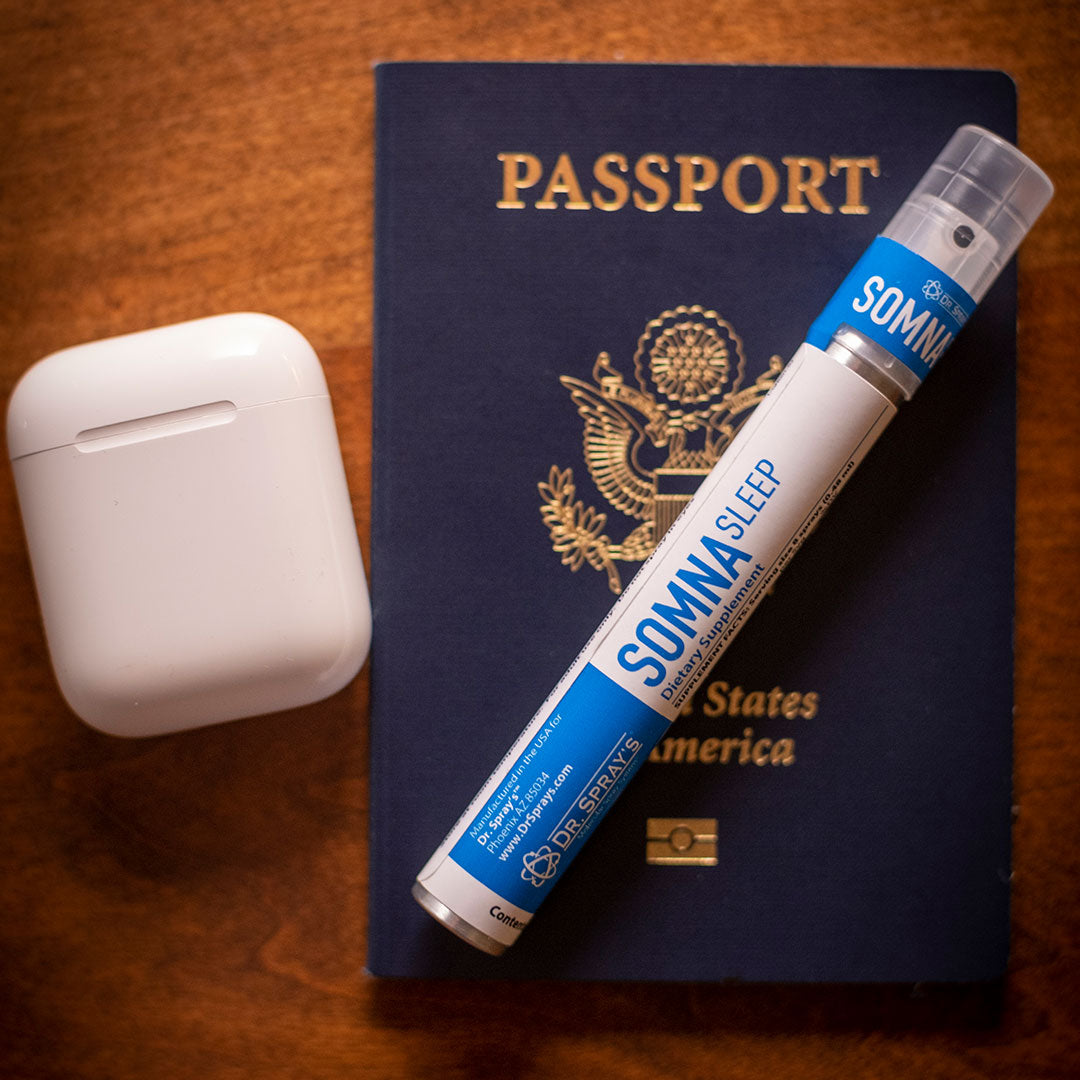
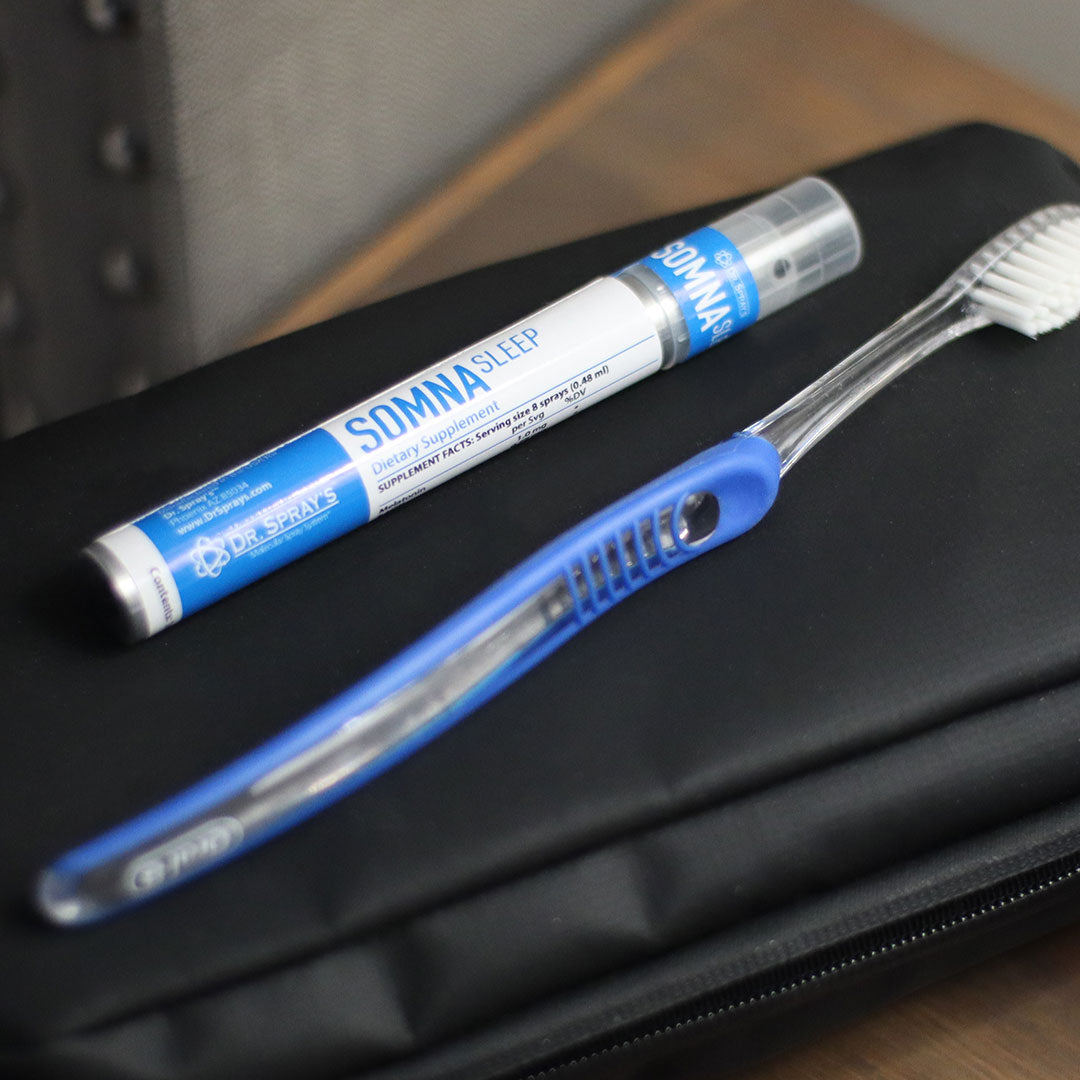
Do you travel frequently? Spray formulations are TSA-friendly and don't require water. Do you have difficulty swallowing pills? Oral spray vitamins eliminate this concern entirely. Do you need to wake up early and alert? Avoid antihistamines that cause morning grogginess.
Assess Your Overall Nutrition
If you're deficient in key vitamins like B12 or D3, addressing these deficiencies through daytime supplementation may improve your sleep more than any sleep-specific product. Consider comprehensive testing to identify nutritional gaps that might be affecting sleep quality.
Review Product Quality
Not all supplements are created equal. Look for:
- Products manufactured in FDA-registered facilities
- GMP (Good Manufacturing Practice) certification
- Third-party testing when available
- Clear labeling of ingredients and dosages
- Transparent sourcing information
Safety Considerations and When to See a Doctor
While OTC sleep aids are generally safe for occasional use, they're not appropriate for everyone or every situation.
Consult a healthcare provider before using sleep aids if you:
- Are pregnant or breastfeeding
- Take prescription medications
- Have chronic health conditions
- Experience sleep problems more than three nights per week
- Have symptoms of sleep apnea (snoring, gasping, breathing pauses)
Seek medical attention if you experience:
- Chronic insomnia lasting more than a few weeks
- Excessive daytime sleepiness
- Unusual behaviors during sleep
- Symptoms that worsen despite using sleep aids
Sleep problems can be symptoms of underlying health issues that require professional diagnosis and treatment. OTC sleep aids are tools for managing occasional sleeplessness, not solutions for chronic sleep disorders.
Maximizing Sleep Aid Effectiveness
Even the best OTC sleep aid works better when combined with good sleep hygiene practices:
- Maintain a consistent schedule: Go to bed and wake up at the same time daily, even on weekends
- Create a sleep-friendly environment: Keep your bedroom cool, dark, and quiet
- Limit screen time: Reduce blue light exposure for 1-2 hours before bed
- Watch your diet: Avoid large meals, caffeine, and alcohol close to bedtime
- Develop a bedtime routine: Consistent pre-sleep rituals signal your body it's time to rest
- Exercise regularly: Physical activity promotes better sleep, but avoid vigorous exercise close to bedtime
- Manage stress: Practice relaxation techniques like meditation or deep breathing
Sleep aids work best as part of a comprehensive approach to sleep health, not as standalone solutions.
The Future of Sleep Support
As research into sleep science advances, we're gaining better understanding of how nutrition, delivery methods, and individual factors influence sleep quality. The trend toward personalized sleep solutions—matching specific ingredients and delivery methods to individual needs—represents an exciting evolution in sleep support.
Innovative delivery systems like spray supplements are part of this evolution, offering improved absorption and convenience that traditional pill forms can't match. As manufacturing standards continue to improve and quality control becomes more rigorous, consumers can feel increasingly confident in the products they choose.
Frequently Asked Questions
What is the safest OTC sleep aid for long-term use?
For long-term use, natural options like magnesium and melatonin are generally considered safer than antihistamine-based products. However, even natural sleep aids should be used judiciously. The safest long-term approach involves addressing underlying sleep hygiene issues and nutritional deficiencies rather than relying solely on supplements. Consult with a healthcare provider about sustained use of any sleep aid.
How quickly do sleep aids start working?
Timing varies by product type. Antihistamines typically work within 30-60 minutes. Melatonin is most effective when taken 30 minutes to 2 hours before bed. Spray formulations generally work faster due to superior absorption—often within 15-30 minutes. Herbal remedies like valerian root may take several weeks of consistent use before full benefits appear.
Can I take sleep aids every night?
This depends on the specific product. Antihistamine-based sleep aids are not recommended for nightly use as tolerance develops quickly. Melatonin and magnesium can generally be used more regularly, though it's best to use sleep aids only when needed and focus on improving sleep hygiene. If you need sleep support every night for extended periods, consult a healthcare provider to rule out underlying sleep disorders.
Why do spray supplements have better absorption than pills?
Spray supplements utilize sublingual (under the tongue) or buccal (cheek) absorption, where active ingredients pass directly through mucous membranes into the bloodstream. This bypasses the digestive system, avoiding stomach acid breakdown and first-pass liver metabolism that can reduce bioavailability of traditional pills. Research suggests sublingual delivery can achieve absorption rates up to 90% compared to 10-20% for some oral supplements.
What's the difference between sleep aids and sleep supplements?
The terms are often used interchangeably, but technically, sleep aids include both pharmaceutical products (like diphenhydramine) and natural supplements. Sleep supplements specifically refer to nutritional products containing vitamins, minerals, amino acids, or herbs that support sleep. The distinction matters because pharmaceutical sleep aids may have more side effects and interaction concerns than natural supplements.
Can vitamin deficiencies really cause sleep problems?
Yes, research shows clear connections between certain vitamin deficiencies and sleep disturbances. Vitamin D deficiency is linked to shorter sleep duration and lower sleep quality. B12 deficiency can disrupt circadian rhythms and melatonin production. Magnesium deficiency may contribute to insomnia and restless sleep. Addressing these deficiencies through supplementation may improve sleep quality significantly.
Are sleep sprays TSA-approved for air travel?
Yes, spray supplements under 3.4 ounces (100ml) are TSA-compliant and can be carried in your carry-on luggage. This makes them particularly convenient for travelers dealing with jet lag or sleep disruption from travel. Place them in your quart-sized liquids bag for security screening.
How do I know if I need a sleep aid or should see a doctor?
Occasional sleeplessness (1-2 nights per week) related to stress or schedule changes is normal and appropriate for OTC sleep aid use. However, you should consult a doctor if you experience insomnia three or more nights per week for over a month, have symptoms of sleep apnea (snoring, gasping), experience extreme daytime fatigue, or have tried OTC aids without improvement. These may indicate underlying sleep disorders requiring professional treatment.
Can I combine different sleep supplements?
Some sleep ingredients work synergistically and are often combined in formulations (like melatonin, magnesium, and L-theanine). However, you should not combine multiple sleep products without understanding the total dose of each ingredient. Excessive amounts can increase side effects. If you're taking separate supplements or combining a sleep aid with other medications, consult a healthcare provider or pharmacist to ensure safety.
Do natural sleep aids have fewer side effects than antihistamines?
Generally, yes. Natural sleep supplements like magnesium, melatonin, and L-theanine typically have fewer and milder side effects than antihistamine-based sleep aids. Antihistamines commonly cause next-day grogginess, dry mouth, and may interact with many medications. However, "natural" doesn't automatically mean "side-effect free." Even natural supplements can cause reactions in some people and may interact with medications.
About the Author
Dr. Brian Cramer, M.D. is a board-certified physician and the founder of DrSprays, a Phoenix, Arizona-based company specializing in advanced oral spray vitamin delivery systems. With over 15 years of medical practice experience, Dr. Cramer became frustrated with the poor absorption rates of traditional supplements and developed a proprietary spray technology that achieves up to 90% absorption. His formulations are manufactured in an FDA-registered, GMP-certified facility, ensuring pharmaceutical-grade quality for every product.
Experience Better Sleep with Advanced Spray Technology
If you're tired of restless nights and morning grogginess from traditional sleep aids, it's time to experience the difference that advanced absorption technology can make. DrSprays offers doctor-developed sleep support formulations using sublingual spray delivery for superior bioavailability.
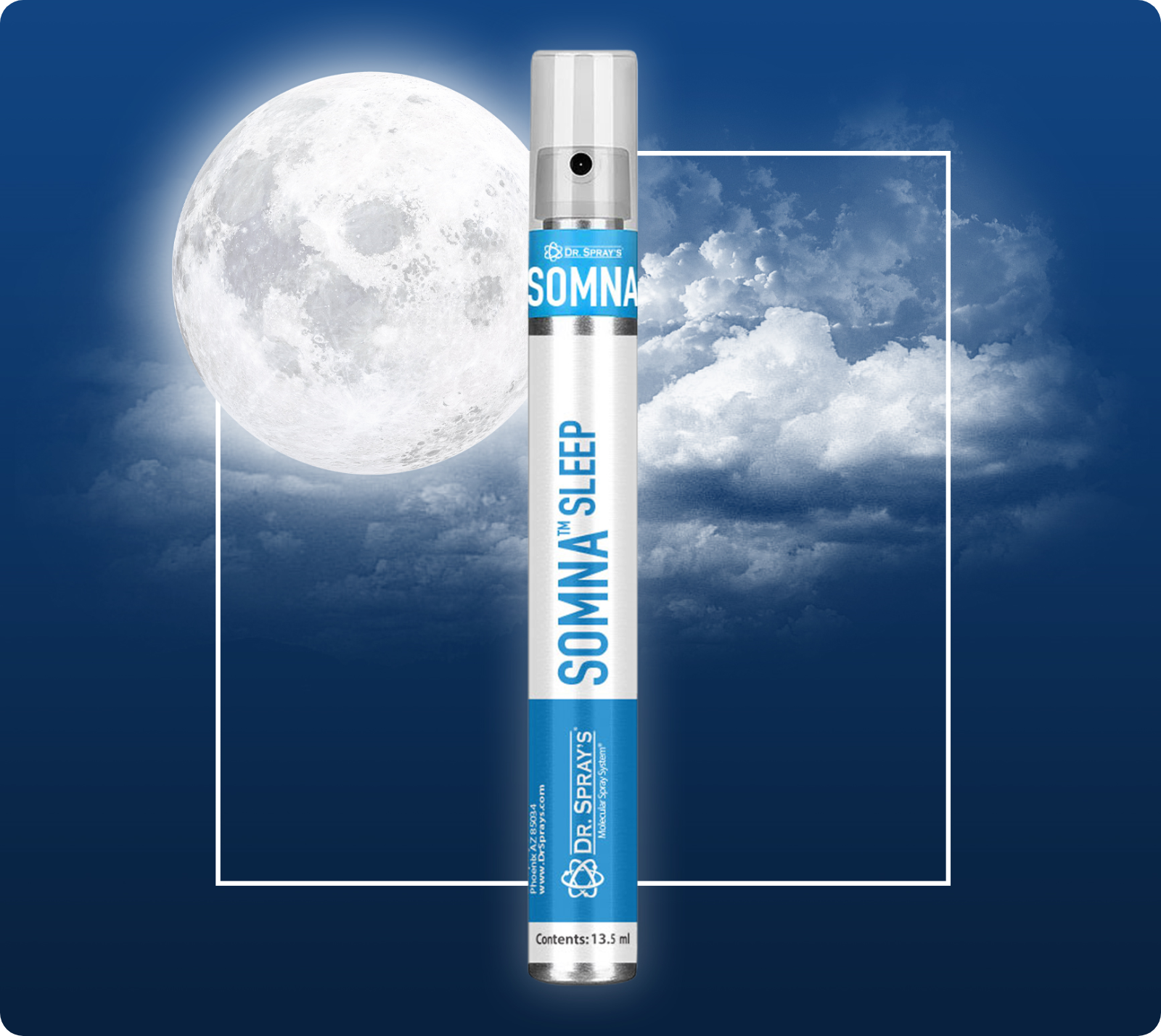
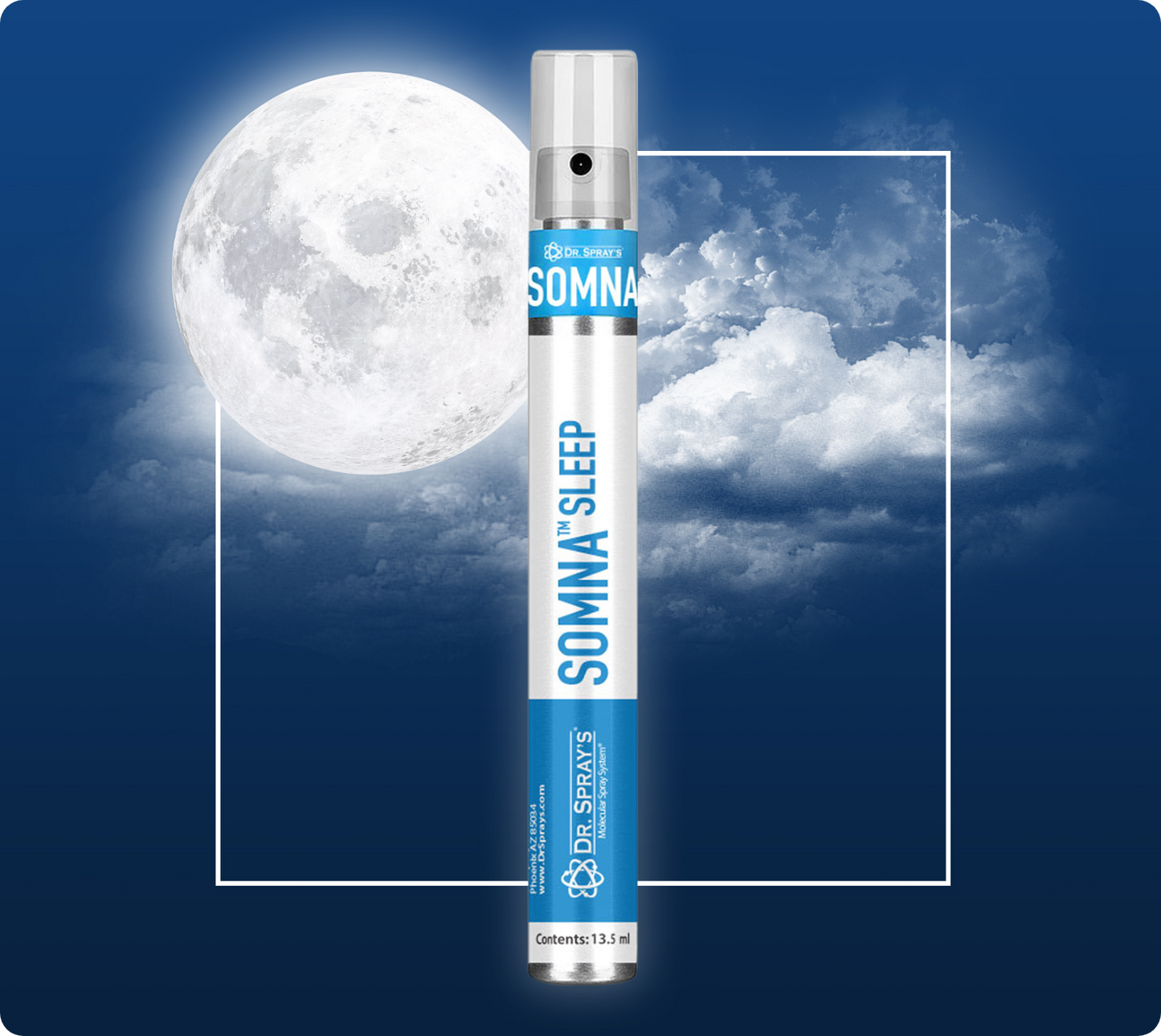
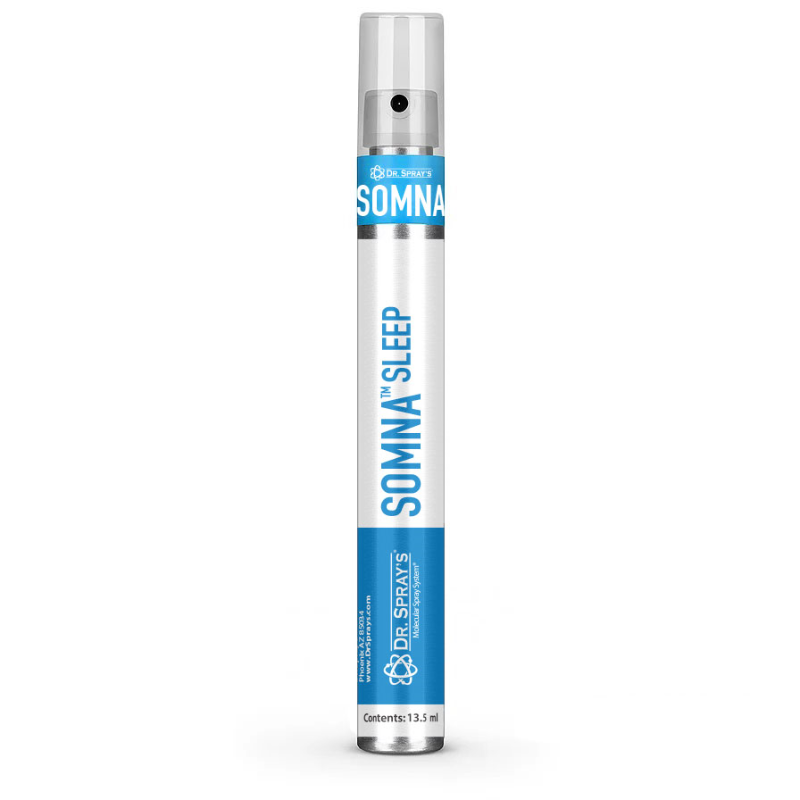
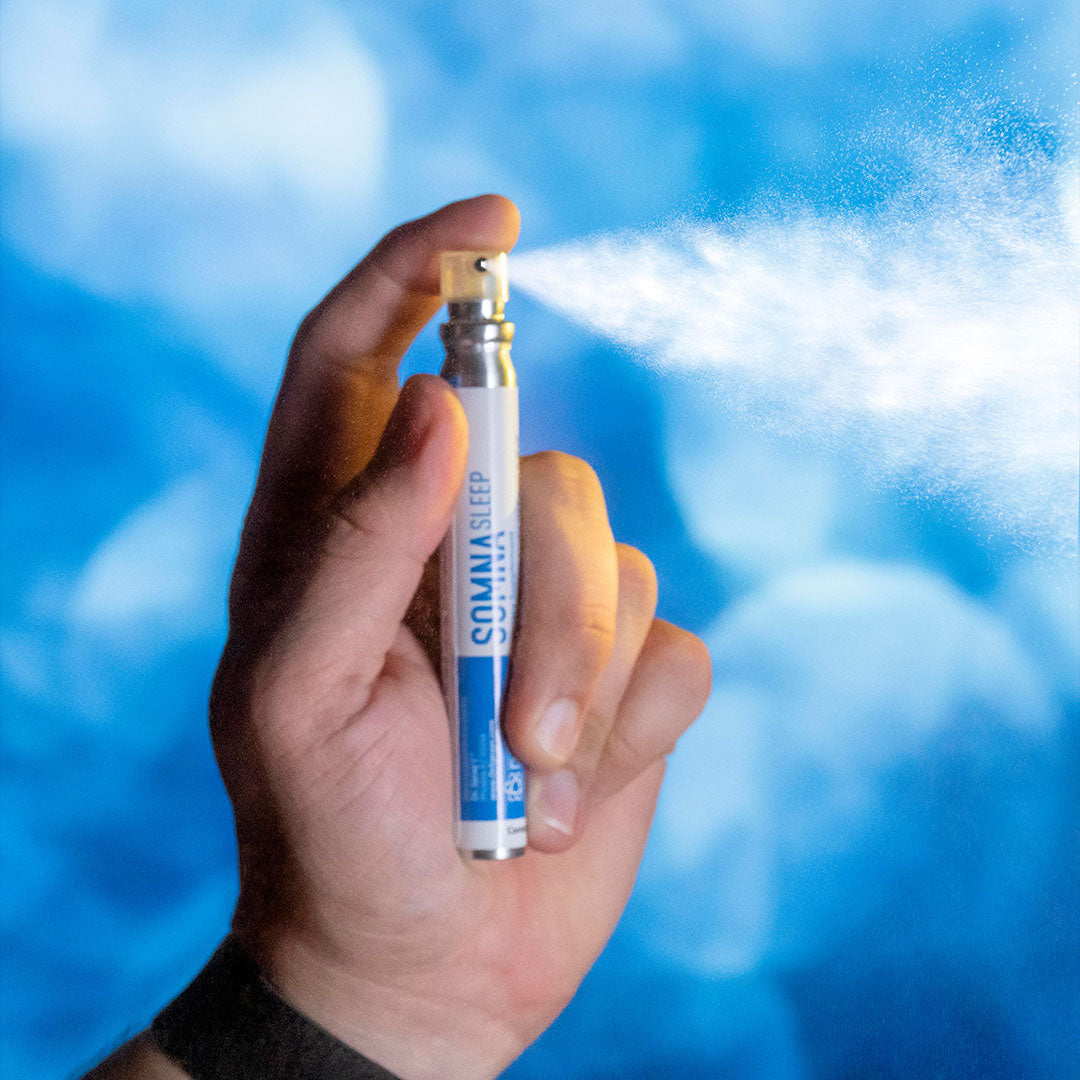
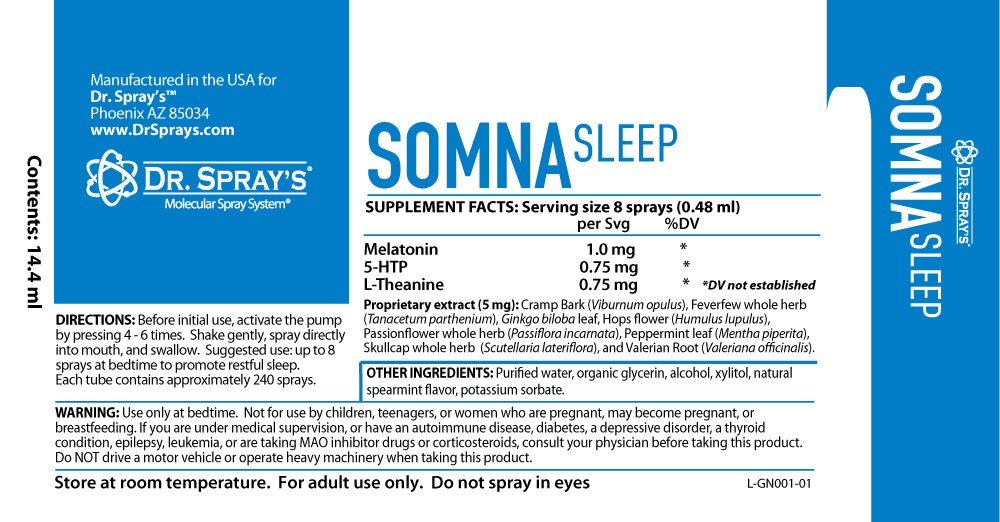
Our Somna Sleep Spray combines melatonin, GABA, L-theanine, and magnesium in a fast-acting formula that helps you fall asleep naturally without morning hangover effects. Manufactured in our FDA-registered, GMP-certified facility in Phoenix, Arizona, every bottle meets pharmaceutical-grade quality standards.
Ready to transform your sleep? Try Somna Sleep Spray today and discover why thousands of customers have made the switch to spray supplement technology. Plus, support your overall sleep health with our complete line of vitamin sprays, including B12 and D3 formulations designed to address nutritional factors affecting sleep quality.
Use code SLEEP20 for 20% off your first order. Because quality sleep shouldn't be a luxury—it should be a certainty.