If you've ever spent the night staring at the ceiling, counting sheep that never seem to materialize, you're not alone. Millions of Americans struggle with sleep, and many are searching for natural solutions that won't leave them groggy the next morning or dependent on prescription medications.
The search for the safest natural sleep aid requires understanding both what's available and how different options work with your body's existing systems. From herbal remedies to innovative vitamin spray formulations, the landscape of natural sleep support has evolved significantly in recent years.
Understanding Natural Sleep Aids vs. Prescription Sleep Medications
Before exploring specific natural options, it's important to understand what distinguishes natural sleep aids from pharmaceutical alternatives. Natural sleep aids work with your body's existing sleep mechanisms rather than forcing unconsciousness through sedation.
Prescription sleep medications typically function by depressing the central nervous system, which can lead to dependency, tolerance, and a range of side effects including morning grogginess, memory impairment, and in some cases, dangerous sleep behaviors. Natural sleep aids, by contrast, support the body's natural production of sleep hormones and neurotransmitters.
The safety profile of natural sleep aids generally includes fewer side effects, lower risk of dependency, and the ability to support overall health rather than simply masking sleep problems. However, "natural" doesn't automatically mean "safe for everyone," which is why understanding individual ingredients and their mechanisms becomes crucial.
The Most Researched Natural Sleep Aid: Melatonin
Melatonin stands as the most extensively studied natural sleep aid available today. This hormone, produced naturally by your pineal gland, regulates your circadian rhythm—your body's internal clock that signals when it's time to sleep and wake.
What makes melatonin particularly safe is that you're supplementing something your body already produces. Modern life, however, disrupts natural melatonin production through artificial light exposure, irregular schedules, and screen time before bed. Supplemental melatonin helps restore what lifestyle factors have diminished.
Why Melatonin Delivery Method Matters
The challenge with traditional melatonin pills and capsules lies in absorption. Oral tablets must survive stomach acid and first-pass metabolism in the liver, which significantly reduces the amount that reaches your bloodstream. Studies suggest that only 15-20% of melatonin from pills actually gets absorbed.
This is where oral spray vitamins demonstrate a significant advantage. When delivered as a spray, melatonin enters the bloodstream through the mucous membranes in your mouth, bypassing digestive breakdown. This sublingual absorption can increase bioavailability to approximately 90%, meaning you need less of the ingredient to achieve the same effect.
Our facility in Phoenix, Arizona produces melatonin-containing sleep formulations using this advanced delivery technology, ensuring maximum effectiveness with minimal dosing.
Magnesium: The Relaxation Mineral
Magnesium deserves recognition as one of the safest and most effective natural sleep supporters. This essential mineral participates in over 300 biochemical reactions in your body, including those that regulate neurotransmitters involved in sleep.
Research shows that magnesium deficiency correlates strongly with sleep difficulties. The mineral helps activate the parasympathetic nervous system—the system responsible for helping you feel calm and relaxed. It also regulates melatonin production and binds to GABA receptors, which are the same receptors targeted by many prescription sleep medications, but without the associated risks.
Forms of Magnesium for Sleep
Not all magnesium supplements are created equal. Magnesium glycinate and magnesium threonate are particularly effective for sleep because they cross the blood-brain barrier more efficiently and are less likely to cause digestive upset than cheaper forms like magnesium oxide.
When incorporated into spray supplements, magnesium can be absorbed more effectively, reducing the gastrointestinal issues that sometimes occur with high-dose oral magnesium tablets.
L-Theanine: The Calming Amino Acid
Found naturally in tea leaves, L-theanine promotes relaxation without sedation—a unique quality that makes it exceptionally safe. This amino acid crosses the blood-brain barrier and influences neurotransmitter levels, specifically increasing GABA, serotonin, and dopamine.
What distinguishes L-theanine from other natural sleep aids is its ability to promote alpha brain wave activity. Alpha waves are associated with a relaxed but alert mental state—similar to what you experience during meditation. This makes L-theanine particularly useful for people whose sleep difficulties stem from racing thoughts and anxiety rather than physical fatigue.
Clinical studies have demonstrated that L-theanine improves sleep quality without causing morning drowsiness. The typical dosing range of 200-400mg has shown an excellent safety profile with virtually no reported adverse effects.
Combining Natural Sleep Ingredients: Synergistic Formulations
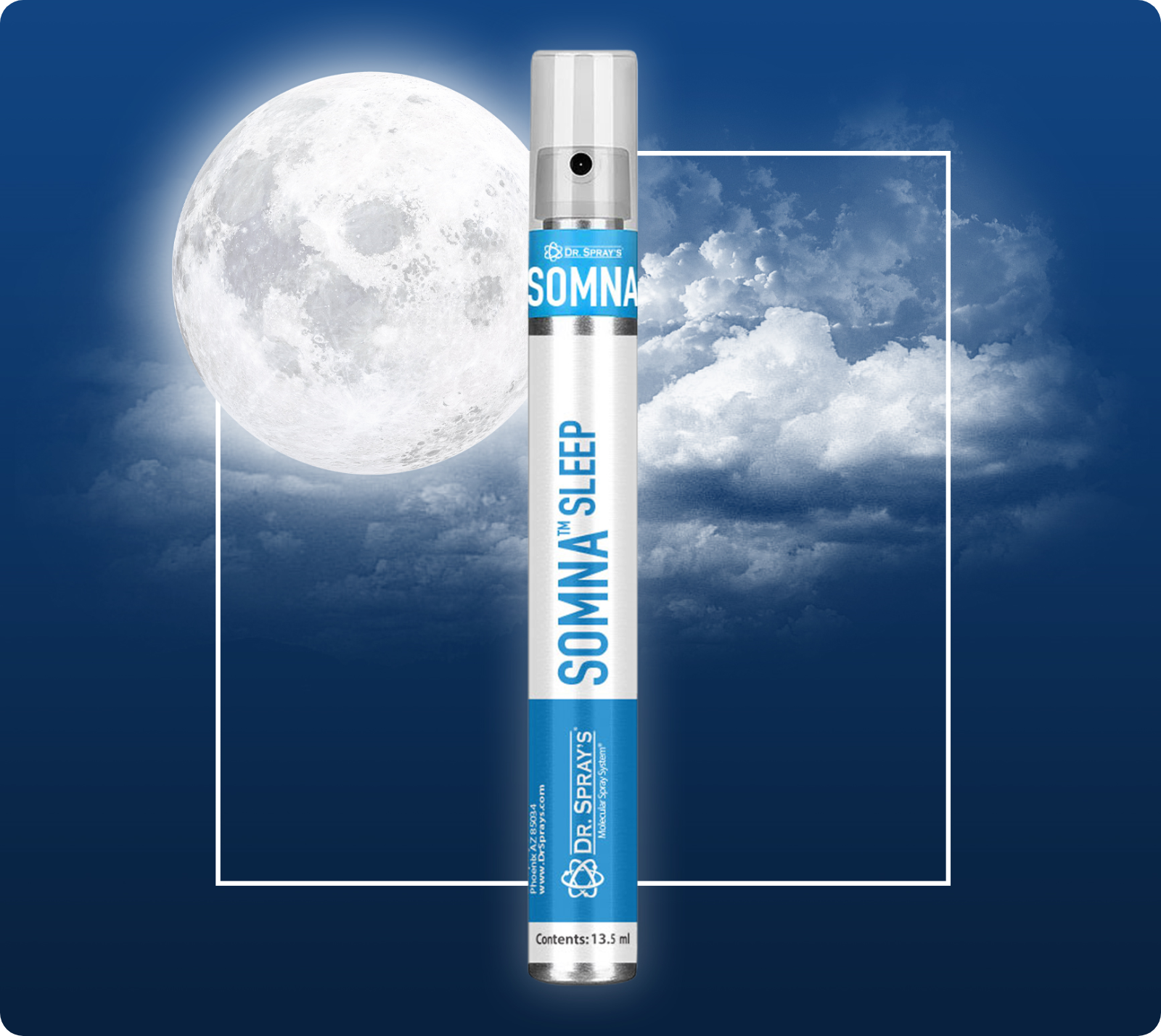
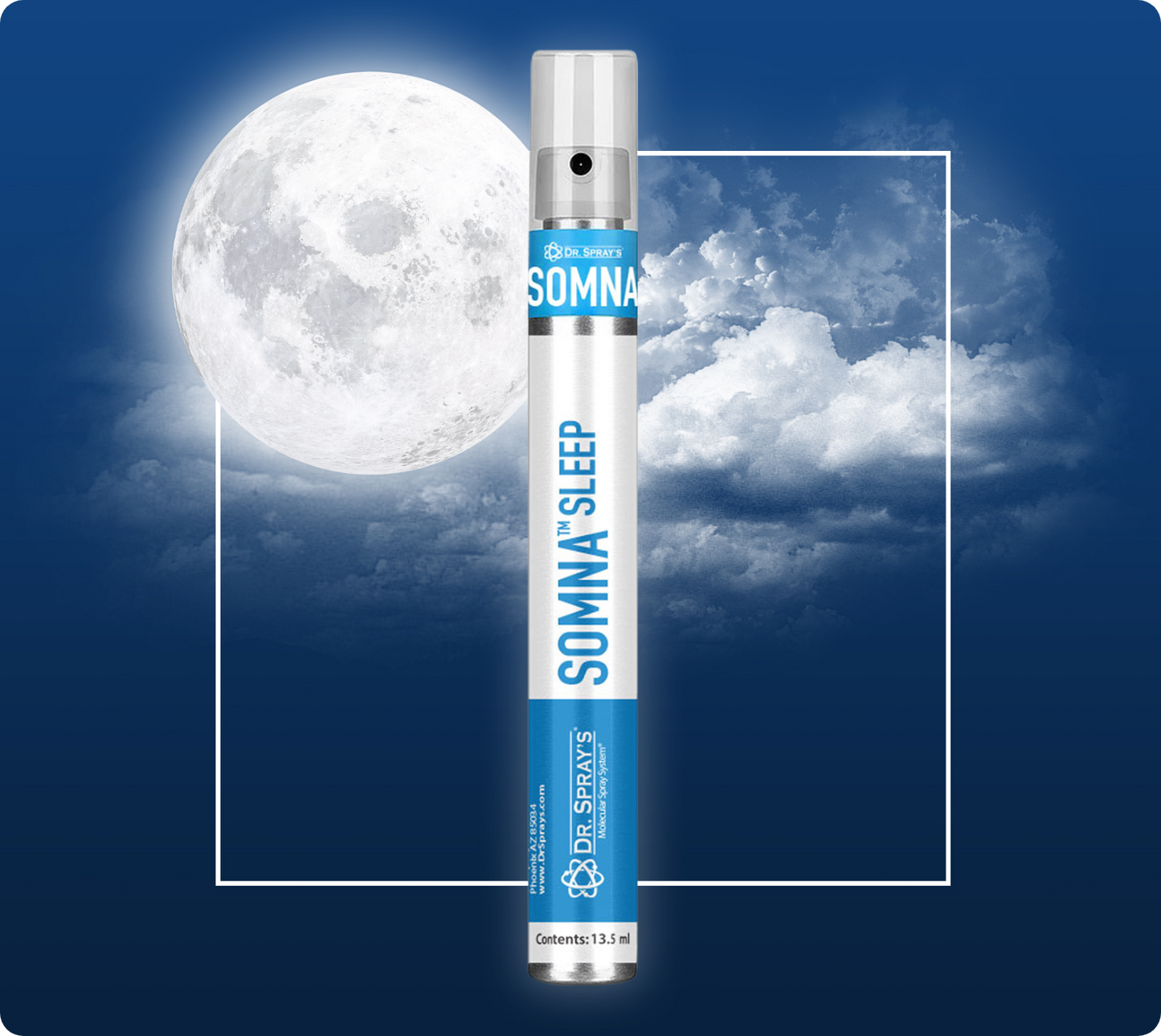
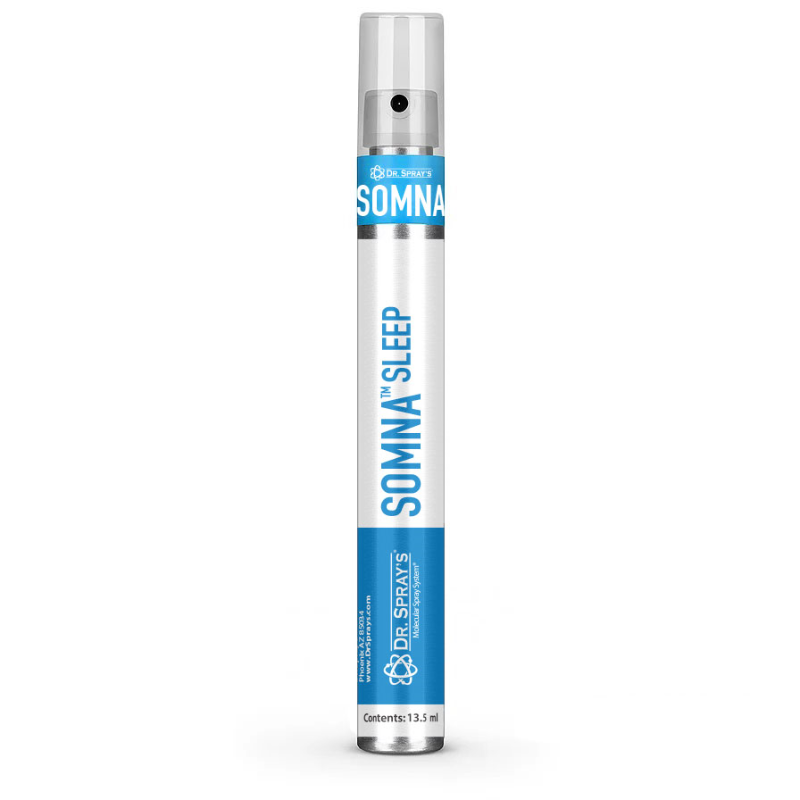
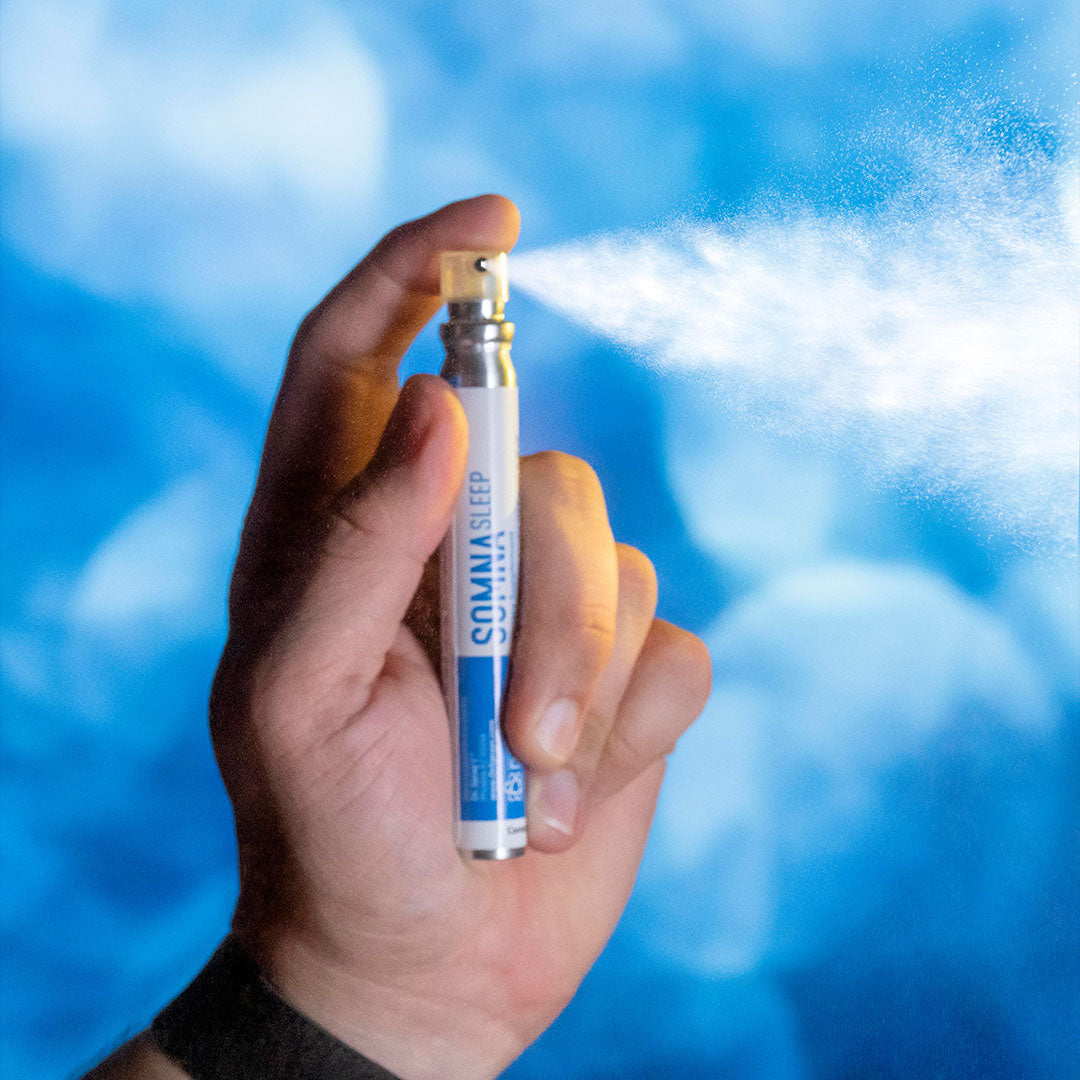
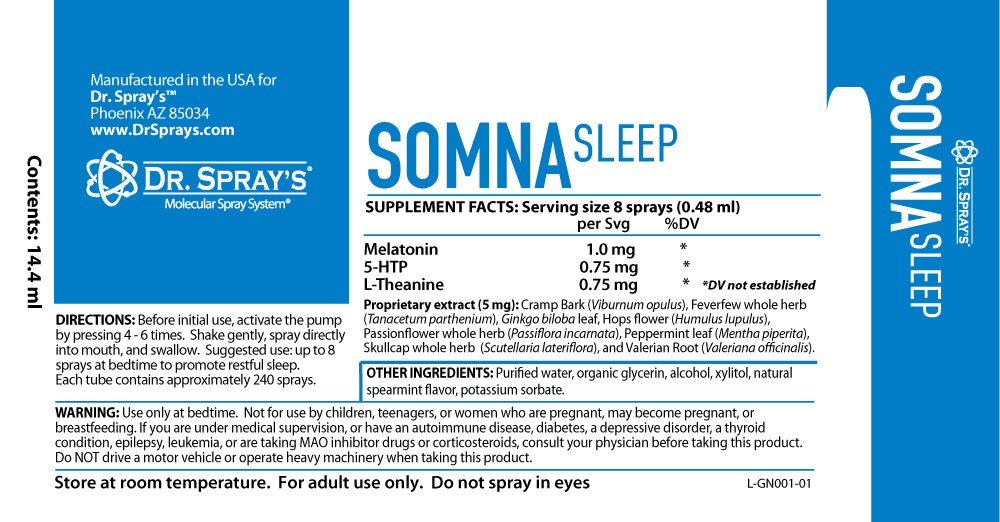
While individual natural sleep aids offer benefits, properly formulated combinations can provide superior results by addressing multiple aspects of sleep physiology simultaneously. This is the principle behind our Somna sleep spray developed in our Phoenix, Arizona facility.
The Science of Sleep Formulation Synergy
A well-designed natural sleep formulation might combine melatonin for circadian rhythm regulation, magnesium for nervous system relaxation, L-theanine for mental calmness, and additional botanicals like passionflower or chamomile for their historically validated calming properties.
The advantage of vitamin spray delivery for these combinations is twofold: first, all ingredients absorb rapidly and efficiently; second, the onset of effects is faster than with pills, allowing you to take your sleep aid closer to bedtime rather than requiring the 60-90 minute lead time that tablets often need.
GABA and valerian: Supporting Neurotransmitter Balance
Gamma-aminobutyric acid (GABA) and 5-hydroxytryptophan (valerian) represent another category of natural sleep aids that work by supporting neurotransmitter function.
GABA is your brain's primary inhibitory neurotransmitter, essentially acting as a brake on neural activity. When GABA levels are optimal, your brain can more easily shift from the alert, active state of waking to the calmer state necessary for sleep. While there's ongoing debate about how effectively oral GABA crosses the blood-brain barrier, many users report positive effects.
valerian is a precursor to serotonin, which your body then converts to melatonin. By supporting this biochemical pathway, valerian may help restore natural sleep patterns. Studies suggest valerian is particularly effective when combined with GABA.
Safety Considerations for Neurotransmitter Precursors
While generally safe, GABA and valerian require more careful consideration than melatonin or magnesium. People taking antidepressants, particularly SSRIs, should consult healthcare providers before using valerian due to the theoretical risk of serotonin syndrome. Starting with lower doses and monitoring response is prudent.
The Role of B Vitamins in Sleep Quality
While not typically considered primary sleep aids, B vitamins—particularly B6 and B12—play crucial roles in sleep regulation. Vitamin B6 is necessary for the conversion of tryptophan to serotonin and then to melatonin. Without adequate B6, this critical pathway cannot function optimally.
Vitamin B12 influences circadian rhythms and may help regulate sleep-wake cycles. Research suggests that B12 supplementation can improve sleep quality in people with delayed sleep phase syndrome, where natural sleep timing is shifted later than desired.
Our vitamin B12 spray delivers this essential nutrient with 90% absorption efficiency, far exceeding the approximately 2% absorption rate of standard B12 pills. This is particularly important for individuals with digestive issues that impair B vitamin absorption.
The connection between vitamin D3 spray and sleep quality has also gained attention. Vitamin D receptors exist in brain regions that control sleep, and deficiency has been linked to poor sleep quality and duration. Maintaining optimal vitamin D levels through supplementation may support better sleep patterns.
Herbal Sleep Aids: Traditional Remedies with Modern Validation
Several botanical ingredients have centuries of traditional use for promoting sleep, and modern research is beginning to validate their effectiveness.
Valerian Root
Valerian root has been used for over 2,000 years as a sleep aid. It appears to work by increasing GABA availability in the brain. Studies show that valerian can reduce the time it takes to fall asleep and improve sleep quality, though effects may take several weeks of consistent use to fully manifest.
Passionflower
Passionflower demonstrates anti-anxiety properties that can indirectly improve sleep, particularly for people whose sleep difficulties stem from worry and mental restlessness. Research indicates it increases GABA activity in the brain, promoting relaxation without sedation.
Chamomile
Chamomile contains apigenin, an antioxidant that binds to specific receptors in your brain that promote sleepiness and reduce insomnia. While more gentle than some other options, chamomile has an excellent safety profile and works well in combination formulas.
Lavender
Both inhaled and oral lavender preparations have demonstrated sleep-promoting effects. Lavender appears to affect neurotransmitter systems and has shown particular promise for reducing anxiety-related sleep disturbances.
Comparing Absorption: Why Delivery Method Impacts Safety and Effectiveness
The safest natural sleep aid is not just about which ingredients you choose, but how those ingredients are delivered to your body. This distinction becomes especially important when comparing traditional pills to modern oral spray vitamins.
The Digestive System Challenge
When you swallow a pill containing natural sleep aids, it must survive a hostile journey. Stomach acid begins breaking down the tablet immediately. Then, ingredients that do survive must pass through the intestinal wall and undergo first-pass metabolism in the liver before reaching systemic circulation. This process can destroy or transform up to 85% of certain compounds.
For sleep aids, this inefficiency means several things: you need higher doses to achieve effects (increasing cost and potential side effect risk), onset of action is delayed significantly, and effectiveness becomes unpredictable based on what you've eaten and individual digestive health.
The Spray Supplement Advantage
Spray formulations deliver ingredients directly to the mucous membranes in your mouth, where they absorb into blood vessels and enter circulation within minutes. This sublingual absorption pathway offers multiple advantages for natural sleep aids:
- Higher bioavailability: Up to 90% of the active ingredients reach your bloodstream
- Faster onset: Effects begin within 15-20 minutes rather than 60-90 minutes
- Lower doses needed: Better absorption means less ingredient required for the same effect
- Improved safety profile: Lower doses reduce potential for side effects
- Easier on digestion: Bypassing the stomach helps people with sensitive digestive systems
Our FDA-registered, GMP-certified facility in Phoenix, Arizona produces sleep spray formulations specifically designed to maximize these absorption advantages while maintaining the highest quality and safety standards.
Safety Considerations: What to Watch For
While natural sleep aids are generally safer than prescription alternatives, responsible use requires awareness of potential interactions and contraindications.
Medication Interactions
Natural sleep aids can interact with various medications. Melatonin may interact with blood thinners, immunosuppressants, and diabetes medications. Magnesium can interfere with certain antibiotics and osteoporosis medications. Anyone taking prescription medications should consult their healthcare provider before adding sleep supplements.
Pregnancy and Nursing
Pregnant and nursing women should exercise particular caution. While some natural sleep aids like magnesium are generally considered safe, others lack sufficient safety data during pregnancy. Always consult with your obstetrician before using sleep supplements during pregnancy or while breastfeeding.
Underlying Health Conditions
Certain health conditions warrant extra caution with natural sleep aids. People with autoimmune diseases should be cautious with immune-modulating supplements. Those with seizure disorders should consult neurologists before using supplements that affect neurotransmitter function.
Quality and Purity Concerns
The supplement industry faces quality control challenges. Products manufactured in non-certified facilities may contain contaminants or inaccurate ingredient amounts. This is why choosing products from FDA-registered, GMP-certified facilities—like our Phoenix, Arizona production center—ensures you're getting exactly what the label promises without harmful contaminants.
Creating Optimal Sleep Hygiene Alongside Natural Supplements
The safest and most effective approach to natural sleep support combines appropriate supplementation with evidence-based sleep hygiene practices. No supplement, regardless of how well-formulated or efficiently absorbed, can completely overcome poor sleep habits.
Essential Sleep Hygiene Principles
Maintain consistent sleep and wake times, even on weekends. Your circadian rhythm thrives on consistency, and irregular sleep schedules work against even the most effective natural sleep aids.
Create a dark, cool sleeping environment. Light exposure—particularly blue light from screens—suppresses natural melatonin production. Even small amounts of light can interfere with sleep quality. Aim for a bedroom temperature between 60-67°F, as cooler temperatures support the natural drop in body temperature that facilitates sleep.
Limit caffeine intake to morning hours. Caffeine has a half-life of 5-6 hours, meaning that afternoon coffee still significantly affects your system at bedtime. Consider switching to decaf after noon, or try our Meta-Boost spray for natural energy support that won't interfere with evening sleep.
Establish a pre-sleep routine that signals your body it's time to wind down. This might include gentle stretching, reading, meditation, or other relaxing activities. Taking your natural sleep aid as part of this routine reinforces the sleep signal.
When to Seek Professional Help
While natural sleep aids are appropriate for many people experiencing occasional or chronic sleep difficulties, certain situations require professional medical evaluation.
If you experience loud snoring, gasping, or breathing pauses during sleep, you may have sleep apnea—a serious condition requiring medical treatment. Natural sleep aids cannot address sleep apnea and may actually worsen the condition by making it harder to wake during breathing interruptions.
Chronic insomnia lasting more than three months, particularly if it significantly impacts daily functioning, warrants evaluation by a sleep specialist. While natural aids may help, underlying conditions like depression, anxiety disorders, or other medical issues may require targeted treatment.
If natural sleep aids stop working after initial effectiveness, or if you find yourself needing increasingly higher doses, consult a healthcare provider. This pattern may indicate tolerance development or an underlying condition that needs addressing.
The Verdict: Which Natural Sleep Aid Is Safest?
After examining the research and safety profiles of various natural sleep aids, melatonin and magnesium emerge as the safest options for most people. Both support natural physiological processes rather than forcing sedation, have extensive safety research, and demonstrate low risk for dependency or serious side effects.
For optimal results, consider a professionally formulated combination product that delivers these key ingredients through an efficient absorption method. Spray supplements offer significant advantages in bioavailability, onset time, and overall safety due to lower required doses.
The safest approach also incorporates proper dosing, quality-assured products from certified facilities, and integration with good sleep hygiene practices. Remember that "natural" doesn't automatically mean risk-free—informed, responsible use makes the difference.
Our sleep formulations, developed by healthcare professionals and manufactured in our FDA-registered facility in Phoenix, Arizona, combine the most researched natural sleep ingredients with advanced spray delivery technology for maximum safety and effectiveness.
Supporting Overall Health for Better Sleep
Sleep quality doesn't exist in isolation—it's intimately connected to your overall nutritional status and health. Deficiencies in certain vitamins can significantly impact sleep quality, making comprehensive nutritional support important.
Beyond specific sleep supplements, maintaining optimal levels of vitamins D3, B12, and C supports the body systems that regulate sleep. Our vitamin D3 spray helps maintain the vitamin D levels associated with better sleep quality, while proper B12 supplementation supports the neurotransmitter pathways involved in circadian rhythm regulation.
Immune function also affects sleep quality—illness disrupts sleep, and poor sleep impairs immune function. Supporting immune health with our C+Zinc spray may indirectly promote better sleep by reducing illness frequency.
Frequently Asked Questions
How long does it take for natural sleep aids to work?
The timeline varies by ingredient and delivery method. Melatonin in spray form typically begins working within 15-20 minutes, while tablet forms may take 60-90 minutes. Magnesium and L-theanine also work relatively quickly when absorbed efficiently. Herbal ingredients like valerian root may require several weeks of consistent use before full effects develop. Some natural sleep aids work immediately for occasional sleep issues, while others build effectiveness over time by addressing underlying imbalances.
Can I take natural sleep aids every night?
This depends on the specific ingredients. Melatonin and magnesium can generally be used nightly for extended periods, as they support natural processes rather than forcing artificial sedation. However, the goal should be to address underlying sleep issues rather than indefinite supplementation. Work with a healthcare provider to determine appropriate duration for your situation. Some people use natural sleep aids nightly for months safely, while others use them intermittently for occasional sleep difficulties.
Why are spray vitamins better than pills for sleep aids?
Oral spray vitamins deliver active ingredients through the mucous membranes in your mouth, achieving up to 90% absorption compared to 10-20% for many pill forms. This superior bioavailability means you need lower doses for the same effect, reducing cost and potential side effects. Sprays also work faster—within 15-20 minutes versus 60-90 minutes for pills—allowing you to take them closer to bedtime. The spray format bypasses digestive system breakdown, making them ideal for people with absorption issues.
Are natural sleep aids safe to combine?
Many natural sleep aids work synergistically and can be safely combined, which is why professional formulations often include multiple ingredients. However, combining supplements on your own requires caution. Start with single ingredients to assess individual response, then consider professionally formulated combinations designed with appropriate dosing ratios. Avoid combining products that contain the same ingredients to prevent accidental overdosing. When in doubt, consult a healthcare provider, especially if you take medications or have health conditions.
What's the difference between natural sleep aids and prescription sleep medications?
Natural sleep aids support your body's existing sleep mechanisms by providing nutrients, hormones, or compounds that your body already produces or uses. Prescription sleep medications typically work by forcing sedation through central nervous system depression. Natural options generally have fewer side effects, lower dependency risk, and don't typically cause morning grogginess. However, they may be less powerful for severe insomnia. Prescription medications work faster and more forcefully but carry risks of tolerance, dependence, and various side effects.
Can I use natural sleep aids if I take prescription medications?
This requires individualized assessment. Some natural sleep aids interact with common medications—for example, melatonin may interact with blood thinners, and valerian shouldn't be combined with antidepressants. Always inform your healthcare provider about all supplements you take or plan to take. Many people safely use natural sleep aids alongside prescription medications, but professional guidance ensures safe combinations and appropriate timing.
How do I know if a natural sleep aid product is safe and high quality?
Look for products manufactured in FDA-registered, GMP-certified facilities, which ensure consistent quality and purity. Third-party testing verification provides additional assurance. Avoid products with proprietary blends that don't disclose ingredient amounts. Check for clear labeling of active ingredients with specific dosages. Our Phoenix, Arizona facility maintains FDA registration and GMP certification, ensuring every spray supplement meets stringent quality standards. Reputable manufacturers provide transparency about their production processes and testing protocols.
Will natural sleep aids make me groggy in the morning?
Quality natural sleep aids typically don't cause morning grogginess when used appropriately. Unlike prescription sleep medications that force sedation, natural options support your body's natural sleep-wake cycle. However, taking too high a dose or taking sleep aids too late at night can result in some morning drowsiness. Start with the lowest effective dose and take your supplement 30-60 minutes before your intended bedtime. If you experience morning grogginess, try reducing the dose or taking the supplement slightly earlier in the evening.
Are there any natural sleep aids that work immediately?
Melatonin, particularly in spray form, works most quickly among natural sleep aids, with effects typically beginning within 15-20 minutes. L-theanine also works relatively rapidly to promote mental calmness. Magnesium can produce relaxation effects within 30-45 minutes. However, "immediately" is relative—even fast-acting natural sleep aids take longer than prescription medications to produce effects. The advantage is that they work with your body's natural processes rather than forcing sudden sedation, resulting in more natural sleep quality.
Can children take natural sleep aids?
Some natural sleep aids may be appropriate for children, but this requires careful consideration and medical guidance. Melatonin is sometimes used for children with specific sleep disorders under pediatric supervision. Magnesium supplementation may benefit children with deficiencies. However, dosing differs significantly from adults, and safety data for some ingredients in pediatric populations is limited. Never give children sleep supplements without consulting their pediatrician first. Many childhood sleep issues respond better to behavioral interventions and sleep hygiene improvements than supplementation.
Take Control of Your Sleep Naturally
Quality sleep is fundamental to every aspect of health—from immune function and mental clarity to emotional balance and physical recovery. If you've been struggling with sleep, natural solutions offer a safer path forward than pharmaceutical dependency.
Our doctor-developed sleep spray formulation combines the most researched natural sleep ingredients with advanced oral spray technology for maximum absorption and effectiveness. Manufactured in our FDA-registered, GMP-certified facility in Phoenix, Arizona, every bottle delivers exactly what the label promises with the quality and purity you deserve.
Ready to experience the difference that superior absorption and professional formulation make? Visit our product page to explore our complete line of spray supplements, including our Somna sleep formula designed to help you fall asleep naturally and wake refreshed.
Better sleep starts with better choices. Choose natural, choose effective, choose spray delivery technology that actually works.