If you're taking Zoloft (sertraline) and struggling with sleep issues, you're not alone. Many people on this common SSRI antidepressant experience sleep disturbances as a side effect. Finding a safe sleep aid that won't interact negatively with your medication requires careful consideration and professional guidance.
This comprehensive guide explores safe sleep aid options for people taking Zoloft, with a focus on natural alternatives including vitamin and mineral supplementation delivered through innovative oral spray vitamins that offer superior absorption.
Understanding Zoloft and Sleep Disturbances
Zoloft (sertraline) is a selective serotonin reuptake inhibitor (SSRI) prescribed for depression, anxiety disorders, PTSD, and other conditions. While effective for mental health management, Zoloft can paradoxically affect sleep patterns in several ways:
- Initial insomnia: Difficulty falling asleep when starting treatment
- Sleep maintenance issues: Waking frequently during the night
- Vivid dreams or nightmares: Changes in REM sleep patterns
- Daytime drowsiness: Paradoxical fatigue despite nighttime sleep issues
- Restless legs or movement: Physical discomfort affecting sleep quality
These sleep disturbances often improve within 2-4 weeks as your body adjusts to the medication, but some people continue experiencing sleep problems that require additional support.
Safe Sleep Aids Compatible With Zoloft
When considering sleep aids while taking Zoloft, safety is paramount. Always consult your prescribing physician before adding any supplement or medication to your regimen. Here are generally safe options that doctors frequently recommend:
Melatonin: The Natural Sleep Hormone
Melatonin is typically considered safe to take with Zoloft. This naturally occurring hormone regulates your sleep-wake cycle and can be particularly helpful for:
- Resetting circadian rhythms
- Reducing time to fall asleep
- Improving overall sleep quality
- Managing jet lag or shift work sleep issues
Most physicians recommend starting with 0.5-3 mg of melatonin taken 30-60 minutes before bedtime. Some people require higher doses, but it's best to start low and increase gradually under medical supervision.
Magnesium: The Relaxation Mineral
Magnesium supports sleep by regulating neurotransmitters and promoting muscle relaxation. It's generally safe with Zoloft and may actually help with some SSRI side effects. Magnesium glycinate or magnesium threonate are preferred forms for sleep support, typically taken in doses of 200-400 mg before bed.
Many people are deficient in magnesium, making supplementation particularly beneficial for overall health beyond just sleep improvement.
L-Theanine: Calming Without Sedation
This amino acid found naturally in tea leaves promotes relaxation without causing drowsiness. L-theanine (100-200 mg) can be taken in the evening to ease the transition to sleep without interacting with Zoloft's mechanism of action.
Glycine: An Underrated Sleep Support
Glycine is an amino acid that can improve sleep quality by lowering core body temperature and supporting healthy neurotransmitter function. Doses of 3-5 grams before bed are typically used, with no known interactions with SSRIs.
Sleep Aids to Avoid or Use Cautiously With Zoloft
Certain sleep aids pose interaction risks with Zoloft and should be avoided or used only under close medical supervision:
Over-the-Counter Antihistamines
Medications like diphenhydramine (Benadryl) or doxylamine (Unisom) can be used with Zoloft but may increase sedation and anticholinergic side effects. They're not recommended for long-term use as they can worsen sleep quality over time and cause next-day grogginess.
St. John's Wort
This herbal supplement should be strictly avoided with Zoloft. The combination can lead to serotonin syndrome, a potentially dangerous condition characterized by confusion, rapid heart rate, high blood pressure, and other serious symptoms.
5-HTP and Tryptophan
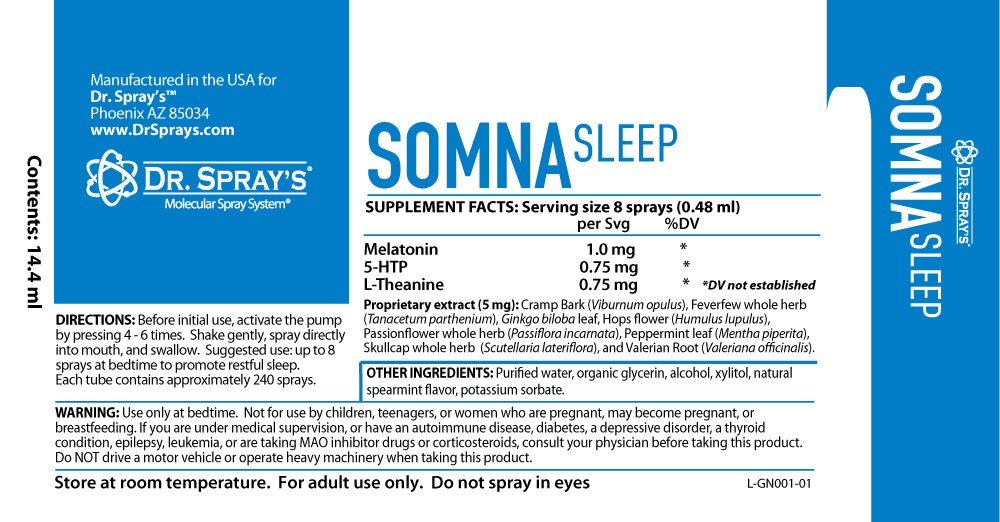
These serotonin precursors should generally be avoided with SSRIs like Zoloft due to the risk of excessive serotonin levels. While some practitioners may approve their use in specific circumstances, never combine them without explicit medical approval.
Kava and Valerian Root
While these herbs have sleep-promoting properties, their safety profile with SSRIs isn't well established. Kava also has liver toxicity concerns. Consult your physician before using these supplements alongside Zoloft.
Prescription Sleep Medications
Benzodiazepines (like Xanax or Ativan) and non-benzodiazepine sleep aids (like Ambien) can be prescribed alongside Zoloft but require careful medical monitoring due to increased sedation risk and potential for dependency.
The Role of B Vitamins in Sleep and Mood Regulation
B vitamins play crucial roles in neurotransmitter production, energy metabolism, and overall nervous system health. People taking SSRIs like Zoloft may benefit from B vitamin supplementation, particularly:
Vitamin B12 for Energy and Neurological Health
Vitamin B12 supports healthy nervous system function and energy production. Deficiency can worsen mood symptoms and cause fatigue. A vitamin B12 spray offers superior absorption compared to traditional pills, with up to 90% bioavailability.
Unlike oral tablets that must pass through the digestive system, spray supplements deliver nutrients directly through the oral mucosa for rapid uptake. This is particularly beneficial for individuals with digestive issues or those taking medications that may affect nutrient absorption.
Vitamin B6 for Neurotransmitter Synthesis
Vitamin B6 is essential for converting amino acids into neurotransmitters like serotonin and GABA, both crucial for mood and sleep regulation. Adequate B6 levels support the therapeutic effects of SSRIs and may help reduce certain side effects.
Folate (B9) for Mental Health Support
Folate deficiency has been linked to depression and reduced response to antidepressant medications. Ensuring adequate folate intake through diet or supplementation may enhance Zoloft's effectiveness.
Vitamin D3: The Sunshine Vitamin for Better Sleep
Vitamin D3 plays a surprising role in sleep regulation and mood support. Receptors for vitamin D are found throughout the brain, including areas that regulate sleep. Research suggests that vitamin D deficiency is associated with:
- Poor sleep quality and duration
- Increased risk of sleep disorders
- Worsened mood and depression symptoms
- Daytime fatigue
Many people, especially those in northern climates or who spend limited time outdoors, are deficient in vitamin D. A vitamin D3 spray provides an efficient way to maintain optimal levels year-round.
The spray delivery method ensures consistent absorption regardless of digestive function, making it ideal for people taking multiple medications or those with compromised gut health.
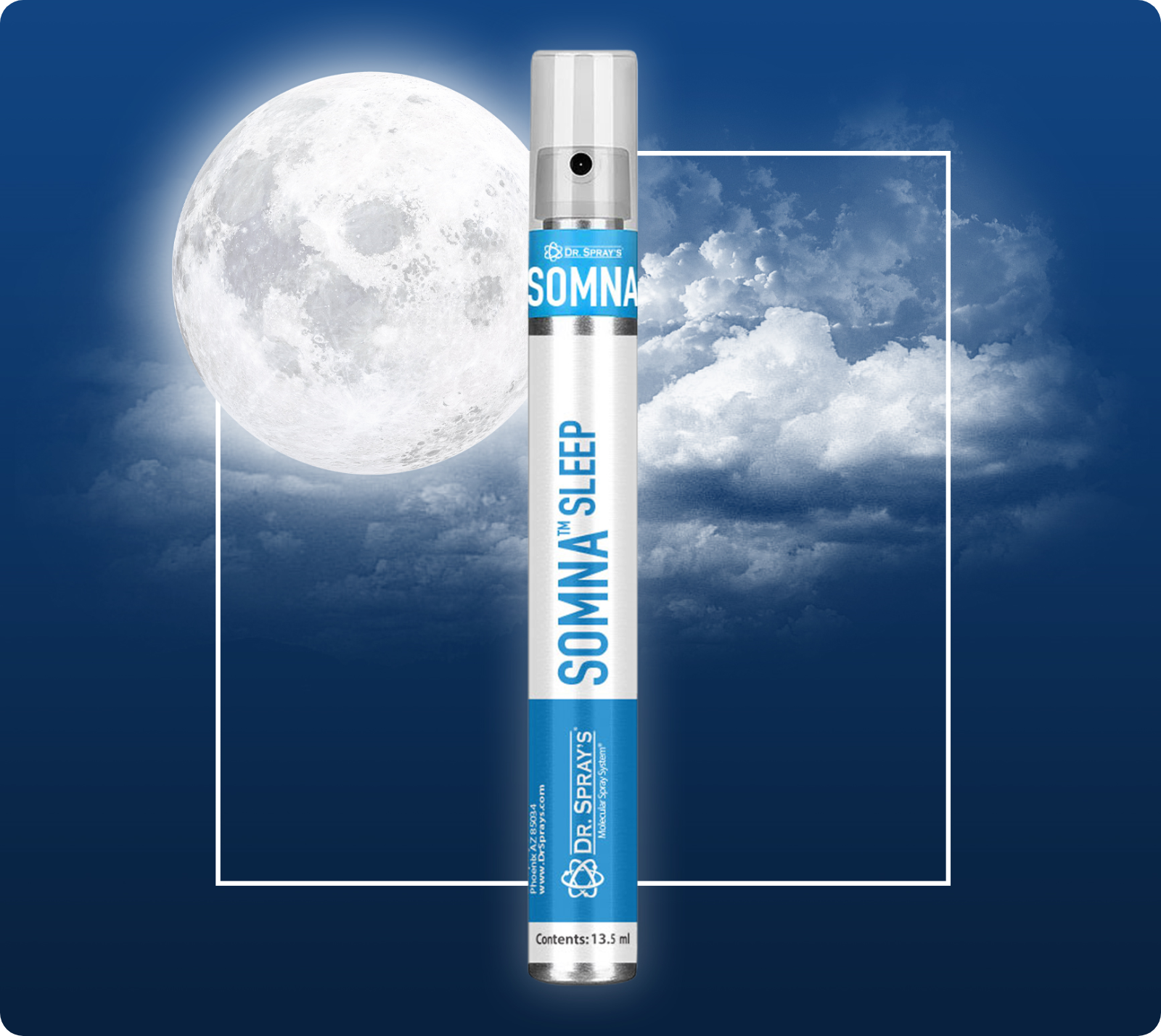
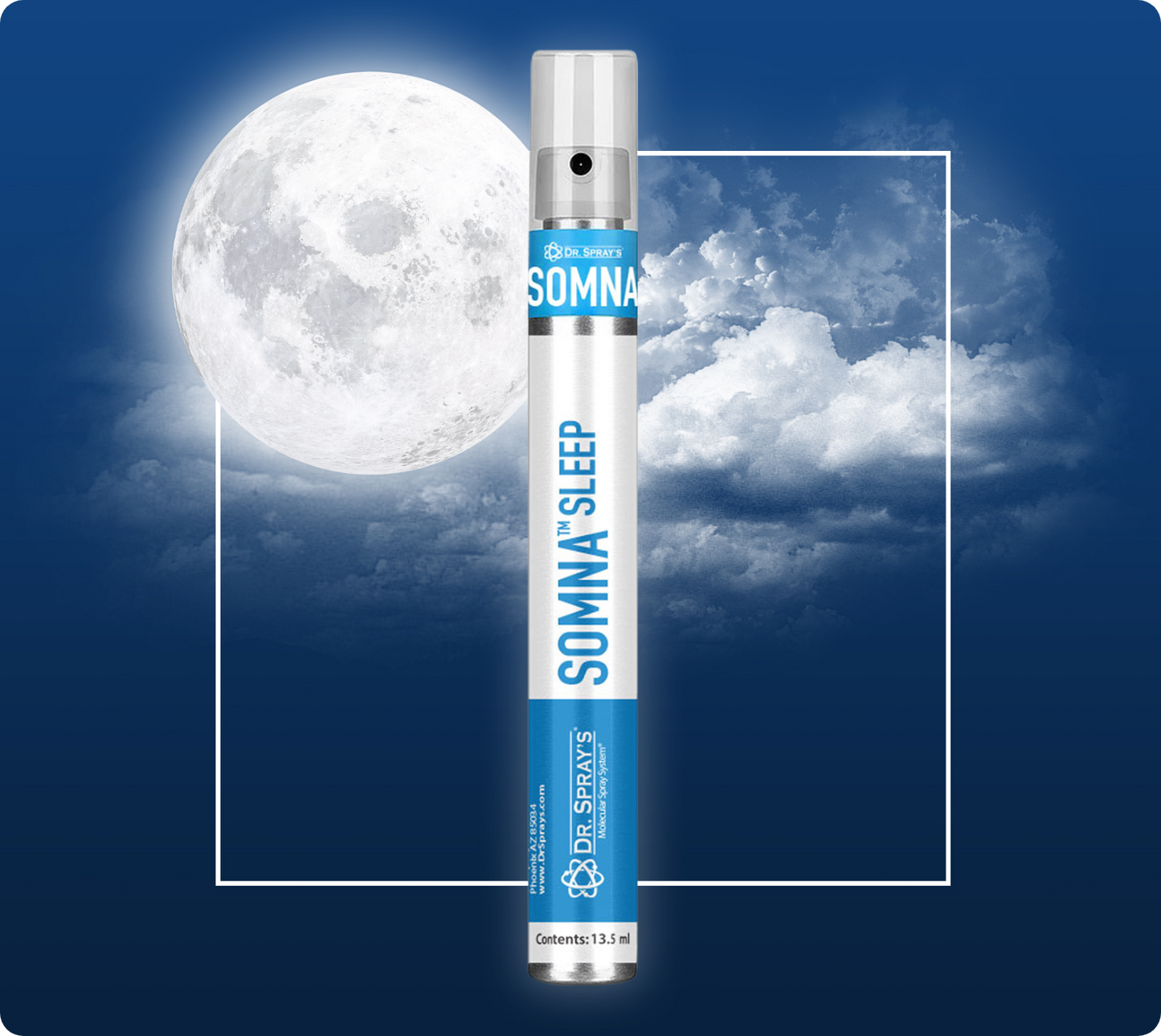
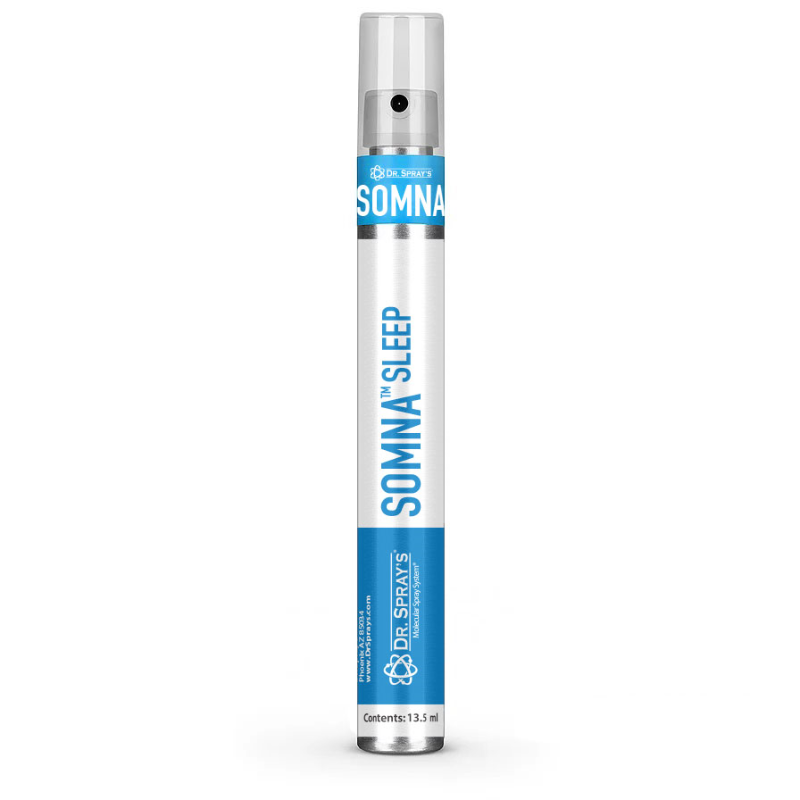
Specialized Sleep Support Formulations
Beyond individual nutrients, specialized sleep formulations can provide comprehensive support. When selecting sleep supplements to use alongside Zoloft, look for products that combine complementary ingredients without serotonin-boosting herbs that could cause interactions.
Quality matters significantly in supplement selection. Products manufactured in FDA-registered, GMP-certified facilities ensure purity, potency, and safety. At our Phoenix, Arizona facility, all formulations undergo rigorous testing to meet pharmaceutical-grade standards.
Lifestyle Strategies to Enhance Sleep While on Zoloft
Supplements work best when combined with healthy sleep habits. Implement these evidence-based strategies for optimal results:
Optimize Your Medication Timing
If Zoloft causes insomnia, ask your doctor about taking it in the morning rather than evening. Conversely, if it makes you drowsy, evening dosing might be better. Never change your medication schedule without medical guidance.
Establish a Consistent Sleep Schedule
Go to bed and wake up at the same time daily, even on weekends. This reinforces your body's natural circadian rhythm and can significantly improve sleep quality over time.
Create an Ideal Sleep Environment
Your bedroom should be dark, quiet, cool (65-68°F), and reserved primarily for sleep. Remove electronic devices, use blackout curtains, and consider white noise machines if you're sensitive to sound.
Limit Screen Time Before Bed
Blue light from phones, tablets, and computers suppresses melatonin production. Avoid screens for at least 1-2 hours before bedtime, or use blue light blocking glasses if screen use is necessary.
Practice Relaxation Techniques
Progressive muscle relaxation, deep breathing exercises, meditation, or gentle yoga can calm the nervous system and prepare your body for sleep. Even 10-15 minutes of practice can make a noticeable difference.
Be Mindful of Caffeine and Alcohol
Caffeine can stay in your system for 6-8 hours, so avoid it after early afternoon. While alcohol may initially make you drowsy, it disrupts sleep architecture and reduces sleep quality. Both can worsen Zoloft-related sleep issues.
Get Regular Exercise
Physical activity improves sleep quality and supports mental health, but avoid vigorous exercise within 3-4 hours of bedtime as it can be stimulating.
When to Consult Your Healthcare Provider
Contact your doctor or psychiatrist if you experience:
- Persistent insomnia lasting more than 4 weeks after starting Zoloft
- Worsening depression or anxiety symptoms
- Daytime impairment affecting work or daily activities
- Unusual side effects from sleep aids or supplements
- Thoughts of self-harm or suicide (seek immediate help)
Your healthcare provider may adjust your Zoloft dosage, change the timing of your dose, switch medications, or recommend additional treatments to address sleep issues.
The Advantage of Spray Vitamin Technology
Traditional pill and capsule supplements face absorption challenges. Stomach acid, digestive enzymes, and individual variations in gut health can significantly reduce bioavailability. Many people absorb only 10-20% of nutrients from standard oral tablets.
Oral spray vitamins bypass these limitations by delivering nutrients directly through the mucous membranes in your mouth. This sublingual and buccal absorption route offers several advantages:
- Superior absorption rates: Up to 90% bioavailability compared to 10-20% for pills
- Faster onset: Nutrients enter the bloodstream within minutes
- Easier to take: No pills to swallow, ideal for those with difficulty swallowing
- Consistent delivery: Not affected by digestive issues or food interactions
- Convenient dosing: Easy to take anytime, anywhere
For individuals taking multiple medications like Zoloft, vitamin spray formulations reduce the pill burden while ensuring optimal nutrient delivery.
Comprehensive Nutritional Support for Mental Health
Supporting mental health and sleep quality requires a holistic approach. Beyond targeted sleep supplements, consider a high-quality multivitamin to address potential nutritional gaps that may affect mood and energy levels.
People taking SSRIs may have increased nutritional needs or medication-related deficiencies. A comprehensive multivitamin spray can provide foundational support for:
- Energy production and mitochondrial function
- Neurotransmitter synthesis
- Stress response and adrenal health
- Immune function
- Overall vitality and wellbeing
Building Your Personalized Sleep Support Protocol
Creating an effective sleep support regimen while taking Zoloft involves several steps:
- Consult your healthcare provider: Discuss your sleep issues and get approval for any supplements you're considering
- Start with one supplement at a time: This helps identify what works best for you and makes it easier to spot any adverse reactions
- Give it time: Most natural sleep supports require consistent use for 2-4 weeks before showing full benefits
- Track your results: Keep a sleep diary noting bedtime, wake time, sleep quality, and daytime energy
- Optimize your lifestyle: Supplements enhance but don't replace healthy sleep habits
- Choose quality products: Select supplements from reputable manufacturers with third-party testing
The Importance of Quality and Safety in Supplements
When you're taking prescription medications like Zoloft, supplement quality becomes even more critical. Look for products that are:
- Manufactured in FDA-registered facilities
- GMP (Good Manufacturing Practice) certified
- Third-party tested for purity and potency
- Free from unnecessary fillers, artificial colors, and allergens
- Transparent about ingredient sourcing and dosages
All DrSprays products are formulated by doctors and produced in a GMP-certified facility in Phoenix, Arizona, ensuring pharmaceutical-grade quality and safety standards.
Frequently Asked Questions
Can I take melatonin every night with Zoloft?
Melatonin is generally safe to take nightly with Zoloft for most people, but it's best used for short-term sleep issues or intermittently. Some research suggests that long-term nightly use may reduce your body's natural melatonin production. Consult your doctor about the best schedule for your situation, and consider taking breaks periodically to assess whether you still need it.
How long does it take for sleep to improve after starting Zoloft?
Sleep disturbances from Zoloft typically improve within 2-4 weeks as your body adjusts to the medication. However, some people experience sleep benefits sooner, while others may need dose adjustments or additional support. If sleep problems persist beyond 4-6 weeks, discuss options with your prescribing physician.
Why does Zoloft cause sleep problems?
Zoloft affects serotonin levels in the brain, which influences sleep-wake cycles, REM sleep, and overall sleep architecture. The medication's stimulating effects can cause initial insomnia in some people, while its impact on serotonin receptors may alter sleep stages. Individual responses vary based on dosage, timing, genetics, and other factors.
Is it better to take Zoloft in the morning or at night?
Timing depends on how Zoloft affects you individually. If it causes insomnia or energy, morning dosing is typically better. If it makes you drowsy, evening dosing may be preferable. Many doctors initially recommend morning dosing to minimize sleep disruption. Never change your dosing schedule without consulting your healthcare provider.
Can vitamin deficiencies worsen Zoloft side effects?
Yes, deficiencies in B vitamins, vitamin D, magnesium, and other nutrients can worsen mood symptoms, reduce medication effectiveness, and increase side effects like fatigue and sleep disturbances. Ensuring adequate nutrition through diet and supplementation supports both mental health treatment and overall wellbeing.
Are spray vitamins really better than pills?
Spray vitamins offer significantly higher absorption rates (up to 90%) compared to traditional pills (10-20%) because they deliver nutrients directly through oral mucous membranes, bypassing the digestive system. This is particularly advantageous for people with digestive issues, those taking multiple medications, or anyone seeking maximum bioavailability from their supplements.
What's the difference between vitamin B12 spray and B12 pills?
A vitamin B12 spray delivers the nutrient sublingually (under the tongue) or buccally (through the cheek), allowing direct absorption into the bloodstream. Pills must pass through the digestive system, where stomach acid and intrinsic factor availability affect absorption. Sprays provide more consistent and efficient delivery, especially beneficial for people with absorption issues or B12 deficiency.
Can I take multiple supplements together while on Zoloft?
Many supplements can be safely combined with Zoloft, but it's essential to get medical approval for your specific combination. Start supplements one at a time to monitor effects, and choose products free from serotonin-boosting herbs like St. John's Wort. Your doctor or pharmacist can review your complete regimen for potential interactions.
How do I know if I need vitamin D supplementation?
The only definitive way to know is through blood testing (25-hydroxyvitamin D test). However, risk factors for deficiency include limited sun exposure, darker skin tone, living in northern latitudes, being overweight, having digestive disorders, and spending most time indoors. Optimal levels for health are generally considered 40-60 ng/mL, though reference ranges vary.
What should I do if natural sleep aids don't help?
If sleep problems persist despite lifestyle changes and natural supplements, consult your healthcare provider. They may adjust your Zoloft dosage or timing, prescribe a sleep medication, refer you to a sleep specialist, or explore whether an underlying sleep disorder like sleep apnea is contributing to your difficulties.
About the Author
This article was developed by the medical and scientific team at DrSprays, combining expertise in pharmacology, nutrition, and mental health. Our doctor-formulated products are manufactured in an FDA-registered, GMP-certified facility in Phoenix, Arizona, and reflect our commitment to evidence-based wellness solutions.
All content is reviewed for medical accuracy, though it should not replace professional medical advice. Always consult your healthcare provider before making changes to your medication or supplement regimen.
Take Control of Your Sleep and Wellness
Managing sleep while taking Zoloft doesn't have to be a struggle. By combining safe, doctor-approved supplements with healthy lifestyle practices, you can improve sleep quality while supporting your overall mental health treatment.
Discover how superior absorption technology can enhance your wellness routine. Explore our complete line of doctor-formulated vitamin sprays, including specialized formulations for sleep support, energy, immunity, and comprehensive nutrition. Each product is manufactured to pharmaceutical standards in our Phoenix, Arizona facility, ensuring you receive the highest quality supplementation available.
Ready to experience the DrSprays difference? Start with our Multi-Vitamin Spray for foundational support, add B12 Spray for energy and neurological health, or try D3 Spray for mood and sleep regulation. With 90% absorption rates, you'll feel the difference that true bioavailability makes.
Questions about which products are right for you? Contact our team for personalized guidance on building a supplement regimen that complements your health goals and current medications.