Finding safe sleep solutions while taking warfarin requires careful consideration of potential drug interactions. Many common sleep aids can interfere with this blood thinner, making it crucial to understand which options are safe and which should be avoided.
This guide examines sleep aids compatible with warfarin therapy, explores why certain products create risks, and presents safer alternatives for improving sleep quality without compromising your anticoagulation management.
Related Articles
Looking for a sleep aid that's safe with Warfarin?
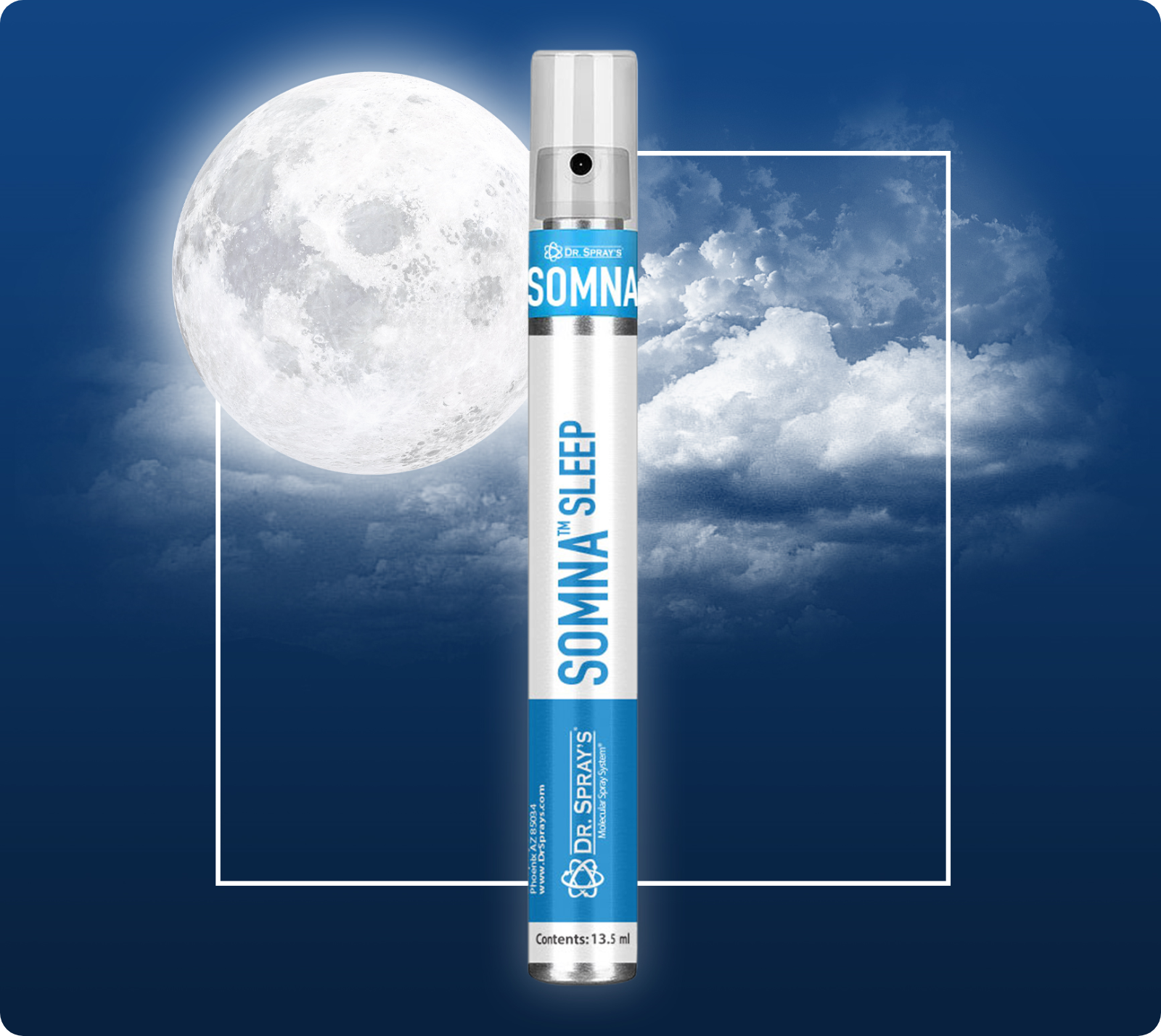
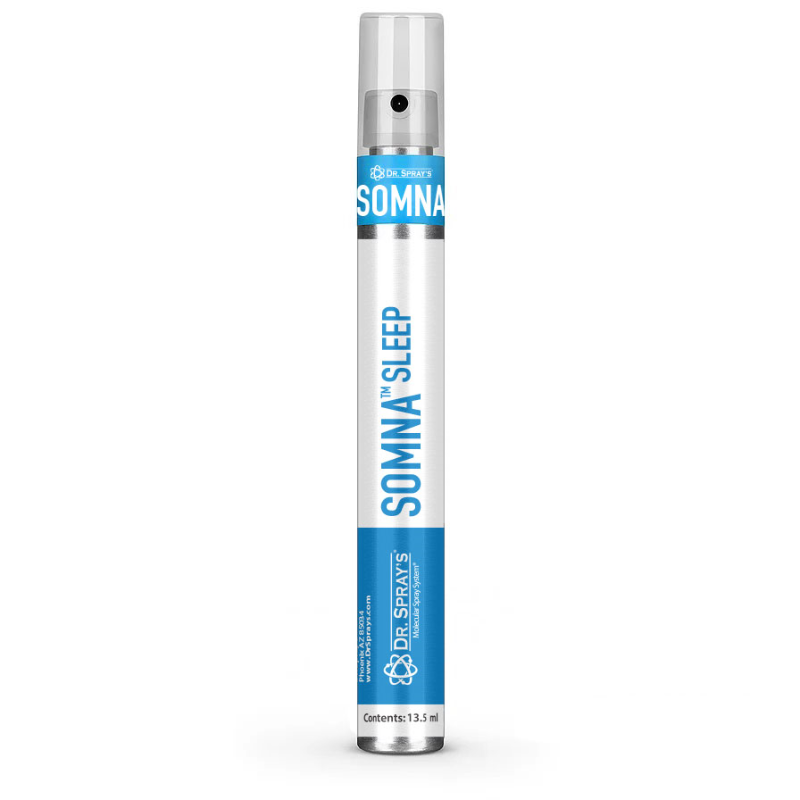
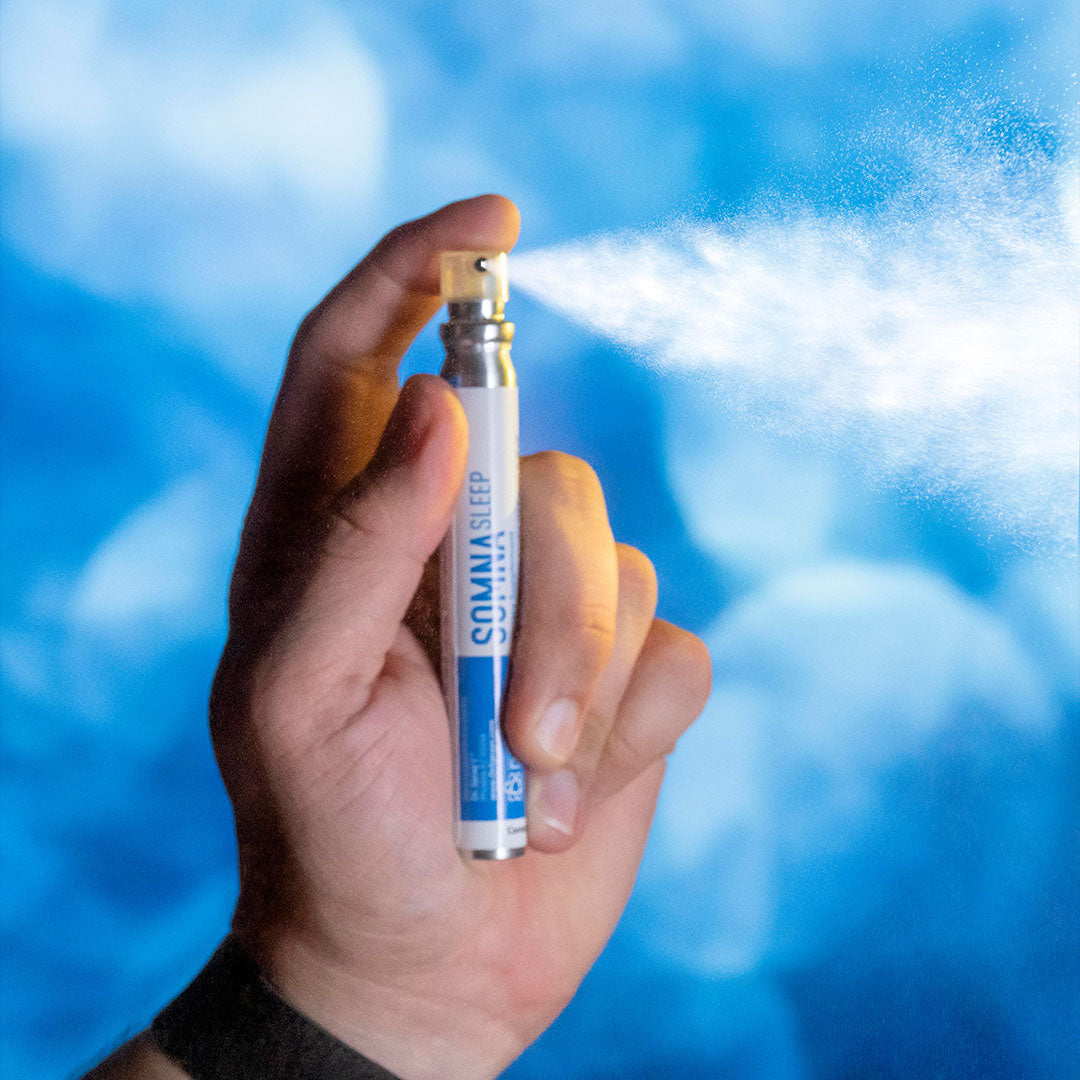
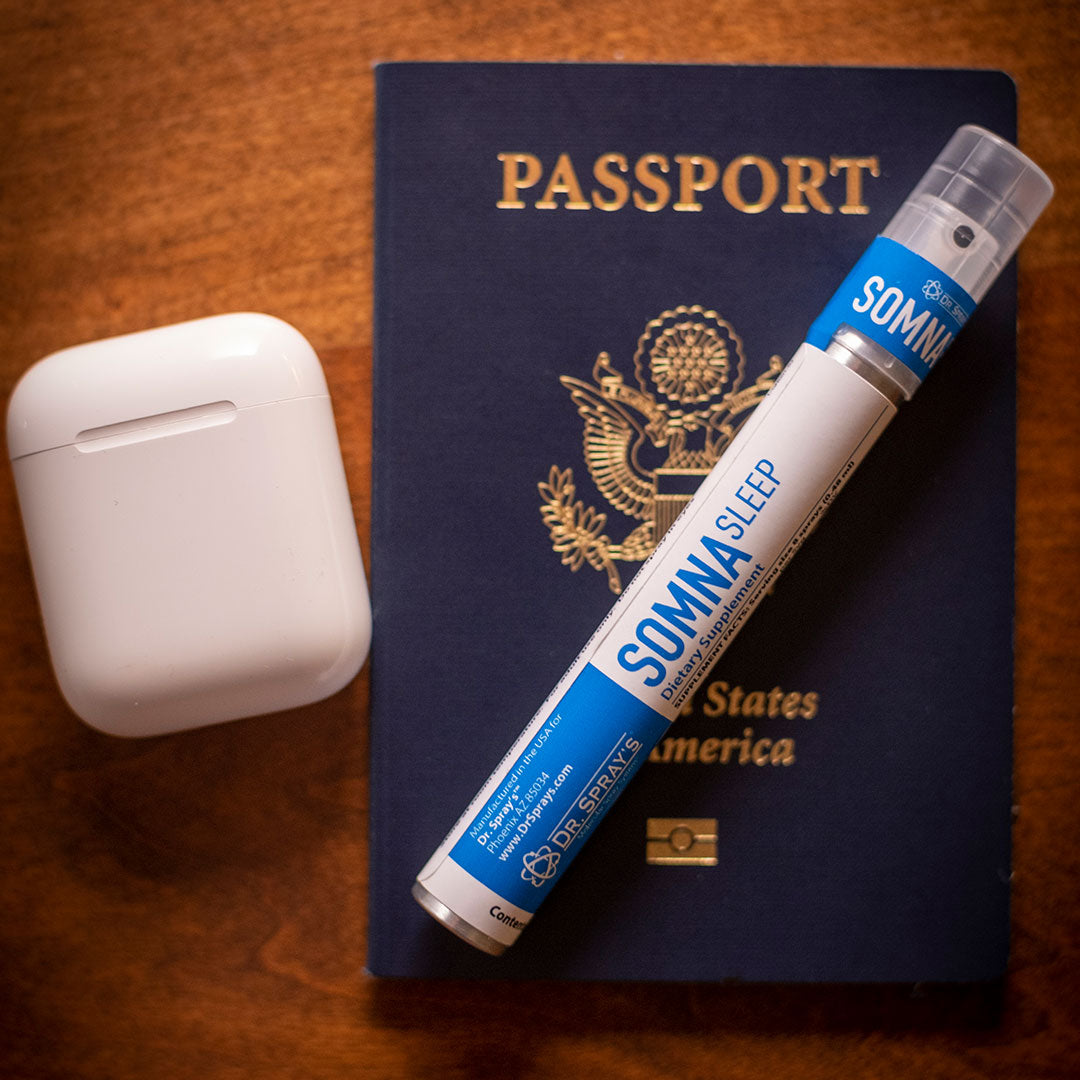
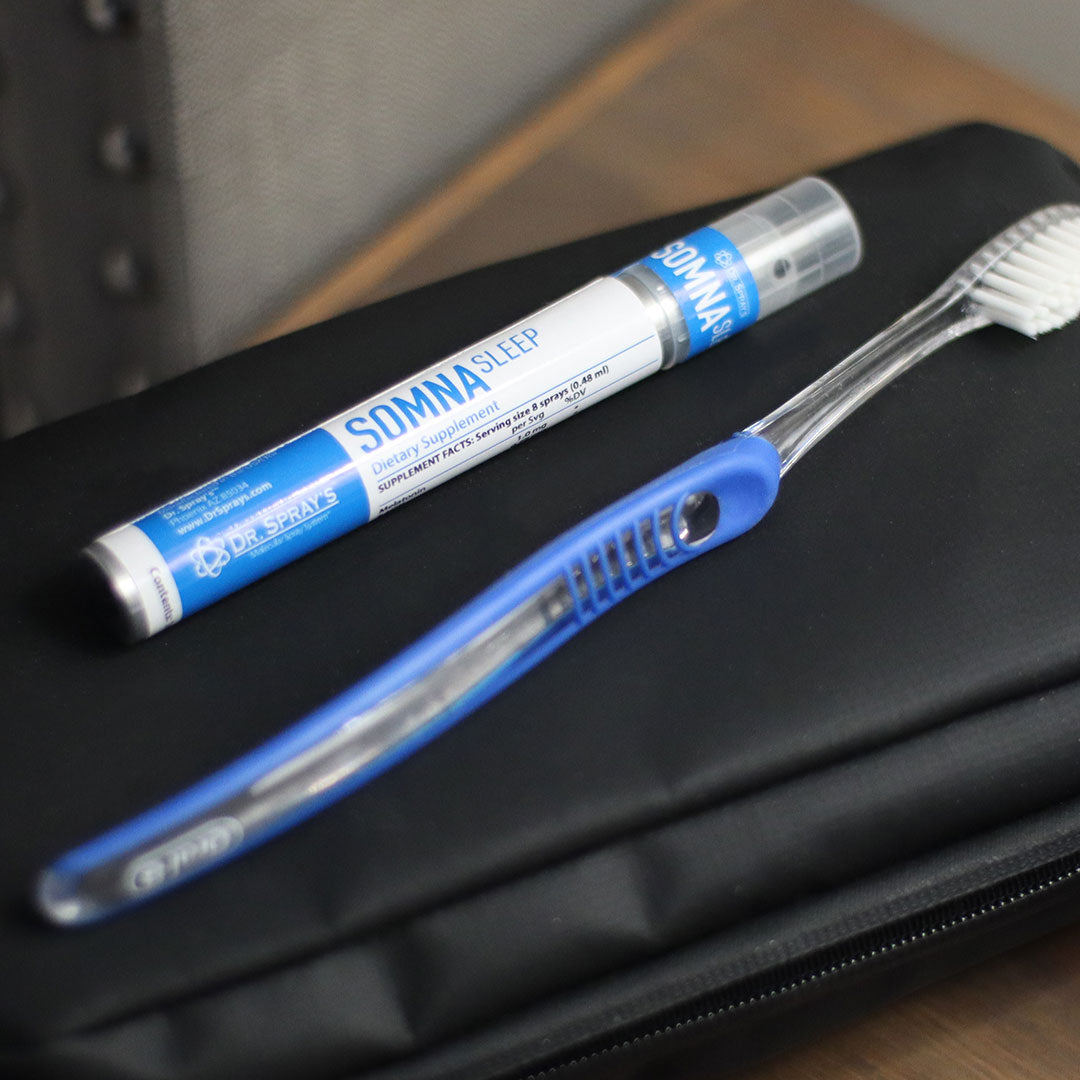
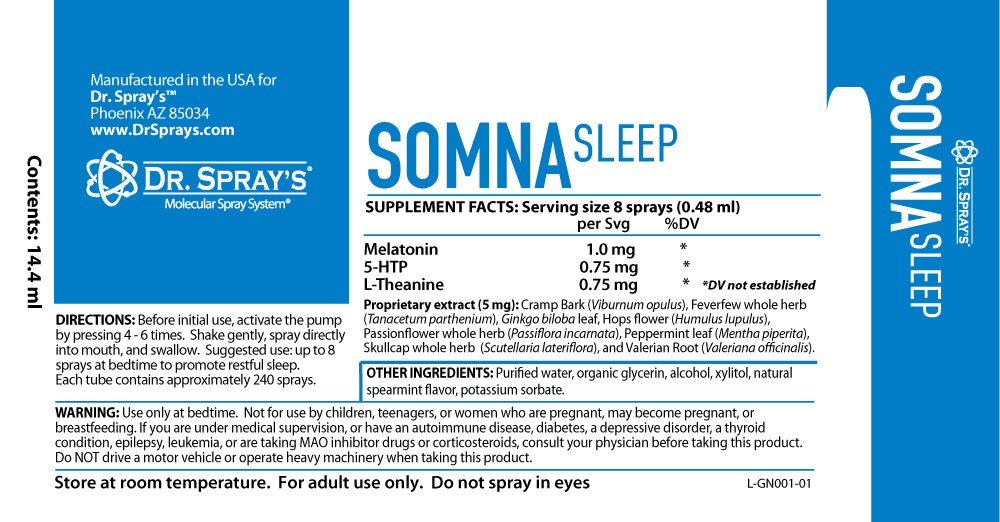
Dr Sprays SOMNA Sleep Spray uses melatonin, L-theanine, and valerian in a fast-absorbing oral spray. Because it absorbs through your mouth — not your digestive system — it won't affect how your body processes warfarin or impact your INR levels.
- Doctor-developed, non-habit forming formula
- Starts working within minutes — no pills to swallow
- Made in an FDA-registered facility in Phoenix, AZ
- 100% money-back guarantee
Free shipping on your first order. Always consult your doctor before starting any new supplement.
Understanding Warfarin and Drug Interactions
Warfarin (commonly known by the brand name Coumadin) is an anticoagulant medication that prevents blood clots by interfering with vitamin K-dependent clotting factors in your blood. While effective for preventing strokes and treating various cardiovascular conditions, warfarin has a narrow therapeutic window and interacts with numerous medications, supplements, and even foods.
The challenge with warfarin lies in maintaining consistent INR (International Normalized Ratio) levels—a measurement of how long it takes your blood to clot. Too high an INR increases bleeding risk, while too low an INR fails to prevent clots effectively.
Why Sleep Aids Often Conflict With Warfarin
Sleep aids can affect warfarin in several ways:
- Enzyme interference: Many sleep medications affect liver enzymes (particularly CYP2C9 and CYP3A4) that metabolize warfarin, potentially increasing or decreasing its effectiveness
- Protein binding displacement: Some compounds compete with warfarin for protein binding sites in the blood, changing available drug levels
- Additive effects: Certain supplements have mild anticoagulant properties that compound warfarin's effects
- Vitamin K content: Some herbal sleep aids contain vitamin K, which directly counteracts warfarin
Sleep Aids Generally Considered Safe With Warfarin
While you should always consult your healthcare provider before adding any sleep aid to your regimen, several options have minimal or manageable interactions with warfarin.
Prescription Options
Trazodone: This antidepressant at low doses is frequently prescribed off-label for sleep. Studies show minimal interaction with warfarin, though monitoring INR when starting remains advisable.
Zolpidem (Ambien): Research indicates no significant effect on warfarin metabolism. However, individual responses vary, and short-term use is typically recommended.
Eszopiclone (Lunesta): Like zolpidem, this medication shows minimal warfarin interaction in clinical studies, though initial monitoring ensures individual compatibility.
Over-the-Counter Considerations
Diphenhydramine and doxylamine: These first-generation antihistamines (found in products like Benadryl and Unisom) generally don't affect warfarin directly. However, they can cause daytime drowsiness and may not be suitable for long-term use.
Melatonin: While some case reports suggest possible interactions, most evidence indicates melatonin can be used cautiously with warfarin. Starting with low doses (0.5-1mg) and monitoring INR provides a safer approach. The proper use of natural sleep aids requires understanding optimal timing and dosing.
The Dr Sprays SOMNA Sleep Spray delivers a precise 1mg melatonin dose along with L-theanine and 5-HTP. The spray format absorbs through your mouth rather than your digestive tract, which means it doesn't compete with warfarin for absorption — an important consideration for patients managing their INR.
Sleep Aids to Avoid With Warfarin
Several common sleep aids create significant risks when combined with warfarin and should be avoided or used only under close medical supervision.
Herbal Supplements With High Risk
Valerian root: This popular herbal sleep aid may significantly increase warfarin's effects, elevating bleeding risk. Several case studies document dangerous INR increases with combined use.
Chamomile: Contains coumarin compounds that can enhance warfarin's anticoagulant effects. While occasional chamomile tea likely poses minimal risk, concentrated supplements should be avoided.
Kava: This herb affects liver enzymes and has been associated with altered warfarin metabolism and increased bleeding risk.
St. John's Wort: A potent enzyme inducer, this supplement significantly reduces warfarin effectiveness, potentially dropping INR to dangerous levels.
Other Problematic Options
NSAIDs (including those in PM formulations): Ibuprofen, naproxen, and aspirin all increase bleeding risk independently and dramatically compound warfarin's effects. Many "PM" pain relievers combine NSAIDs with sleep aids, creating double risk.
Alcohol: While not a sleep aid per se, many people use alcohol to help sleep. Alcohol acutely increases warfarin effects and chronically decreases them with regular use, making INR management extremely difficult.
The Oral Spray Advantage for Warfarin Patients
For individuals on warfarin who need nutritional support alongside sleep management, oral spray vitamins offer distinct advantages over traditional pills and capsules.
Enhanced Absorption Without Digestive Interference
Traditional oral medications must pass through the digestive system, where warfarin metabolism primarily occurs in the liver. Vitamin spray products deliver nutrients through the oral mucosa, allowing for direct absorption into the bloodstream with up to 90% bioavailability compared to roughly 10-20% for many pill-form supplements.
This bypass of first-pass metabolism means less interference with the liver enzymes that process warfarin, potentially reducing interaction risks.
Precise Dosing for Better Control
Maintaining stable nutritional status while on warfarin requires consistent supplementation. Spray supplements provide precise, measured doses with each spray, eliminating the variability that comes from capsule content variations or tablet breaking.
For warfarin patients who need vitamin B12 spray supplementation—common given that warfarin therapy often coincides with conditions requiring B12 support—the spray format ensures consistent daily intake without affecting warfarin absorption.
Supporting Sleep Naturally While on Warfarin
Beyond supplements and medications, several evidence-based approaches improve sleep quality without drug interactions.
Sleep Hygiene Fundamentals
Establishing consistent sleep patterns creates the foundation for better rest:
- Maintain the same bedtime and wake time daily, including weekends
- Create a cool, dark, quiet sleeping environment (65-68°F optimal)
- Limit screen exposure 1-2 hours before bed due to blue light's melatonin-suppressing effects
- Reserve your bed exclusively for sleep and intimacy
- Avoid caffeine after 2 PM and heavy meals within 3 hours of bedtime
Cognitive and Behavioral Approaches
Cognitive Behavioral Therapy for Insomnia (CBT-I): This structured program addresses thoughts and behaviors that prevent good sleep. Research shows CBT-I equals or exceeds medication effectiveness for chronic insomnia, without any drug interaction risks.
Progressive muscle relaxation: This technique systematically tenses and releases muscle groups, reducing physical tension that interferes with sleep onset.
Mindfulness meditation: Studies demonstrate that regular mindfulness practice improves sleep quality and duration by reducing rumination and anxiety.
Optimizing Your Nutritional Foundation
Certain nutritional deficiencies impair sleep quality. While on warfarin, maintaining optimal levels of key nutrients becomes especially important.
Vitamin D3: Deficiency correlates strongly with sleep disturbances and excessive daytime sleepiness. A vitamin D3 spray provides efficient supplementation. Research shows vitamin D doesn't interact significantly with warfarin, though monitoring remains prudent when starting any supplement.
B-complex vitamins: B vitamins play crucial roles in neurotransmitter production affecting sleep-wake cycles. Warfarin doesn't typically interact with B vitamins (except high-dose B6 in rare cases), making them a safe support option.
Magnesium: This mineral supports GABA activity and muscle relaxation. While magnesium glycinate shows promise for sleep, consult your provider about appropriate forms and doses with warfarin.
Creating a Warfarin-Safe Sleep Protocol
Developing an effective sleep improvement plan while maintaining warfarin safety requires a systematic approach.
Step 1: Baseline Assessment
Before implementing changes, document your current situation:
- Recent INR values and stability
- Current sleep patterns (consider a 2-week sleep diary)
- All medications and supplements you take
- Factors potentially affecting sleep (stress, pain, environment)
Step 2: Prioritize Non-Pharmacological Interventions
Start with approaches that carry zero interaction risk:
- Implement sleep hygiene improvements over 2-3 weeks
- Add relaxation techniques to your evening routine
- Address environmental factors (room temperature, light, noise)
- Optimize exercise timing (finish vigorous activity 3-4 hours before bed)
Step 3: Consider Nutritional Support
After establishing behavioral foundations, targeted nutritional support may provide additional benefits. For patients in Phoenix, Arizona, accessing doctor-formulated oral spray vitamins from a FDA-registered, GMP-certified facility ensures quality and consistency.
Key considerations for warfarin patients:
- Choose supplements with minimal warfarin interaction potential
- Start one supplement at a time, allowing 2-3 weeks to assess effects
- Schedule INR monitoring 1-2 weeks after starting new supplements
- Maintain consistent daily timing for both warfarin and supplements
Step 4: Medical Consultation for Persistent Issues
If sleep problems persist despite non-pharmacological approaches, consult your healthcare provider about prescription options. Bring documentation of your sleep diary, implemented strategies, and current supplement regimen to facilitate informed decision-making.
Monitoring and Safety Considerations
Vigilant monitoring protects your health while seeking sleep improvements on warfarin.
INR Monitoring Schedule
Standard monitoring typically occurs monthly once stable. However, increase frequency when:
- Starting any new supplement or sleep aid
- Changing doses of existing supplements
- Experiencing illness, dietary changes, or new medications
- Noticing unusual bruising, bleeding, or other concerning symptoms
Warning Signs Requiring Immediate Medical Attention
Contact your healthcare provider immediately if you experience:
- Unusual bruising or bleeding (gums, nose, urine, stool)
- Prolonged bleeding from minor cuts
- Severe headache or dizziness
- Black, tarry stools or red blood in stool
- Coughing up blood or blood in vomit
Special Populations and Considerations
Elderly Patients on Warfarin
Older adults face unique challenges with sleep and anticoagulation management. Age-related changes in drug metabolism may intensify warfarin interactions, requiring even more conservative approaches to sleep aids. Additionally, many common sleep medications increase fall risk in elderly patients—particularly concerning given warfarin's bleeding risks.
For this population, non-pharmacological approaches and careful nutritional optimization become even more critical. Understanding why senior citizens need vitamin supplements helps contextualize the broader nutritional needs alongside sleep management.
Patients With Multiple Conditions
Many individuals on warfarin manage multiple health conditions requiring various medications. This polypharmacy increases interaction complexity. A comprehensive medication review with your pharmacist can identify potential interactions before problems arise.
The Role of Healthcare Team Communication
Successful sleep management on warfarin requires coordinated care among your healthcare providers.
Your Anticoagulation Specialist
Whether managed by your primary care physician, cardiologist, or anticoagulation clinic, this provider must know about any sleep aids or supplements you consider. They can adjust monitoring schedules and watch for interaction signs.
Your Pharmacist
Pharmacists serve as an often-underutilized resource for interaction checking. Before starting any new supplement—even if purchased without prescription—consult your pharmacist for interaction screening.
Sleep Specialists
If underlying sleep disorders contribute to your insomnia, a sleep medicine specialist can diagnose conditions like sleep apnea or restless leg syndrome that require specific treatment beyond general sleep aids.
Long-Term Sleep Success on Warfarin
Sustainable sleep improvement requires shifting from dependence on sleep aids toward establishing robust sleep health.
Building Sleep Resilience
Rather than relying on substances to induce sleep, developing natural sleep pressure through appropriate activity, light exposure, and circadian alignment creates lasting results. This approach eliminates interaction concerns while building genuine sleep capacity.
Periodic Reassessment
Sleep needs and warfarin management both change over time. Schedule regular reviews of your sleep quality and any sleep support you use. Strategies effective initially may become unnecessary as sleep patterns normalize, allowing you to simplify your regimen.
Frequently Asked Questions
Can I take melatonin with warfarin?
Melatonin can potentially be used with warfarin, but requires caution and monitoring. While most evidence suggests minimal interaction, some case reports indicate possible effects on INR. If you and your healthcare provider decide to try melatonin, start with low doses (0.5-1mg), take it consistently at the same time daily, and schedule INR monitoring 1-2 weeks after starting. Never take melatonin with warfarin without your doctor's approval.
Why does warfarin interact with so many supplements?
Warfarin has a narrow therapeutic index and is metabolized by liver enzymes that also process many other compounds. Additionally, warfarin works by interfering with vitamin K-dependent clotting factors, so any supplement affecting vitamin K, liver enzyme activity, or platelet function can alter warfarin's effects. This makes interaction potential higher than with many other medications.
Are vitamin sprays safer than pills for warfarin patients?
Oral spray vitamins may offer some advantages for warfarin patients. By bypassing the digestive system and allowing absorption through oral mucosa, spray supplements avoid the first-pass metabolism where many warfarin interactions occur. However, "safer" doesn't mean "safe for all supplements"—the specific nutrient matters more than delivery method. Vitamin K in any form will interact with warfarin, whether sprayed or swallowed. Always consult your healthcare provider before starting any supplement format.
How long should I wait after starting a new supplement to check my INR?
Generally, checking INR 1-2 weeks after starting a new supplement provides adequate time for potential interactions to manifest. However, timing depends on the specific supplement and your baseline INR stability. Your anticoagulation provider may recommend earlier or additional testing based on your individual situation. If you experience any bleeding or bruising before scheduled testing, contact your provider immediately.
Can I use CBD or cannabis products for sleep while on warfarin?
CBD and THC both interact with warfarin by affecting the same liver enzymes that metabolize it. Multiple case reports document significant INR increases with CBD use, creating bleeding risk. While some patients may use cannabis products under close medical supervision with frequent monitoring, they should not be considered safe options without explicit approval from your anticoagulation provider.
What should I do if I took a sleep aid that interacts with warfarin?
Contact your healthcare provider or anticoagulation clinic immediately to report what you took, how much, and when. They may recommend earlier INR testing or specific monitoring for bleeding signs. Don't panic—a single dose of many interacting substances may not cause problems, but professional assessment ensures appropriate follow-up. Don't continue taking the supplement without medical guidance.
Are there any vitamins I should avoid entirely while on warfarin?
Vitamin K supplements should be avoided or used only under specific medical direction, as vitamin K directly counteracts warfarin's mechanism. Vitamin E in high doses (above 400 IU daily) may increase bleeding risk. Most other vitamins can be used safely with proper monitoring. The key is consistency—even with vitamin K-containing foods or multivitamins, maintaining the same daily intake allows for stable warfarin dosing.
How does vitamin D affect warfarin and sleep?
Vitamin D doesn't significantly interact with warfarin, making it one of the safer supplements for anticoagulated patients. Since vitamin D deficiency impairs sleep quality and many people are deficient, supplementation may improve sleep without affecting INR. A vitamin D3 spray provides efficient absorption without passing through the digestive system where warfarin is metabolized. However, as with any supplement, inform your provider and maintain consistent daily dosing.
Safe Sleep Solutions for Warfarin Patients
Managing sleep challenges while on warfarin requires careful navigation, but effective solutions exist. By prioritizing non-pharmacological approaches, choosing low-risk supplements when needed, maintaining close communication with your healthcare team, and monitoring appropriately, you can improve sleep quality while maintaining safe anticoagulation.
Remember that sleep improvement often requires patience. Unlike sleep medications that work immediately but lose effectiveness over time, behavioral and lifestyle approaches build genuine sleep capacity that sustains long-term results without interaction risks.
Doctor-Formulated Vitamin Sprays for Better Absorption
For warfarin patients seeking nutritional support without digestive system interference, DrSprays offers doctor-developed oral vitamin sprays with 90% absorption rates. Our products are manufactured in an FDA-registered, GMP-certified facility in Phoenix, Arizona, ensuring pharmaceutical-grade quality and consistency.
Our spray supplement collection includes:
- Vitamin D3 Spray for immune and bone health support
- Vitamin B12 Spray for energy and neurological function
- Vitamin C + Zinc Spray for immune system support
- Multivitamin Spray for comprehensive daily nutrition
Always consult your healthcare provider before starting any new supplement, especially when taking anticoagulant medications. Our products are not intended to diagnose, treat, cure, or prevent any disease.
Sleep Better Tonight — Without Worrying About Warfarin Interactions
SOMNA Sleep Spray was developed by doctors specifically for people who need a safe, effective sleep solution. Melatonin, L-theanine, and 5-HTP in a fast-absorbing spray that works within minutes — and absorbs through a completely separate pathway from your medications.
- Non-habit forming natural formula
- No pills, no digestive interference
- FDA-registered, GMP-certified facility — Phoenix, AZ
- 100% money-back guarantee
Free shipping on your first order. 30-day supply per bottle.