Quick Answer
The best natural sleep aids for anxiety include L-theanine, magnesium glycinate, melatonin, valerian root, and passionflower. These supplements address both the racing thoughts of anxiety and the physiological arousal that prevents sleep, without the dependency risks of prescription sleep medications.
Top picks: L-theanine (200 mg, promotes alpha brain waves), magnesium glycinate (200–400 mg, calms nervous system), melatonin (0.5–3 mg, resets circadian rhythm), valerian root (300–600 mg, increases GABA). For fastest relief, sublingual sprays absorb in seconds vs. 30+ minutes for pills.
If anxiety significantly impacts your daily life, consult a healthcare professional. Natural supplements complement but don't replace therapy or prescribed medications.
If you've ever lain awake at 2 a.m. with your heart pounding and your mind replaying every worst-case scenario, you already know the cruel relationship between anxiety and insomnia. They feed each other: anxiety makes it nearly impossible to fall asleep, and sleep deprivation amplifies anxious thoughts the next day. According to the Anxiety and Depression Association of America, roughly 50% of adults with generalized anxiety disorder also report significant sleep difficulties — and the National Institutes of Health estimates that insomnia affects 30–35% of the general population at some point each year.
The good news is that several well-studied natural compounds can break this cycle by calming the nervous system, reducing hyperarousal, and supporting healthy sleep architecture — without the dependency risks of benzodiazepines or Z-drugs. This guide covers the six best natural sleep aids for anxiety, the science behind each one, and why the delivery method you choose can make a meaningful difference in how quickly they work.
How Anxiety Disrupts Sleep
Understanding why anxiety keeps you awake is the first step toward choosing the right supplement. The problem isn't simply "stress." Anxiety triggers a specific physiological cascade that makes sleep biologically difficult.
When you feel anxious, your brain activates the hypothalamic-pituitary-adrenal (HPA) axis — the body's central stress-response system. The HPA axis signals your adrenal glands to release cortisol and adrenaline, hormones designed to prepare you for immediate danger. In a healthy system, cortisol peaks in the morning and drops to its lowest point around midnight. In people with anxiety, cortisol often remains elevated at night, creating a state of hyperarousal that directly opposes the relaxation needed for sleep onset (Staner, 2003).
This hyperarousal manifests in several ways:
- Racing thoughts: The prefrontal cortex stays active when it should be winding down, replaying worries and planning for threats that may never materialize.
- Elevated heart rate and muscle tension: The sympathetic nervous system remains in "fight or flight" mode, making physical relaxation difficult.
- Suppressed GABA activity: Gamma-aminobutyric acid (GABA) is the brain's primary inhibitory neurotransmitter — it slows neural activity and promotes calm. Chronic anxiety reduces GABA receptor sensitivity, making it harder for the brain to "switch off."
- Disrupted sleep architecture: Even when anxious individuals do fall asleep, they tend to spend less time in deep slow-wave sleep and REM sleep, waking up feeling unrefreshed.
The most effective natural sleep aids for anxiety target multiple points in this cascade — lowering cortisol, boosting GABA, reducing sympathetic nervous system activity, and supporting the circadian signals that tell your body it's time to rest.
Best Natural Sleep Aids for Anxiety
L-Theanine (200 mg)
L-theanine is an amino acid found naturally in green tea leaves and is one of the most effective natural compounds for anxiety-related sleep problems. Unlike sedatives that simply knock you out, L-theanine promotes a state of calm alertness during the day and relaxed sleepiness at night — making it uniquely suited for people whose anxiety follows them from waking hours into bedtime.
L-theanine works through several mechanisms. It crosses the blood-brain barrier within 30–40 minutes of ingestion and increases production of alpha brain waves — the same brainwave pattern associated with meditation and deep relaxation. It also boosts levels of GABA, serotonin, and dopamine while reducing excitatory glutamate activity. A 2019 randomized, placebo-controlled trial by Hidese et al. found that 200 mg of L-theanine daily significantly reduced stress-related symptoms and improved sleep quality in healthy adults, with participants reporting less difficulty falling asleep and fewer nighttime awakenings (Hidese et al., 2019).
Recommended dose: 200 mg taken 30–60 minutes before bed. L-theanine is well-tolerated with no known dependency risk, and unlike many sleep supplements, it does not cause morning grogginess.
Dr. Spray's L-Theanine Spray delivers 200 mg per serving in a fast-absorbing sublingual format, allowing the L-theanine to enter your bloodstream within minutes rather than waiting for a capsule to dissolve.
Magnesium Glycinate (200–400 mg)
Magnesium is involved in over 300 enzymatic reactions in the body, and its role in sleep and anxiety regulation is profound. An estimated 50% of Americans don't get enough magnesium from their diet, and deficiency is closely linked to both anxiety and insomnia. Magnesium glycinate — magnesium bound to the amino acid glycine — is the preferred form for sleep because it's highly bioavailable, gentle on the stomach, and the glycine itself has additional calming properties.
Magnesium promotes sleep by activating GABA-A receptors in the brain, the same receptors targeted by benzodiazepines (though through a gentler, non-addictive mechanism). It also helps regulate the HPA axis, reducing nighttime cortisol levels. A double-blind, placebo-controlled trial by Abbasi et al. (2012) found that magnesium supplementation (500 mg daily) significantly improved subjective measures of insomnia — including sleep time, sleep efficiency, and early morning awakening — while also reducing serum cortisol levels in elderly participants with insomnia.
Recommended dose: 200–400 mg of elemental magnesium (as glycinate) taken 1–2 hours before bed. Start at the lower end to assess tolerance.
Dr. Spray's Magnesium Spray provides magnesium in a sublingual delivery that bypasses the digestive system — particularly useful for people whose anxiety causes gastrointestinal distress that can interfere with pill absorption.
Melatonin (0.5–3 mg)
Melatonin is the hormone your pineal gland produces to signal that it's time to sleep. It doesn't sedate you — rather, it resets your circadian clock and lowers your core body temperature, both of which are necessary for sleep onset. For people with anxiety, melatonin is especially helpful when stress has shifted their natural sleep-wake timing (a common pattern where anxiety keeps you up later, and the resulting shifted schedule makes the next night's insomnia even worse).
A comprehensive meta-analysis by Ferracioli-Oda et al. (2013) in PLoS ONE examined 19 randomized controlled trials and found that melatonin supplementation significantly reduced sleep onset latency (time to fall asleep) by an average of 7 minutes, increased total sleep time, and improved overall sleep quality. Importantly, no evidence of dependency or withdrawal was found.
One critical point that many people get wrong: less is more with melatonin. Many commercial products contain 5–10 mg, but research consistently shows that 0.5–3 mg is the effective range. Higher doses can actually cause next-day drowsiness and may desensitize melatonin receptors over time.
Recommended dose: Start with 0.5–1 mg taken 30–60 minutes before your desired bedtime. Increase to 3 mg only if lower doses aren't effective after a week.
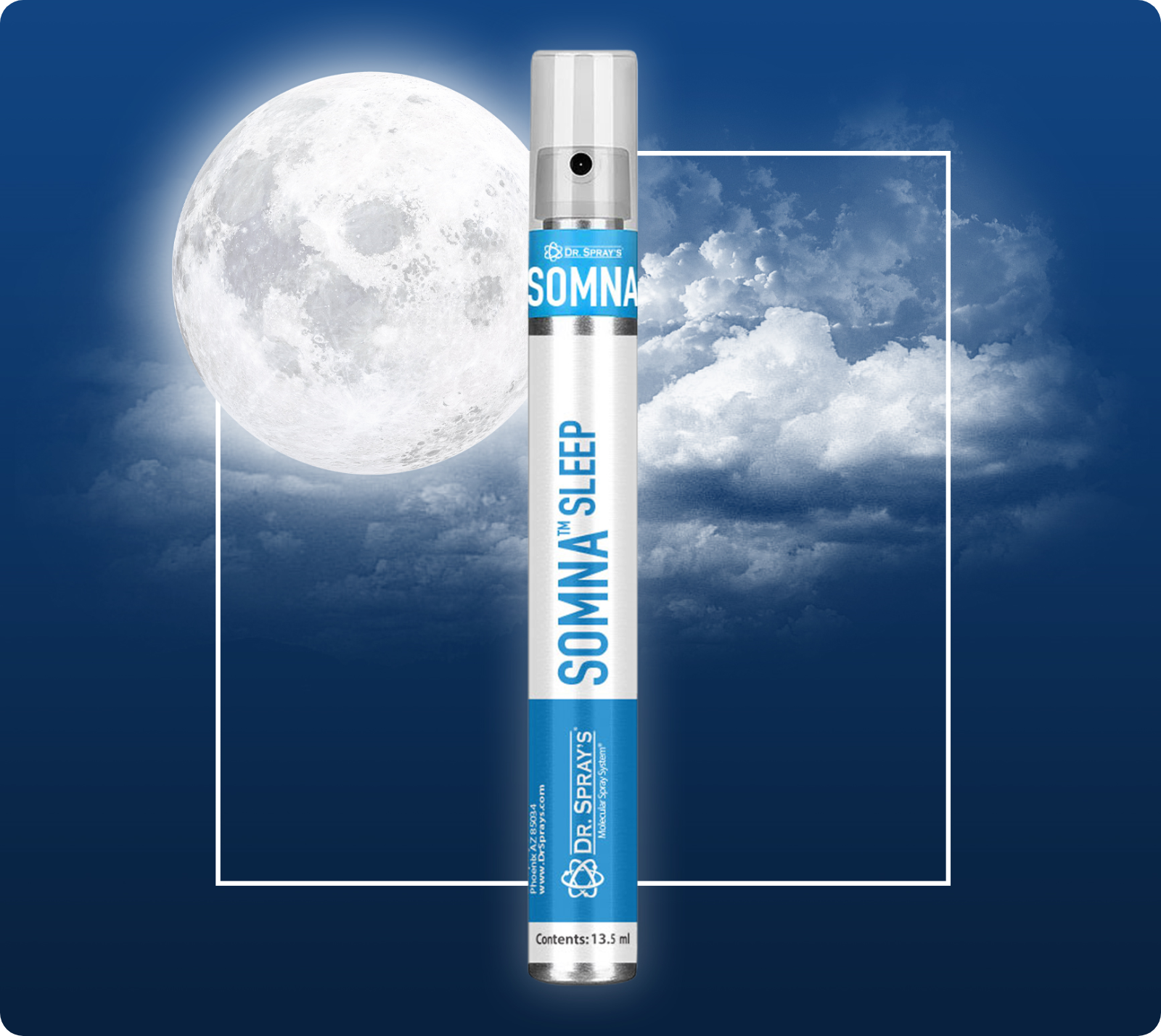
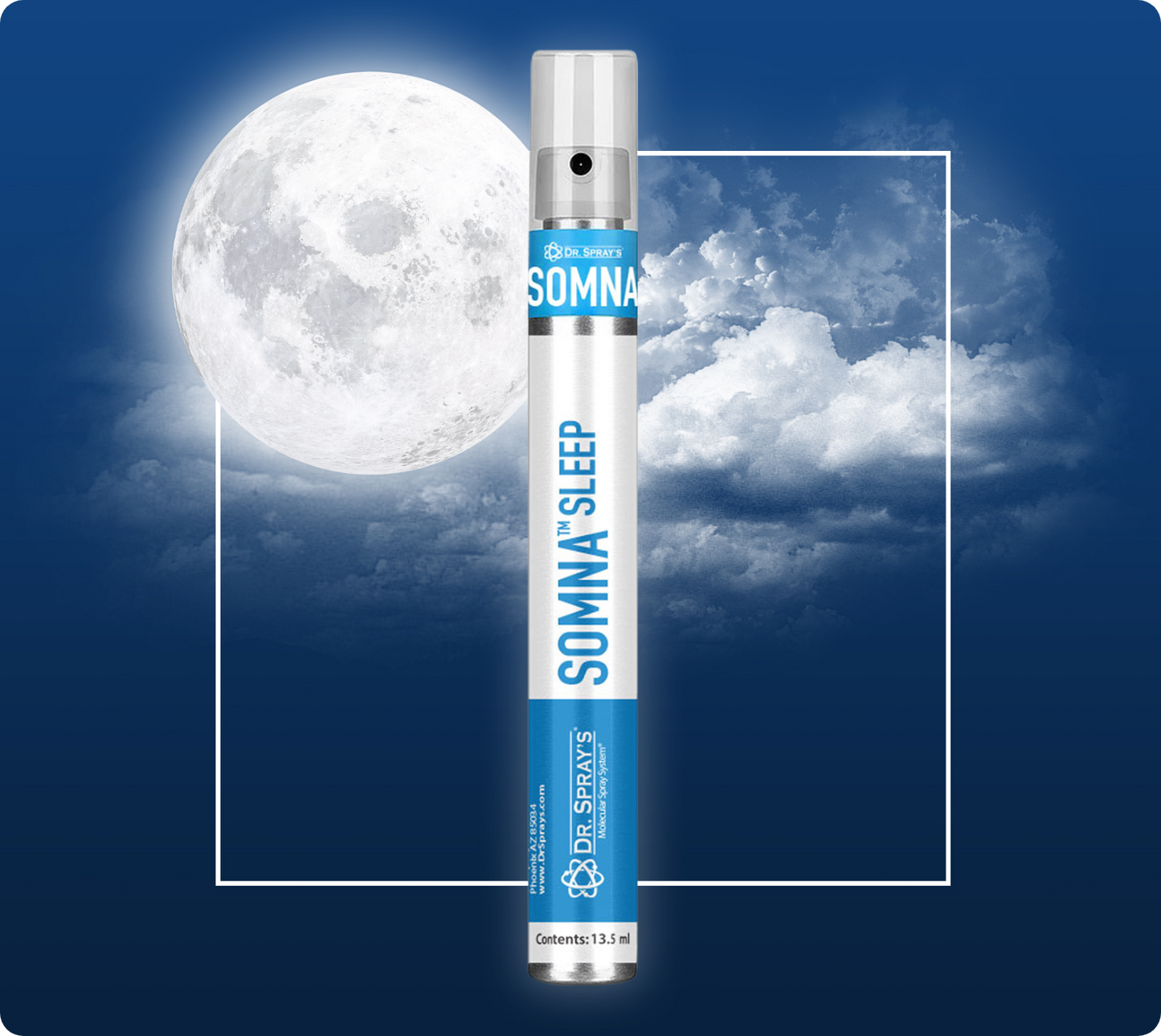
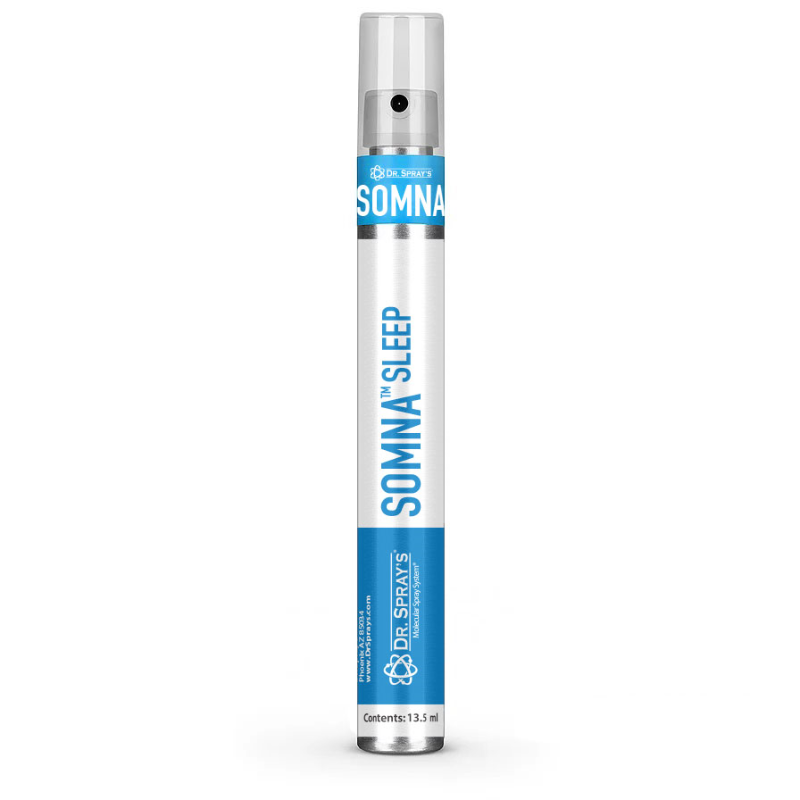
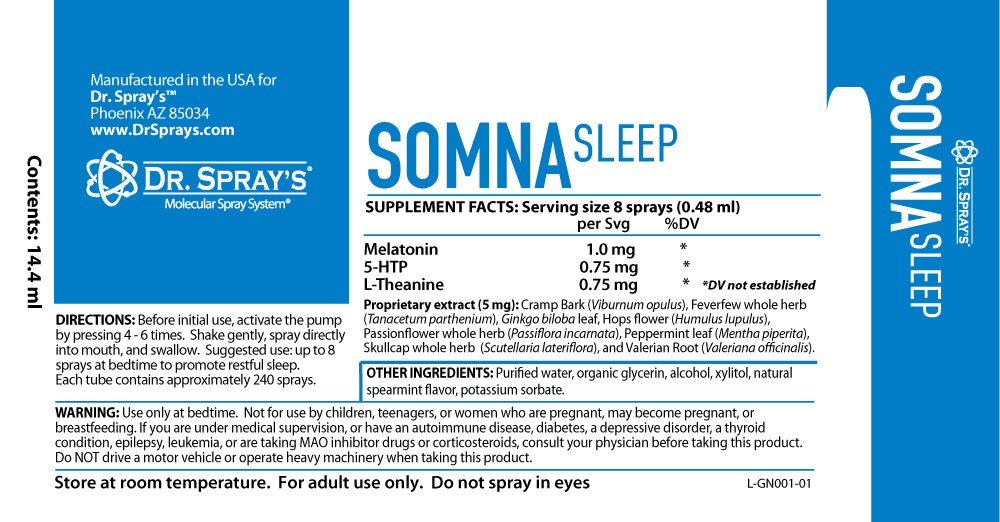
Dr. Spray's SOMNA Sleep Spray delivers a precise, low dose of melatonin combined with L-theanine and valerian — allowing you to get the circadian-resetting benefits without overshooting the effective dose.
Valerian Root (300–600 mg)
Valerian root (Valeriana officinalis) has been used as a sleep and anxiety remedy for over 2,000 years, dating back to ancient Greece and Rome. Modern research has identified its primary mechanism: valerian contains compounds called valerenic acid and isovaleric acid that inhibit the breakdown of GABA in the brain, effectively increasing GABA availability at the synapse. This is particularly relevant for anxiety-related insomnia, where GABA activity is often suppressed.
A systematic review by Fernández-San-Martín et al. (2010) in Sleep Medicine Reviews analyzed 18 randomized controlled trials and concluded that valerian showed a statistically significant improvement in subjective sleep quality, though the authors noted that study quality varied. Several included studies specifically examined anxious populations, where valerian's effects were more pronounced than in non-anxious insomniacs — suggesting that its GABAergic mechanism is especially effective when anxiety is the underlying cause.
Recommended dose: 300–600 mg of standardized valerian root extract taken 30 minutes to 2 hours before bed. Valerian can take 2–4 weeks of consistent use to reach full effectiveness, so it's not an instant fix — but its benefits compound over time.
Passionflower (Passiflora incarnata)
Passionflower is a flowering vine native to the southeastern United States with a long history in traditional medicine for anxiety and insomnia. Like valerian, its primary mechanism is GABAergic — passionflower contains flavonoids (particularly chrysin) that bind to GABA-A receptors and enhance inhibitory signaling in the brain. However, passionflower tends to work faster than valerian, making it a better choice for acute nighttime anxiety.
A randomized, double-blind, placebo-controlled trial by Ngan and Conduit (2011) published in Phytotherapy Research found that participants who consumed passionflower tea before bed showed significant improvements in subjective sleep quality compared to placebo, as measured by sleep diary data and validated questionnaires. The authors noted that the anxiolytic (anti-anxiety) effects appeared to be the primary driver of sleep improvement — participants fell asleep faster because they were less anxious, not because the herb was directly sedating.
Recommended dose: 200–500 mg of standardized extract, or 1–2 cups of passionflower tea 30–60 minutes before bed. Passionflower is generally well-tolerated and can be combined with other supplements on this list.
Glycine (3 g)
Glycine is a non-essential amino acid and inhibitory neurotransmitter that plays a unique role in sleep promotion. While most natural sleep aids for anxiety work primarily through GABA pathways, glycine operates through a different mechanism: it lowers core body temperature by increasing blood flow to the extremities. This drop in body temperature is one of the key physiological triggers for sleep onset. Glycine also acts as an inhibitory neurotransmitter in the brainstem and spinal cord, reducing muscle tone and promoting physical relaxation.
A study by Bannai et al. (2012) published in Frontiers in Neurology found that 3 grams of glycine taken before bedtime significantly improved subjective sleep quality, reduced daytime sleepiness, and enhanced cognitive performance the next day. Participants reported falling asleep faster and feeling more refreshed upon waking. Notably, glycine did not cause any sedative hangover effects — a common problem with both prescription and some over-the-counter sleep aids.
Recommended dose: 3 grams taken 30–60 minutes before bed. Glycine has a mildly sweet taste and dissolves easily in water, making it one of the easiest supplements to incorporate into a bedtime routine. It's particularly useful for people whose anxiety causes physical tension and restlessness at night.
Calm your mind and sleep better — naturally
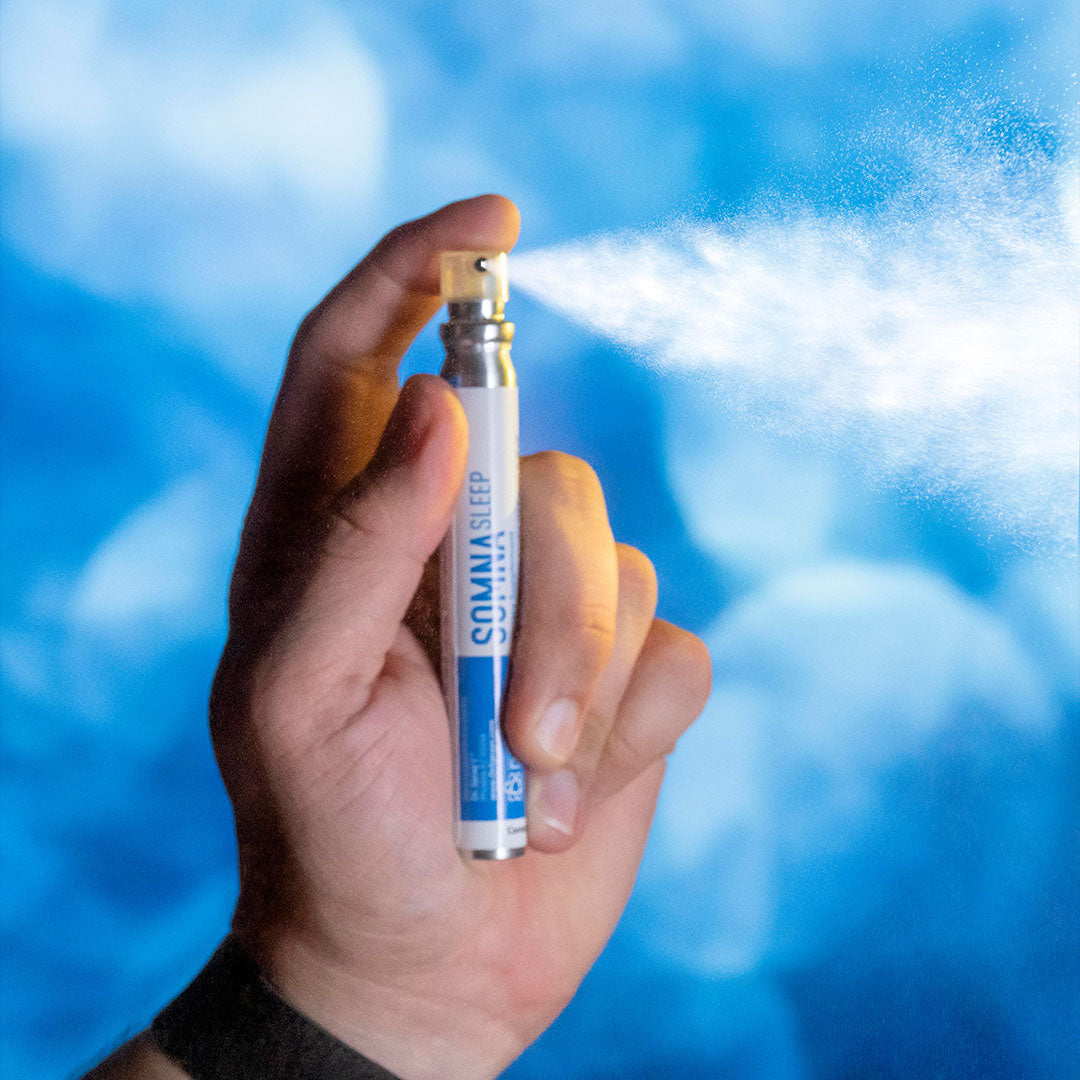
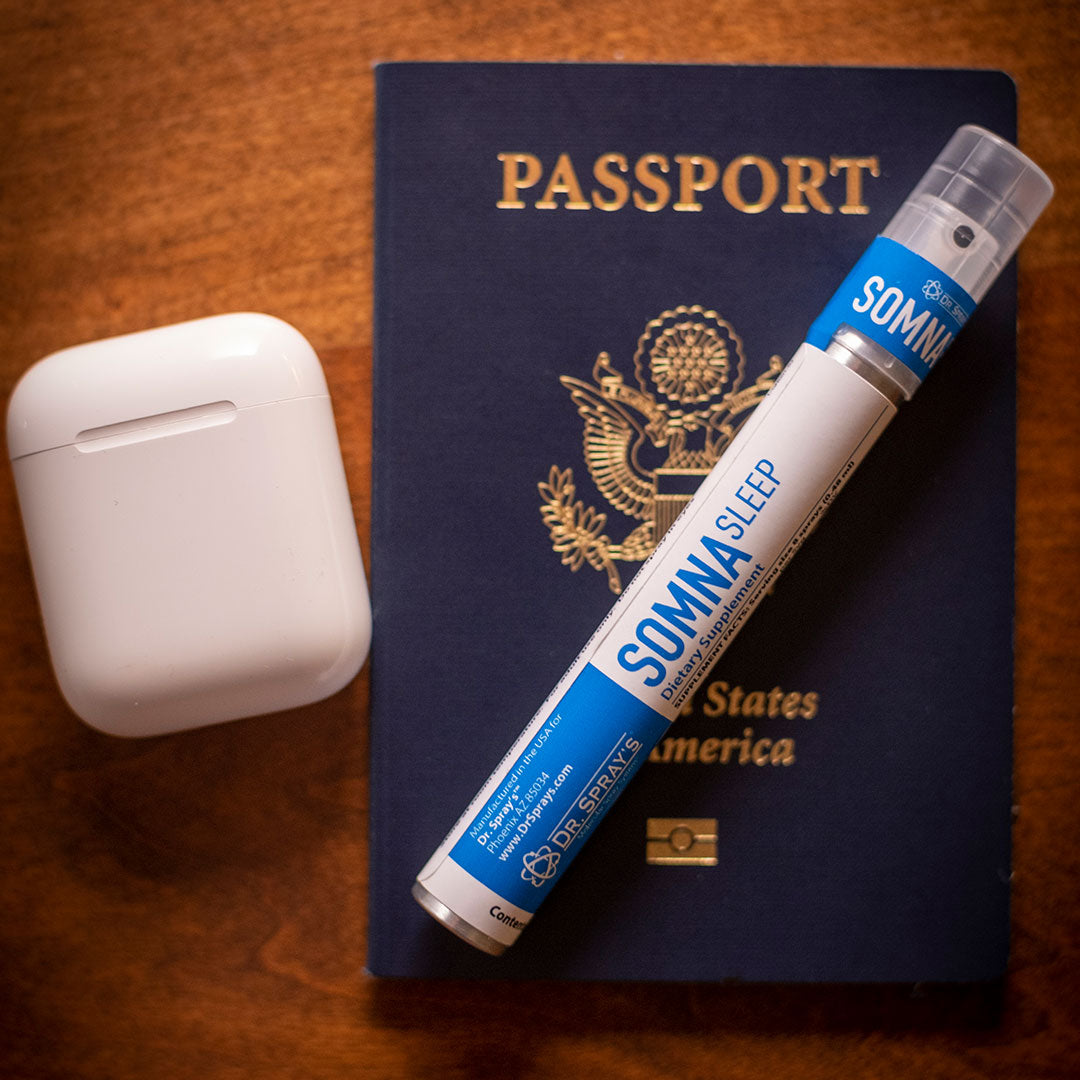
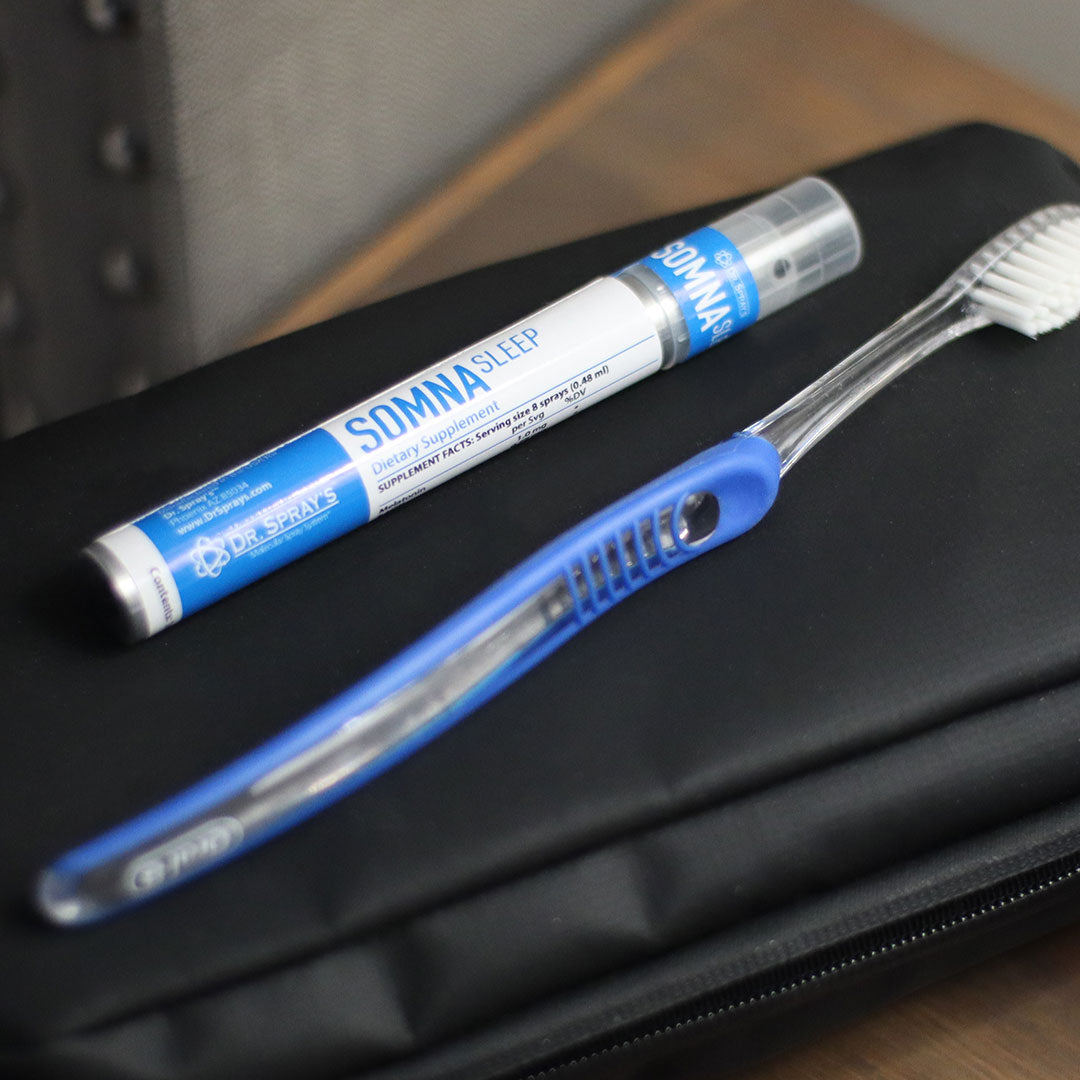
Dr Sprays SOMNA Sleep Spray combines melatonin, L-theanine, and valerian — three of the top natural sleep aids for anxiety — in one fast-absorbing oral spray. No pills, no water, starts working in minutes.
- Doctor-developed, non-habit forming formula
- Addresses both anxiety and sleep onset
- Made in an FDA-registered facility in Phoenix, AZ
- 100% money-back guarantee
Free shipping on your first order. Always consult your doctor before starting any new supplement.
Why Spray Supplements Work Better for Anxiety
The delivery method of a supplement matters more than most people realize — and for anxiety sufferers in particular, spray supplements offer several advantages over traditional pills and capsules.
Sublingual absorption bypasses the digestive system. When you spray a supplement under your tongue, the active ingredients absorb directly through the mucous membranes of your mouth and into your bloodstream. This avoids the gastrointestinal tract entirely, which is significant for two reasons: first, it eliminates "first-pass metabolism" in the liver that can degrade a substantial portion of the active compound before it reaches your brain. Second, many people with anxiety experience digestive issues — nausea, acid reflux, or a nervous stomach — that can impair absorption of oral supplements.
Faster onset means less time lying awake. A typical capsule takes 30–45 minutes to dissolve, release its contents, and be absorbed through the intestinal wall. A sublingual spray can begin entering the bloodstream within 15–30 seconds. When you're lying in bed with racing thoughts, the difference between "starts working in under a minute" and "starts working in 45 minutes" is enormous — those 44 extra minutes of waiting are prime territory for anxiety spiraling.
Precise dosing without waste. Each spray delivers a measured amount, typically 1–2 mg of melatonin per spray. This makes it easy to start with a low dose and titrate upward if needed — far more practical than trying to cut a 10 mg melatonin tablet into quarters.
No pills to swallow when you're already anxious. It sounds minor, but for many anxiety sufferers, the physical act of swallowing pills can be difficult during an anxious episode. A tightened throat, nausea, and difficulty swallowing (globus sensation) are common anxiety symptoms. A spray eliminates this barrier entirely.
Natural vs. Prescription Sleep Aids for Anxiety
Many people with anxiety-related insomnia are prescribed pharmaceutical sleep aids. While these medications have their place in acute situations, understanding how they compare to natural alternatives is essential for making informed decisions about long-term sleep health. If you're currently taking a prescription medication like Prozac or hydroxyzine, always consult your doctor before adding any supplement.
| Category | Examples | Dependency Risk | Common Side Effects | Effectiveness for Anxiety-Insomnia |
|---|---|---|---|---|
| Benzodiazepines | Xanax, Ativan, Klonopin | High | Daytime drowsiness, cognitive impairment, rebound anxiety, withdrawal seizures | High (short-term only) |
| Z-Drugs | Ambien, Lunesta, Sonata | Moderate–High | Sleepwalking, amnesia, next-day impairment, complex sleep behaviors | High for sleep, does not address anxiety |
| Antihistamines | Diphenhydramine (Benadryl), Doxylamine (Unisom) | Low–Moderate | Morning grogginess, dry mouth, tolerance builds quickly, anticholinergic burden | Moderate for sleep, does not address anxiety |
| Natural Supplements | L-theanine, magnesium, melatonin, valerian, passionflower, glycine | None–Very Low | Minimal; occasional mild drowsiness or GI effects | Moderate — addresses both anxiety and sleep |
The key distinction: prescription sleep medications primarily force sedation without addressing the underlying anxiety. When you stop taking them, the anxiety-insomnia cycle often returns — sometimes worse than before due to rebound effects. Natural supplements, particularly L-theanine, magnesium, and passionflower, address the anxious arousal itself, promoting a more sustainable path to better sleep. For a deeper look at safety considerations, see our guide on the safest natural sleep aids.
Building an Anxiety-Friendly Sleep Routine
Supplements work best when paired with consistent sleep hygiene practices. For anxiety sufferers, the standard "sleep hygiene tips" need to be modified to address the specific challenges that anxious minds present. Here are six strategies that directly target the anxiety-sleep connection:
- Set a "worry window" earlier in the evening. Designate 15–20 minutes around 7–8 p.m. to write down everything that's on your mind. Physically transferring worries from your brain to paper signals to your nervous system that these concerns have been "handled" for the night. Research shows this simple practice can reduce pre-sleep cognitive arousal by up to 50%.
- Follow a consistent wind-down schedule. Your brain craves predictability, and an anxious brain craves it even more. Begin dimming lights 90 minutes before bed, take your natural sleep supplement at the same time each night, and follow the same sequence of activities (change clothes, brush teeth, read). Consistency reduces the "what should I be doing?" anxiety that often accompanies bedtime.
- Use the 4-7-8 breathing technique in bed. Inhale through your nose for 4 seconds, hold for 7 seconds, exhale through your mouth for 8 seconds. This activates the parasympathetic nervous system (the "rest and digest" counterpart to fight-or-flight) and has been shown to lower heart rate and blood pressure within 2–3 cycles.
- Keep your bedroom cool (65–68°F / 18–20°C). Your core body temperature needs to drop by about 2°F to initiate sleep. Anxiety elevates body temperature through sympathetic nervous system activation, so a cool room works against this effect. Glycine supplementation (discussed above) also helps with this temperature regulation.
- Remove clocks from your line of sight. Clock-watching is one of the most common anxiety amplifiers during insomnia. Seeing that it's 3:17 a.m. triggers a cascade of worry ("I have to be up in 4 hours, I'm going to be exhausted, I have that meeting..."). Turn your clock away from the bed or cover it.
- If you can't sleep after 20 minutes, get up. Lying in bed while anxious teaches your brain that bed = anxiety. Move to another room, do something non-stimulating (read a physical book, listen to a calm podcast), and return to bed only when you feel genuinely sleepy. This technique, called stimulus control, is a core component of cognitive behavioral therapy for insomnia.
When to See a Professional
Natural sleep aids and good sleep hygiene are effective for mild to moderate anxiety-related insomnia, but some situations require professional guidance. Consider consulting a healthcare provider if:
- Your anxiety significantly impairs your ability to work, maintain relationships, or perform daily activities
- You experience panic attacks, particularly nocturnal panic attacks that wake you from sleep
- You've had persistent insomnia (3+ nights per week) for more than 3 months despite consistent sleep hygiene practices and supplement use
- You're using alcohol, cannabis, or other substances to manage anxiety or sleep
- You have intrusive thoughts, compulsive behaviors, or trauma-related nightmares
- You experience significant daytime fatigue that affects your safety (e.g., falling asleep while driving)
The gold standard treatment for chronic insomnia — including anxiety-related insomnia — is Cognitive Behavioral Therapy for Insomnia (CBT-I). A clinical guideline published by Qaseem et al. (2016) in the Annals of Internal Medicine recommended CBT-I as the first-line treatment for chronic insomnia in adults, ahead of all pharmaceutical interventions. CBT-I addresses the thought patterns and behaviors that perpetuate the anxiety-insomnia cycle and has been shown to produce durable improvements that last long after treatment ends — unlike medication, which only works while you take it.
Natural supplements can complement professional treatment. Many therapists and psychiatrists encourage the use of L-theanine, magnesium, and melatonin alongside CBT-I and, when necessary, alongside prescription medications.
Frequently Asked Questions
What is the best natural sleep aid for anxiety?
L-theanine is widely considered the best single natural sleep aid for anxiety because it directly addresses both problems simultaneously. It reduces anxious arousal by promoting alpha brain waves and boosting GABA, while also improving sleep quality without causing sedation or dependency. A dose of 200 mg taken 30–60 minutes before bed is effective for most people. For a multi-ingredient approach, combining L-theanine with low-dose melatonin and valerian root — as found in SOMNA Sleep Spray — addresses the anxiety-insomnia cycle from multiple angles.
Does L-theanine help with anxiety and sleep?
Yes, and the evidence is strong. L-theanine increases alpha brain wave activity (the pattern associated with calm focus and meditation), boosts GABA and serotonin levels, and reduces the physiological stress response. A 2019 study by Hidese et al. in Nutrients found that 200 mg daily significantly reduced stress-related symptoms and improved sleep quality in a randomized, placebo-controlled trial. Unlike prescription anti-anxiety medications, L-theanine does not cause drowsiness during the day, cognitive impairment, or dependency. Dr. Spray's L-Theanine Spray delivers the clinically studied 200 mg dose in a fast-absorbing sublingual format.
Can I take melatonin if I have anxiety?
Yes, melatonin is safe for people with anxiety and does not worsen anxiety symptoms. In fact, melatonin can be particularly helpful because anxiety often disrupts circadian rhythm — you stay up later due to racing thoughts, which shifts your sleep-wake cycle and makes subsequent nights even harder. Melatonin helps reset this timing. The key is to use a low dose (0.5–3 mg), as higher doses are not more effective and may cause grogginess. If you take prescription anti-anxiety medications like SSRIs, melatonin is generally compatible, but always verify with your doctor.
Is magnesium good for anxiety-related insomnia?
Magnesium is excellent for anxiety-related insomnia because it targets both the anxiety and the sleep disruption through complementary mechanisms. It activates GABA-A receptors (calming the nervous system), regulates the HPA axis (lowering cortisol), and supports melatonin production. Magnesium glycinate is the best form for sleep because it's well-absorbed and the glycine component has its own calming properties. Research by Abbasi et al. (2012) demonstrated significant improvements in insomnia severity, sleep time, and cortisol levels with magnesium supplementation. A dose of 200–400 mg before bed is generally recommended. Dr. Spray's Magnesium Spray provides this in an easily absorbed sublingual format.
Are natural sleep aids safe to take every night?
Most natural sleep aids discussed in this guide — L-theanine, magnesium glycinate, glycine, passionflower, and valerian root — are considered safe for nightly use based on available evidence. They do not cause dependency, tolerance buildup, or withdrawal symptoms. Melatonin is also safe for nightly use at low doses (0.5–3 mg), though some sleep specialists recommend cycling it (5 nights on, 2 nights off) to maintain receptor sensitivity. The one exception to blanket safety: if you're pregnant, nursing, or taking prescription medications (particularly blood thinners, blood pressure medications, or CNS depressants), consult your doctor before starting any nightly supplement regimen.
What helps with racing thoughts at night?
Racing thoughts at night are driven by elevated cortisol and an overactive prefrontal cortex. The most effective natural approaches combine a supplement that calms neural activity with a behavioral technique that redirects your attention. On the supplement side, L-theanine (200 mg) is the fastest-acting option for racing thoughts because it promotes alpha brain waves within 30–40 minutes. Magnesium glycinate and passionflower also reduce neural excitability through GABA pathways. On the behavioral side, the "worry journal" technique (writing down every thought for 10–15 minutes before bed) and the 4-7-8 breathing method are both evidence-based strategies for quieting a racing mind. If racing thoughts persist despite these interventions, CBT-I with a trained therapist is the most effective long-term solution.
References
- Staner, L. (2003). Sleep and anxiety disorders. Dialogues in Clinical Neuroscience, 5(3), 249–258.
- Hidese, S., Ogawa, S., Ota, M., Ishida, I., Yasukawa, Z., Ozeki, M., & Kunugi, H. (2019). Effects of L-theanine administration on stress-related symptoms and cognitive functions in healthy adults: A randomized controlled trial. Nutrients, 11(10), 2362.
- Abbasi, B., Kimiagar, M., Sadeghniiat, K., Shirazi, M. M., Hedayati, M., & Rashidkhani, B. (2012). The effect of magnesium supplementation on primary insomnia in elderly: A double-blind placebo-controlled clinical trial. Journal of Research in Medical Sciences, 17(12), 1161–1169.
- Ferracioli-Oda, E., Qawasmi, A., & Bloch, M. H. (2013). Meta-analysis: Melatonin for the treatment of primary sleep disorders. PLoS ONE, 8(5), e63773.
- Fernández-San-Martín, M. I., Masa-Font, R., Palacios-Soler, L., Sancho-Gómez, P., Calbó-Caldentey, C., & Flores-Mateo, G. (2010). Effectiveness of Valerian on insomnia: A meta-analysis of randomized placebo-controlled trials. Sleep Medicine Reviews, 14(3), 163–174.
- Ngan, A., & Conduit, R. (2011). A double-blind, placebo-controlled investigation of the effects of Passiflora incarnata (passionflower) herbal tea on subjective sleep quality. Phytotherapy Research, 25(8), 1153–1159.
- Bannai, M., Kawai, N., Ono, K., Nakahara, K., & Murakami, N. (2012). The effects of glycine on subjective daytime performance in partially sleep-restricted healthy volunteers. Frontiers in Neurology, 3, 61.
- Qaseem, A., Kansagara, D., Forciea, M. A., Cooke, M., & Denberg, T. D. (2016). Management of chronic insomnia disorder in adults: A clinical practice guideline from the American College of Physicians. Annals of Internal Medicine, 165(2), 125–133.
Sleep better tonight — naturally
Dr Sprays SOMNA Sleep Spray combines melatonin, L-theanine, and valerian in a fast-absorbing oral spray designed to quiet anxiety and help you fall asleep faster. Doctor-developed. Non-habit forming. Works in minutes.
- Targets both anxious thoughts and sleep onset
- Sublingual absorption — no pills, no water needed
- Made in an FDA-registered facility in Phoenix, AZ
- 100% money-back guarantee
Free shipping on your first order. Always consult your doctor before starting any new supplement.
Disclaimer: These statements have not been evaluated by the Food and Drug Administration. This product is not intended to diagnose, treat, cure, or prevent any disease. This article is for informational purposes only and does not constitute medical advice. Always consult with a qualified healthcare professional before starting any supplement regimen, especially if you are pregnant, nursing, taking medications, or have a medical condition.