Quick Answer
Yes, phentermine commonly causes insomnia. As a sympathomimetic amine (stimulant), phentermine increases norepinephrine levels in the brain, which raises alertness and makes it harder to fall asleep. Insomnia affects an estimated 15–30% of phentermine users, especially during the first 2–4 weeks.
The #1 fix: take phentermine before 10 AM. Other tips: avoid caffeine after noon, try low-dose melatonin (0.5–1 mg), magnesium glycinate before bed, keep your room cool and dark. Most users see insomnia improve after 2–4 weeks as the body adjusts.
Talk to your prescriber if insomnia persists beyond 3–4 weeks or severely impacts daily functioning.
Phentermine is the most commonly prescribed weight loss medication in the United States, helping millions of people manage their weight each year. But if you've started phentermine and suddenly can't fall asleep — or you're waking up at 3 AM wired and alert — you're experiencing one of its most common and frustrating side effects.
The good news: phentermine insomnia is manageable, and for most people, it gets better over time. This guide explains why phentermine disrupts sleep, provides 8 evidence-based strategies to sleep better, and helps you decide when it's time to talk to your doctor.
Why Phentermine Causes Insomnia
Phentermine is chemically similar to amphetamine. It works by triggering the release of norepinephrine, dopamine, and (to a lesser extent) serotonin in the brain. These neurotransmitters suppress appetite — but they also increase alertness, heart rate, and body temperature, all of which work against sleep.
Here's what happens in your body:
- Norepinephrine surge: This is the primary driver. Norepinephrine is your "fight or flight" neurotransmitter — it tells your brain to stay alert and ready to act. Elevated levels at bedtime make it difficult for your body to transition into sleep mode.
- Increased heart rate: Phentermine typically raises resting heart rate by 5–15 bpm. A faster heart rate signals your body that it's not time to rest.
- Elevated body temperature: Thermogenesis (heat production) is part of how phentermine promotes weight loss, but your body needs to cool down to initiate sleep.
- Reduced melatonin sensitivity: Stimulants can blunt your body's response to its own melatonin production, making it harder to feel sleepy at your normal bedtime.
Struggling to sleep on Phentermine?
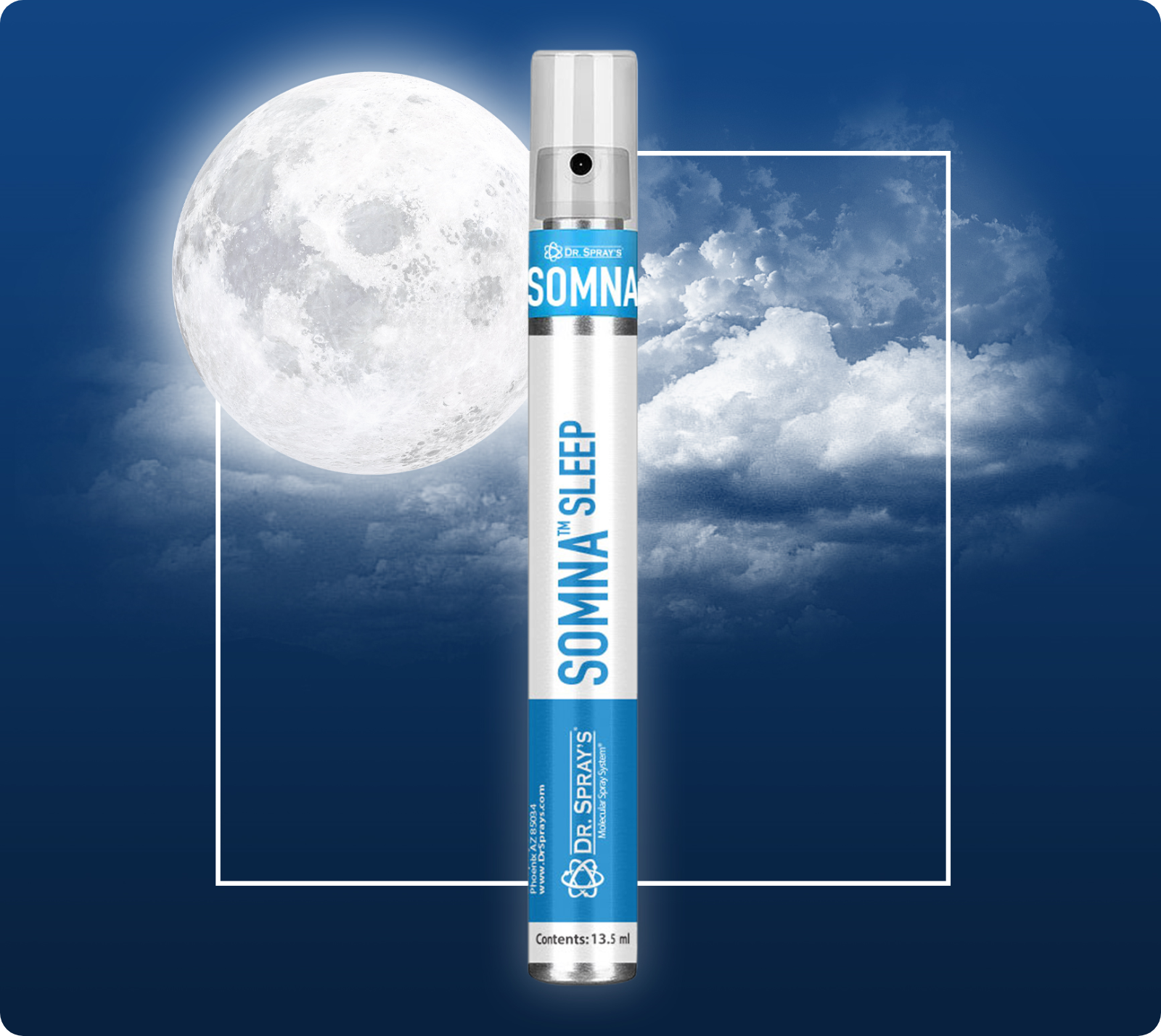
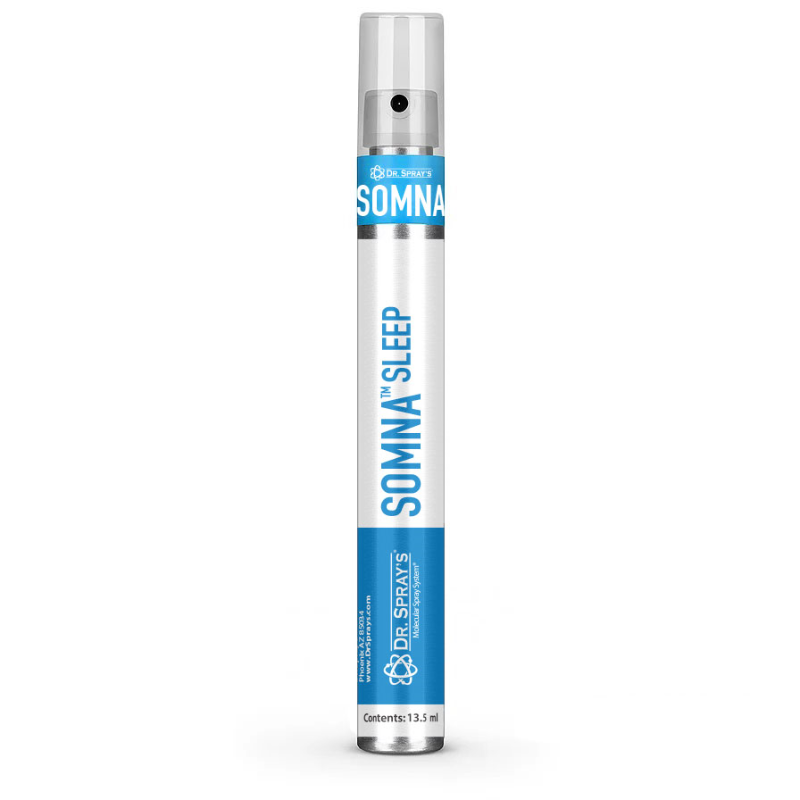
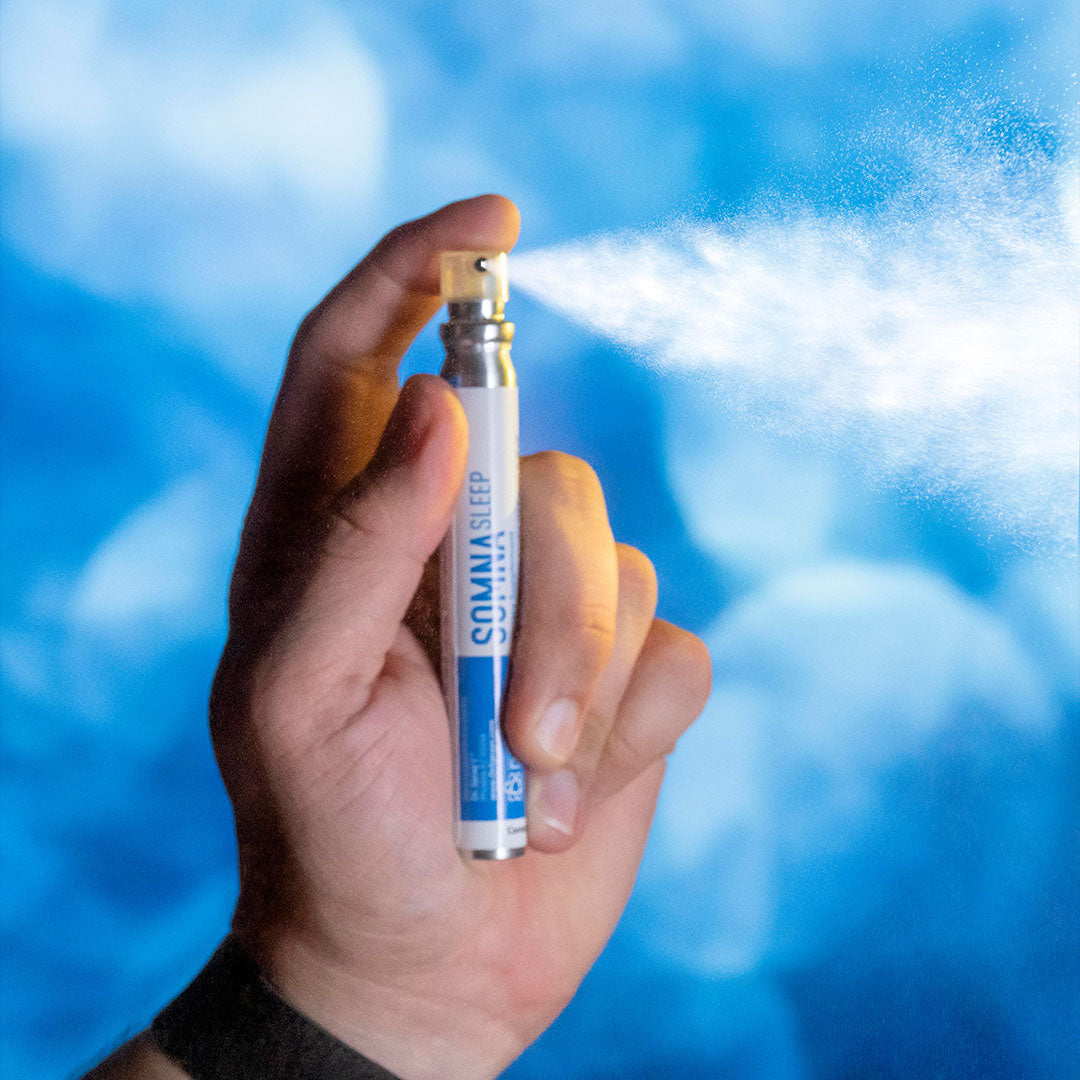
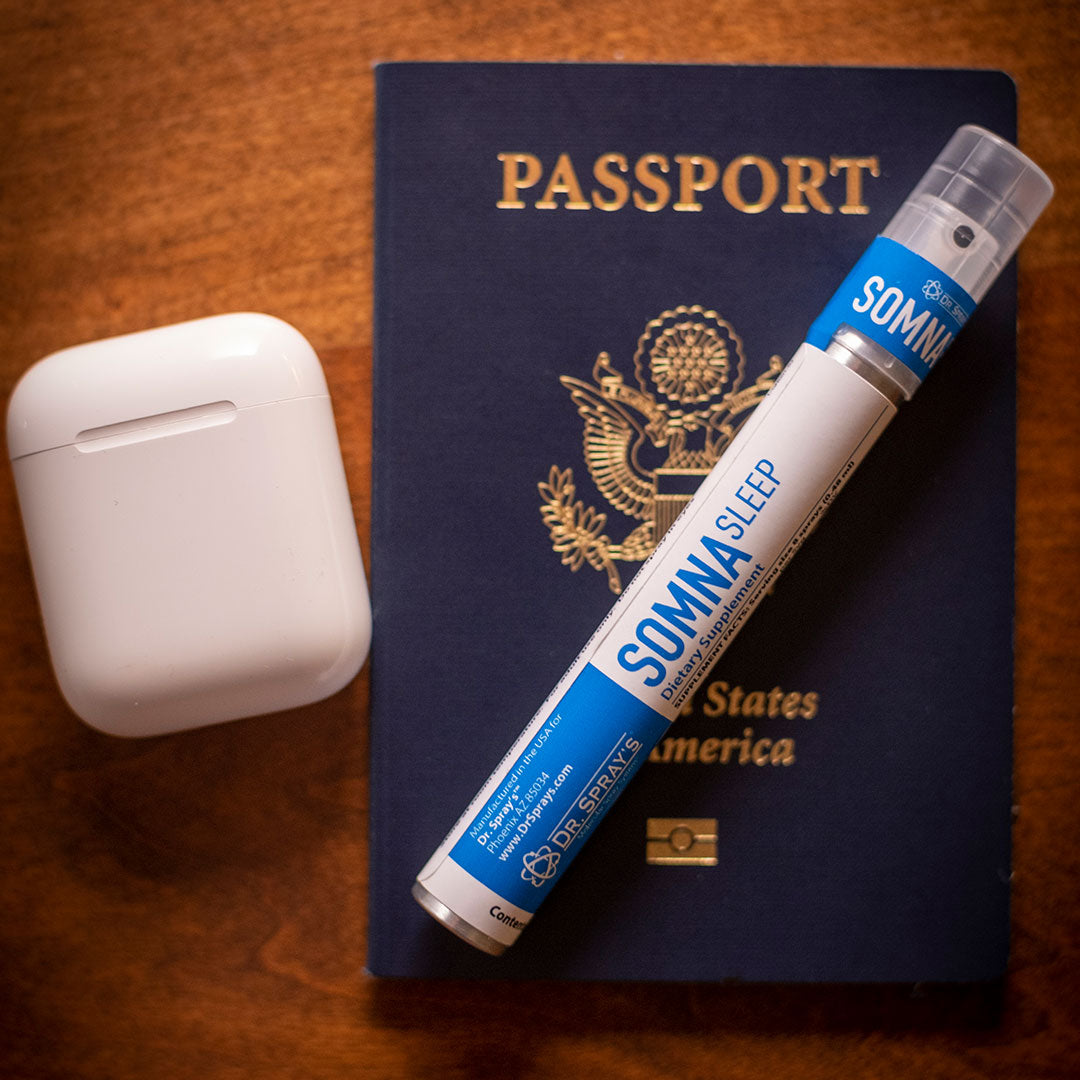
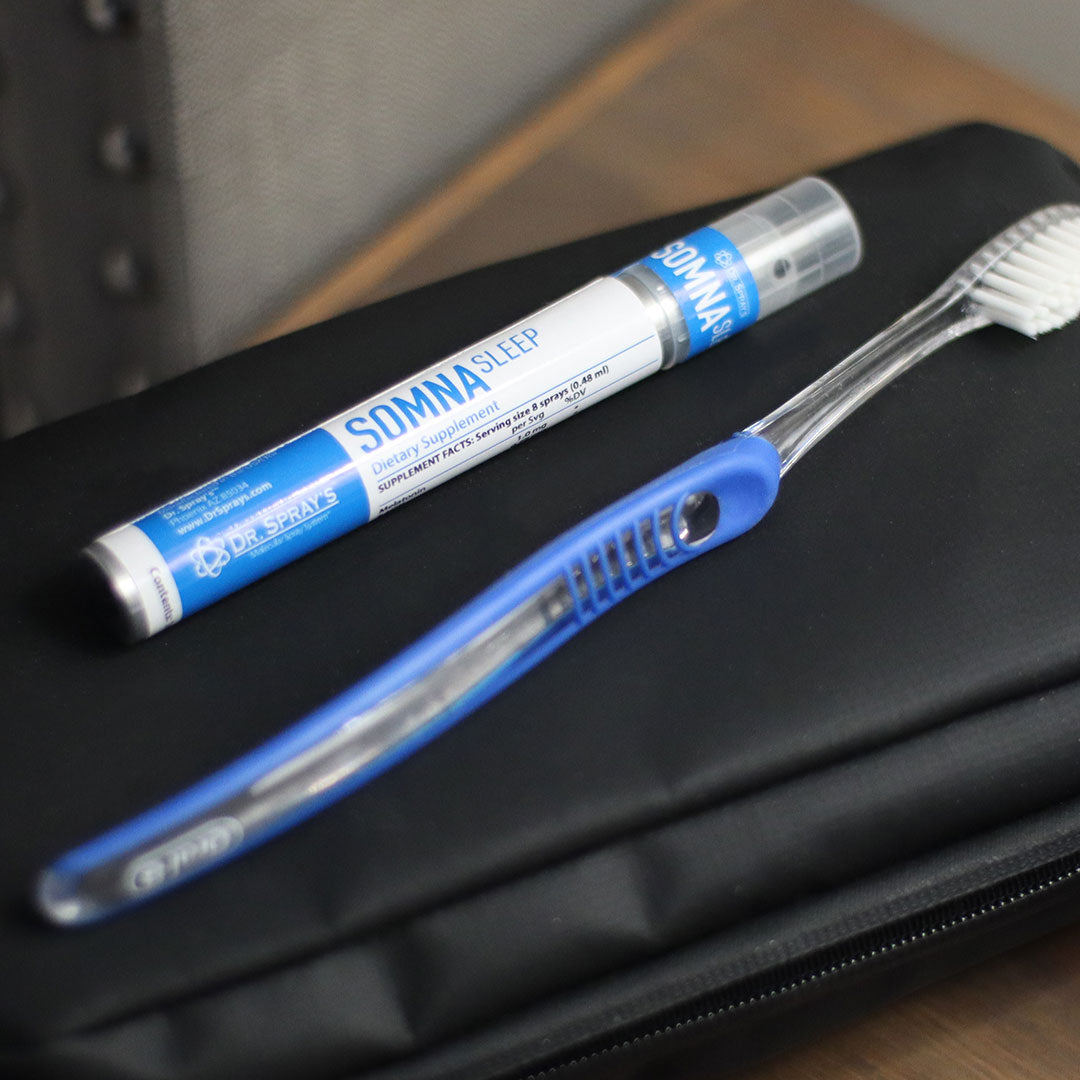
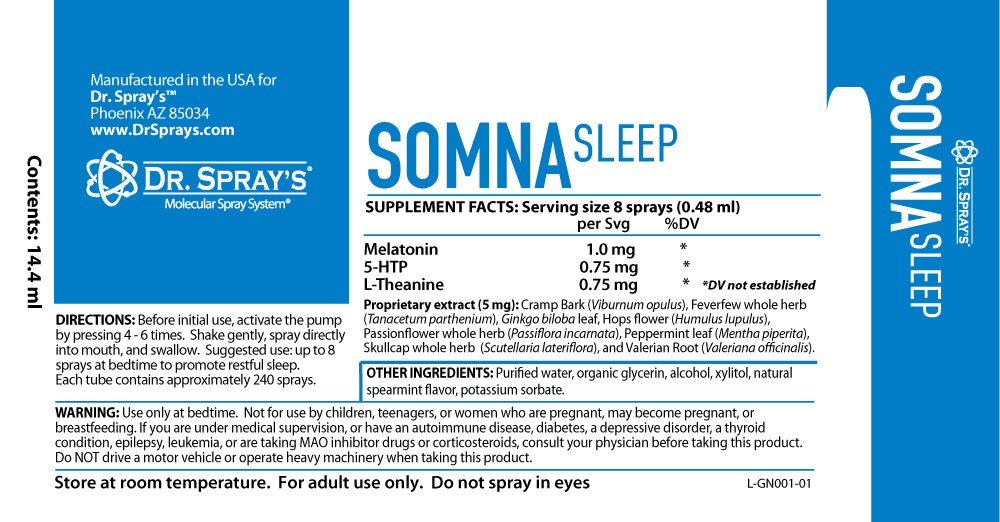
Dr Sprays SOMNA Sleep Spray uses melatonin, L-theanine, and valerian in a fast-absorbing oral spray. It absorbs through your mouth — not your digestive system — for fast, gentle sleep support without interfering with your weight loss goals.
- Doctor-developed, non-habit forming formula
- Zero calories — won't affect your diet
- Starts working within minutes — no pills to swallow
- 100% money-back guarantee
Free shipping on your first order. Always consult your doctor before starting any new supplement.
How Common Is Phentermine Insomnia?
Insomnia is one of the top 3 reported side effects of phentermine, alongside dry mouth and increased heart rate. Clinical data suggests:
- 15–30% of users report significant sleep disruption, particularly during the first 2–4 weeks.
- Most common pattern: Difficulty falling asleep (sleep-onset insomnia), rather than staying asleep.
- Dose-dependent: Higher doses (37.5 mg) cause more insomnia than lower doses (15 mg or 30 mg).
- Timing-dependent: Taking phentermine later in the day dramatically increases insomnia risk.
- Usually temporary: Most users report improvement within 2–4 weeks as the body develops partial tolerance to the stimulant effects.
8 Evidence-Based Tips to Sleep Better on Phentermine
1. Take Phentermine Before 10 AM
This is the single most effective strategy. Phentermine has a half-life of approximately 19–24 hours, but its stimulant peak occurs 3–4 hours after ingestion and gradually tapers. Taking it at 7–9 AM means peak stimulation happens mid-morning (when you want to be alert and your appetite is suppressed) and is significantly reduced by bedtime.
If you're currently taking it at noon or later, shifting to a morning dose could solve your sleep problem entirely. Some doctors even recommend taking it as early as 6 AM with a glass of water, then going back to sleep if needed — the alerting effects won't kick in for 1–2 hours.
2. Eliminate Caffeine After Noon
Caffeine and phentermine are both stimulants, and their effects are additive. Caffeine has a half-life of 5–6 hours, meaning half the caffeine from a 2 PM coffee is still in your system at 8 PM.
- Switch to decaf or herbal tea after 12 PM
- Watch for hidden caffeine: chocolate, certain teas, energy drinks, pre-workout supplements
- Some people on phentermine need to cut caffeine entirely — if noon cutoff isn't enough, try eliminating it completely for a week
3. Try Low-Dose Melatonin (0.5–1 mg)
Because phentermine blunts your body's melatonin response, supplementing with a small dose can help restore the sleep signal. Key points:
- Low dose is key: 0.5–1 mg is more effective than the 5–10 mg doses commonly sold. Higher doses can cause morning grogginess and don't work better.
- Timing: Take 30–60 minutes before your target bedtime.
- Safety: Melatonin has no known interaction with phentermine.
- Fast-absorbing forms: Sublingual or spray melatonin (like SOMNA Sleep Spray) works faster than tablets because it bypasses digestion.
4. Take Magnesium Glycinate Before Bed (200–400 mg)
Magnesium has a calming effect on the nervous system, which helps counteract phentermine's stimulant activity. Magnesium glycinate is the best form for sleep because glycine itself has sleep-promoting properties.
- Dosage: Start with 200 mg, increase to 400 mg if needed.
- Timing: Take 1–2 hours before bed.
- Bonus: Magnesium can help with the muscle tension and restlessness that phentermine sometimes causes.
5. Practice Strict Sleep Hygiene
When you're fighting a stimulant, your sleep environment needs to be optimized:
- Consistent bedtime: Go to bed at the same time every night, even on weekends. Your body's circadian clock is already fighting phentermine — don't make it harder.
- Dark room: Use blackout curtains or an eye mask. Any light signals your brain to stay alert.
- No screens 1 hour before bed: Blue light from phones and laptops suppresses melatonin production, compounding phentermine's effect.
- Wind-down routine: A 30-minute pre-bed routine (reading, stretching, warm bath) signals your brain that sleep is approaching.
6. Exercise Earlier in the Day
Exercise improves both weight loss and sleep quality, but timing matters. On phentermine, the stimulant effects of exercise are amplified:
- Best time: Morning or early afternoon (before 3 PM).
- Avoid: Intense exercise within 4 hours of bedtime. Even moderate exercise close to bed can elevate heart rate and core temperature.
- Type: Moderate cardio (walking, cycling) is better for sleep than high-intensity interval training.
7. Keep Your Bedroom Cool and Dark
Phentermine raises your core body temperature as part of its thermogenic (calorie-burning) effect. Your body needs to drop 1–2°F to initiate sleep, so give it every advantage:
- Room temperature: Set to 65–68°F (18–20°C) — cooler than you might think.
- Breathable bedding: Cotton or bamboo sheets instead of synthetic materials.
- Cool shower: A warm (not hot) shower 1–2 hours before bed actually helps — your body temperature drops after you get out, triggering sleepiness.
8. Try L-Theanine for Relaxation (200 mg)
L-theanine is an amino acid from green tea that promotes calm focus without sedation. It works by increasing alpha brain waves — the same waves associated with the relaxed-but-alert state before sleep onset.
- Complements melatonin: L-theanine helps quiet the mental chatter that phentermine can amplify, while melatonin signals sleep.
- No interaction: No documented interactions with phentermine.
- Dosage: 200 mg taken 30–60 minutes before bed.
For a complete guide to all sleep aid options with phentermine, including what to avoid, see our complete phentermine sleep aid guide.
When Does Phentermine Insomnia Get Better?
For most users, phentermine insomnia follows this pattern:
- Week 1–2: Worst insomnia. Body is adjusting to the stimulant. Sleep onset may be delayed 1–3 hours.
- Week 2–4: Gradual improvement. The body develops partial tolerance to the stimulant effects on sleep, even though appetite suppression continues.
- Month 2+: Most users report significantly improved sleep, especially with the strategies above. Some experience no sleep issues at all by this point.
If your insomnia doesn't improve by week 4, or if it's getting worse, this isn't normal — talk to your prescriber.
Don't let insomnia derail your weight loss
Poor sleep increases hunger hormones (ghrelin) and decreases satiety hormones (leptin) — working directly against phentermine's appetite suppression. SOMNA Sleep Spray helps you fall asleep faster with zero calories and no drug interactions.
When to Talk to Your Doctor
Contact your prescriber if:
- Insomnia persists beyond 4 weeks despite trying the strategies above.
- You're getting fewer than 5 hours of sleep consistently — this level of sleep deprivation is counterproductive for weight loss.
- You experience racing heart, anxiety, or panic at bedtime. These may indicate the dose is too high.
- You feel exhausted during the day to the point where it affects work, driving, or safety.
- You've tried dose timing changes and they haven't helped.
Your doctor may lower your dose (from 37.5 mg to 15 mg or 30 mg), switch to a timed-release formulation, or try an alternative medication.
The Sleep-Weight Loss Connection
Here's the irony of phentermine insomnia: poor sleep actually undermines weight loss. Research consistently shows:
- Hunger hormones: Sleep deprivation increases ghrelin (hunger hormone) by up to 28% and decreases leptin (satiety hormone) by 18%. This directly fights phentermine's appetite-suppressing effect.
- Cravings: Sleep-deprived people crave high-calorie, high-carb foods. A 2013 UC Berkeley study found that sleep loss specifically activates brain regions associated with reward-seeking food behavior.
- Metabolism: Chronic sleep loss reduces resting metabolic rate and impairs glucose tolerance.
- Muscle loss: When sleep-deprived, a higher proportion of weight lost comes from lean muscle rather than fat.
In other words: solving your phentermine insomnia isn't just about comfort — it's essential for your weight loss goals.
Frequently Asked Questions
Can I take melatonin while on phentermine?
Yes, melatonin is safe with phentermine. There are no known drug interactions. Use a low dose (0.5–1 mg) since you're supplementing your body's natural melatonin signal, not trying to sedate yourself. Take it 30–60 minutes before bed.
How long does phentermine insomnia last?
For most users, the worst insomnia occurs during weeks 1–2 and improves significantly by weeks 3–4. By month 2, most users have adapted. However, some people experience persistent sleep disruption throughout their phentermine treatment — this is dose-dependent and should be discussed with your prescriber.
Should I stop taking phentermine if I can't sleep?
Don't stop phentermine without consulting your doctor. First, try adjusting the timing (take it earlier), reducing caffeine, and using the sleep strategies above. If insomnia persists after 4 weeks of trying these approaches, your doctor can adjust your dose or try an alternative. Abruptly stopping phentermine can cause withdrawal fatigue.
Is it safe to take Benadryl with phentermine?
While there's no dangerous drug interaction, Benadryl (diphenhydramine) is not recommended as a regular sleep aid with phentermine. Antihistamines cause morning grogginess, can worsen dry mouth (already a phentermine side effect), and lose effectiveness quickly with regular use. Natural options like melatonin, magnesium, and L-theanine are better long-term choices.
Does the extended-release phentermine cause less insomnia?
Potentially, yes. Extended-release formulations (like Lomaira 8 mg taken 3x daily, or Qsymia which combines phentermine with topiramate) may produce more even blood levels throughout the day with less of a stimulant peak. However, the total stimulant load is similar. Ask your doctor if a different formulation might help your specific situation.
Related Articles
Sleep better tonight — without compromising your weight loss
Dr Sprays SOMNA Sleep Spray delivers melatonin, L-theanine, and valerian in a fast-absorbing oral spray. Zero calories. Doctor-developed. Works in minutes.
Try SOMNA Sleep Spray — $24.95100% money-back guarantee. Free shipping on your first order.