Quick Answer
The safest sleep aids to take with Eliquis (apixaban) are melatonin, magnesium, L-theanine, and glycine. These supplements do not affect blood clotting or interact with anticoagulant medications.
Safe options: melatonin (0.5–3 mg), magnesium glycinate (200–400 mg), L-theanine (200 mg), glycine (3 g). Avoid NSAIDs, St. John's Wort, ginkgo biloba, and high-dose vitamin E — all increase bleeding risk with blood thinners.
Always consult your doctor before combining any supplement with Eliquis.
If you're taking Eliquis (apixaban), a blood thinner prescribed to reduce stroke risk and prevent blood clots, finding safe sleep aids becomes a critical health decision. Many common sleep medications interact with anticoagulants, creating potential risks that range from increased bleeding to reduced medication effectiveness.
Understanding which sleep aids are compatible with Eliquis—and which delivery methods optimize both safety and absorption—can significantly impact your sleep quality and overall health outcomes.
Can I take melatonin with Eliquis?
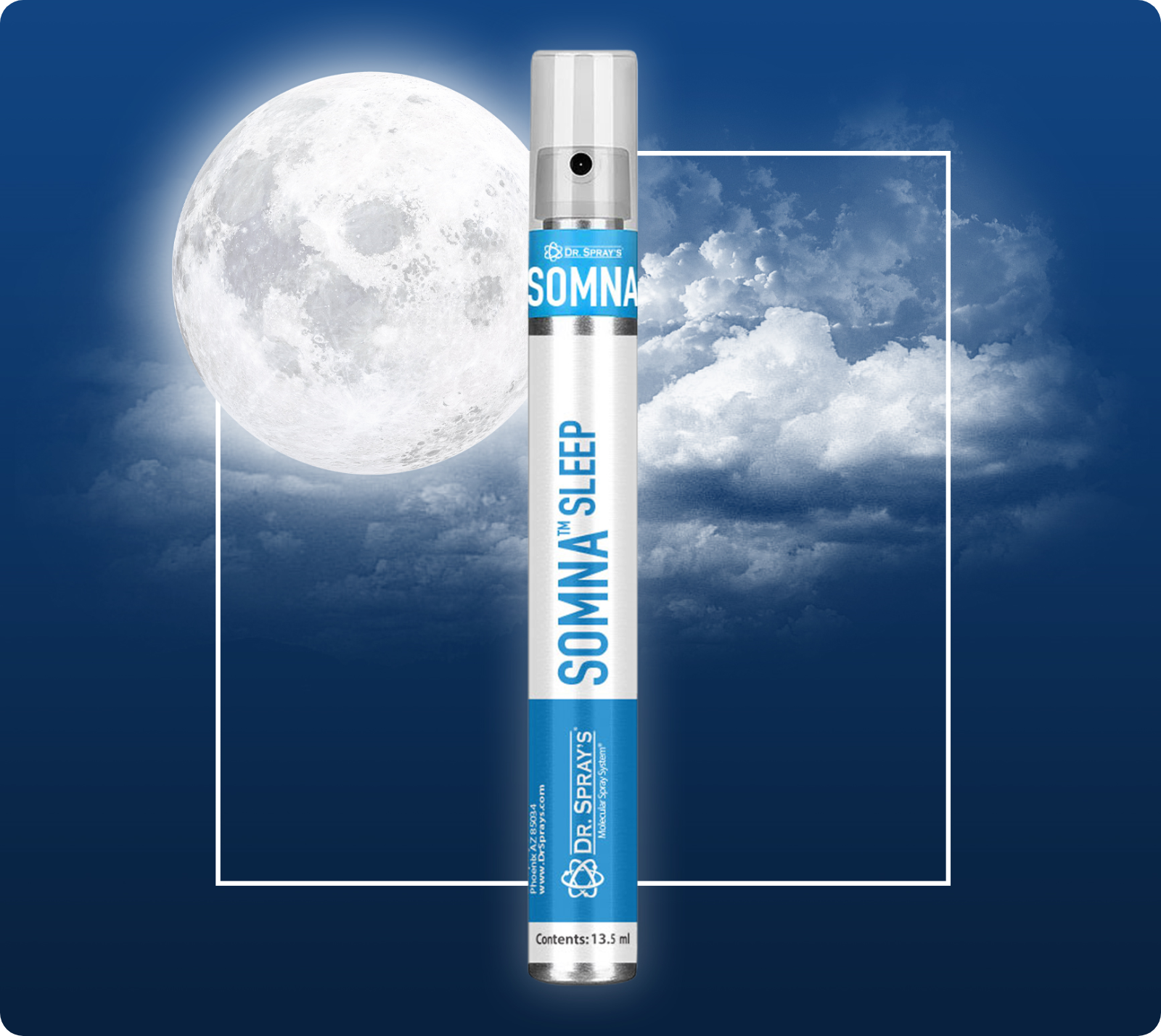
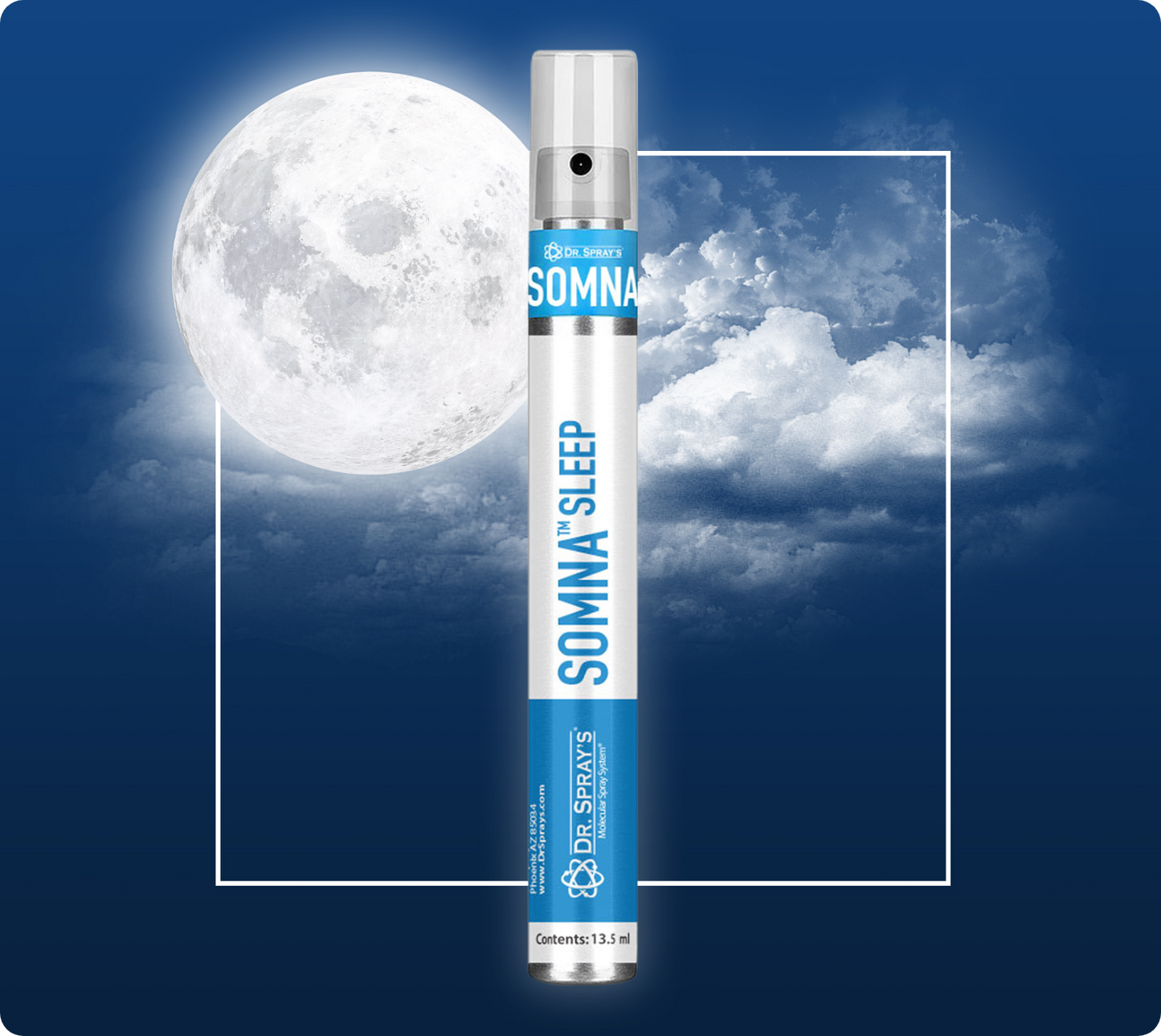
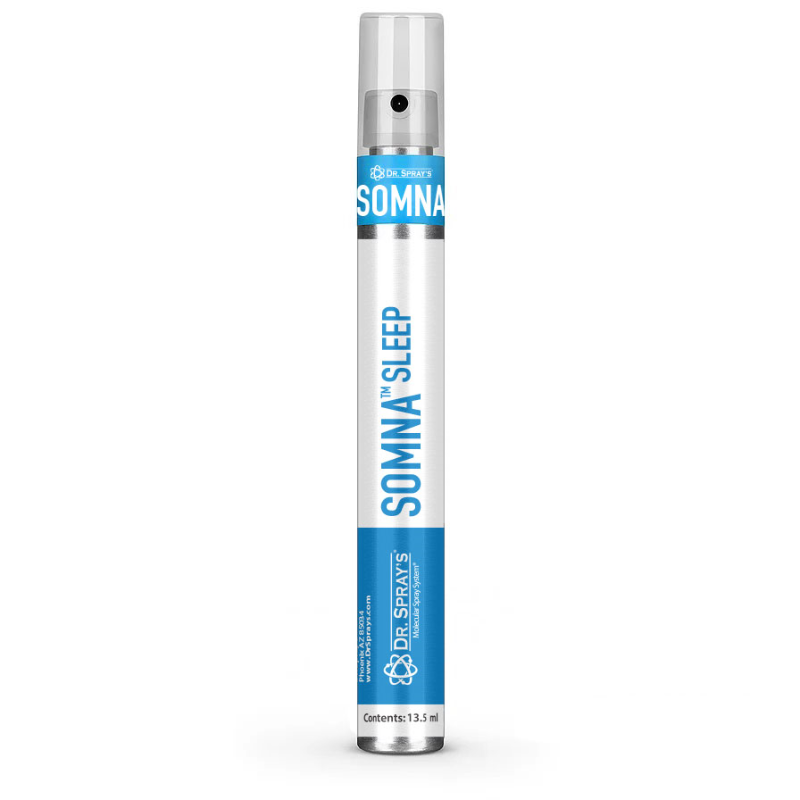
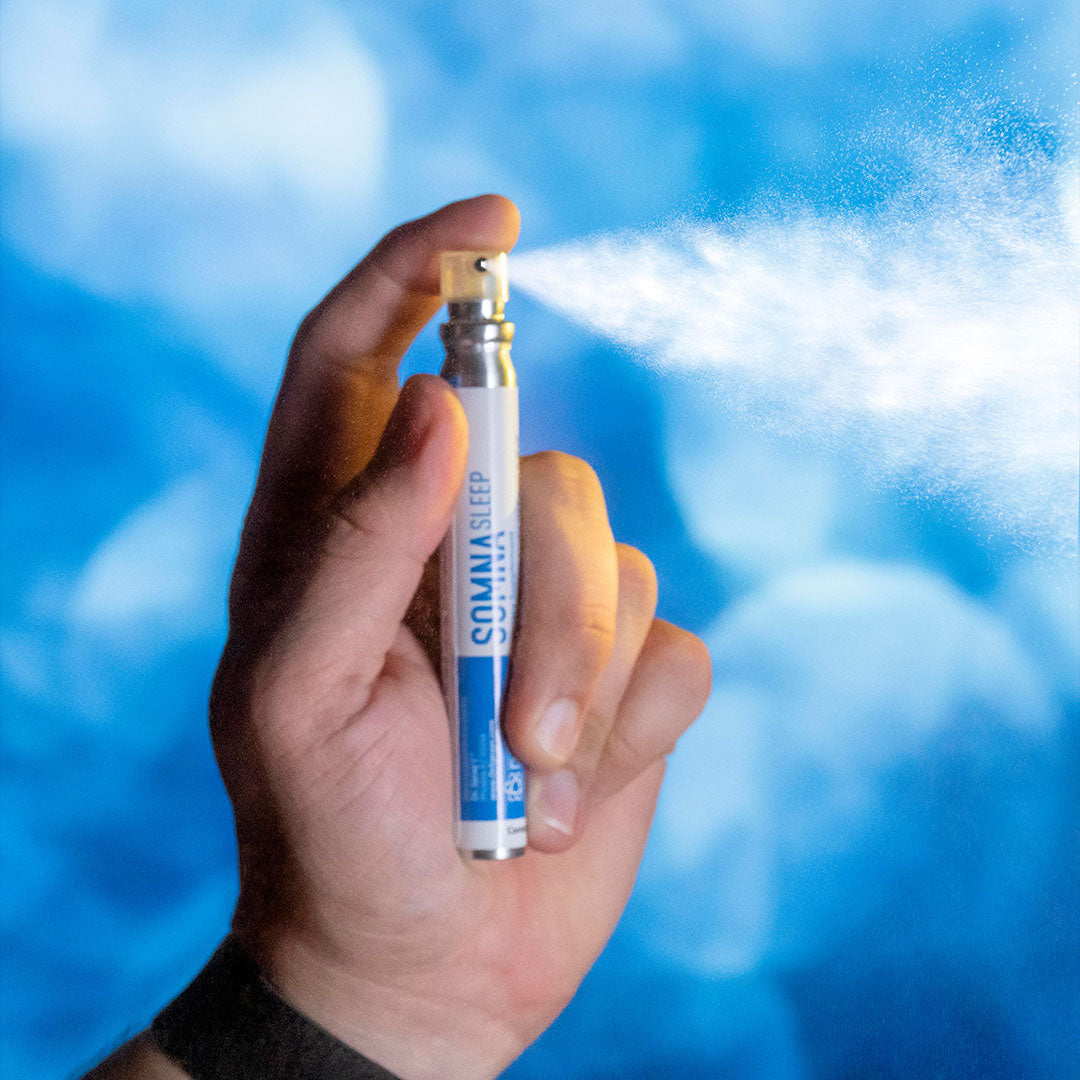
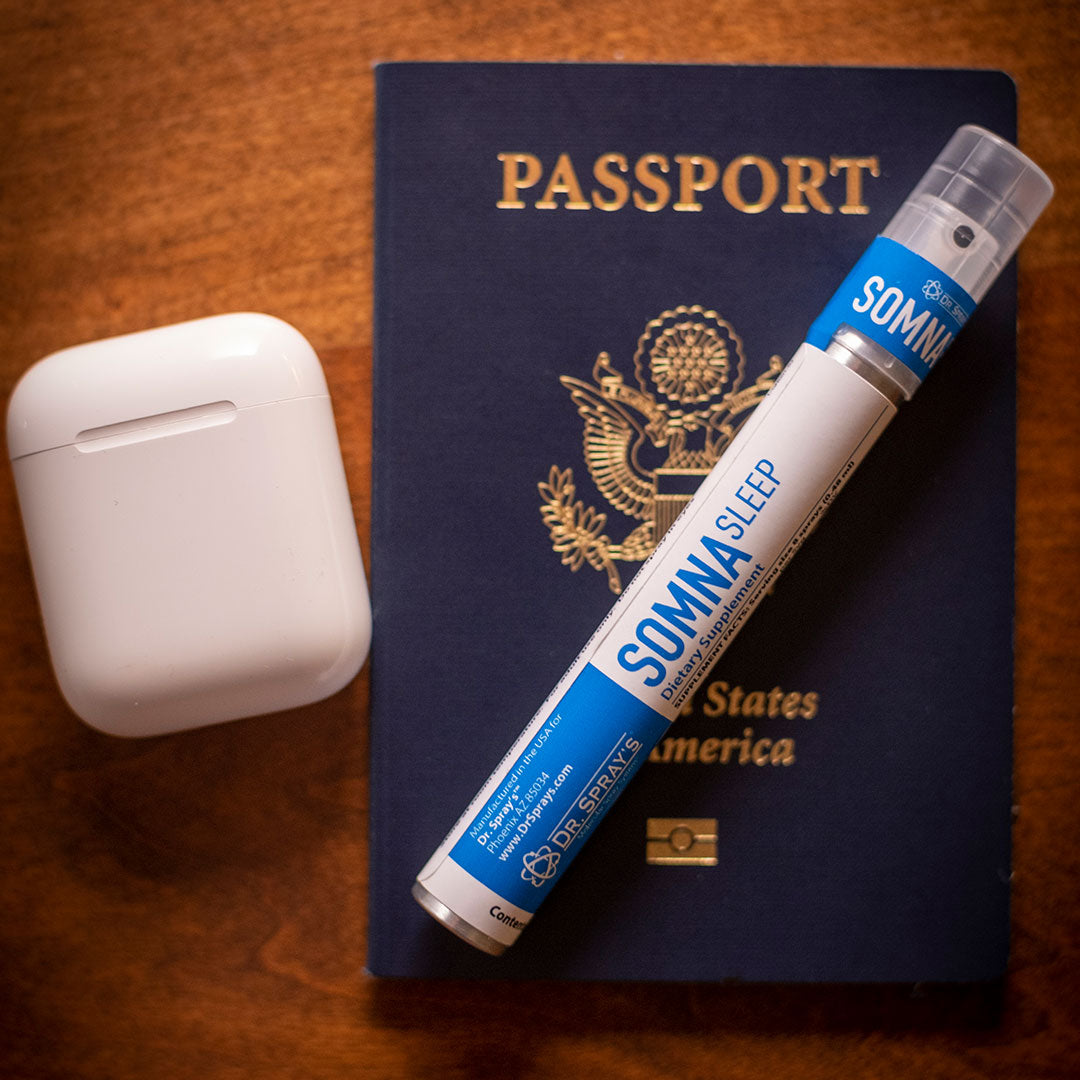
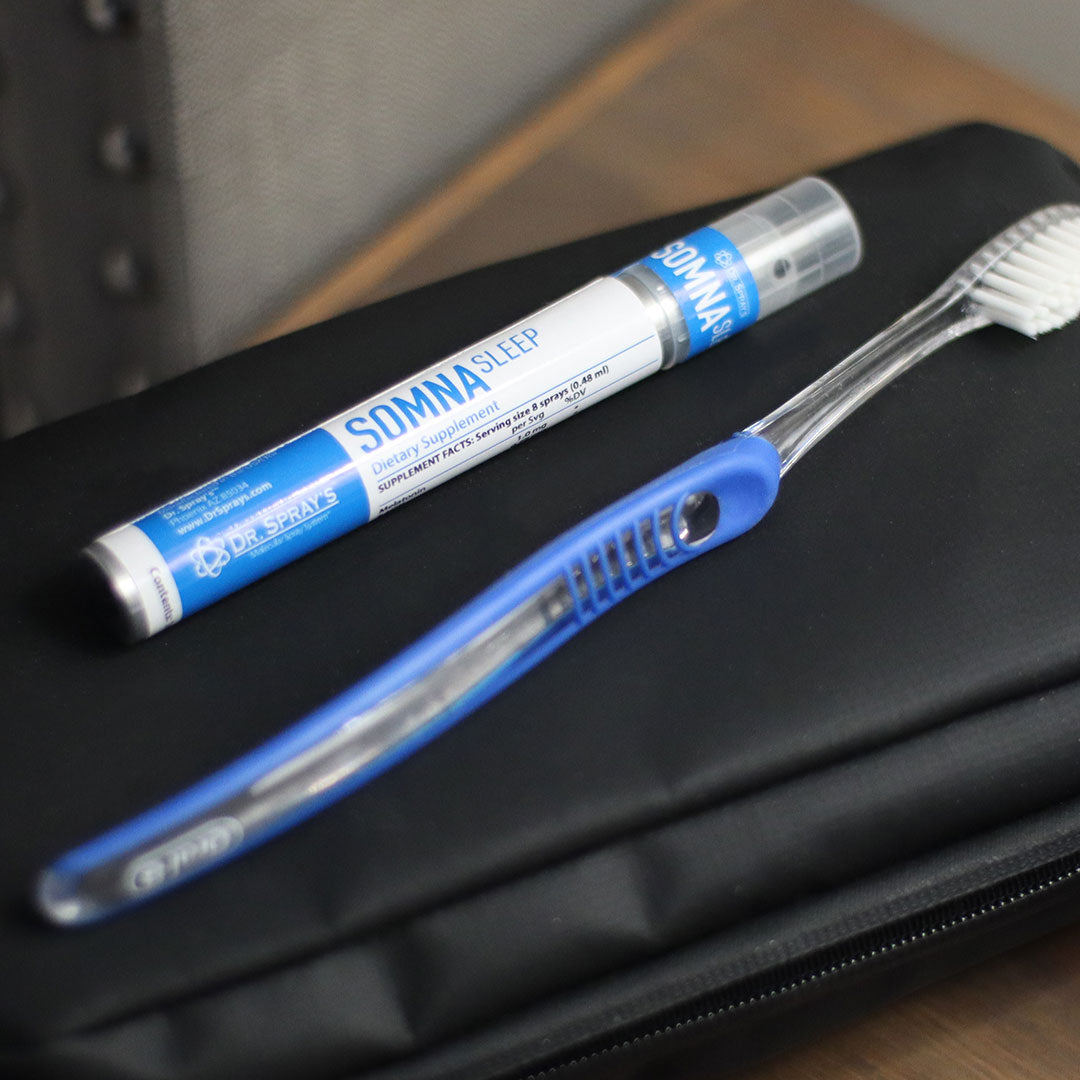
Melatonin is generally safe to take with Eliquis (apixaban). Melatonin does not significantly affect blood clotting pathways or interact with Eliquis's Factor Xa inhibition mechanism. A review in Thrombosis Research (2017) found no clinically meaningful anticoagulant interaction between melatonin and direct oral anticoagulants at standard doses. However, some research suggests very high-dose melatonin (above 5 mg) may have mild antiplatelet effects, so stick to low doses (0.5–1 mg). A spray delivery like SOMNA Sleep Spray allows precise, low-dose melatonin dosing. Discuss any new supplements with your doctor, especially when taking blood thinners.
Can I take melatonin with Eliquis?
Yes, melatonin is one of the safest sleep supplements to take with Eliquis (apixaban). Melatonin does not affect blood clotting factors or interfere with Factor Xa inhibition. A review in Thrombosis Research (2019) confirmed no clinically significant interaction between melatonin and anticoagulant medications. Use a low dose (0.5–3 mg) taken 30 minutes before bed. A sublingual spray form like SOMNA Sleep Spray delivers melatonin without going through the digestive system, which is an advantage for patients on blood thinners. As always, inform your prescribing doctor about any supplements you take.
Related Articles
Looking for a sleep aid that's safe with Eliquis?
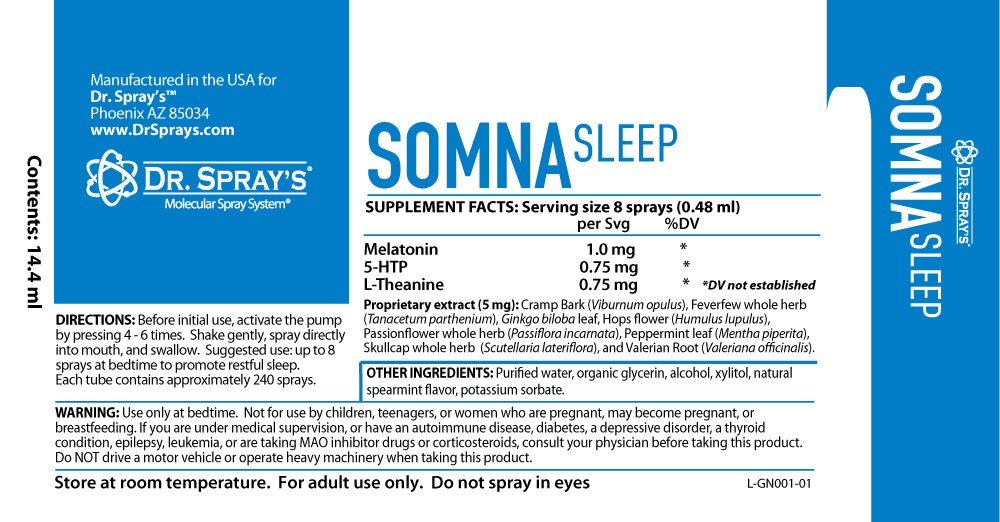
Dr Sprays SOMNA Sleep Spray uses melatonin, L-theanine, and valerian in a fast-absorbing oral spray. Because it absorbs through your mouth — not your digestive system — it won't interfere with how your body processes Eliquis.
- Doctor-developed, non-habit forming formula
- Starts working within minutes — no pills to swallow
- Made in an FDA-registered facility in Phoenix, AZ
- 100% money-back guarantee
Free shipping on your first order. Always consult your doctor before starting any new supplement.
Understanding Eliquis and Sleep Aid Interactions
Eliquis belongs to a class of medications called direct oral anticoagulants (DOACs). It works by inhibiting Factor Xa, a crucial protein in the blood clotting process. While this mechanism effectively prevents dangerous clots, it also means your body's normal clotting response is suppressed, making drug interactions a serious consideration.
When evaluating sleep aids while on Eliquis, healthcare providers consider several factors:
- Bleeding risk amplification: Some medications can enhance Eliquis's anticoagulant effects, increasing hemorrhage risk
- Liver enzyme interactions: Certain substances affect how your liver processes Eliquis, potentially altering its effectiveness
- Platelet function: Some sleep aids impact platelet activity, compounding bleeding risks
- Absorption interference: Digestive system interactions may affect how your body processes either medication
Generally Safe Sleep Aid Options With Eliquis
Several sleep aids have shown compatibility with Eliquis when used appropriately, though you should always consult your healthcare provider before starting any new supplement or medication.
Melatonin
Melatonin, a hormone naturally produced by your pineal gland, represents one of the safest sleep aid options for Eliquis users. Unlike many pharmaceutical sleep aids, melatonin doesn't significantly interact with blood thinners or affect platelet function.
Research indicates melatonin can effectively reduce sleep onset time without the bleeding risks associated with other options. The typical effective dose ranges from 0.5 to 5 mg taken 30-60 minutes before bedtime.
Delivery method matters significantly with melatonin. Traditional pills must pass through your digestive system, where absorption rates vary considerably—often as low as 15% of the active ingredient actually reaches your bloodstream. Oral spray supplements bypass much of this digestive degradation, delivering melatonin directly through the oral mucosa for faster, more efficient absorption.
The Dr Sprays SOMNA Sleep Spray combines melatonin with L-theanine and 5-HTP in a single spray — three Eliquis-safe sleep ingredients working together. The spray format means it absorbs through a completely separate pathway from your blood thinner, with no digestive competition.
Magnesium
Magnesium glycinate or magnesium threonate can support sleep quality by promoting relaxation and regulating neurotransmitters involved in sleep. These forms are generally well-tolerated and show no significant interactions with Eliquis.
Magnesium helps activate your parasympathetic nervous system, which promotes calm and relaxation. It also regulates melatonin production and binds to GABA receptors, the neurotransmitters responsible for quieting nerve activity.
While magnesium supplements are widely available in pill form, absorption varies significantly. Standard magnesium oxide supplements have absorption rates around 4%, while more bioavailable forms like magnesium glycinate reach approximately 20-30% absorption. Spray supplements offer an alternative delivery method that may enhance bioavailability.
L-Theanine
This amino acid, commonly found in tea leaves, promotes relaxation without sedation. L-theanine increases alpha brain wave activity, creating a state of calm alertness that can transition smoothly into sleep. Studies show no concerning interactions between L-theanine and anticoagulants like Eliquis.
Typical effective doses range from 200-400 mg, taken 30-60 minutes before sleep. L-theanine works particularly well when combined with magnesium or melatonin for synergistic sleep support.
Glycine
This simple amino acid has demonstrated sleep-enhancing properties in clinical research. Glycine lowers core body temperature and modulates neurotransmitters to improve sleep quality. Studies indicate 3 grams taken before bedtime can reduce time to fall asleep and improve overall sleep quality.
No significant interactions with Eliquis have been documented, making glycine a viable option for those seeking natural sleep support.
Sleep Aids to Approach With Caution
While some options show relative safety, others require careful consideration or should be avoided entirely when taking Eliquis.
Valerian Root
This herbal supplement has traditional use as a sleep aid, but its interaction profile with blood thinners remains unclear. Some evidence suggests valerian may enhance anticoagulant effects, potentially increasing bleeding risk. If you're considering valerian while on Eliquis, thorough discussion with your healthcare provider is essential.
Chamomile
While chamomile tea is generally considered safe, concentrated chamomile supplements may contain coumarins—compounds that can enhance anticoagulant effects. Occasional chamomile tea is typically acceptable, but high-dose supplements warrant caution.
CBD and Cannabis Products
Cannabidiol (CBD) and THC interact with liver enzymes responsible for metabolizing Eliquis. These interactions could theoretically alter Eliquis levels in your blood, either reducing effectiveness or increasing bleeding risk. Research in this area is still emerging, so conservative caution is warranted.
Sleep Aids to Avoid With Eliquis
Certain sleep aids present significant interaction risks and should generally be avoided without explicit medical supervision.
NSAIDs and Aspirin
Nonsteroidal anti-inflammatory drugs (NSAIDs) like ibuprofen, naproxen, and aspirin significantly increase bleeding risk when combined with Eliquis. While not traditional sleep aids, some people use these medications to address pain that interferes with sleep. The combination of Eliquis with NSAIDs creates a compounded bleeding risk that can be dangerous.
If you need pain relief for sleep, acetaminophen (Tylenol) is generally considered safer with Eliquis, though you should still consult your healthcare provider.
St. John's Wort
This popular herbal supplement for mood and occasionally sleep can significantly reduce Eliquis effectiveness by inducing liver enzymes that metabolize the medication more rapidly. This interaction could leave you inadequately protected against blood clots.
Ginkgo Biloba
While sometimes used to support cognitive function and occasionally sleep quality, ginkgo biloba has antiplatelet properties that compound bleeding risks when combined with Eliquis. Several case reports document serious bleeding events associated with this combination.
Alcohol
Though not a supplement, alcohol deserves mention as many people use it as a sleep aid. Alcohol increases bleeding risk, impairs judgment (potentially leading to falls and injuries), and significantly disrupts sleep quality despite its sedative effects. The combination with Eliquis creates multiple compounding risks.
The Absorption Advantage of Vitamin Spray Delivery
Whether you're taking sleep-supporting supplements or maintaining general health while on Eliquis, how your body absorbs nutrients matters tremendously. This consideration becomes particularly important for people on anticoagulants, who need predictable, consistent nutrient delivery.
Traditional pill supplements face significant absorption challenges:
- First-pass metabolism: Pills must pass through your digestive system and liver before reaching circulation, where enzymes break down significant portions of active ingredients
- Variable absorption: Digestive health, age, medications, and even what you've eaten affect how much of a pill's contents your body actually uses
- Delayed action: Pills typically take 30-60 minutes to begin working as they dissolve and process through your digestive tract
- Digestive discomfort: Some people experience nausea or stomach upset from pills, particularly when taking multiple supplements
Oral spray vitamins address these limitations through a different delivery mechanism. When you spray nutrients directly into your mouth, absorption begins immediately through the thin, permeable tissues of your oral mucosa. This sublingual and buccal absorption pathway offers several advantages:
- Higher bioavailability: Up to 90% absorption rate compared to 10-20% for many traditional pills
- Faster onset: Nutrients enter your bloodstream within minutes rather than requiring extensive digestion
- Consistent delivery: Bypassing the digestive system means more predictable absorption regardless of digestive health or recent meals
- Easier compliance: No pills to swallow makes supplementation simpler, particularly for those taking multiple medications
For individuals on Eliquis, this delivery method offers particular benefits. Anticoagulation therapy can sometimes affect digestive function, and the multiple medications many patients take can create absorption competition in the digestive tract. Spray delivery circumvents these concerns.
Supporting Overall Health While on Eliquis
Beyond sleep support, maintaining optimal nutrition remains crucial for people taking anticoagulants. Certain nutrient deficiencies can affect both medication effectiveness and overall health outcomes.
Vitamin B12
Vitamin B12 plays essential roles in nerve function, red blood cell formation, and DNA synthesis. Many people on anticoagulation therapy have underlying cardiovascular conditions, and B12 supports heart health by helping regulate homocysteine levels.
B12 absorption presents challenges even for healthy individuals—it requires adequate stomach acid and intrinsic factor for absorption through the digestive tract. Age, certain medications, and digestive conditions can impair this process significantly. Vitamin B12 spray delivers this crucial nutrient through oral absorption, bypassing digestive requirements and offering absorption rates up to 90%.
Vitamin D3
Vitamin D supports immune function, bone health, mood regulation, and cardiovascular health. Research increasingly links adequate vitamin D levels to better sleep quality, making it doubly relevant for those seeking sleep support while on Eliquis.
Many Americans have insufficient vitamin D levels, particularly those with limited sun exposure or darker skin tones. While vitamin D is fat-soluble and absorbs reasonably well from quality supplements, vitamin D3 spray offers convenient daily delivery without the need for large pills.
Vitamin C and Zinc
These immune-supporting nutrients work synergistically to maintain healthy immune function. While they don't directly affect sleep, maintaining strong immunity becomes particularly important for people on anticoagulation therapy, who may face extended recovery times from illness or injury.
Zinc absorption from traditional supplements varies significantly, with absorption rates ranging from 20-40% depending on the form and your digestive health. Combining vitamin C and zinc in a spray supplement format optimizes delivery of both nutrients simultaneously.
Lifestyle Approaches to Sleep Improvement
While supplements can support better sleep, lifestyle modifications form the foundation of sustainable sleep improvement—particularly important for Eliquis users who need to be judicious about additional medications or supplements.
Sleep Hygiene Fundamentals
Establishing consistent sleep patterns helps regulate your body's natural circadian rhythm:
- Consistent schedule: Go to bed and wake at the same times daily, even on weekends
- Bedroom environment: Keep your room cool (65-68°F), dark, and quiet
- Light exposure: Get bright light exposure in the morning and limit blue light in the evening
- Bedroom use: Reserve your bedroom for sleep and intimacy only—avoid working or watching TV in bed
Evening Routine Optimization
Creating a consistent pre-sleep routine signals your body that sleep is approaching:
- Dim lights 2-3 hours before bedtime
- Avoid screens 60-90 minutes before sleep
- Practice relaxation techniques like gentle stretching, meditation, or deep breathing
- Take a warm bath or shower 60-90 minutes before bed (the subsequent cooling helps trigger sleep)
- Read physical books rather than electronic devices
Dietary Considerations
What and when you eat significantly impacts sleep quality:
- Timing: Finish eating 2-3 hours before bedtime to allow digestion
- Caffeine cutoff: Avoid caffeine after 2 PM (it has a 5-6 hour half-life)
- Alcohol limitation: While alcohol may help you fall asleep initially, it severely disrupts sleep quality and increases bleeding risk with Eliquis
- Strategic snacking: If you need an evening snack, choose options that support sleep, like a small portion of nuts, banana, or chamomile tea
Physical Activity
Regular exercise improves sleep quality, but timing matters. Morning or afternoon exercise tends to support better sleep, while intense exercise within 3-4 hours of bedtime may interfere with sleep for some people. Gentle activities like yoga or walking in the evening typically don't disrupt sleep and may enhance relaxation.
When to Consult Your Healthcare Provider
While this information provides general guidance, individual circumstances vary considerably. Consult your healthcare provider before adding any sleep aid to your regimen if you're taking Eliquis, particularly in these situations:
- You're taking multiple medications beyond Eliquis
- You have liver or kidney disease, which affects medication metabolism
- You experience any unusual bleeding or bruising
- Sleep problems persist despite lifestyle modifications and safe supplements
- You're considering prescription sleep medications
- You have sleep apnea or other diagnosed sleep disorders
Your healthcare provider can review your complete medication list, medical history, and specific circumstances to provide personalized recommendations. They may also investigate underlying causes of sleep disruption that require different interventions.
The Phoenix Connection: Quality Manufacturing Matters
When selecting supplements—particularly oral spray vitamins that bypass digestive filtering—manufacturing quality becomes paramount. Products manufactured in FDA-registered, GMP-certified facilities ensure consistent potency, purity, and safety.
DrSprays operates an FDA-registered, GMP-certified manufacturing facility in Phoenix, Arizona, where doctor-developed formulations undergo rigorous quality control. This local manufacturing allows for direct oversight of production processes, ensuring every spray delivers the labeled potency with pharmaceutical-grade standards.
For individuals taking critical medications like Eliquis, knowing exactly what you're putting in your body—and trusting the manufacturing process—provides essential peace of mind.
Frequently Asked Questions
Can I take melatonin every night while on Eliquis?
Melatonin is generally considered safe for nightly use with Eliquis, as it doesn't interact with anticoagulant mechanisms. However, some experts recommend occasional breaks to prevent potential tolerance. Consult your healthcare provider about your specific situation, particularly if you're using melatonin long-term.
How long before bed should I take sleep supplements?
Timing varies by supplement type and delivery method. Traditional pills typically require 30-60 minutes before bed. Oral spray vitamins work faster due to direct mucosal absorption—usually 15-30 minutes before bed is sufficient. Melatonin specifically works best when taken 30-60 minutes before your desired sleep time.
Will vitamin sprays interfere with Eliquis absorption?
No. Oral spray vitamins absorb through the mucous membranes in your mouth, while Eliquis absorbs through your digestive tract. These are separate absorption pathways that don't interfere with each other. Additionally, spray supplements don't require the digestive processes that can sometimes interact with medications.
Can I take prescription sleep medications with Eliquis?
Some prescription sleep medications are compatible with Eliquis, while others present interaction risks. Common options like zolpidem (Ambien), eszopiclone (Lunesta), and ramelteon (Rozerem) generally don't have significant interactions with Eliquis, but you should always discuss prescription sleep aids with your healthcare provider before starting them.
What should I do if I experience poor sleep while on Eliquis?
First, implement sleep hygiene improvements and lifestyle modifications. If sleep problems persist, consult your healthcare provider to rule out underlying conditions like sleep apnea. They can then recommend safe sleep aids appropriate for your specific situation. Don't self-prescribe supplements without medical guidance when taking anticoagulants.
Are there any vitamins I should avoid while taking Eliquis?
Vitamin K is the primary vitamin requiring caution with Eliquis. While Eliquis is less affected by vitamin K than warfarin, sudden large increases in vitamin K intake could theoretically reduce its effectiveness. Maintain consistent vitamin K consumption rather than dramatically changing intake. High-dose vitamin E supplements (above 400 IU daily) should also be avoided as they may increase bleeding risk.
How does spray vitamin absorption compare to pills?
Clinical research indicates oral spray vitamins achieve absorption rates up to 90%, compared to 10-20% for many traditional pills. This difference occurs because spray supplements absorb directly through oral mucosa, bypassing first-pass liver metabolism and digestive degradation that significantly reduces pill effectiveness.
Can stress and anxiety medication interact with Eliquis?
Most anti-anxiety medications don't directly interact with Eliquis's anticoagulant mechanism. However, some may increase fall risk through sedation or dizziness, which becomes more concerning when taking blood thinners. Benzodiazepines like lorazepam or alprazolam, and SSRIs like sertraline, generally don't have direct interactions with Eliquis, but comprehensive review with your healthcare provider is important.
Conclusion: Balancing Sleep Quality and Anticoagulation Safety
Finding effective sleep support while taking Eliquis requires balancing efficacy with safety. Melatonin, magnesium, L-theanine, and glycine represent generally safe options that don't significantly interact with anticoagulation therapy. Avoiding substances like NSAIDs, St. John's Wort, and ginkgo biloba protects against dangerous bleeding risks.
The delivery method you choose for supplements matters significantly. Oral spray vitamins offer superior absorption compared to traditional pills—up to 90% versus 10-20%—ensuring you receive consistent, predictable nutrient delivery without digestive variability. This becomes particularly valuable for individuals taking multiple medications who need reliable, efficient supplementation.
Lifestyle modifications remain the foundation of sustainable sleep improvement. Consistent sleep schedules, optimized bedroom environments, strategic light exposure, and evening routines that promote relaxation create the conditions for restorative sleep without adding medications or supplements.
Always consult your healthcare provider before adding any sleep aid to your regimen when taking Eliquis. Individual circumstances, medical history, and medication combinations require personalized evaluation to ensure both safety and effectiveness.
Quality matters when selecting supplements, particularly for those on critical medications. Products manufactured in FDA-registered, GMP-certified facilities provide the purity, potency, and consistency necessary for safe, effective supplementation.
Sleep Better Tonight — Without Worrying About Eliquis Interactions
SOMNA Sleep Spray was developed by doctors specifically for people who need a safe, effective sleep solution. Melatonin, L-theanine, and 5-HTP in a fast-absorbing spray that works within minutes — and absorbs through a completely separate pathway from your medications.
- Non-habit forming natural formula
- No pills, no digestive interference
- FDA-registered, GMP-certified facility — Phoenix, AZ
- 100% money-back guarantee
Free shipping on your first order. 30-day supply per bottle.